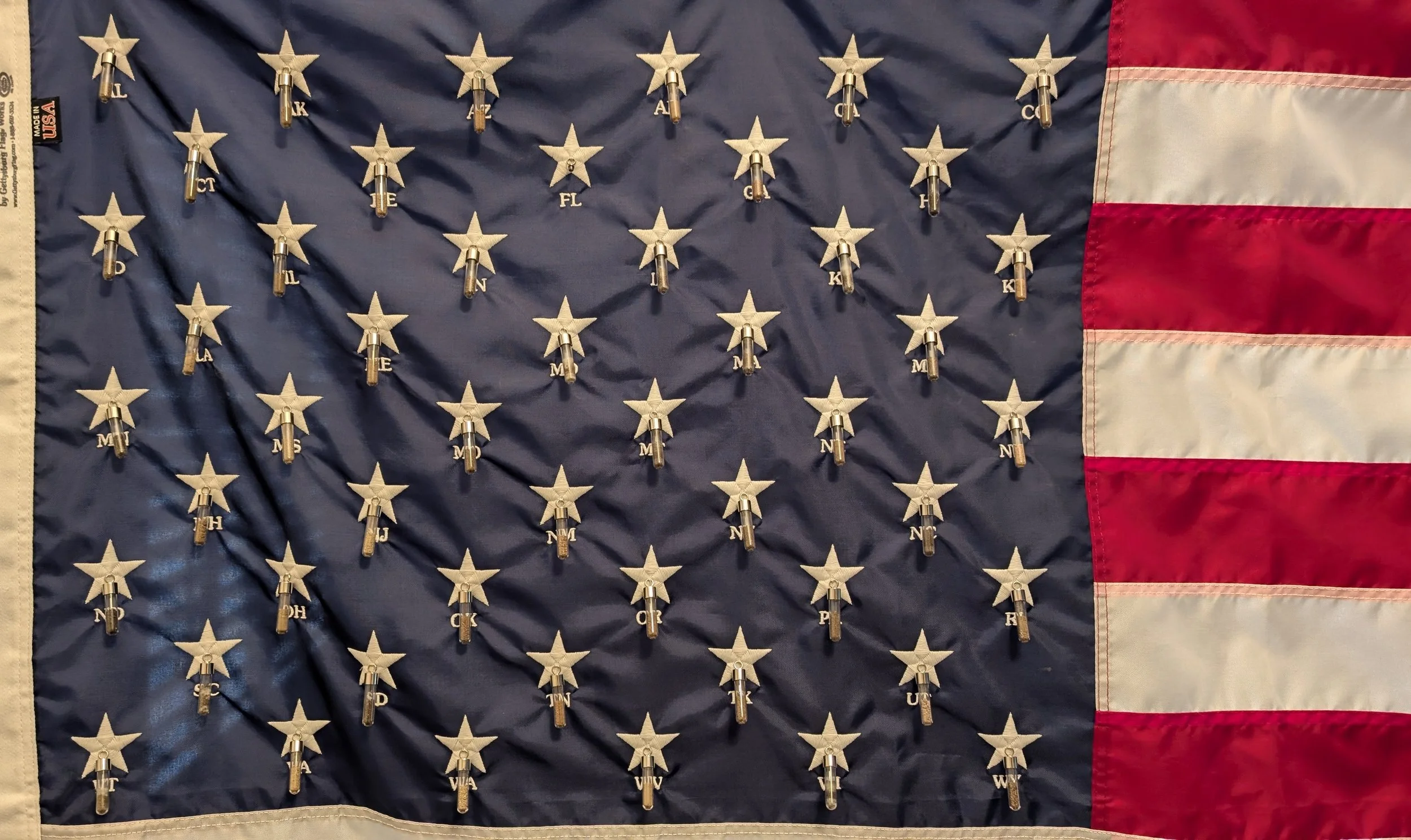
VIRGINIA
Arlington National Cemetery
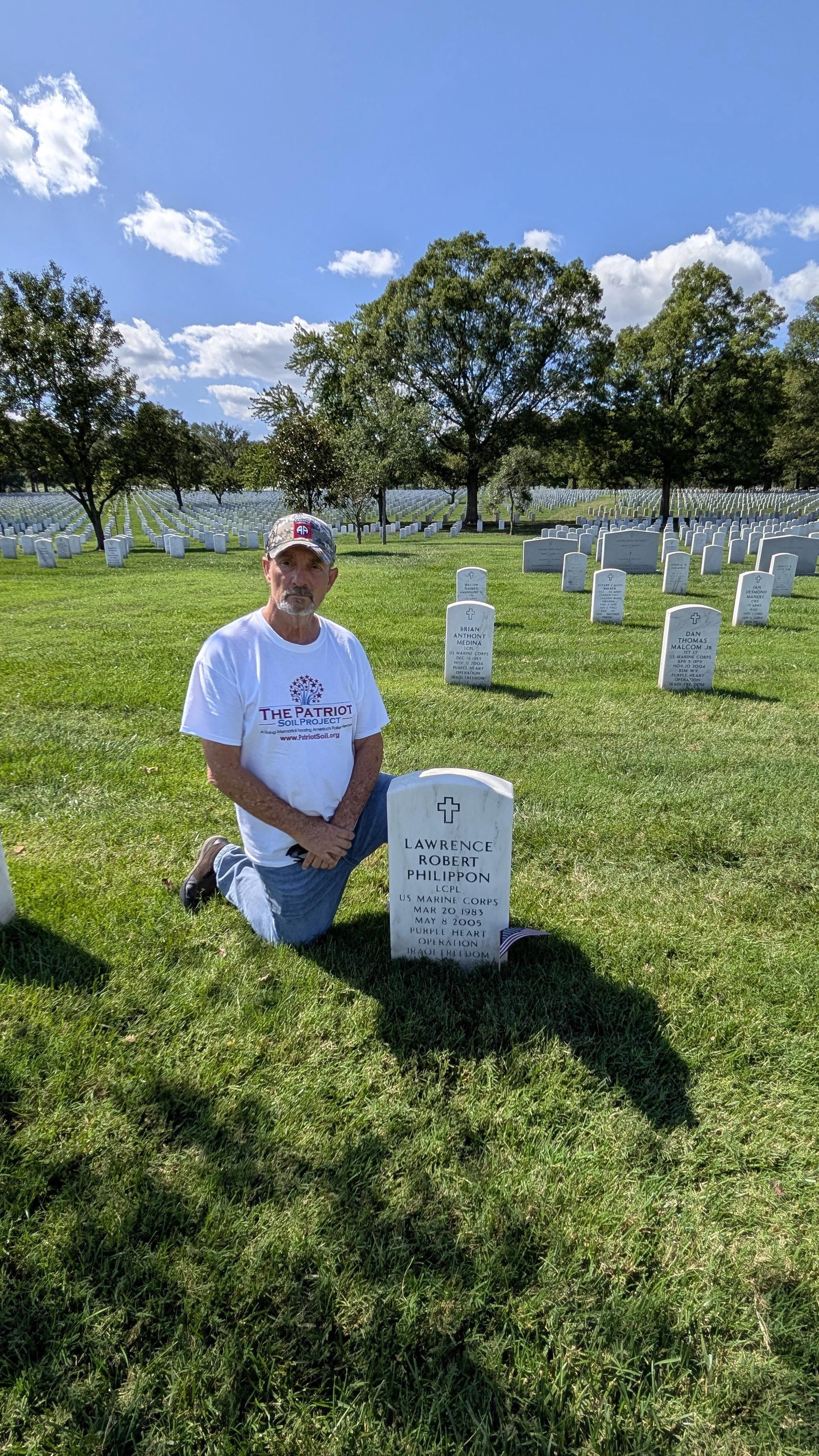
The soil collected from Arlington carries profound national significance. This land is home to Arlington National Cemetery—one of the most sacred sites in the United States and the final resting place of more than 400,000 service members, veterans, and their families.
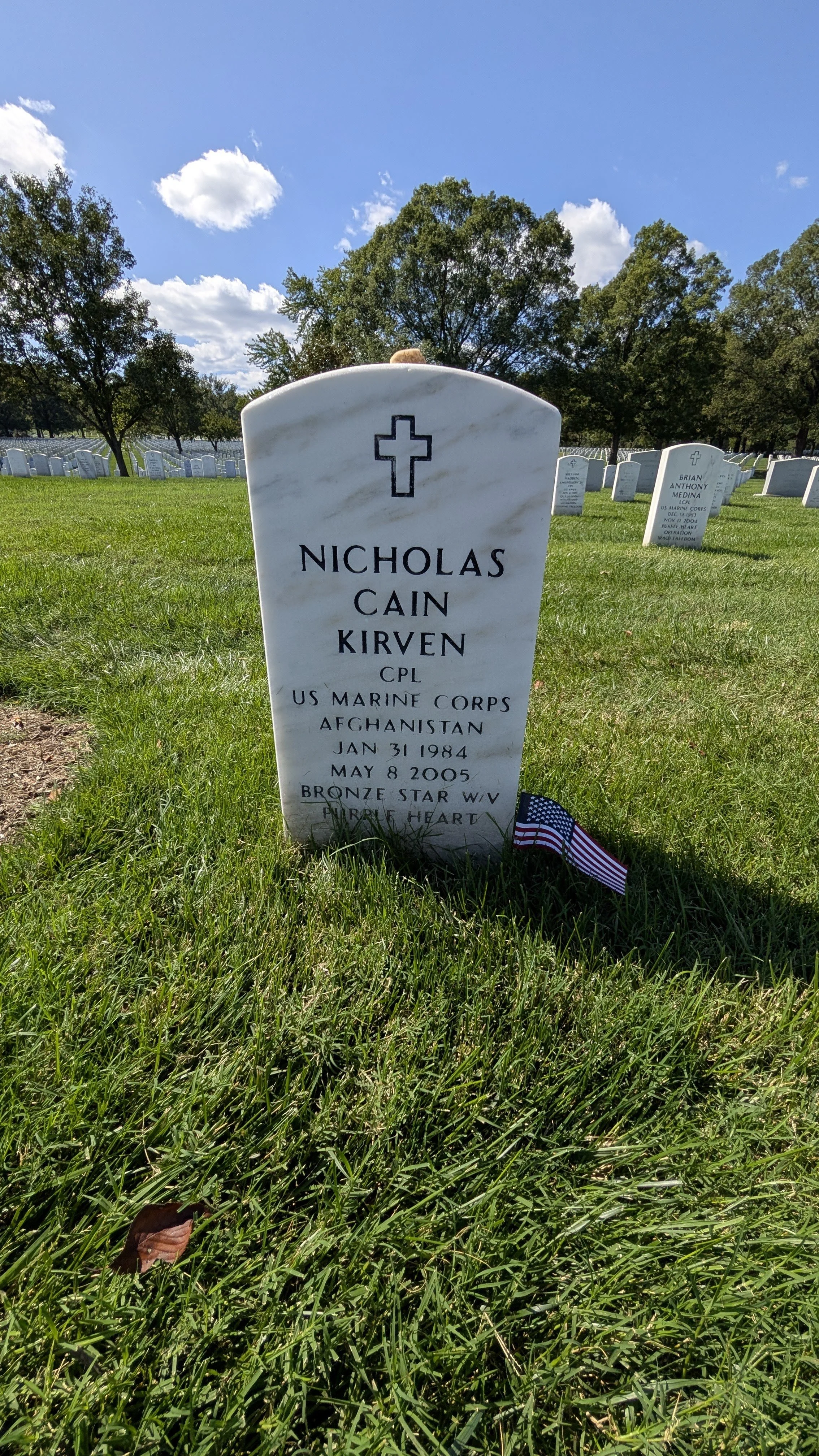
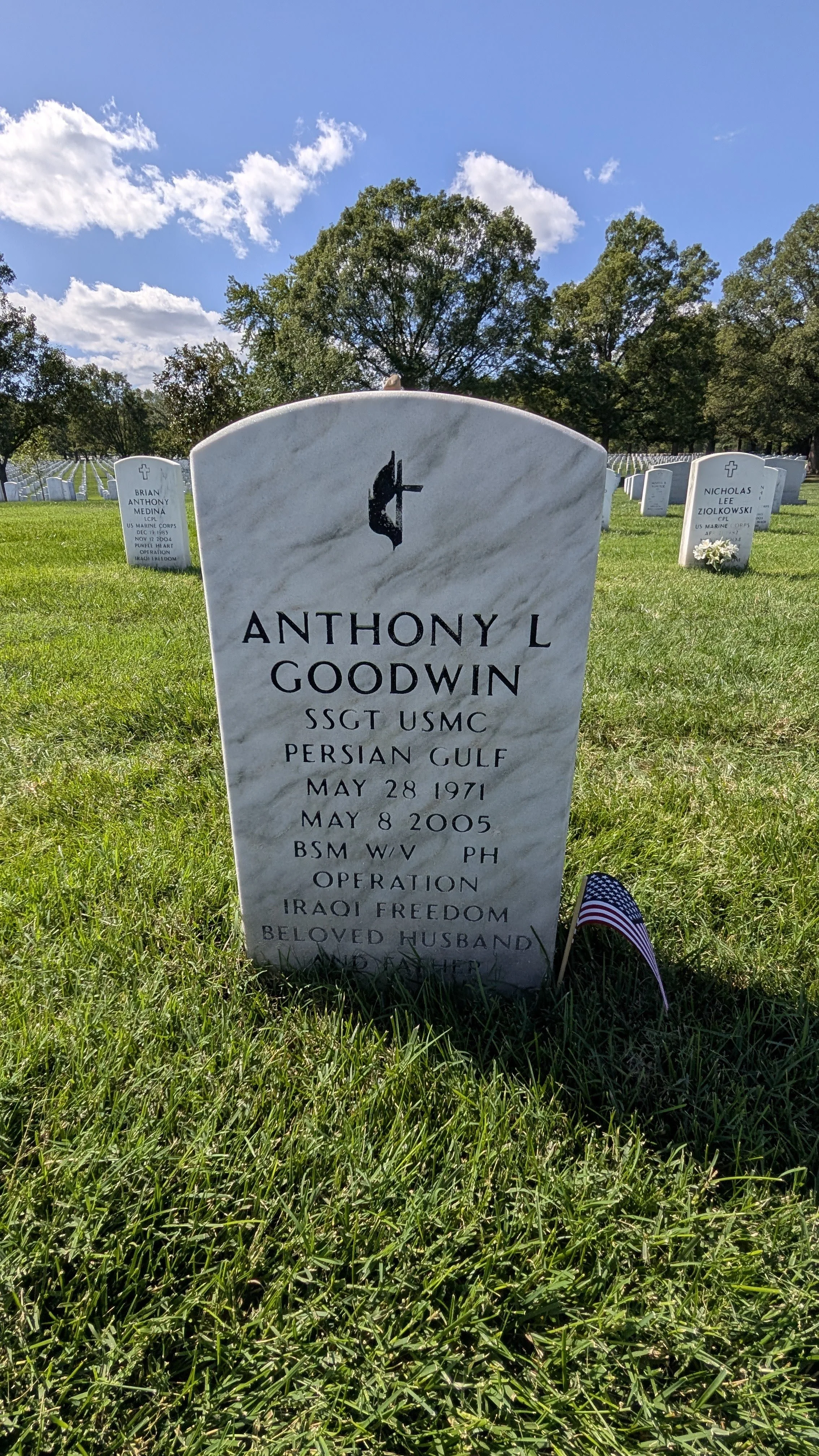
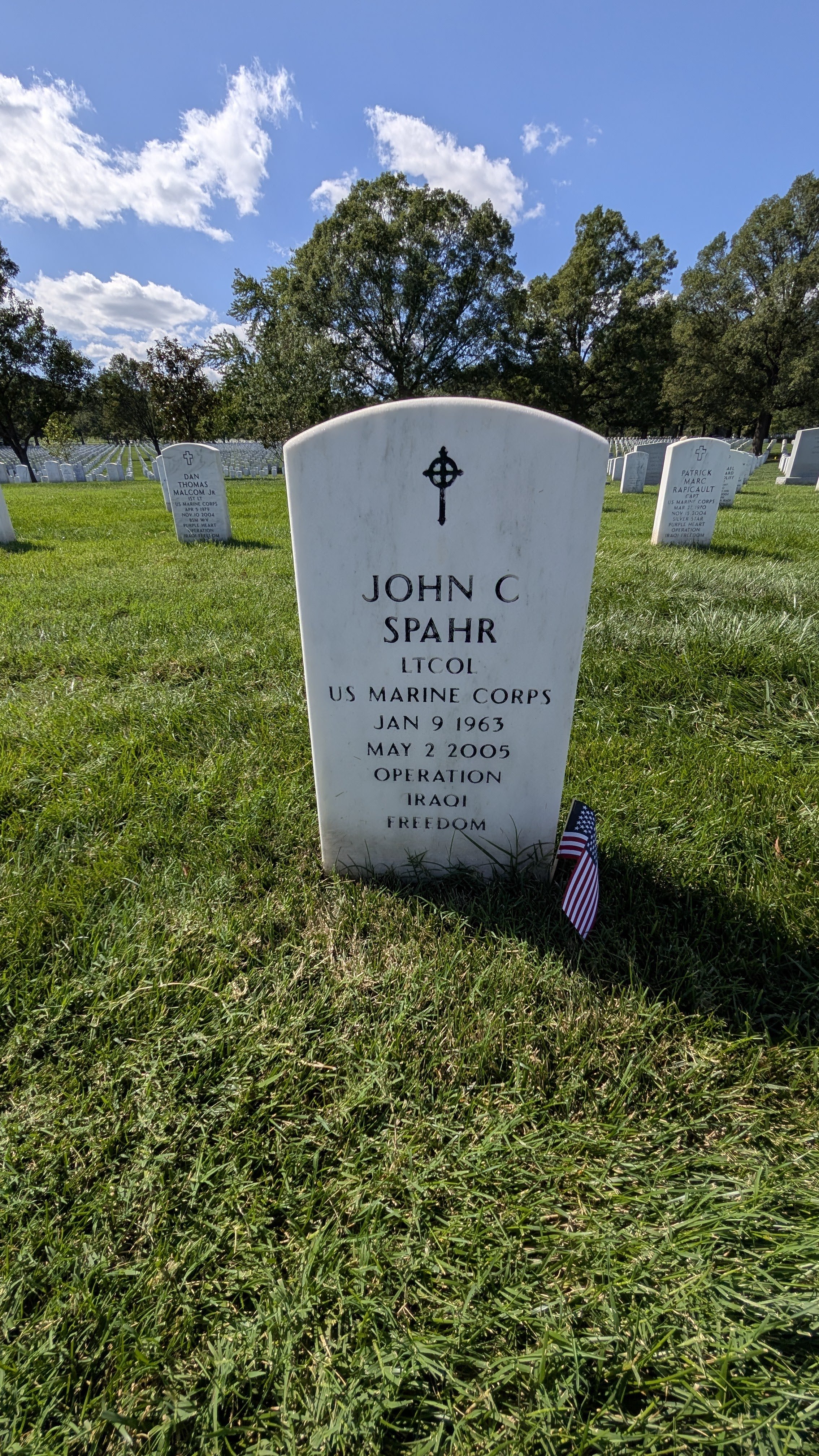
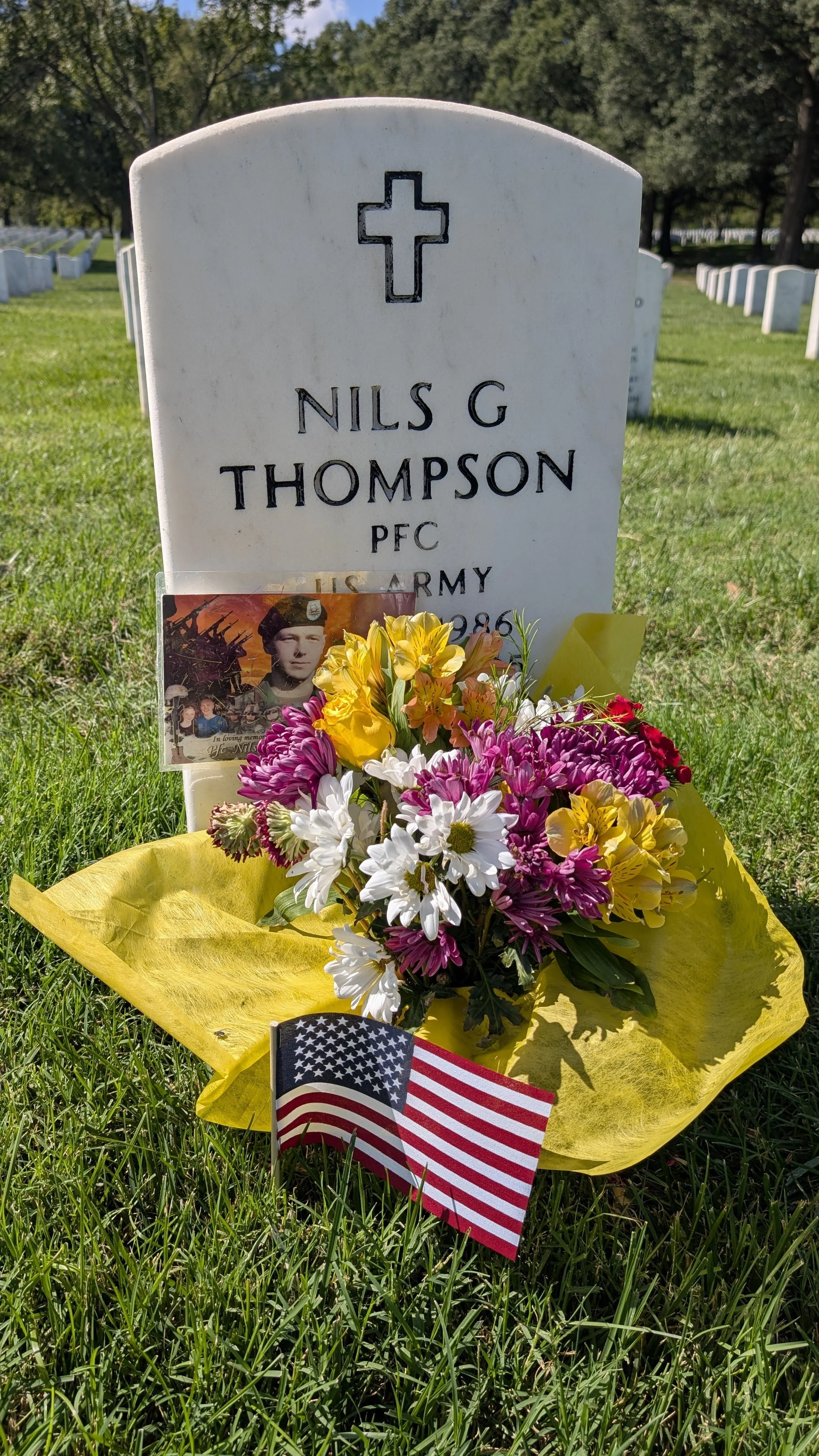
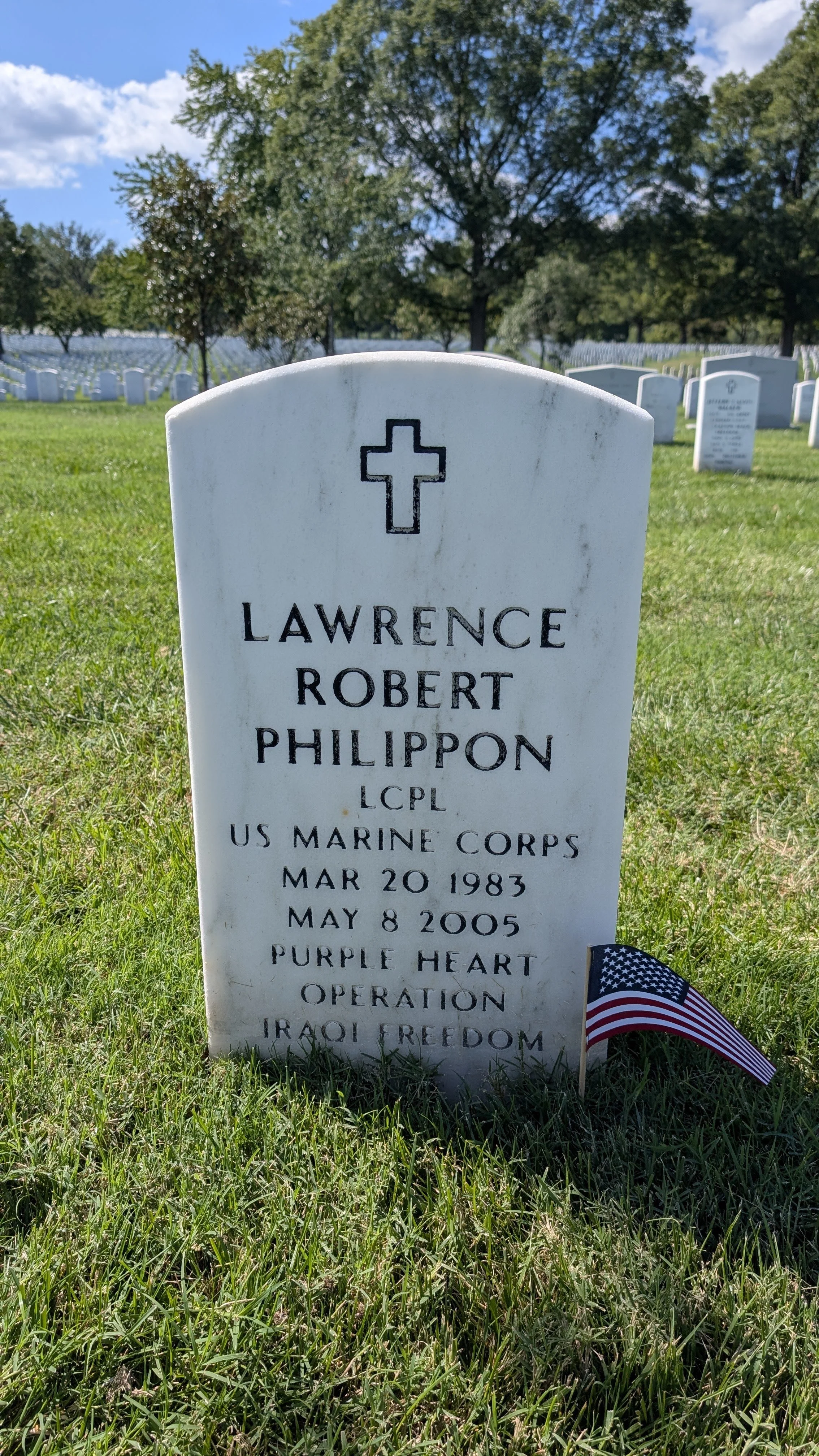
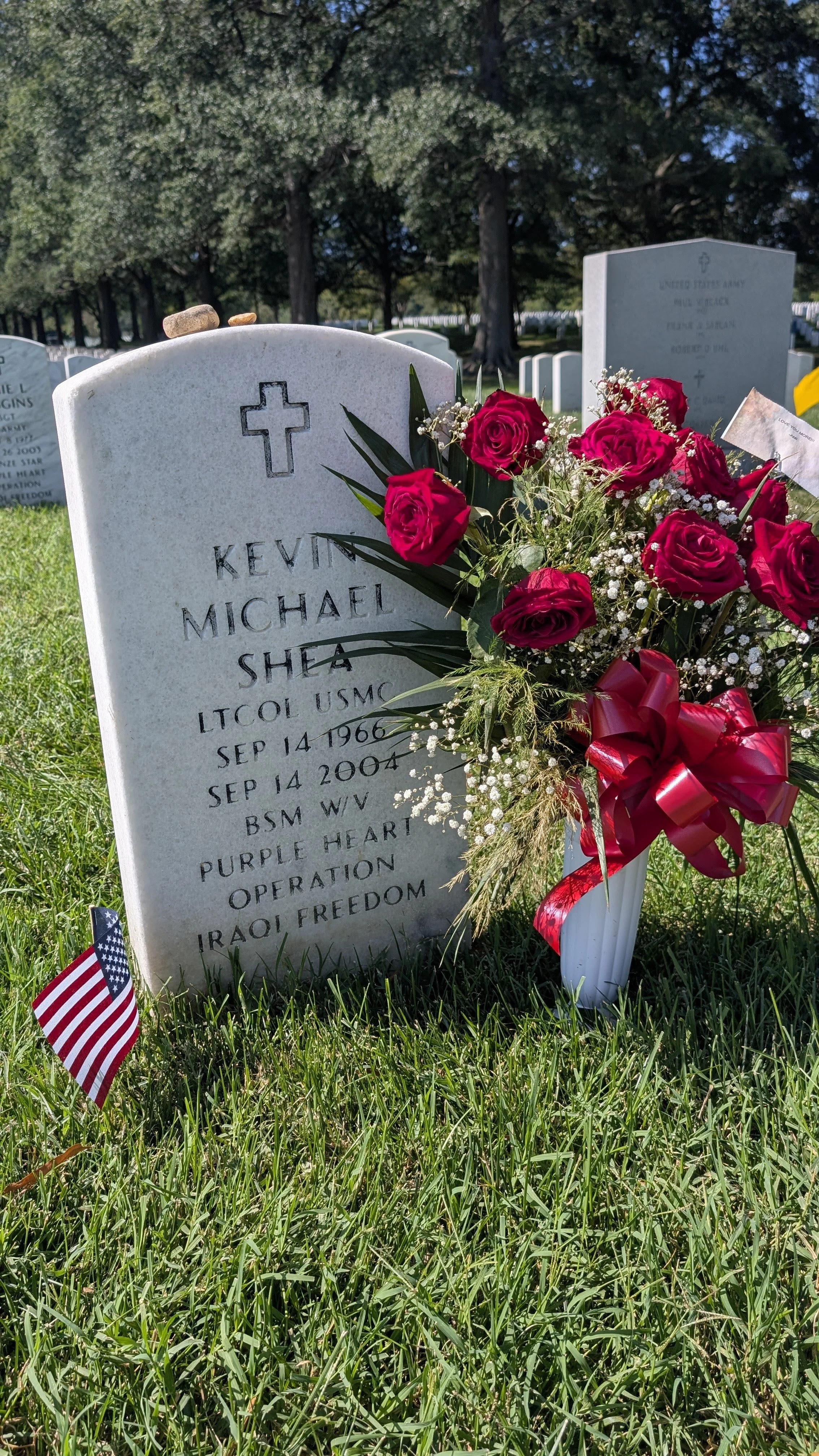
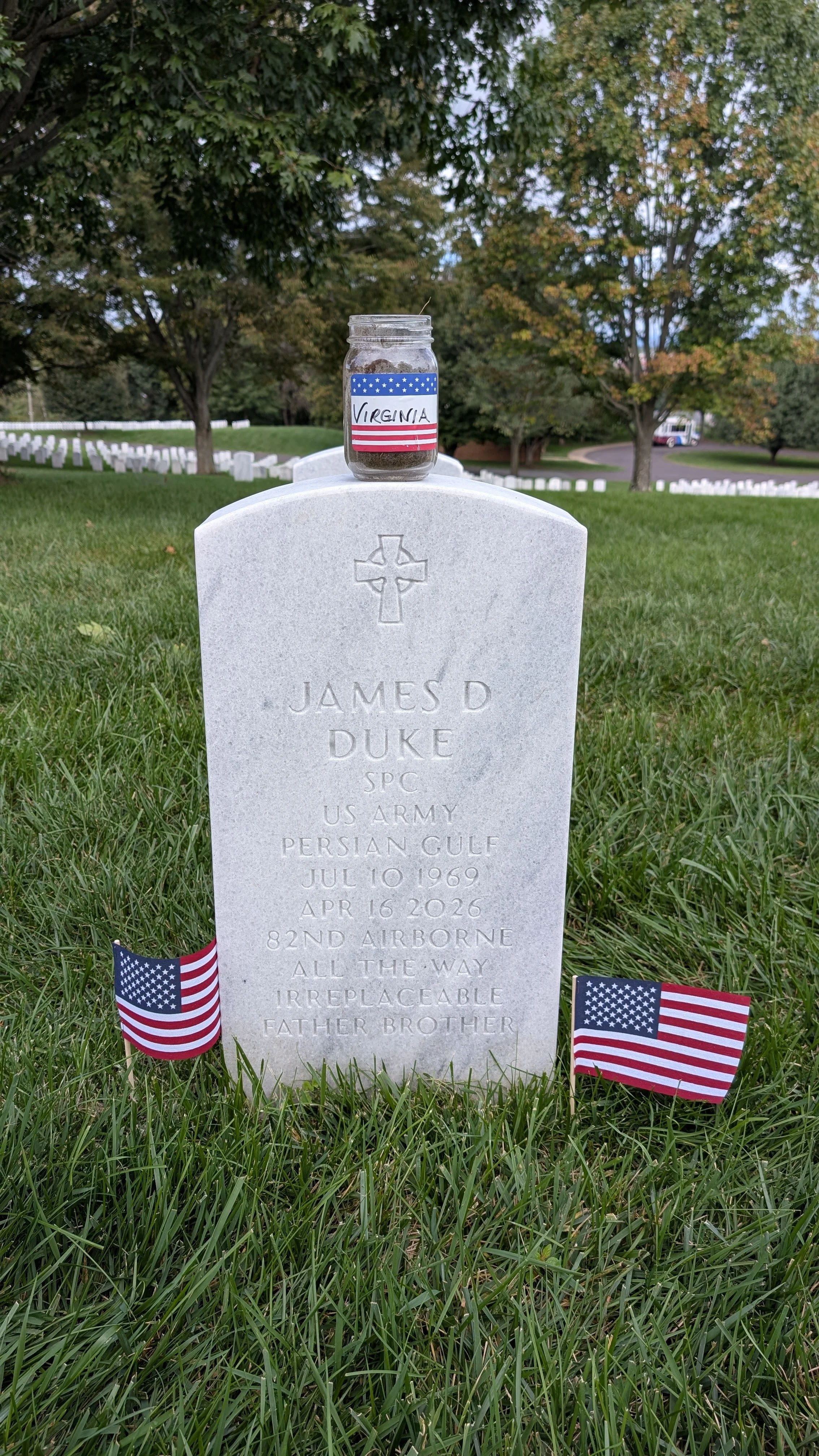
The Patriot Soil Project has carefully gathered soil from over 2,000 resting places within Arlington, including sites connected to some of America’s most notable heroes. It was a great honor to be in their presence and to carefully collect this soil, recognizing the deep responsibility and reverence such an act requires. The photos below reflect only a small sampling of the images taken. Each collection is handled with the utmost respect, honoring the lives, service, and sacrifice represented in this historic ground.
As you view these images, we encourage you to take a moment to look up the names on the headstones and learn more about each individual’s story. Behind every name is a life of service, a family, and a unique journey—stories of bravery, dedication, and sacrifice that extend far beyond what can be captured in a single photograph. Taking the time to explore who they were helps ensure their legacy continues to live on, not just in history, but in our collective memory and understanding.
This soil stands as a tribute to courage, sacrifice, and unity. By preserving and sharing soil from Arlington, we honor not just a place, but the enduring legacy of those who served and the freedoms they helped secure. In the not-too-distant future, the Patriot Soil Flag will also be visiting, continuing this mission of remembrance and national connection. It is our hope that one day a Patriot Tree will be planted on these grounds, representing all who have served our great nation throughout its history.


Staunton National Cemetery
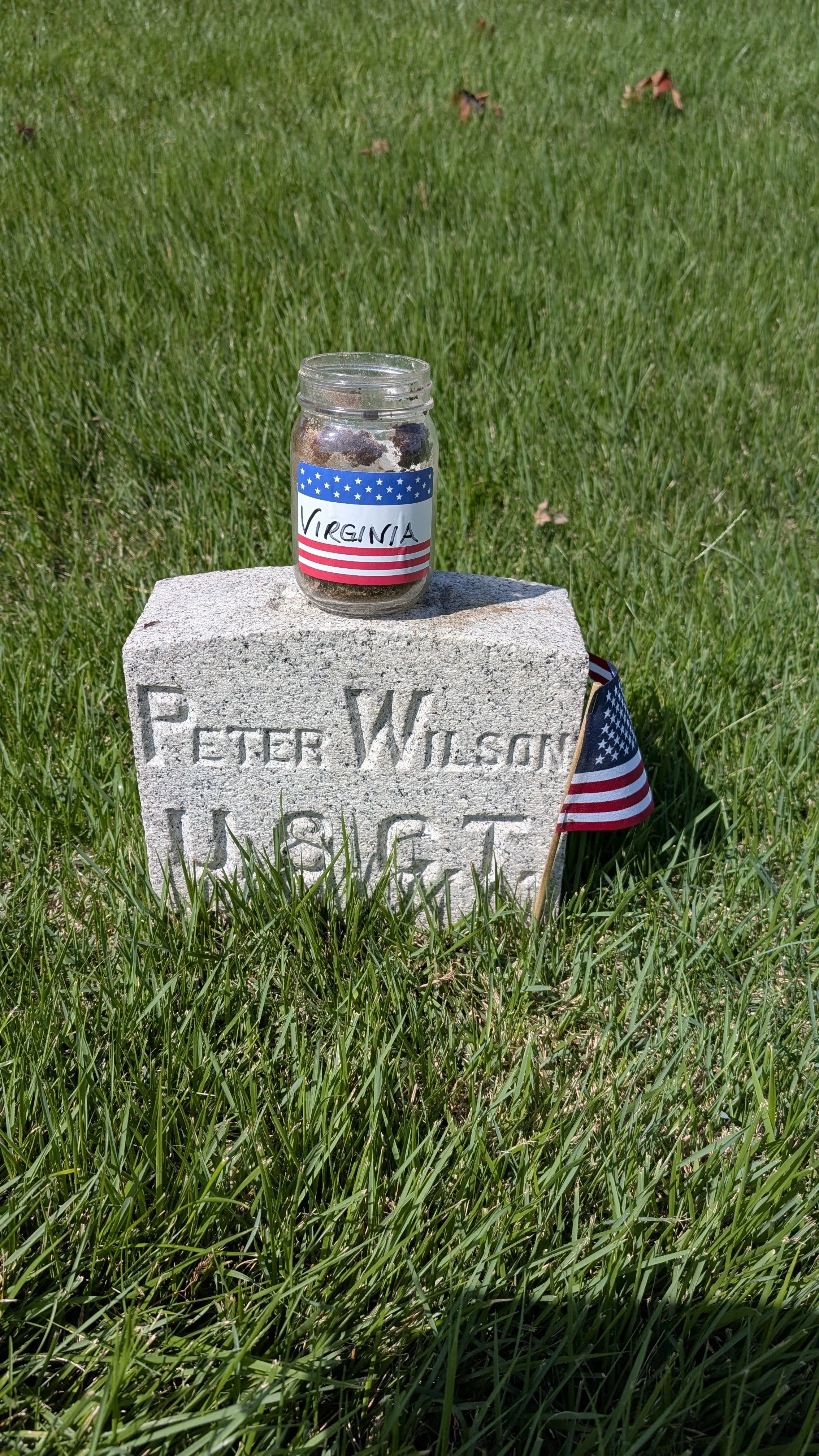
Staunton National Cemetery is a small, historic U.S. national cemetery located in Staunton, Virginia. Established in the aftermath of the Civil War in the late 1860s, it serves as a final resting place for Union soldiers who died in key Shenandoah Valley battles such as Cross Keys, Port Republic, and Waynesboro. Many of those interred are unknown soldiers, reflecting the realities of wartime burials and later reinterment efforts.
Covering just over an acre, it is one of the smallest cemeteries in the national system. It is no longer open to new full burials except in limited circumstances involving eligible family members, and today functions primarily as a preserved historic memorial site.
The cemetery is also recognized on the National Register of Historic Places and the Virginia Landmarks Register, and is maintained as a quiet, contemplative space open to visitors daily from dawn to dusk.
In addition, the Patriot Soil Project has collected a small sampling of soil from approximately 250 resting places at the cemetery, helping preserve a symbolic connection to those interred there.
Staunton National Cemetery stands today as a solemn reminder of Civil War sacrifice and the enduring legacy of America’s military history.


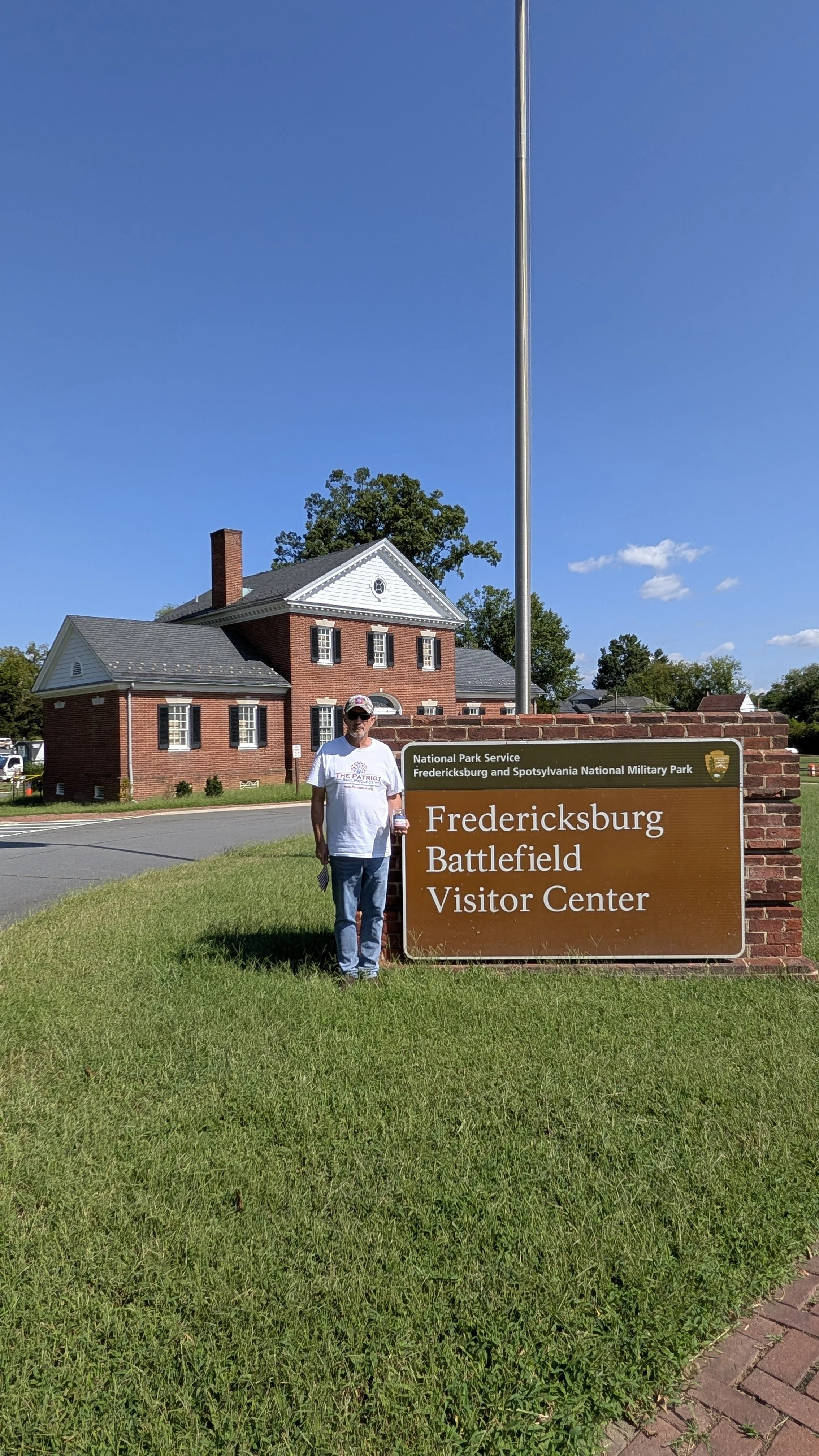
Fredericksburg National Cemetery
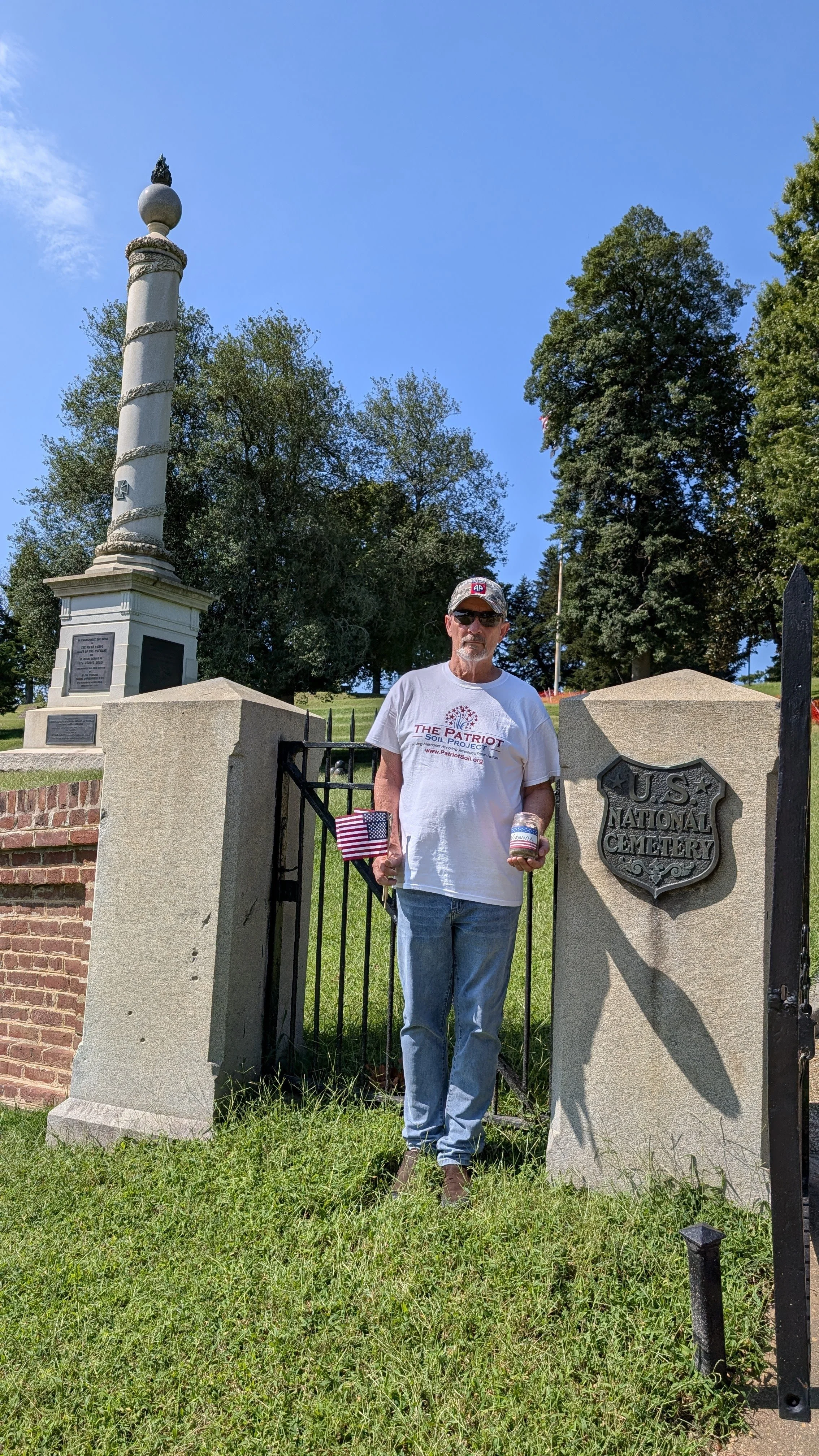
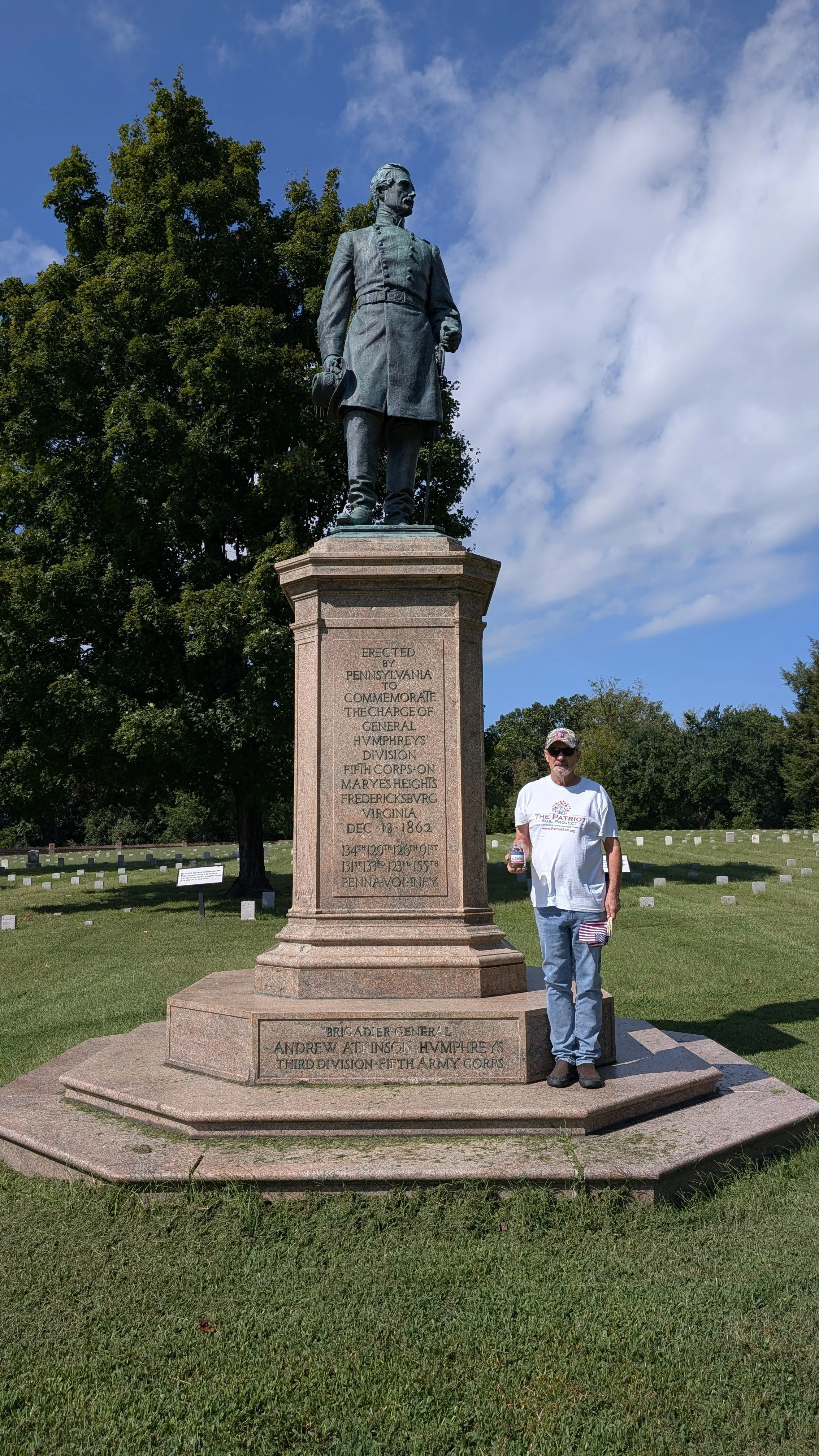
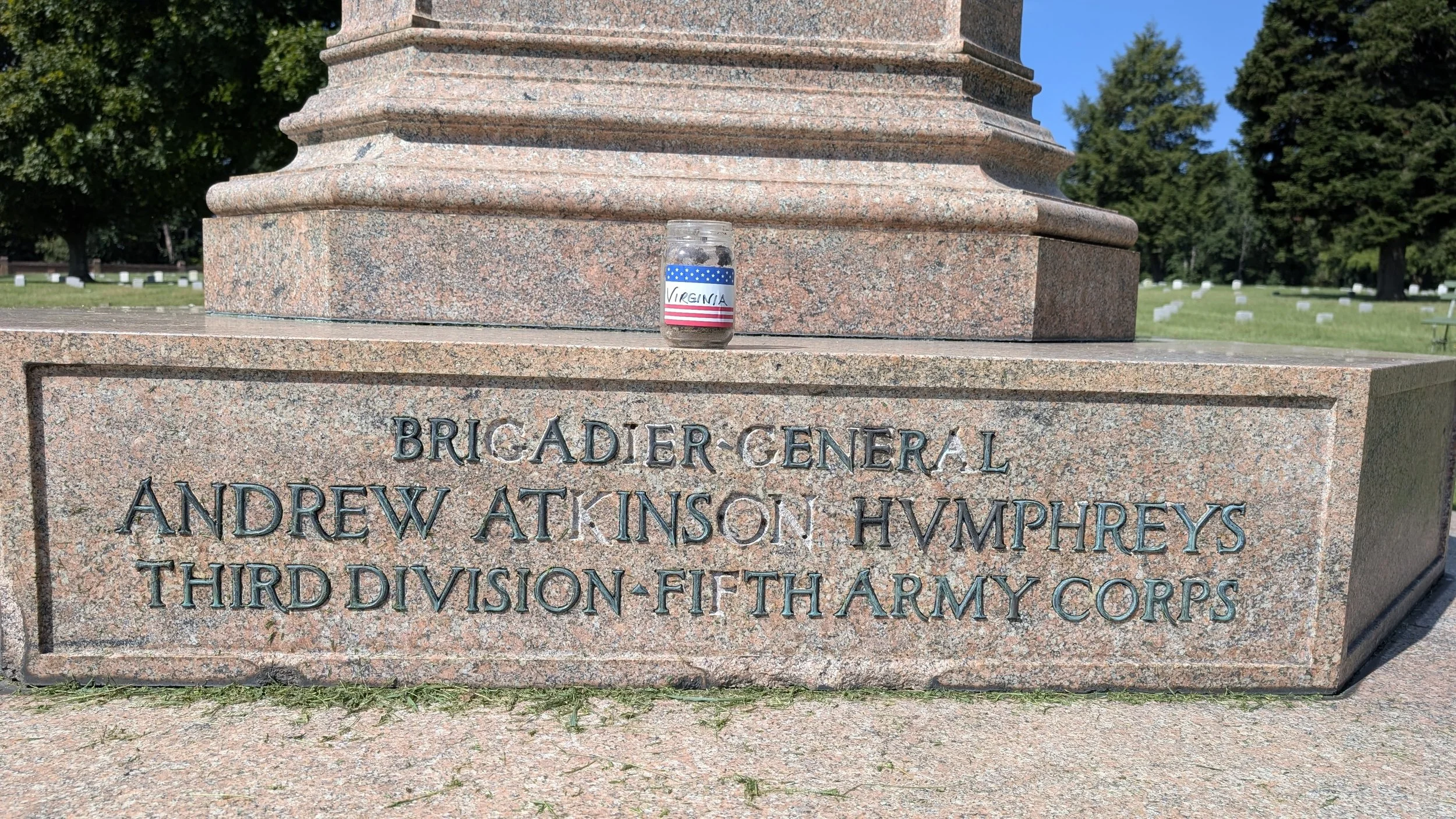
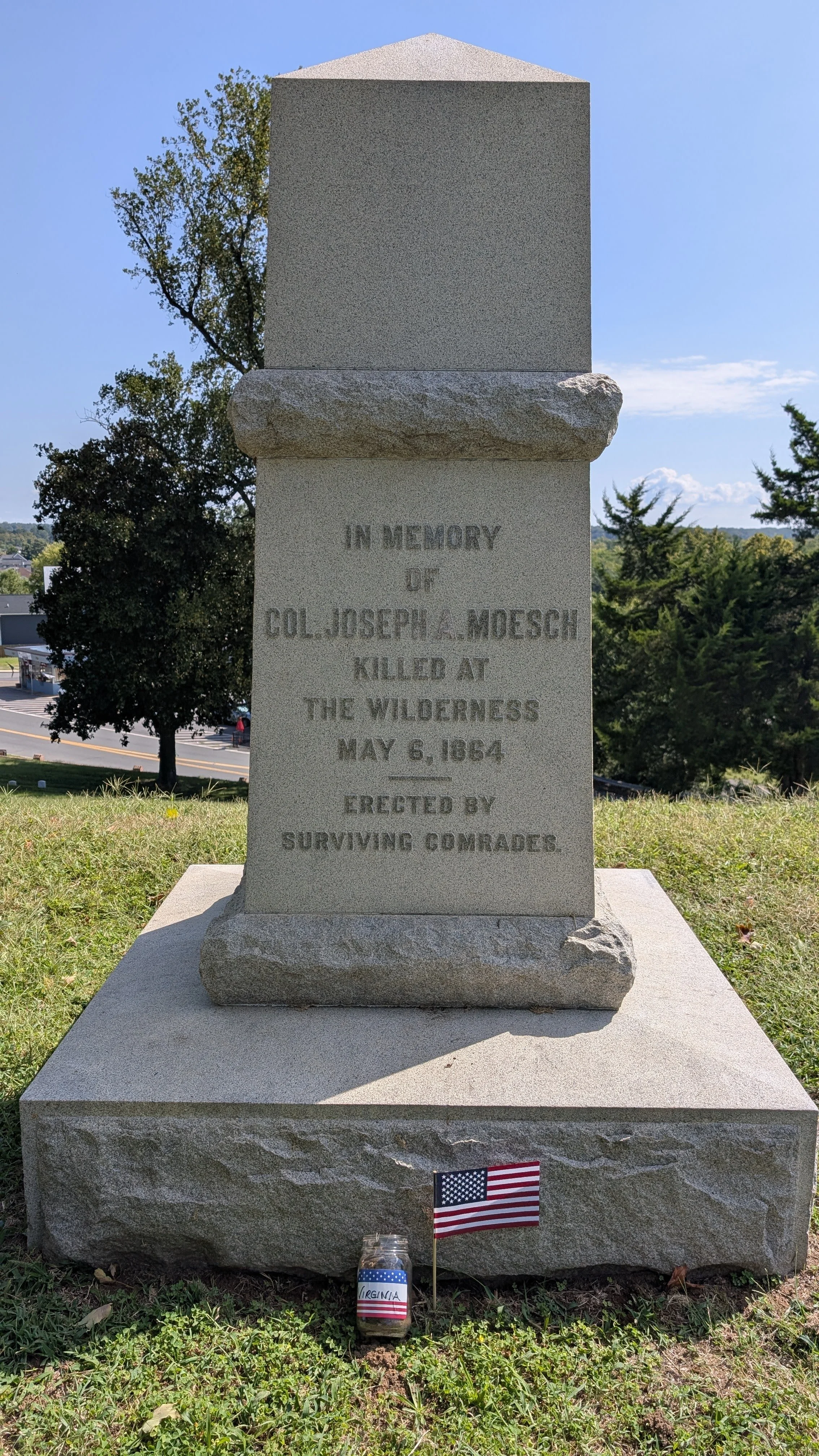
Fredericksburg National Cemetery in Fredericksburg, Virginia, is a place where American battlefield history, military sacrifice, and remembrance come together. Located on Willis Hill at Marye’s Heights, the cemetery stands directly on ground associated with the Battle of Fredericksburg, one of the major battles of the Civil War.
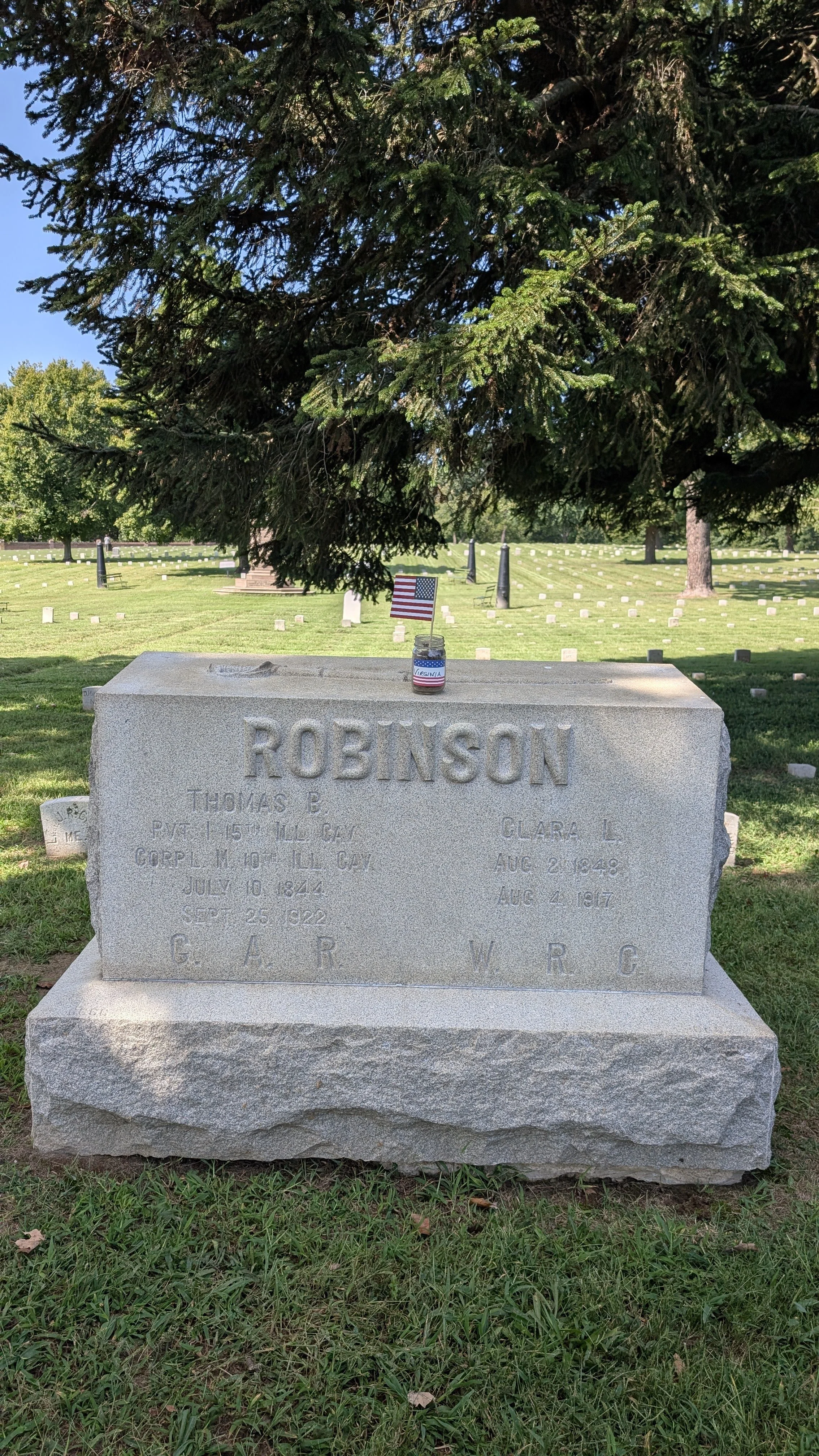
More than 15,000 American service members are buried here, most connected to the Civil War and the surrounding Fredericksburg campaign. After the war, remains were gathered from scattered graves across the battlefields and brought here for permanent burial. More than 12,000 are believed to be unidentified, their simple markers representing men whose names and stories were lost to history.
The cemetery is quiet and contemplative, with mature trees, green lawns, terraces, historic walls, monuments, and thousands of grave markers arranged across the hillside. Nearby are the historic Sunken Road and stone wall at Marye’s Heights, making the cemetery inseparable from the battlefield itself.
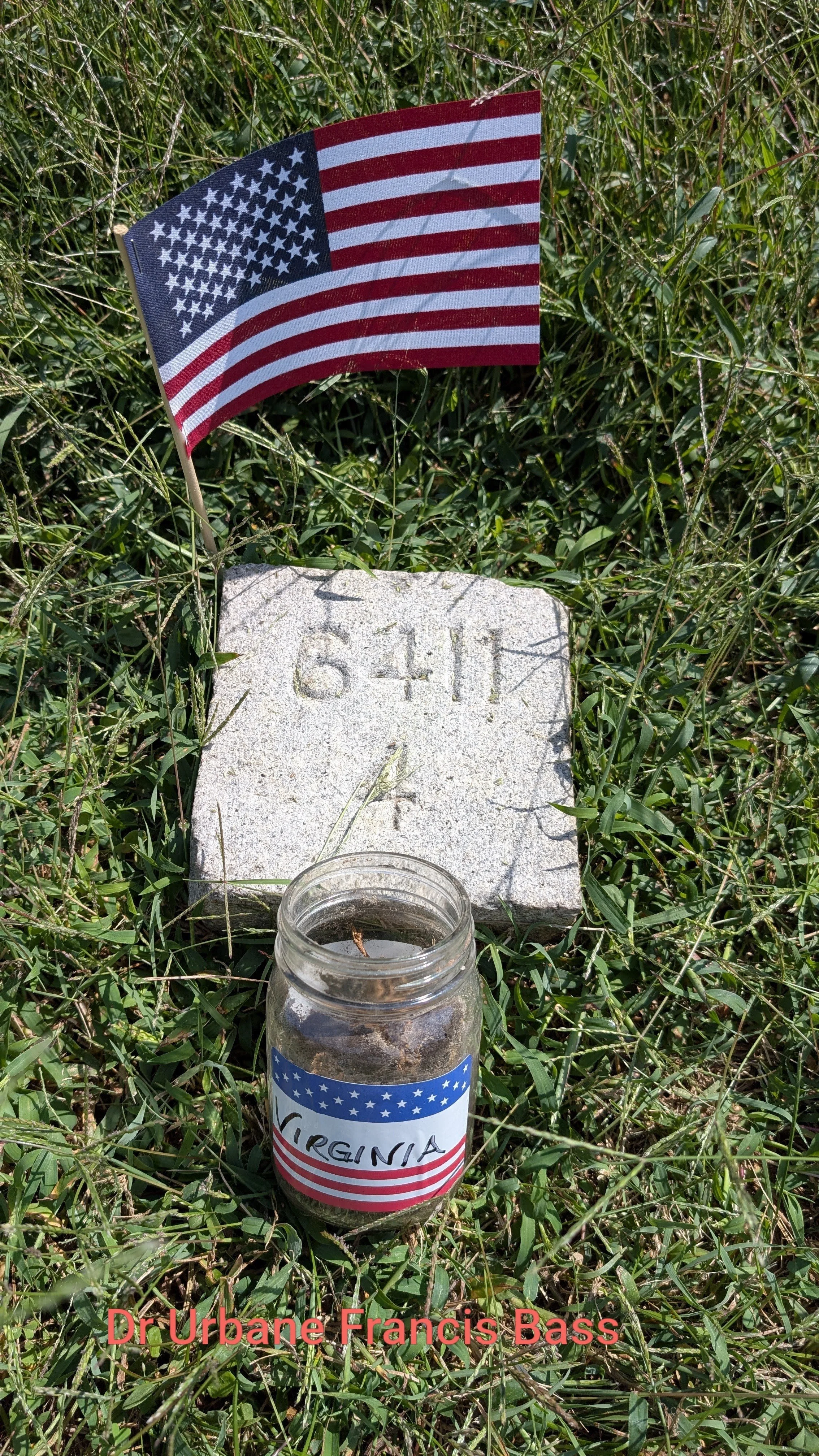
Among the notable people buried here is Lt. Urbane Francis Bass, an African American physician whose life connects the Civil War era with a later generation of American military service.
Bass moved to Fredericksburg in 1909 and became the city's first African American physician since Reconstruction. Working during segregation, he often treated Black patients in their homes because the local hospital excluded them.
During World War I, Bass became a first lieutenant in the Army Medical Reserve Corps and served with the 372nd Infantry Regiment. In October 1918, while treating wounded soldiers at a forward aid station in France, he was struck by artillery fire and fatally wounded. He was posthumously awarded the Distinguished Service Cross.
Bass was initially buried in France, but his remains were returned to Fredericksburg in 1921. He was reinterred at Fredericksburg National Cemetery and became the first African American officer buried there.
As part of the Patriot Soil project, soil was collected from Lt. Urbane Francis Bass’s resting place, preserving a physical connection to the ground where his story and service are remembered.
Walking among the thousands of graves, each named marker represents an individual life, while every unknown marker represents a story lost to history. The cemetery remains a battlefield transformed into a place of remembrance, dignity, and quiet reflection.
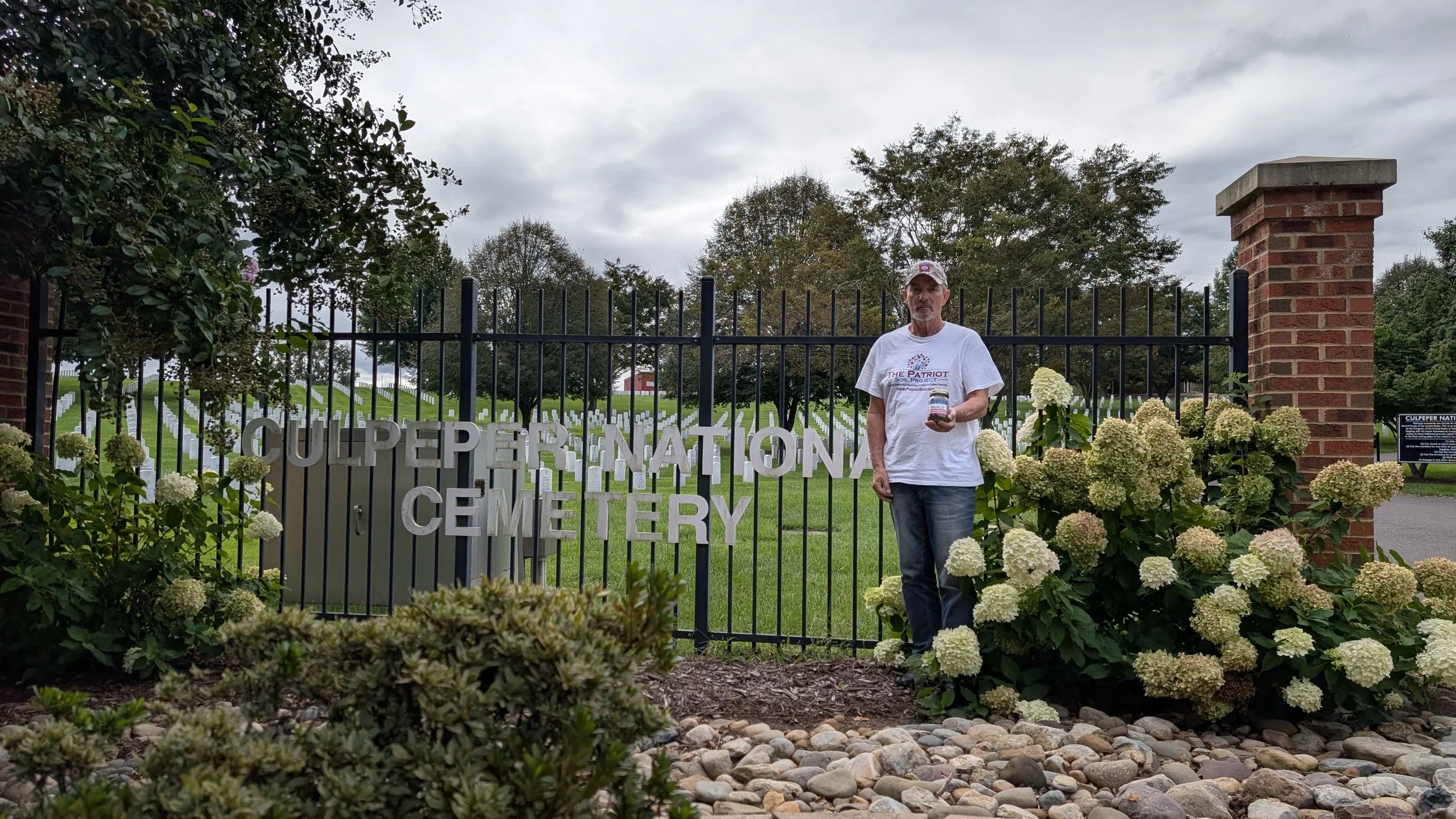
Culpeper National Cemetery
Established in 1867, Culpeper National Cemetery is a historic resting place for American veterans and a lasting memorial to the soldiers who fought and died in the Civil War. Located in the heart of Virginia’s historic Culpeper battlefield region, the cemetery is closely connected to major engagements including the Battle of Cedar Mountain and the Battle of Brandy Station.
Many of the Civil War soldiers buried here were originally laid to rest in temporary graves near battlefields, military camps, and hospitals before being recovered and permanently interred at Culpeper. More than 1,300 Civil War soldiers are buried here, including men whose identities were never determined.
The cemetery's historic grounds feature monuments honoring soldiers from Maine, Massachusetts, New York, Ohio, and Pennsylvania, as well as a memorial to Civil War unknowns. The 1872 superintendent’s lodge, designed by U.S. Army Quartermaster General Montgomery C. Meigs, is another significant historic feature.
One of the cemetery’s unique connections to the Civil War is its original landowner, Edward B. Hill, who was the brother of Confederate General A. P. Hill. The cemetery also contains the grave of Culpeper native Sergeant Staunton Montgomery Brown, who served with the 29th Infantry Division during World War II.
Culpeper National Cemetery is more than a place of burial. It is a preserved piece of America’s military history—a place where the stories of ordinary soldiers, historic battles, and generations of American veterans come together. Its monuments, historic buildings, and rows of headstones serve as a lasting reminder of the sacrifice made in service to our nation.
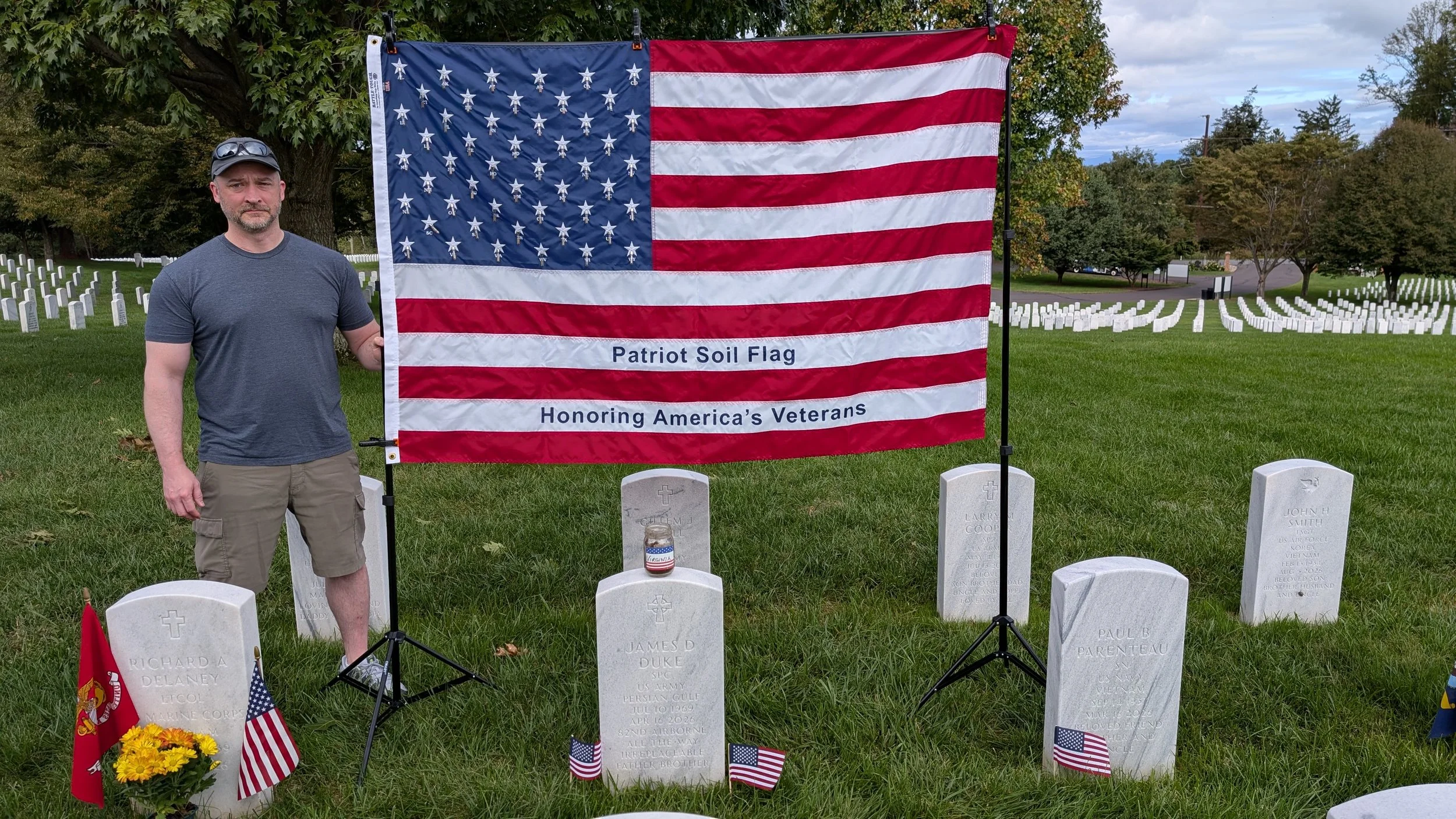
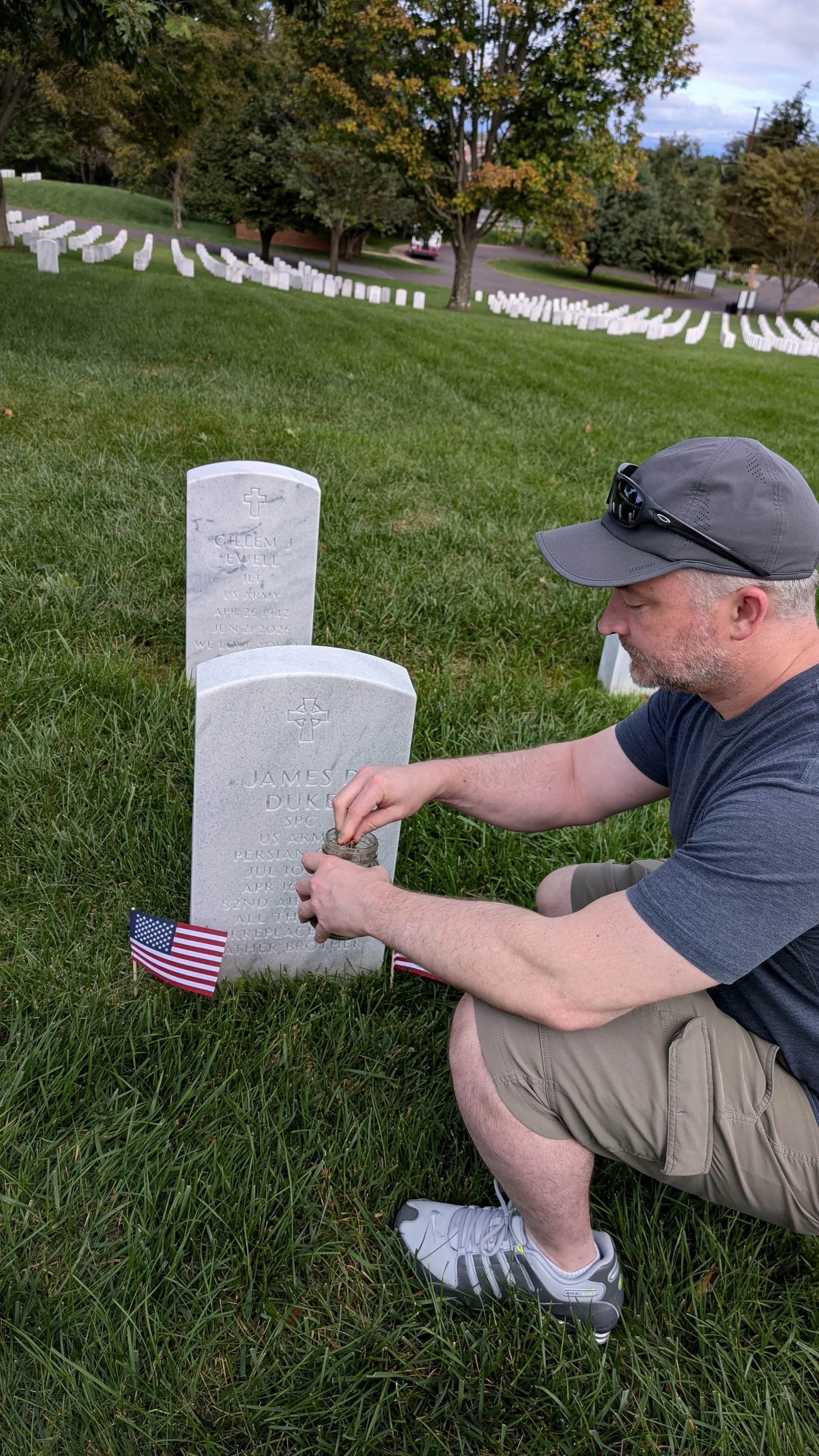
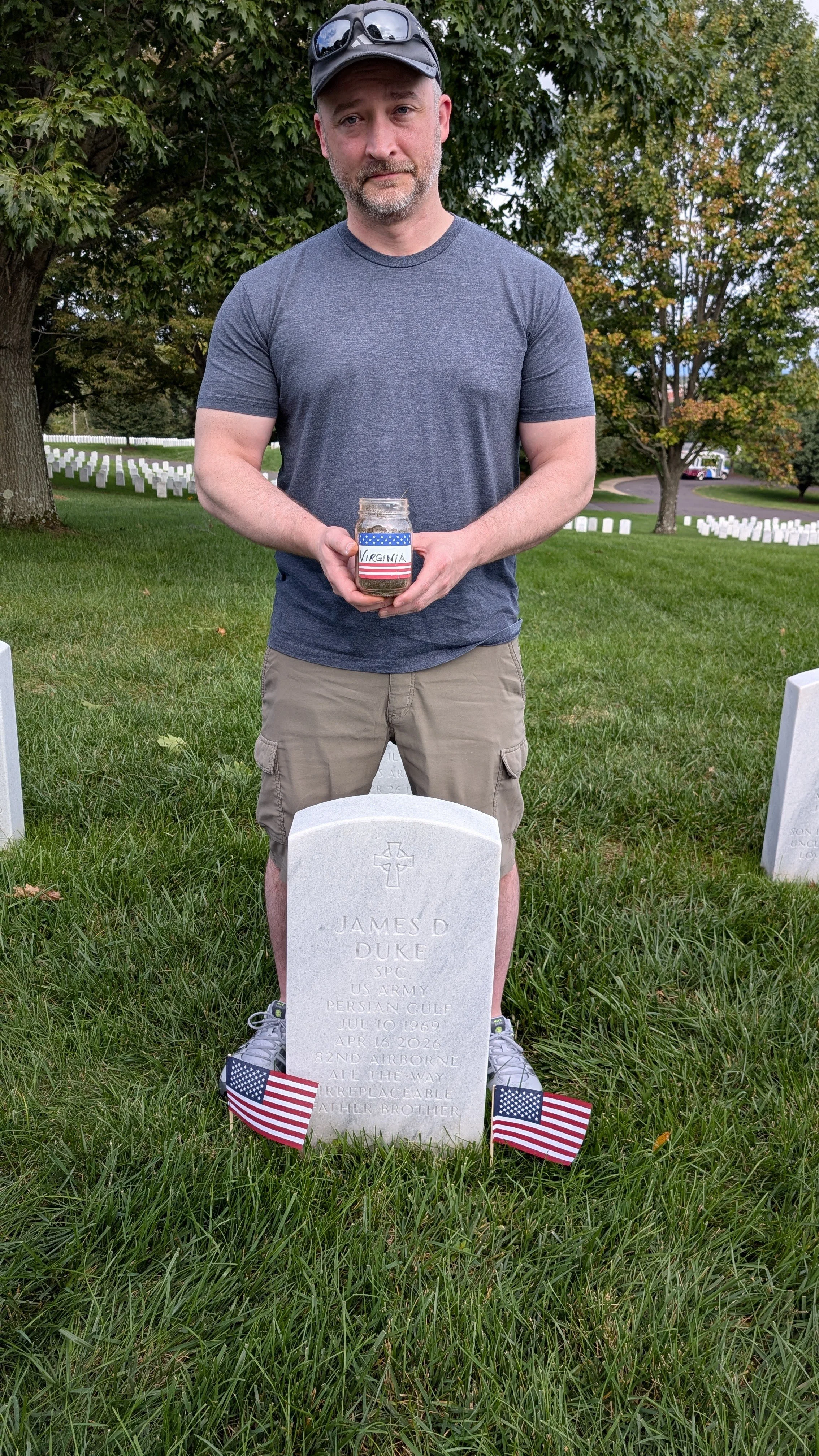
Soil MixingSoil collected from veteran resting places throughout the state is respectfully combined into a single blended collection, symbolizing the unity of all who served from that state.
Vial & State StarSoil collected from veteran resting places throughout the state is respectfully combined into a single blended collection, symbolizing the unity of all who served from that state.