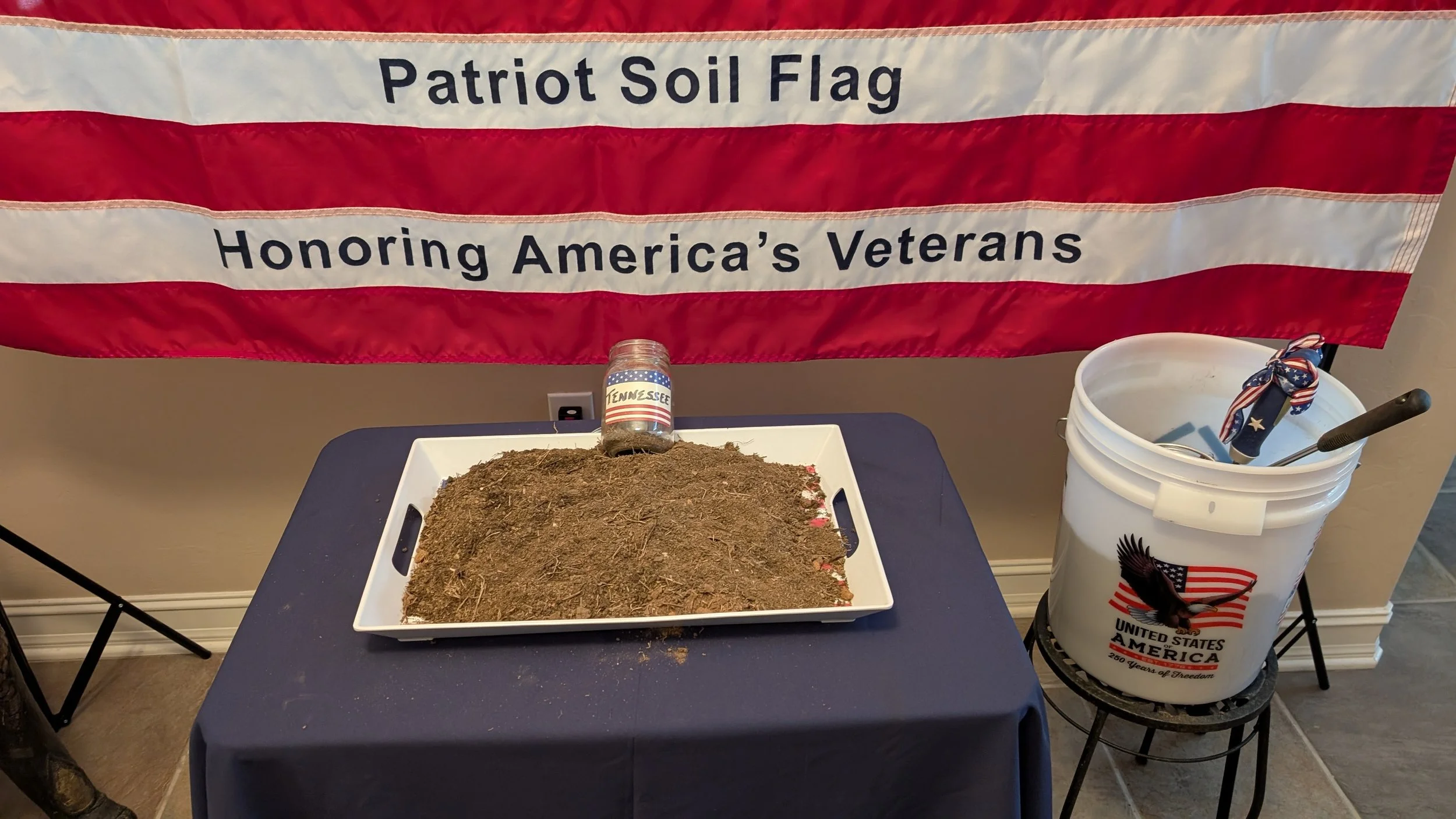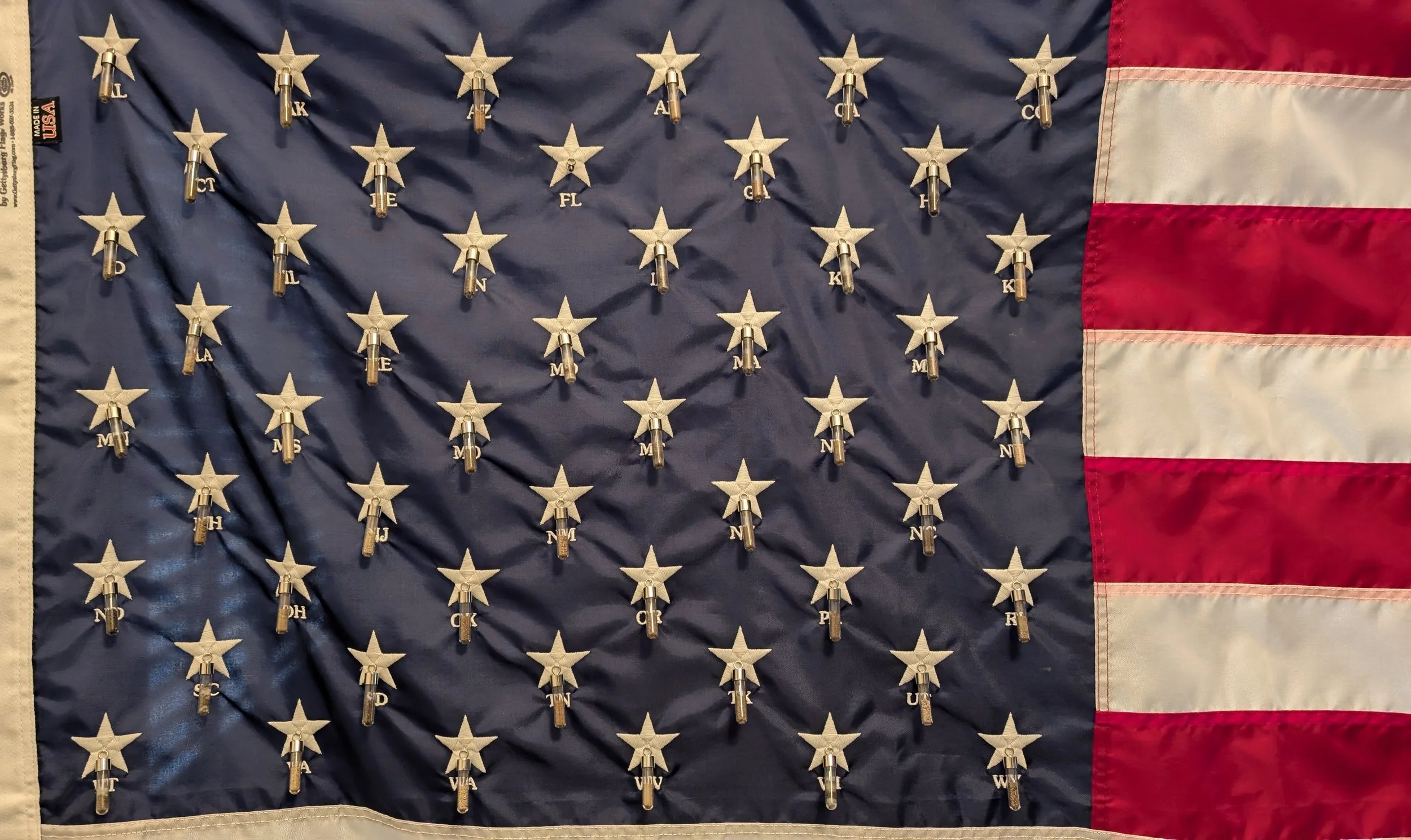
TENNESSEE
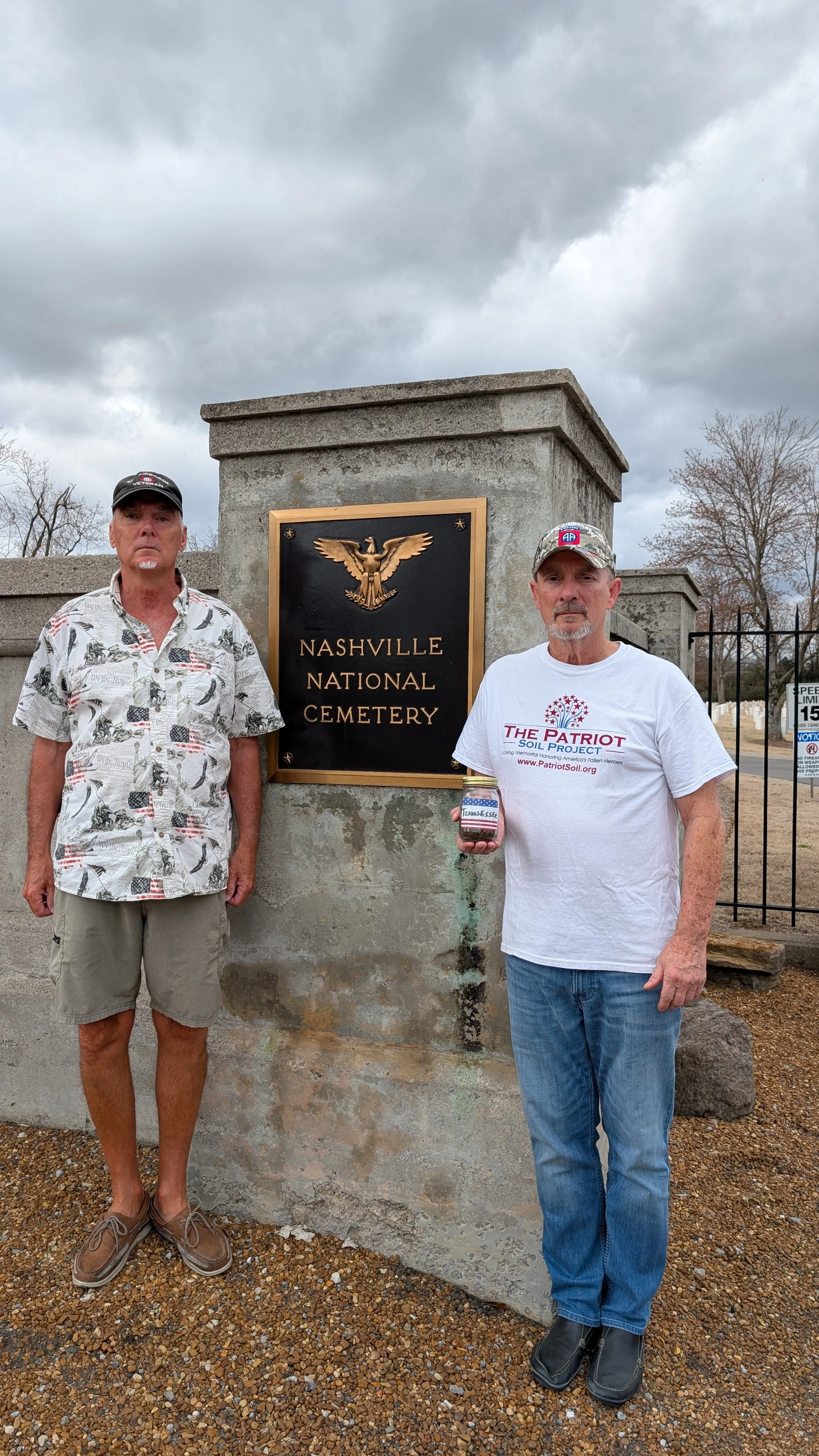
Nashville National Cemetery
Nashville National Cemetery is a historic U.S. veterans cemetery located just outside Nashville, established in the years following the Civil War (1866–1867). Originally created to inter Union soldiers from nearby battlefields and military hospitals, it has grown into a burial ground for more than 34,000 veterans and their family members, including thousands of unknown soldiers. Today, it remains an active national cemetery operated by the Department of Veterans Affairs and is listed on the National Register of Historic Places.
The cemetery is known primarily for its military significance rather than celebrity burials. Among those interred are several Medal of Honor recipients, including John Carr, Charles P. Cantrell, and William Franklin Lyell. Other notable figures include Barry Sadler, best known for the song Ballad of the Green Berets, as well as Erastus M. Cravath and Augustus Herman Pettibone.
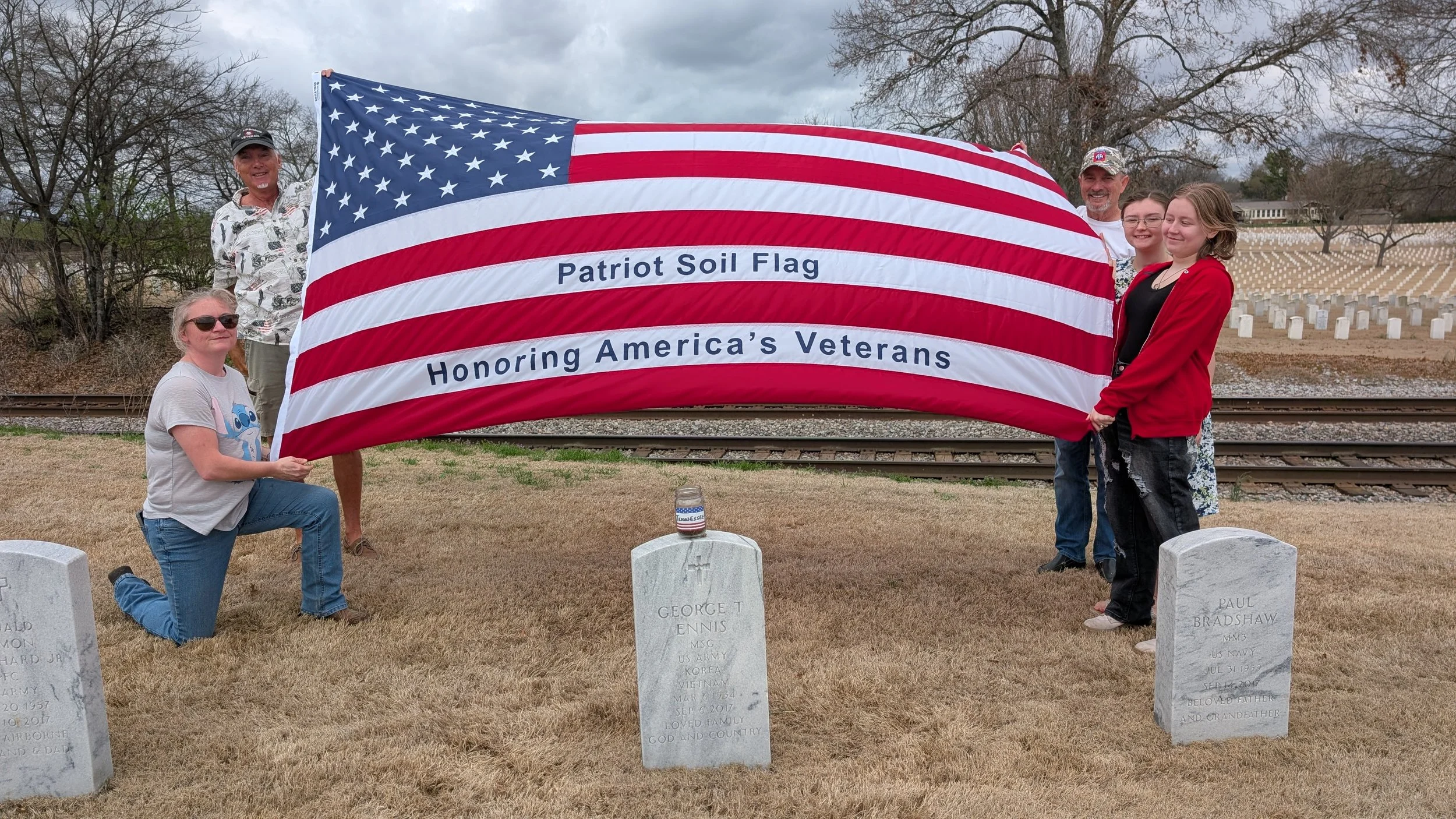
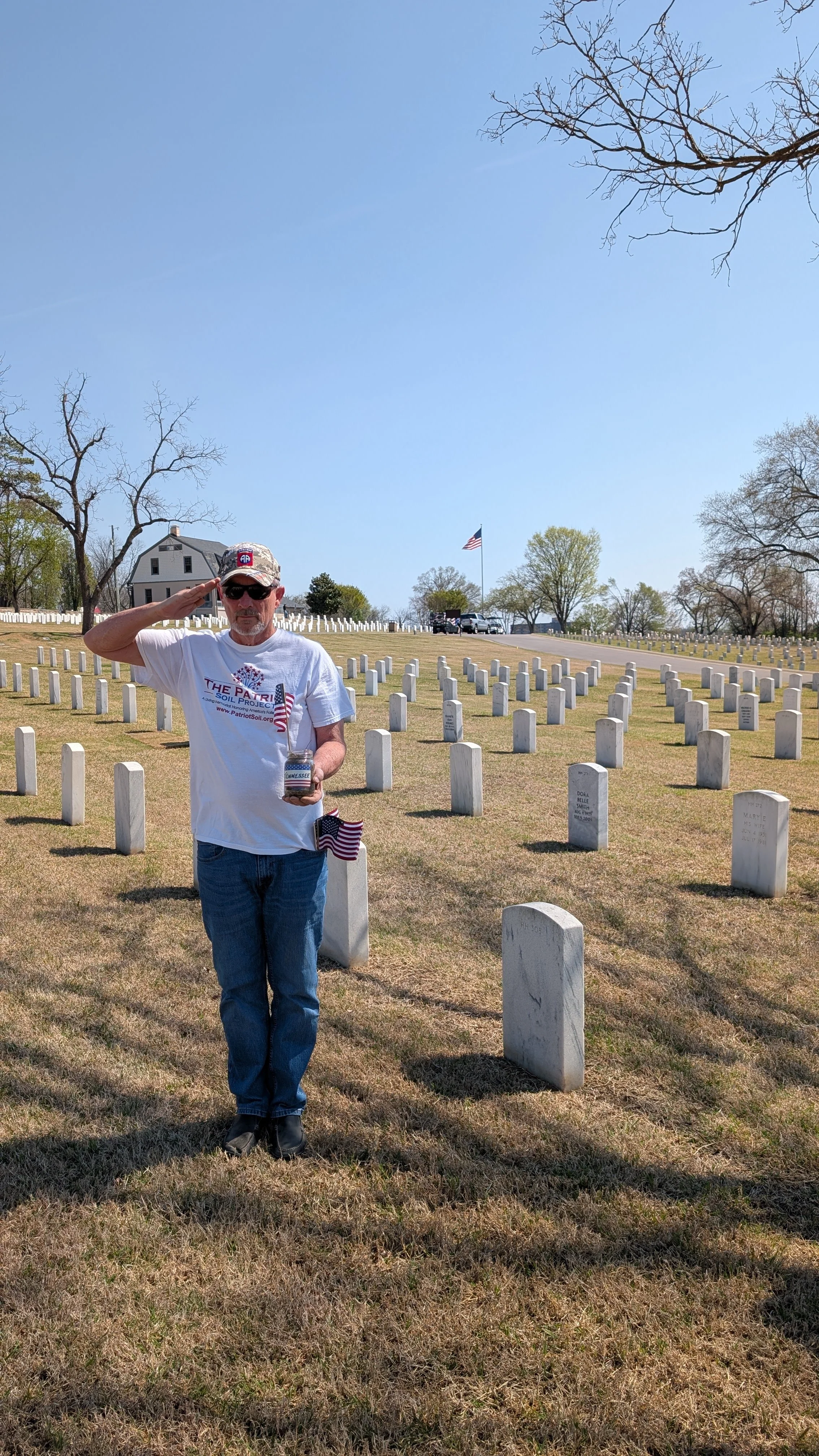
Also highlighted in tribute materials is Barry Sadler’s gravesite, where a video shows a Patriot Soil Flag being held over his grave as his signature song plays in remembrance. In those same veteran connections, Gary is pictured alongside Sergeant Major Glenn Smith, a fellow veteran of the 82nd Airborne Division.
The cemetery’s setting is defined by order and simplicity. Uniform white headstones stretch across rolling green lawns shaded by mature trees, connected by quiet roads. A historic stone entrance arch and the nearby Louisville and Nashville Railroad reflect its 19th-century origins.
Overall, the atmosphere is calm, respectful, and reflective. On occasions such as Memorial Day and Veterans Day, flags and ceremonies bring added solemnity, but the tone always remains dignified. The cemetery stands as both a historic landmark and a lasting tribute to generations of American service members.
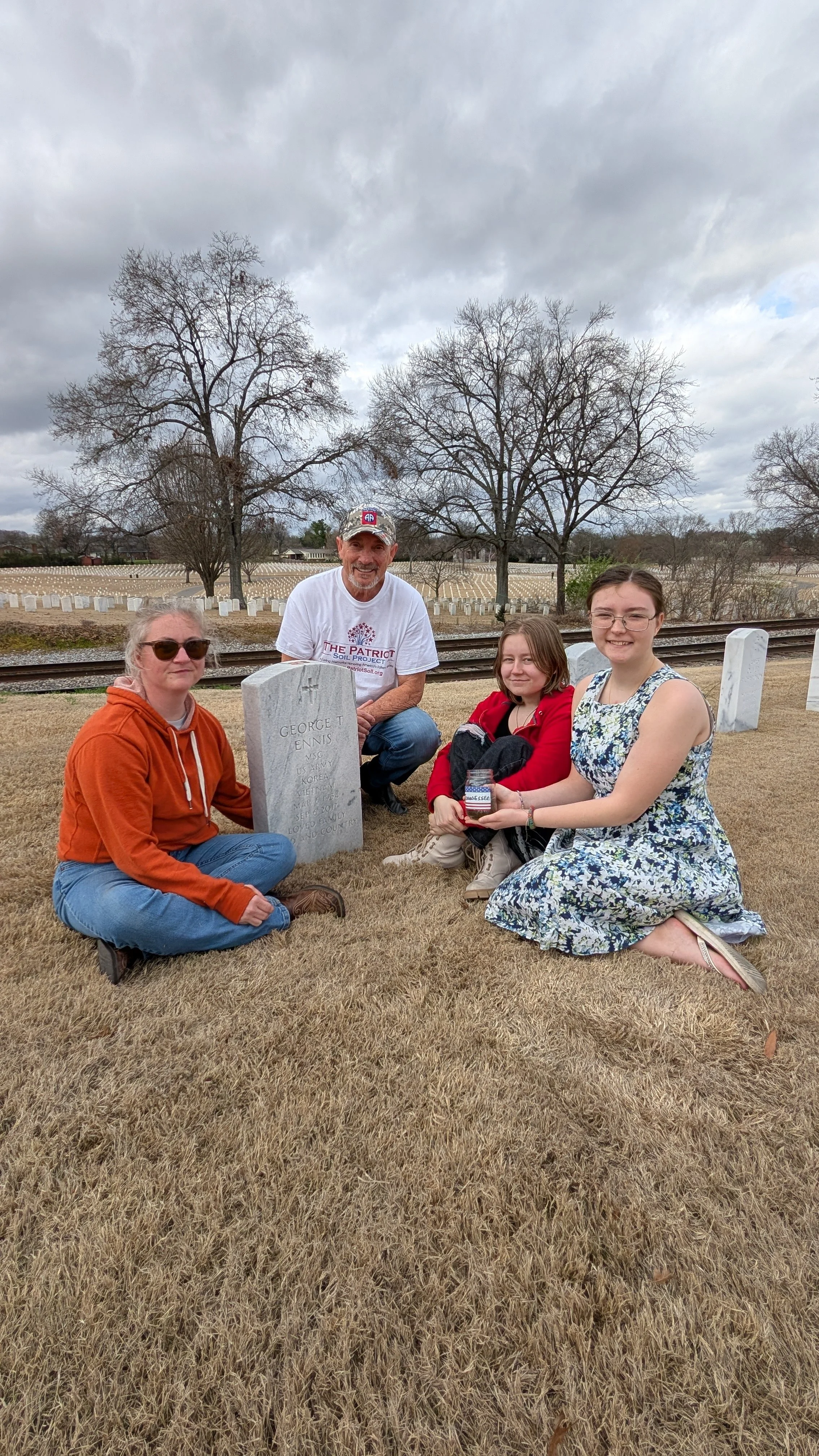
The Ballad of the Green Berets
The Patriot Soil Flag makes its first appearance at the resting place of SSGT Barry Sadler, who wrote and sang “The Ballad of the Green Berets,” which is featured in the video. Soil was gathered from his resting place on the 60th anniversary of the song reaching #1 on the Billboard Hot 100 list.
Wolf River Cemetery
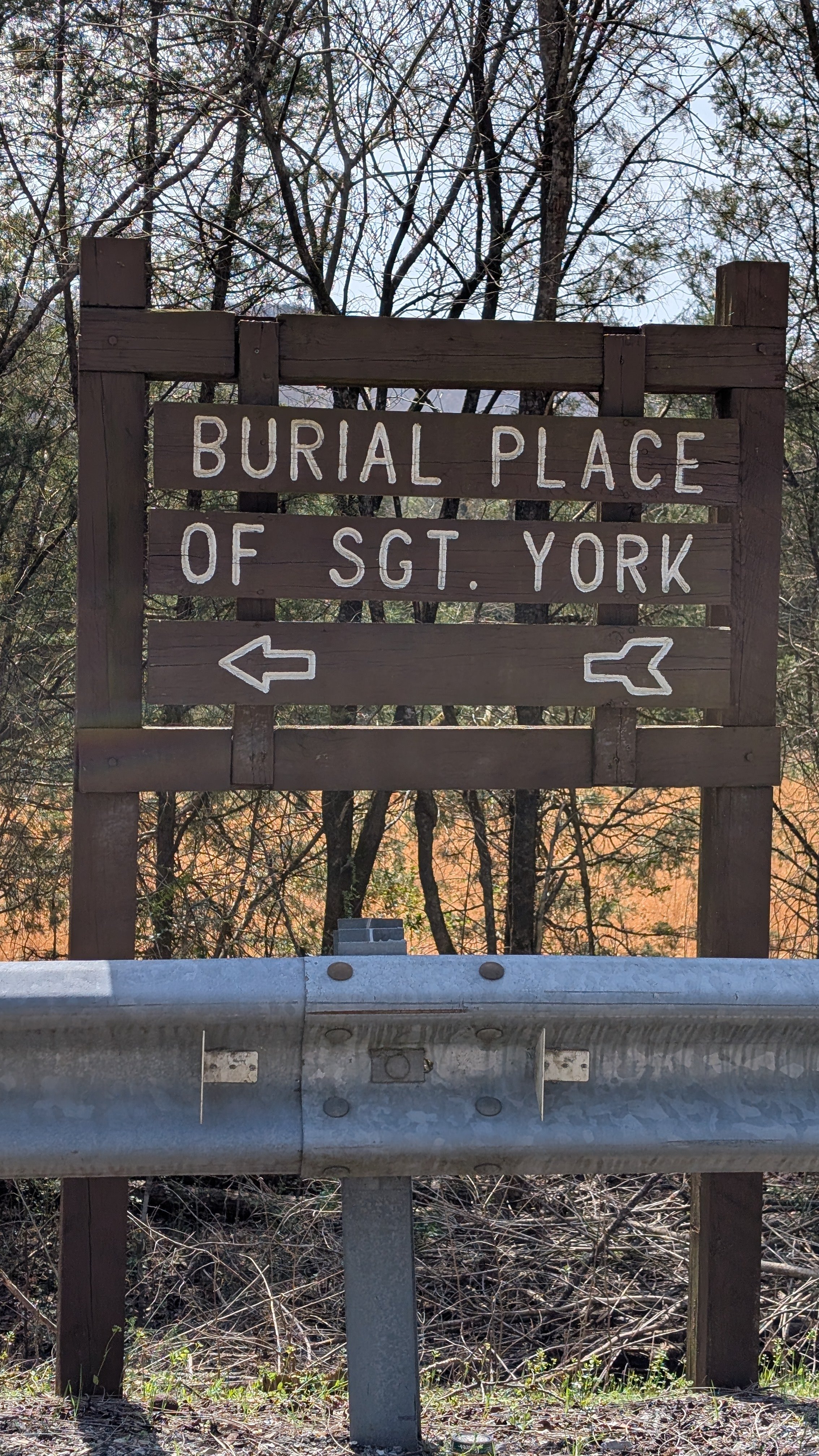
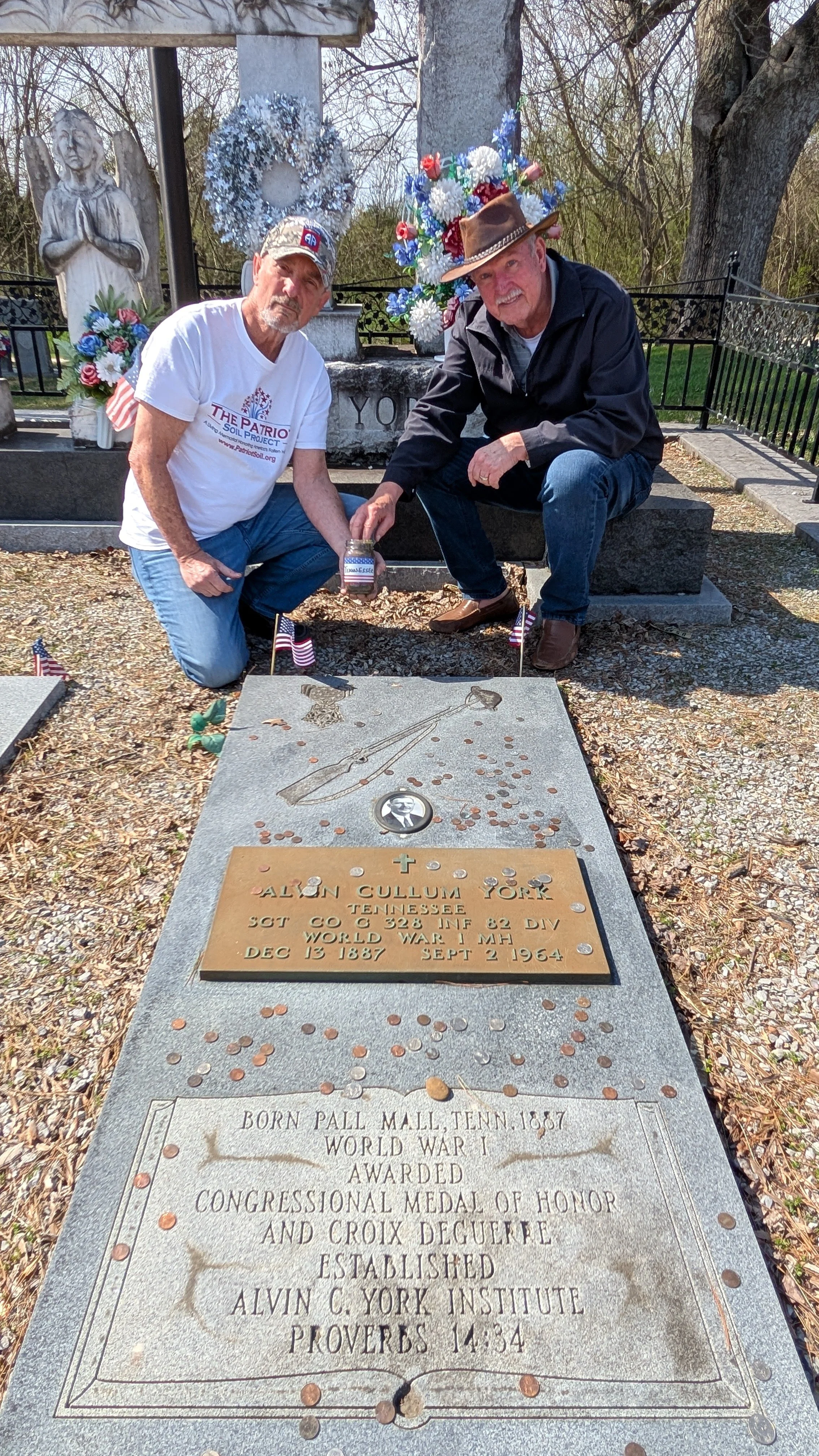
Pall Mall is a small, rural Appalachian community in Fentress County, nestled along the Wolf River near the Kentucky border. Known for its serene landscape of rolling hills, farmland, and dense forests, Pall Mall reflects the quiet, self-reliant character of East Tennessee. Despite its modest size, it holds an outsized place in American history as the lifelong home of Alvin C. York—better known as Sergeant York—one of the most decorated U.S. soldiers of World War I.
York rose to national prominence for his extraordinary heroism during the Meuse-Argonne Offensive in 1918, where he led an assault that resulted in the capture of 132 German soldiers and the silencing of multiple machine-gun positions. For his actions, he was awarded the Medal of Honor. Despite international acclaim, York returned home to Pall Mall after the war, choosing a life of service to his community over personal fame. He devoted himself to improving education and strengthening local institutions, leaving a legacy that extended far beyond the battlefield.
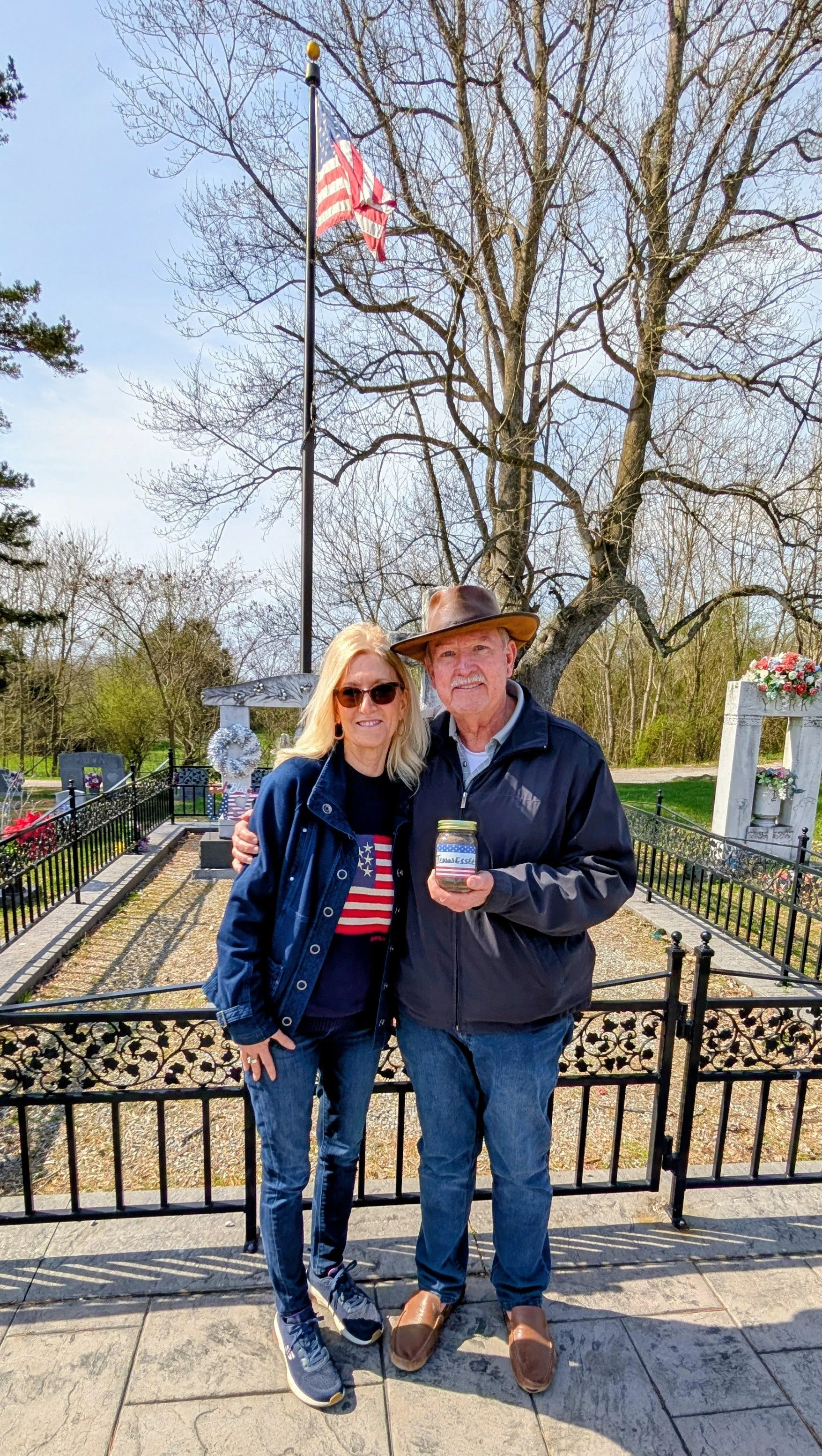
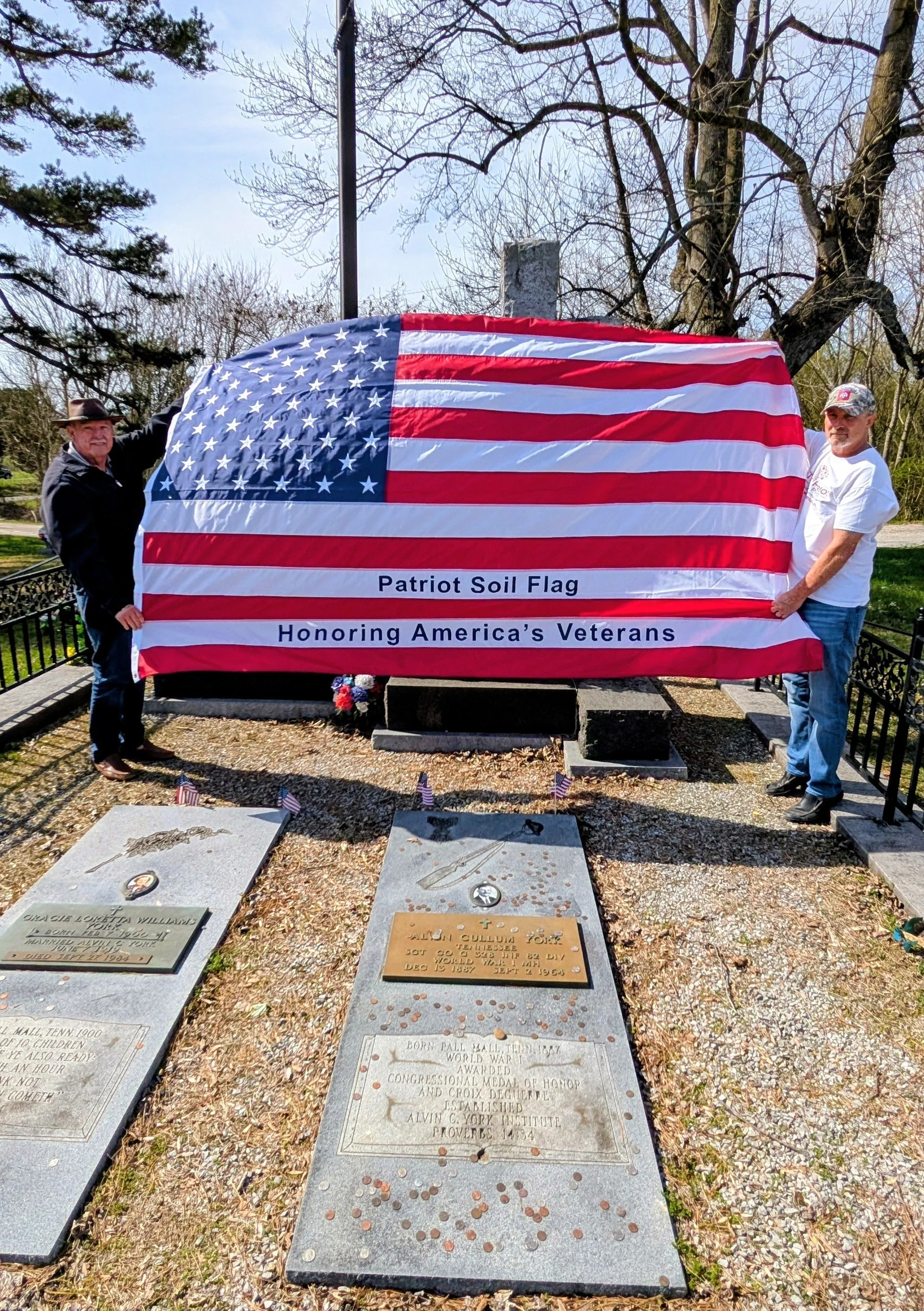
Today, his story is preserved at the Sergeant Alvin C. York State Historic Park, where visitors can explore his homestead, museum, and final resting place. Among the most significant sites is the resting place of Sergeant York himself, which continues to serve as a place of reflection and national remembrance.
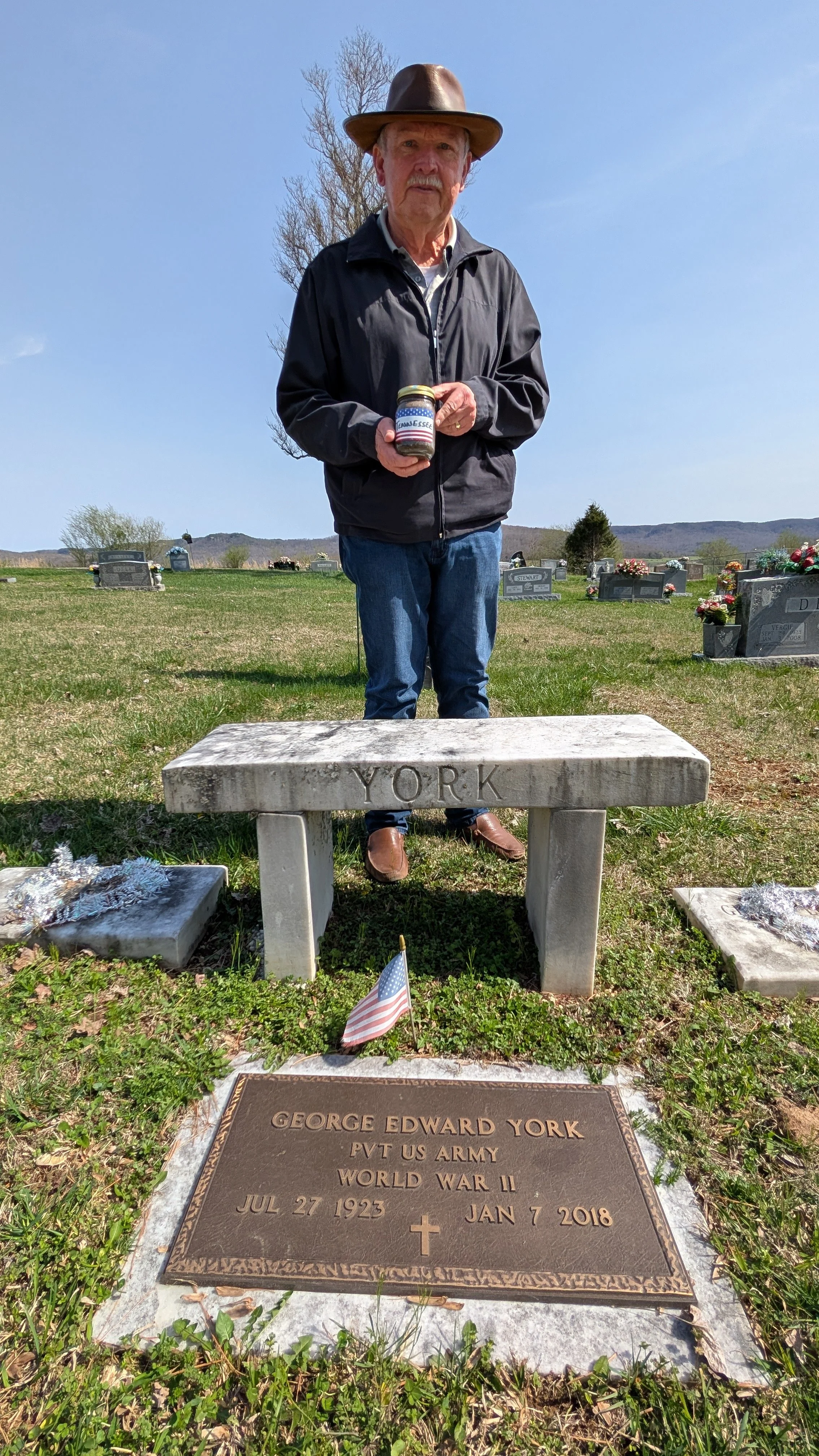
This enduring legacy is not only preserved in historic landmarks but also carried forward through the York family’s continued dedication to service and heritage. Gary is pictured holding the Patriot Soil Flag alongside Colonel Gerald York, U.S. Army, Sergeant York’s grandson, symbolizing a living connection between past and present.
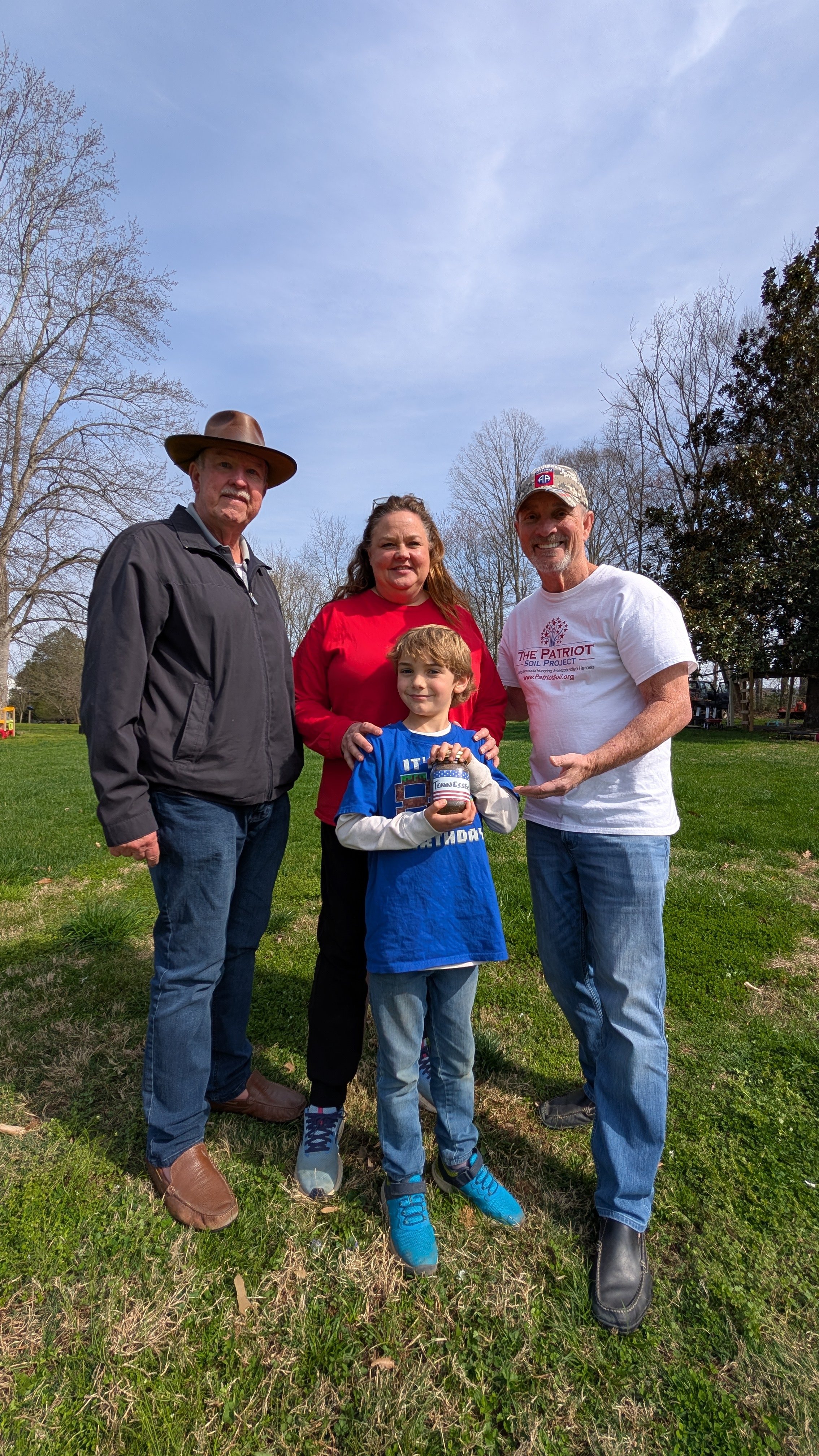
Additional images feature Deborah, Colonel Gerald York’s daughter, and Field, his grandson, who holds soil from the York family cemetery—reflecting generations of military service and underscoring the enduring legacy of the York family. Together, these elements illustrate how Pall Mall remains not only a place of historical significance, but a living testament to tradition, sacrifice, and remembrance.
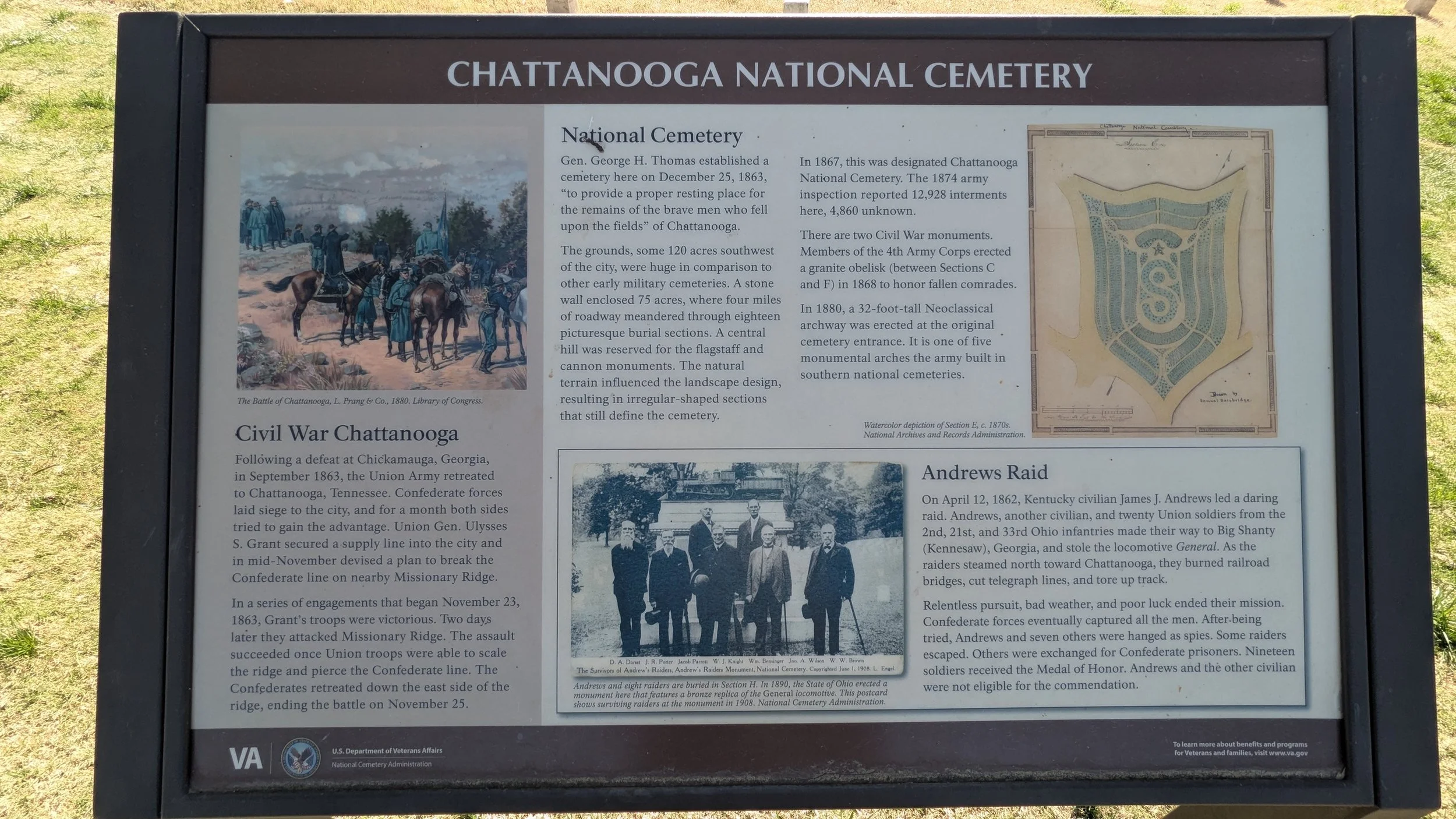
The Chattanooga National Cemetery is a historic military cemetery located on a ridge overlooking the city of Chattanooga, Tennessee, USA. It was established in 1863 during the Civil War after the Battles of Chattanooga, when Union forces needed a dedicated burial ground for soldiers who died in the surrounding campaigns. Thousands of Union dead—many later identified as unknown—were reinterred there, making it one of the earliest and most significant national cemeteries in the United States.
The cemetery is both historically important and visually distinctive. It is laid out across a rolling hillside, with graves arranged in curved, flowing sections that follow the natural terrain rather than a strict grid. Mature trees line many of the paths, and the elevated position gives wide views of the Tennessee Valley, creating a calm, park-like atmosphere that changes with the seasons. At its center is a flagpole and monument area that anchors the design and can be seen from much of the grounds.
Over time, the cemetery expanded to include veterans from nearly every U.S. conflict since the Civil War, as well as some foreign prisoners of war. Today, it contains tens of thousands of interments and remains an active national burial site managed by the federal government.
Among its notable burials are highly decorated service members such as Desmond T. Doss, a U.S. Army corporal and Medal of Honor recipient known for serving as a medic in World War II without carrying a weapon and saving dozens of soldiers during the Battle of Okinawa, and Charles H. Coolidge, a U.S. Army technical sergeant and Medal of Honor recipient who distinguished himself in the Battle of the Bulge and later became a prominent Tennessee veteran advocate.
Overall, the Chattanooga National Cemetery combines Civil War origins, carefully designed historic landscaping, and generations of military burials into a unified memorial space that reflects both national history and local significance.
Chattanooga National Cemetery
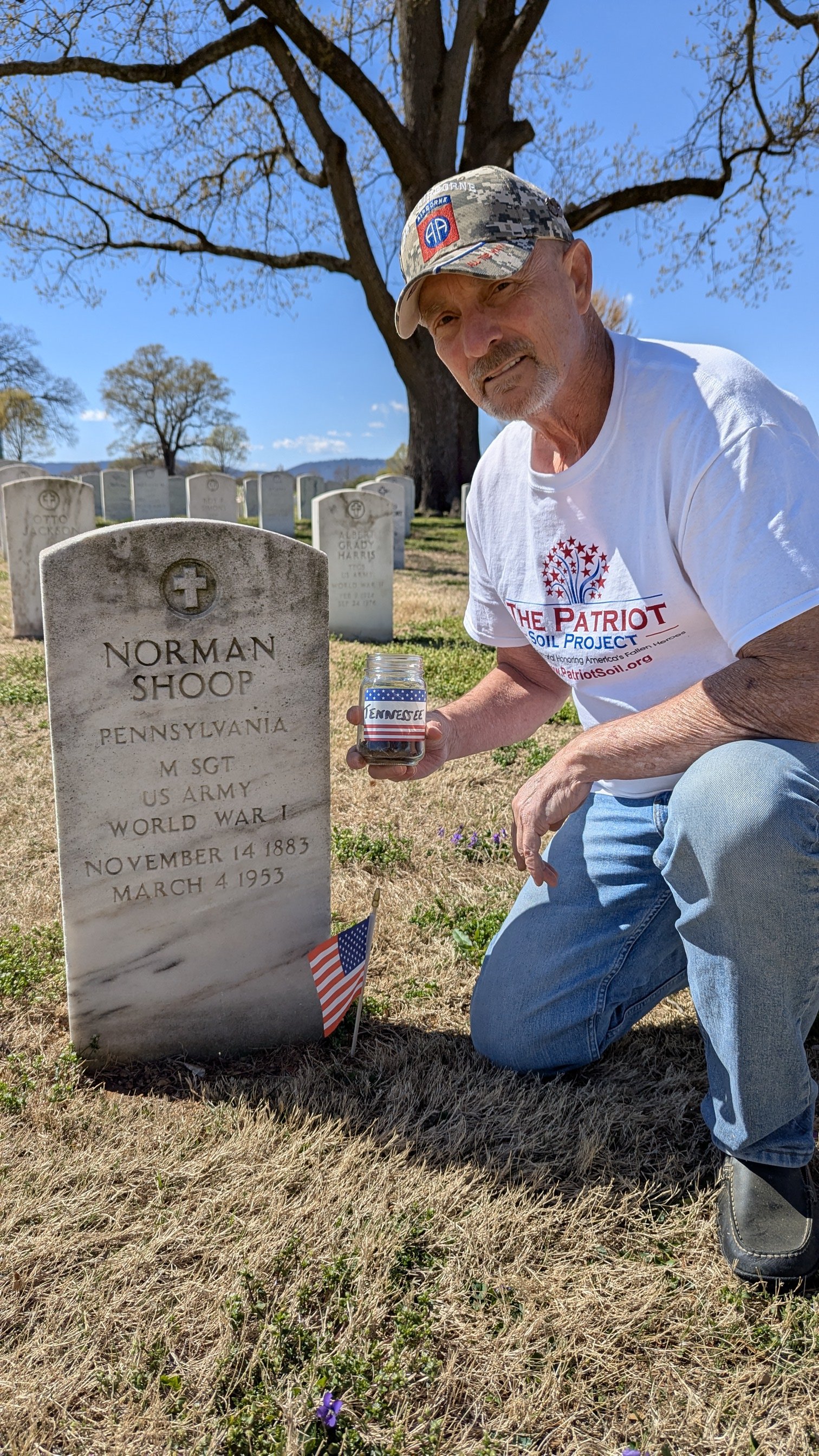
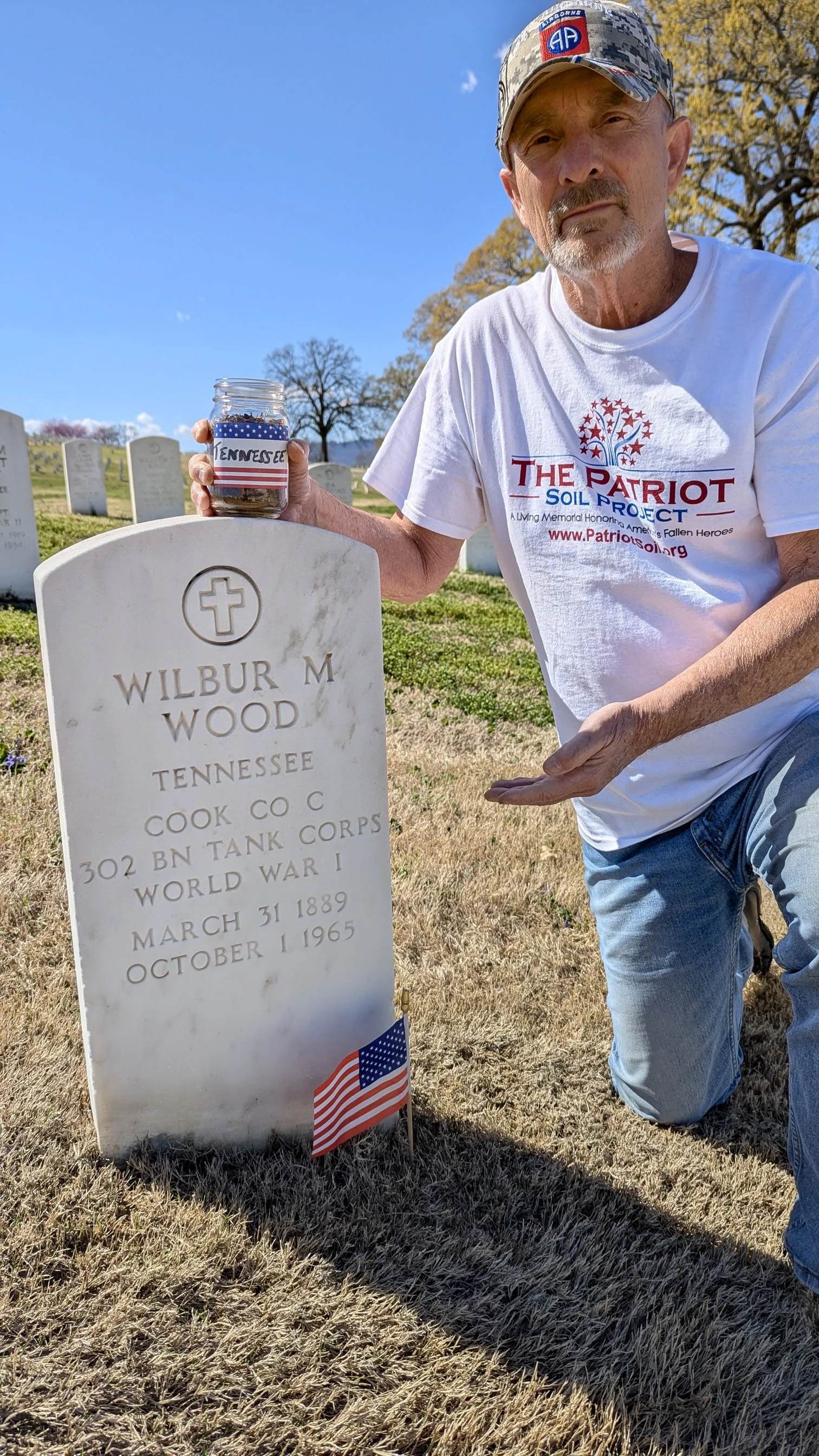
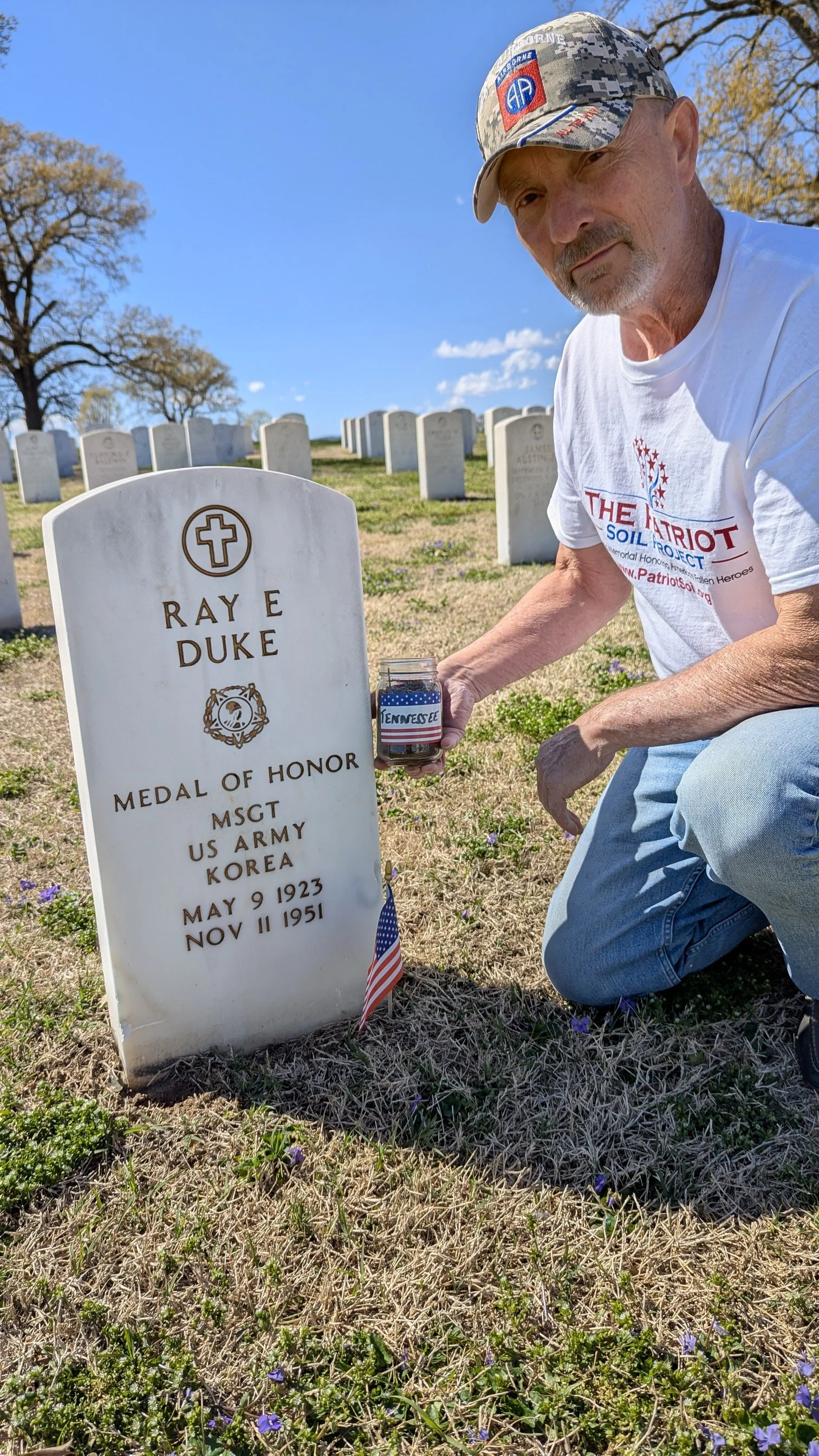
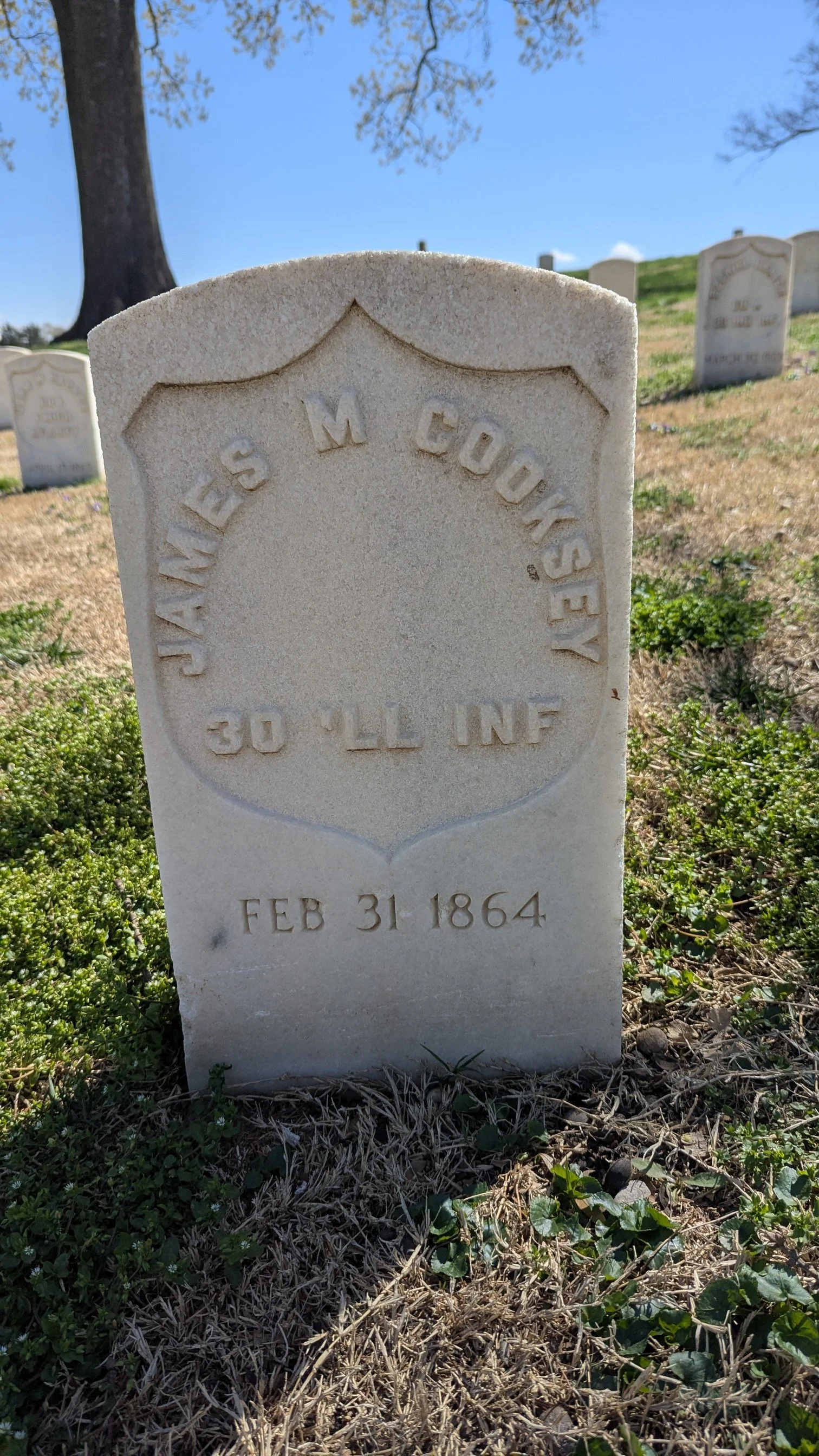
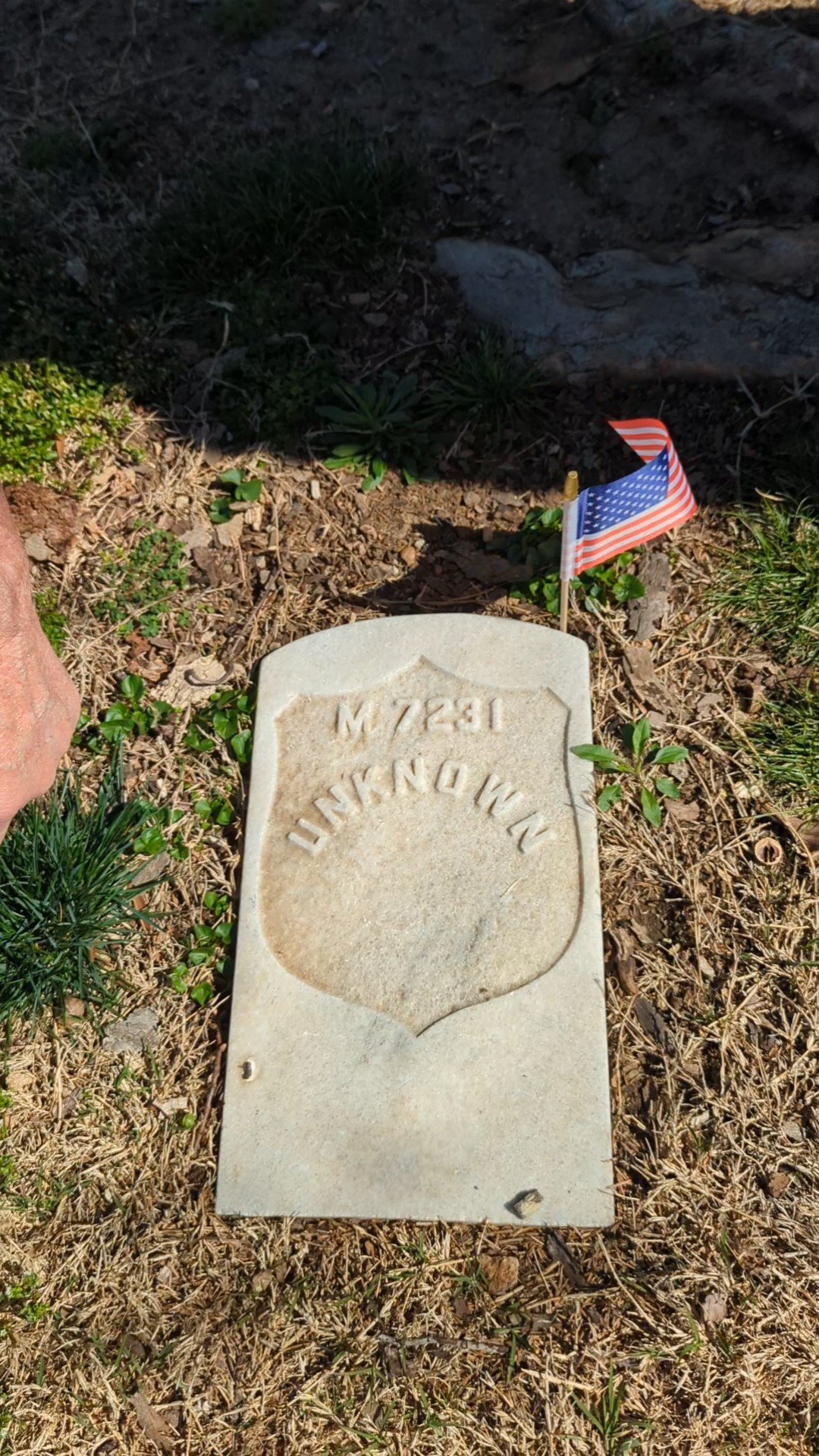
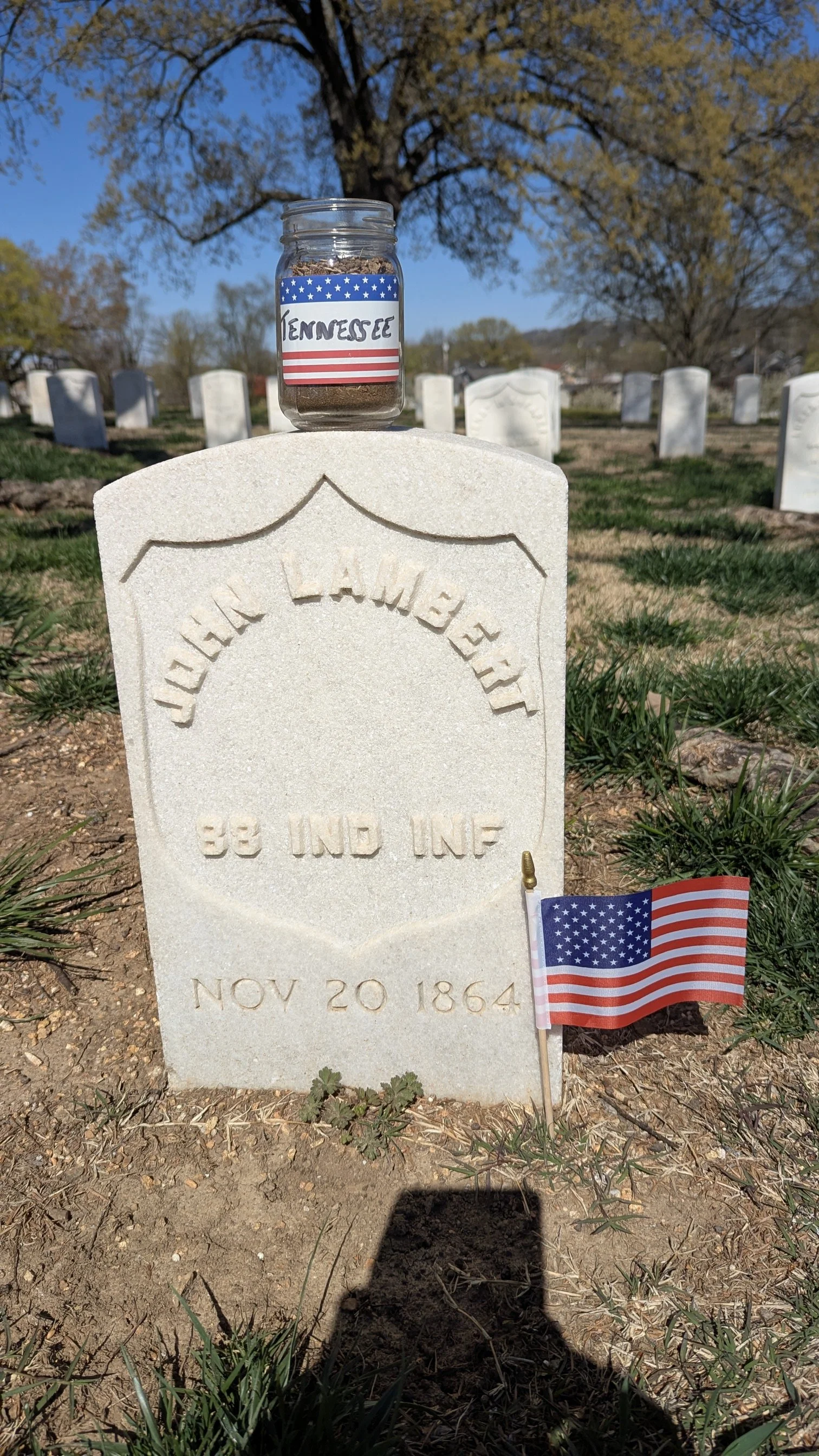
Soil MixingSoil collected from veteran resting places throughout the state is respectfully combined into a single blended collection, symbolizing the unity of all who served from that state.
Vial & State StarSoil collected from veteran resting places throughout the state is respectfully combined into a single blended collection, symbolizing the unity of all who served from that state.