SOUTH DAKOTA
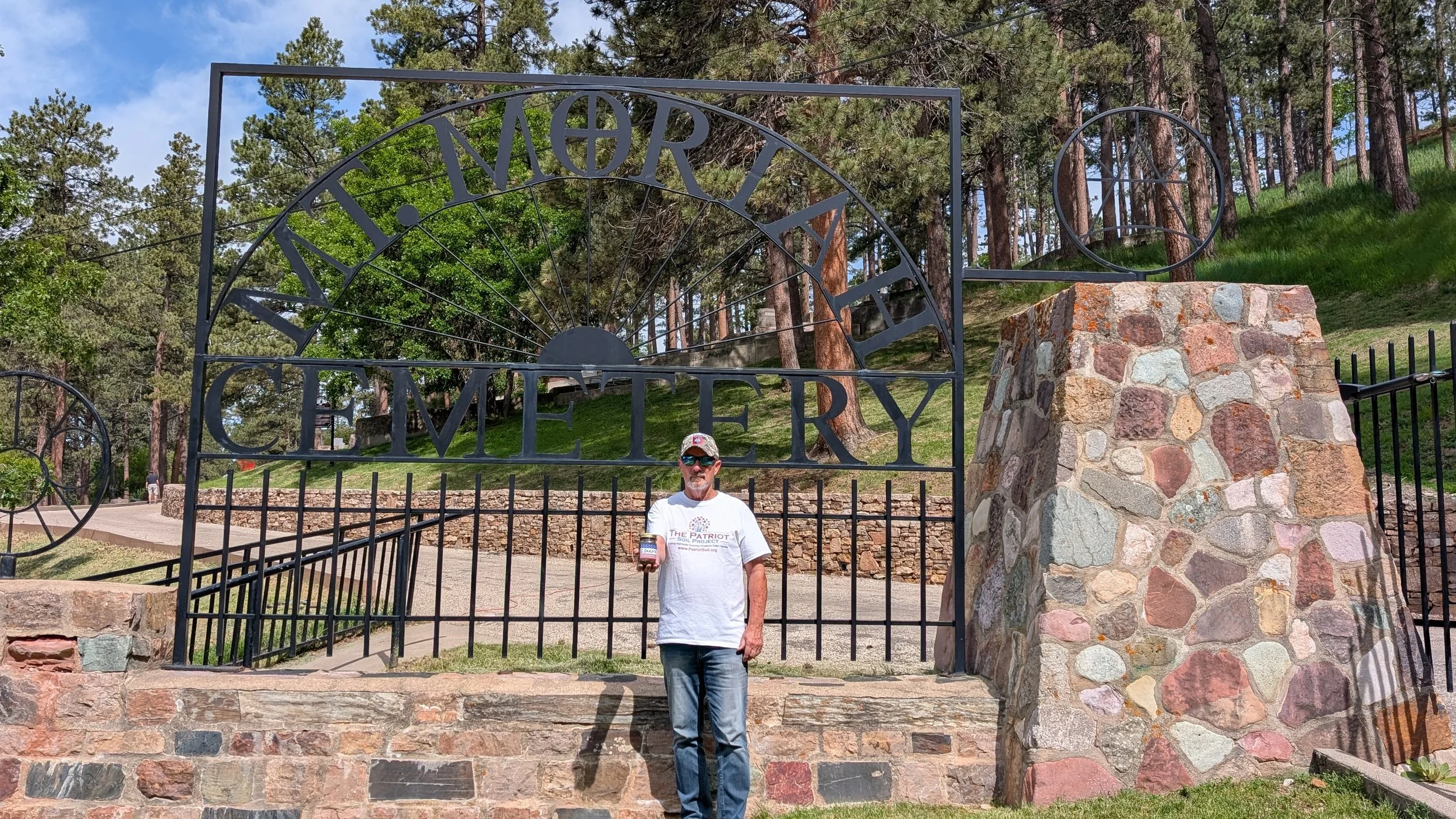
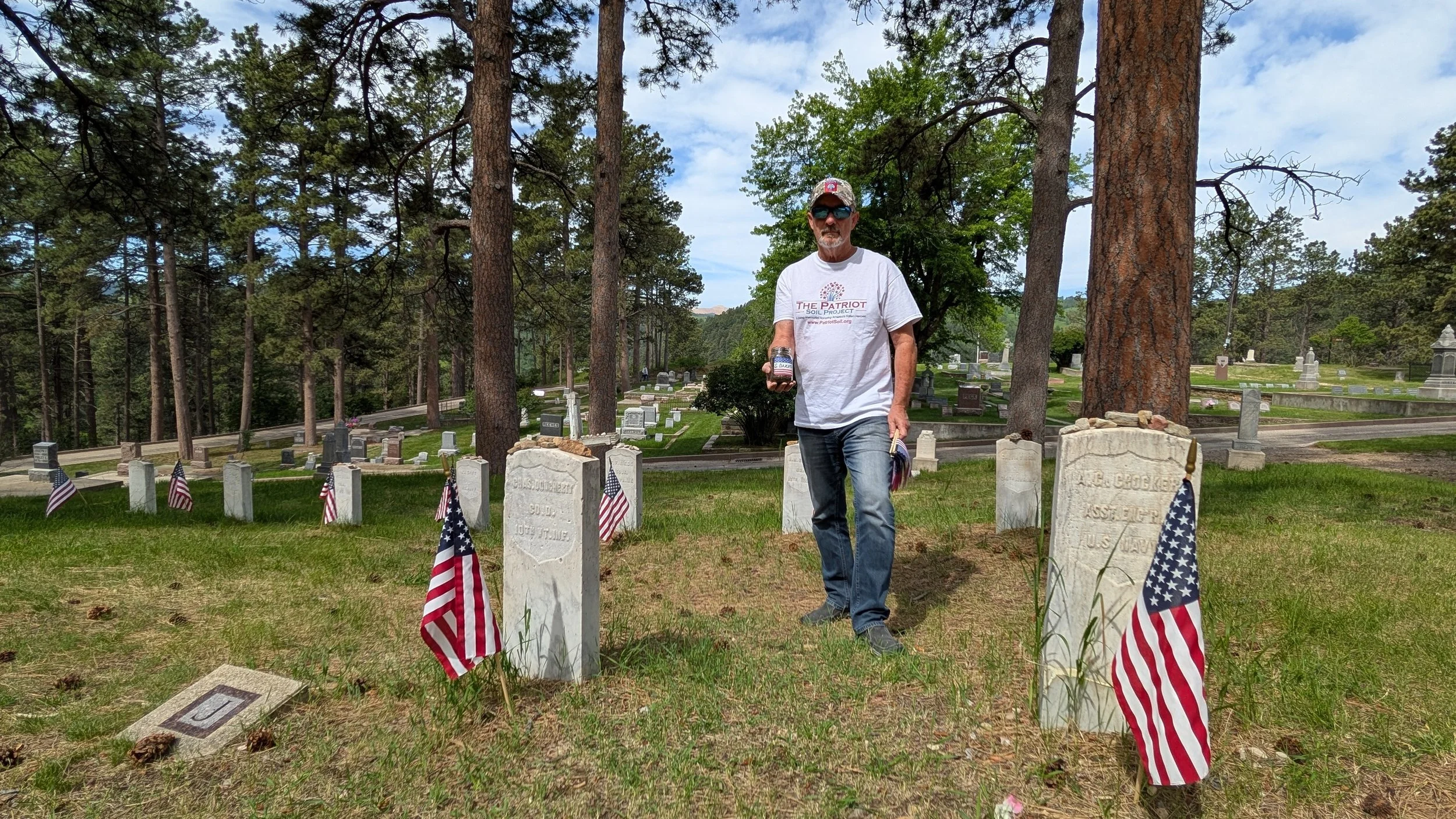
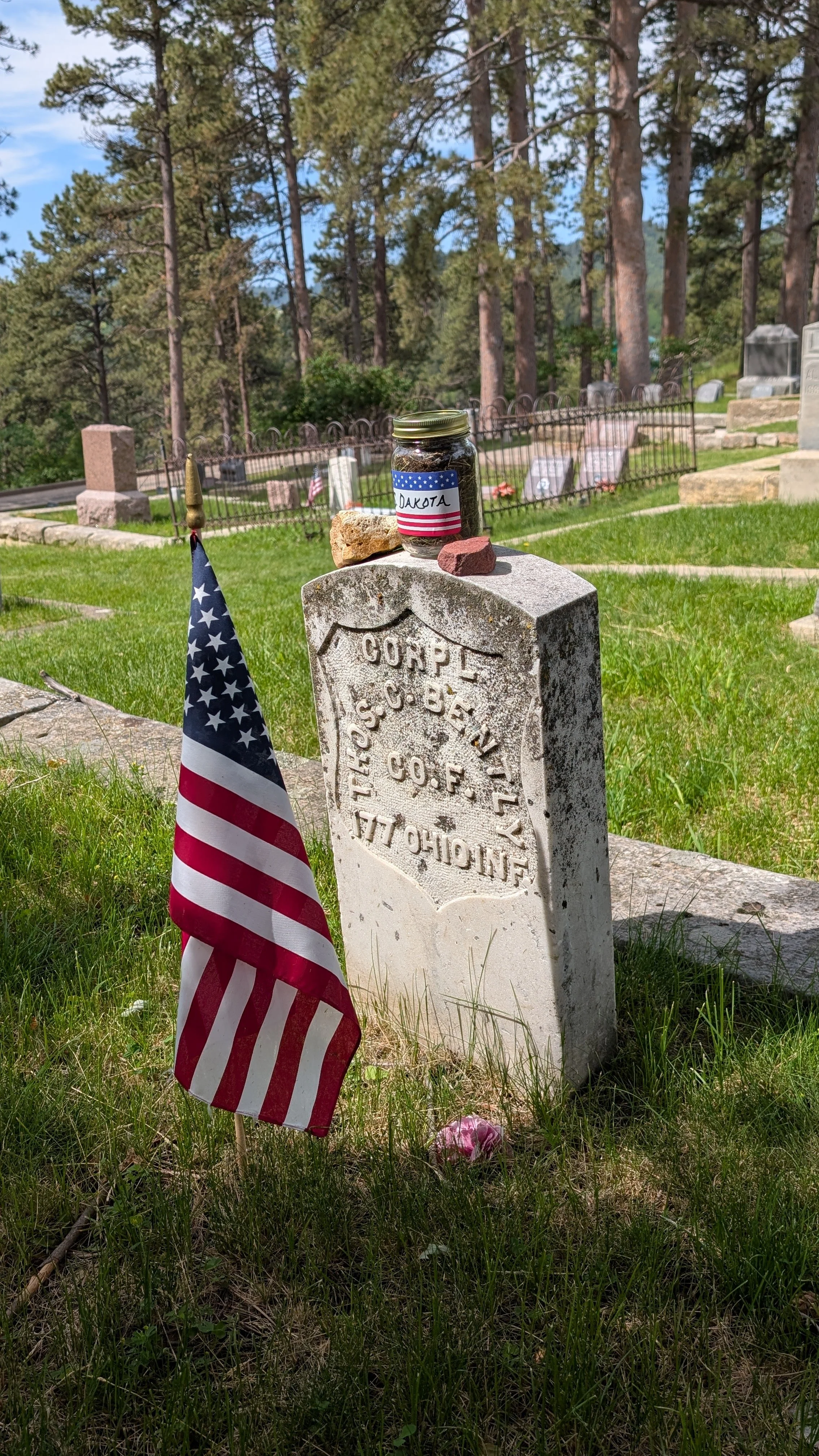
Mount Moriah Cemetery
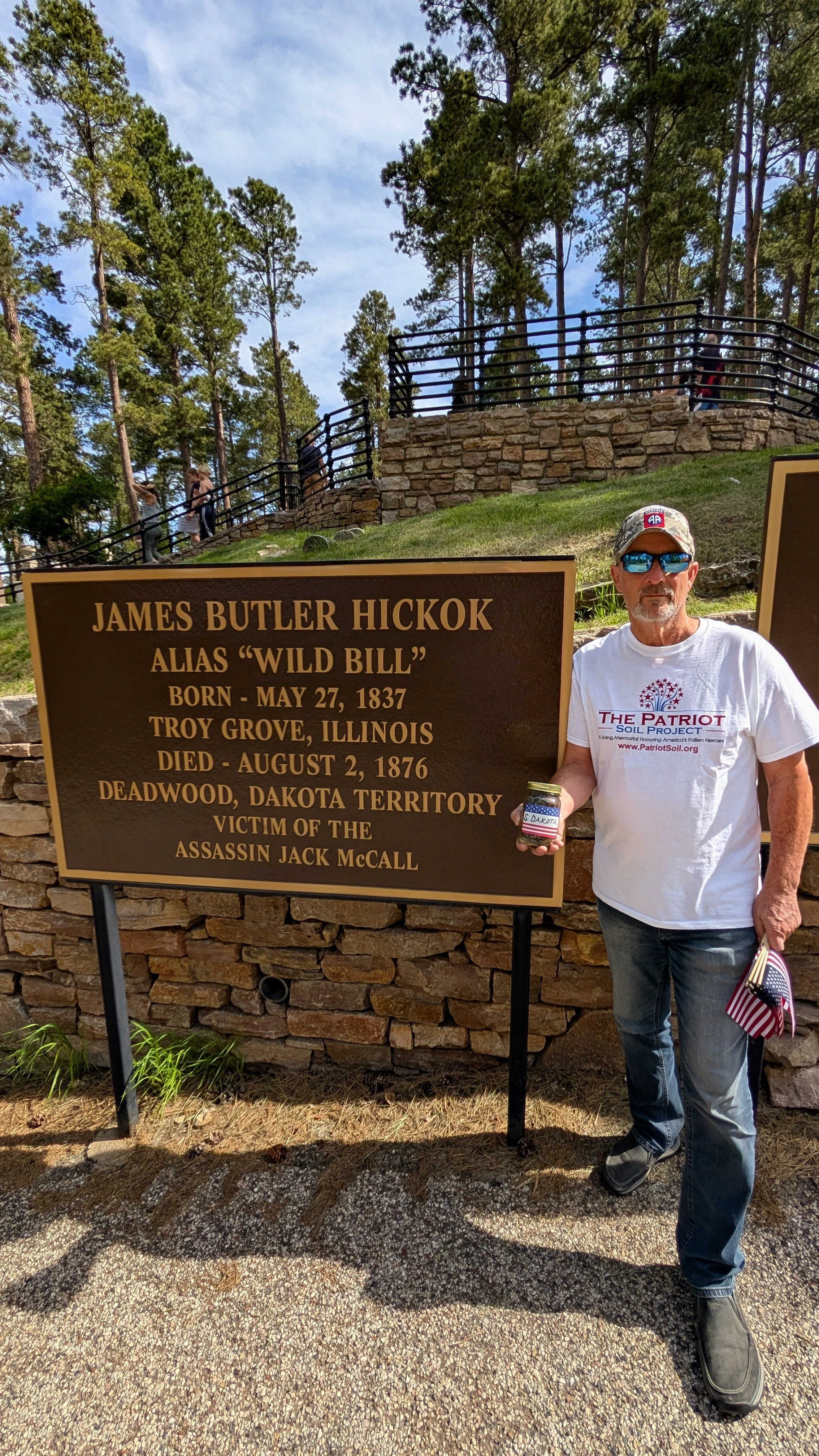
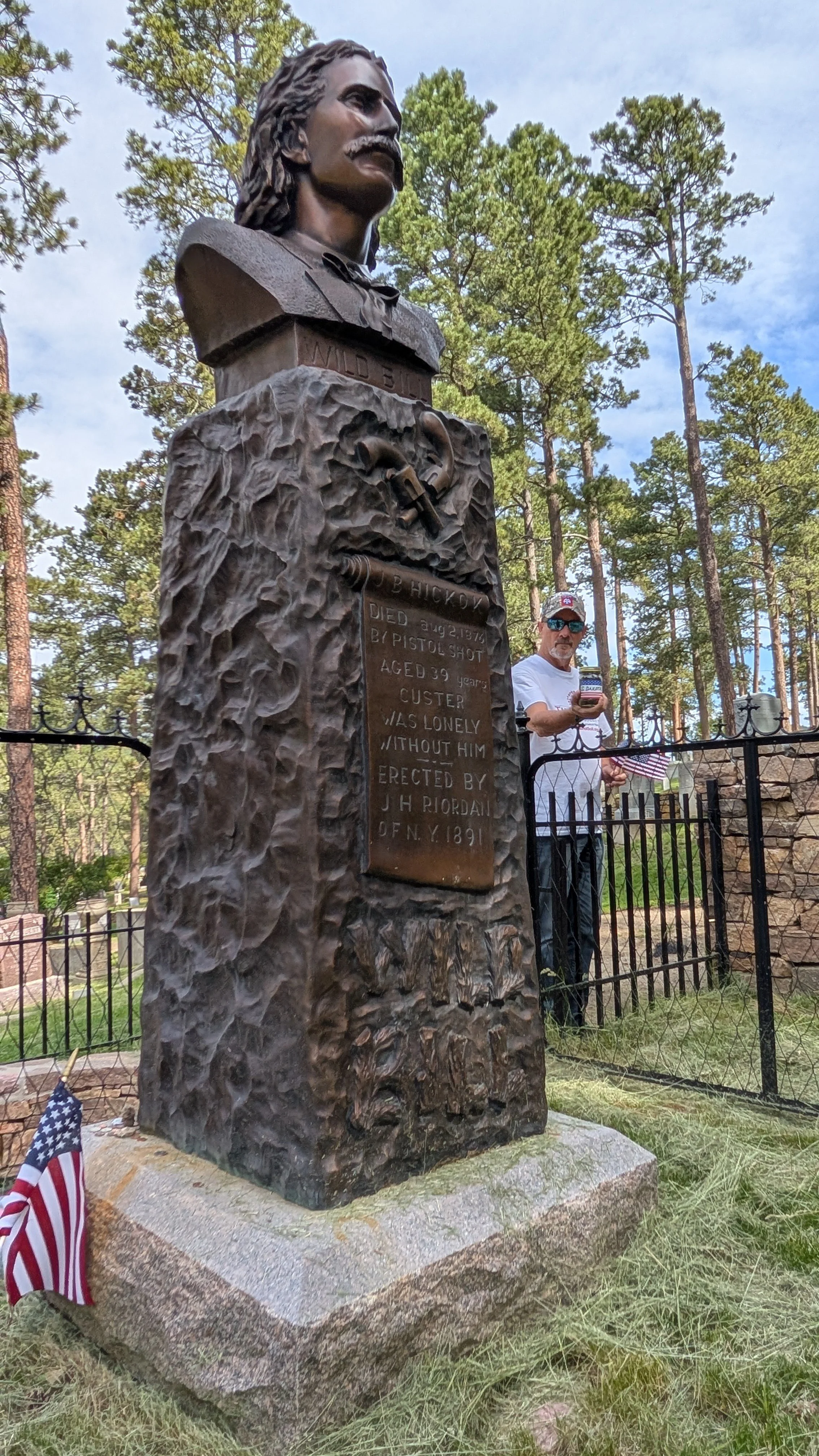
Mount Moriah Cemetery in Deadwood, South Dakota is best understood as both a historic burial ground and a window into the chaotic Gold Rush-era frontier.
It sits on a steep hillside above town, a location chosen more out of necessity than design. As Deadwood rapidly expanded in the late 1870s during the Black Hills Gold Rush, earlier burial sites were moved uphill to avoid flooding, mining activity, and overcrowding. The result is a cemetery that climbs the mountain in layers, with winding paths and wide views over the town below.
While it is famous today for the graves of Wild West figures like Wild Bill Hickok and Calamity Jane, those burials represent only a small part of its history. Most of the people interred there were ordinary residents of a rough frontier mining town—miners, laborers, immigrants, saloon workers, and children who often died young from disease or harsh living conditions. The cemetery therefore reflects the full social reality of Deadwood, not just its legends.
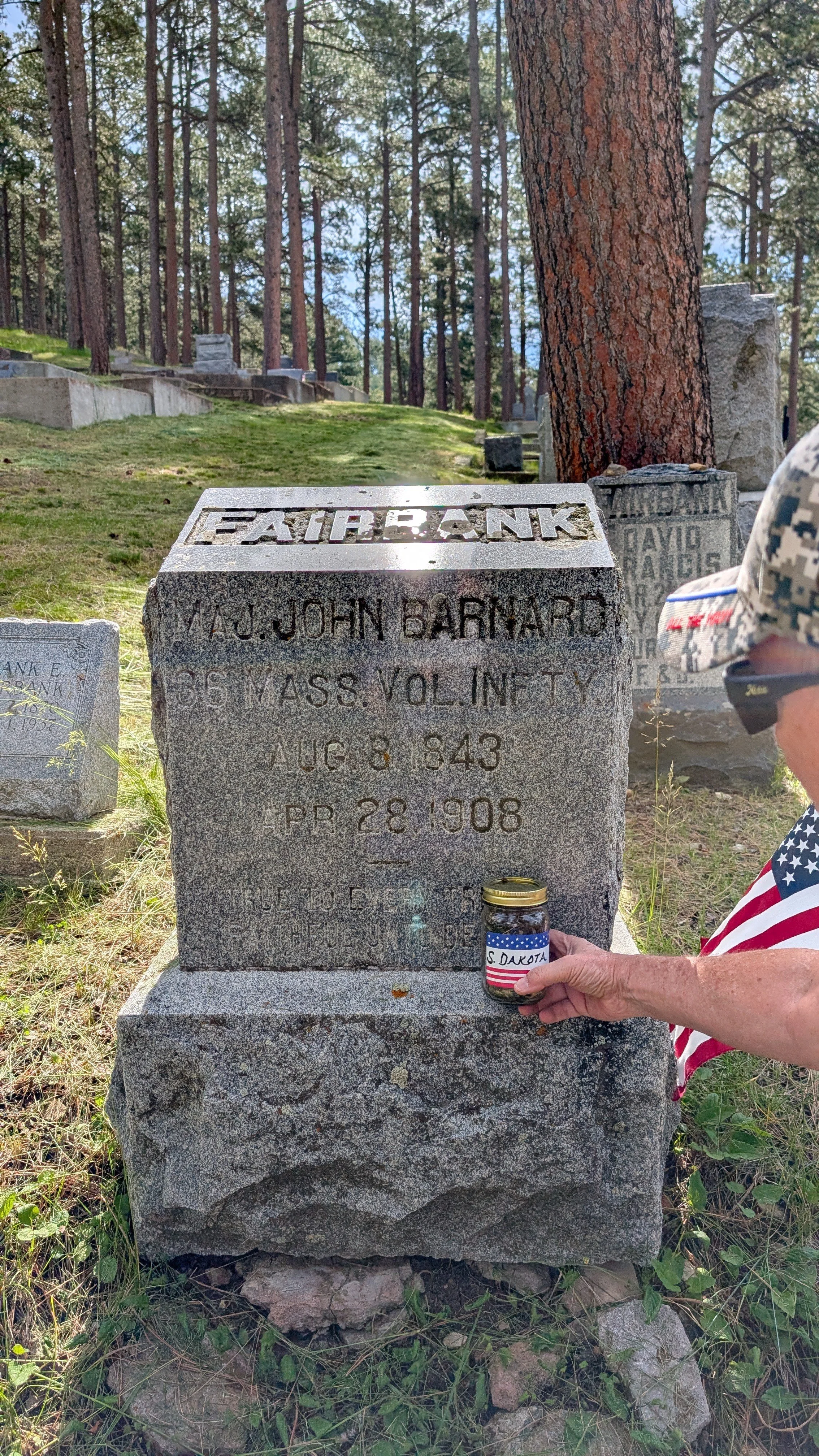
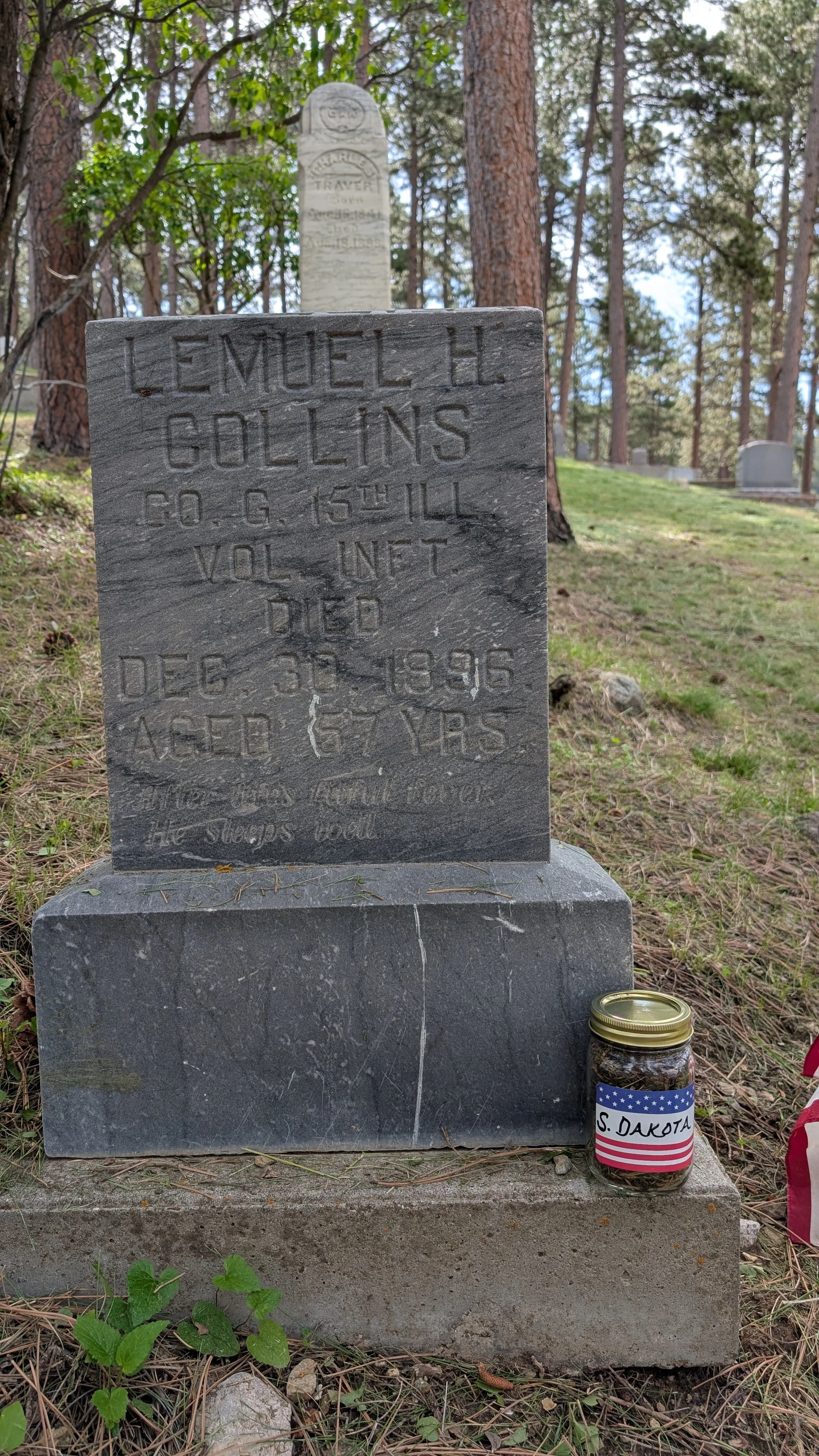
Many of those buried there were also Civil War veterans or later participants in the Indian Wars era. These men often came west after military service and became part of Deadwood’s developing community as lawmen, businessmen, or miners. There is a veterans section in the cemetery, though it is not a formal national military cemetery; instead, it reflects the common overlap between frontier settlement and former soldiers.
Mount Moriah also preserves the history of Deadwood’s diverse communities, including a distinct Chinese burial area, which reflects the important but often segregated role of Chinese laborers in the mining economy of the American West. Other sections include potter’s fields and children’s graves, highlighting the town’s early instability and high mortality.
Over time, the cemetery became a managed historic site rather than an active burial ground. Preservation efforts focus on maintaining markers, interpreting the site’s history, and managing tourism. Much of its modern identity is shaped by storytelling—especially around figures like Hickok and Calamity Jane, whose prominence has been amplified by reburial decisions and local tourism culture.
Today, Mount Moriah functions as both a memorial landscape and a historical record of Deadwood’s boomtown years. It blends documented history, cultural memory, and frontier mythology in one steep, weathered hillside overlooking the Black Hills.
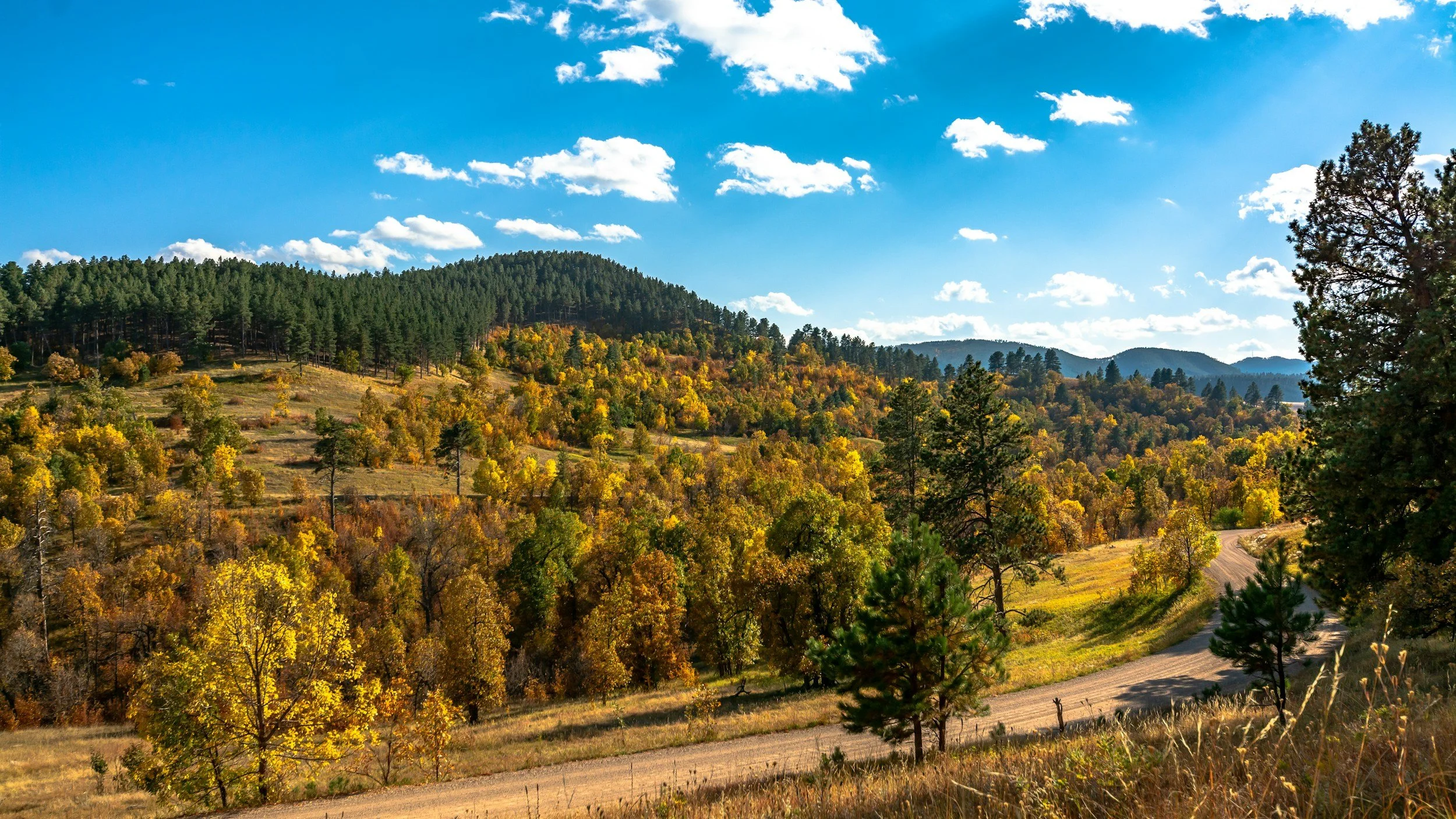
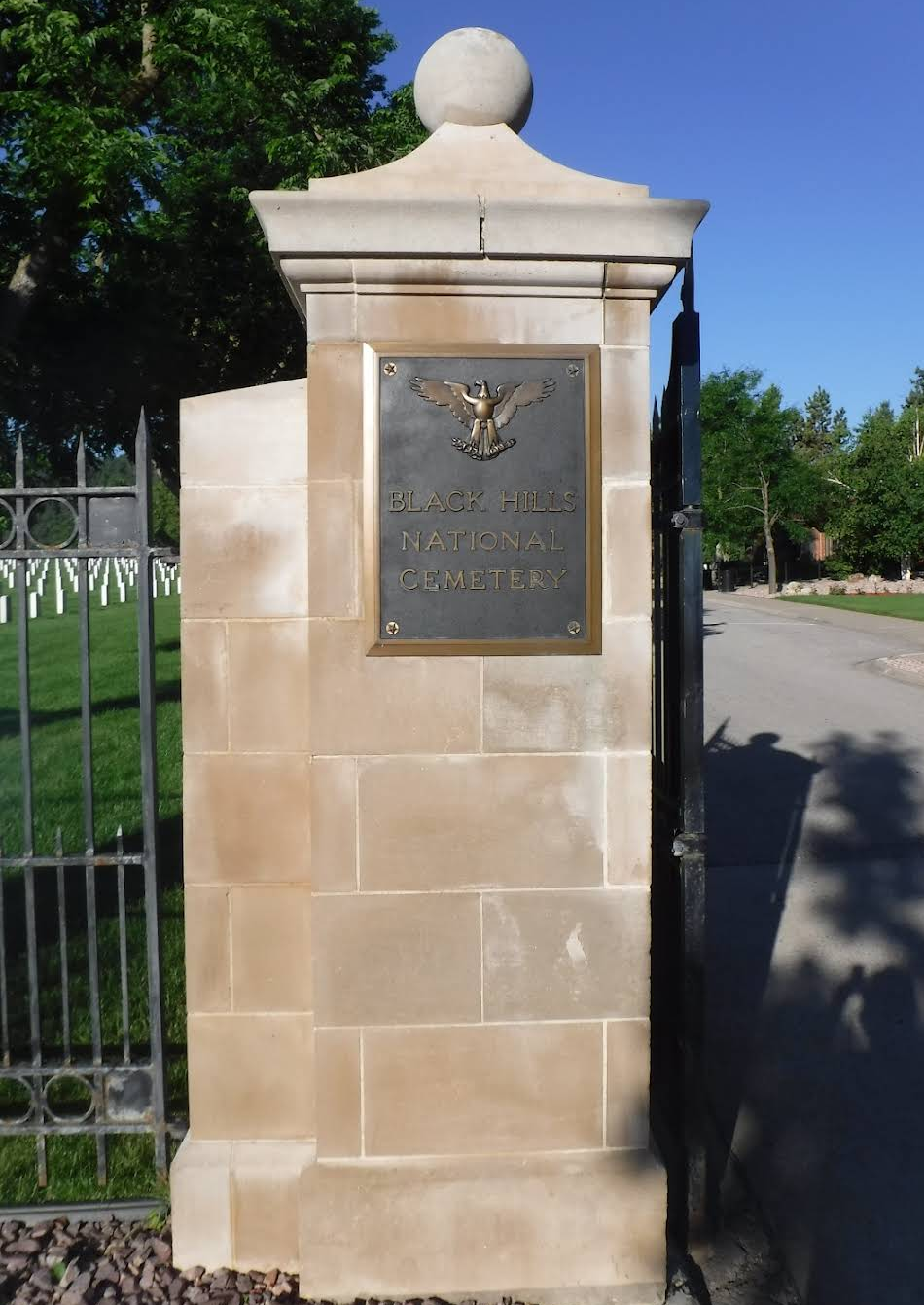
Black Hills National Cemetery, just outside Sturgis, South Dakota, is a quiet but historically rich U.S. military cemetery set in the rolling landscape of the Black Hills. Established in 1948, it was the first national cemetery in South Dakota, created to provide a dignified burial place for veterans and their families in the region.
Unlike larger national cemeteries, it isn’t defined by a long list of nationally famous figures. Instead, its importance comes from what it represents: a broad cross-section of American military service stretching from the Indian Wars era through both World Wars, Korea, Vietnam, and modern conflicts. It reflects nearly two centuries of service layered into one landscape.
Still, several notable individuals are buried there. These include Sergeant Charles Windolph, a Medal of Honor recipient from the Battle of the Little Bighorn, and prominent South Dakota political figures such as former U.S. Senators James Abourezk and Francis H. Case, and former Governor William J. Janklow.
The cemetery is also especially significant for its connection to Native American veterans, including Lakota Code Talkers like John Bear King and Clarence Eugene Wolf Guts, as well as Lakota actor and veteran Dave Bald Eagle. Their presence highlights the long and often underrecognized tradition of Indigenous military service.
Closely tied to Ellsworth Air Force Base, the cemetery also contains many Air Force burials and reflects the region’s ongoing military presence.
Overall, Black Hills National Cemetery is notable less for celebrity graves and more for its deeper meaning: a place that quietly tells the story of military service, regional history, and Indigenous and American heritage woven together across generations.
Black-Hills National Cemetery
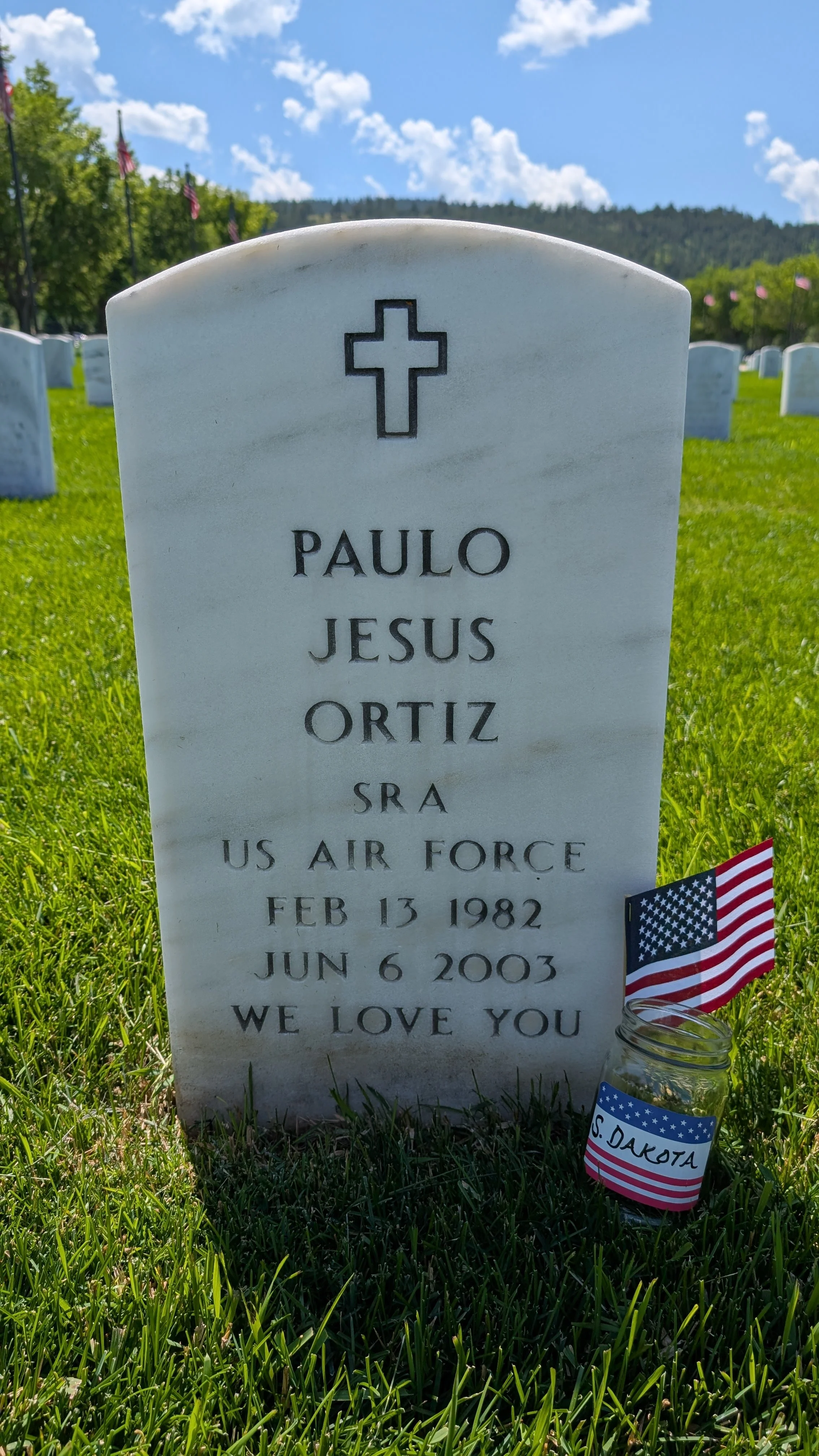
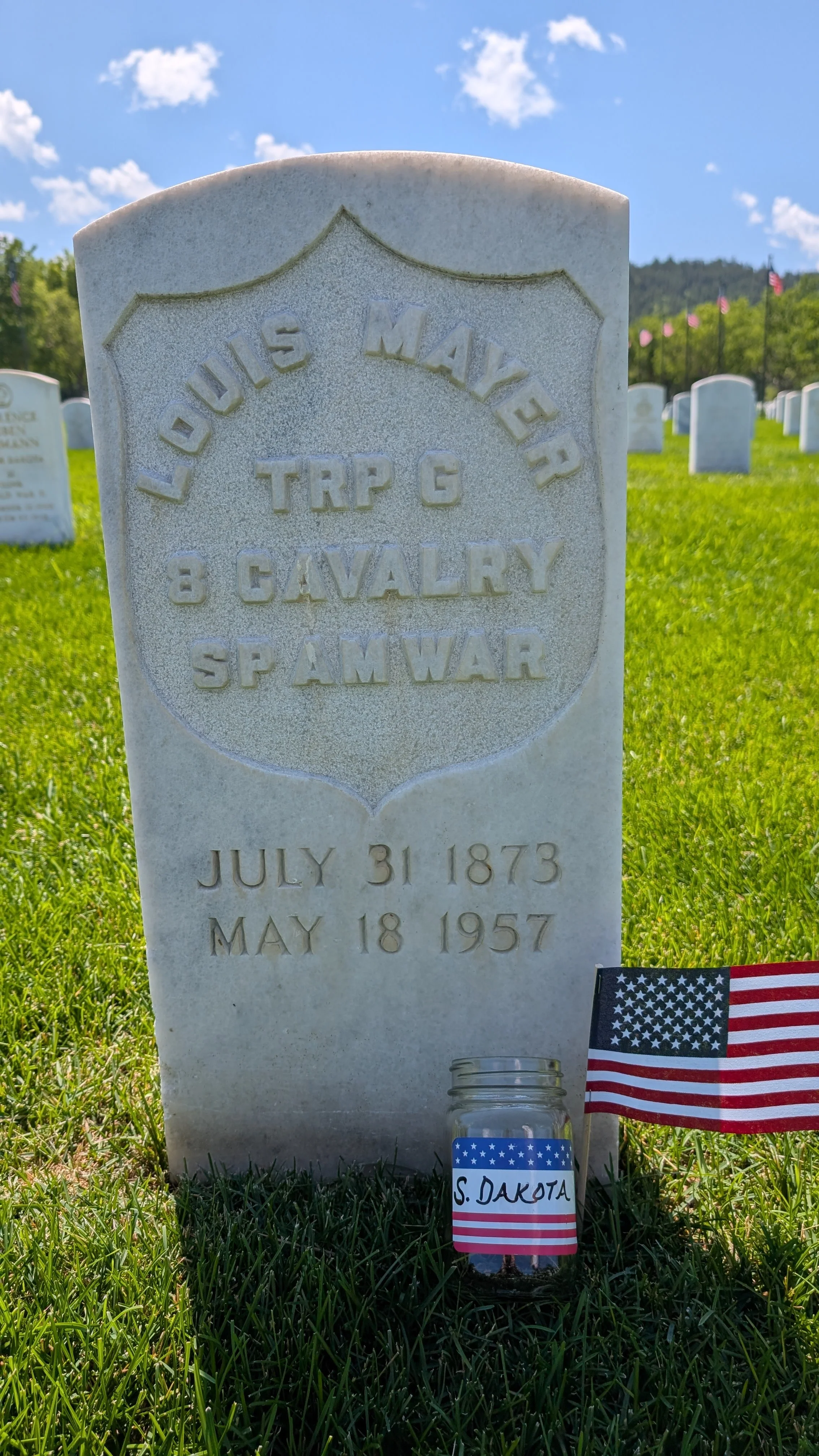
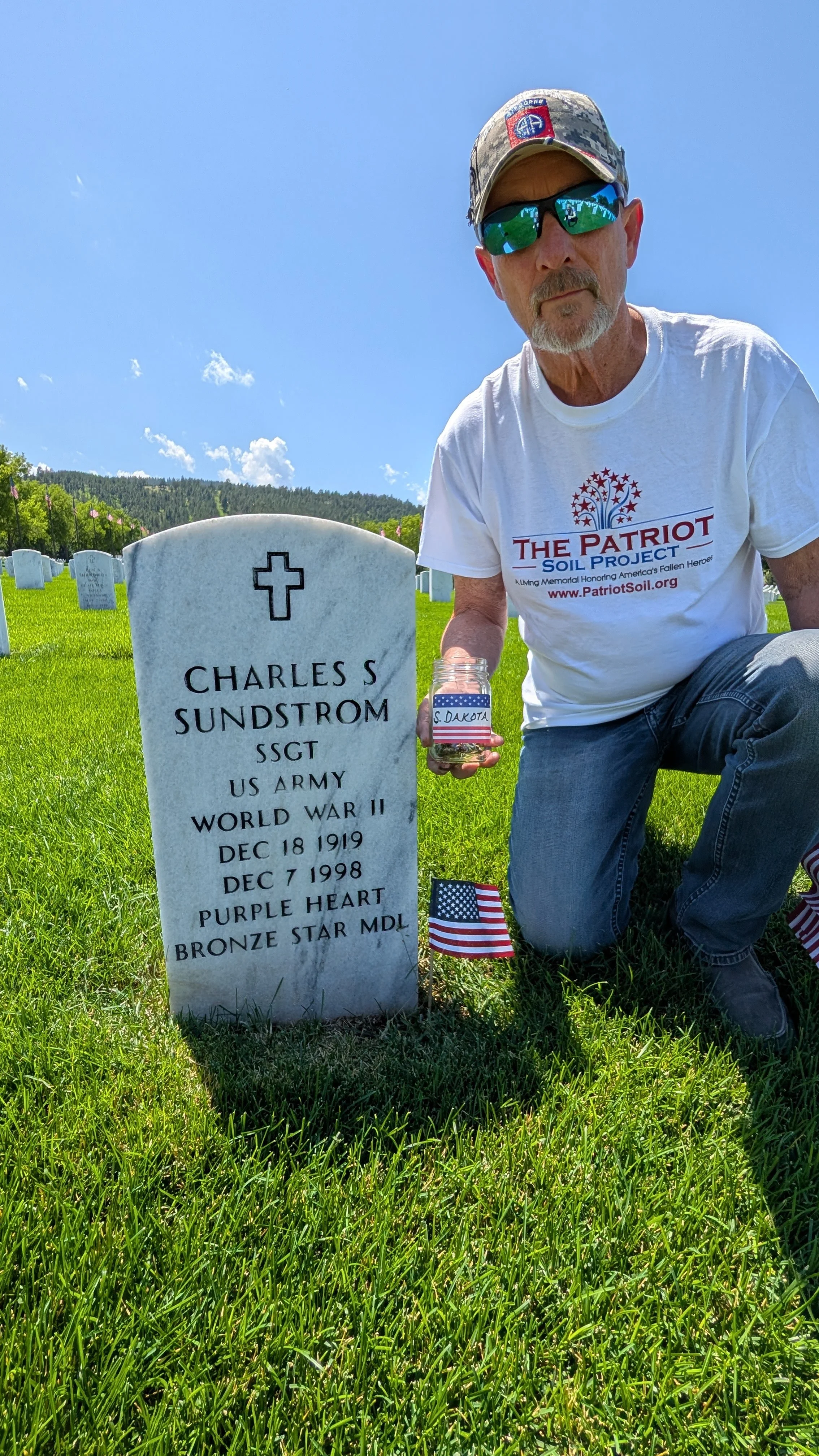
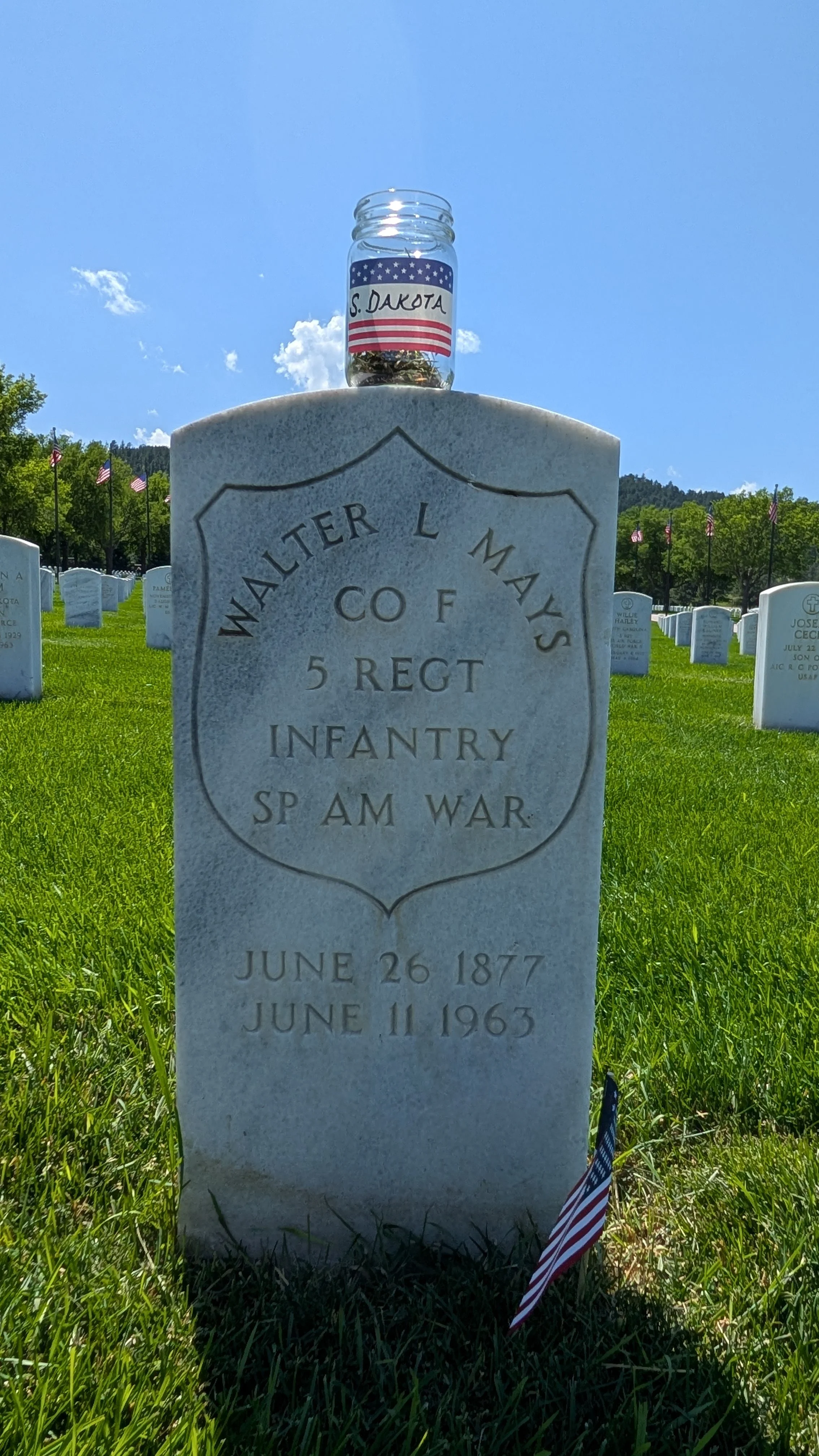
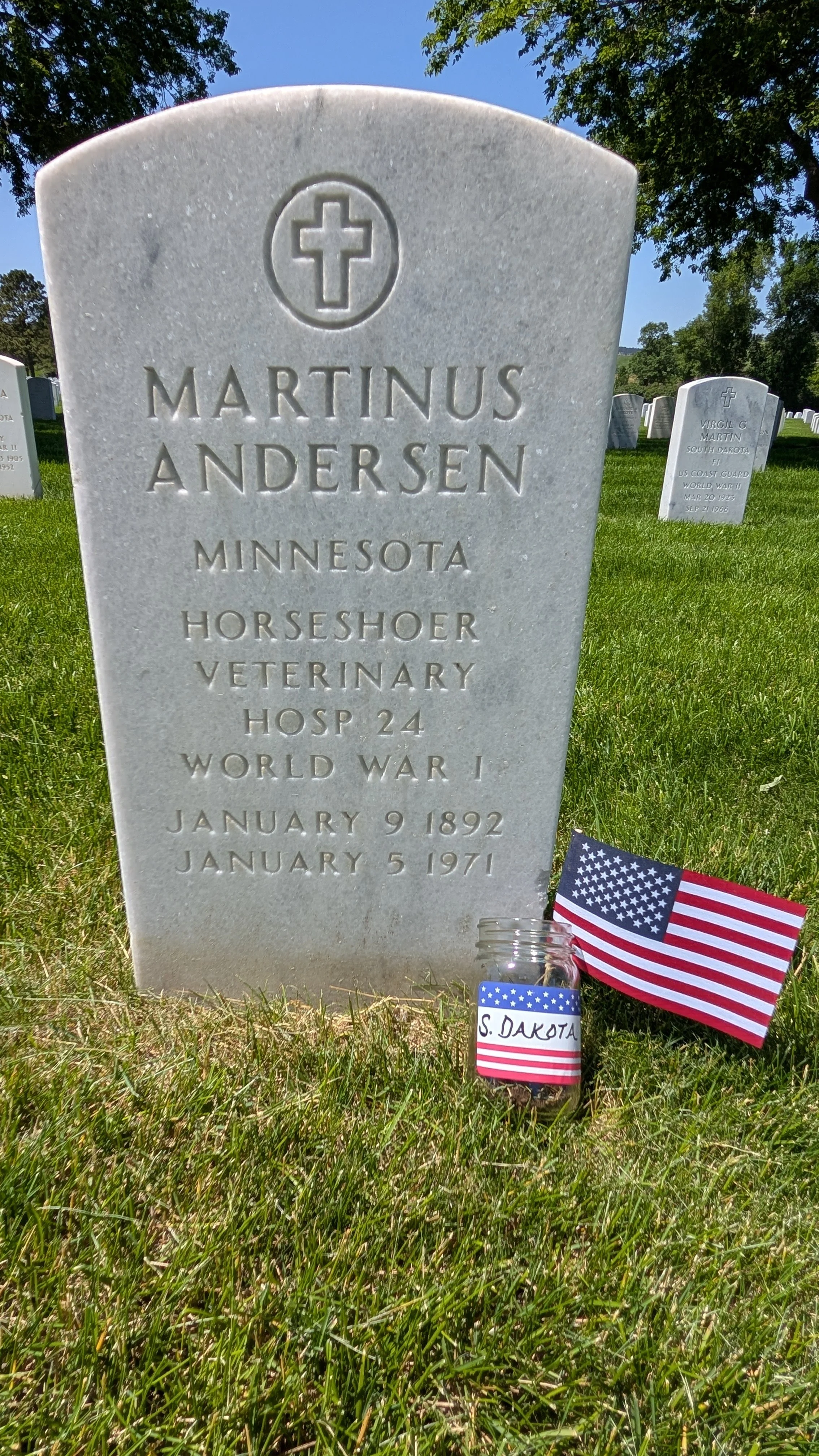
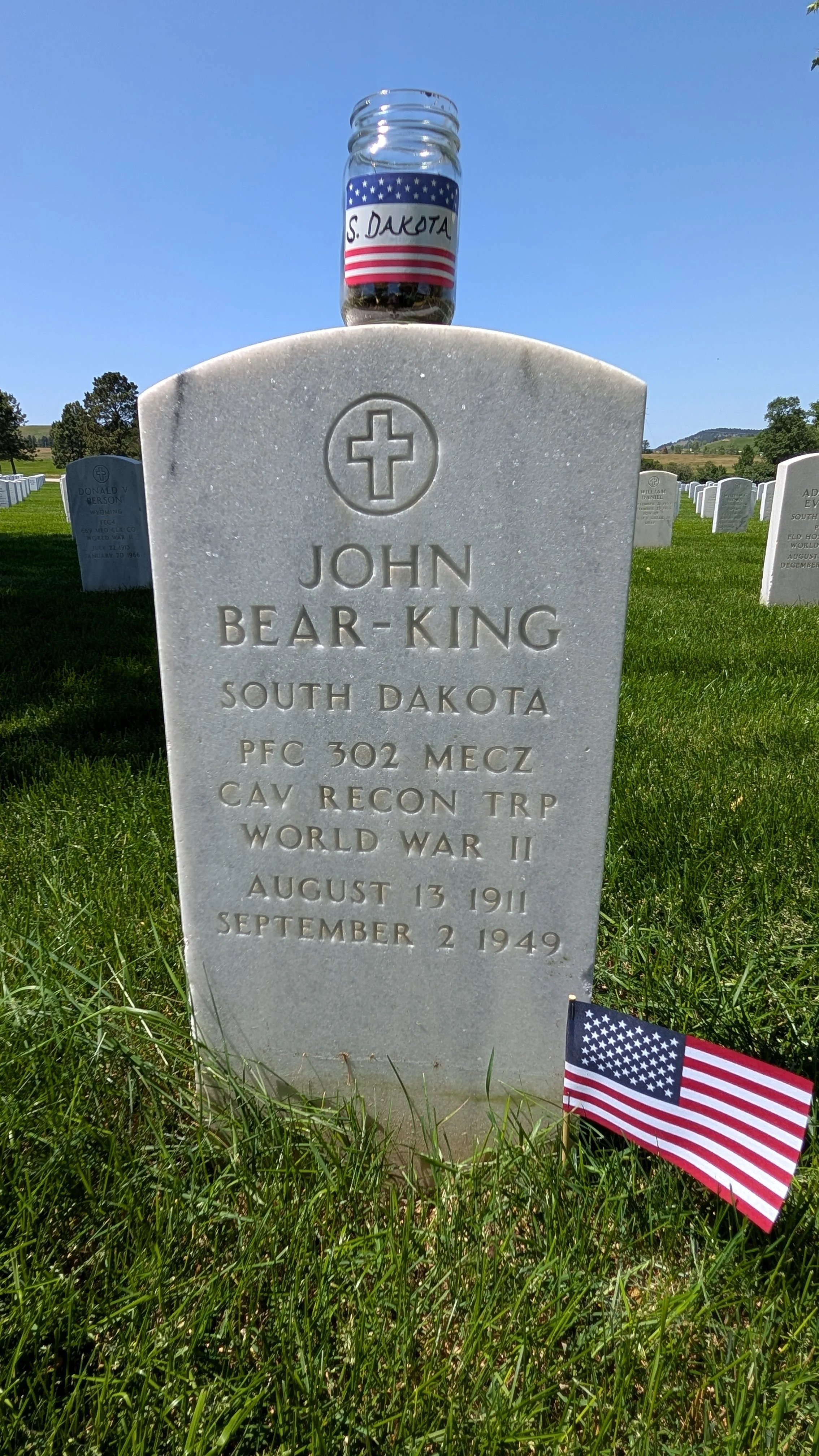
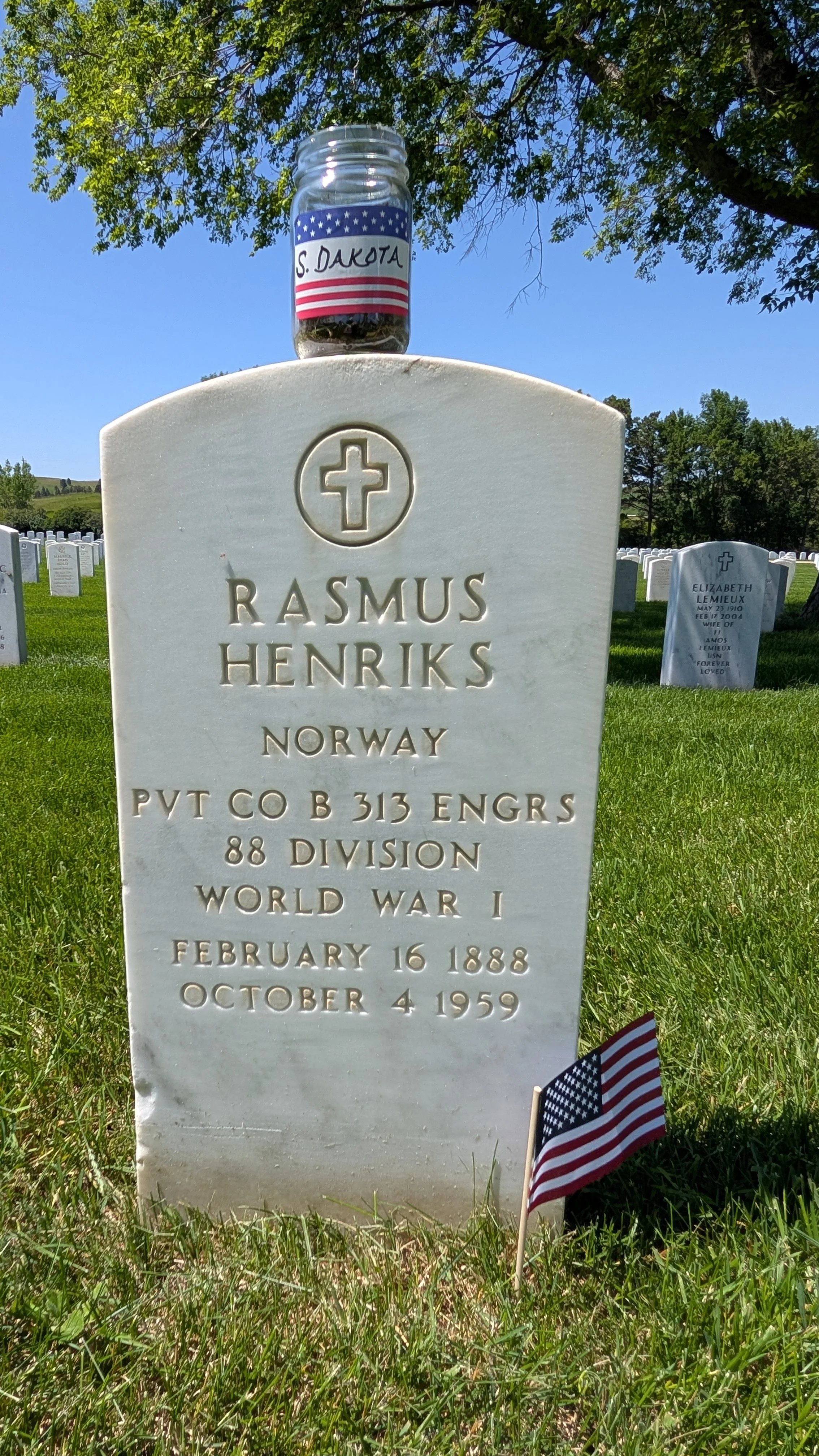
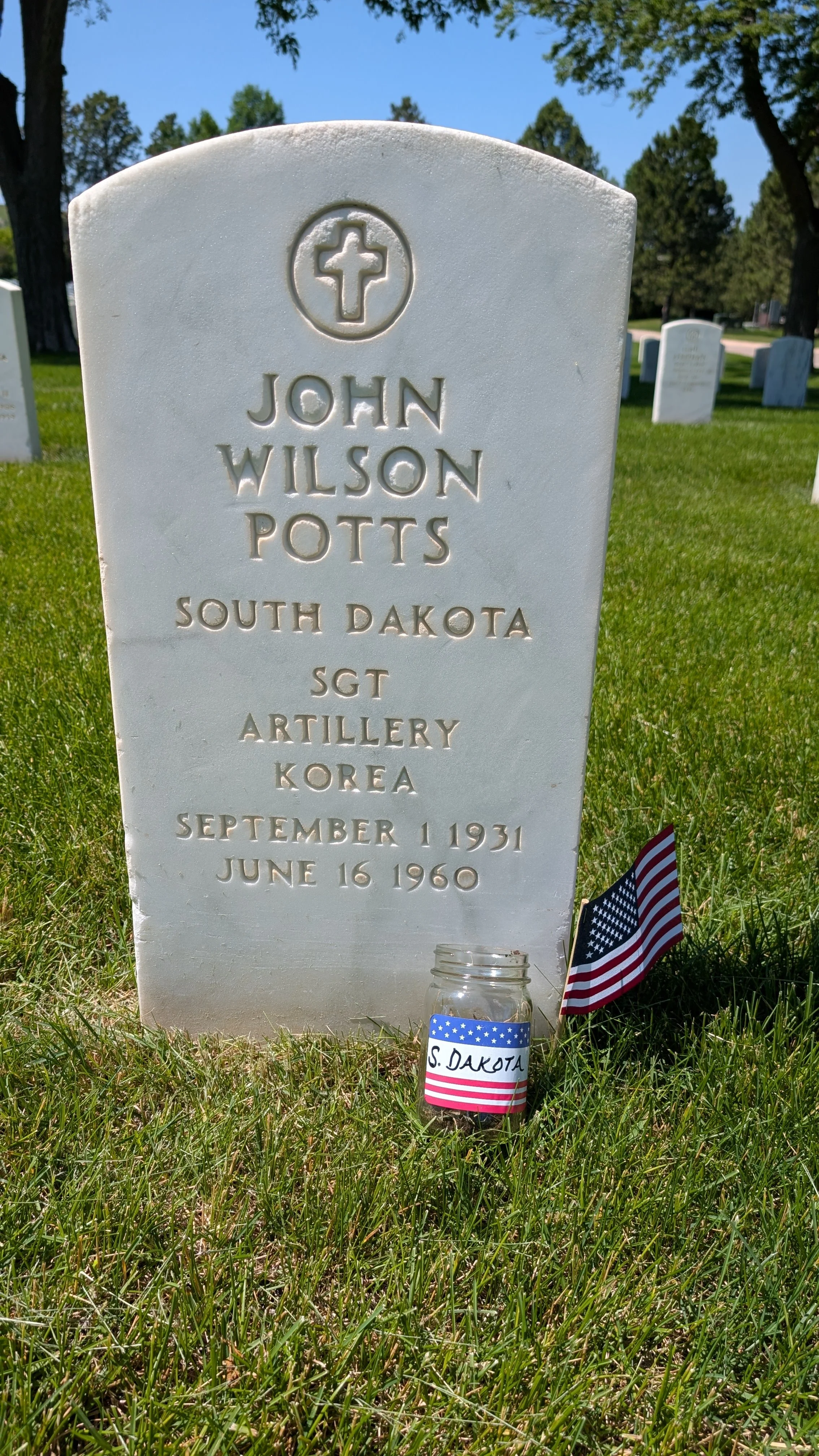
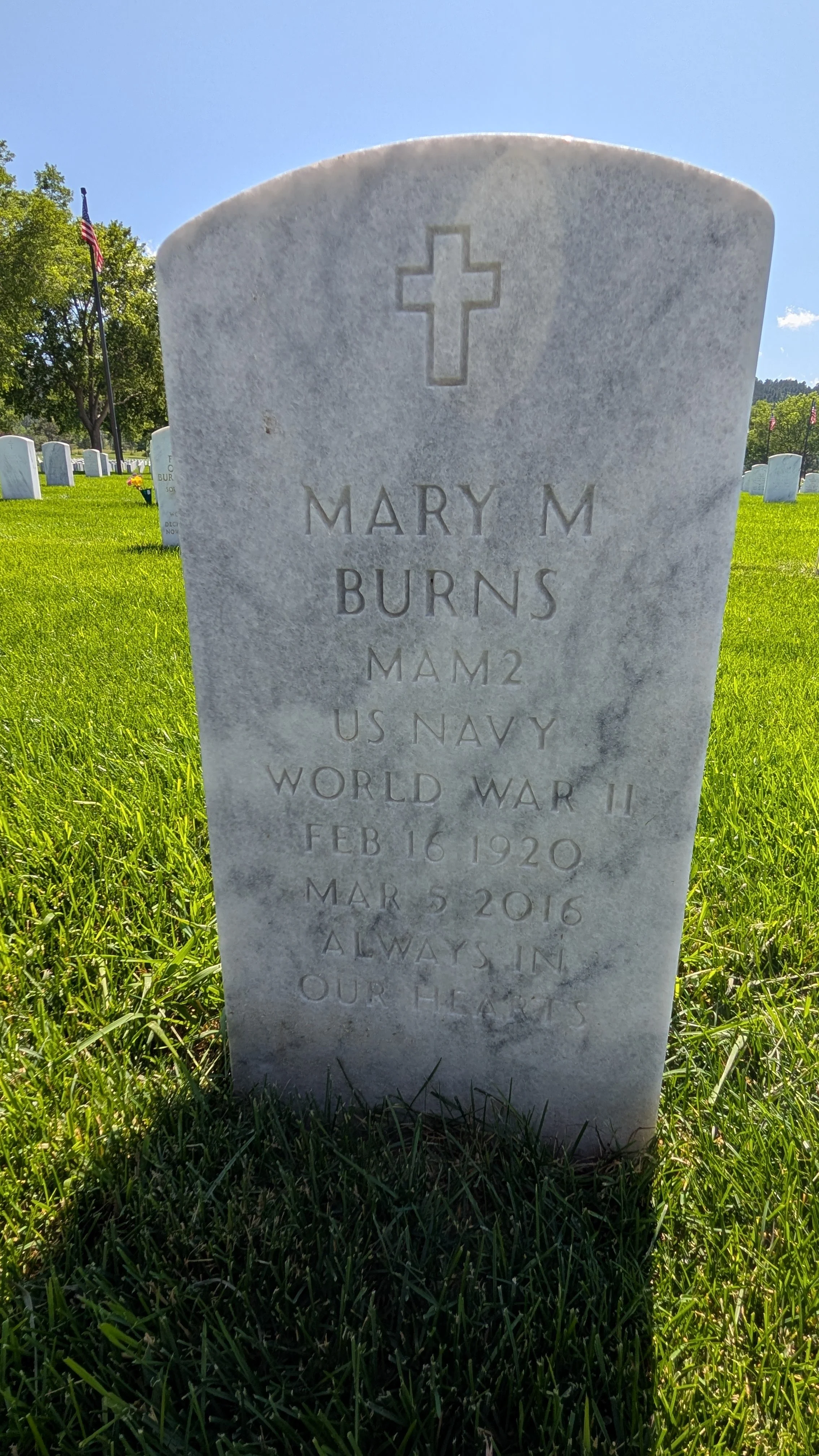
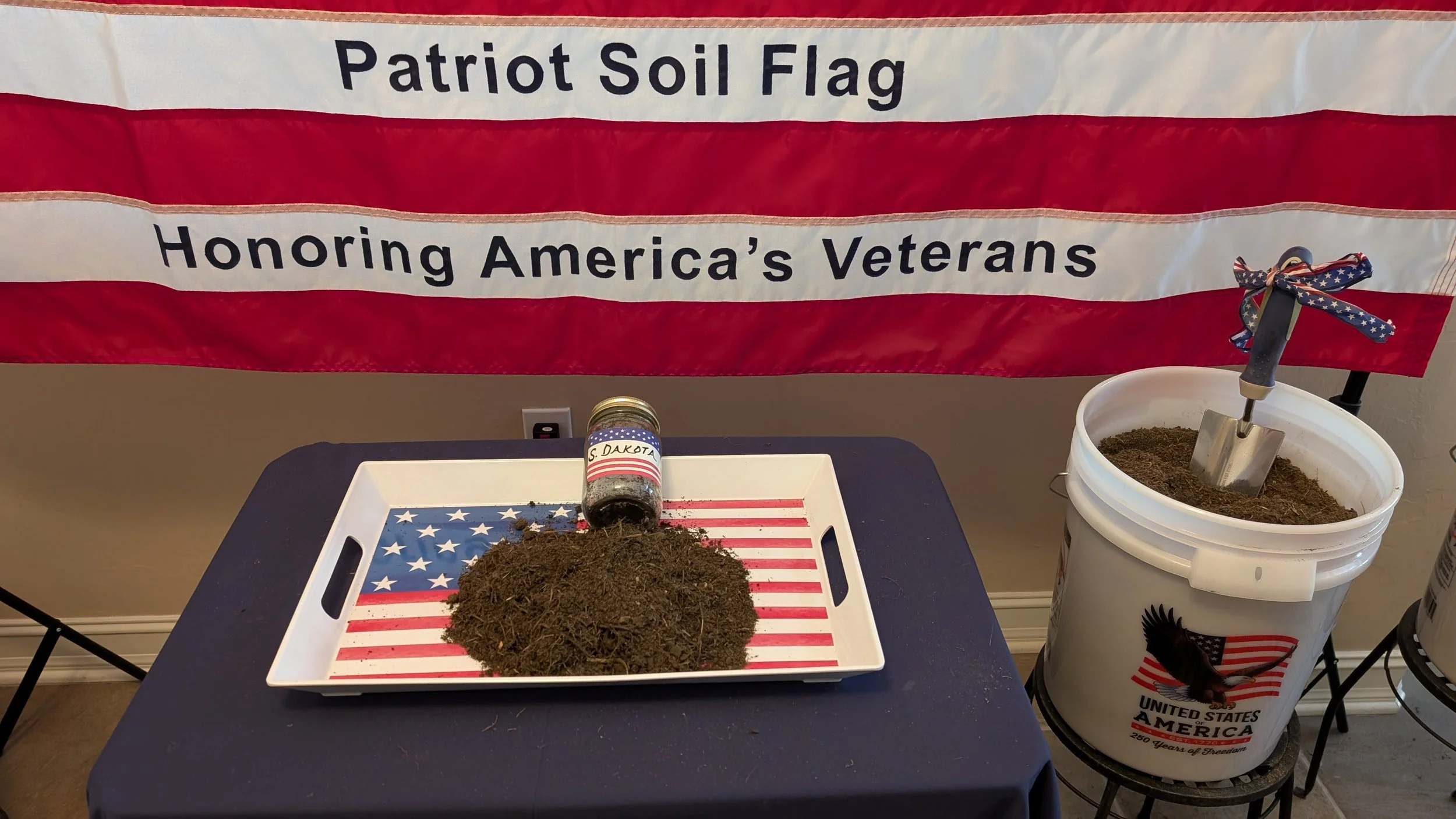
Soil MixingSoil collected from veteran resting places throughout the state is respectfully combined into a single blended collection, symbolizing the unity of all who served from that state.
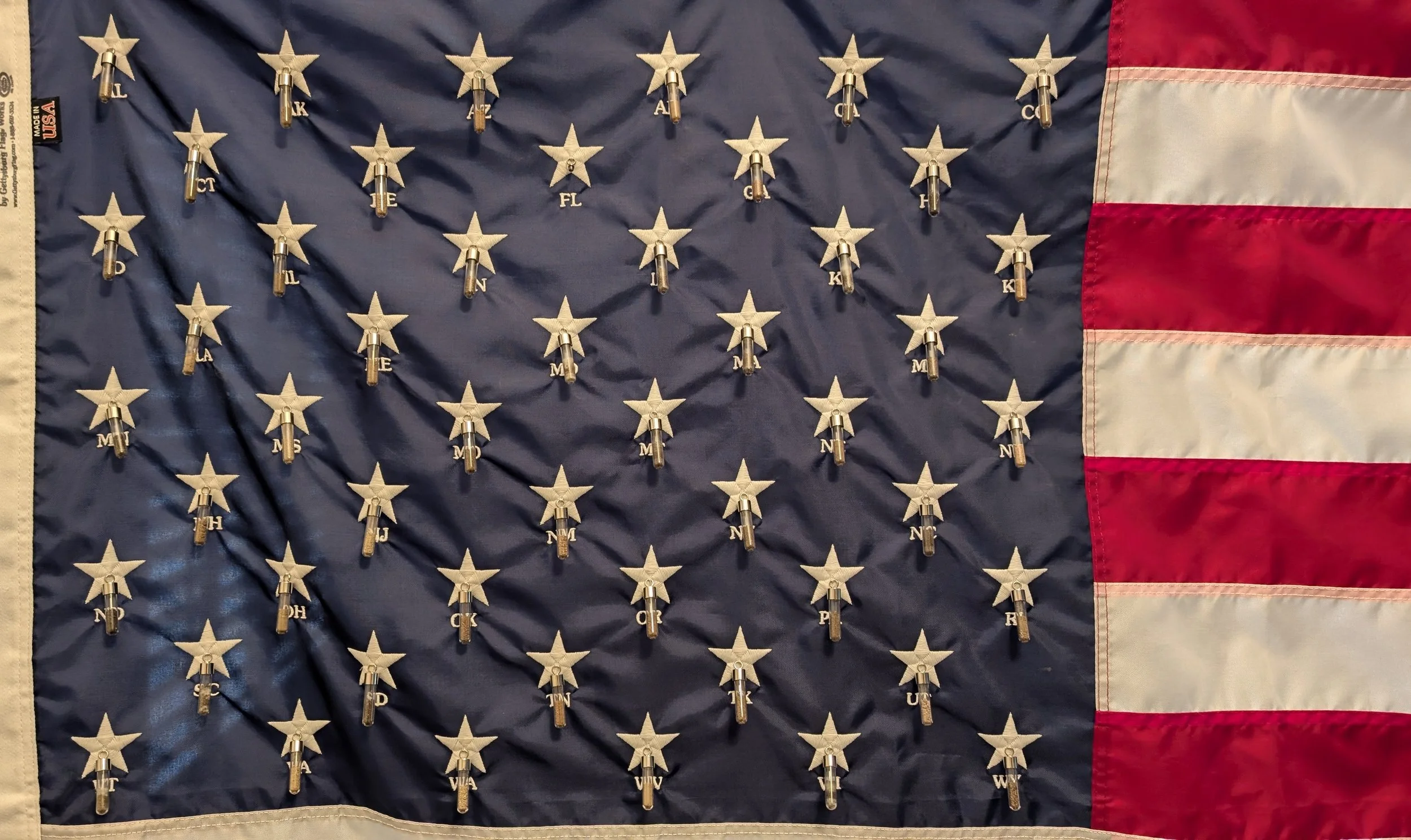
Vial & State StarSoil collected from veteran resting places throughout the state is respectfully combined into a single blended collection, symbolizing the unity of all who served from that state.