SOUTH CAROLINA
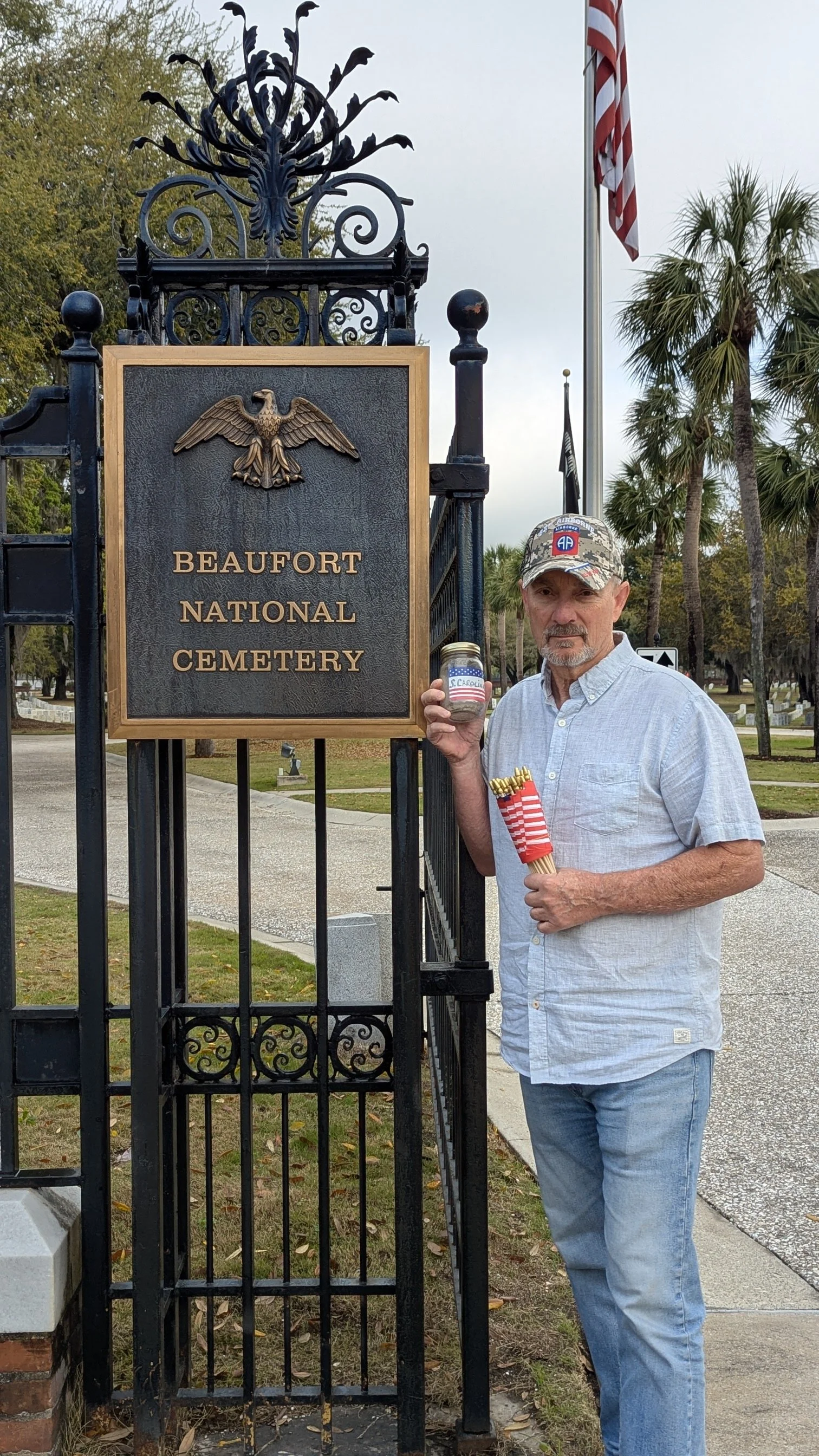
Beaufort National Cemetery
Beaufort National Cemetery is a historic U.S. military cemetery in Beaufort, South Carolina, established in 1863 during the Civil War. It was created to bury Union soldiers who died in coastal operations in the region, and many of the earliest burials were reinterments from battlefield graves and temporary wartime burial sites. Over time, it expanded into a national cemetery that has remained active for more than 160 years, now serving veterans from the Civil War through modern U.S. conflicts.
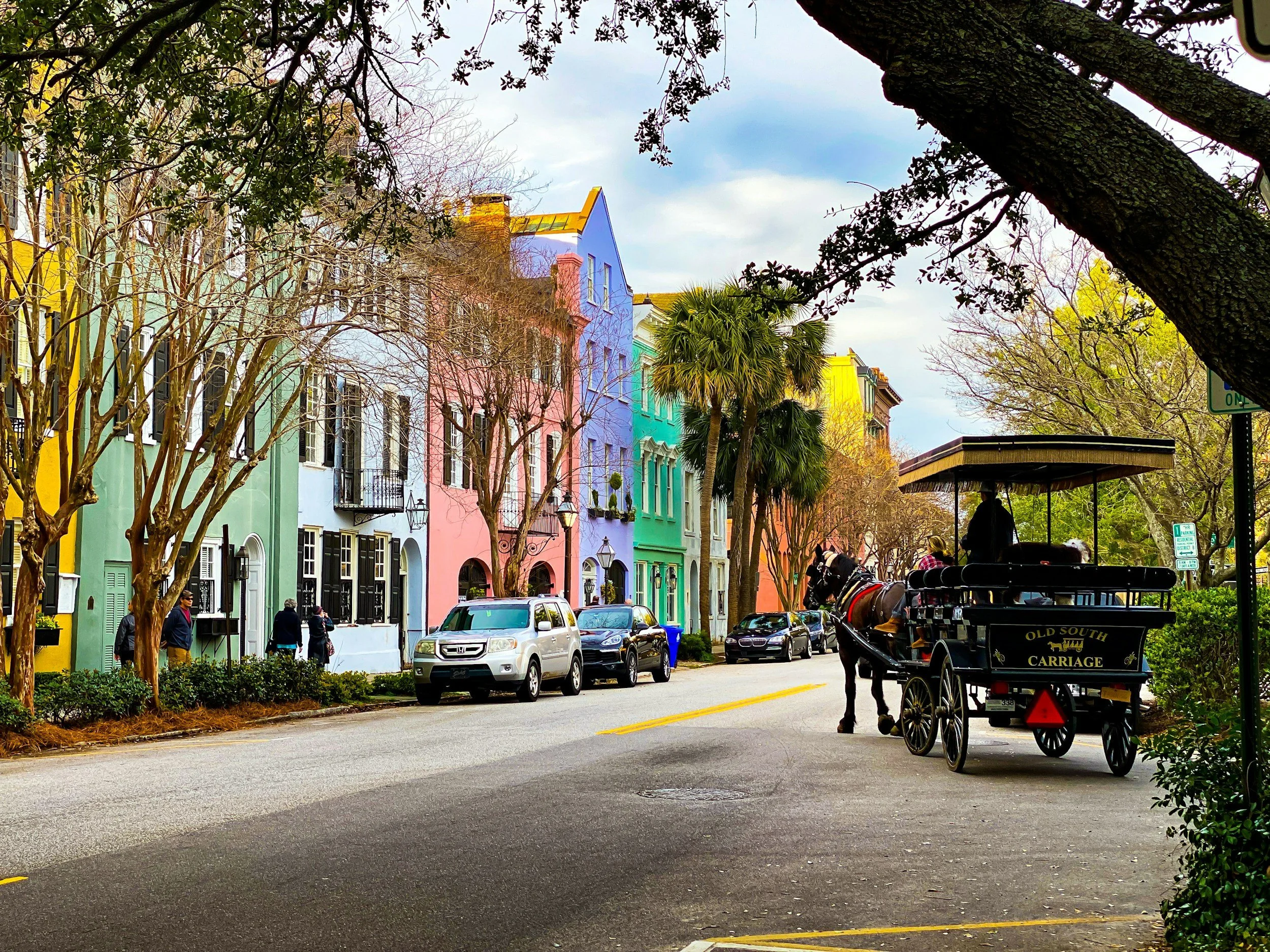
The cemetery is located in the South Carolina Lowcountry, a coastal region defined by marshlands, tidal rivers, and a humid subtropical climate. The land is flat with sandy soil and a gently rolling layout typical of the Sea Islands. The environment around it is shaped by coastal ecosystems, warm temperatures, sea breezes, and seasonal humidity, all of which influence the feel of the grounds throughout the year.
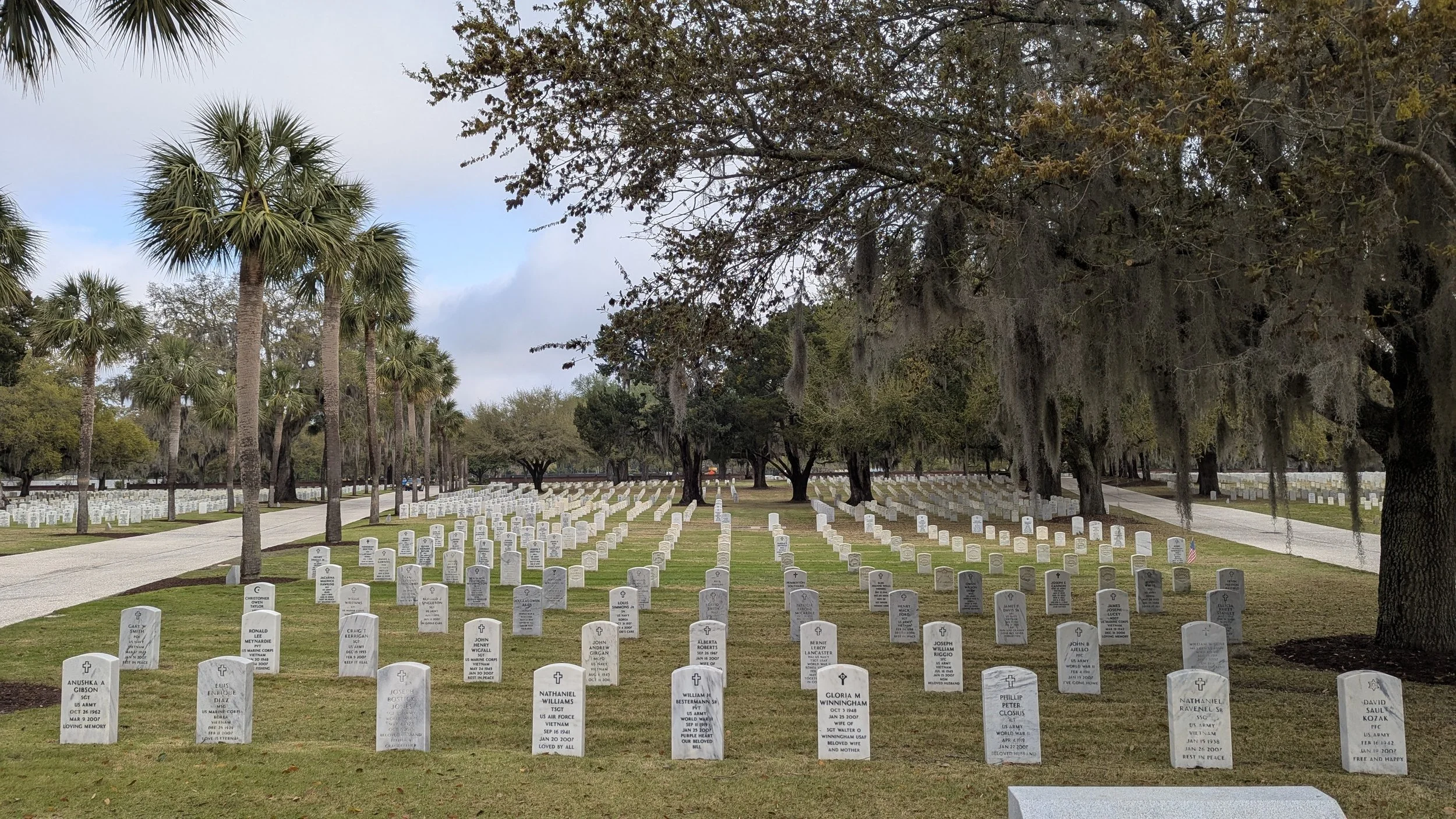
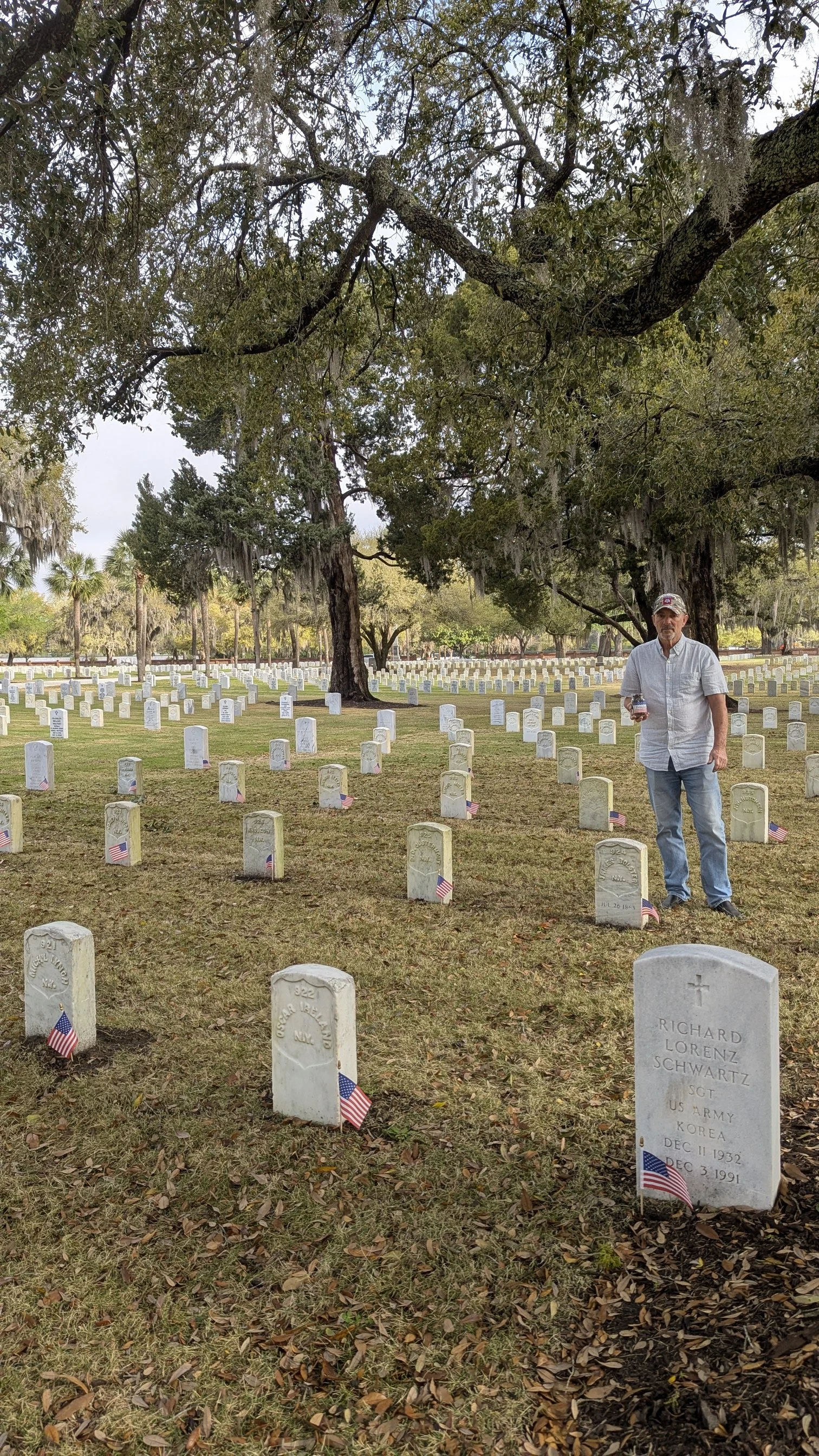
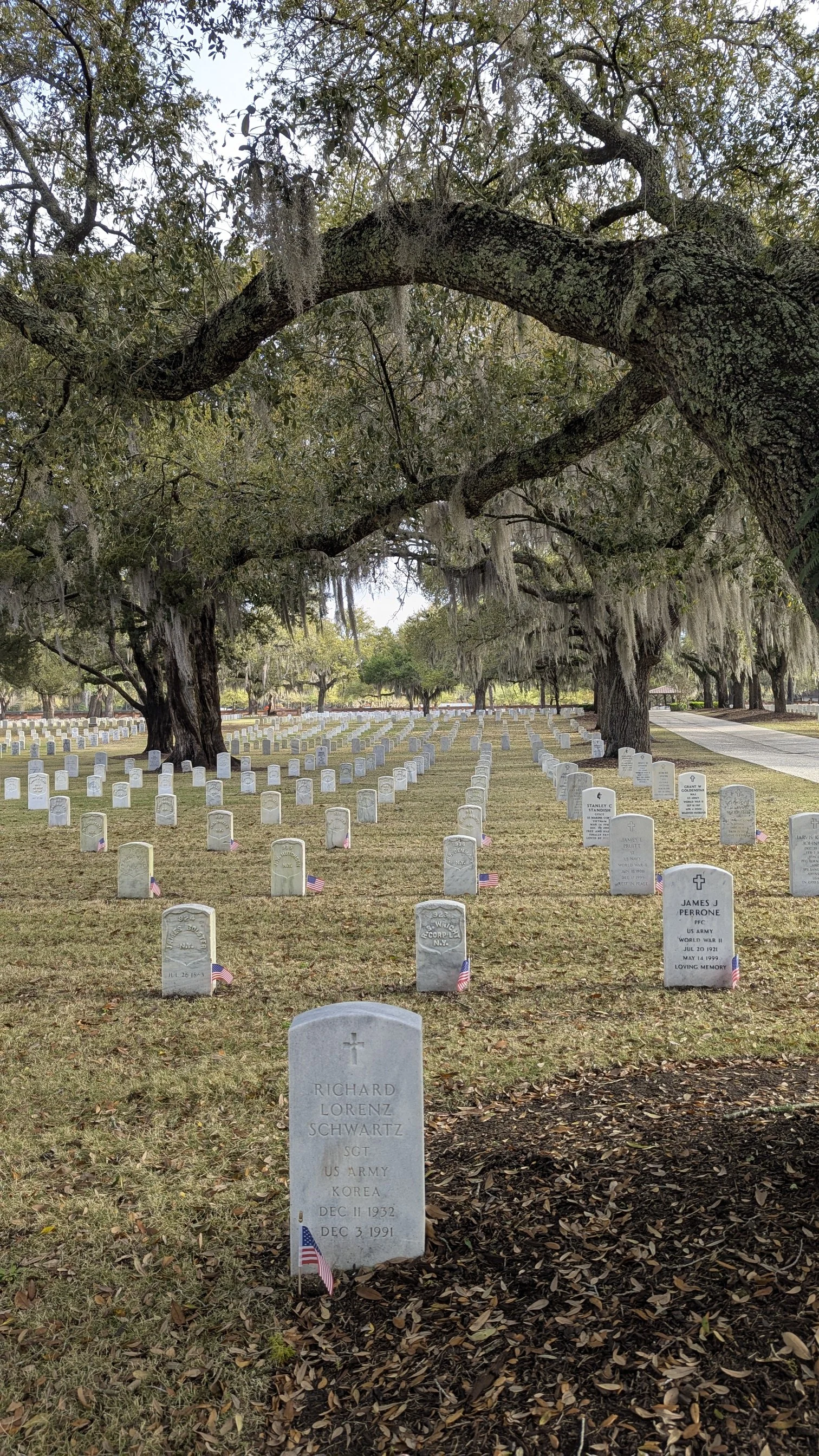
Inside the cemetery, the landscape is carefully designed and maintained in a formal military style. Long, straight rows of white marble headstones stretch across wide green lawns, creating a strong sense of order and symmetry. Scattered throughout are live oaks draped in Spanish moss, along with magnolia and pine trees that reflect the natural vegetation of the region. The combination of manicured grounds and natural Southern coastal elements gives the cemetery a distinct and recognizable atmosphere.
The overall setting is quiet and reflective. It is not an urban or crowded space, but instead a calm, open environment where the visual repetition of headstones contrasts with the softness of the surrounding trees and coastal air. Visitors often experience it as solemn and peaceful, with a strong sense of historical continuity tied to more than a century and a half of military service.
Beaufort National Cemetery contains thousands of burials from nearly every major American conflict since its founding. This includes Civil War soldiers, many of them unknown, as well as veterans from the Spanish–American War, World Wars I and II, the Korean War, the Vietnam War, and more recent military operations. Its long use reflects both national military history and the local importance of the surrounding region.
Among its most notable interments are Medal of Honor recipients such as PFC Ralph H. Johnson, a U.S. Marine who sacrificed himself during the Vietnam War by covering a grenade to save fellow Marines, and Captain John J. McGinty III, also a Marine Corps Medal of Honor recipient recognized for extraordinary heroism in combat. The cemetery also includes senior military officers, decorated service members, and individuals connected to broader Marine Corps and U.S. military history.
The cemetery’s location adds to its significance. It sits near the historic city of Beaufort and close to important military sites such as Parris Island, one of the major Marine Corps recruit depots in the United States. This long-standing military presence in the region helps explain why the cemetery has remained active since the Civil War era.
Overall, Beaufort National Cemetery is both a burial ground and a historic landscape. Its importance comes from its Civil War origins, continuous use across generations of American conflicts, and its distinctive Lowcountry setting, where structured military rows meet a quiet, moss-draped coastal environment that reflects both history and place.
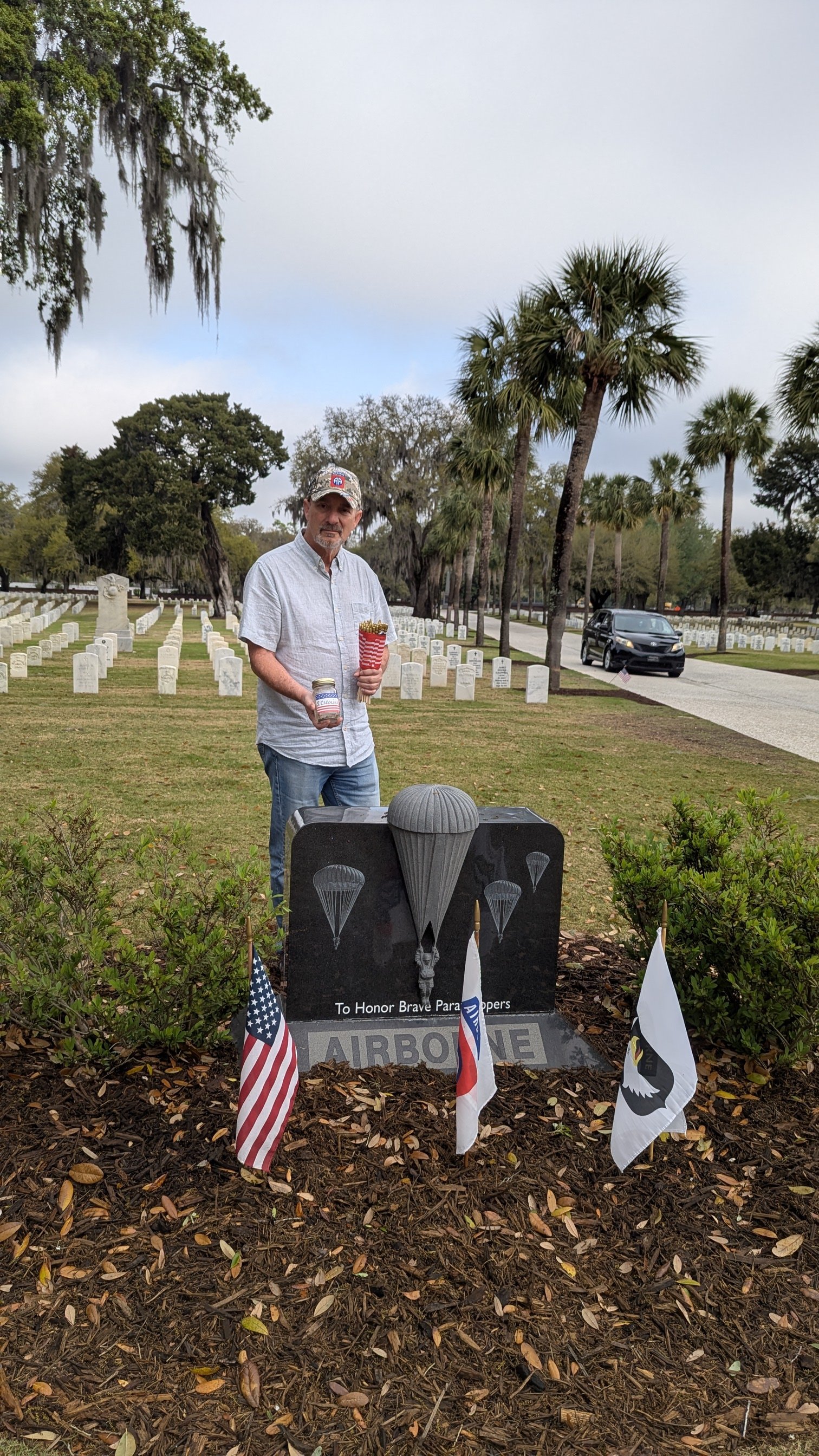
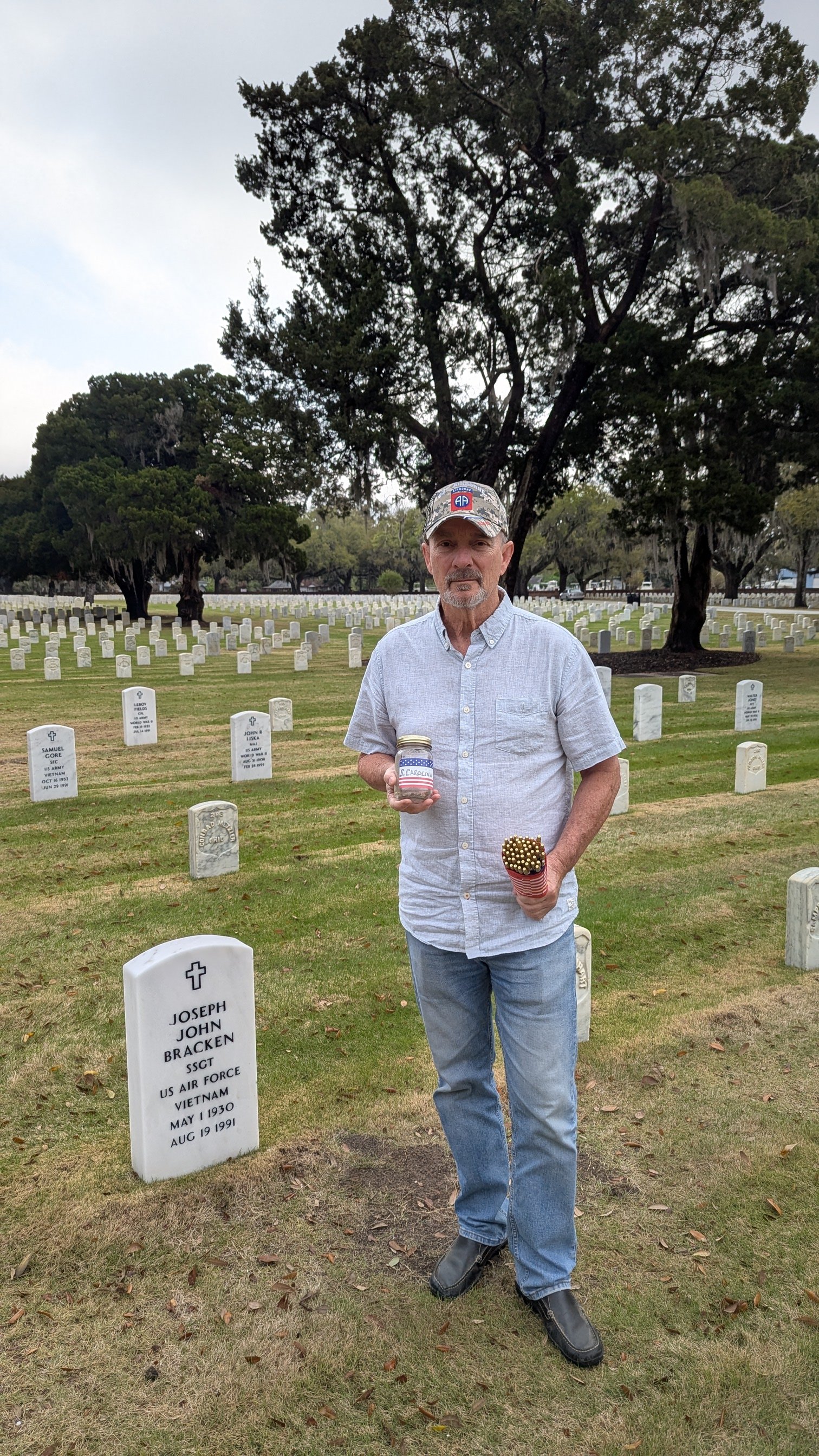
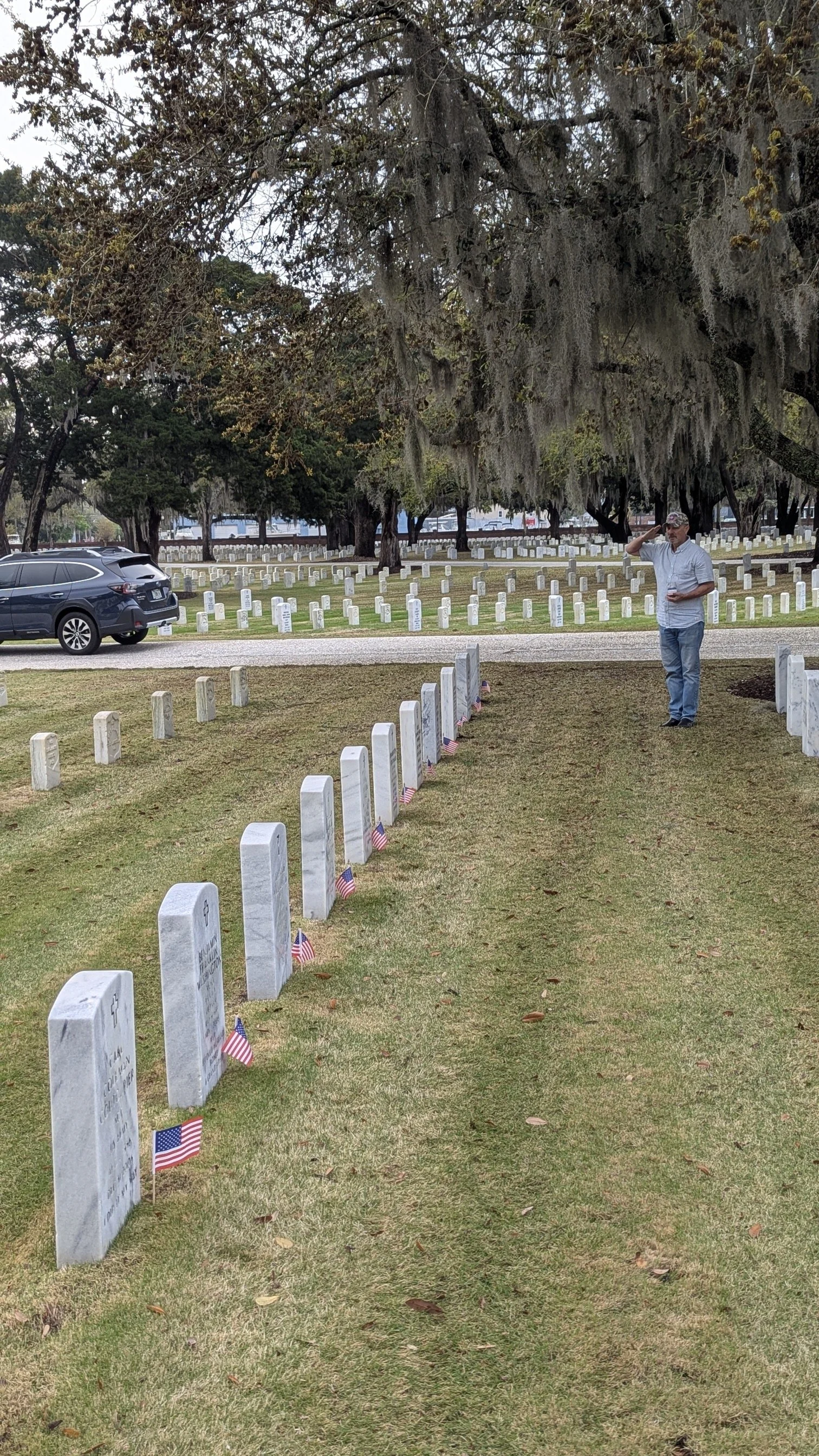
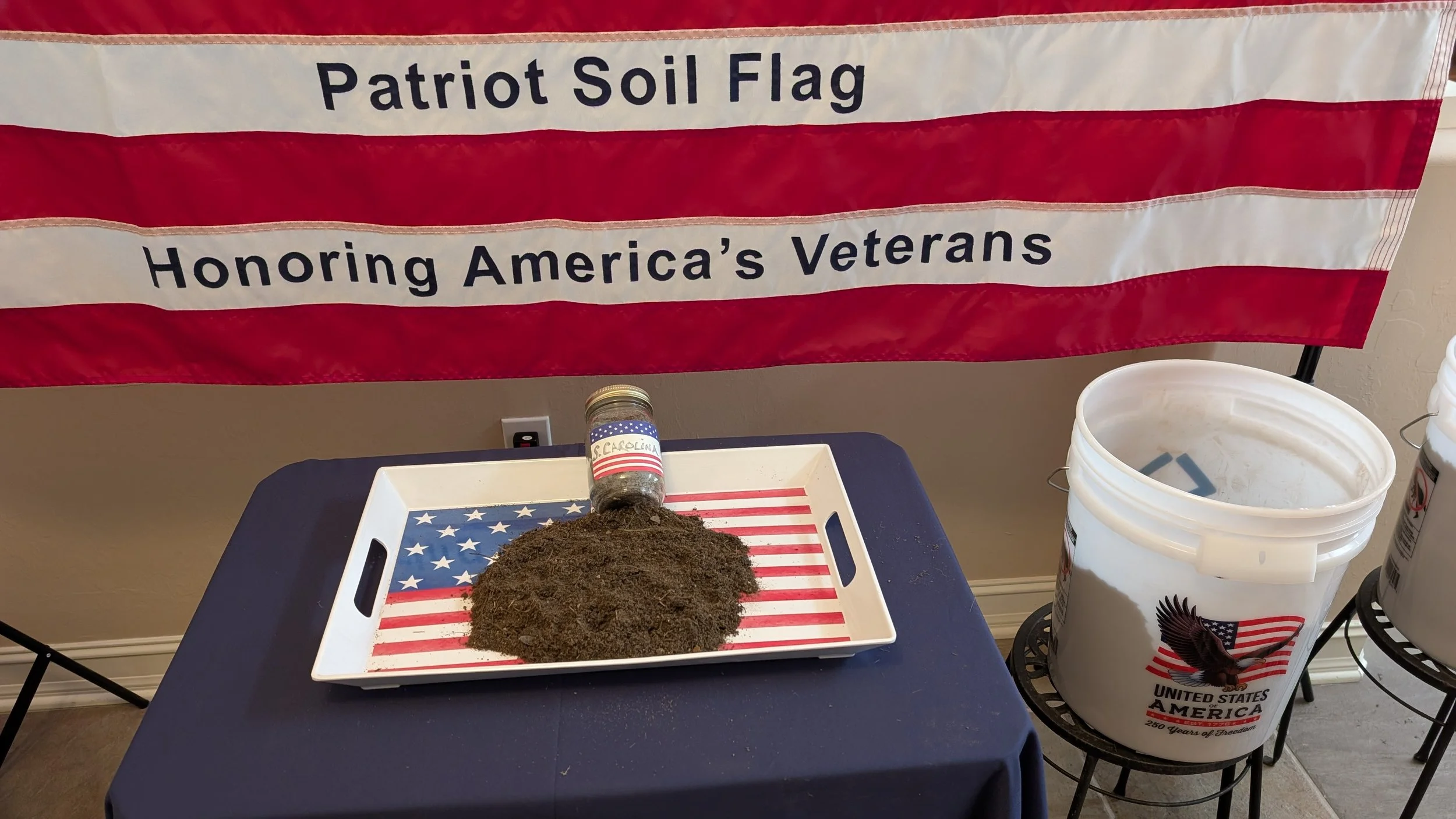
Soil MixingSoil collected from veteran resting places throughout the state is respectfully combined into a single blended collection, symbolizing the unity of all who served from that state.
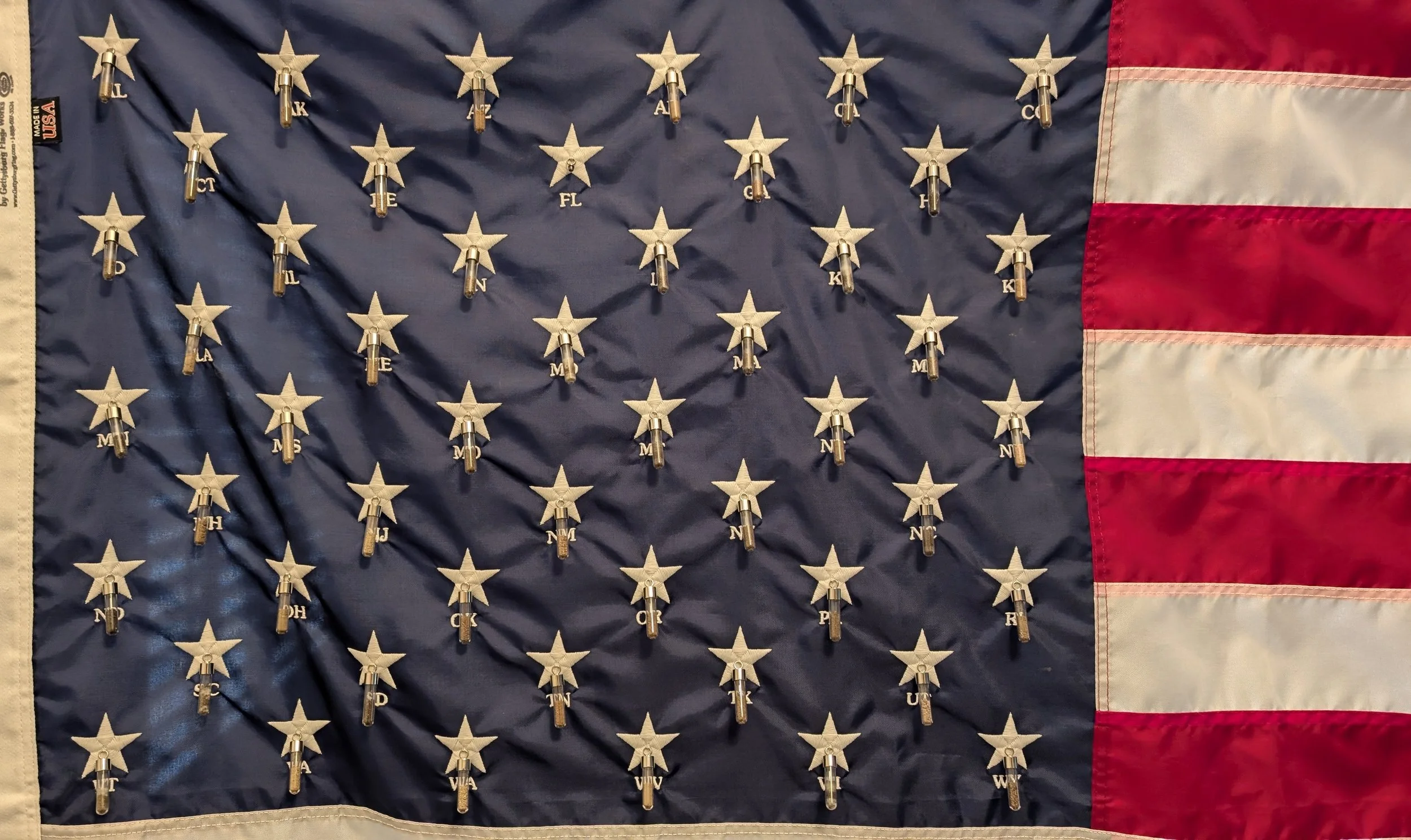
Vial & State StarSoil collected from veteran resting places throughout the state is respectfully combined into a single blended collection, symbolizing the unity of all who served from that state.