OREGON
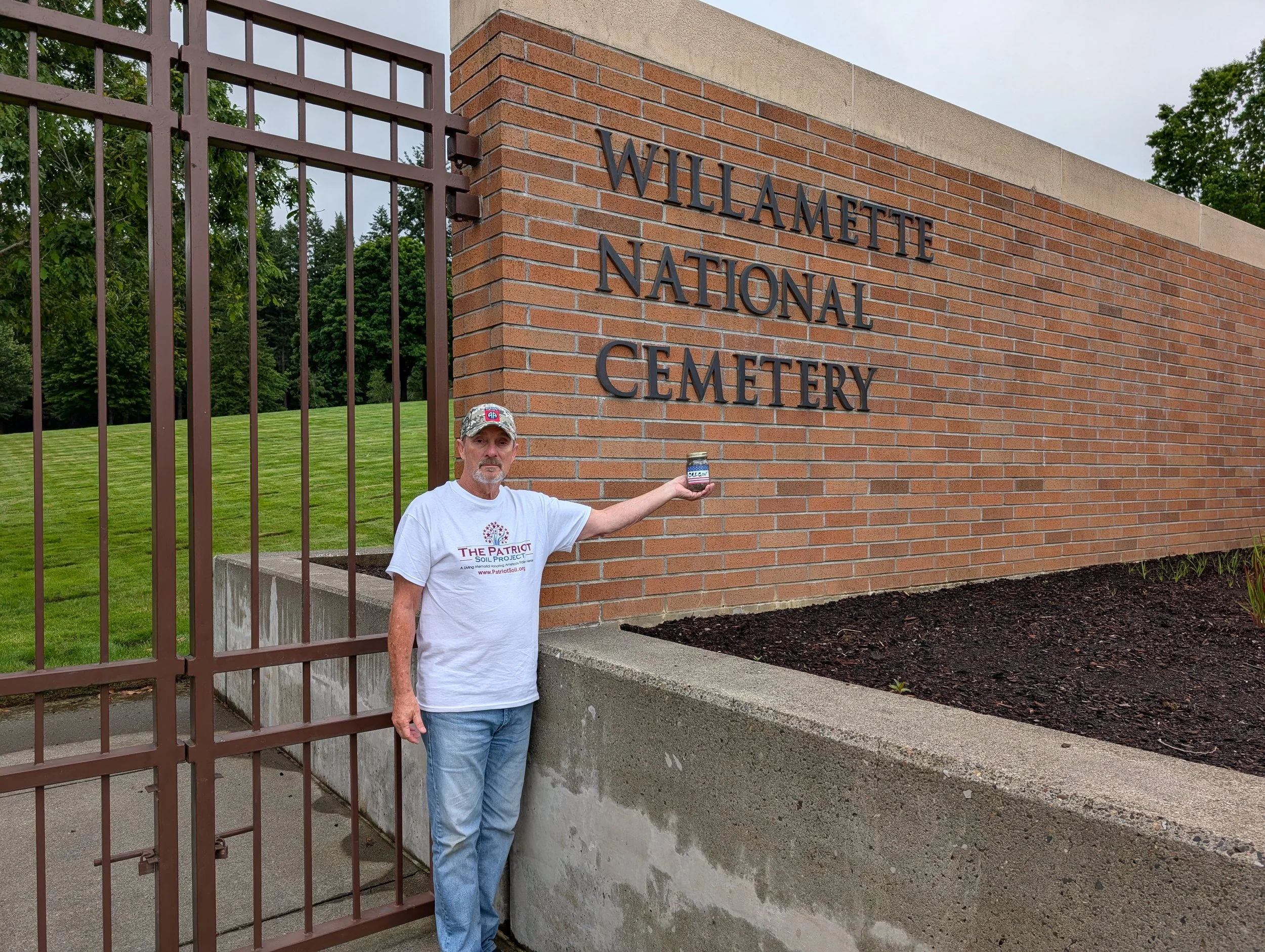
Willamette National Cemetery
Willamette National Cemetery is a U.S. military cemetery in the wooded hills of southeast Portland, Oregon. It covers more than 200 acres and was established after World War II as part of the expansion of national burial grounds for veterans. The cemetery was designed as a landscaped memorial park rather than a rigid military grid, so its sections follow the natural slopes of the land, with rows of white headstones gently curving across the hills.
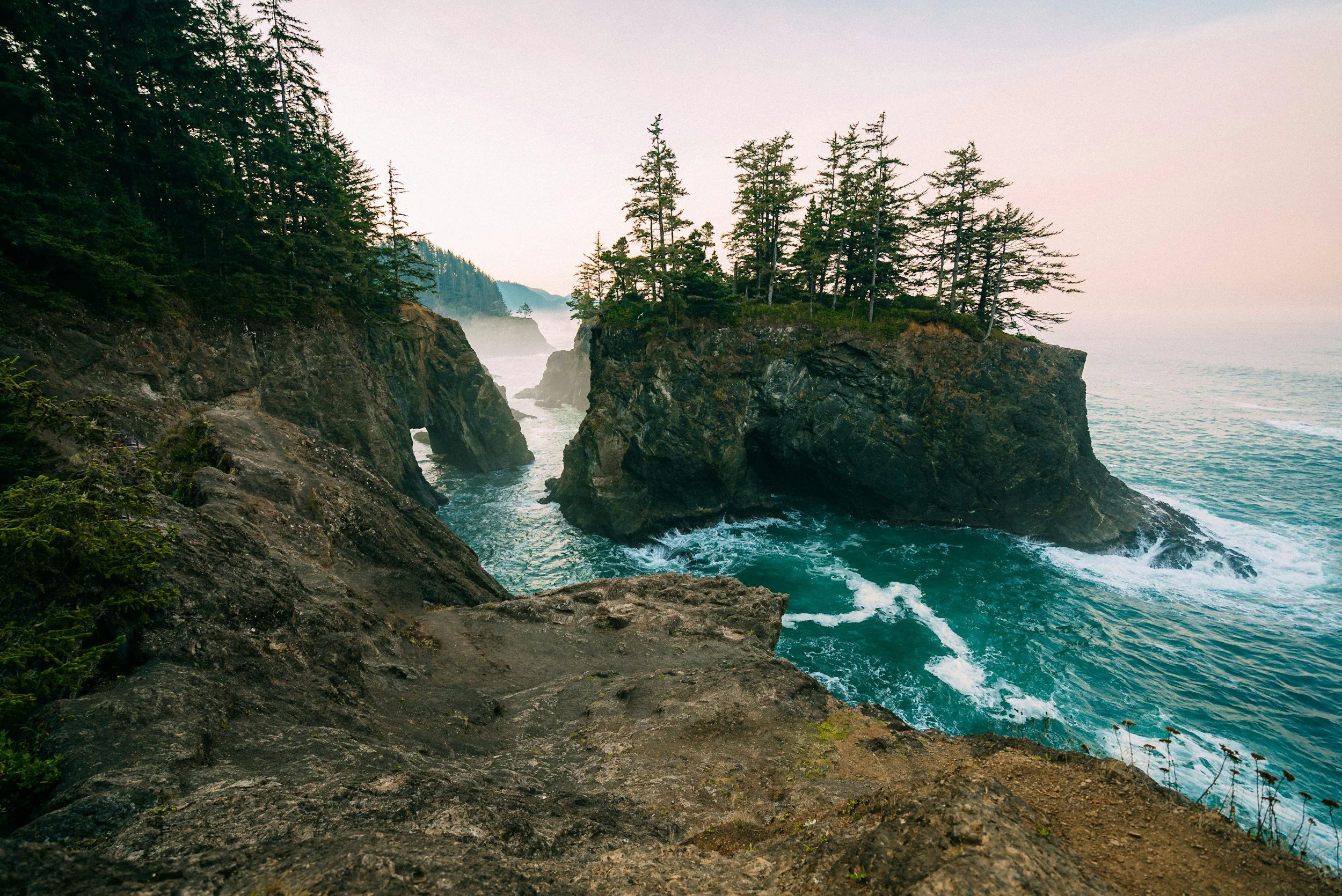
The setting is defined by its Pacific Northwest landscape. Douglas firs, maples, and other trees surround the grounds, blending forest with open green lawns. The cemetery changes noticeably with the seasons—lush and green in spring and summer, colorful in autumn, and quiet and stark in winter when mist settles over the hills. On clear days, there are distant views of the Cascade Range, including Mount Hood, adding to its sense of openness and calm.
The cemetery contains more than 180,000 interments, including veterans from nearly every major U.S. conflict since World War II. Among them are several Medal of Honor recipients, the nation’s highest award for valor. These include Lt. Col. Stanley T. Adams of the Korean War, 1st Lt. Arnold L. Bjorklund of World War II, and Spec. 4 Larry G. Dahl of the Vietnam War. Their graves represent different eras of service, all brought together in one shared place of remembrance.
Overall, Willamette National Cemetery is shaped by both history and landscape. It is not defined by monuments or grandeur, but by its quiet integration into nature and its role as a resting place for generations of service members. The result is a calm, reflective space where personal sacrifice and national history sit within a single, living landscape.
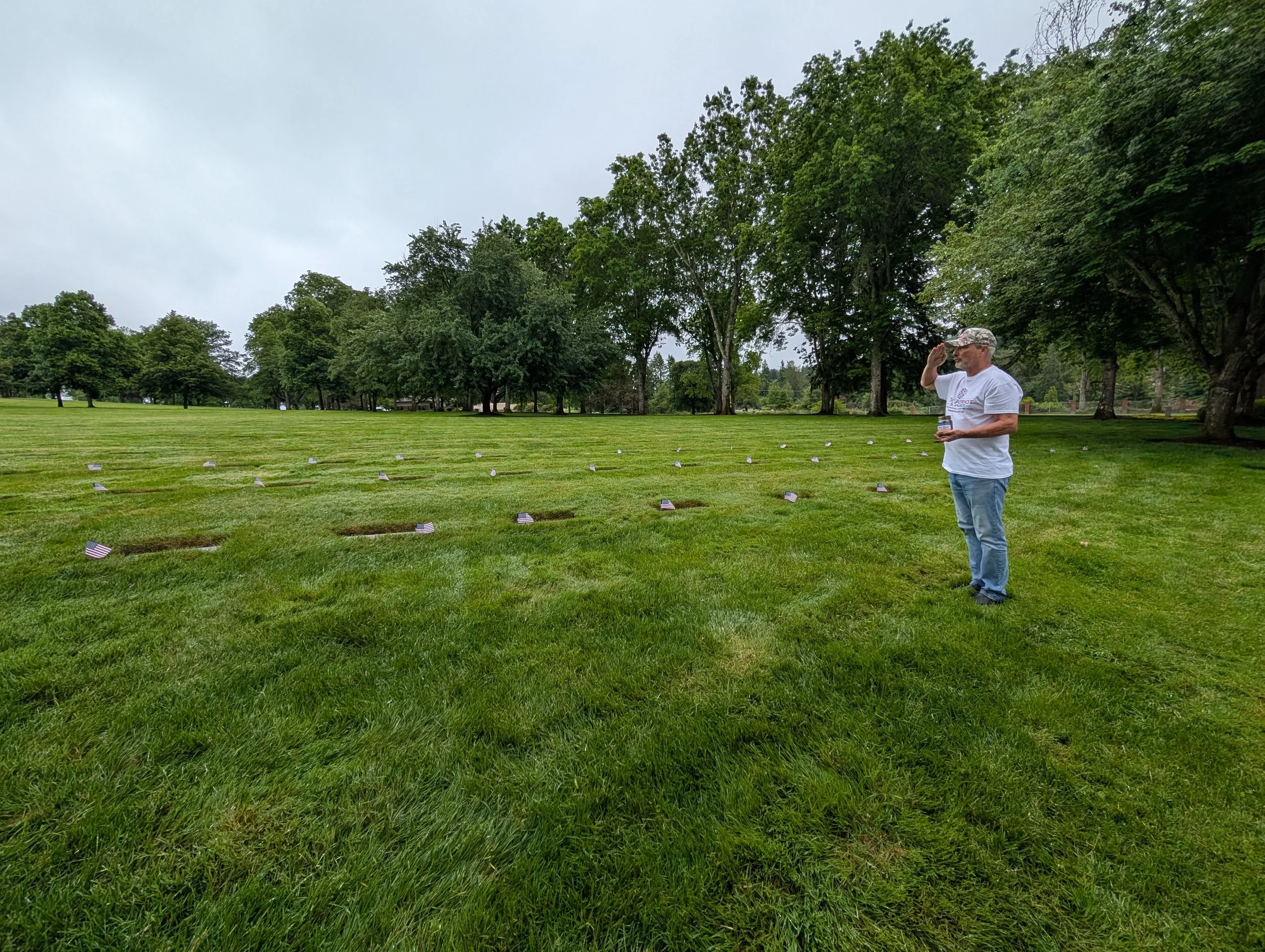
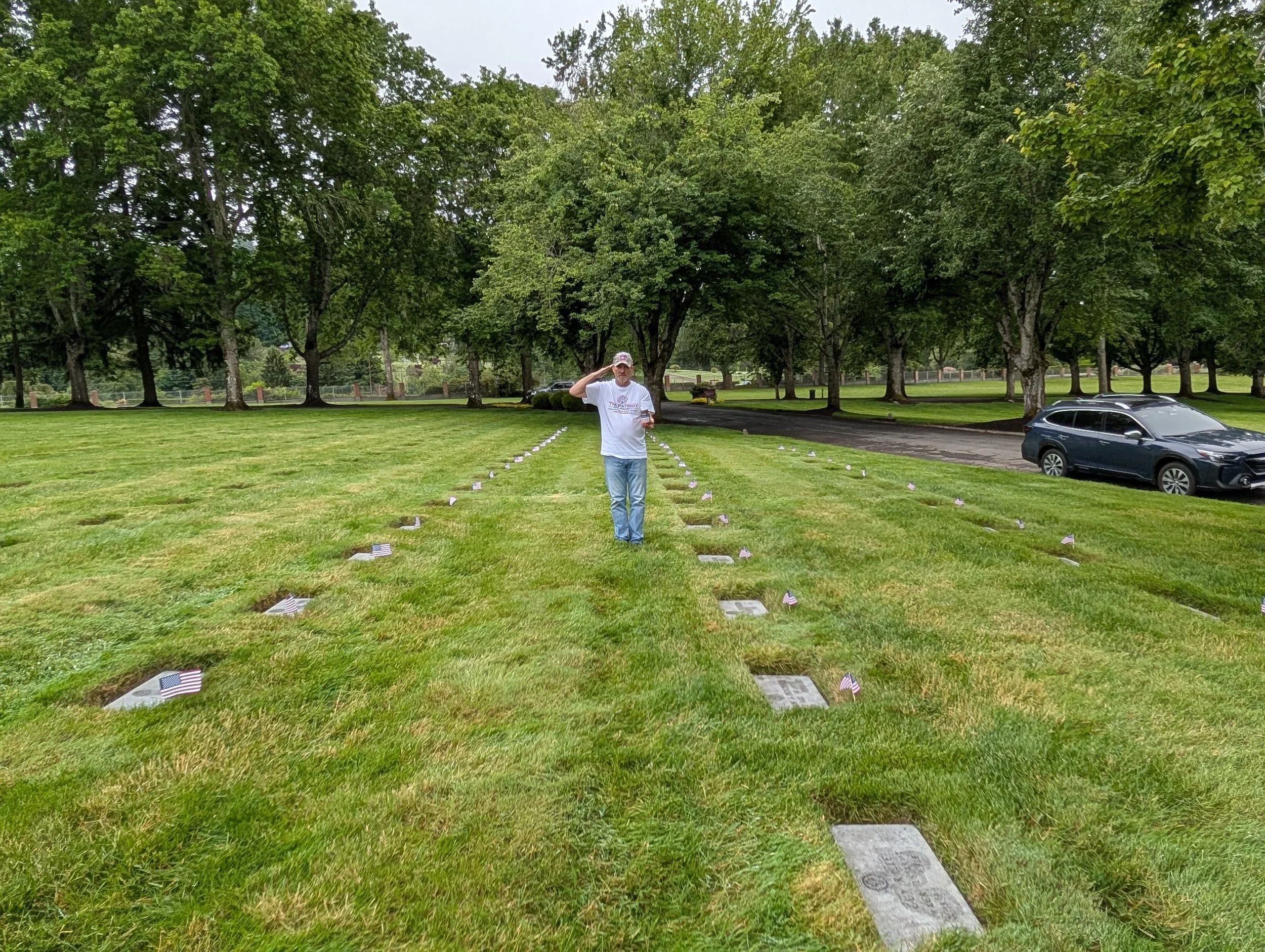
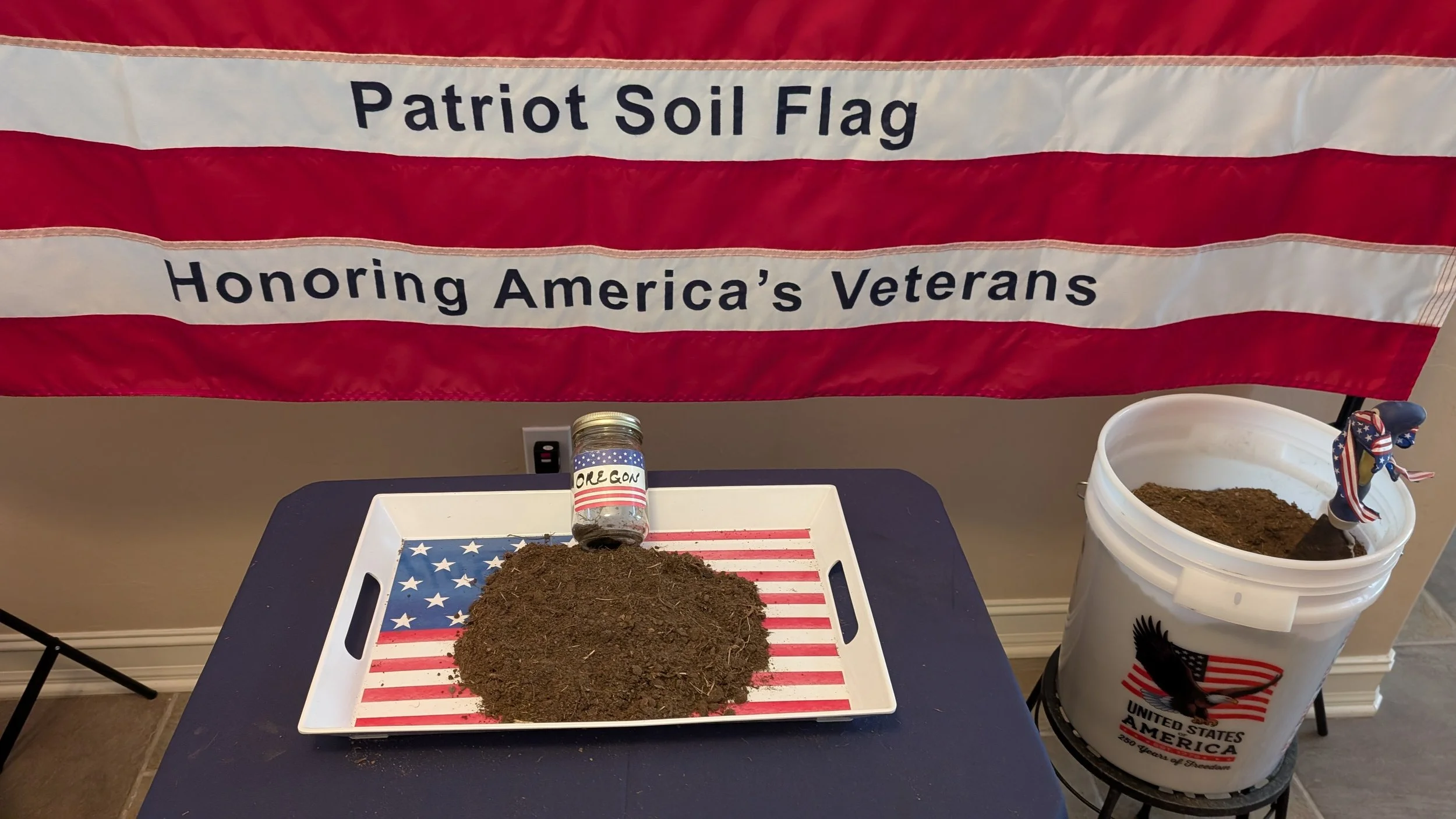
Soil MixingSoil collected from veteran resting places throughout the state is respectfully combined into a single blended collection, symbolizing the unity of all who served from that state.
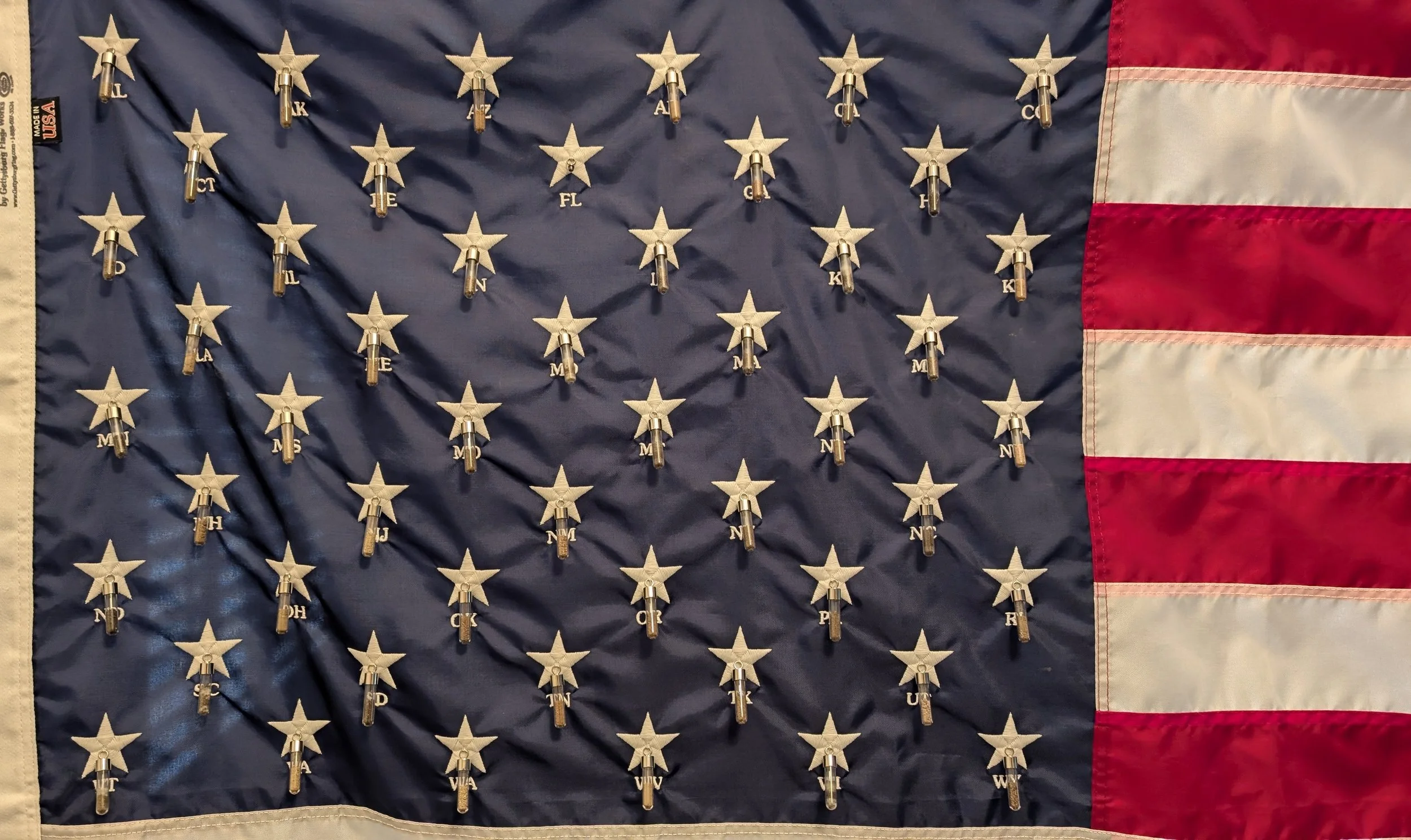
Vial & State StarSoil collected from veteran resting places throughout the state is respectfully combined into a single blended collection, symbolizing the unity of all who served from that state.