NORTH CAROLINA
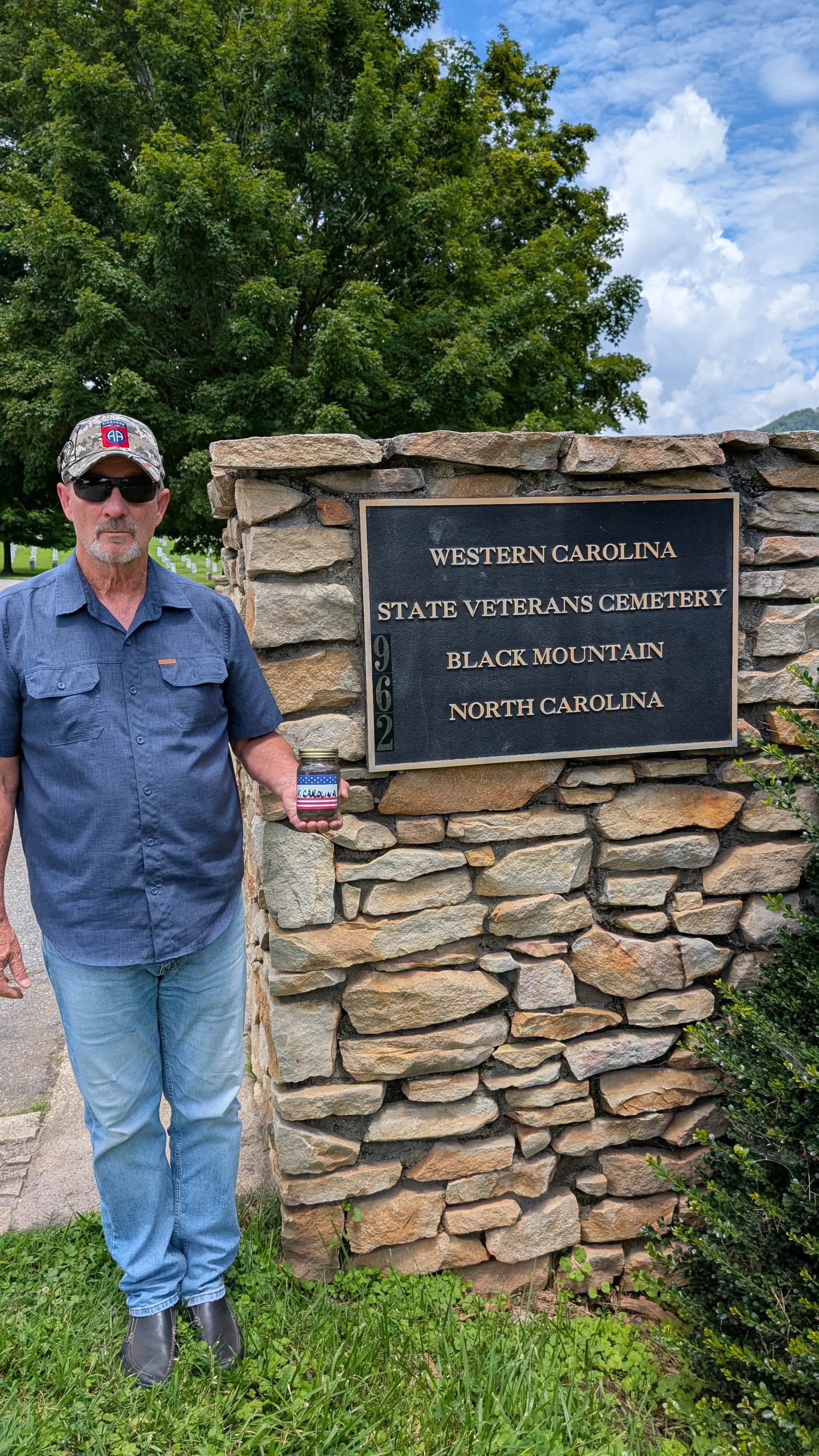
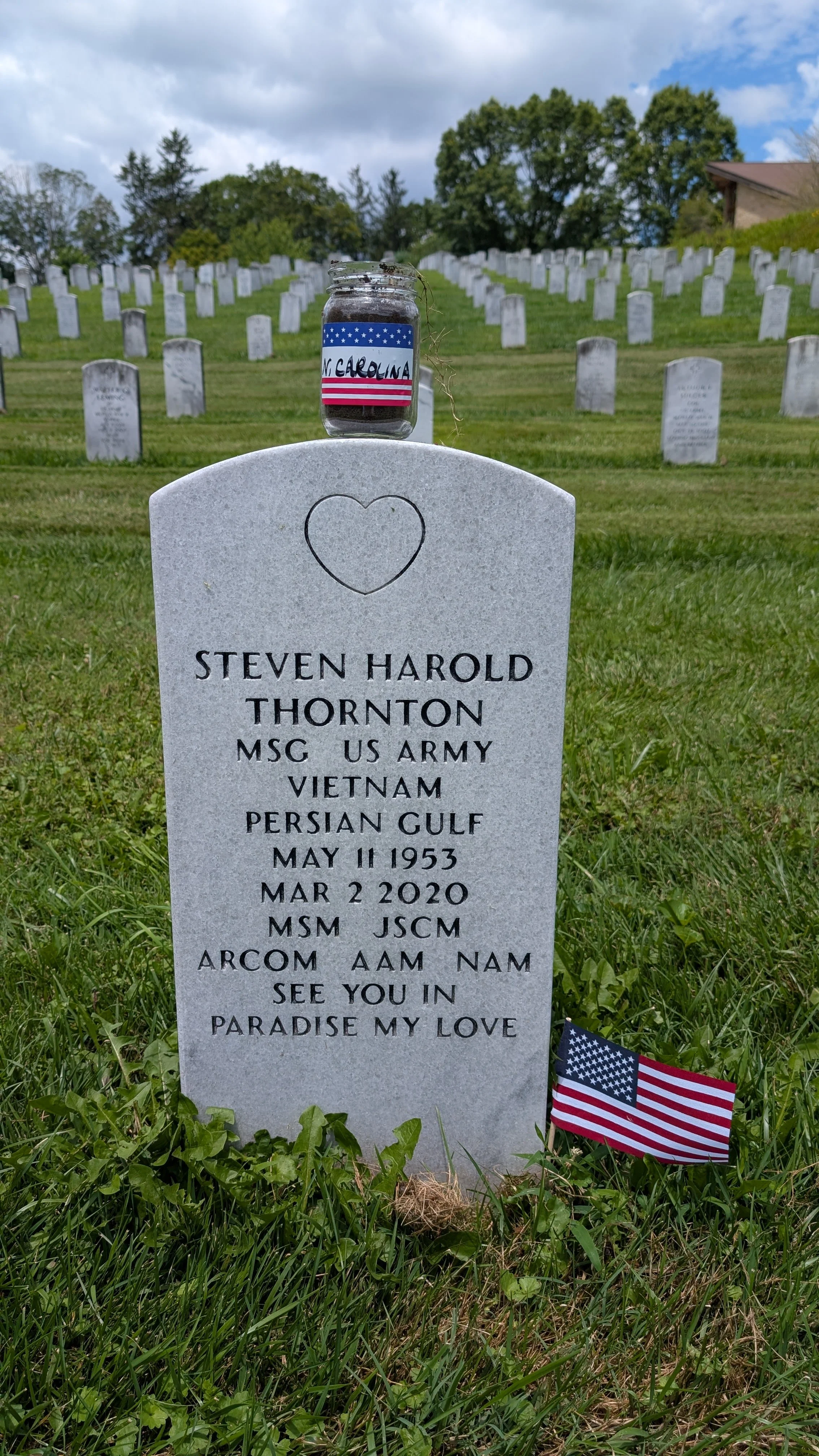
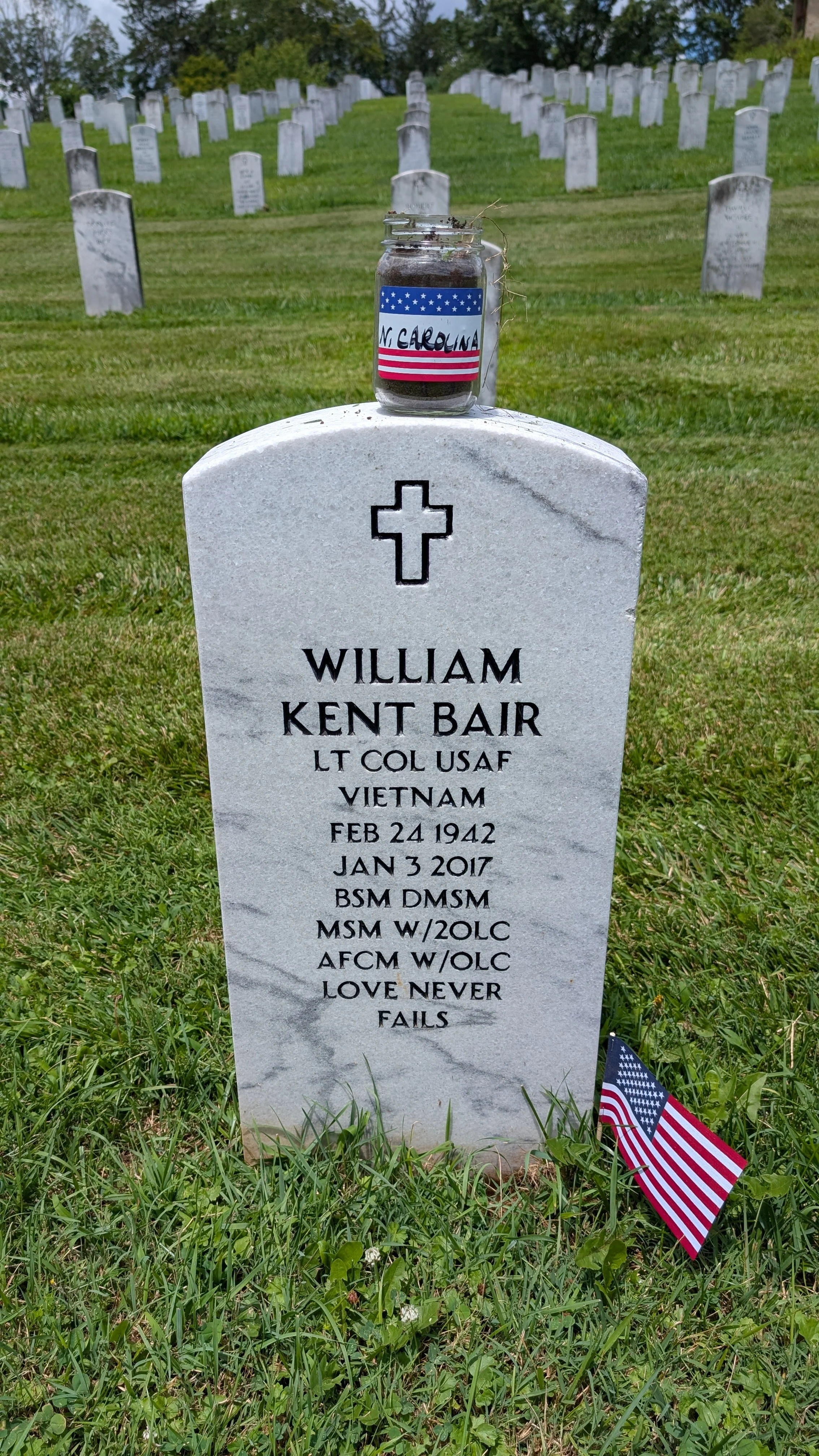
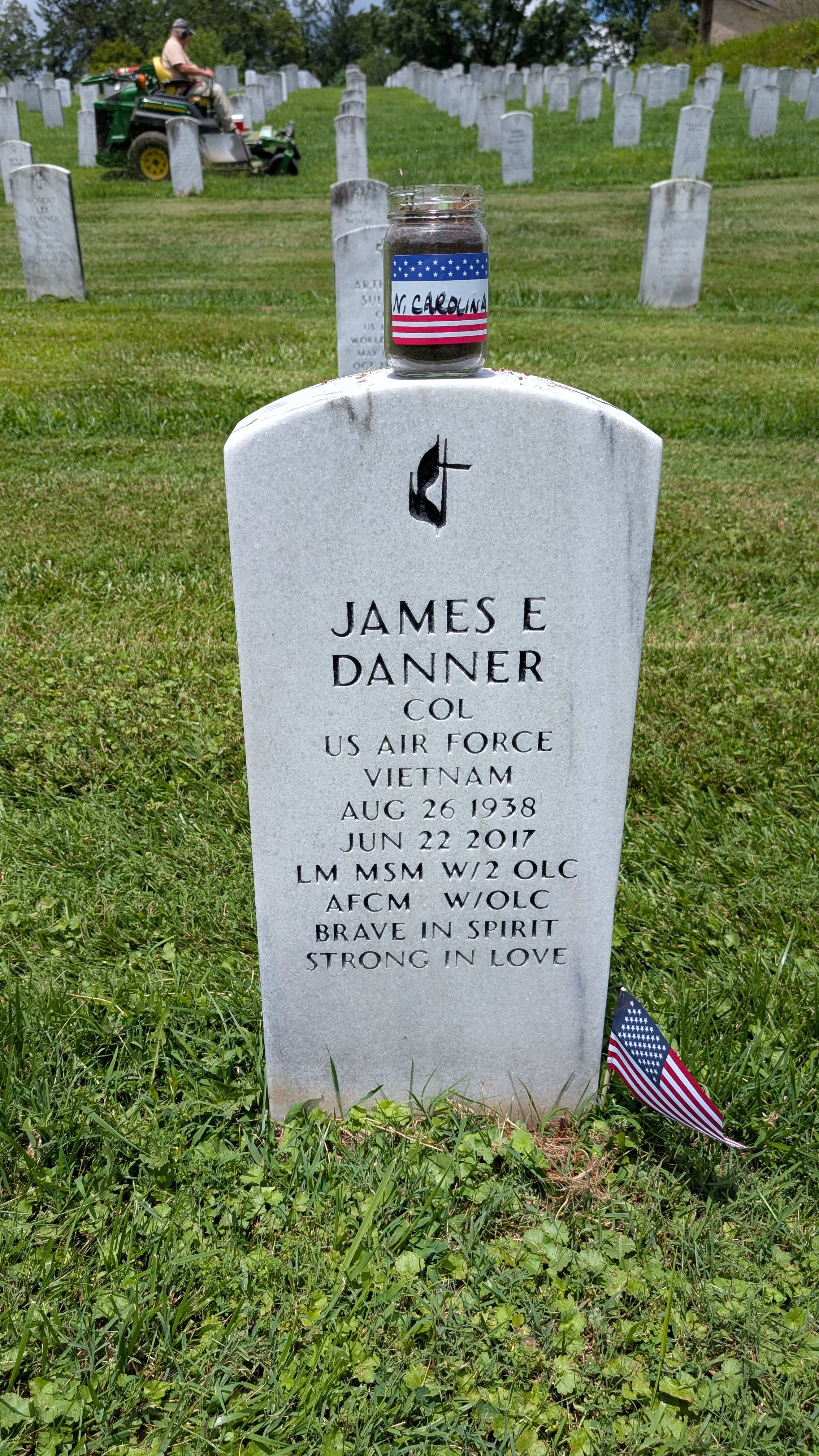
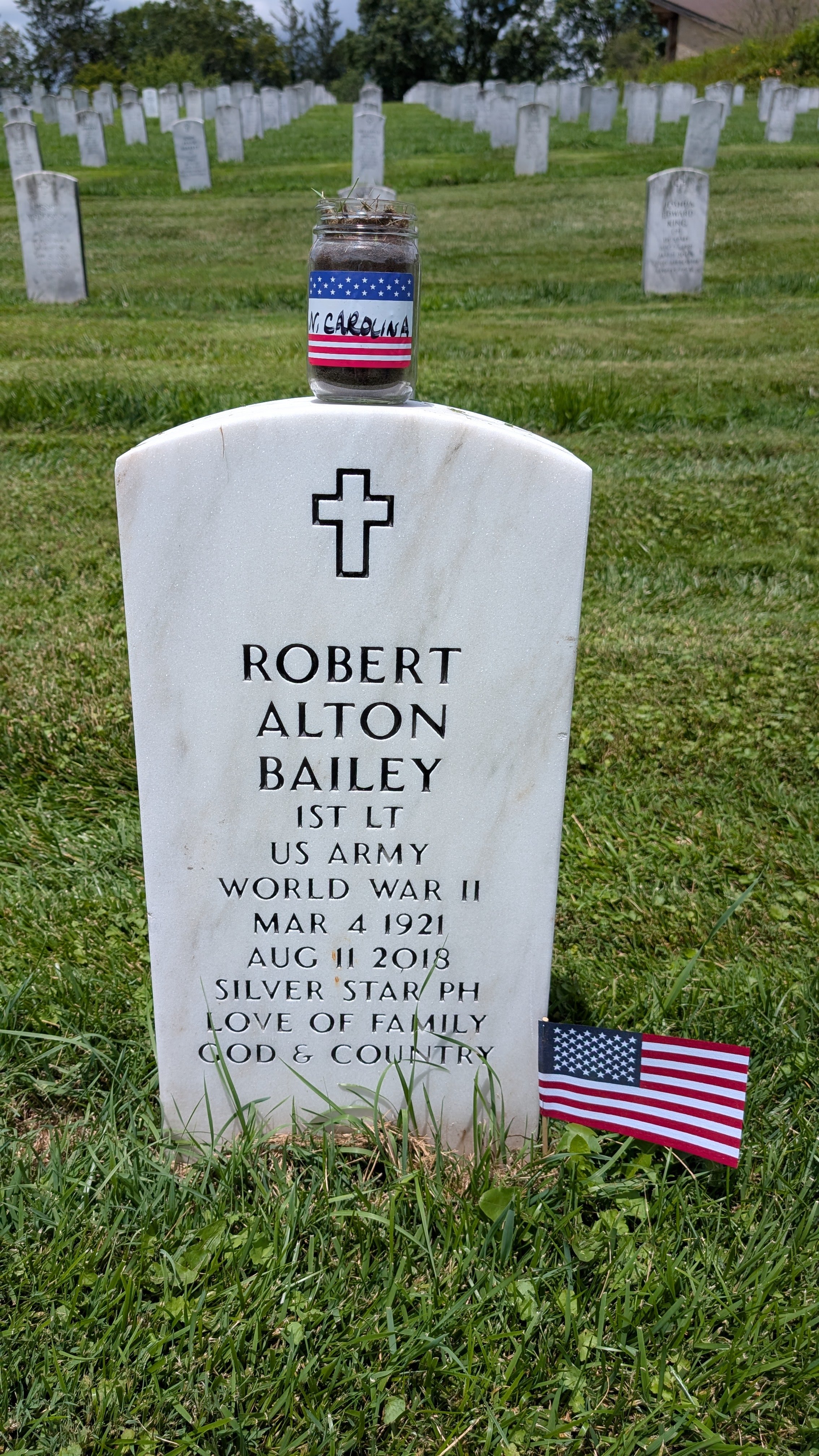
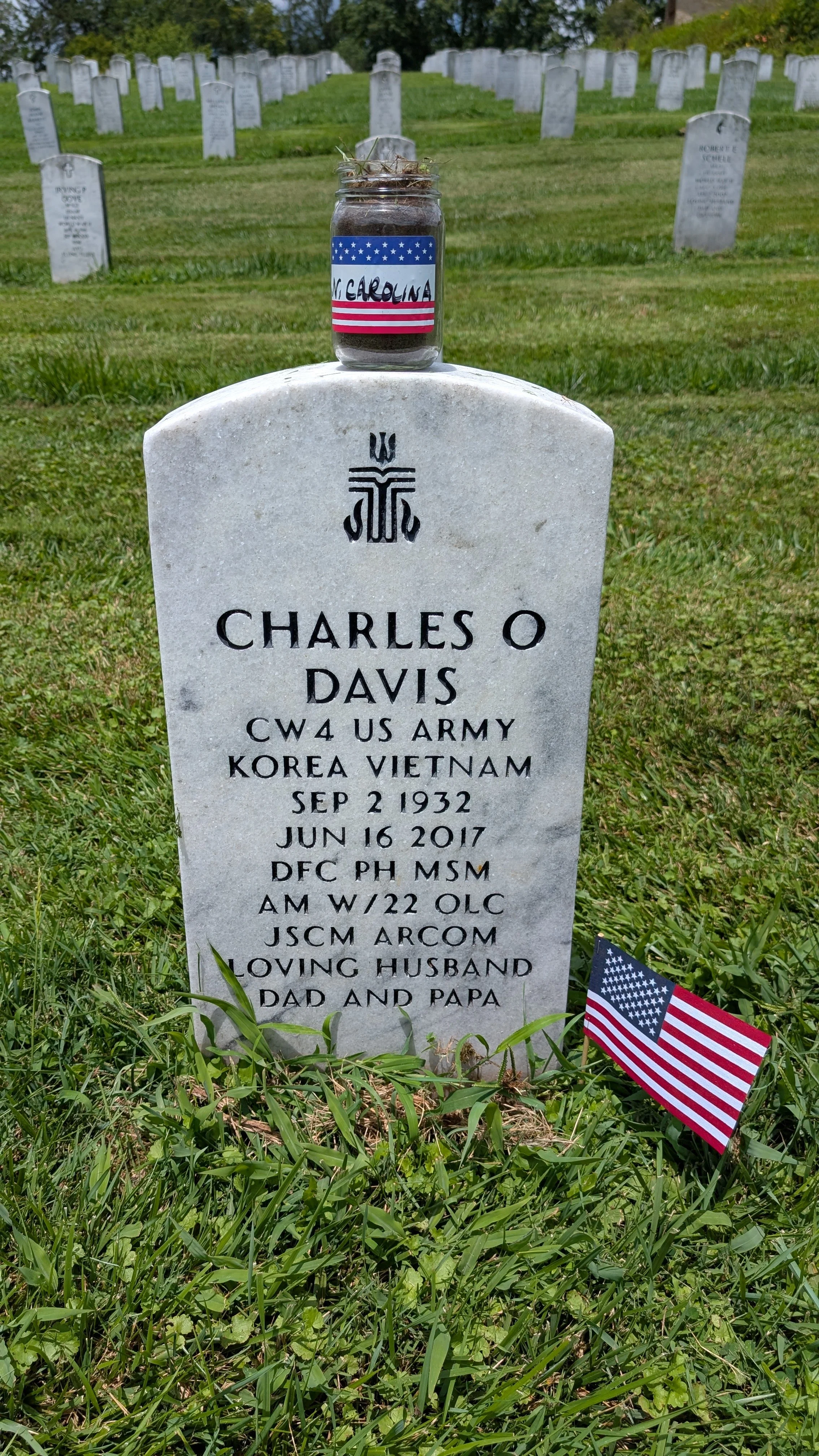
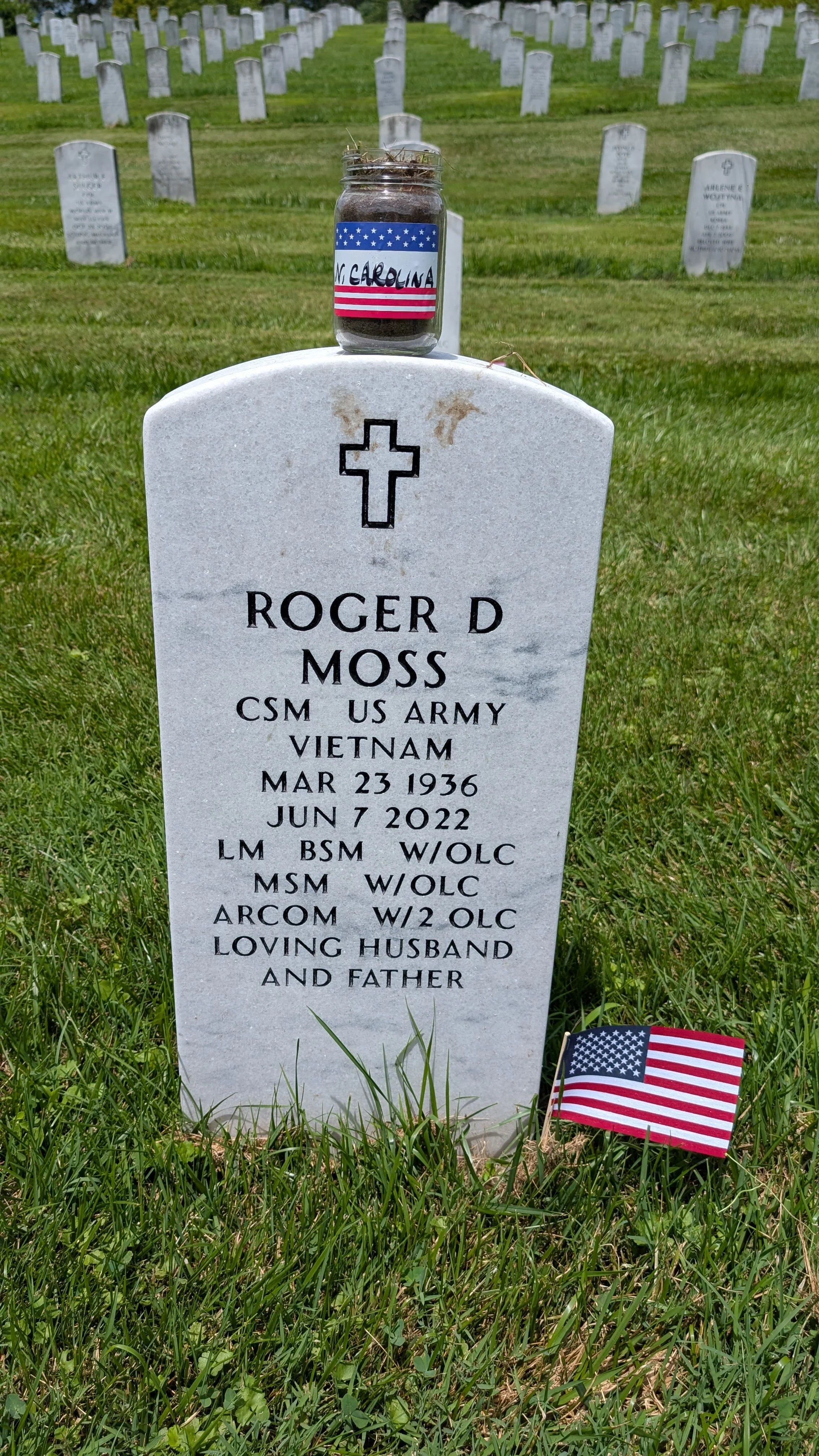
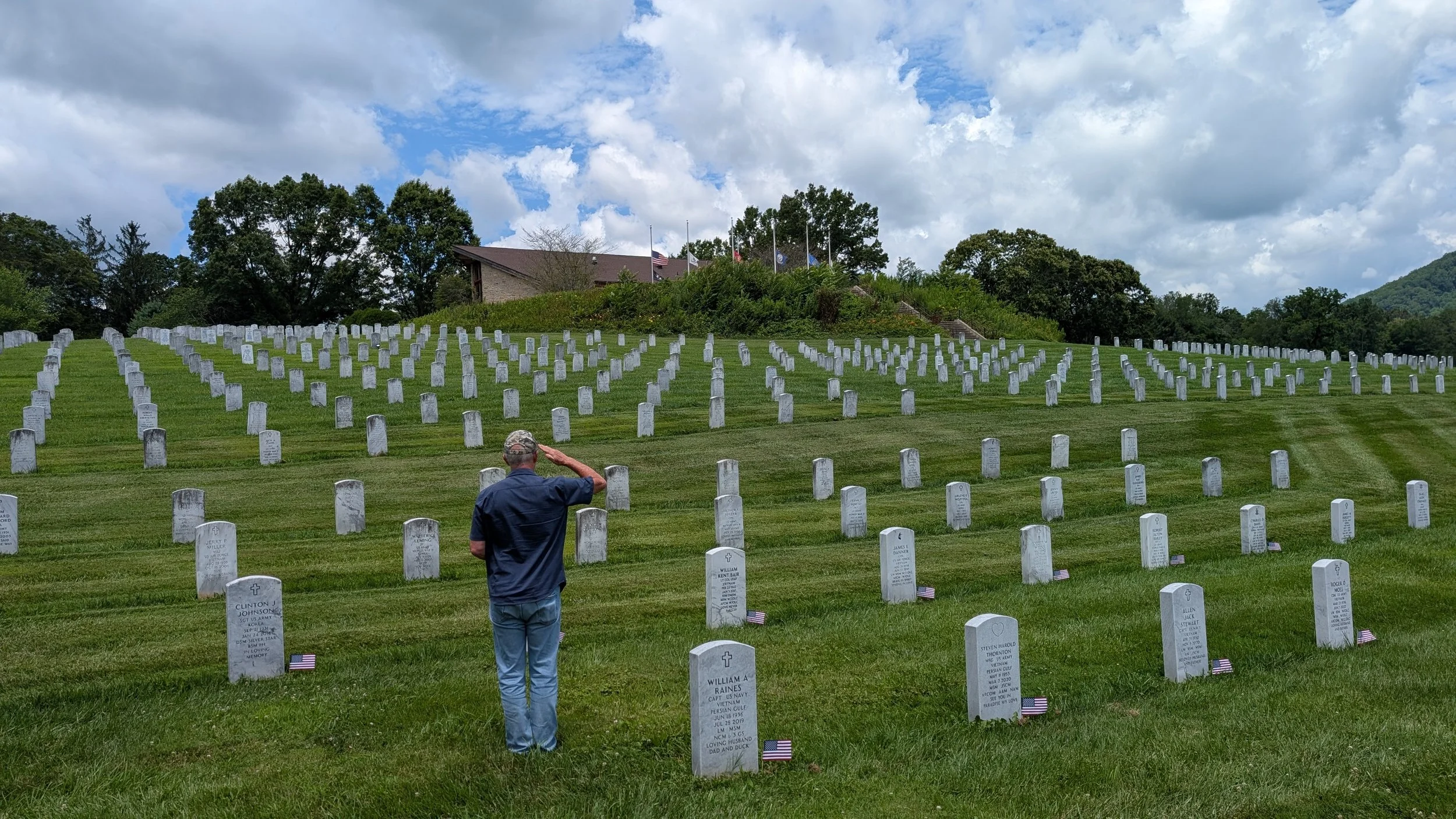
Western Carolina State Veterans Cemetery
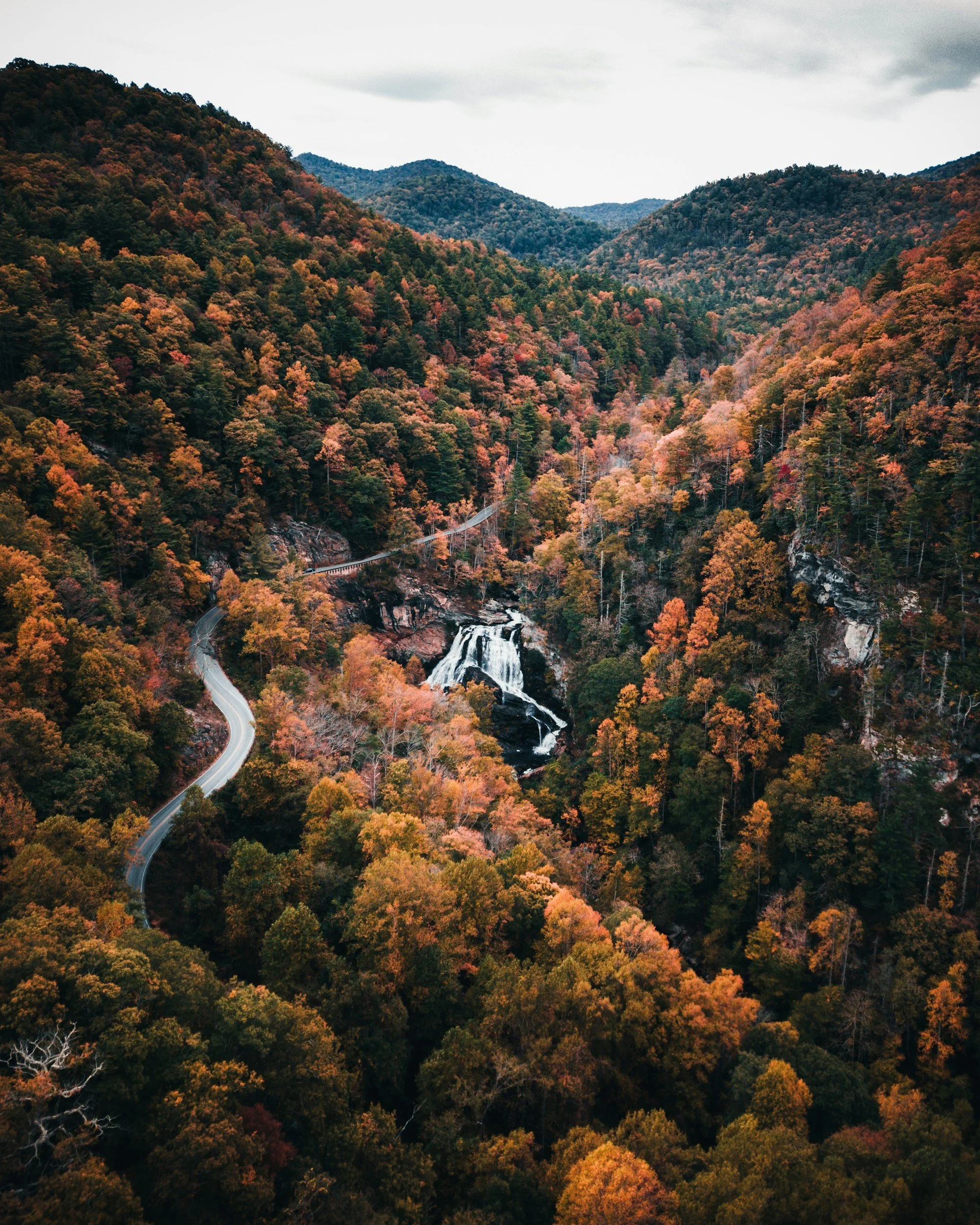
The Western Carolina State Veterans Cemetery in Black Mountain, North Carolina, is a state-operated military cemetery dedicated to honoring U.S. veterans and their eligible family members. Located in the foothills of the Blue Ridge Mountains, it provides a peaceful and dignified final resting place with full military honors, including flag presentation and ceremonial recognition such as “Taps.” It serves veterans from multiple service eras and remains an active burial site, reflecting North Carolina’s strong commitment to honoring military service.
North Carolina has a deep military heritage centered around Fort Bragg near Fayetteville, which is home to the 82nd Airborne Division. This renowned airborne infantry division is known for its rapid deployment capability, parachute operations, and long history of service in major U.S. military operations. It has trained and deployed thousands of soldiers and remains one of the most recognized units in the U.S. Army.
Gary Robinson is a U.S. Army veteran who served with the 82nd Airborne Division at Fort Bragg in Fayetteville, North Carolina, as part of this long-standing airborne tradition and the state’s broader military legacy.
Cross Creek Cemetery
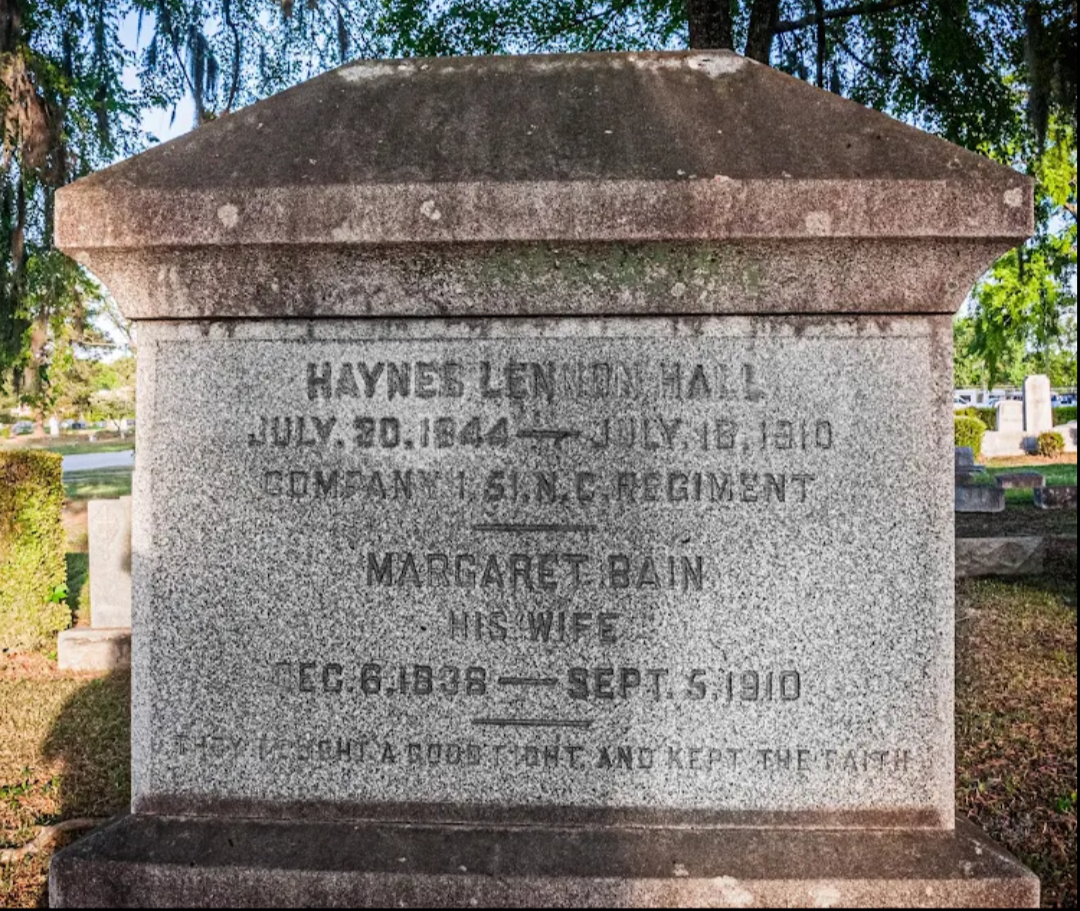
Cross Creek Cemetery is one of the oldest and most historically significant cemeteries in North Carolina, established in 1785 near the original Cross Creek settlement that became modern-day Fayetteville. Overlooking the creek from which the city took its name, the cemetery serves as both an active burial ground and a preserved historic site, with graves spanning more than two centuries of American history. Its oldest section is listed on the National Register of Historic Places, reflecting its importance as a cultural and historical landmark.
The cemetery is closely tied to major periods in U.S. history, particularly the Revolutionary and Civil War eras. It contains the remains of early settlers, veterans, and community leaders, as well as soldiers whose bodies were reinterred there after the Civil War. A defining feature of the site is the Confederate monument erected in 1868—the first of its kind in North Carolina—marking the cemetery’s connection to postwar memory and regional identity.
Among those buried at Cross Creek Cemetery are several notable figures. Robert Strange, who served in the U.S. Senate from 1836 to 1840, represents the cemetery’s ties to early national politics. James C. Dobbin, a key member of President Franklin Pierce’s cabinet, reflects its connection to federal leadership in the mid-19th century. Warren Winslow, a congressman and influential state figure, is also interred there. The cemetery additionally holds LaFayette McLaws, a Civil War general who served under Robert E. Lee in major campaigns including Gettysburg.
Today, Cross Creek Cemetery stands as both a memorial space and a historical archive, preserving the stories of Fayetteville’s early residents and prominent figures. Despite challenges such as flooding from Hurricane Florence in 2018, ongoing restoration efforts have maintained its integrity. The site remains an important destination for visitors interested in local heritage, genealogy, and the broader history of North Carolina.
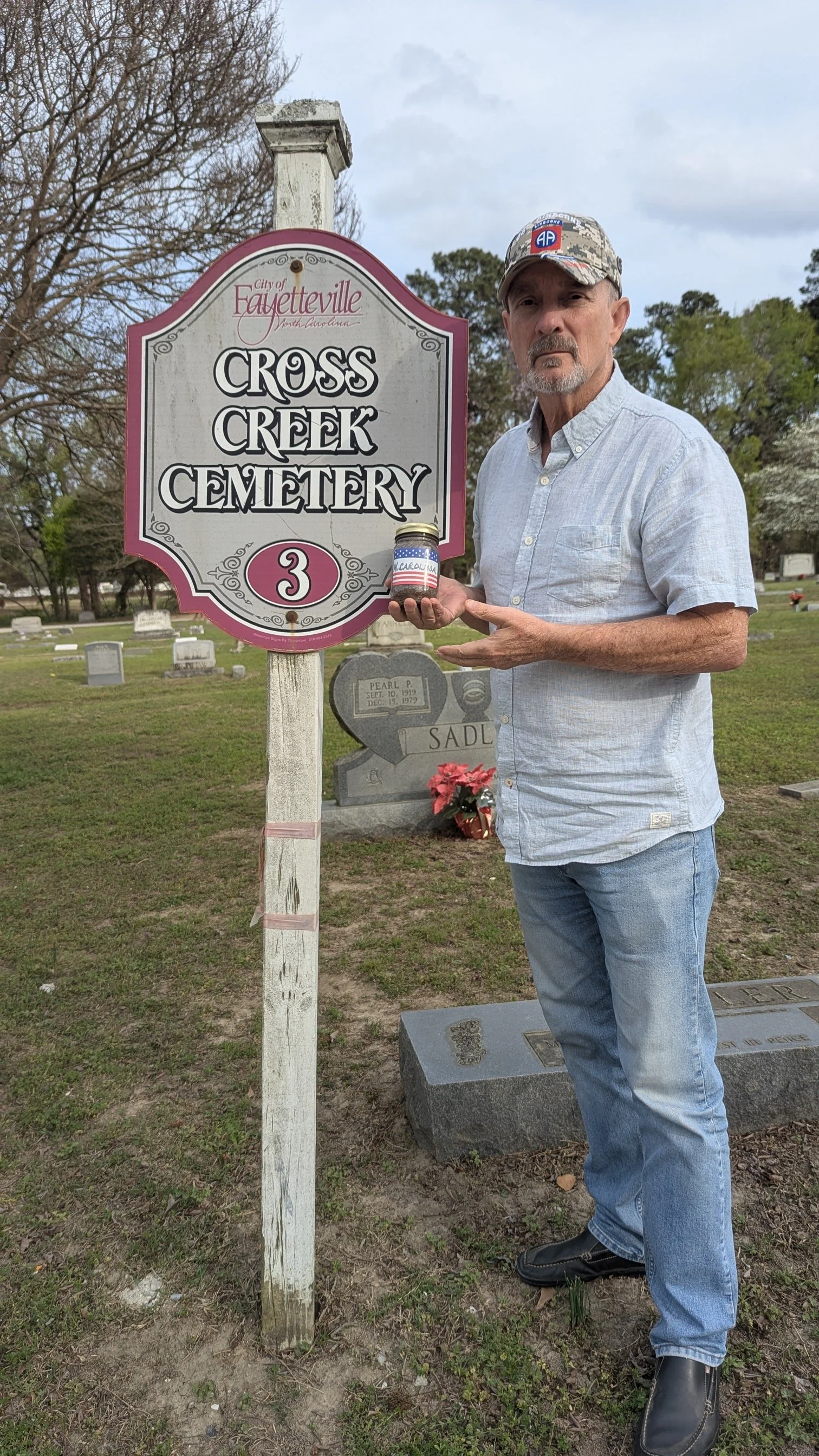
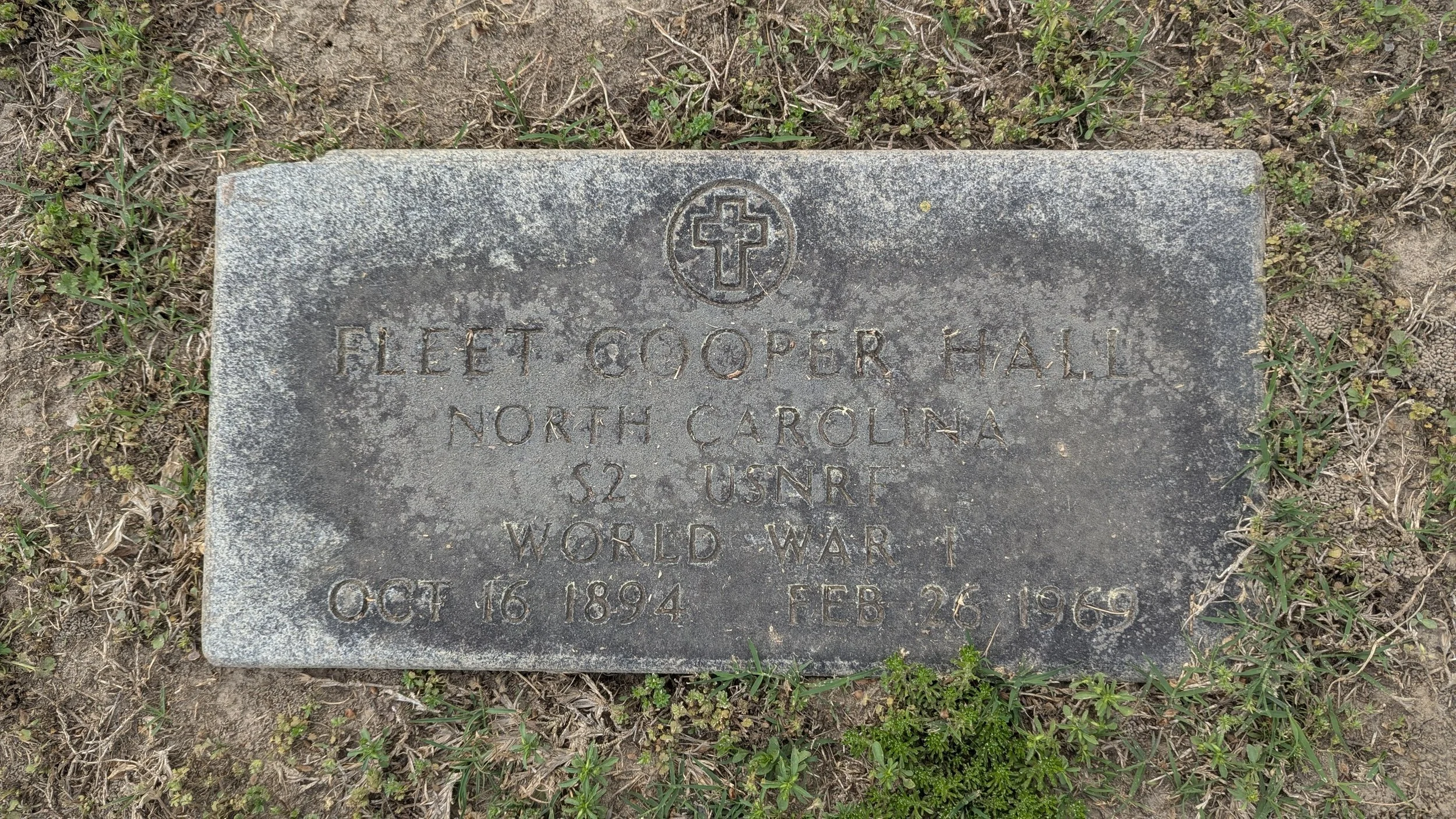
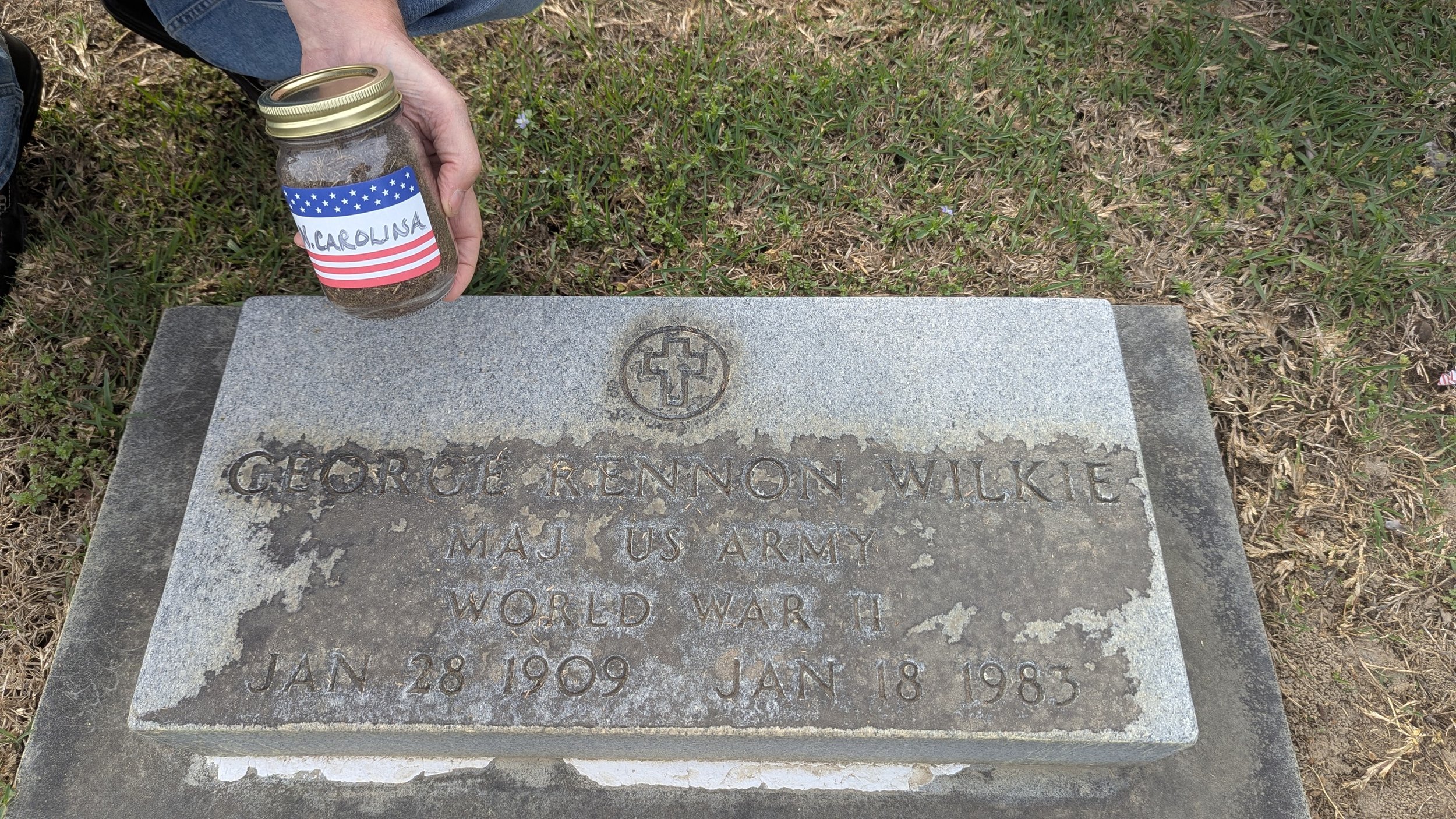
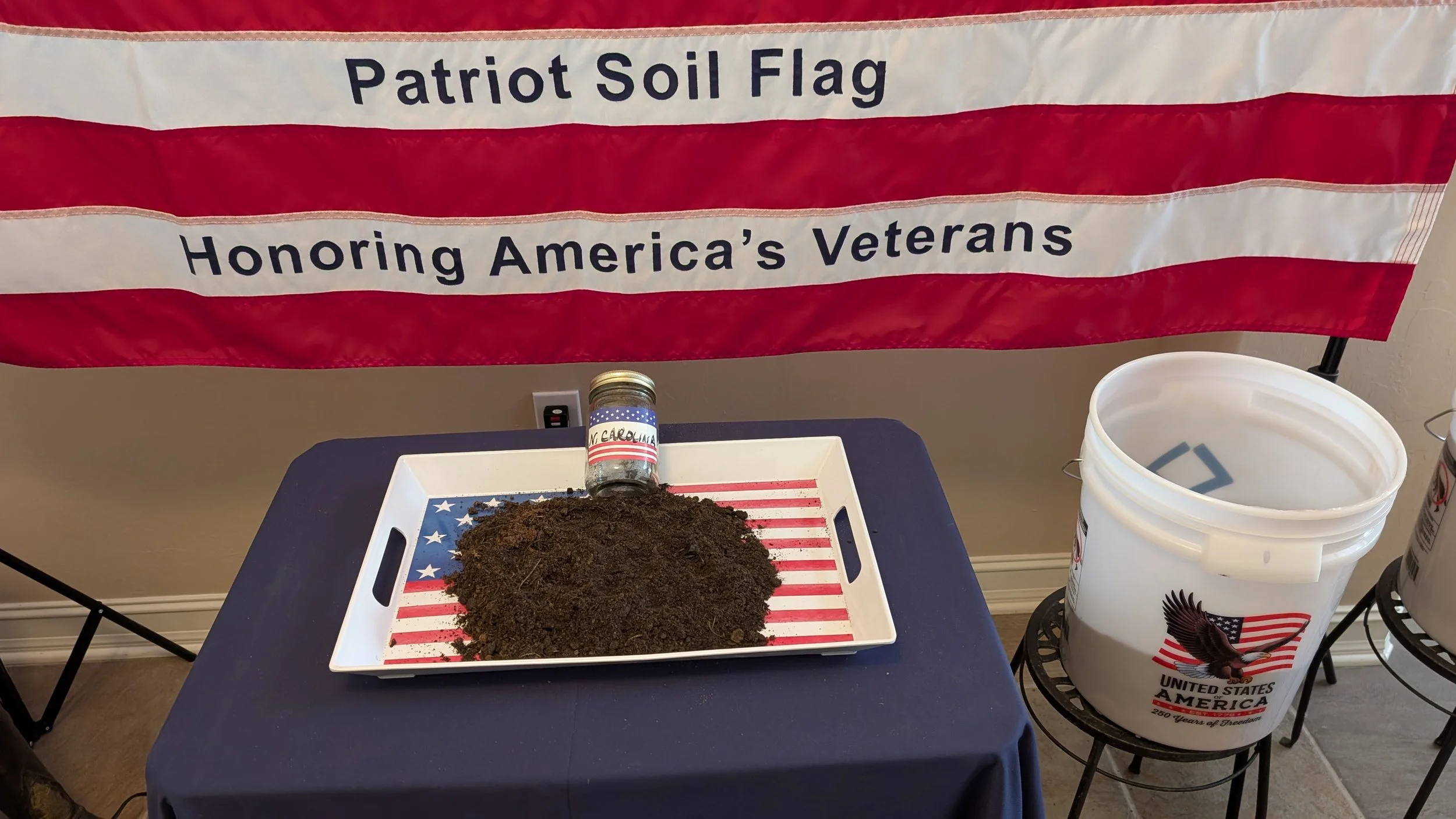
Soil MixingSoil collected from veteran resting places throughout the state is respectfully combined into a single blended collection, symbolizing the unity of all who served from that state.
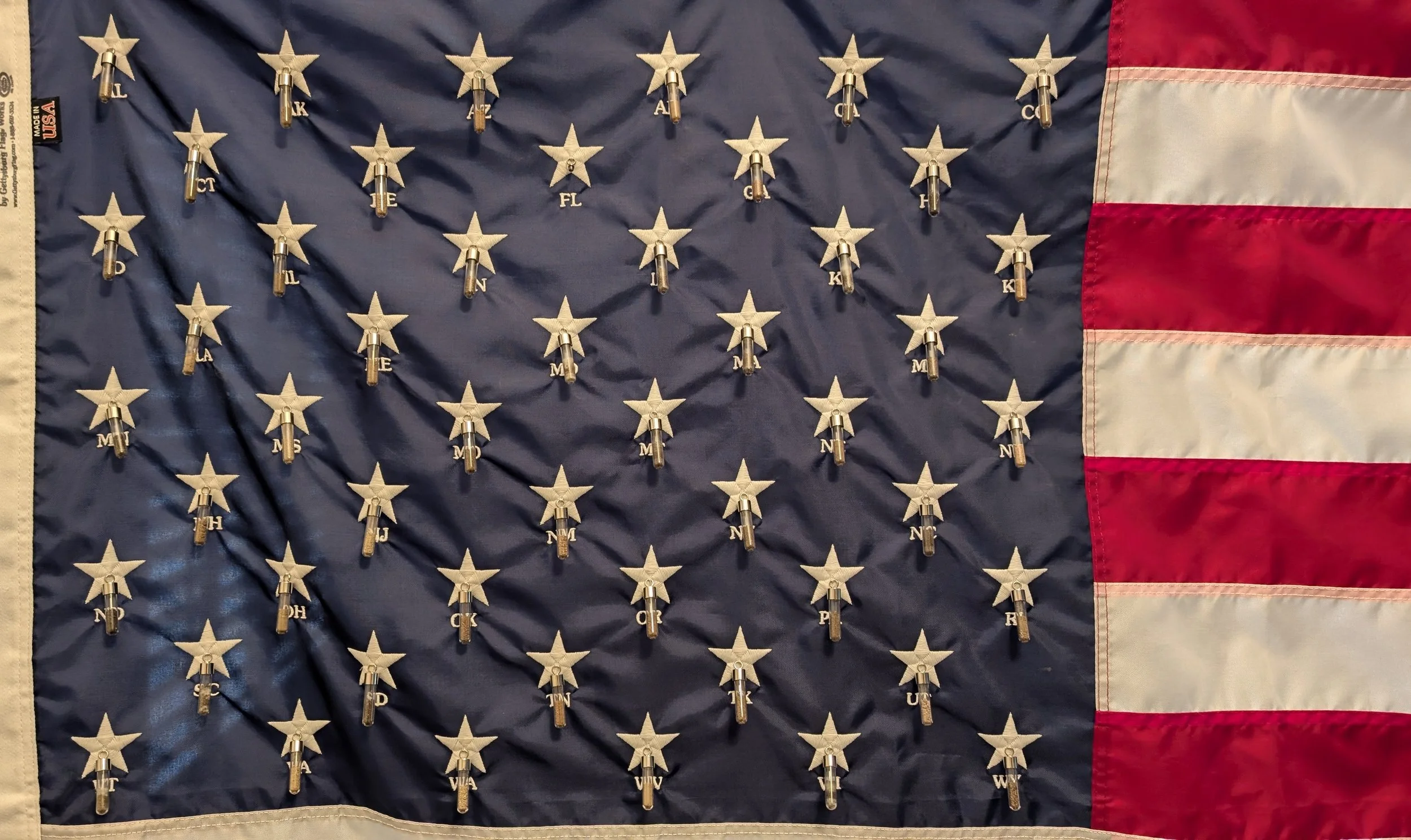
Vial & State StarSoil collected from veteran resting places throughout the state is respectfully combined into a single blended collection, symbolizing the unity of all who served from that state.