NEW YORK
Fort Ticonderoga
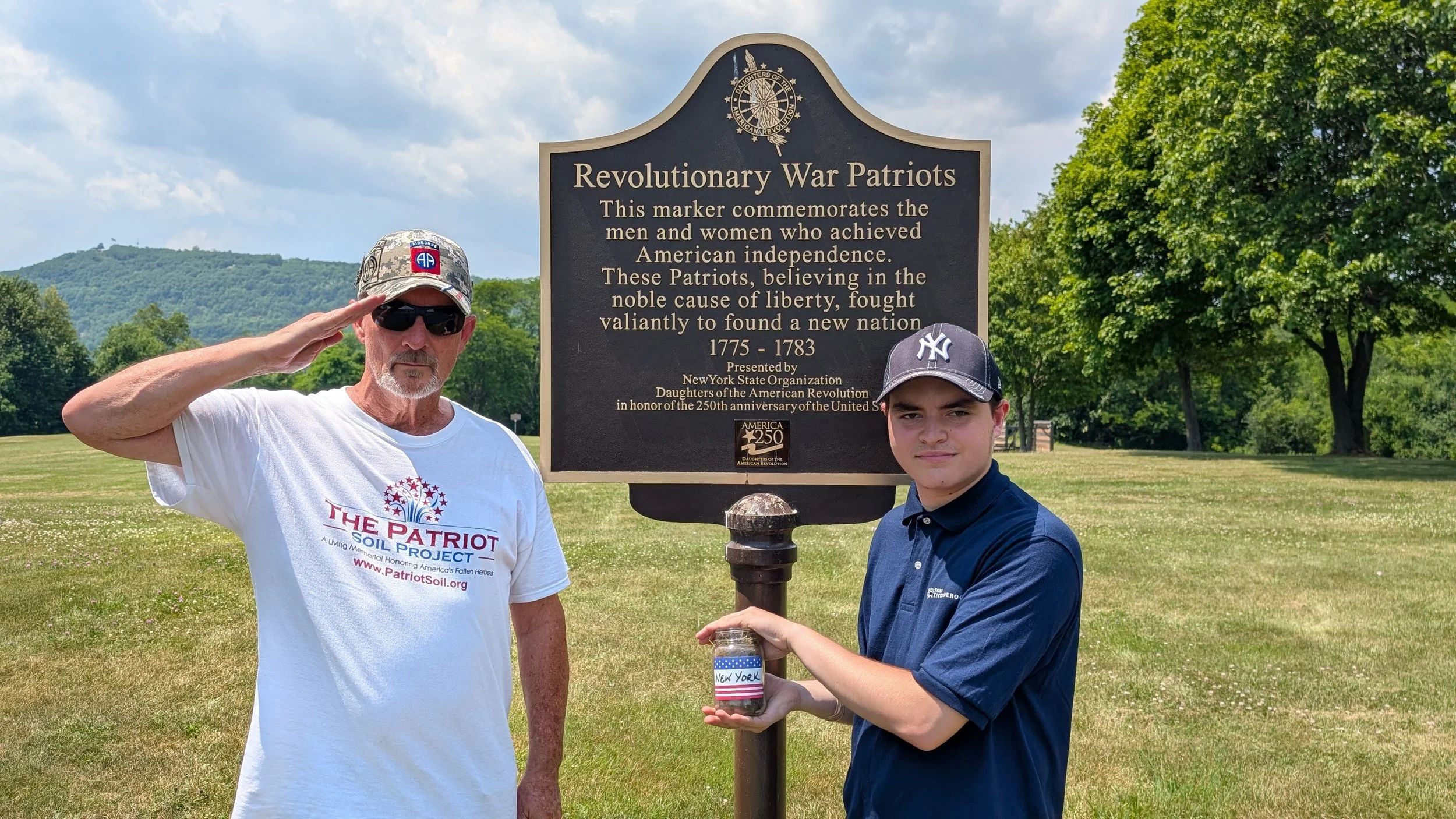
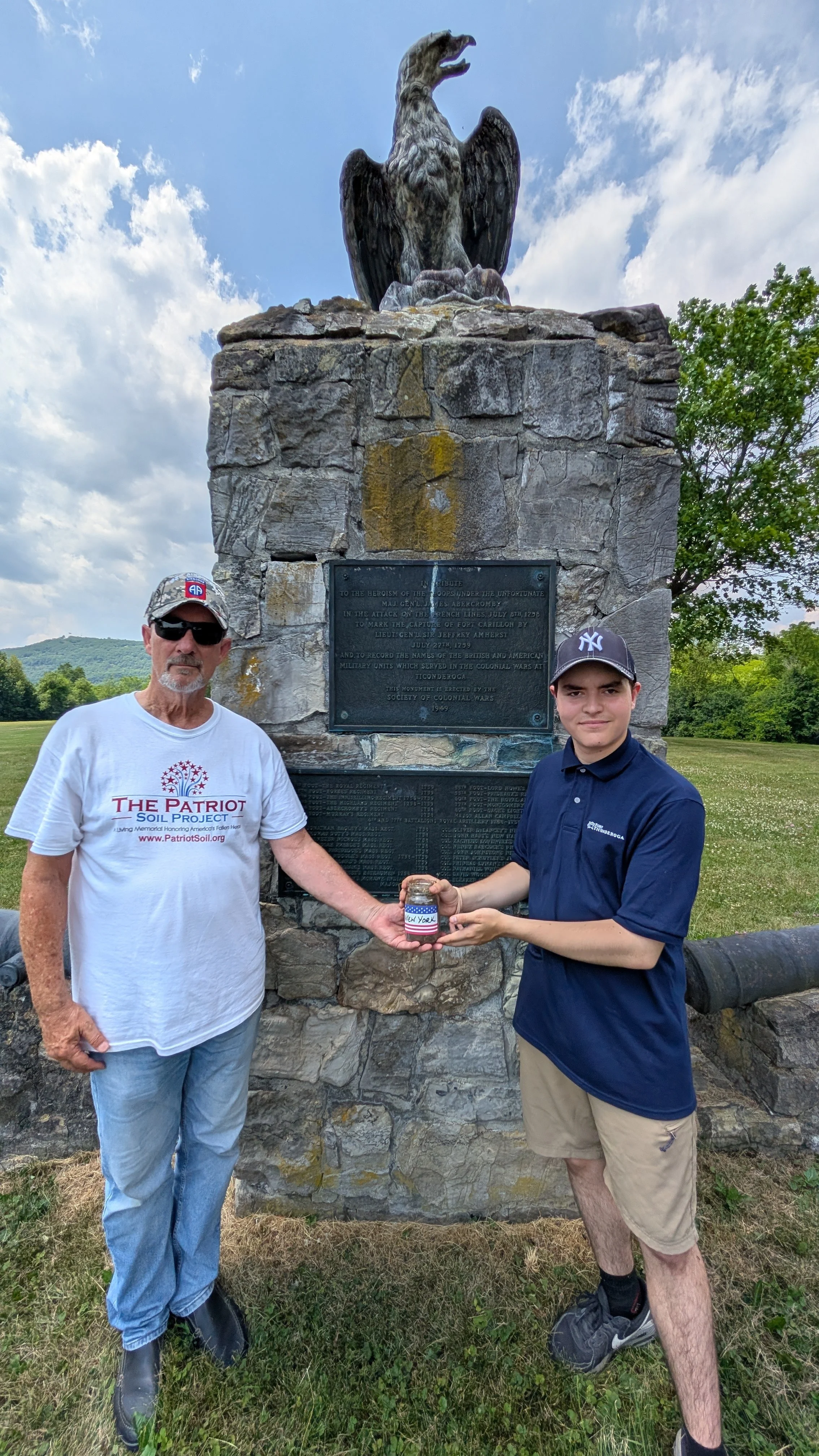
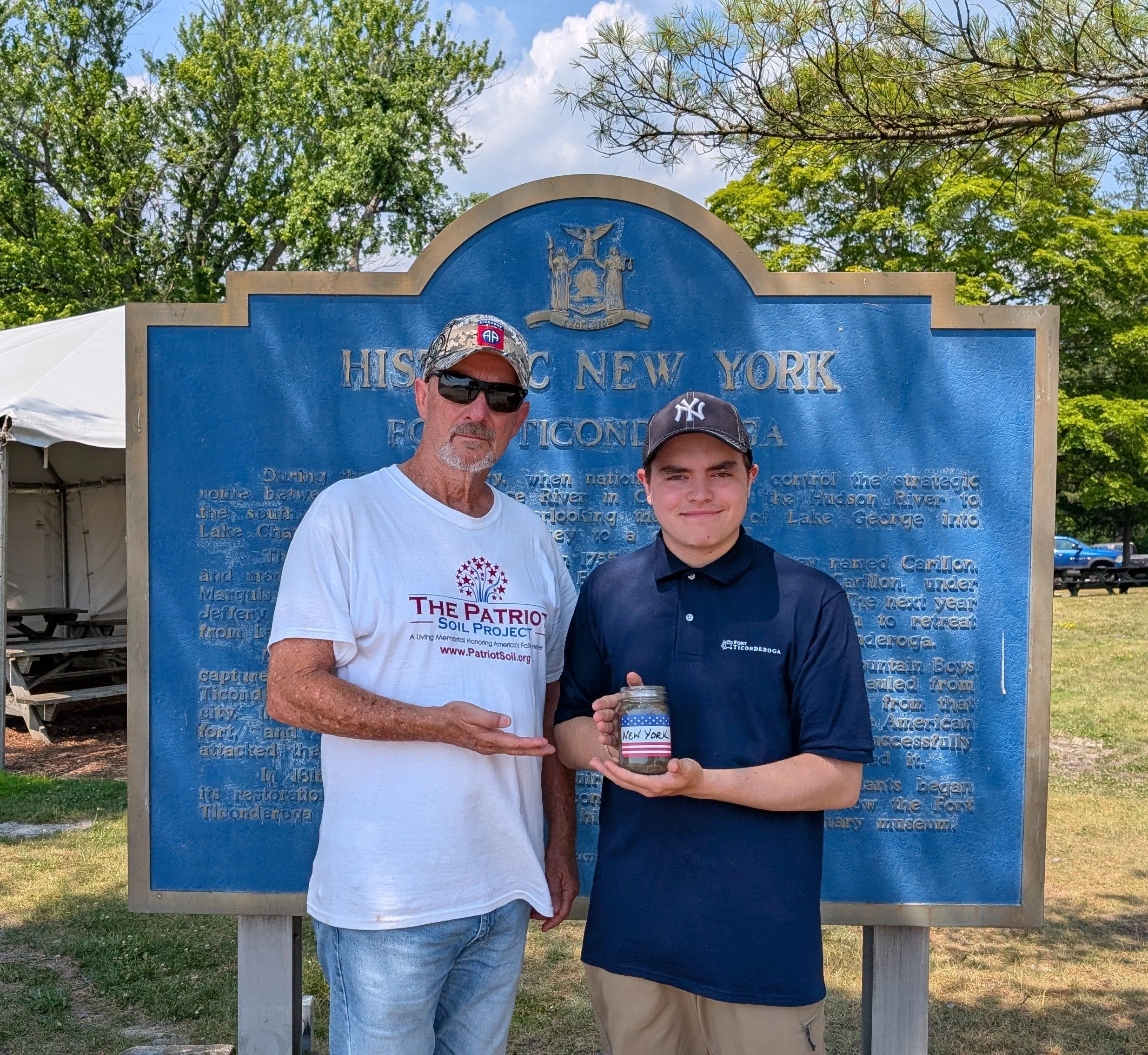
Fort Ticonderoga is a historic 18th-century fort in upstate New York, located on a strategic point between Lake Champlain and Lake George. This position controlled a key water-and-land corridor between the St. Lawrence River Valley to the north and the Hudson River Valley to the south, making it one of the most contested military sites in colonial North America.
Built by the French between 1755 and 1757 during the French and Indian War, it was originally called Fort Carillon. Its purpose was to defend New France and control movement through the Champlain Valley. In 1758, a smaller French force famously repelled a much larger British army in one of the war’s early major battles. The British captured the fort in 1759 and renamed it Fort Ticonderoga.
Its most famous role came during the American Revolutionary War. In May 1775, American forces led by Ethan Allen and Benedict Arnold seized the fort from the British in a surprise attack, marking one of the first American victories of the war. The capture was strategically important because it provided access to artillery stored there, which Henry Knox later transported to Boston in a remarkable winter expedition that helped force the British evacuation in 1776.
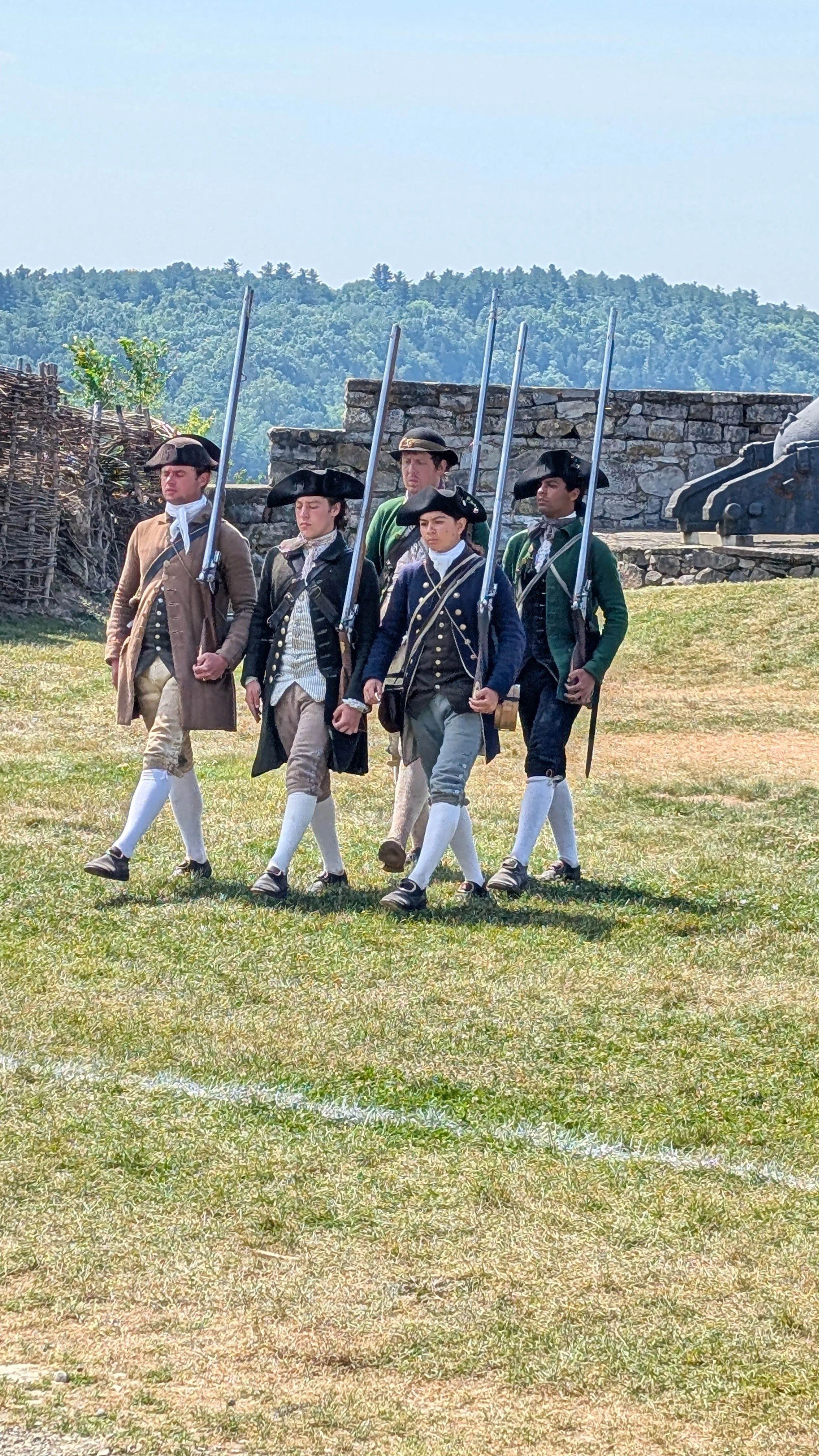
Today, Fort Ticonderoga is preserved as a museum and historic site featuring restored fortifications, exhibits, reenactments, and ongoing archaeological work that continues to uncover material from its French and American occupations. The site remains an important center for interpreting early American military history through both its structures and surrounding landscape.
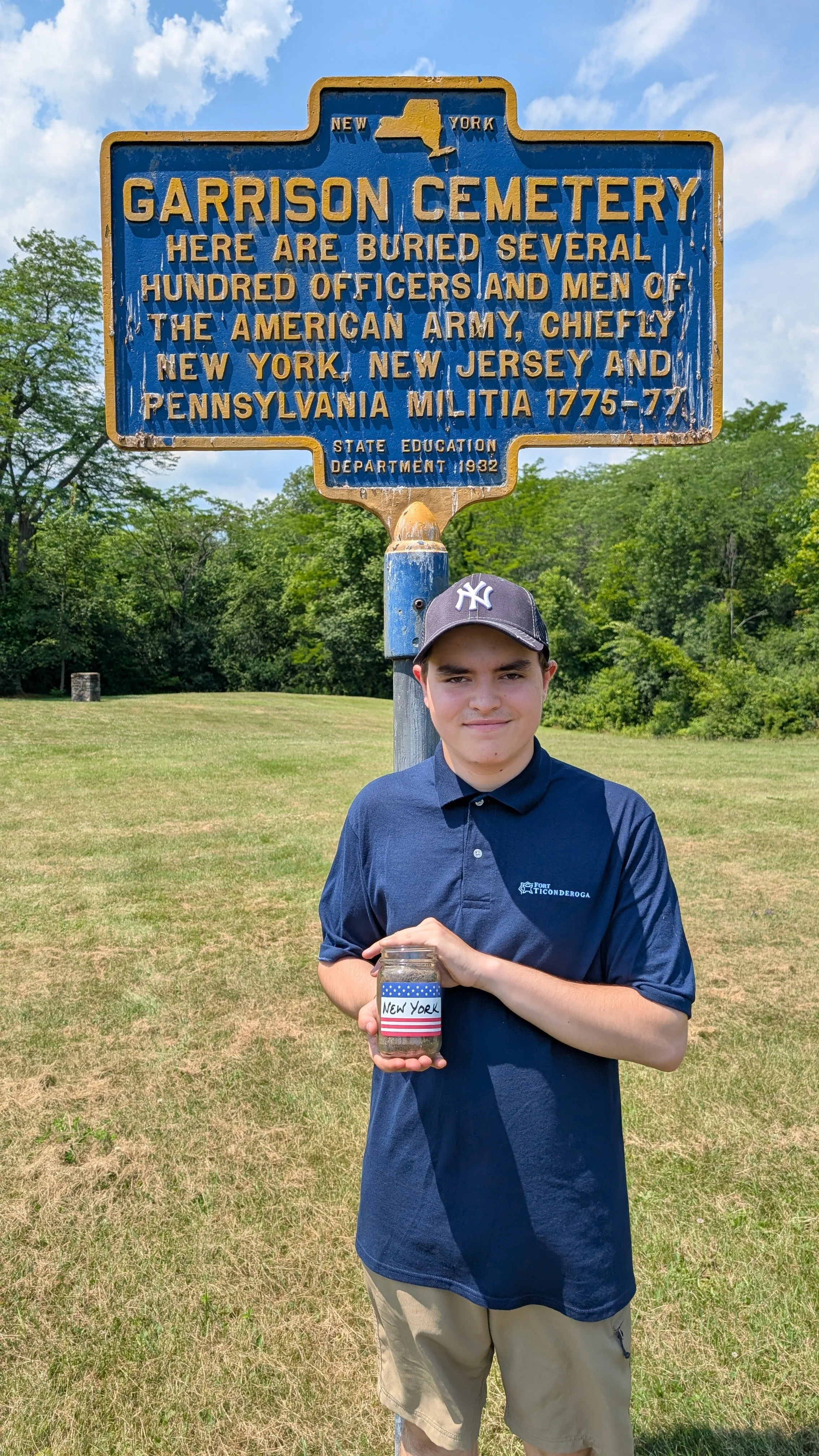
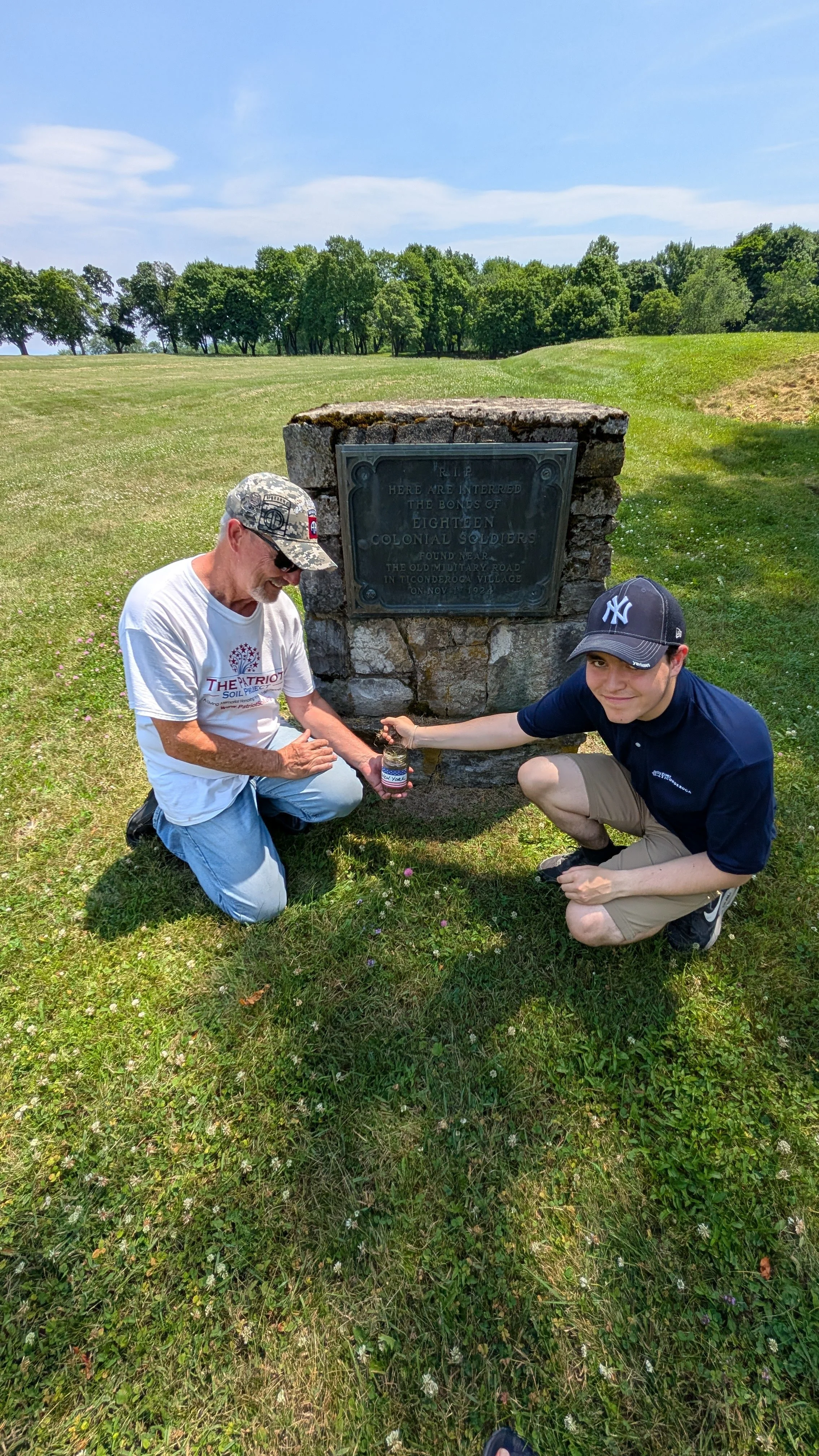
Connected to modern preservation efforts is the Patriot Soil Project, an initiative focused on collecting soil from historically significant battlefield and encampment sites to create a tangible link to the Revolutionary War era. Within this effort, Colton Williams is described as a contributor involved in identifying relevant sites and supporting soil collection in the Fort Ticonderoga region, helping ensure historical and archaeological context is respected.
He also works as a tour guide, reenactment specialist, and local historian, helping visitors understand the fort’s role in both the French and Indian War and the American Revolution. Through interpretation and reenactments, he illustrates daily military life at the fort. His involvement in the Patriot Soil Project extends this educational mission by connecting hands-on preservation with storytelling, reinforcing Fort Ticonderoga as both a preserved structure and a living historical landscape.
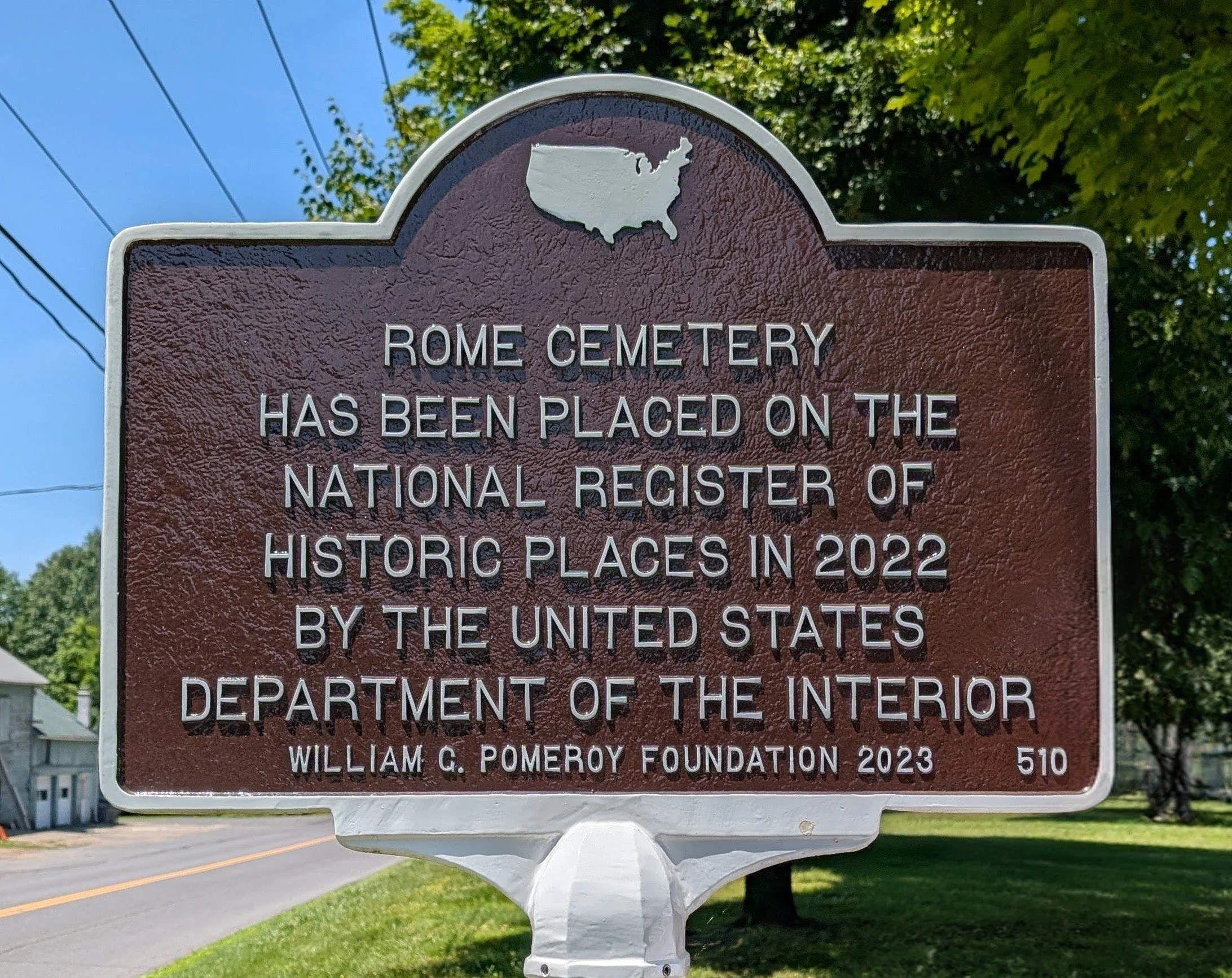
Rome Cemetery
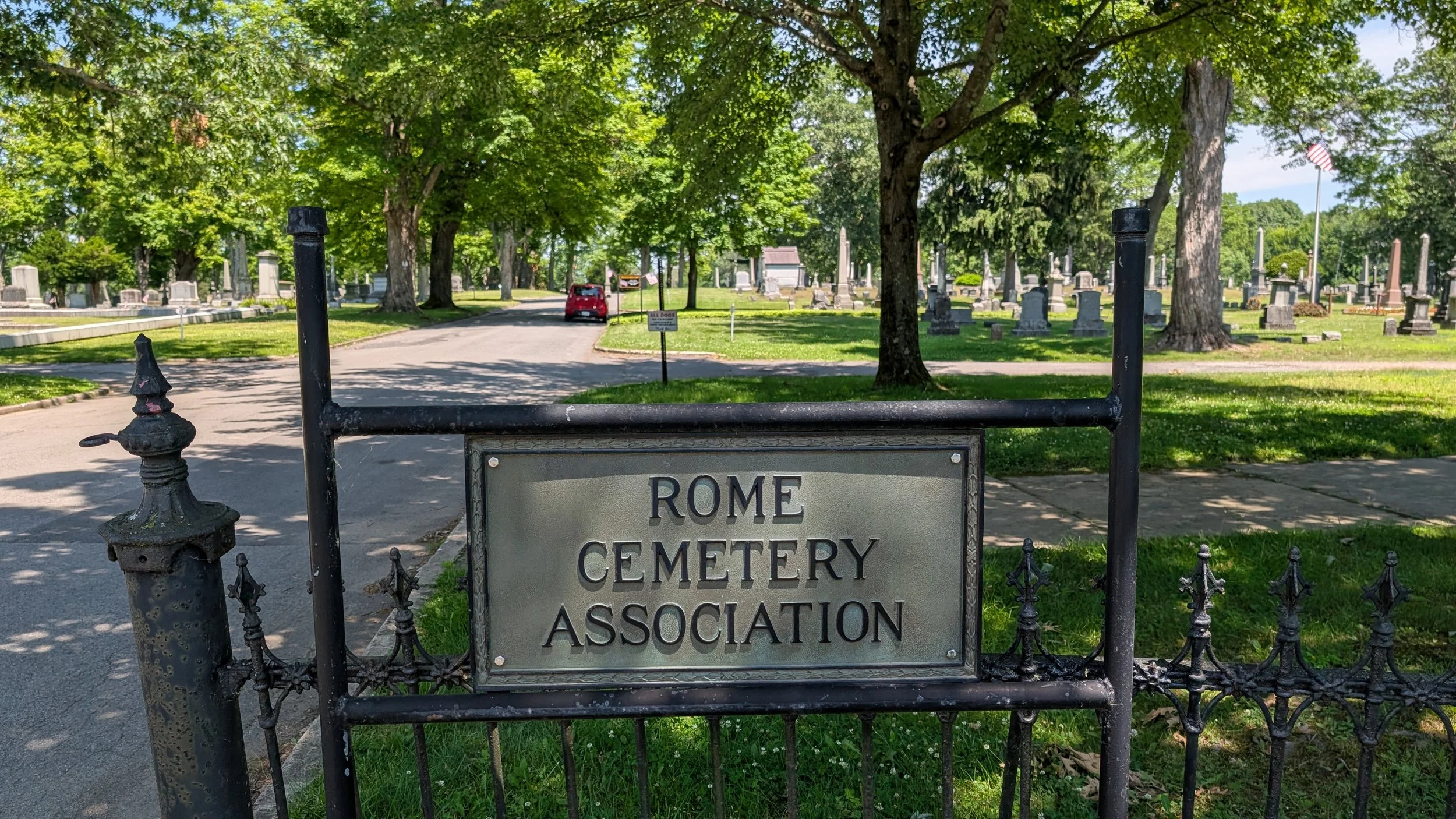
Rome Cemetery in Rome, New York, is one of the city’s most historically significant burial grounds, serving not just as a local cemetery but as a reflection of nearly two centuries of American military and civic history.
Established in the early 1850s, the cemetery grew alongside Rome itself as older church burial grounds became insufficient for a growing community. Over time, it expanded into a large, landscaped cemetery that now holds generations of residents, including soldiers, civic leaders, inventors, and nationally influential figures.
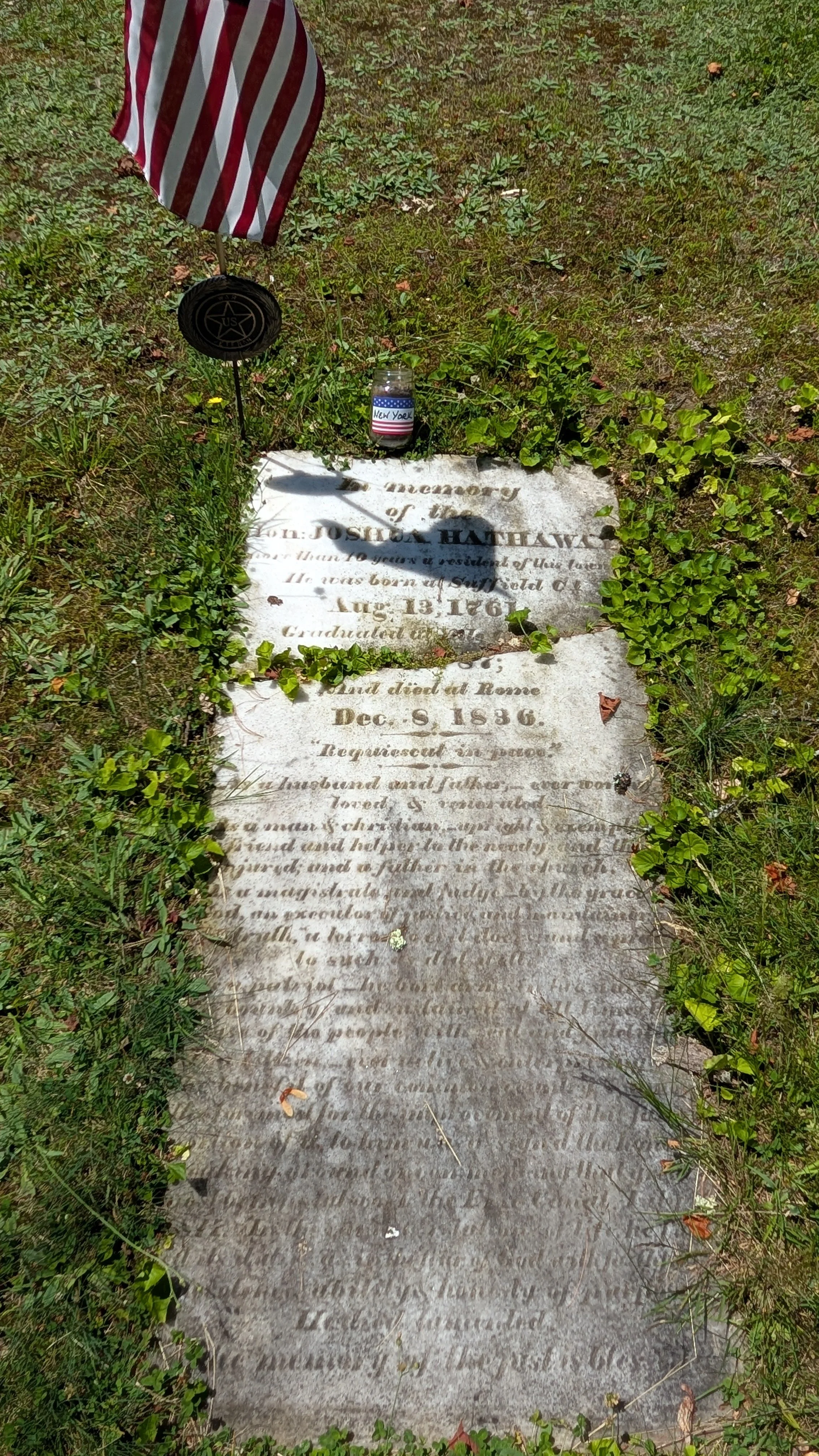
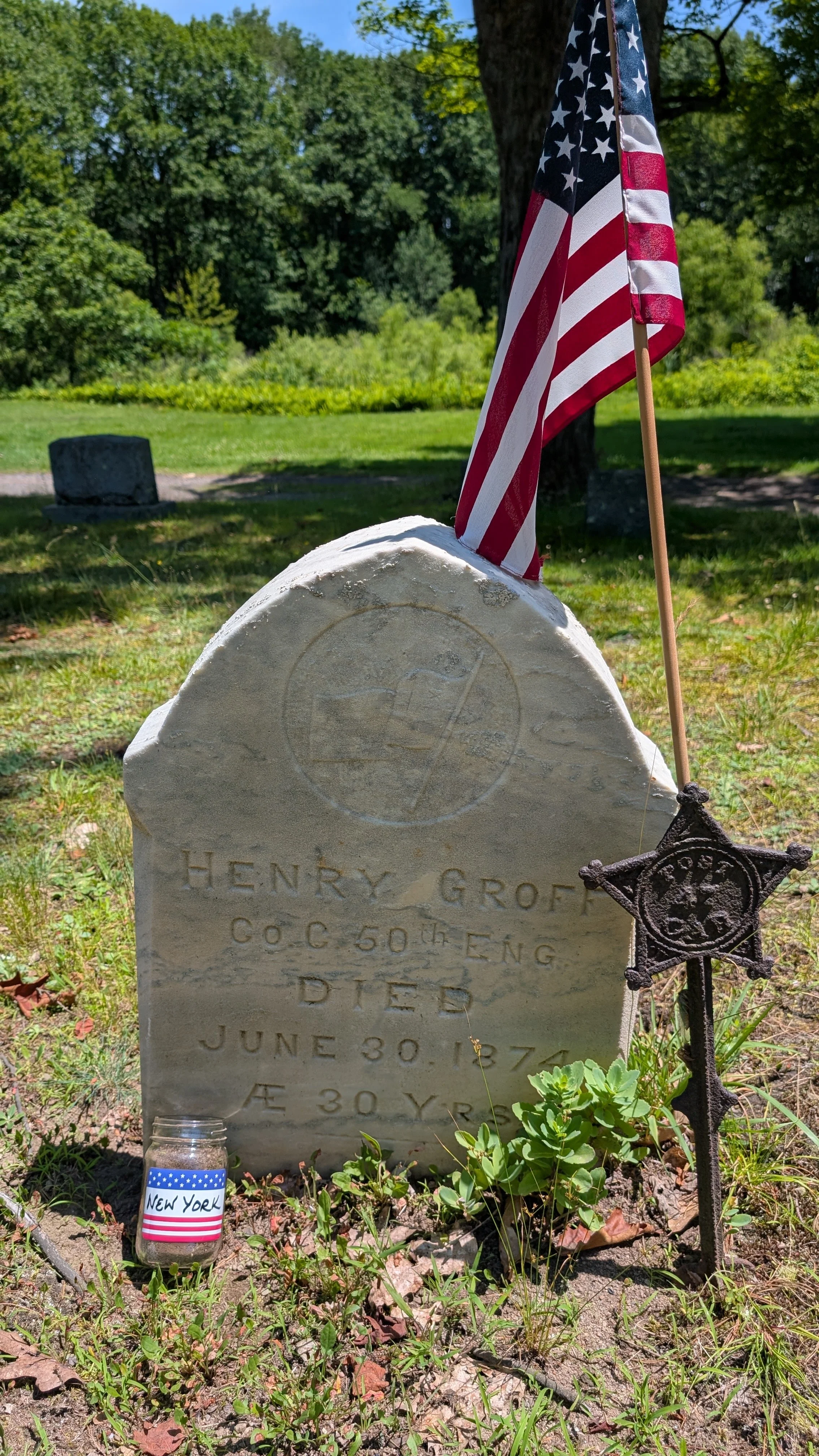
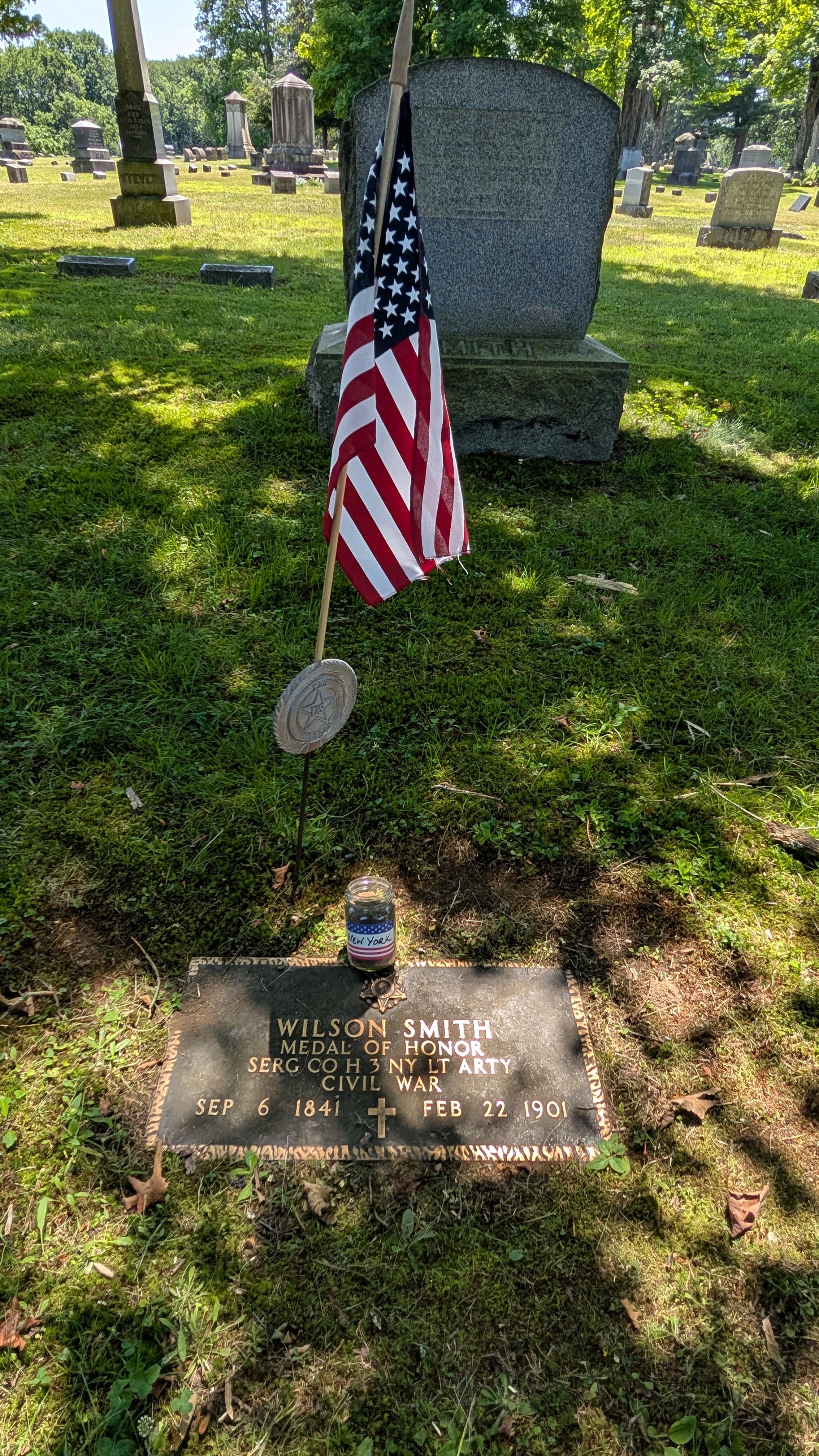
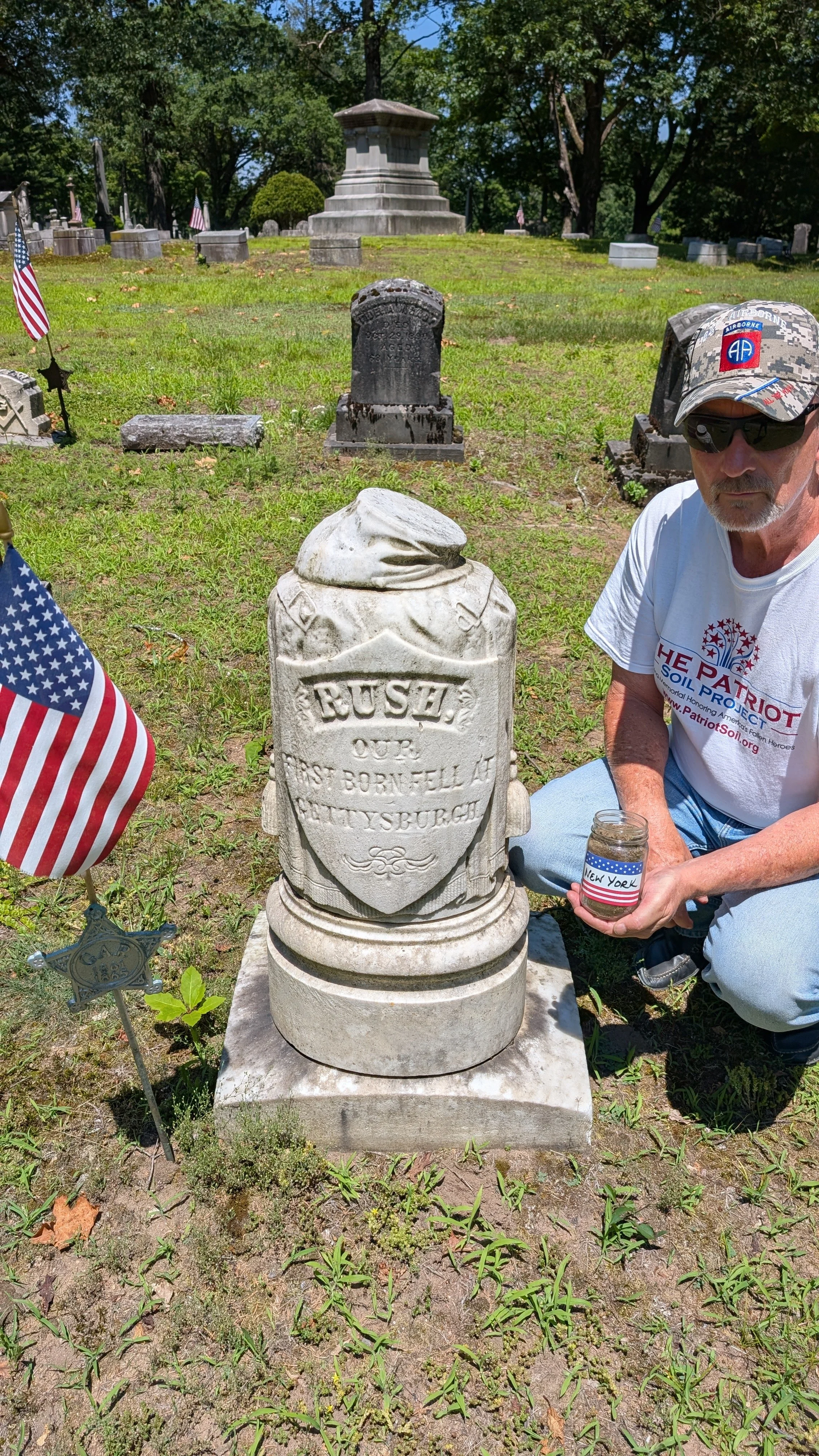
A major part of its historical importance comes from its military burials. The cemetery is the resting place of veterans spanning multiple American conflicts, beginning with the Revolutionary War era and continuing through the War of 1812, the Civil War, the Spanish–American War, and into the 20th century. Among these are Union Civil War soldiers, some of whom are specifically noted in records or monuments, including individuals who died in major battles such as Gettysburg. Many graves are marked with “GAR” insignia, identifying members of the Grand Army of the Republic, the influential Civil War veterans’ organization. The cemetery also includes at least two Medal of Honor recipients: Wilson Smith, recognized for Civil War service, and Major Oscar Burkard, honored for bravery during the Spanish–American War. Together, these burials make the cemetery a concentrated record of U.S. military service across multiple generations.
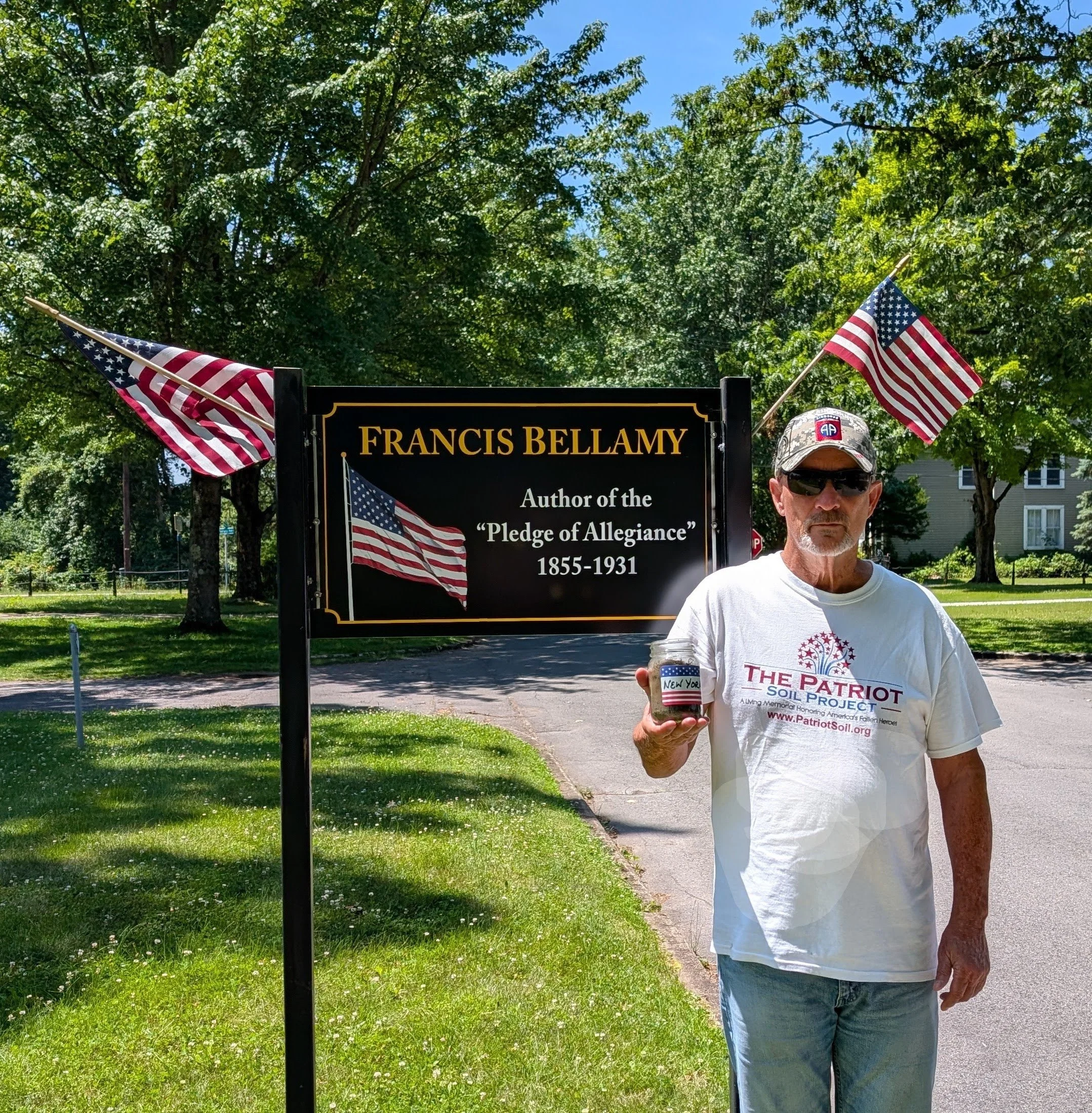
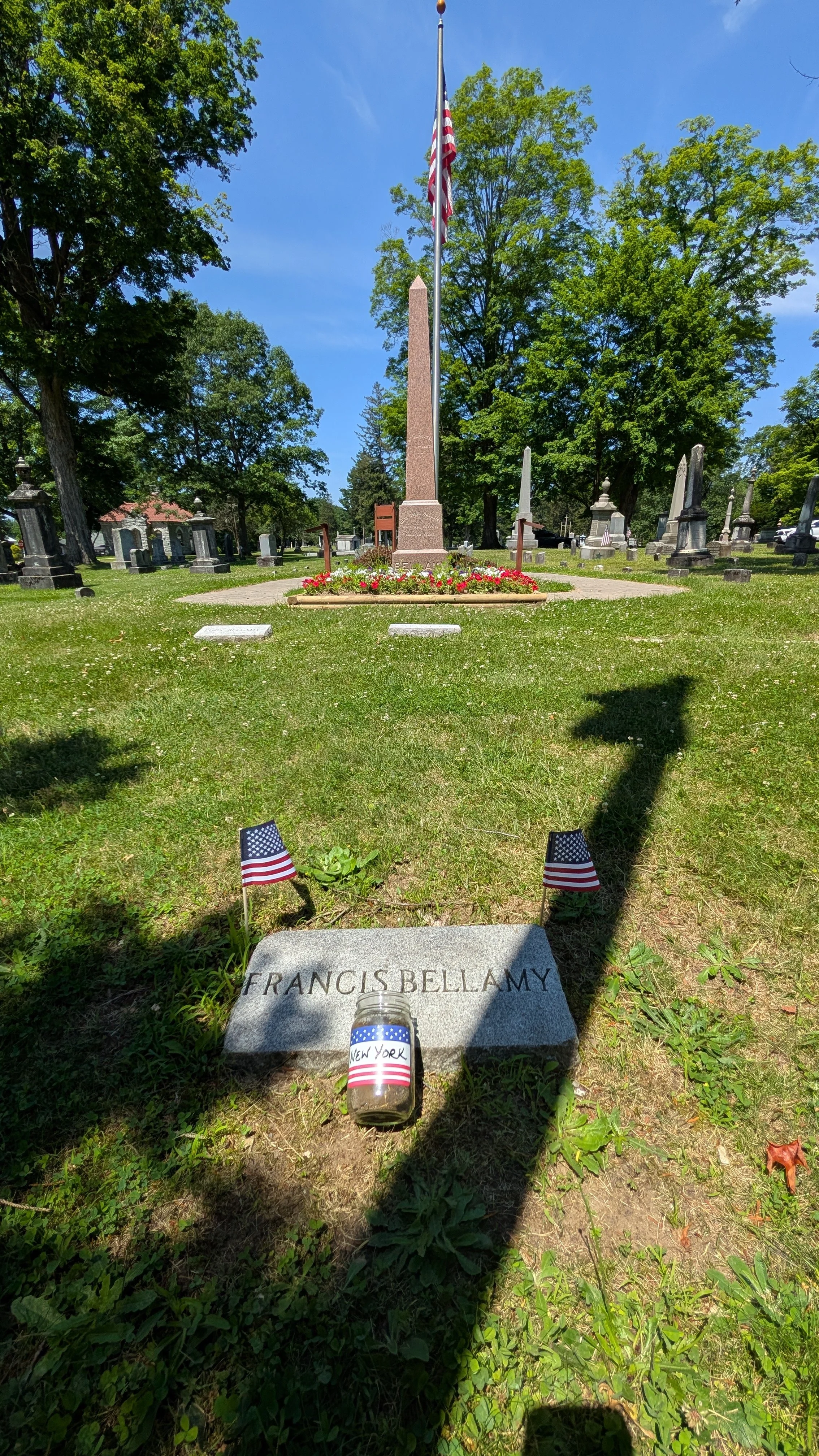
Alongside its military history, Rome Cemetery is also notable for a number of prominent civilian figures who shaped both local and national life. One of the most well-known is Francis Bellamy, the author of the Pledge of Allegiance, whose legacy is recognized across the United States. Other significant burials include John B. Jervis, a pioneering civil engineer responsible for major infrastructure projects such as the Erie Canal and early New York City water systems; Jesse Williams, credited with helping establish the first commercial cheese factory in America; Augustus Kessinger, founder of the Rome Sentinel newspaper; and Dr. W.J.P. Kingsley, an early advocate for organized cancer treatment and medical care.
Taken together, Rome Cemetery serves as both a local resting place and a broader historical archive. Its grounds reflect the evolution of American military service from the nation’s earliest wars through modern times, while also preserving the legacy of individuals who contributed to engineering, journalism, medicine, and national identity. It stands as a place where regional history and national heritage intersect in a single landscape.
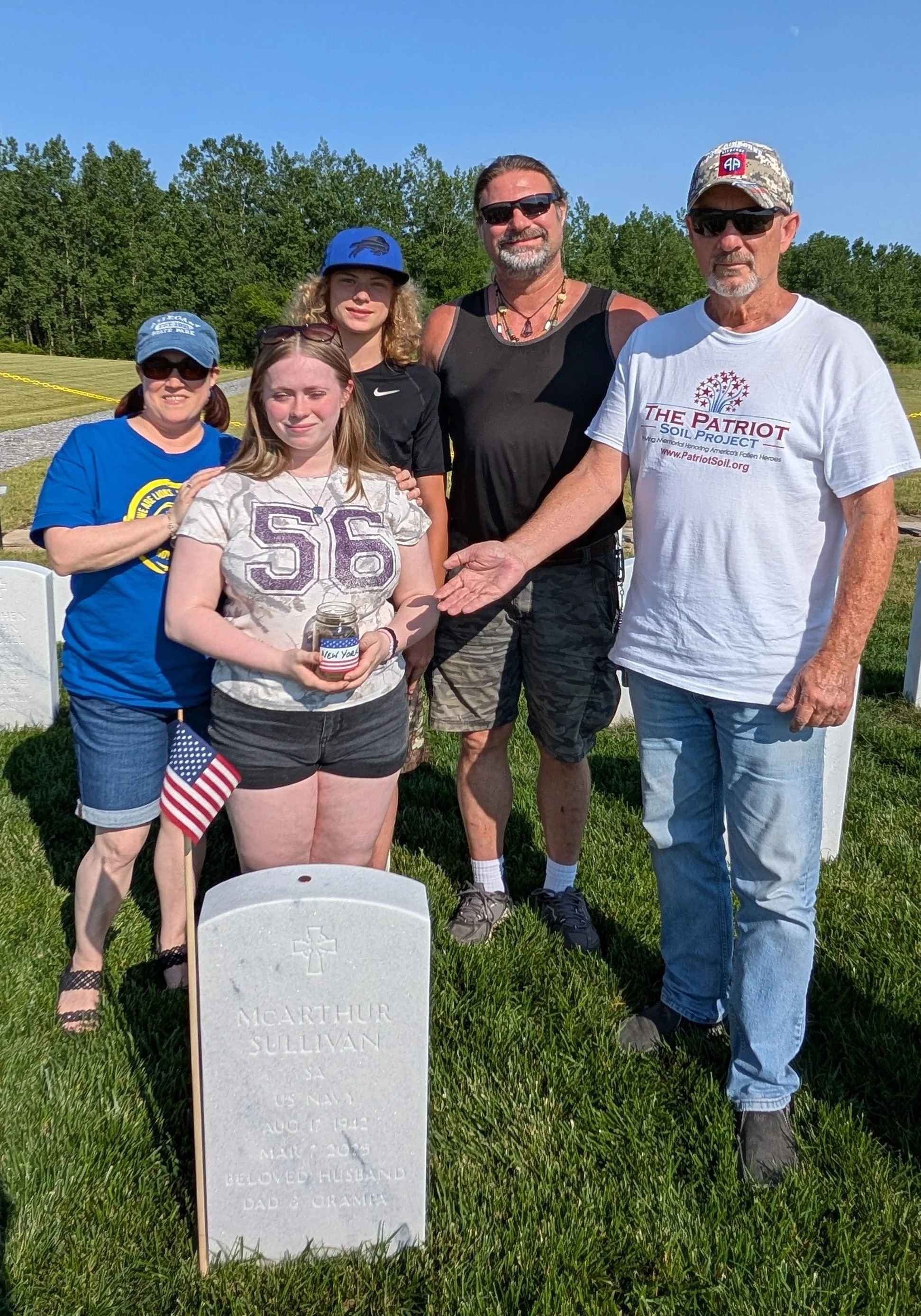
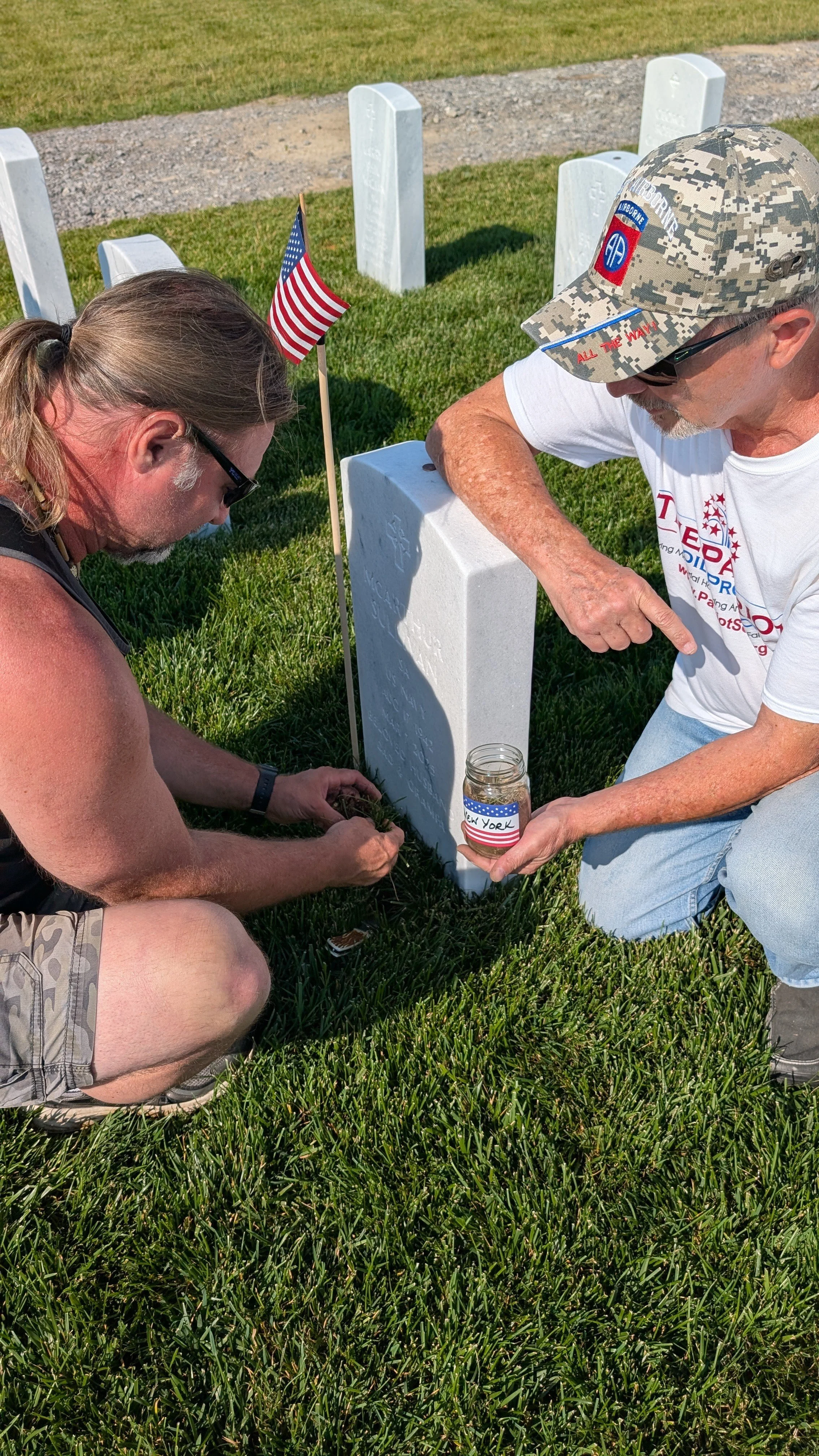
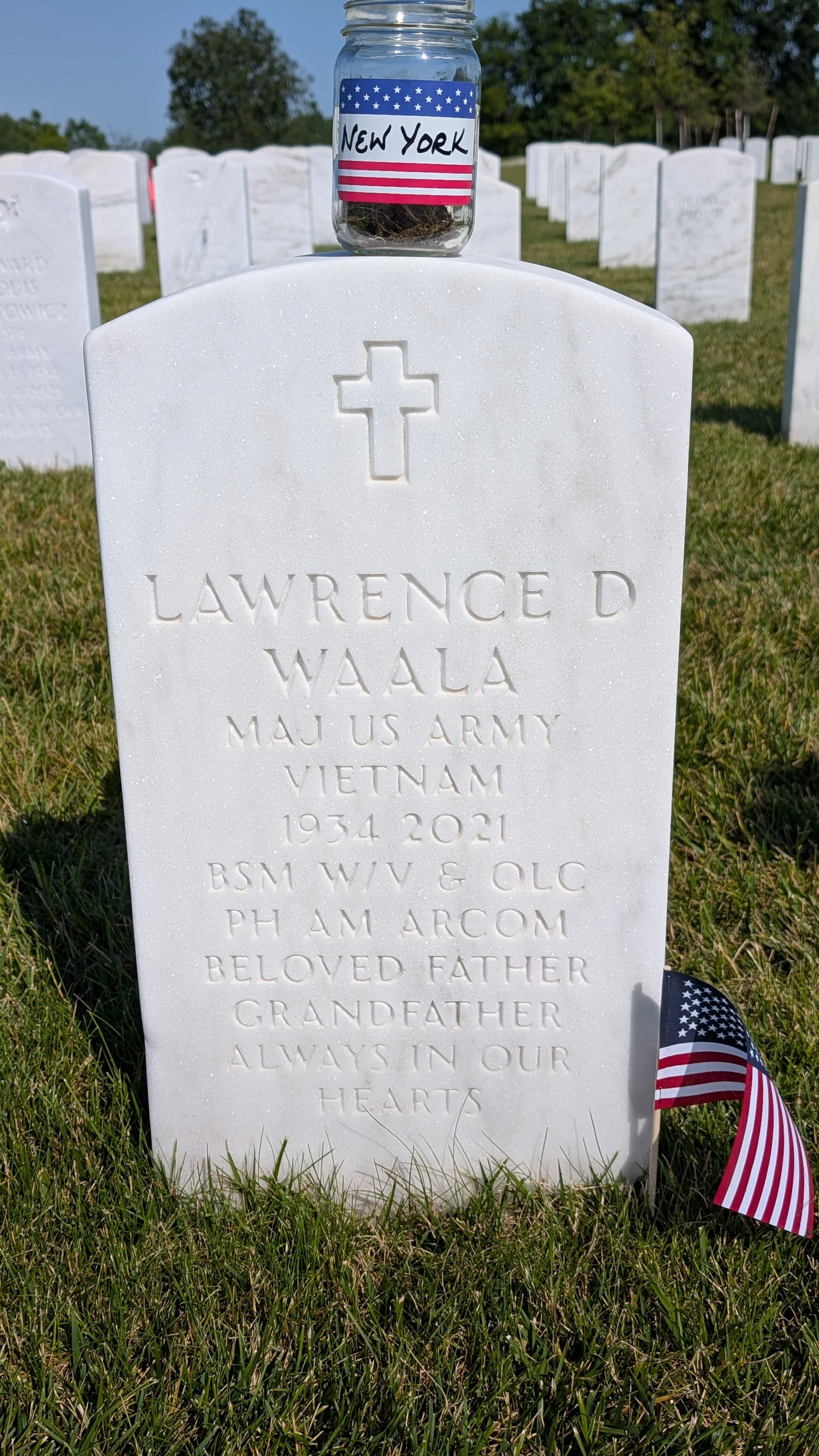
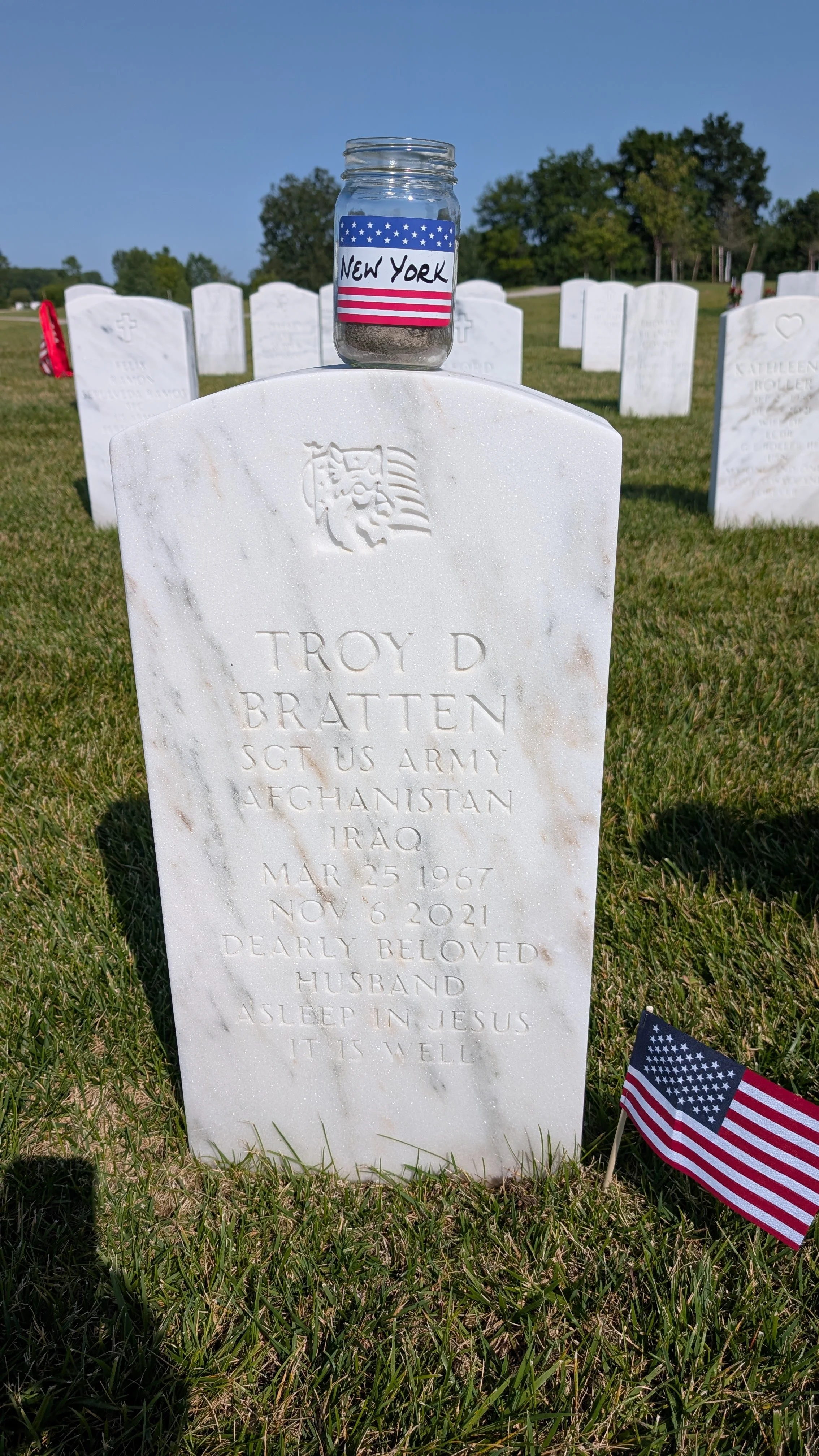
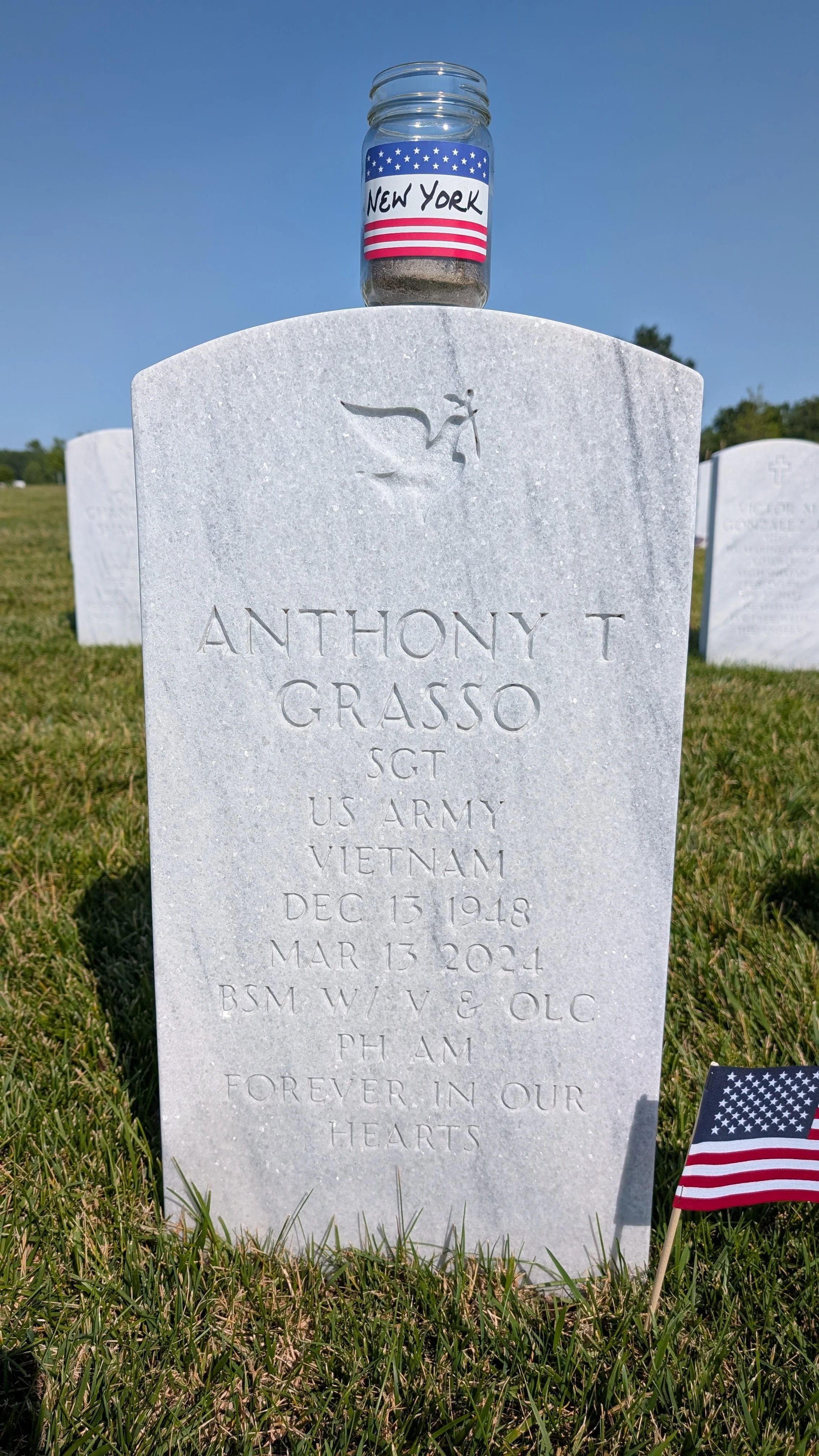
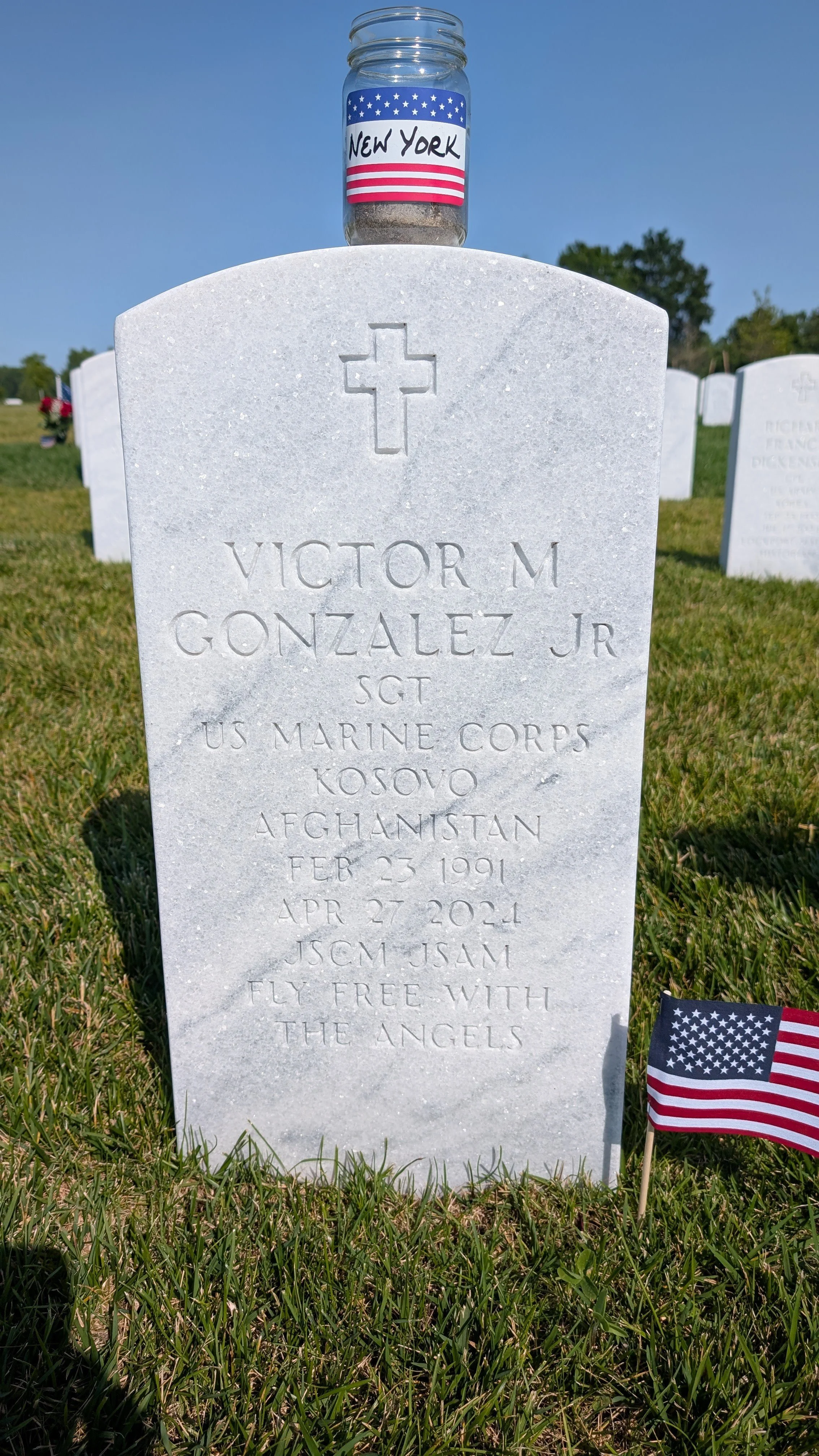
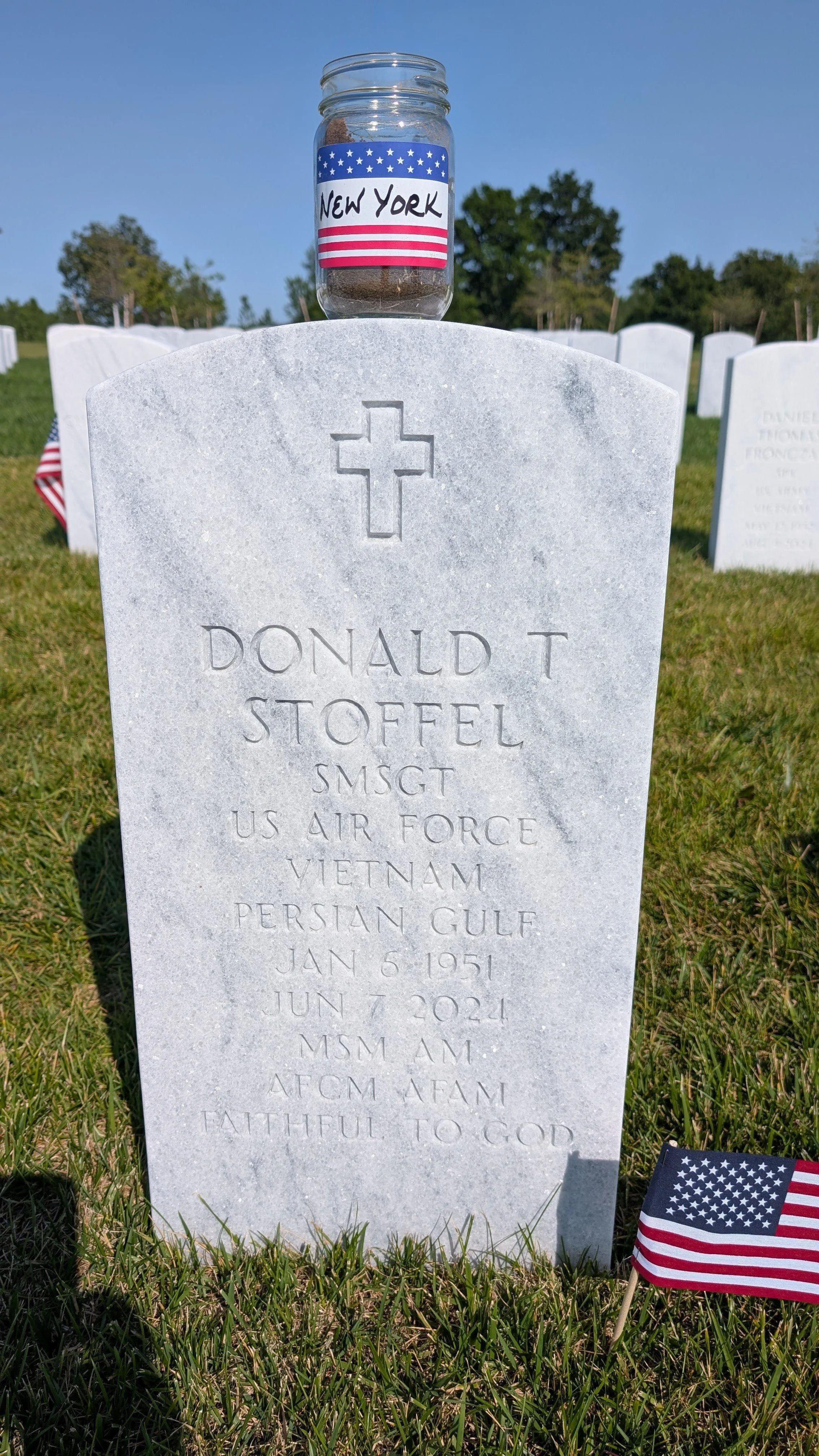
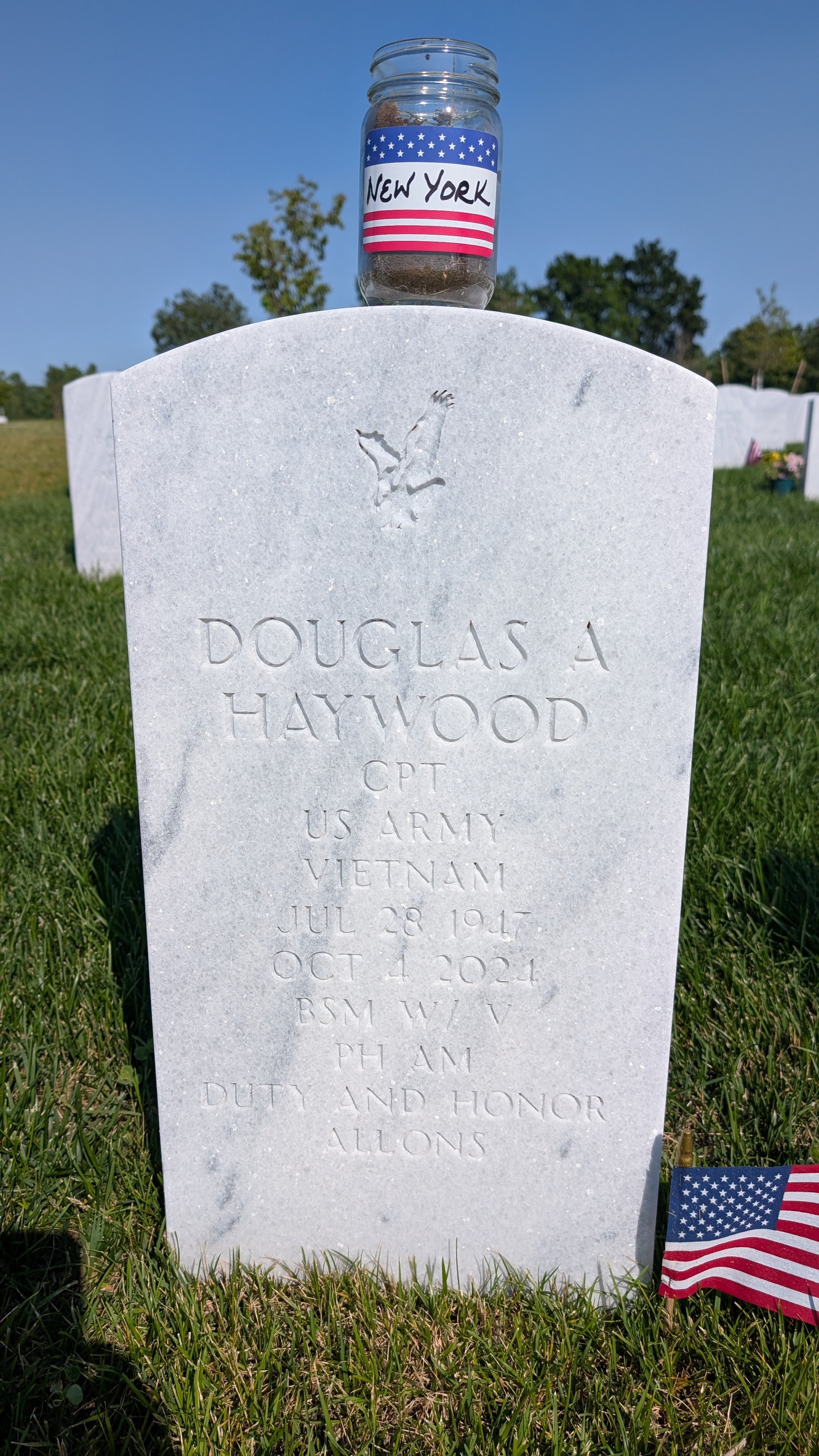
Western New York National Cemetery
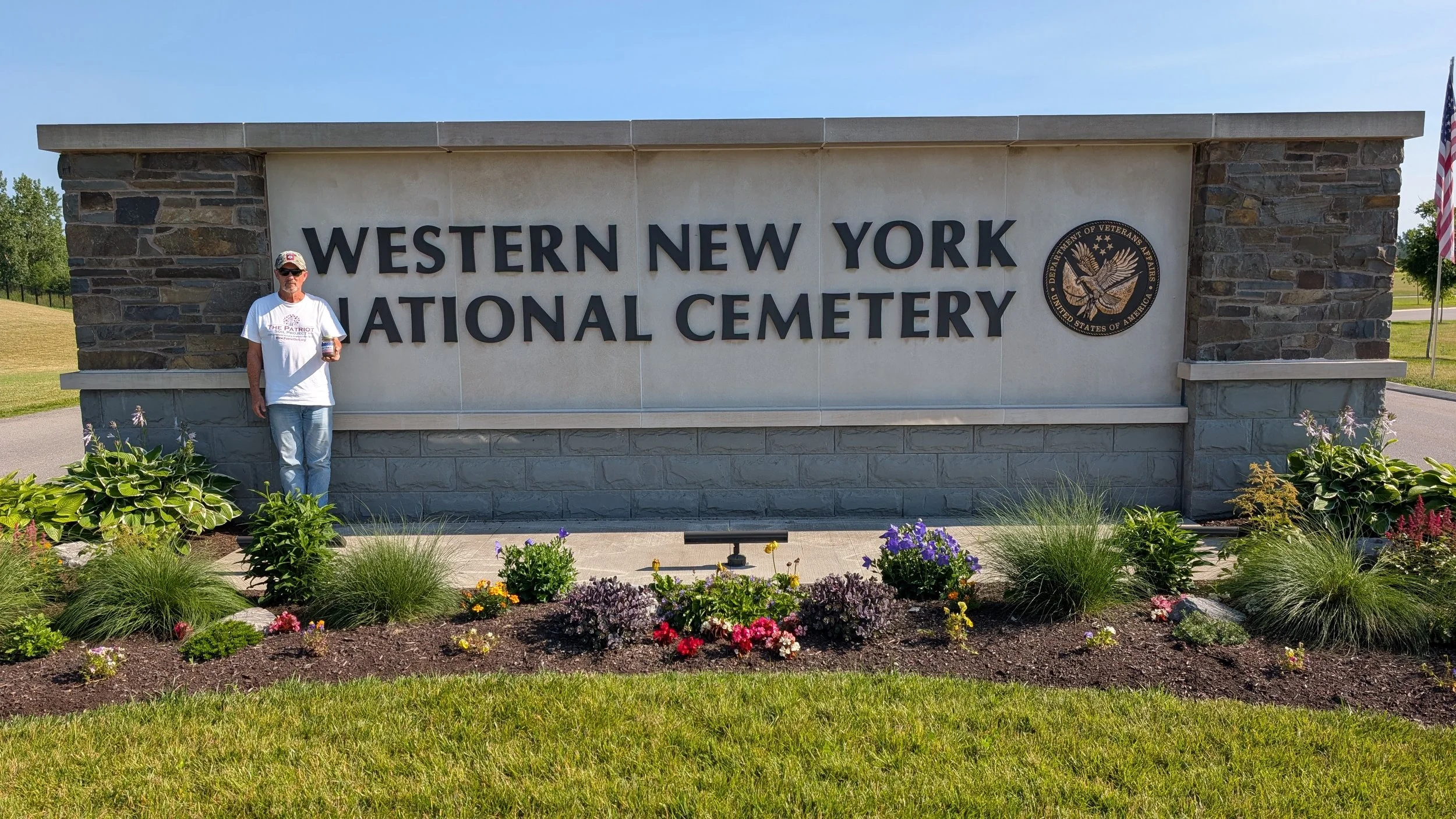
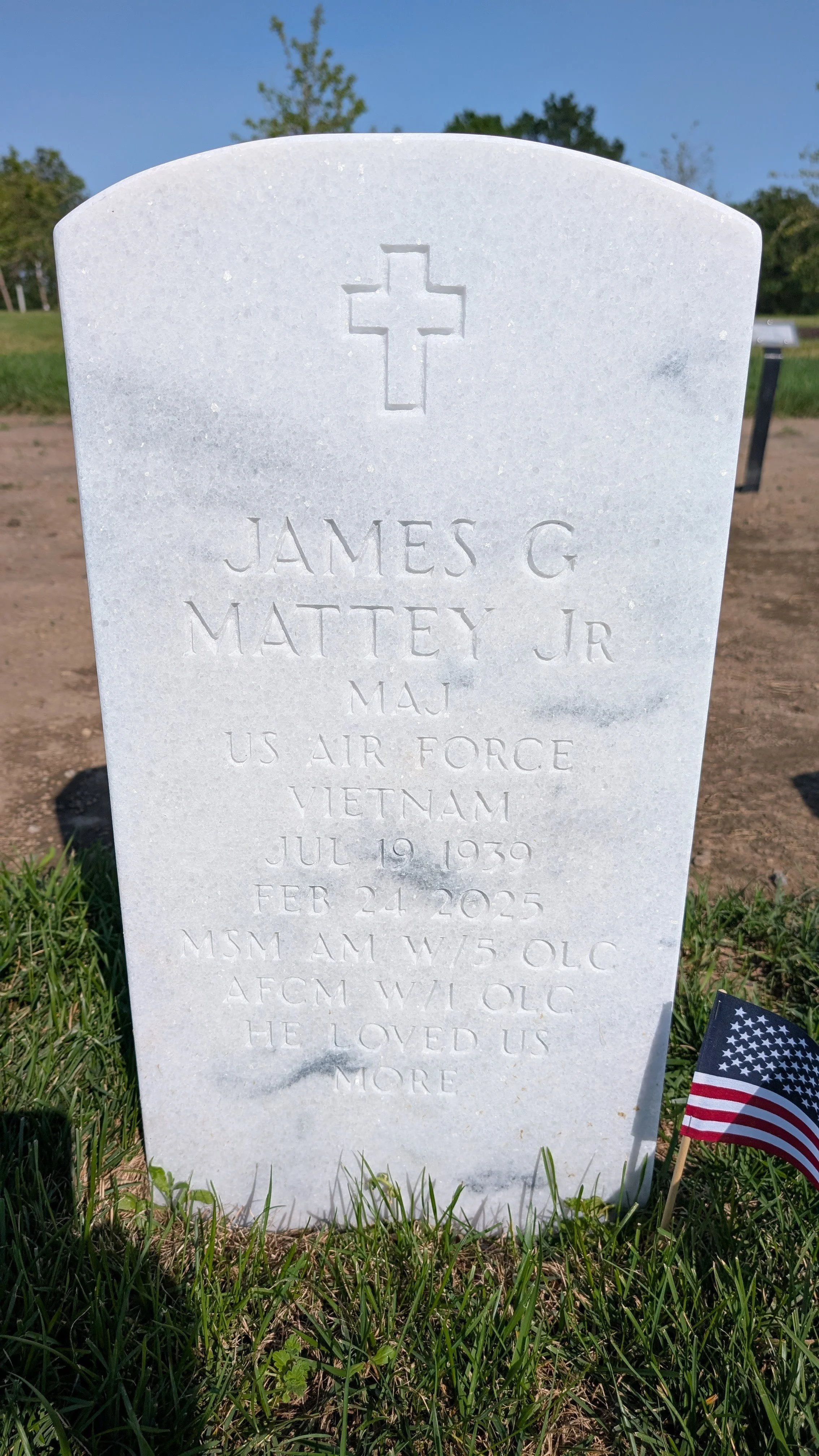
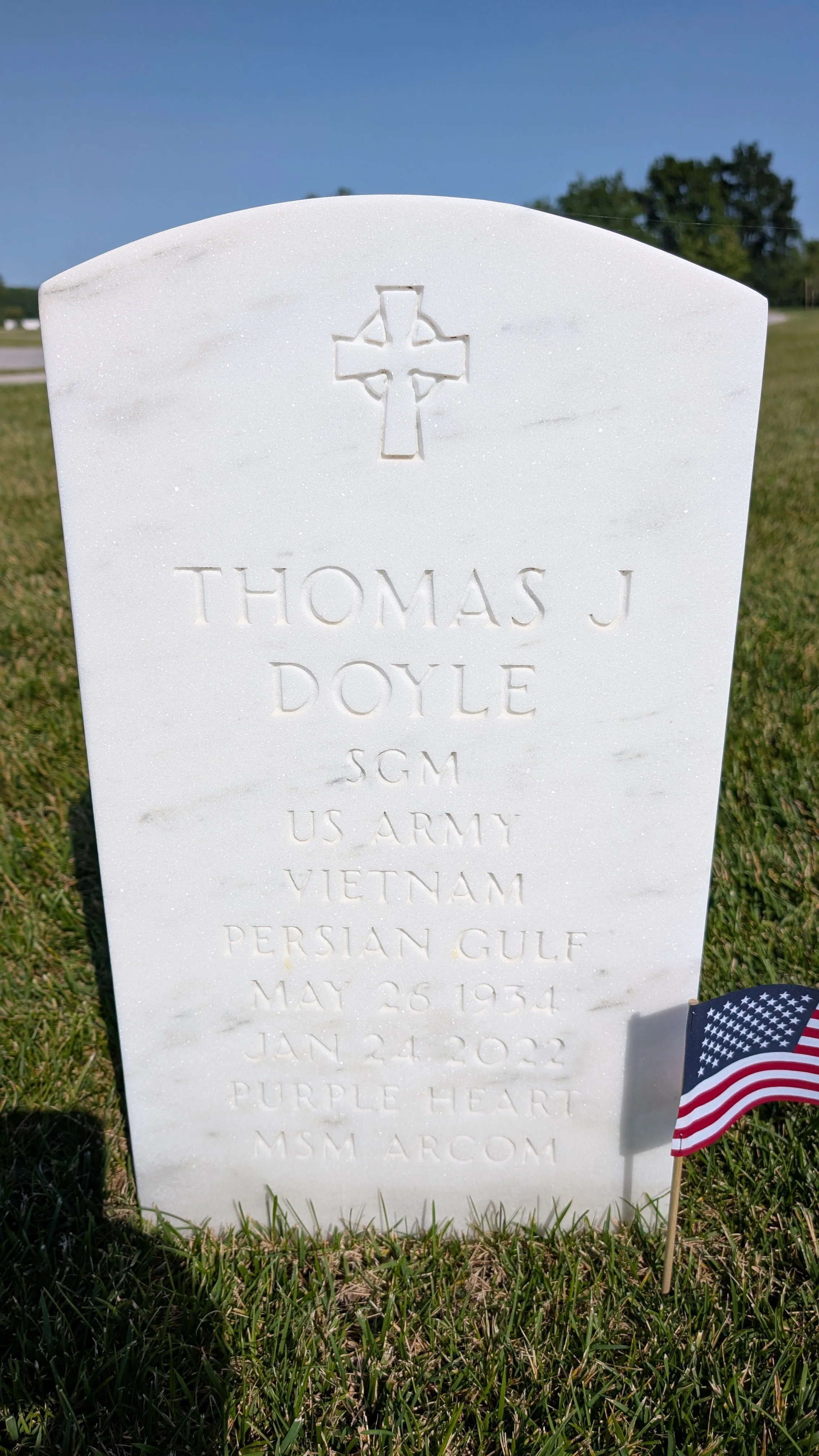
The Western New York National Cemetery is a U.S. Department of Veterans Affairs cemetery located in Corfu, New York, between Buffalo and Rochester. It was established in 2020 to provide a closer burial option for veterans and their families in the Western New York region, which previously relied on more distant national cemeteries.
The cemetery covers about 269 acres and is designed as a long-term burial site with both traditional graves and columbarium niches for cremated remains. It includes landscaped grounds, memorial walkways, and facilities for services and military honors.
It serves eligible U.S. veterans, their spouses, and dependents, offering full military burial honors. Most interments so far are recent veterans from conflicts ranging from World War II through the Iraq and Afghanistan eras.
As a newer national cemetery, it does not yet contain widely known historical figures, but it continues to grow as an active memorial site for veterans in the region.
Meadow Knoll Cemetery
Meadow Knoll Cemetery in Putnam County, New York, is a small rural burial ground that reflects the local history and family heritage of the surrounding community. Like many cemeteries in this part of the Hudson Valley, it developed to serve nearby residents rather than as a large municipal or commercial cemetery.
The cemetery is characterized by a modest, traditional layout with family plots and gravestones that span several generations, primarily from the 19th and early 20th centuries. Many of the interred are long-time local families, often tied to farming and small-town life in the region. As a result, it tends to be of interest more for genealogical and historical research than for notable public figures.
Over time, some of the older markers have weathered, which is typical for rural cemeteries of its age. The setting is quiet and understated, with a landscape that blends into the surrounding countryside rather than standing out as a maintained park-style cemetery.
Overall, Meadow Knoll Cemetery represents a piece of Putnam County’s local heritage—simple, community-based, and reflective of the everyday lives of the people who lived and died in the area over the past two centuries.
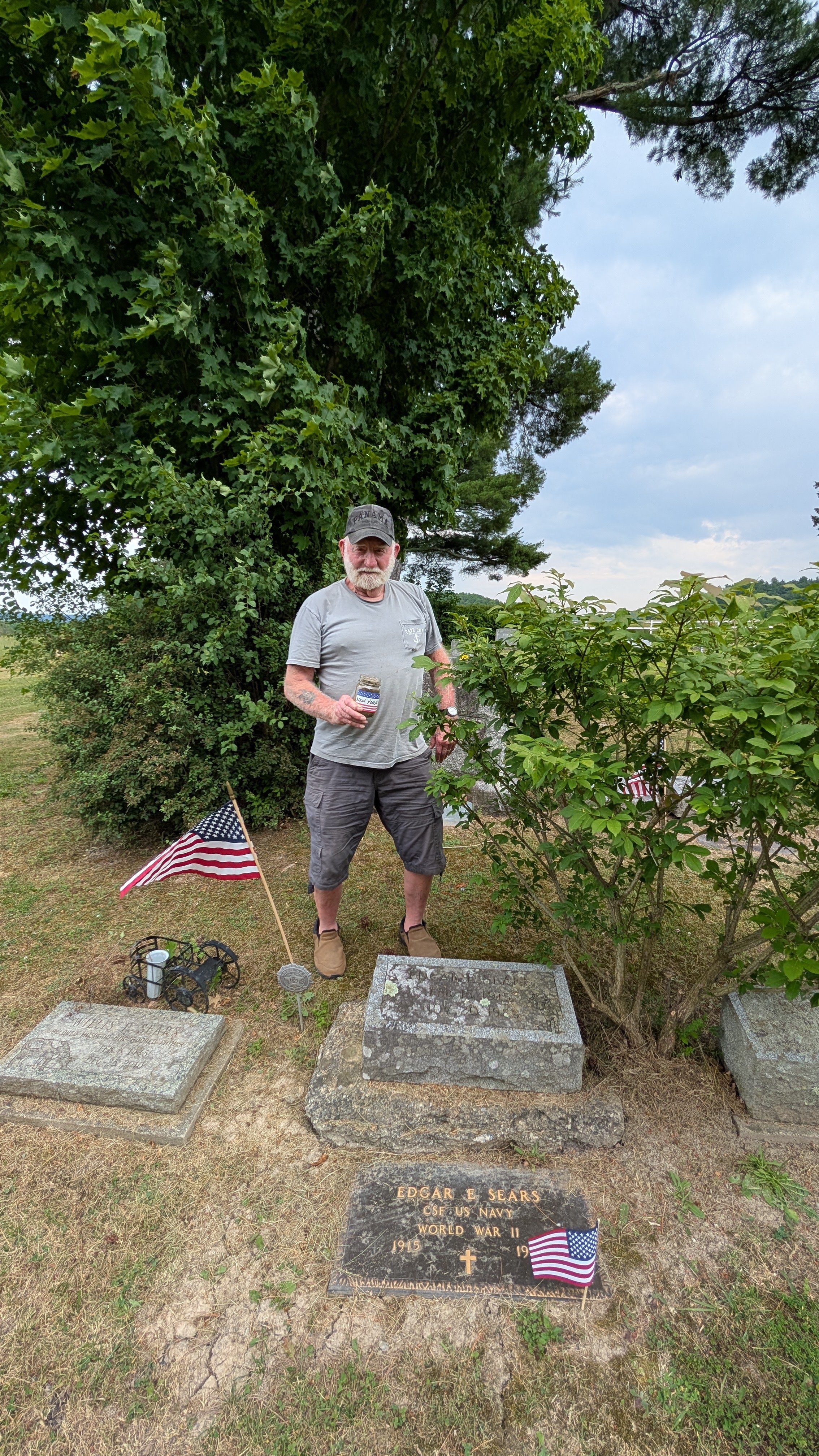
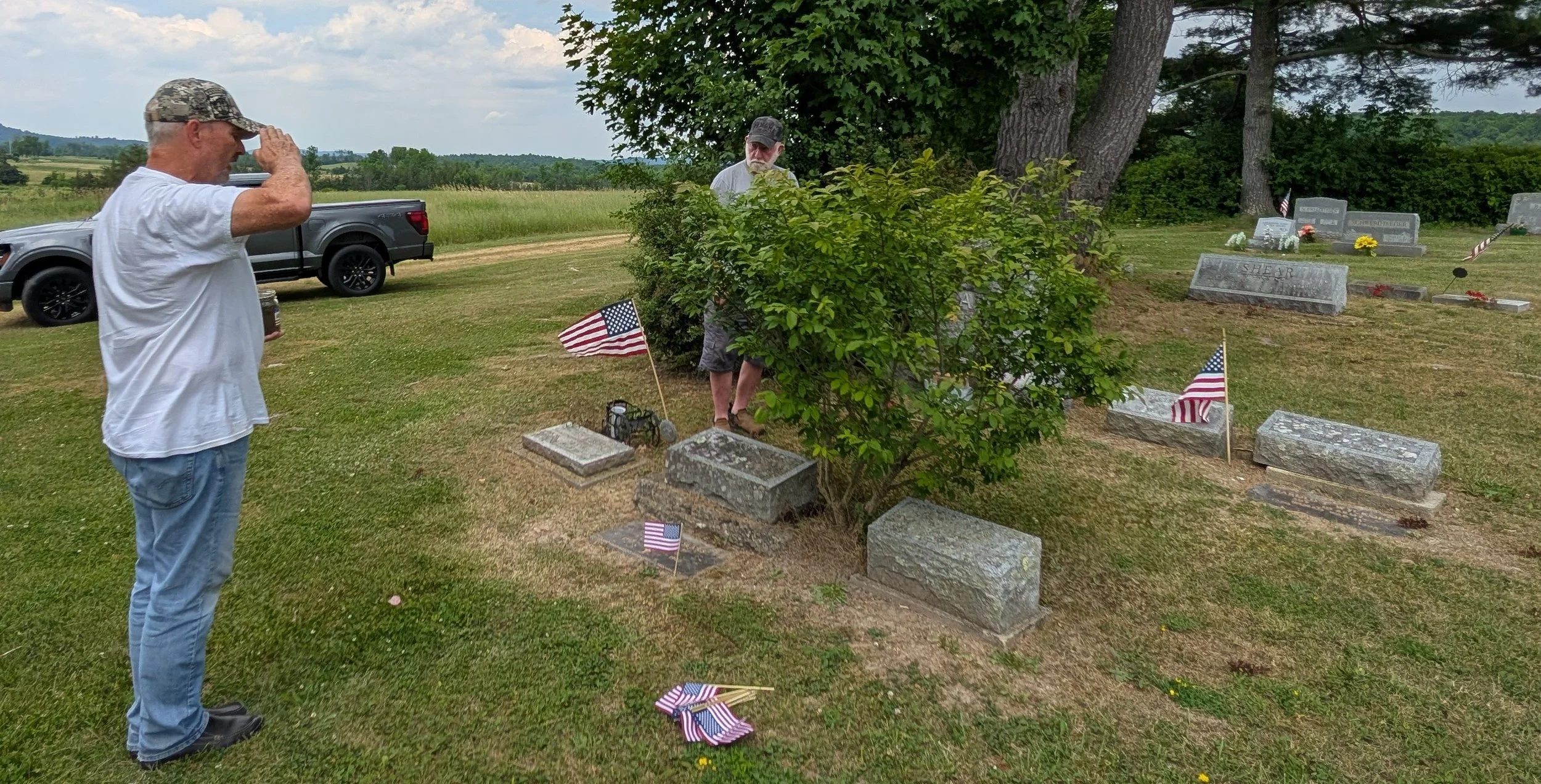
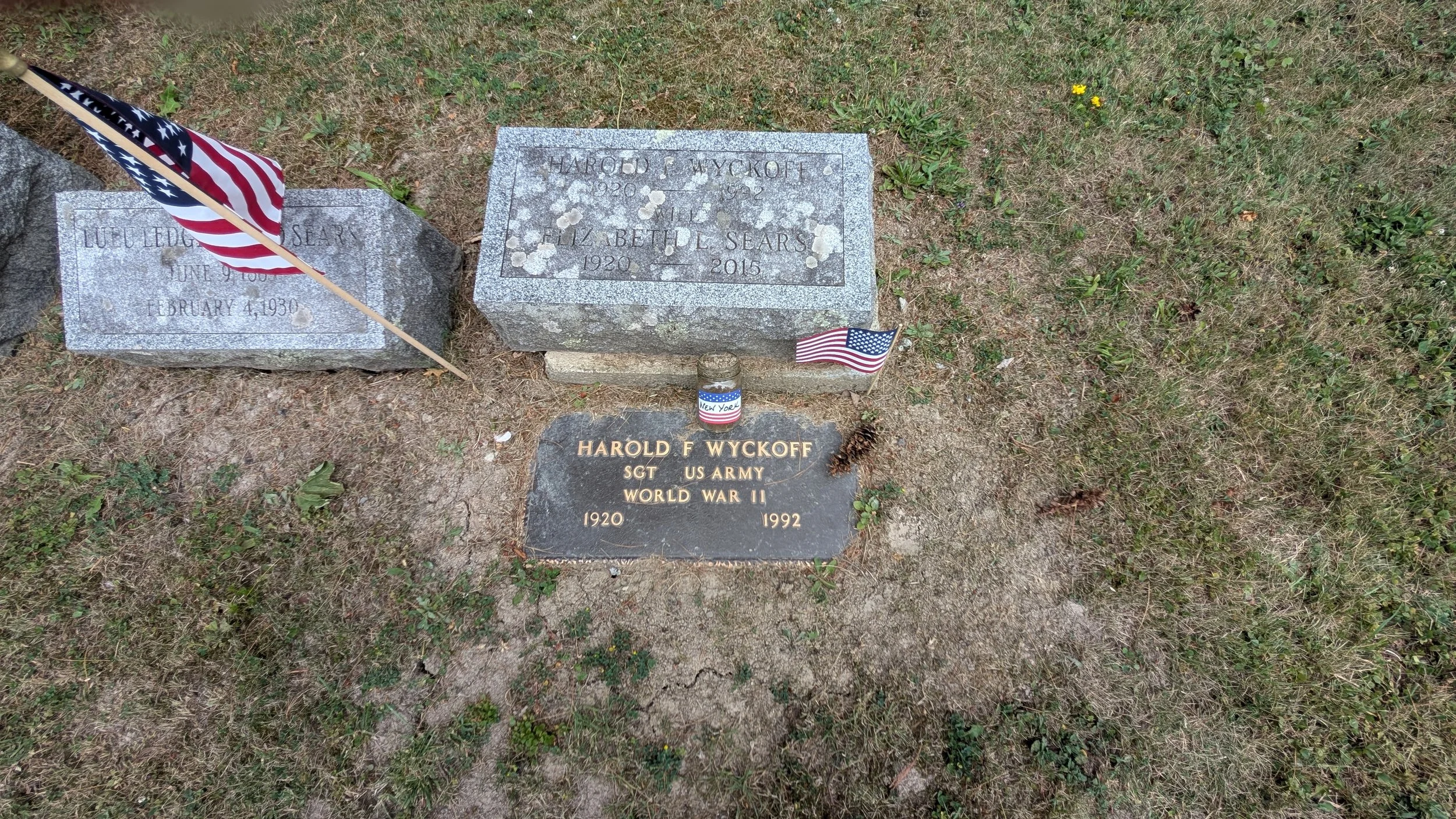
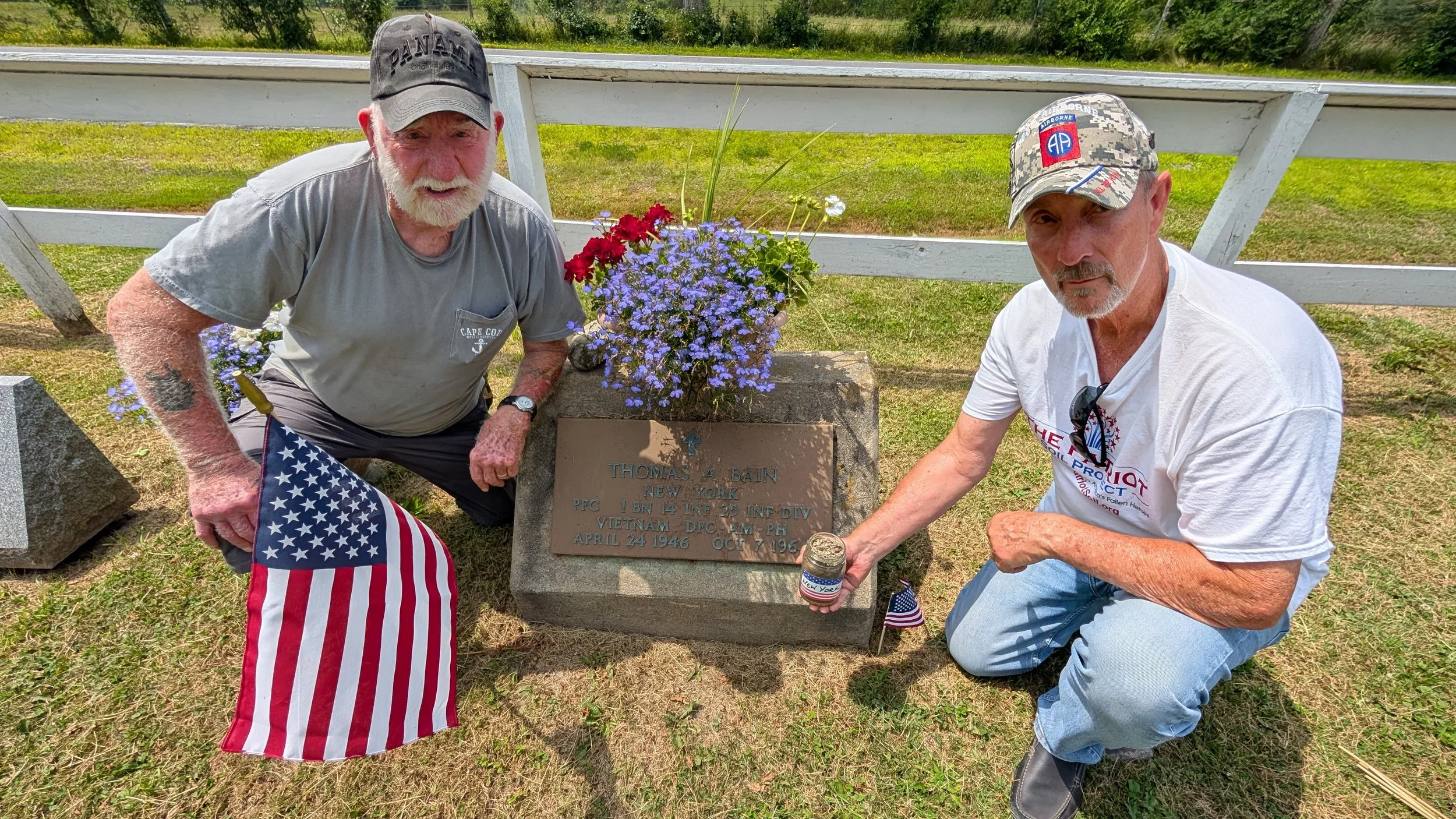
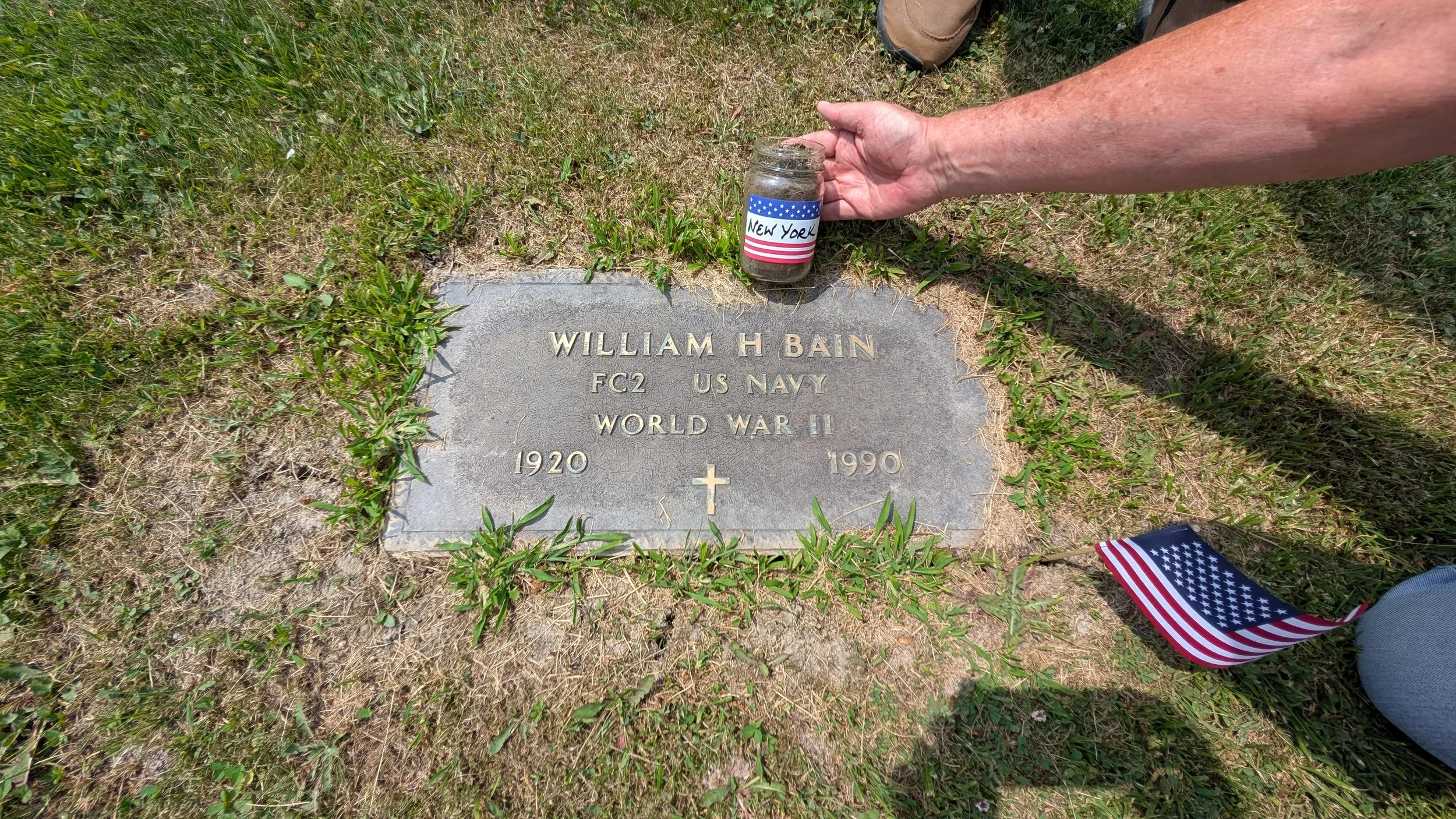
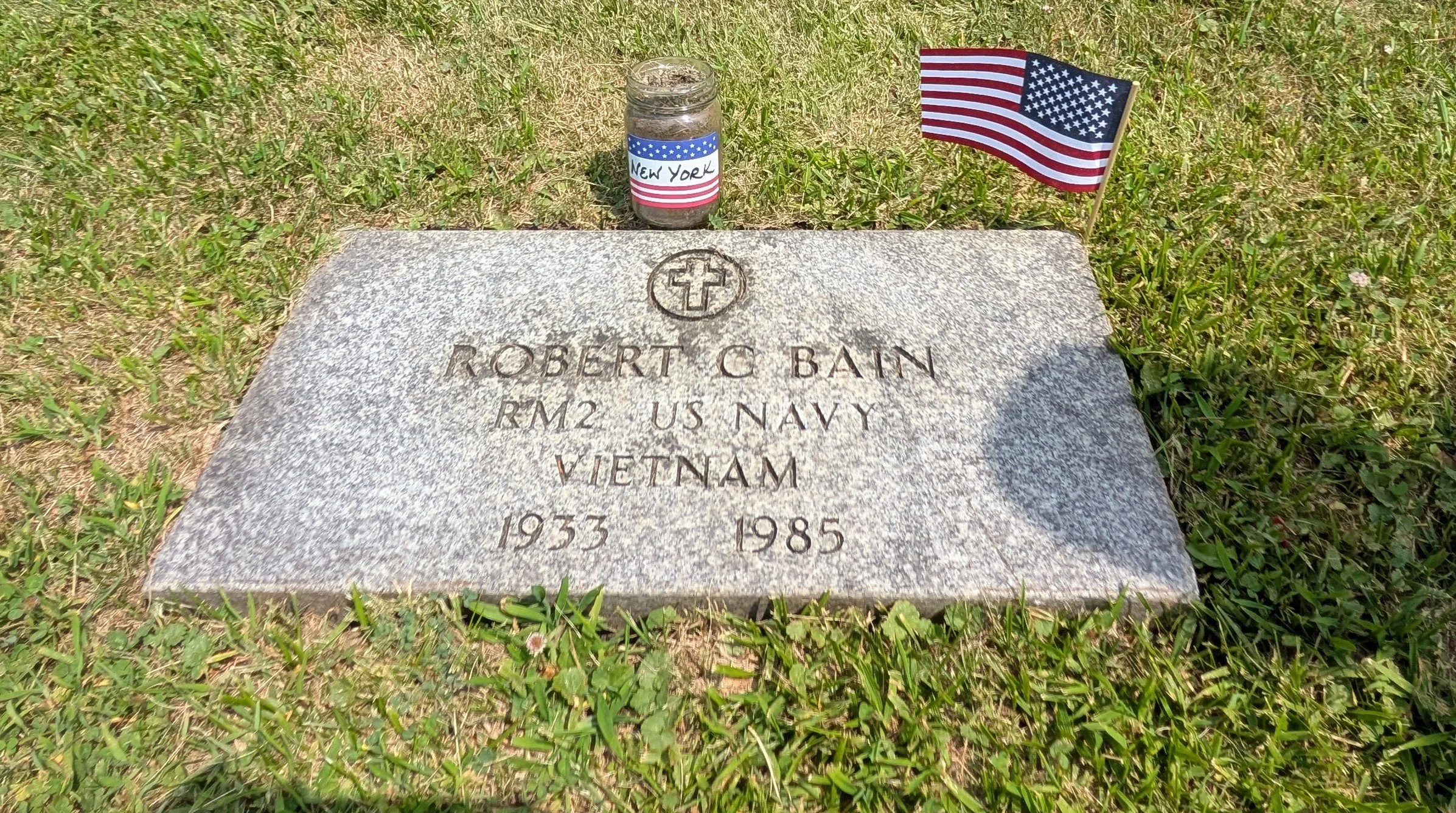
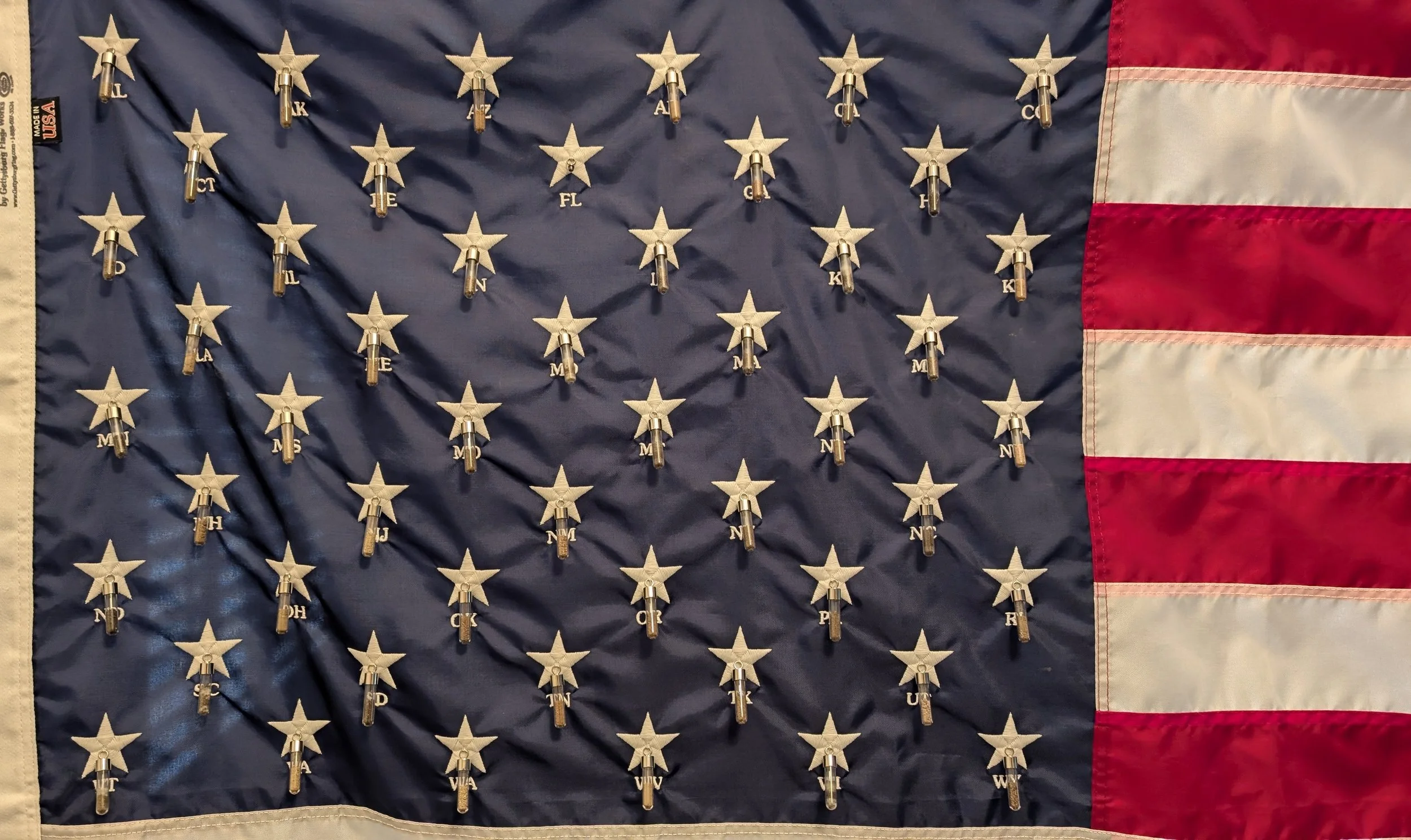
Soil MixingSoil collected from veteran resting places throughout the state is respectfully combined into a single blended collection, symbolizing the unity of all who served from that state.
Vial & State StarSoil collected from veteran resting places throughout the state is respectfully combined into a single blended collection, symbolizing the unity of all who served from that state.