NEW JERSEY
Beverly National Cemetery
Beverly National Cemetery is a historic U.S. military cemetery located in Burlington County, New Jersey, at 916 Bridgeboro Road in the Edgewater Park area near the Delaware River. It was established in 1863 during the Civil War, originally as a very small one-acre burial ground created to inter Union soldiers who died at a nearby military hospital.
Over time, it expanded significantly through the late 19th and early 20th centuries to its present size of about 64 acres, eventually becoming part of the national system of veterans cemeteries overseen by the U.S. Department of Veterans Affairs.
Today it contains more than 50,000 burials representing a wide span of American military history, including Civil War soldiers, Spanish–American War veterans, and service members from both World Wars as well as the Korean and Vietnam Wars. Among its interments are Civil War-era Medal of Honor recipients, which adds to its historical importance, though it does not contain many widely recognized public figures and is instead significant primarily as an early and long-standing veterans burial site.
Because of its age and historical value, it was listed on the National Register of Historic Places in 1997. The cemetery is generally closed to new full interments except in limited cases such as existing family plots, but it remains open to visitors daily and is still actively maintained as both a working veterans cemetery and a preserved historic site honoring generations of U.S. military service members.


New Jersey Veterans Memorial Cemetery
The New Jersey Veterans Memorial Cemetery at Sparta (also known as the Northern New Jersey Veterans Memorial Cemetery) is a state-affiliated veterans burial ground in Sparta, Sussex County, New Jersey. It is dedicated to providing a dignified final resting place for eligible U.S. military veterans and their qualifying family members.
Unlike nearby civilian cemeteries such as Sparta Cemetery, this site is specifically reserved for those who have served in the armed forces. Burials typically include veterans from major conflicts such as World War II, the Korean War, and the Vietnam War, as well as later-era service members from all branches of the military. Eligibility generally extends to honorably discharged veterans, and in many cases, their spouses and dependents as well.
The cemetery is relatively modern and still developing, meaning it has hundreds (rather than tens of thousands) of interments and does not yet contain widely known national figures or historically prominent individuals. Instead, it primarily honors everyday service members, many of whom were from northern New Jersey communities.
Its design and operation emphasize military honor and uniformity, with standardized grave markers, organized burial sections, and the provision of military funeral honors such as flag presentation and taps when available. The cemetery exists to serve families locally, reducing the need to travel long distances to larger national cemeteries while ensuring veterans receive respectful recognition.
Overall, the Sparta veterans cemetery functions as a regional memorial site focused on honoring ordinary military service, rather than a historic landmark or burial place of notable public figures.


Harleigh Cemetery
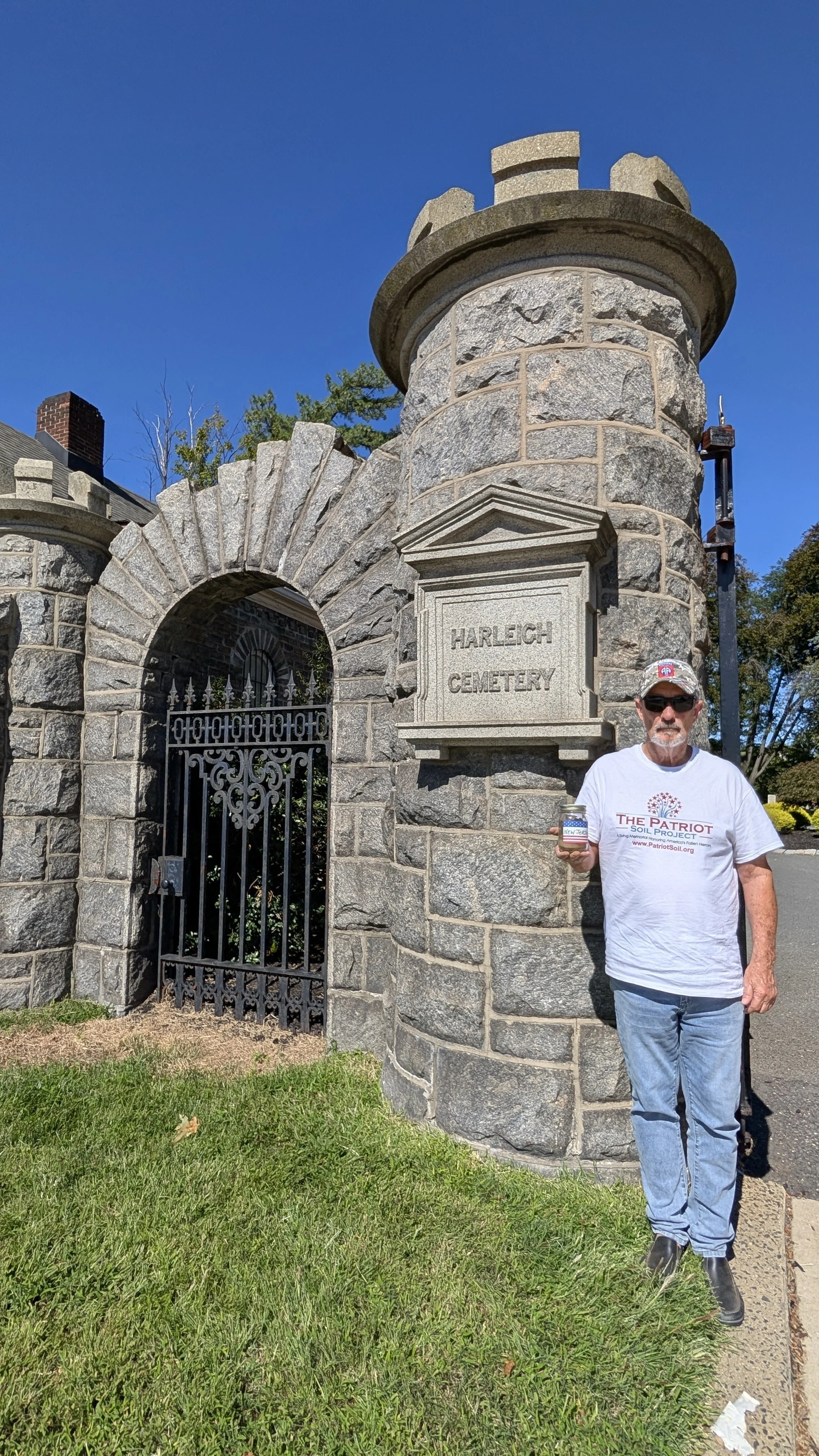
Harleigh Cemetery, located in Camden, New Jersey, was established in 1885 and is one of the region's significant historic cemeteries. Created during the nineteenth-century rural cemetery movement, Harleigh was designed as more than a place of burial. Its winding roads, mature trees, landscaped grounds, monuments, and mausoleums create a peaceful setting for remembrance while reflecting the architectural and artistic traditions of its time.
What makes Harleigh special is the remarkable combination of history, art, literature, military heritage, and local memory preserved within its grounds. Among its most famous residents is Walt Whitman, one of America's greatest poets. Whitman spent his final years in Camden, and his distinctive tomb has become an important literary landmark.
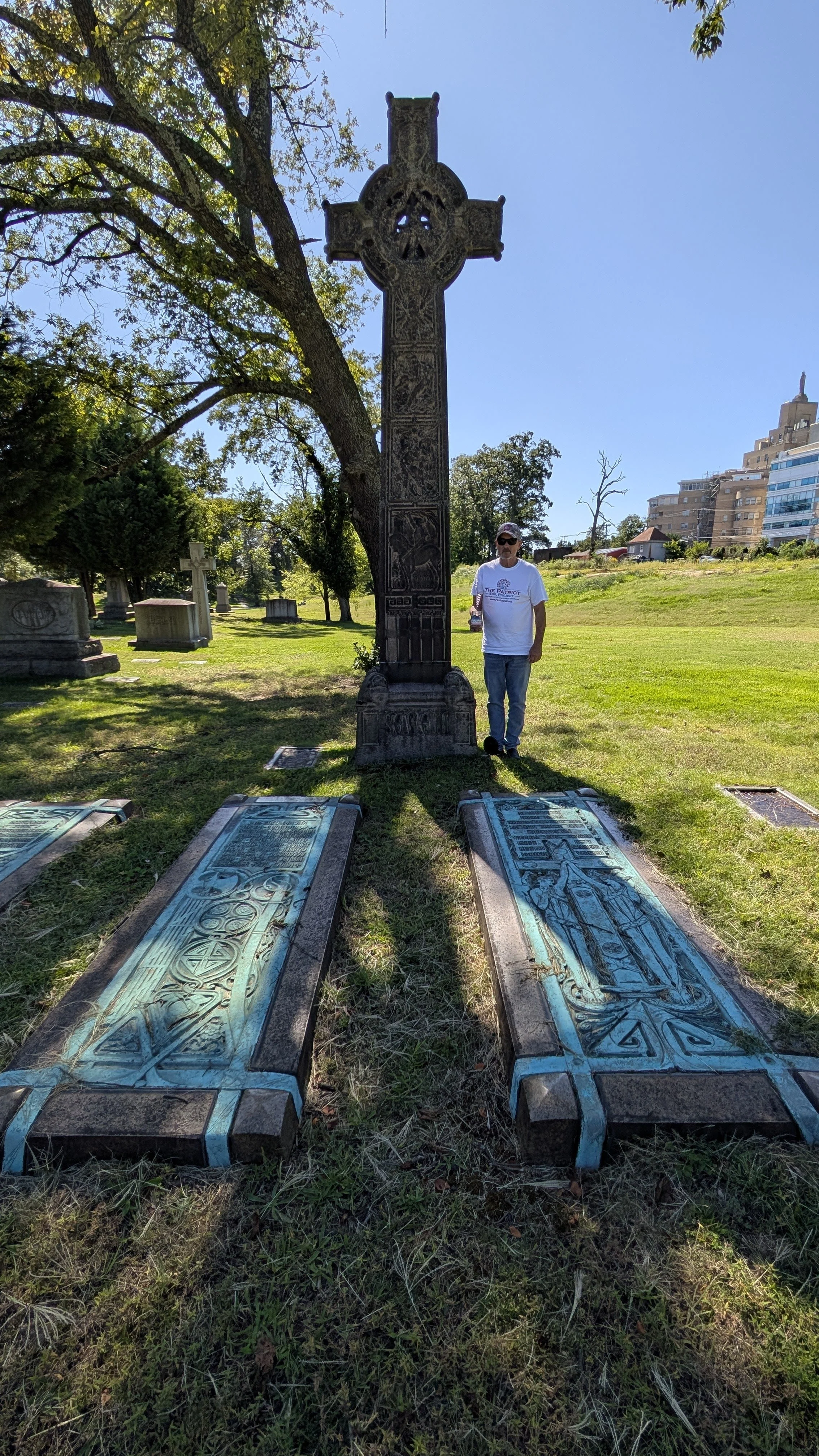
Harleigh is also deeply connected to Civil War history. Among the veterans buried here is William Joyce Sewell, who served as colonel of the 5th New Jersey Volunteer Infantry and distinguished himself at the Battle of Chancellorsville. Despite being wounded, Sewell continued to lead his men and was later awarded the Medal of Honor. He went on to become a prominent New Jersey political figure and a United States senator.
Sewell's grave is marked by a monumental Celtic cross designed by Alexander Stirling Calder, an important American sculptor. The cross is both a tribute to Sewell and an outstanding example of funerary art. The Patriot Soil Project has also recognized Sewell's legacy by collecting soil from his resting place as part of its effort to preserve and honor the memory of American patriots.
Beyond these notable figures, Harleigh preserves the stories of countless veterans, civic leaders, families, and generations of Camden residents. Its monuments and landscape provide a visual record of more than a century of local and American history.
Harleigh is special because it is more than a cemetery. It is a historic landscape where literature, military service, politics, art, architecture, and community history come together in one remarkable place.
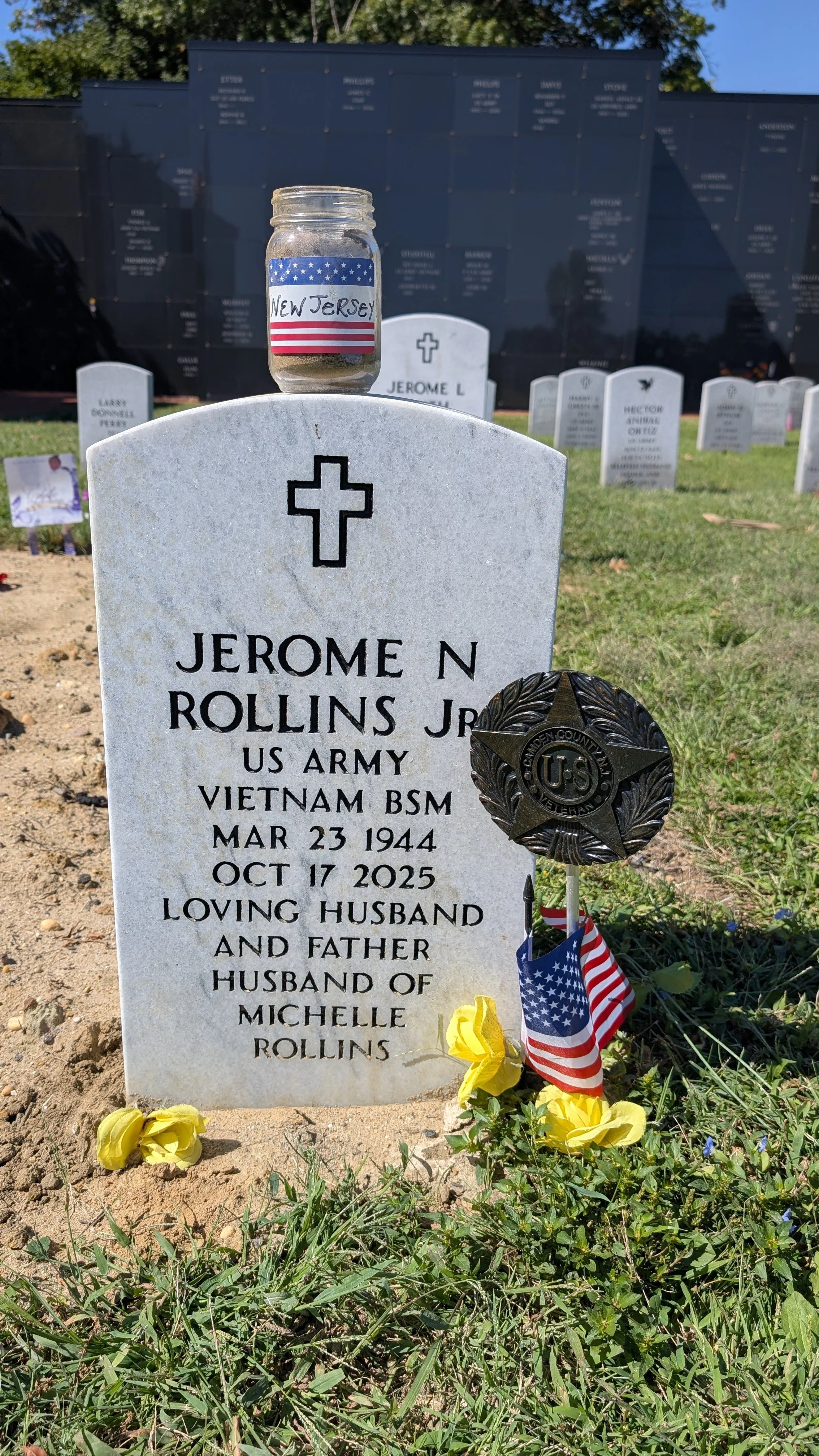
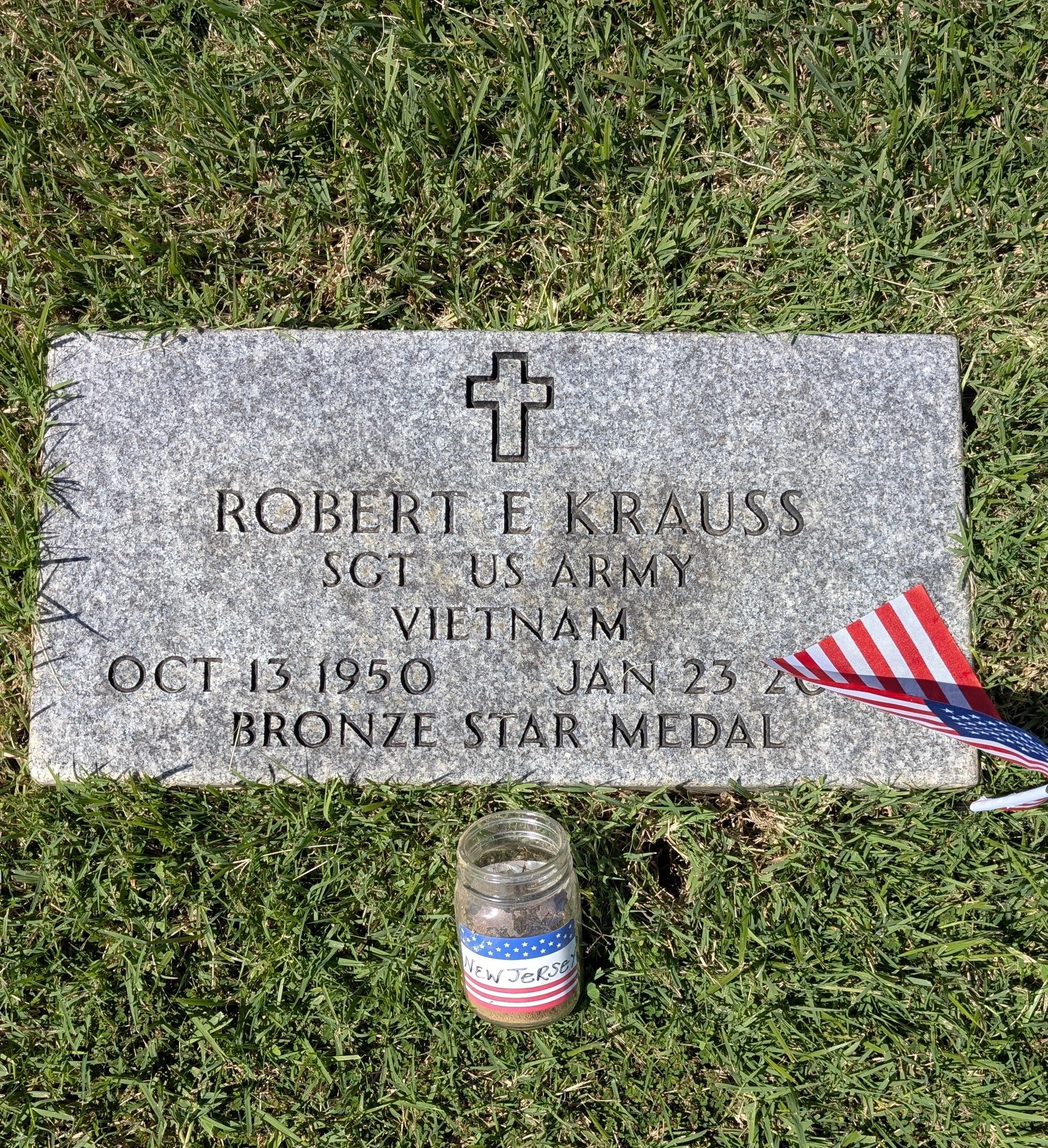
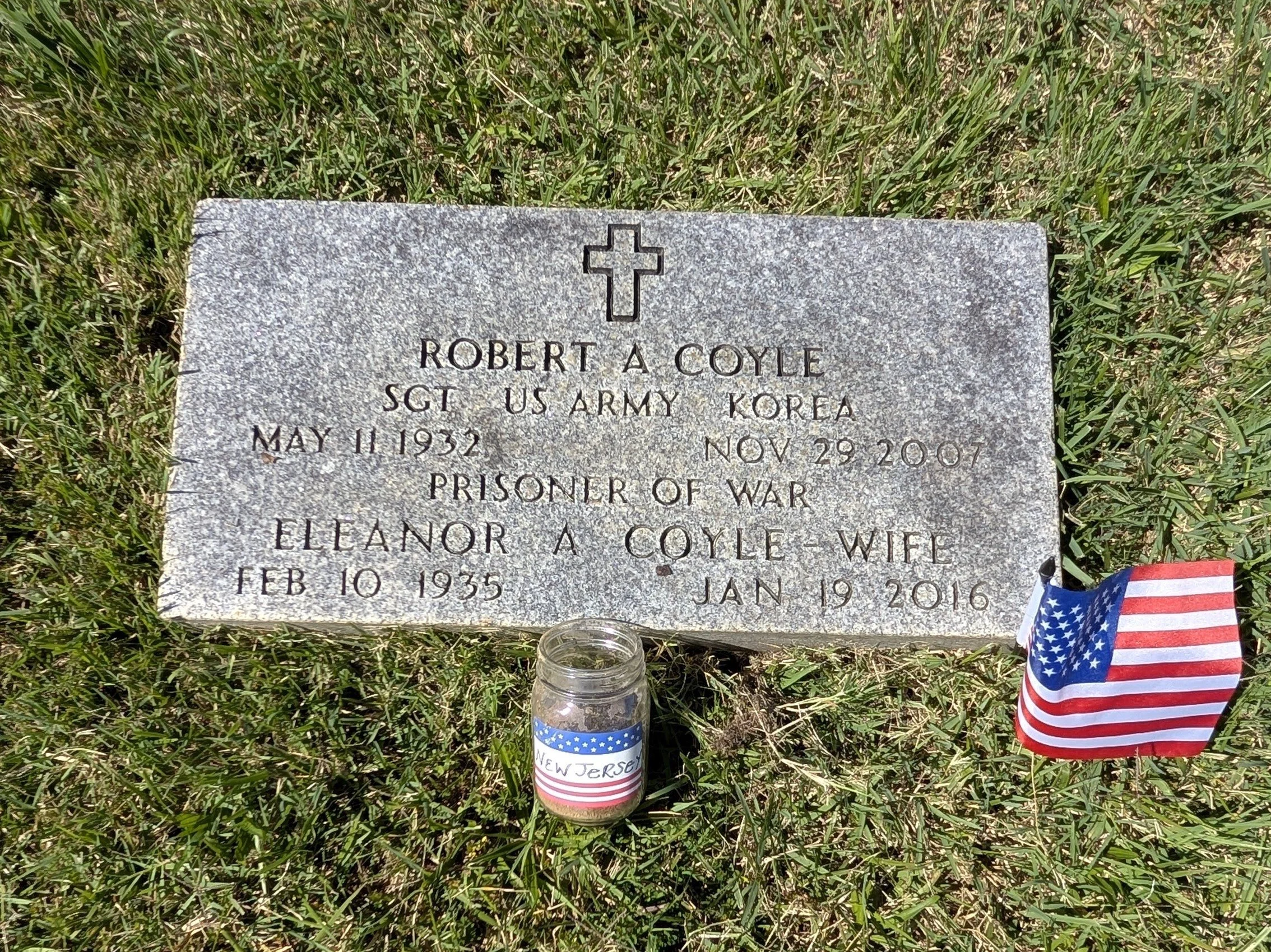
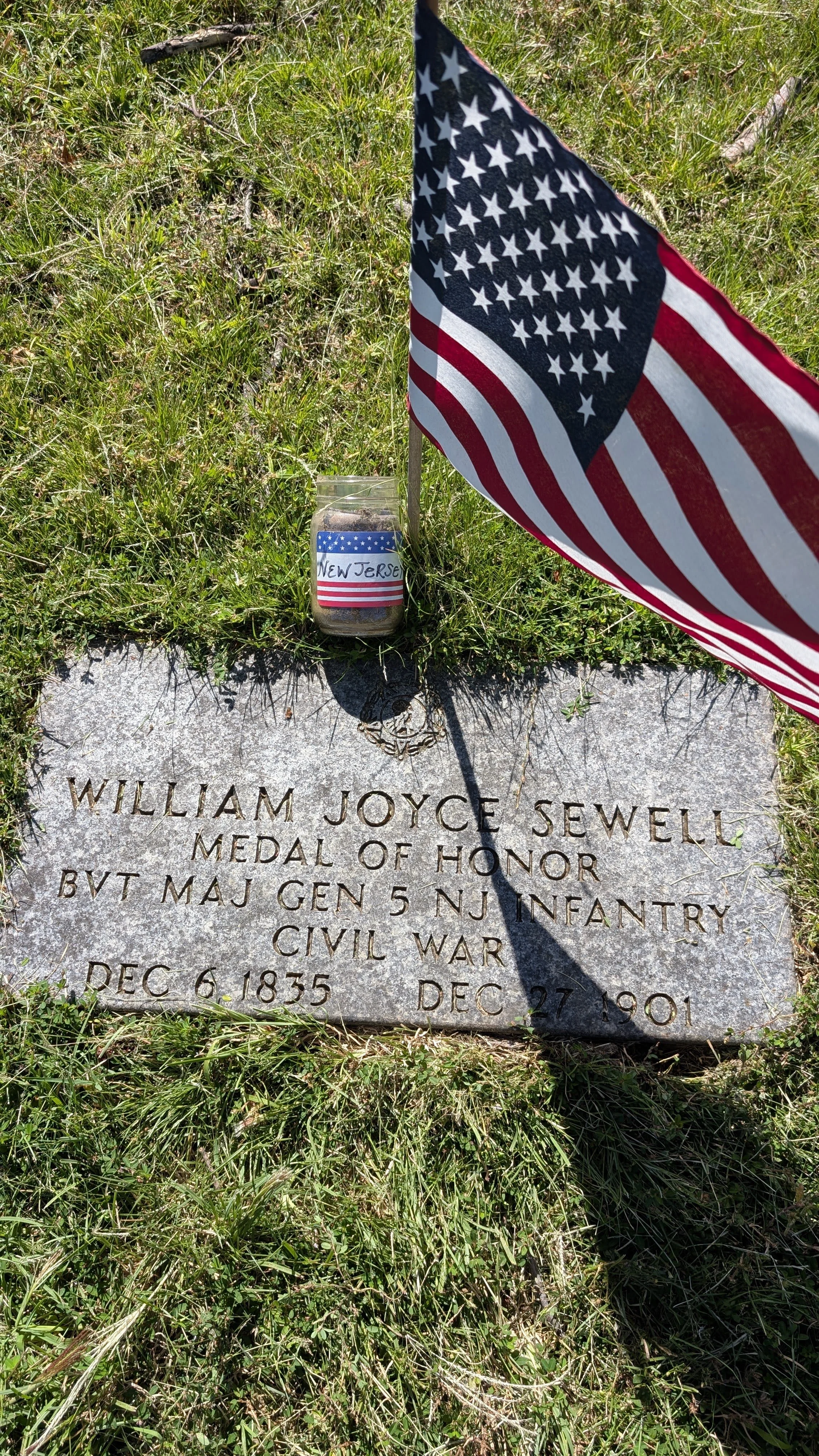
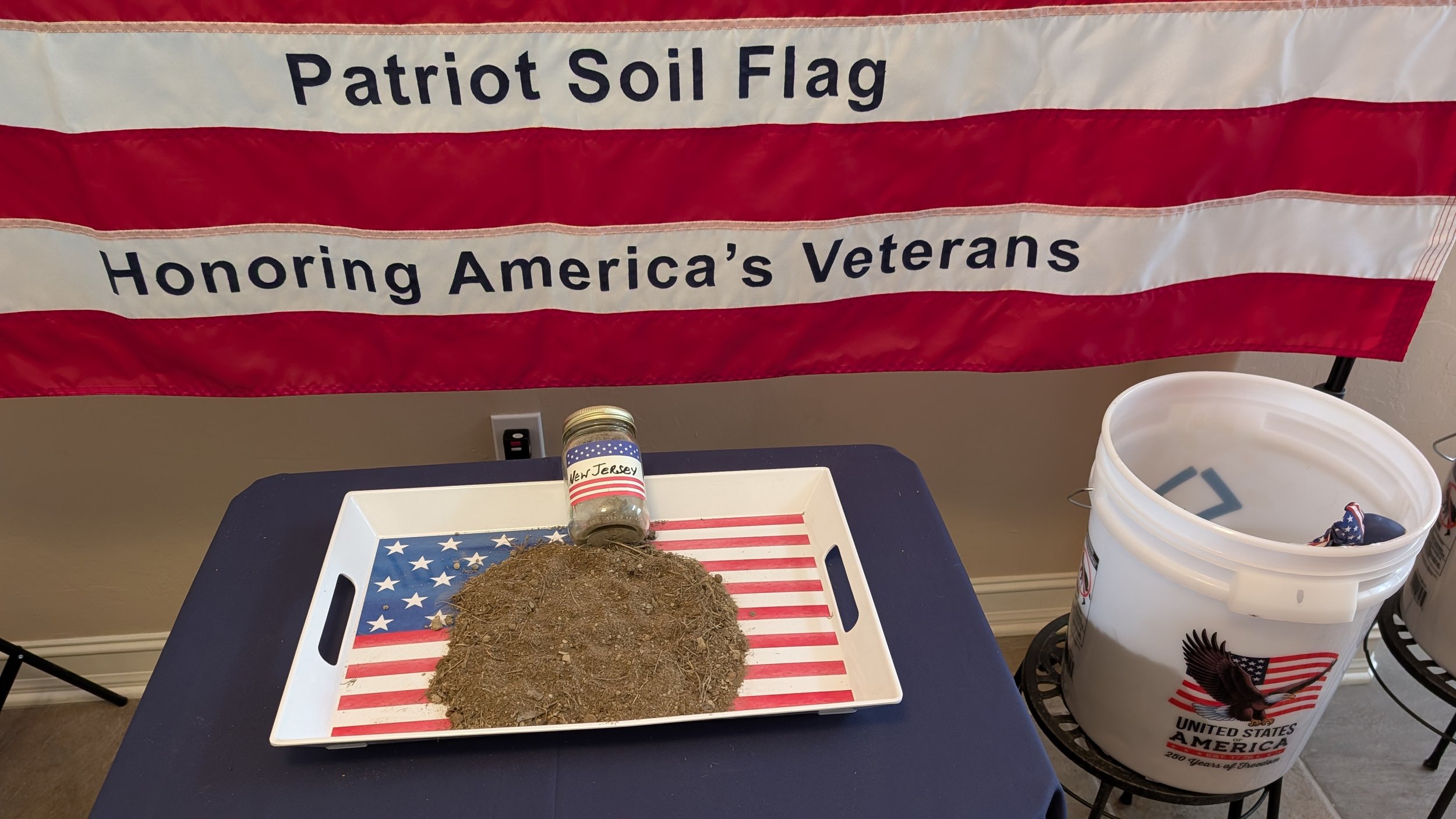
Soil MixingSoil collected from veteran resting places throughout the state is respectfully combined into a single blended collection, symbolizing the unity of all who served from that state.
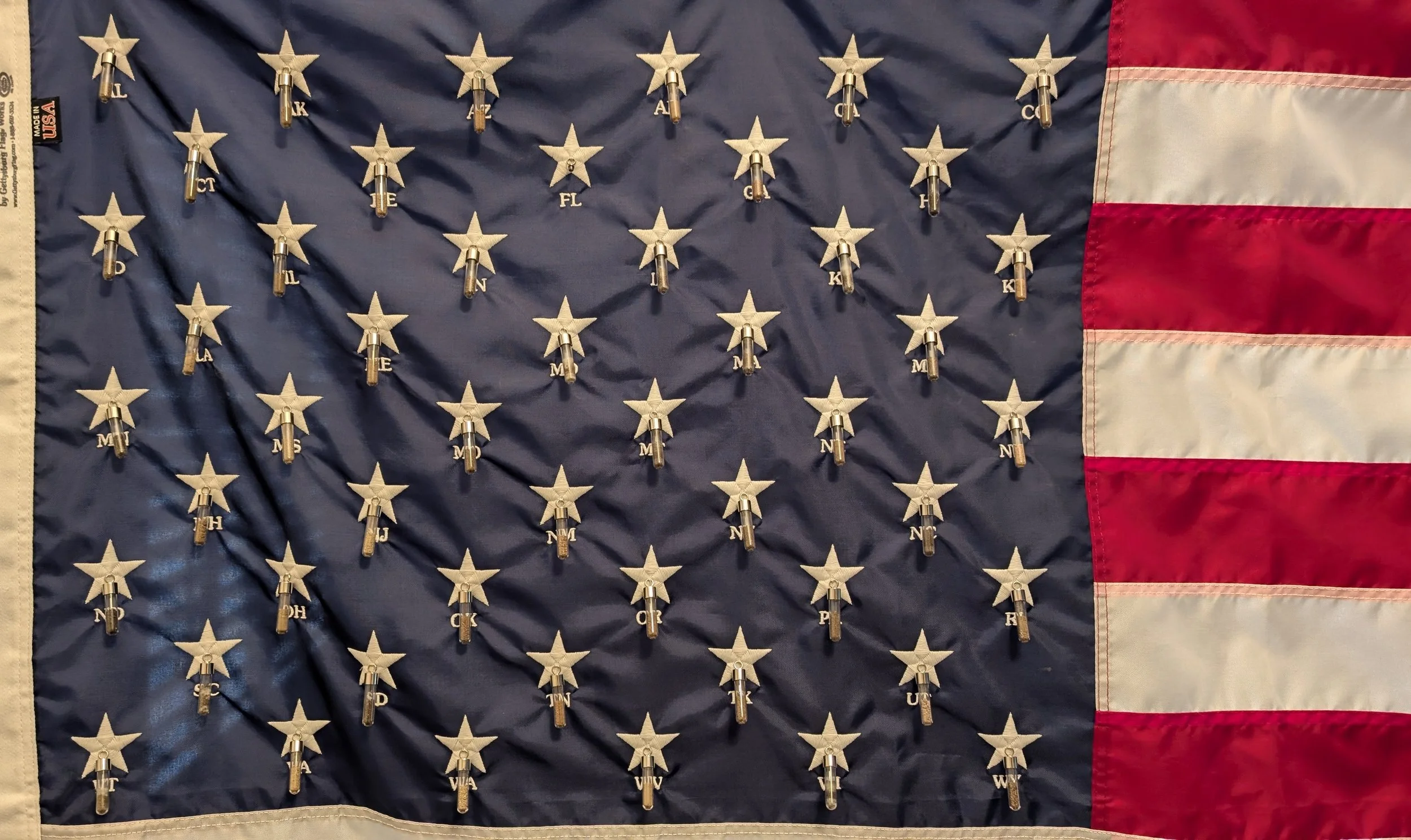
Vial & State StarSoil collected from veteran resting places throughout the state is respectfully combined into a single blended collection, symbolizing the unity of all who served from that state.