MISSOURI
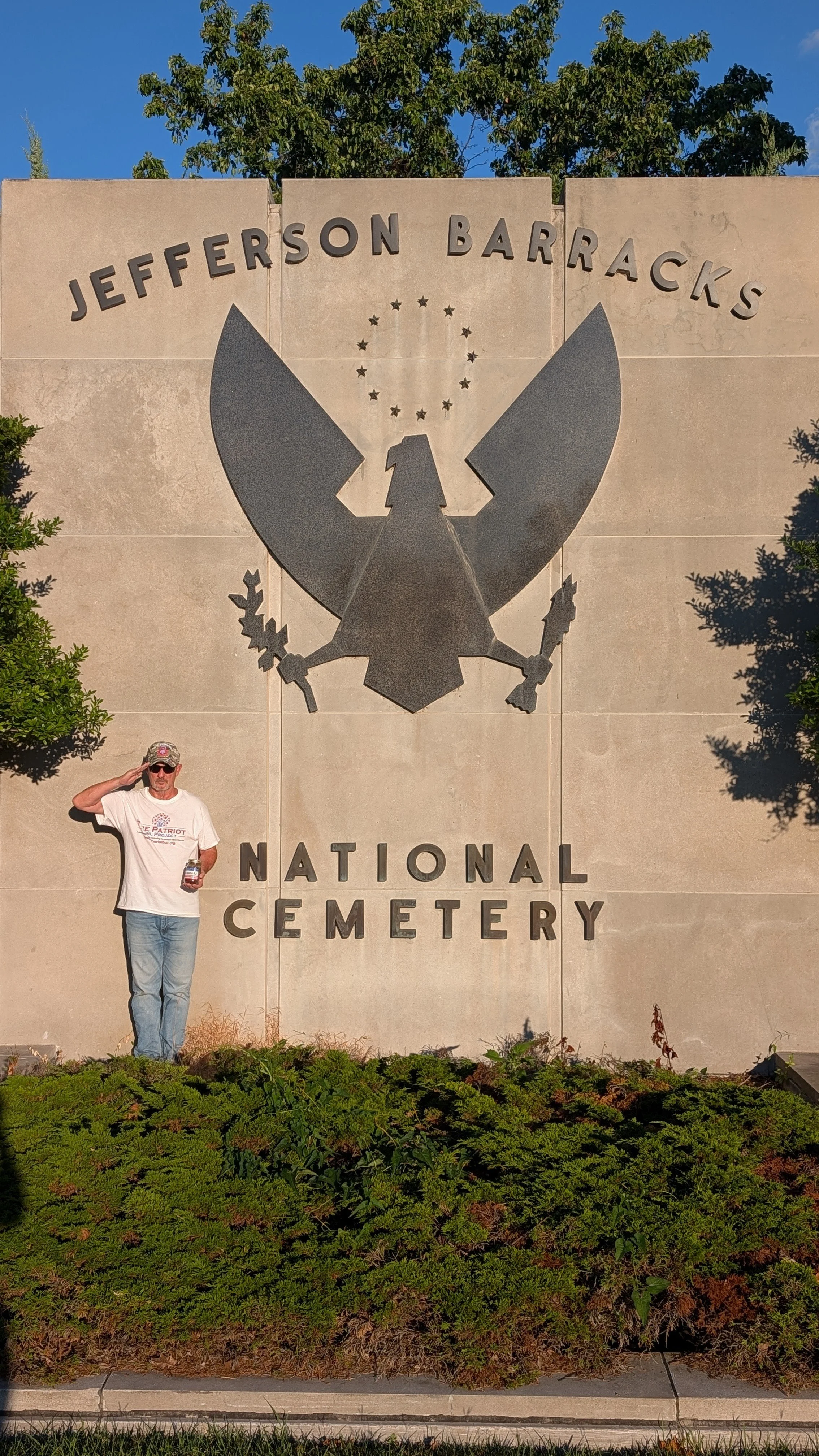
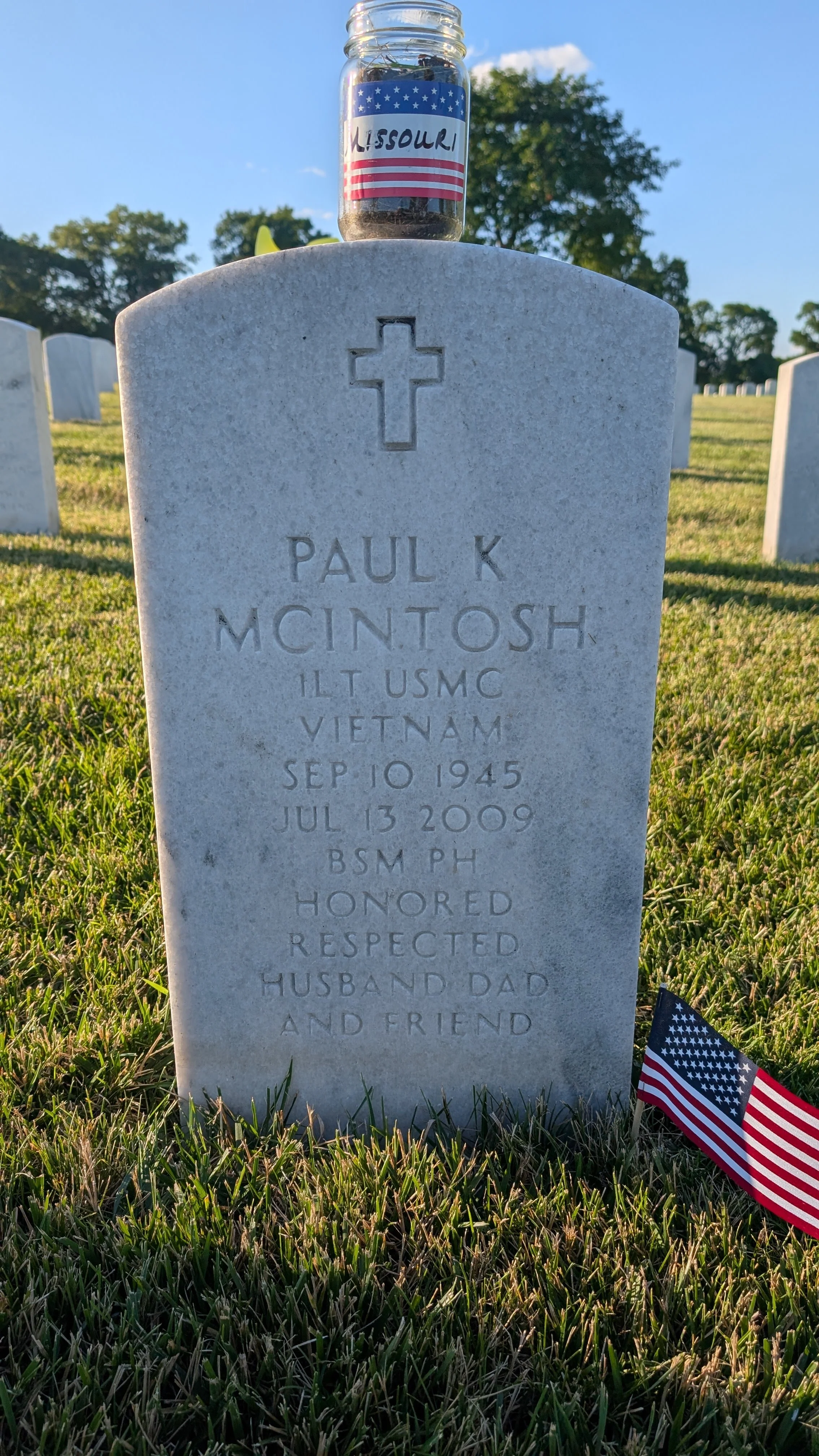
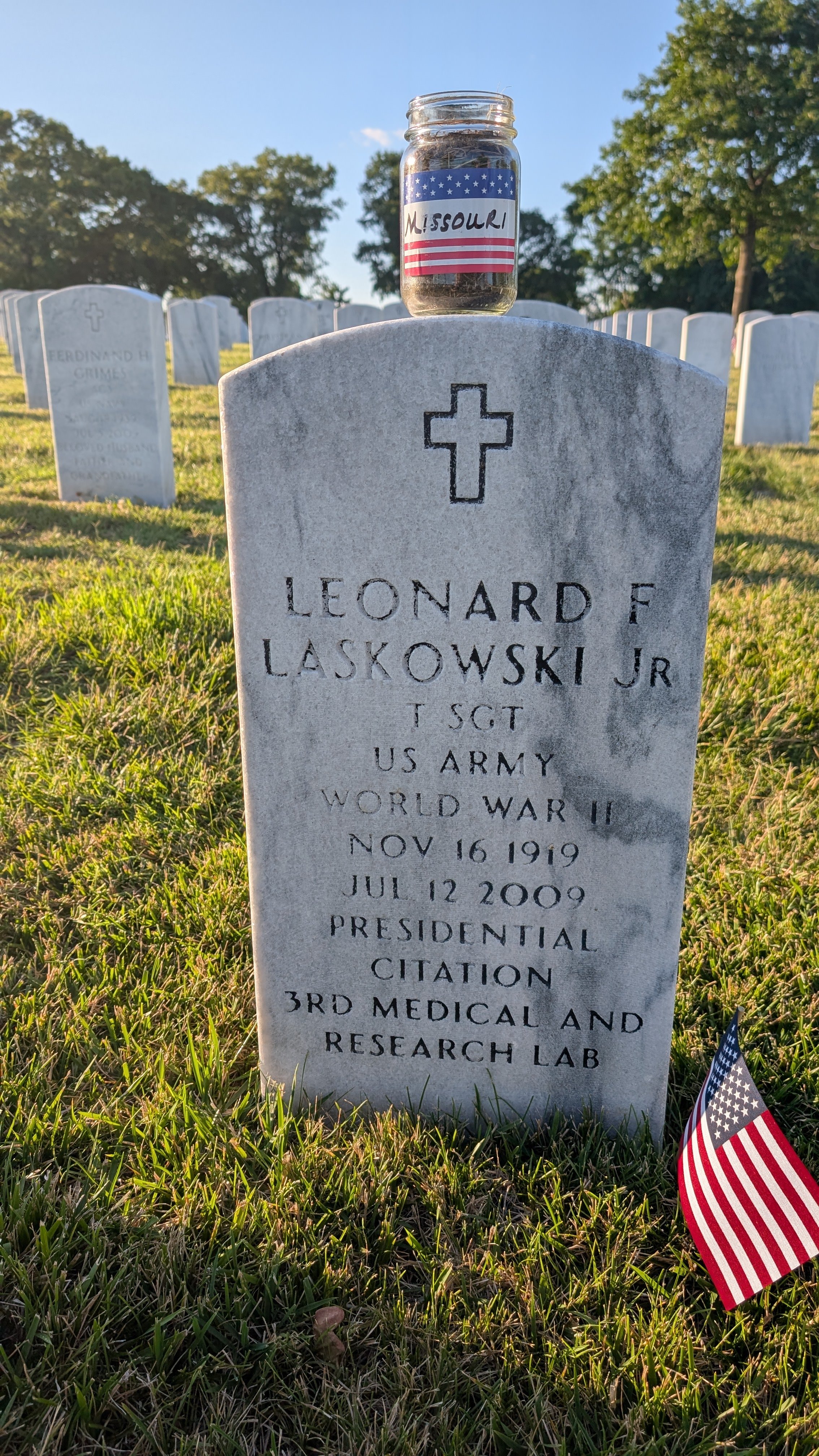
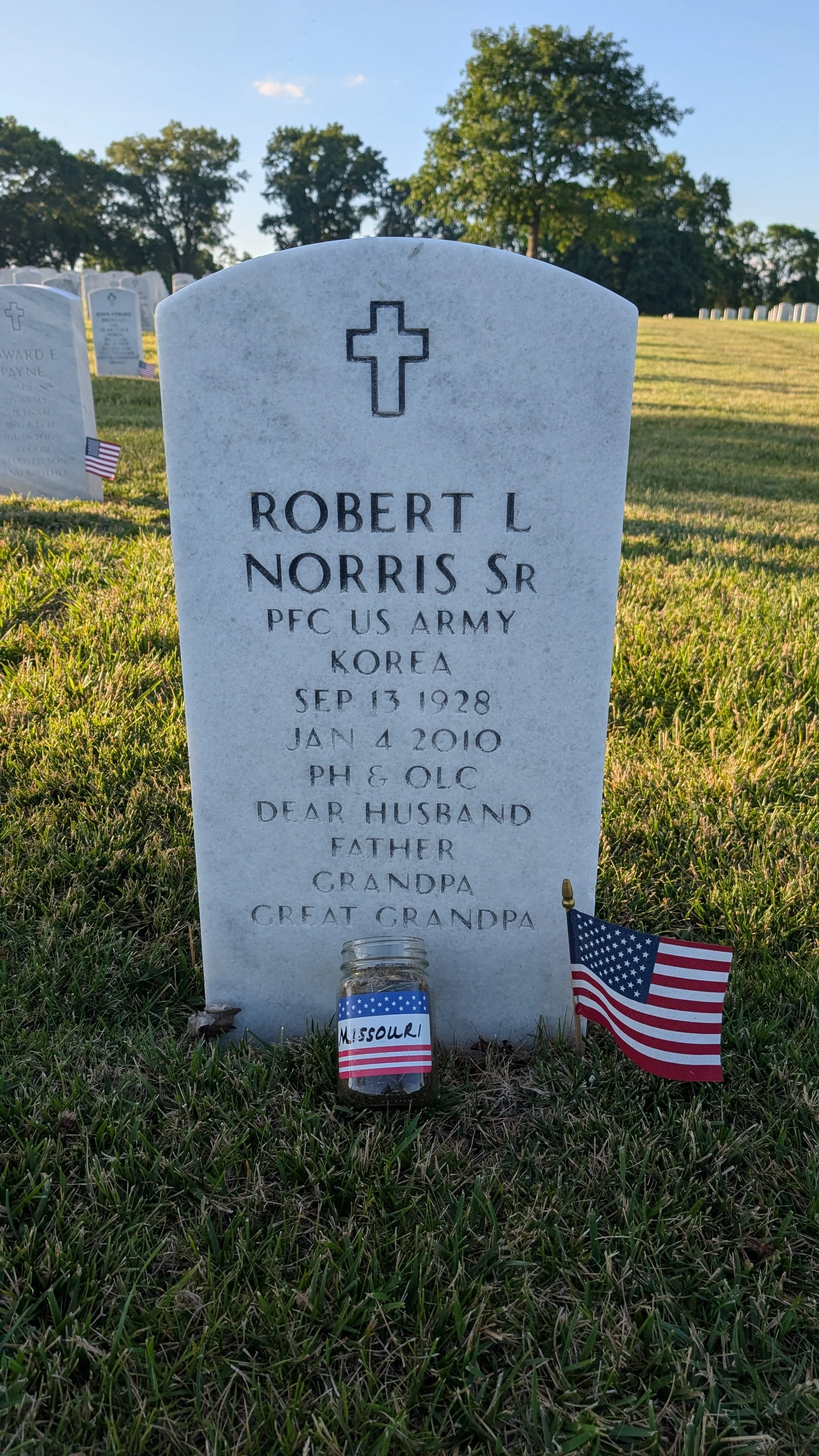
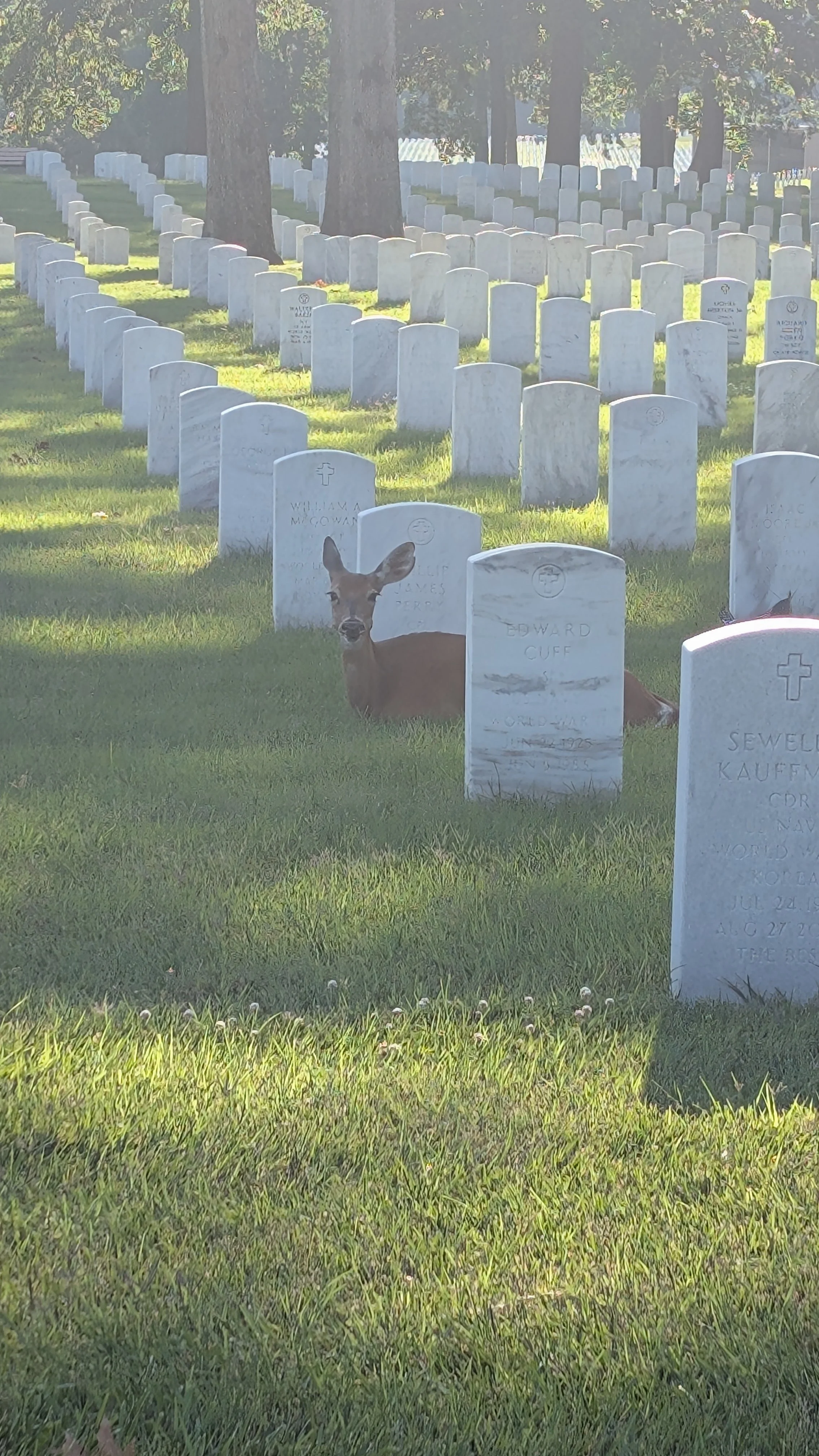
Jefferson Barracks National Cemetery
Jefferson Barracks National Cemetery is located in St. Louis County, Missouri, near the Mississippi River. Established in 1826 as part of Jefferson Barracks Military Post, it became the first permanent U.S. Army installation west of the Mississippi River. Over time, it grew into one of the nation’s most significant military cemeteries, now holding more than 200,000 burials. The cemetery includes veterans from the Civil War, both World Wars, Korea, Vietnam, and modern conflicts, along with Medal of Honor recipients and other notable figures.
Among its notable burials are individuals such as broadcaster Jack Buck, singer Dennis Edwards of The Temptations, pianist Johnnie Johnson, opera singer Robert McFerrin Sr., and Michael Blassie, who was once interred as the Vietnam Unknown Soldier before being identified.
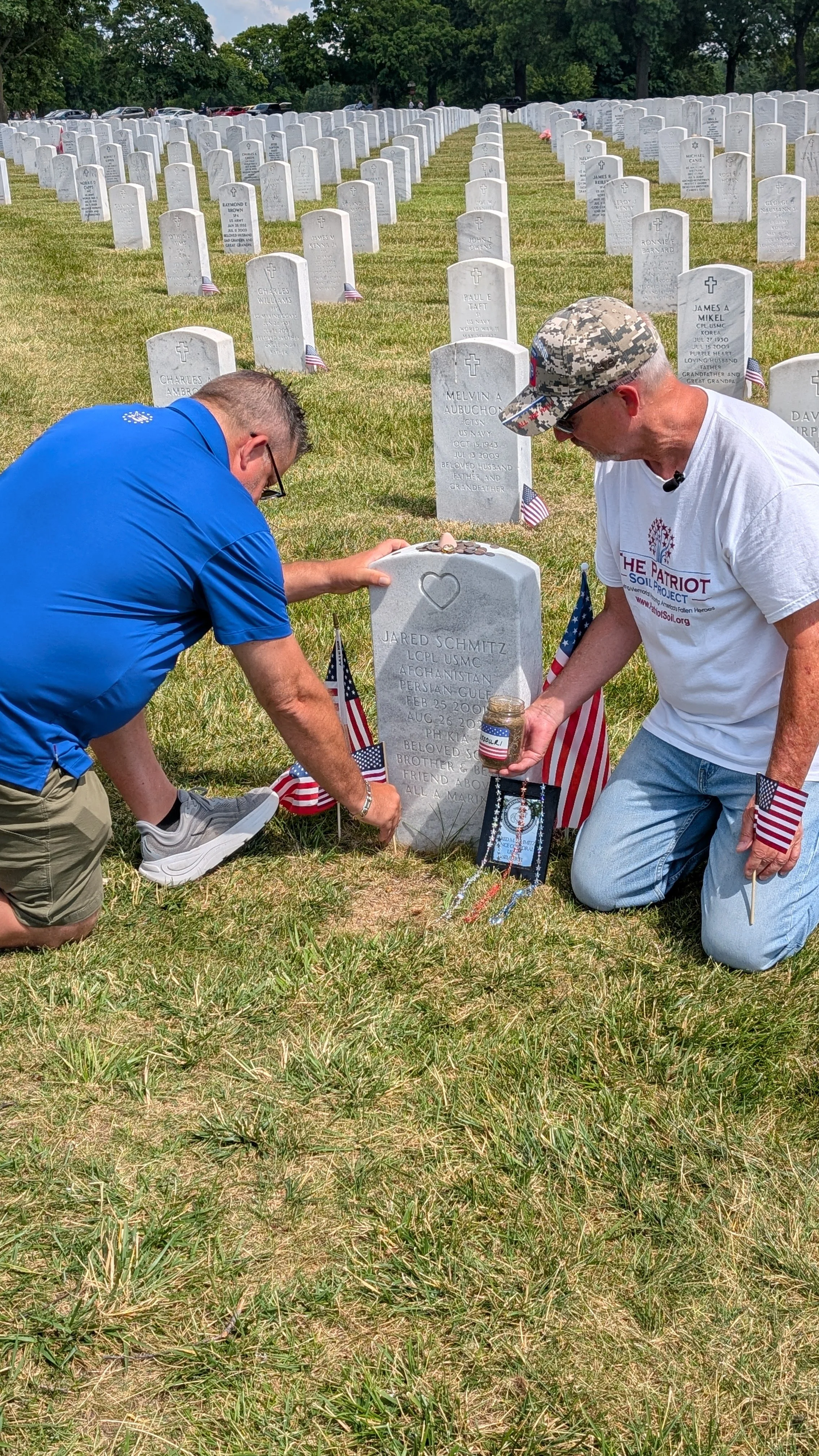
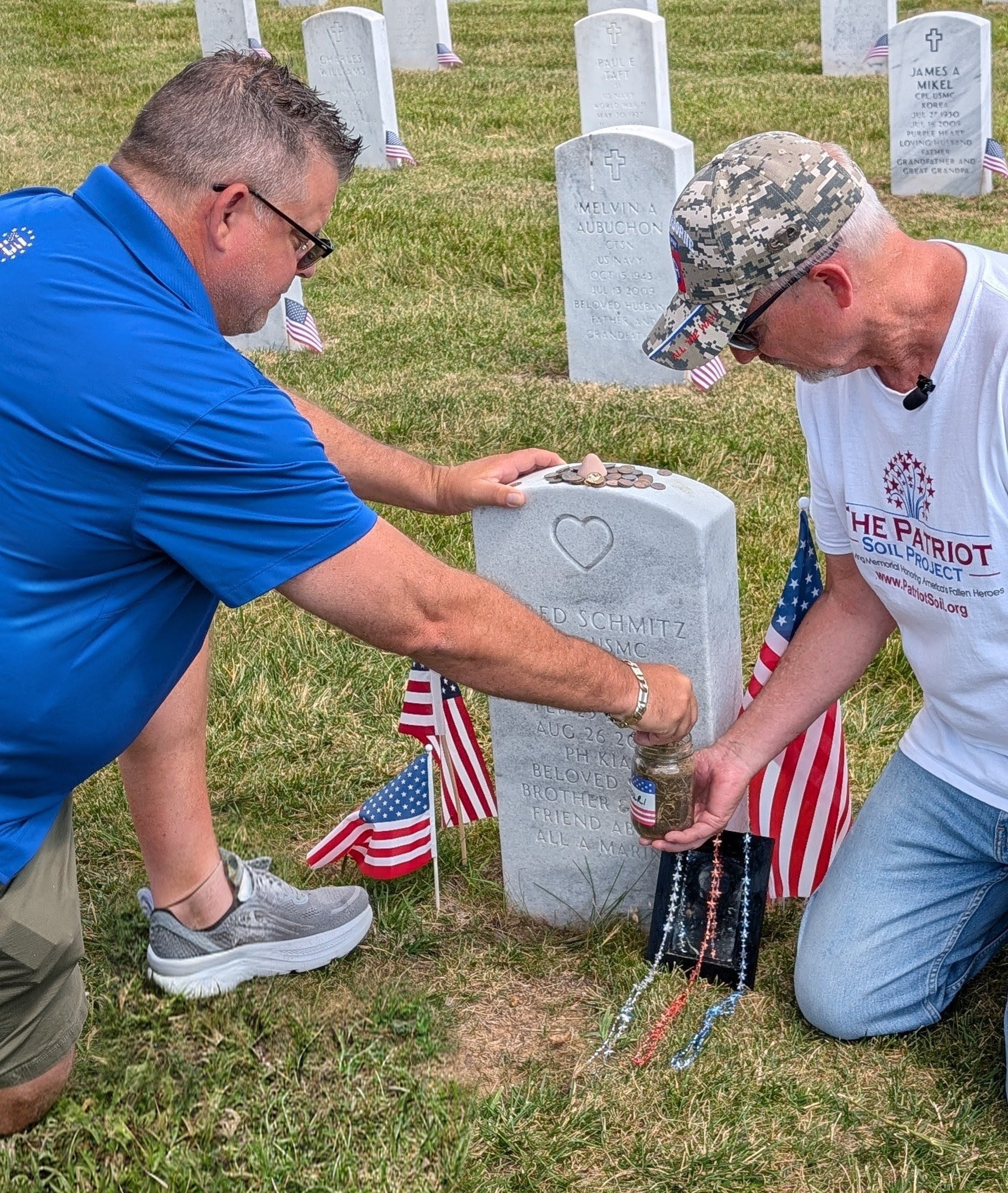
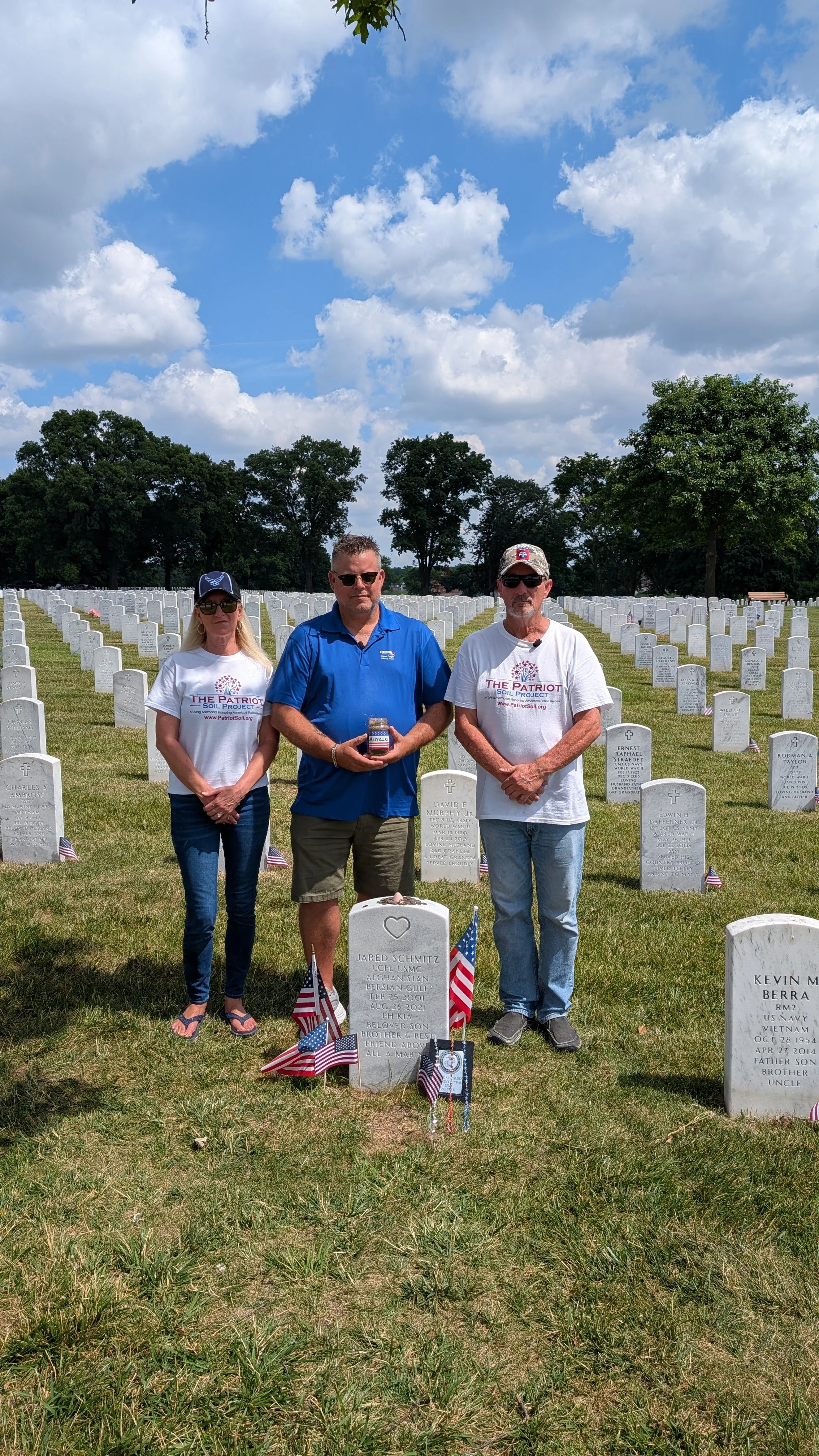
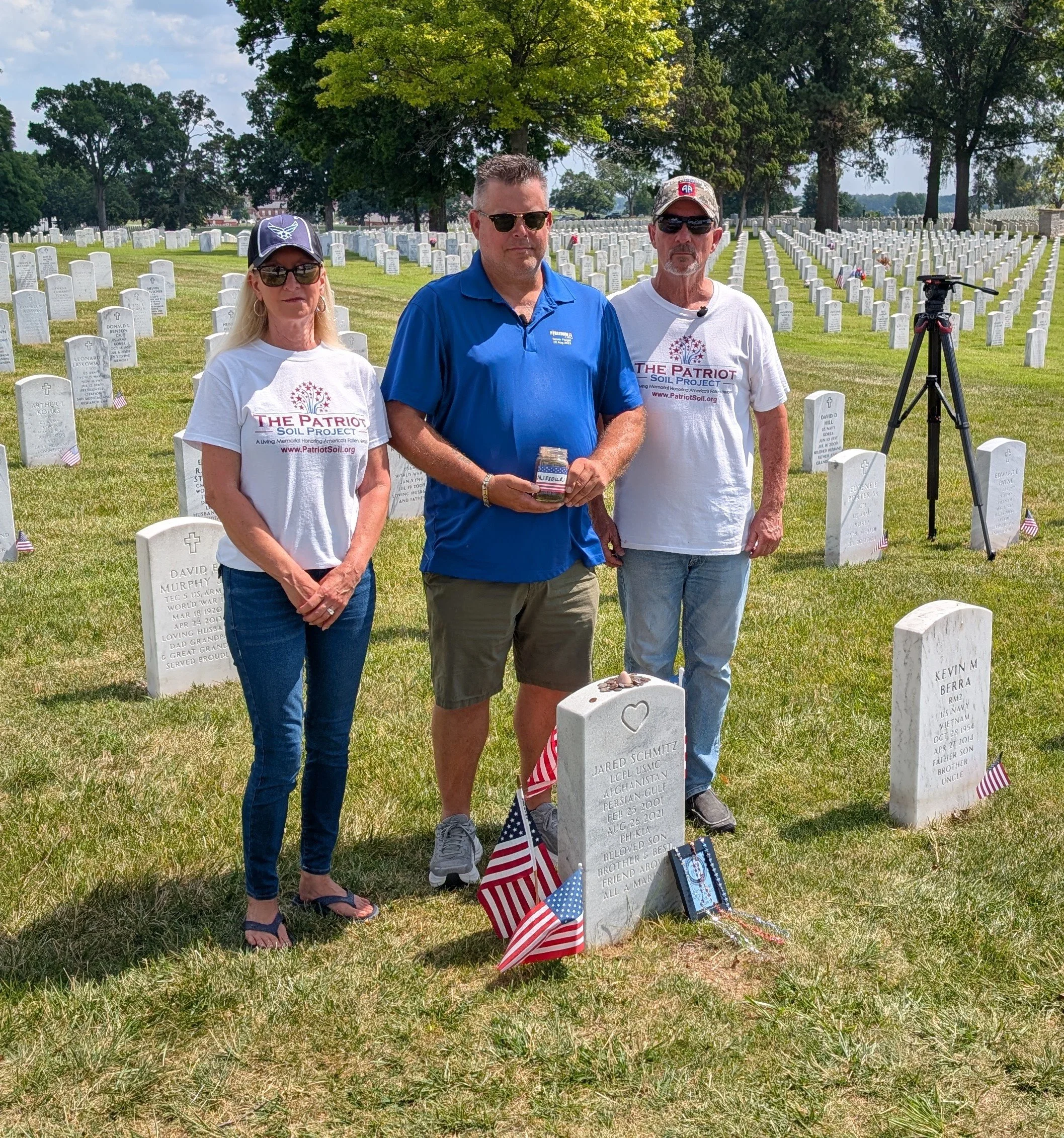
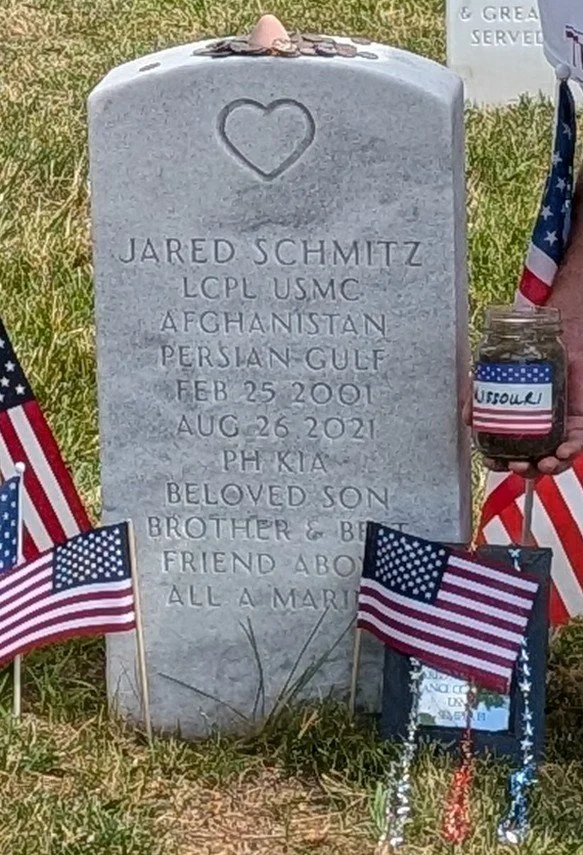
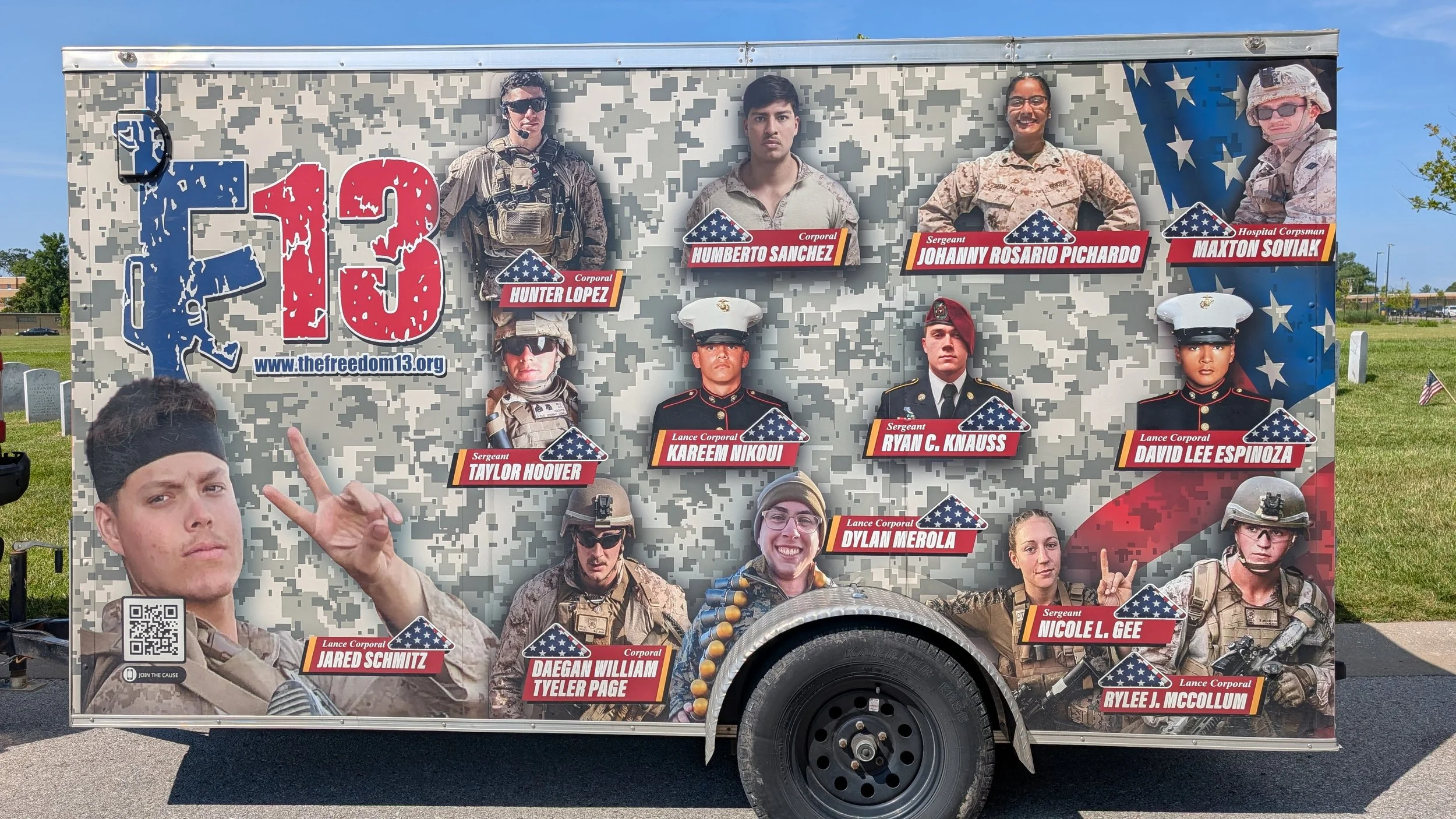
A more recent and widely recognized burial is Lance Cpl. Jared Schmitz of the U.S. Marine Corps. He was from Wentzville, Missouri, and was killed on August 26, 2021, during the Kabul airport attack in the final days of the U.S. withdrawal from Afghanistan. He was one of 13 American service members killed in the attack and was later laid to rest at Jefferson Barracks following a major military escort and public honors in Missouri.
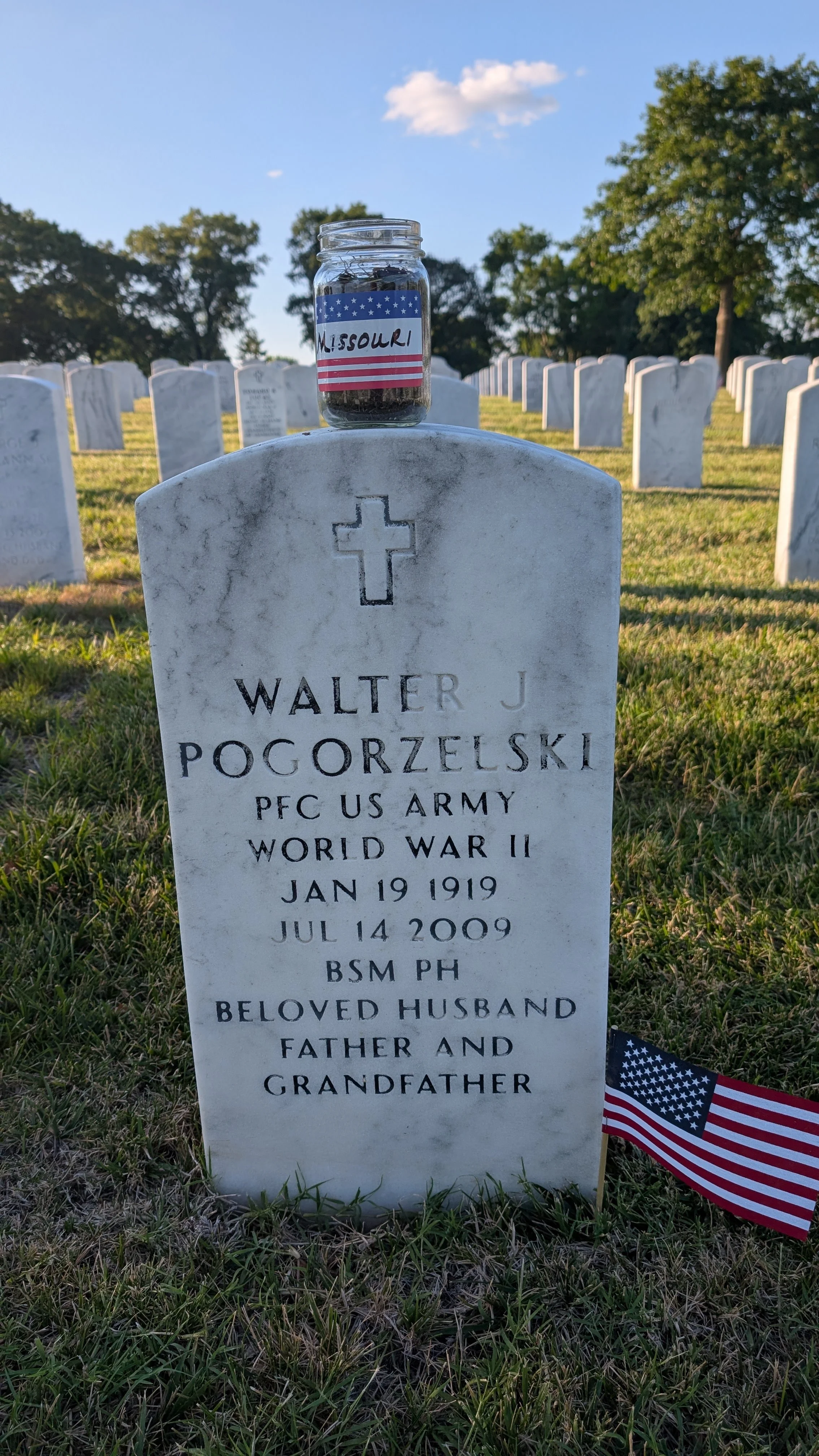
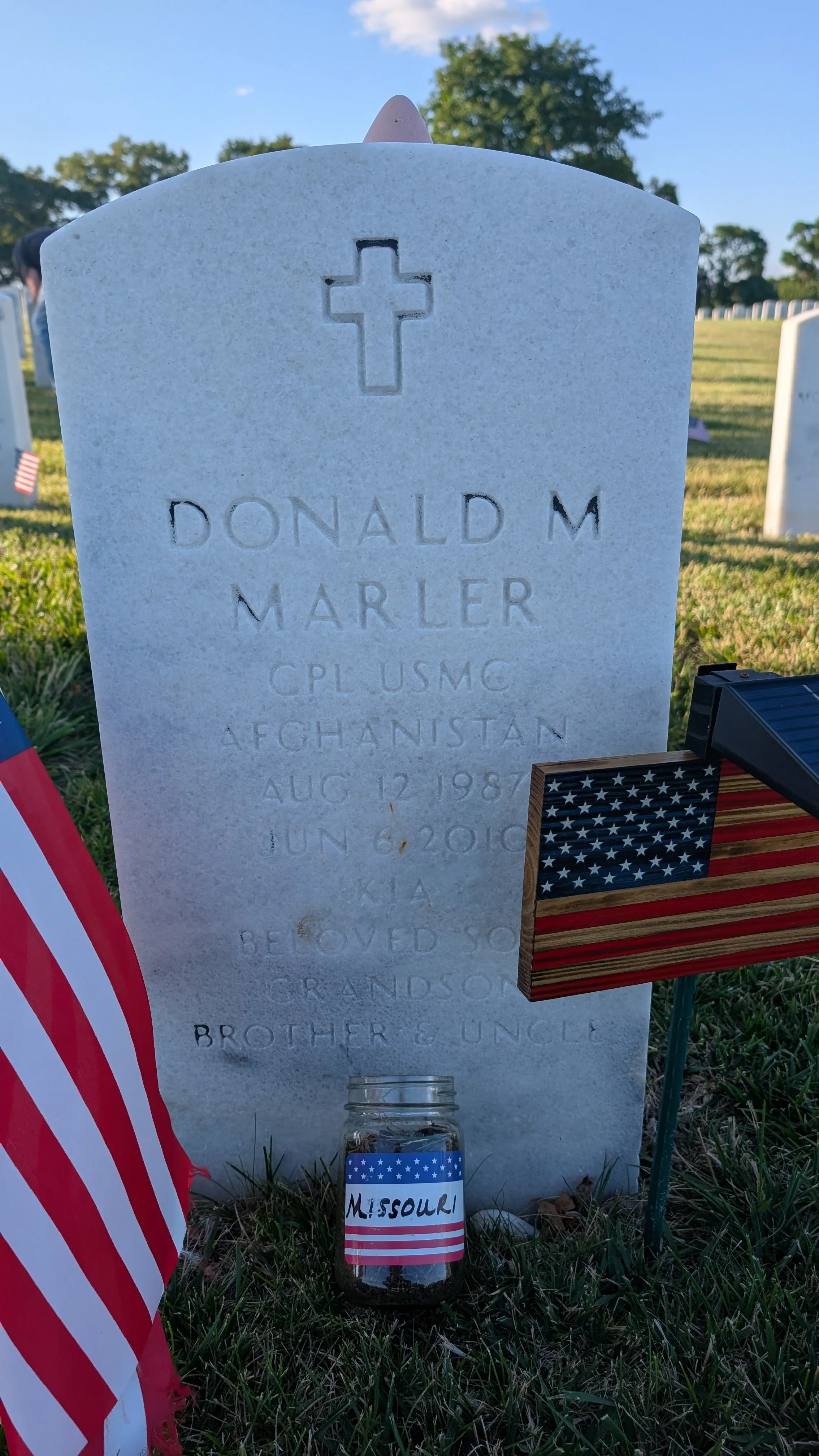
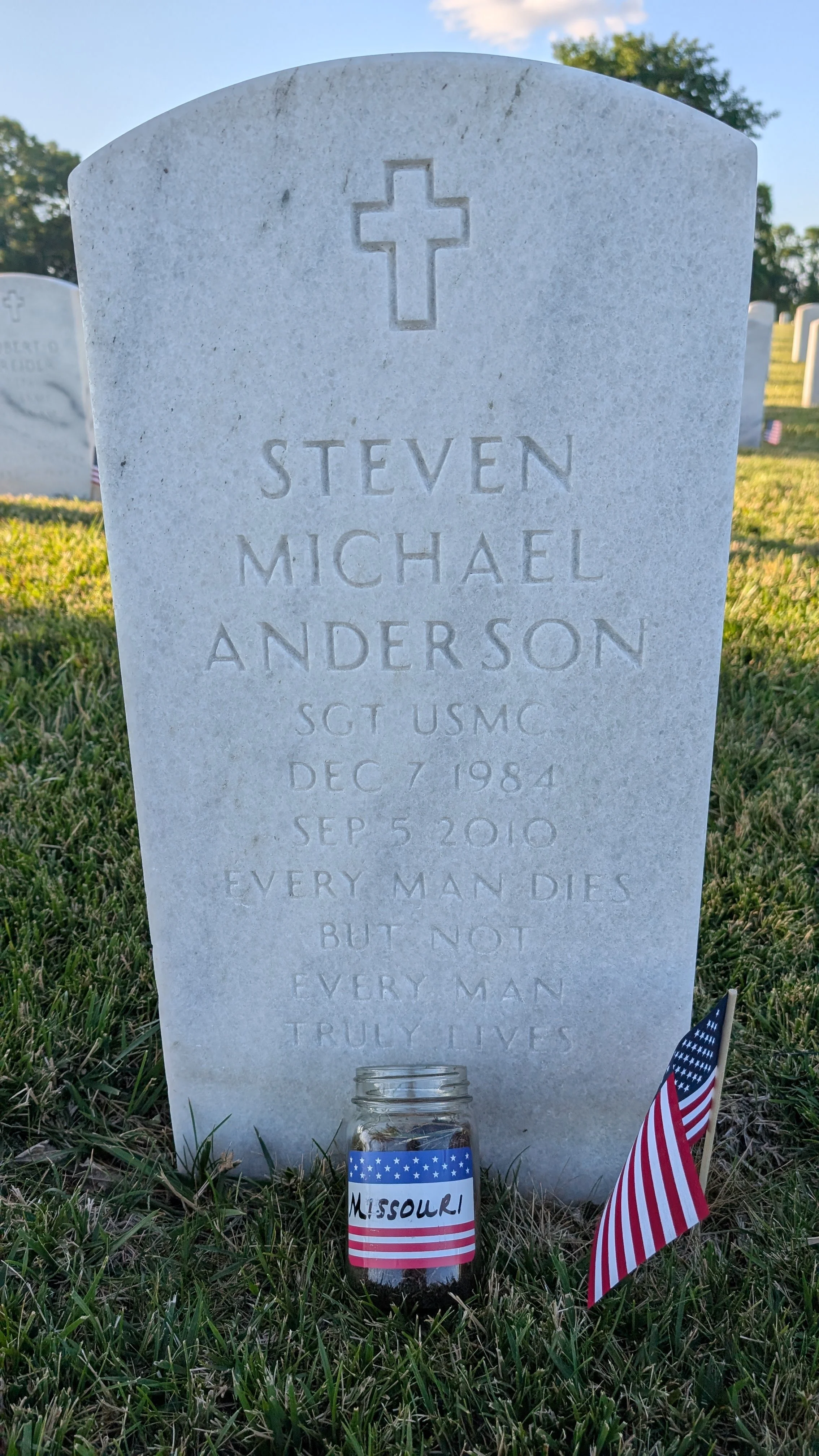
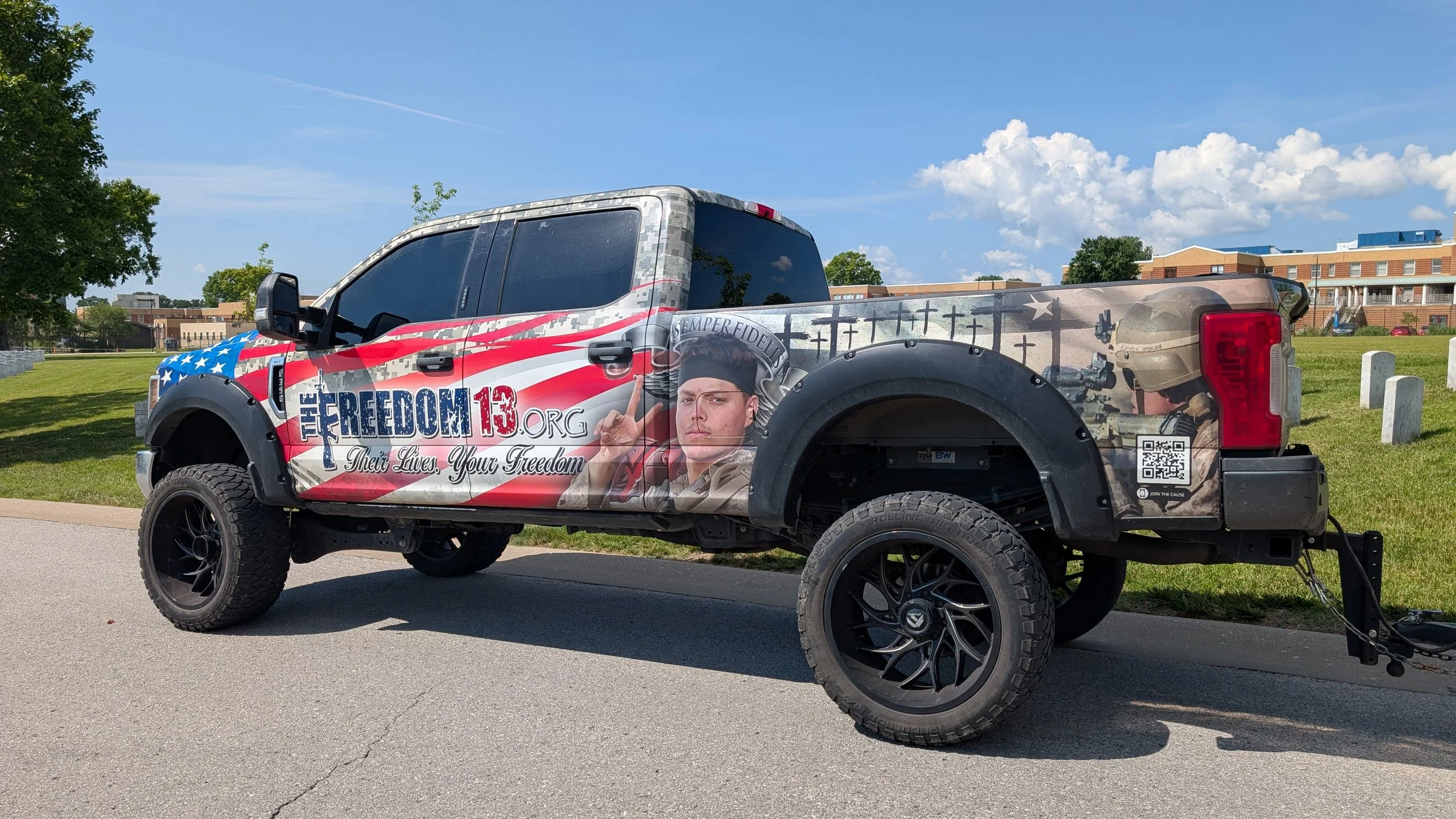
His memory has also been honored beyond the cemetery itself. The Patriot Soil Project, a nonprofit that preserves soil from the burial sites of fallen service members, collected soil from his gravesite at Jefferson Barracks. This soil is used in memorial displays, symbolically carrying a piece of his final resting place to tributes across the country.
Together, Jefferson Barracks National Cemetery serves as both a historic military landmark and an active place of remembrance, while the story of Jared Schmitz represents its continued role in honoring those who have died in modern conflicts.
Springfield National Cemetery
Springfield National Cemetery is a United States veterans cemetery located in southeast Springfield, Missouri. Established in 1867, it was originally created to provide a formal burial ground for Union soldiers who died in the Civil War, particularly those connected to regional conflicts such as the Battle of Wilson’s Creek. Over time, it expanded to include Confederate soldiers, veterans from later U.S. wars, and eligible family members, making it a long-standing site of military remembrance in the region.
The cemetery spans about 18 acres and is characterized by gently rolling terrain, carefully maintained lawns, and mature shade trees that give it a park-like and contemplative atmosphere. White military headstones are arranged in orderly rows, reflecting the standardized design typical of national cemeteries managed by the U.S. Department of Veterans Affairs. Despite its historical roots, the cemetery is not in a remote or battlefield setting; instead, it is located within a modern residential area of Springfield, surrounded by neighborhood streets and urban development. This creates a unique contrast between its quiet, solemn interior and the everyday activity of the city outside its boundaries.
Historically, the cemetery holds strong ties to Missouri’s Civil War history. It contains graves and reinterments of soldiers from both the Union and Confederate sides, including unknown soldiers whose identities were never recovered. Memorials within the cemetery honor participants of early western theater battles, especially those connected to Wilson’s Creek, one of the first major Civil War engagements west of the Mississippi River. It is also recognized on the National Register of Historic Places, reflecting its historical and cultural significance.
While it does not contain widely famous individual burials, its importance lies in its collective historical role. It serves as a resting place for generations of U.S. veterans and preserves the memory of early Civil War conflict in the region.
Today, Springfield National Cemetery continues to function as an active burial site and a place of reflection, combining historical significance with a peaceful, well-maintained environment within the city of Springfield.
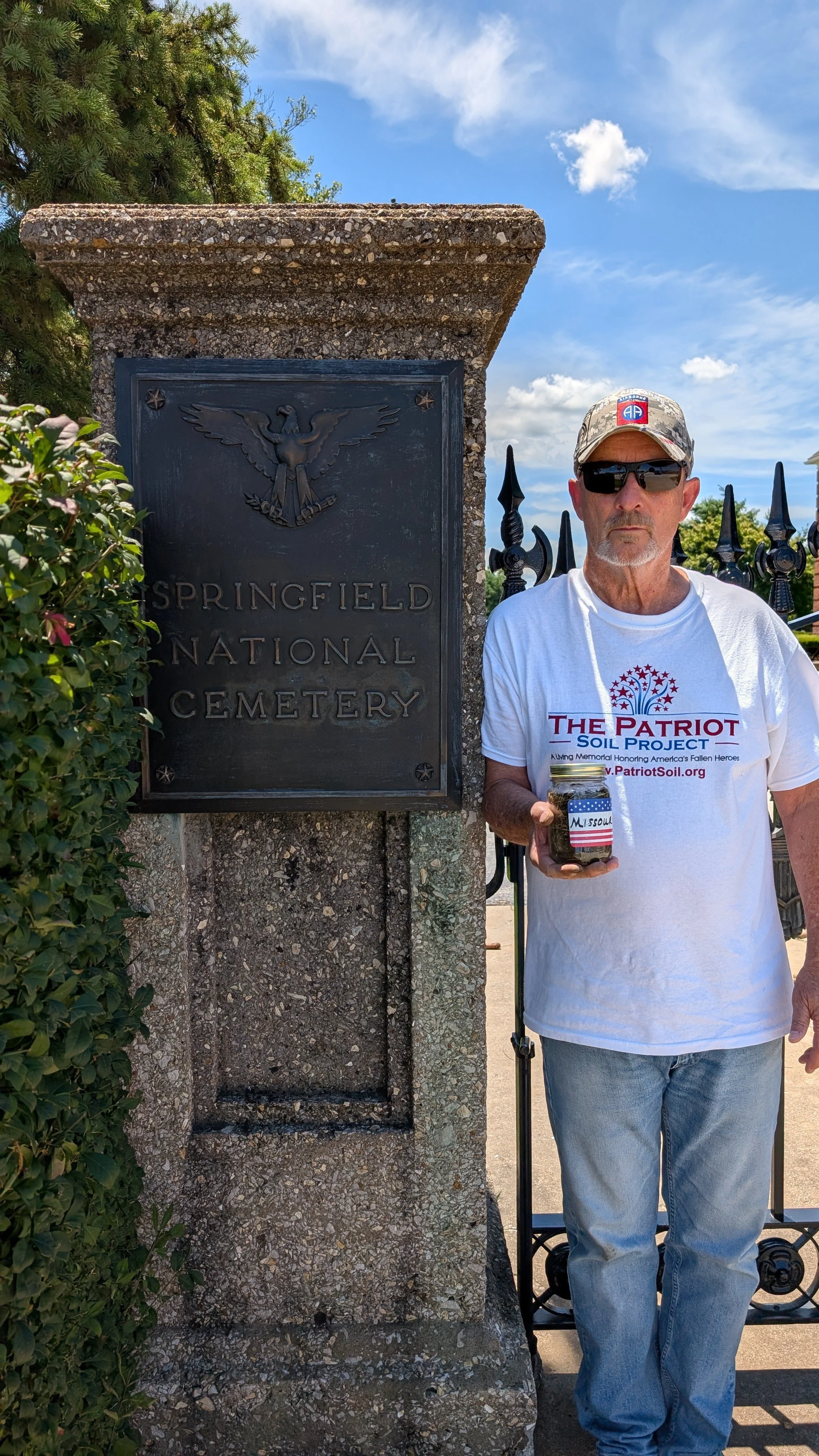
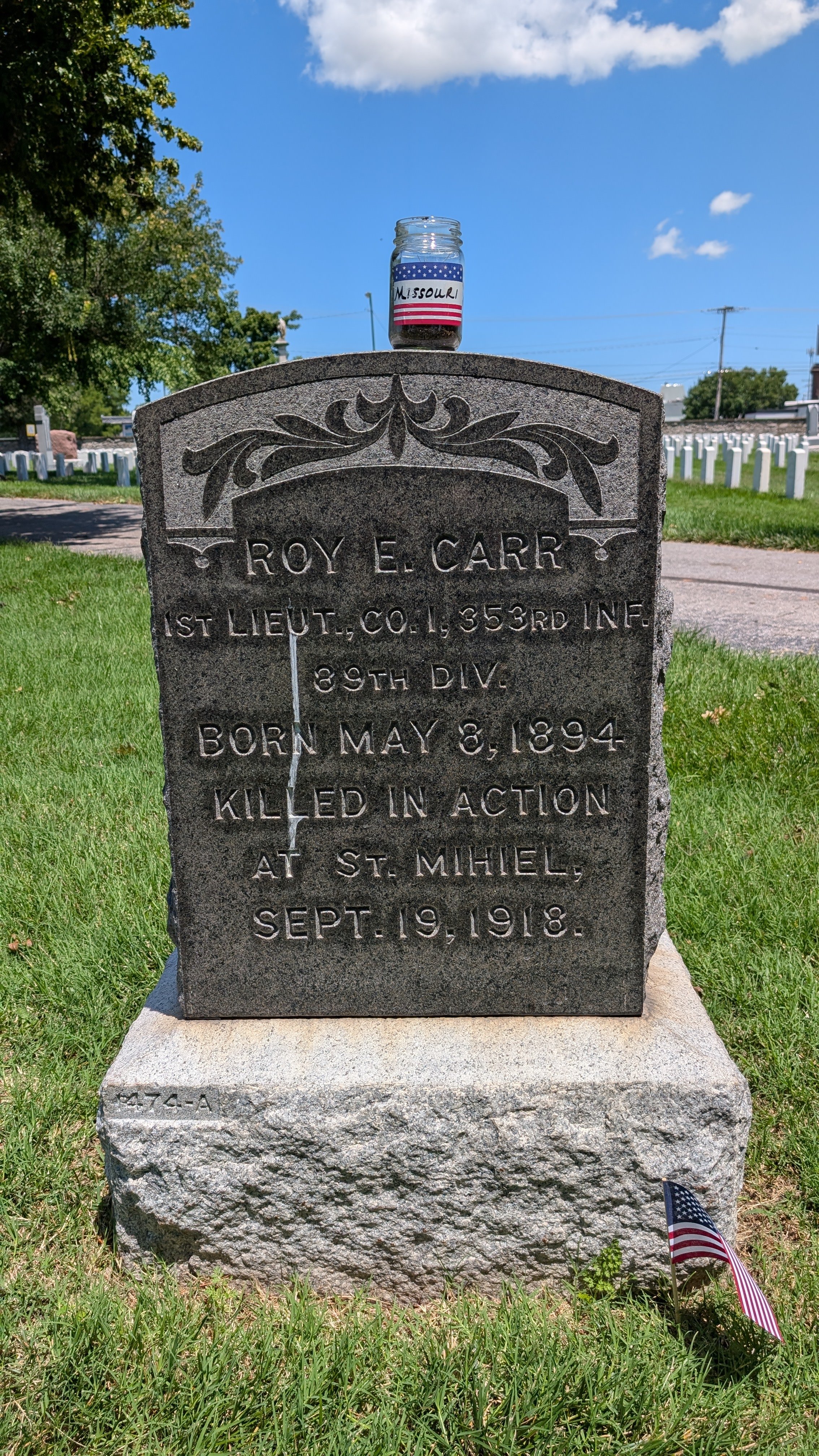
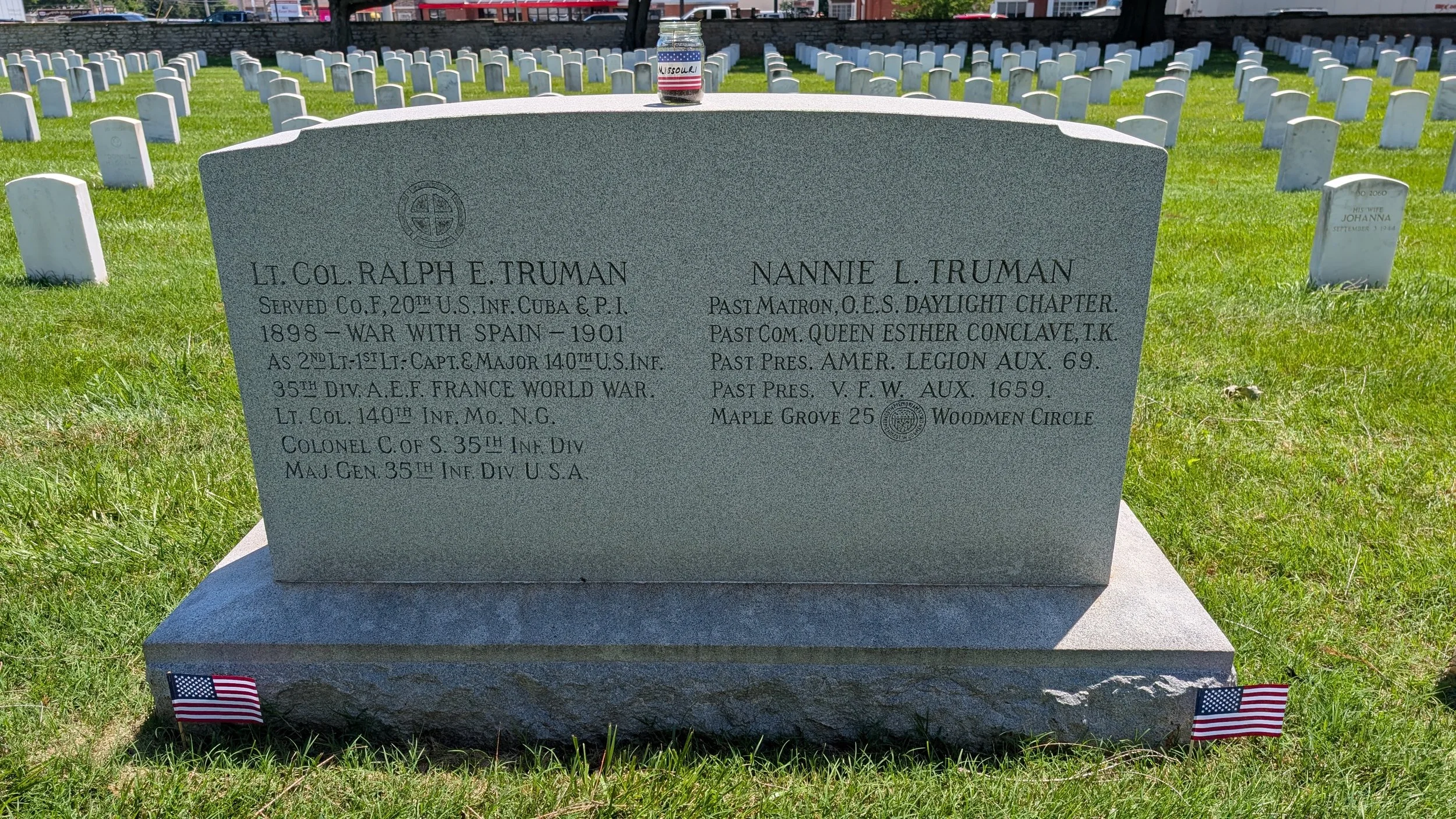
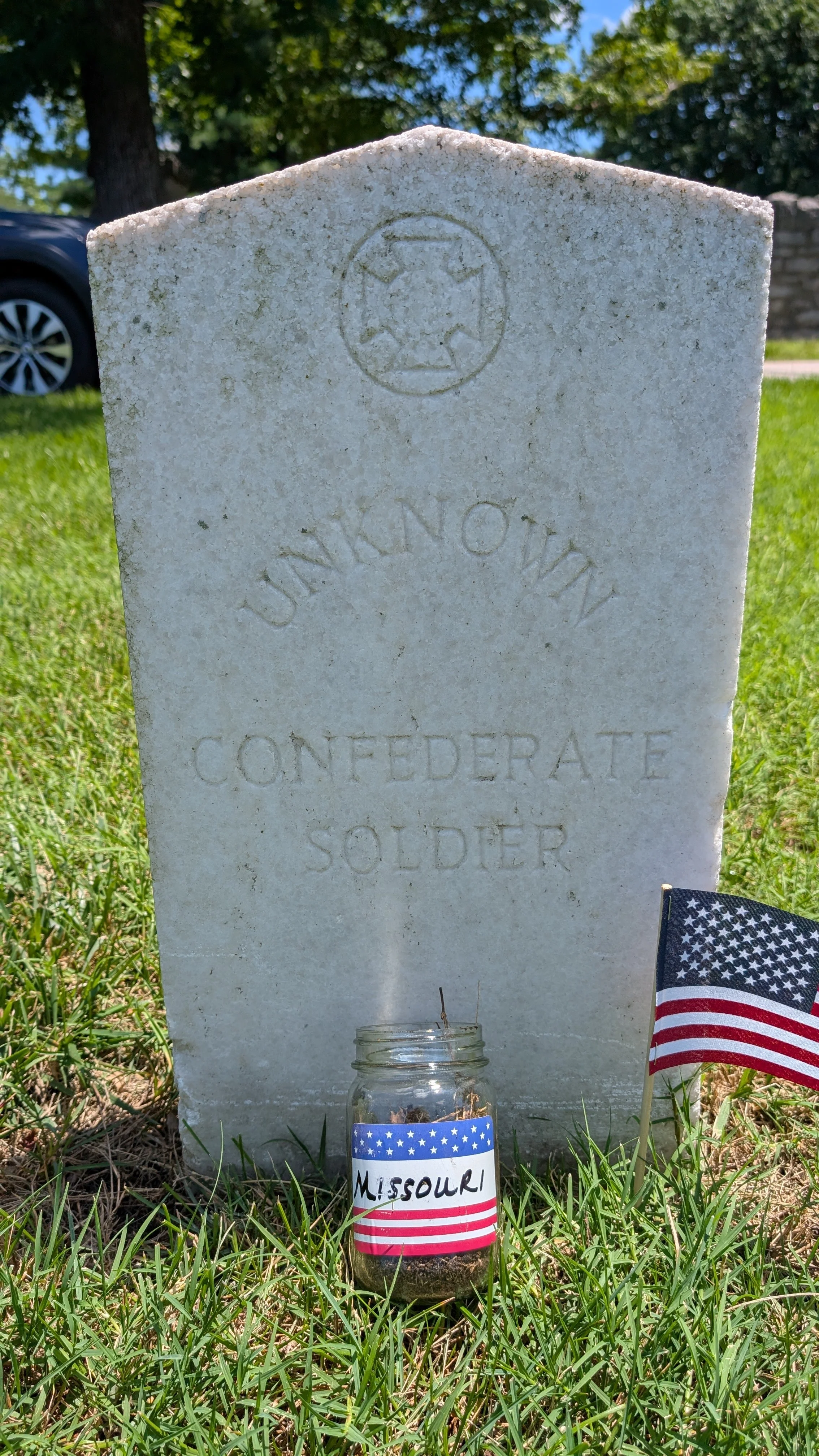
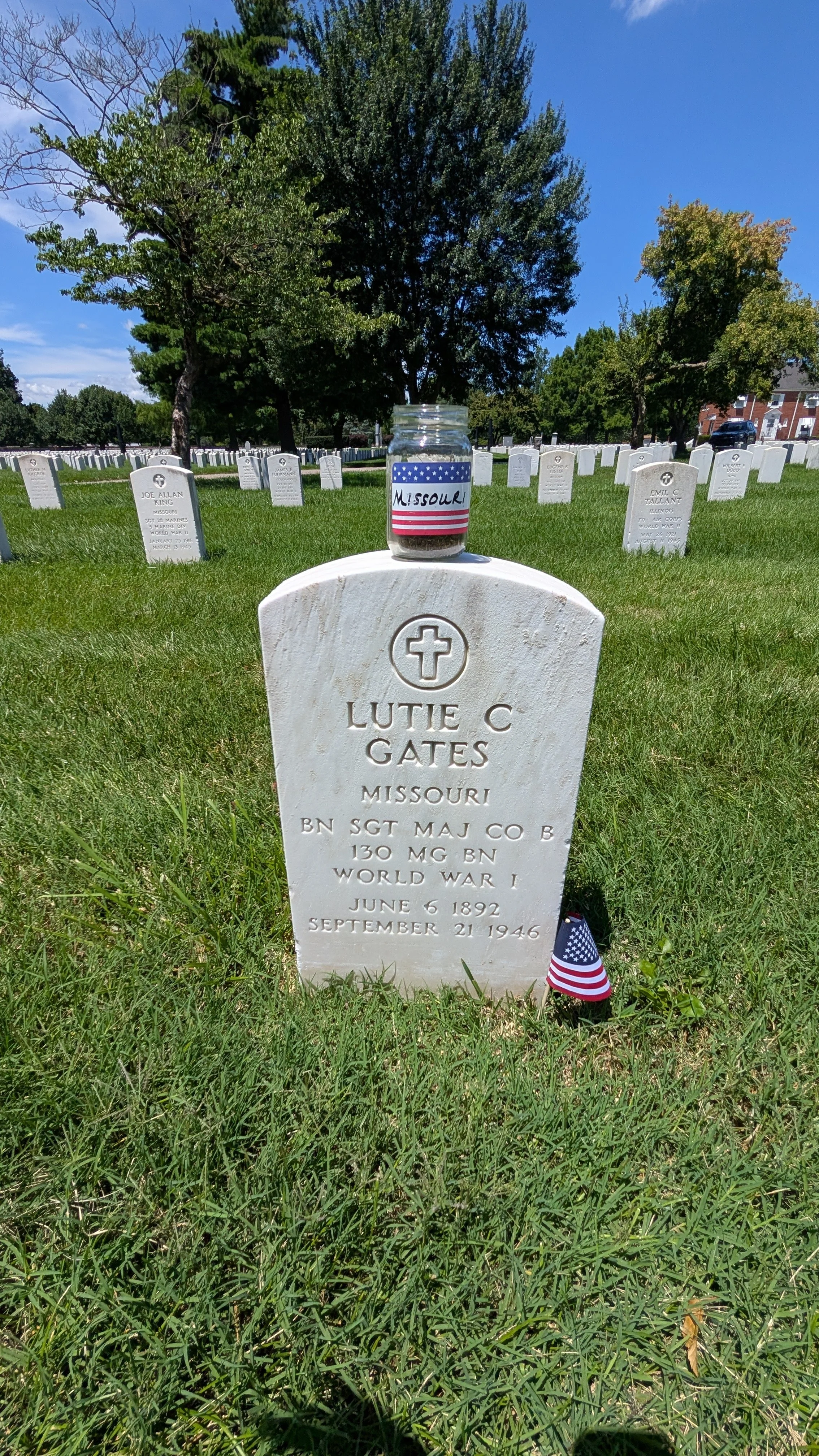
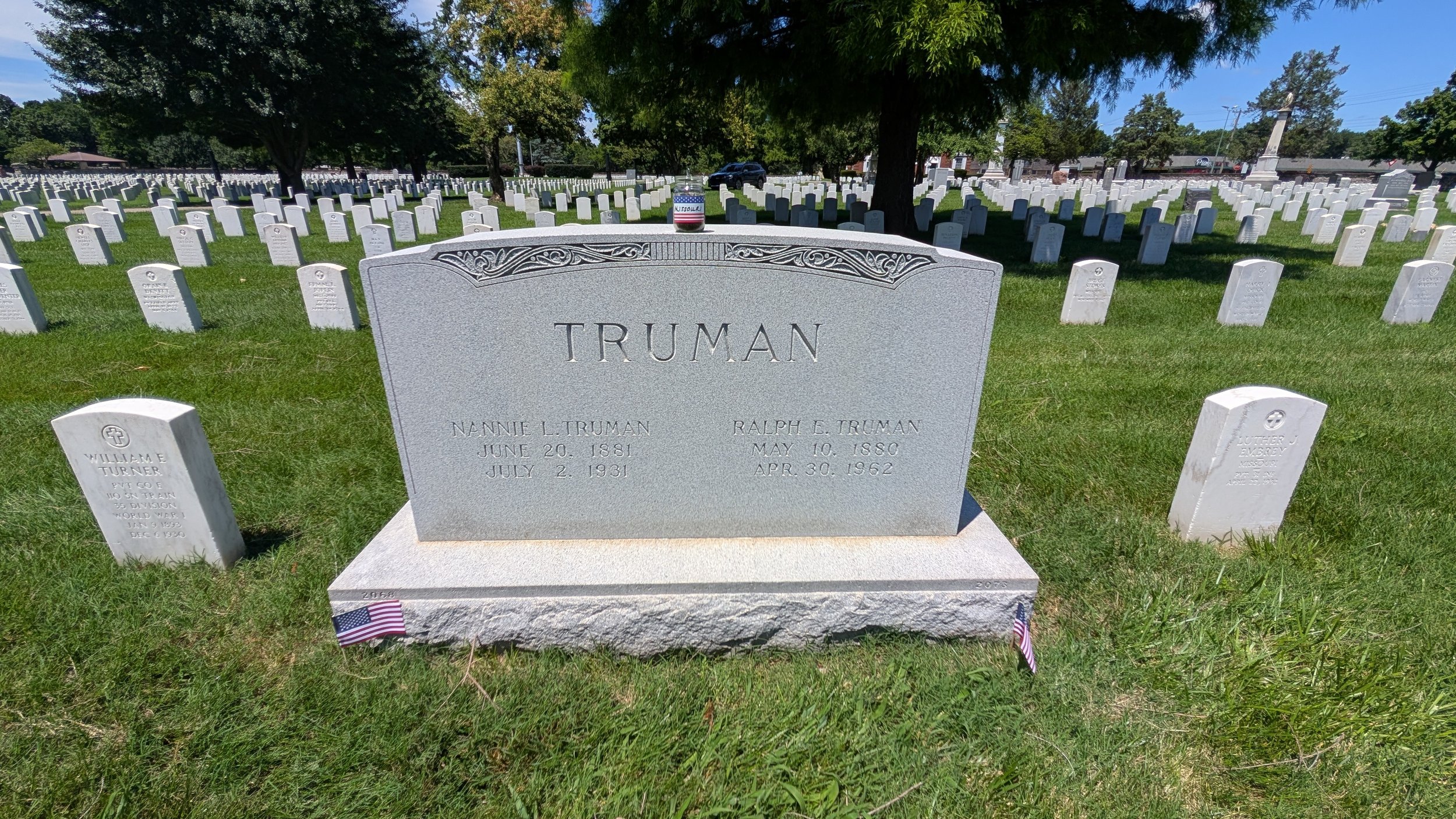
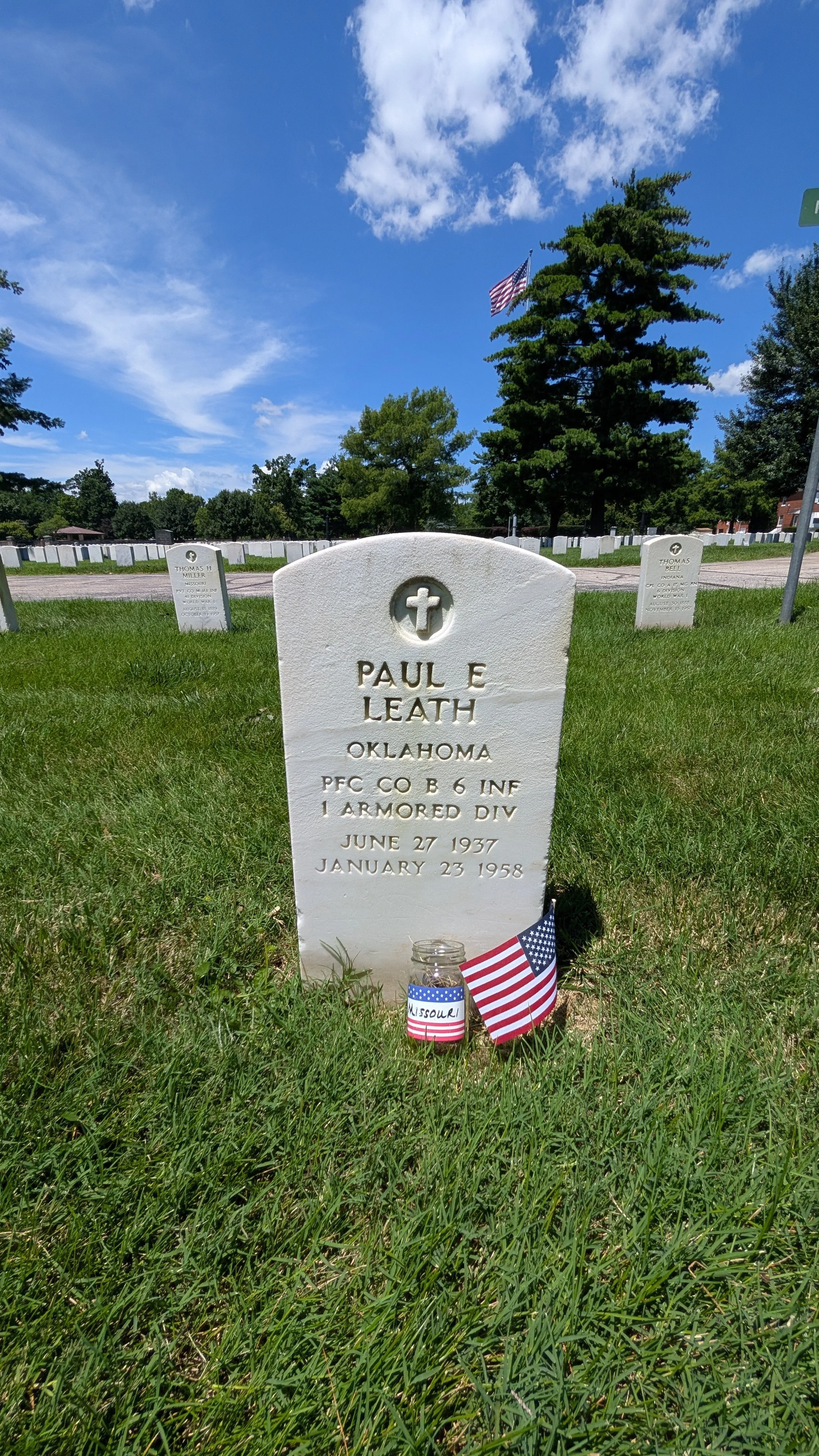
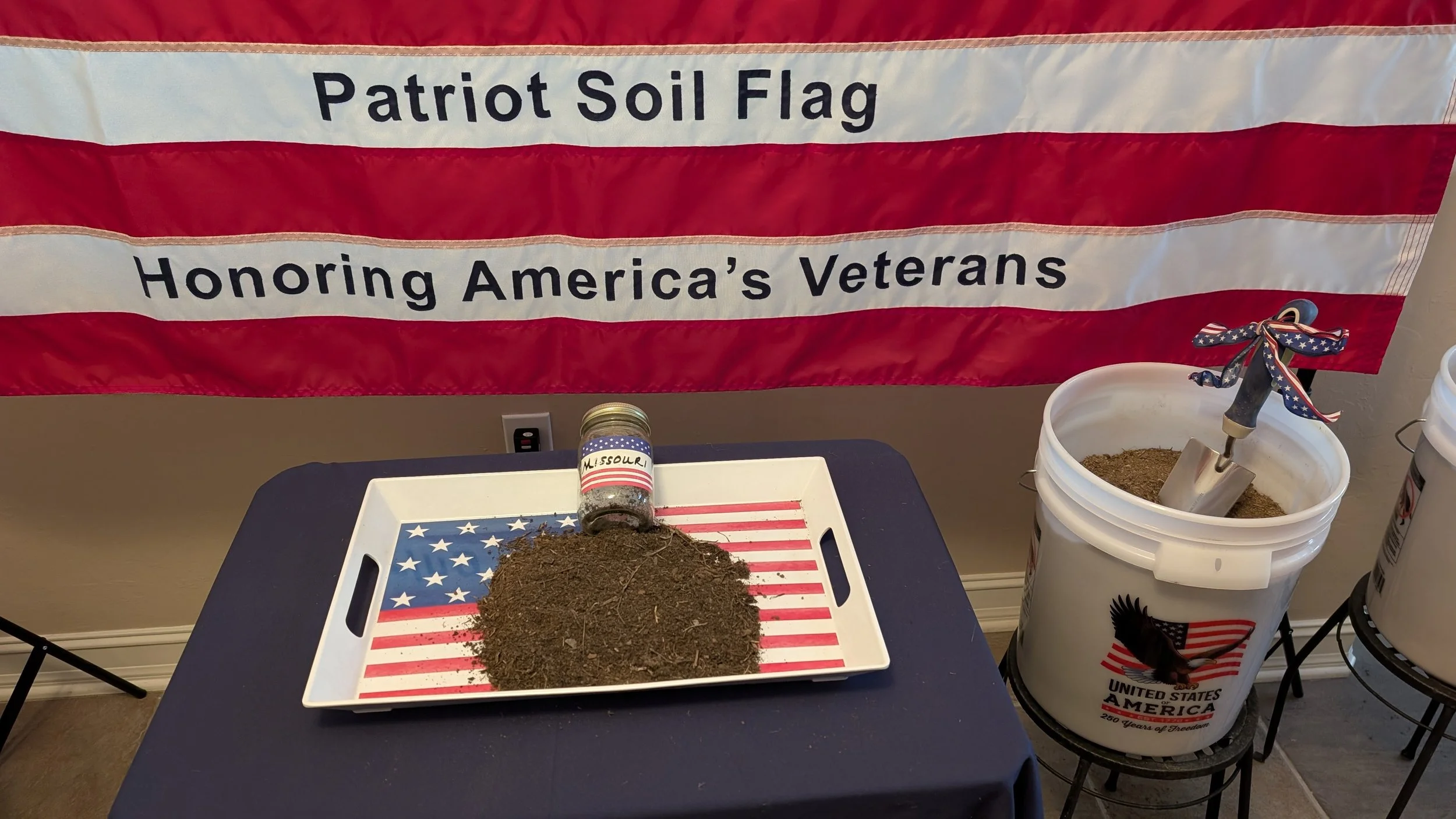
Soil MixingSoil collected from veteran resting places throughout the state is respectfully combined into a single blended collection, symbolizing the unity of all who served from that state.
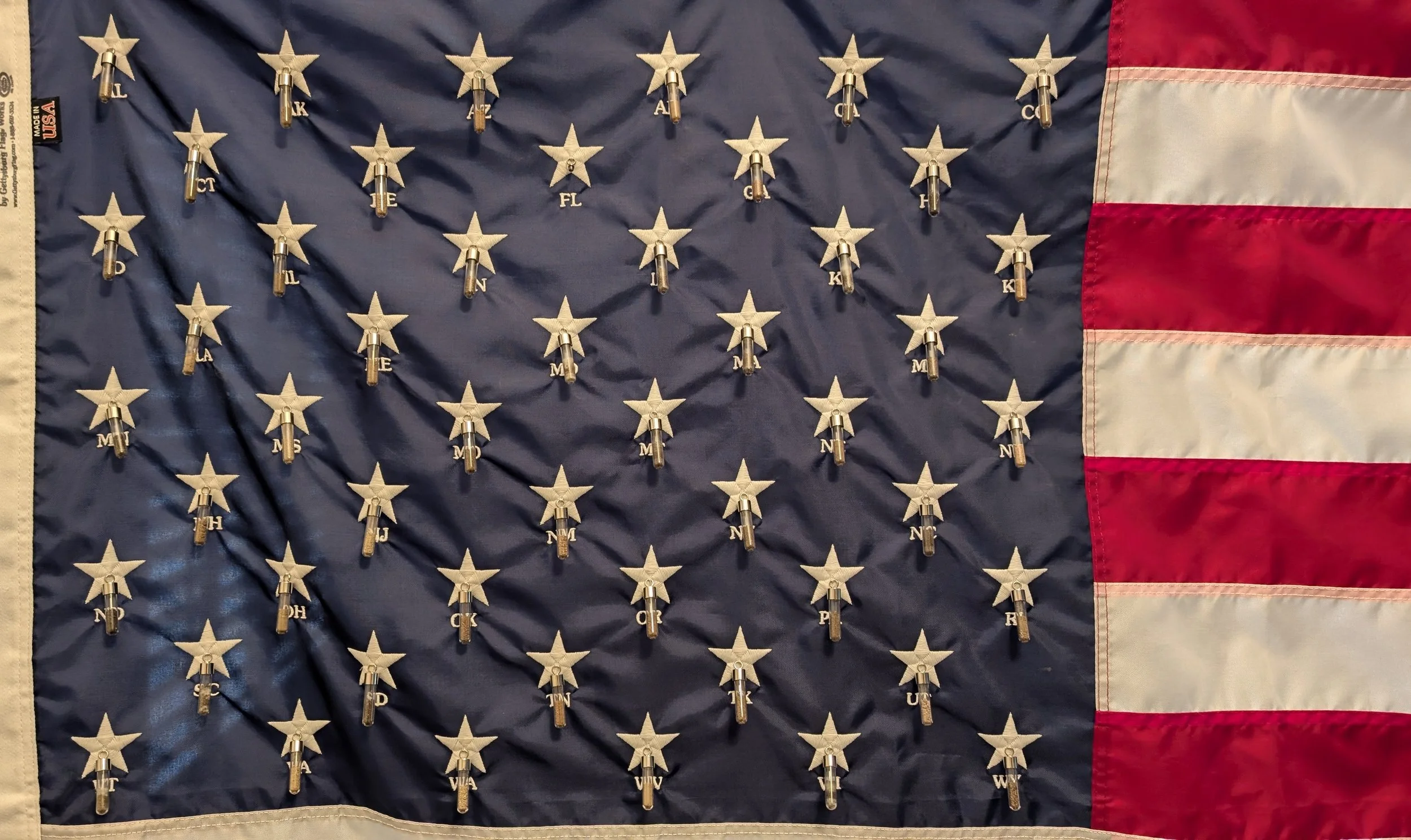
Vial & State StarSoil collected from veteran resting places throughout the state is respectfully combined into a single blended collection, symbolizing the unity of all who served from that state.