KANSAS
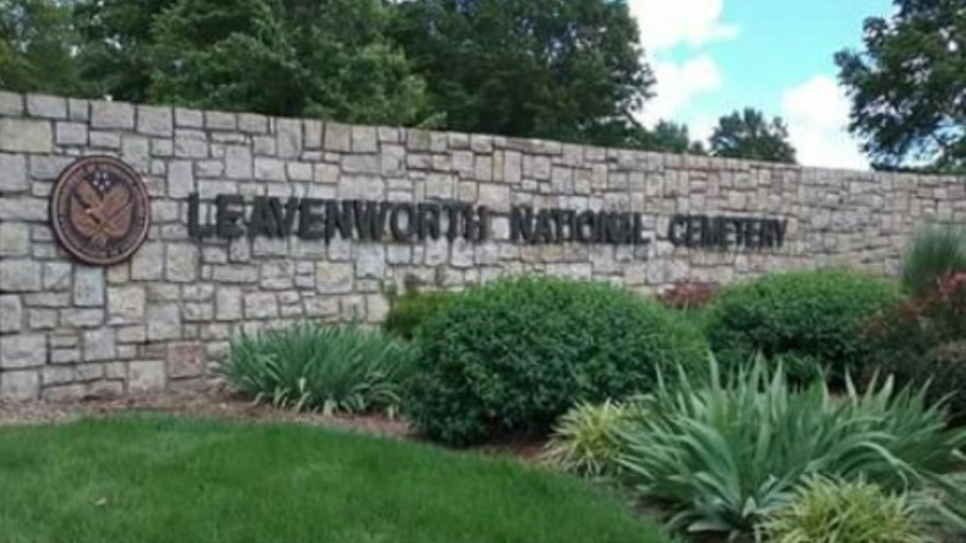
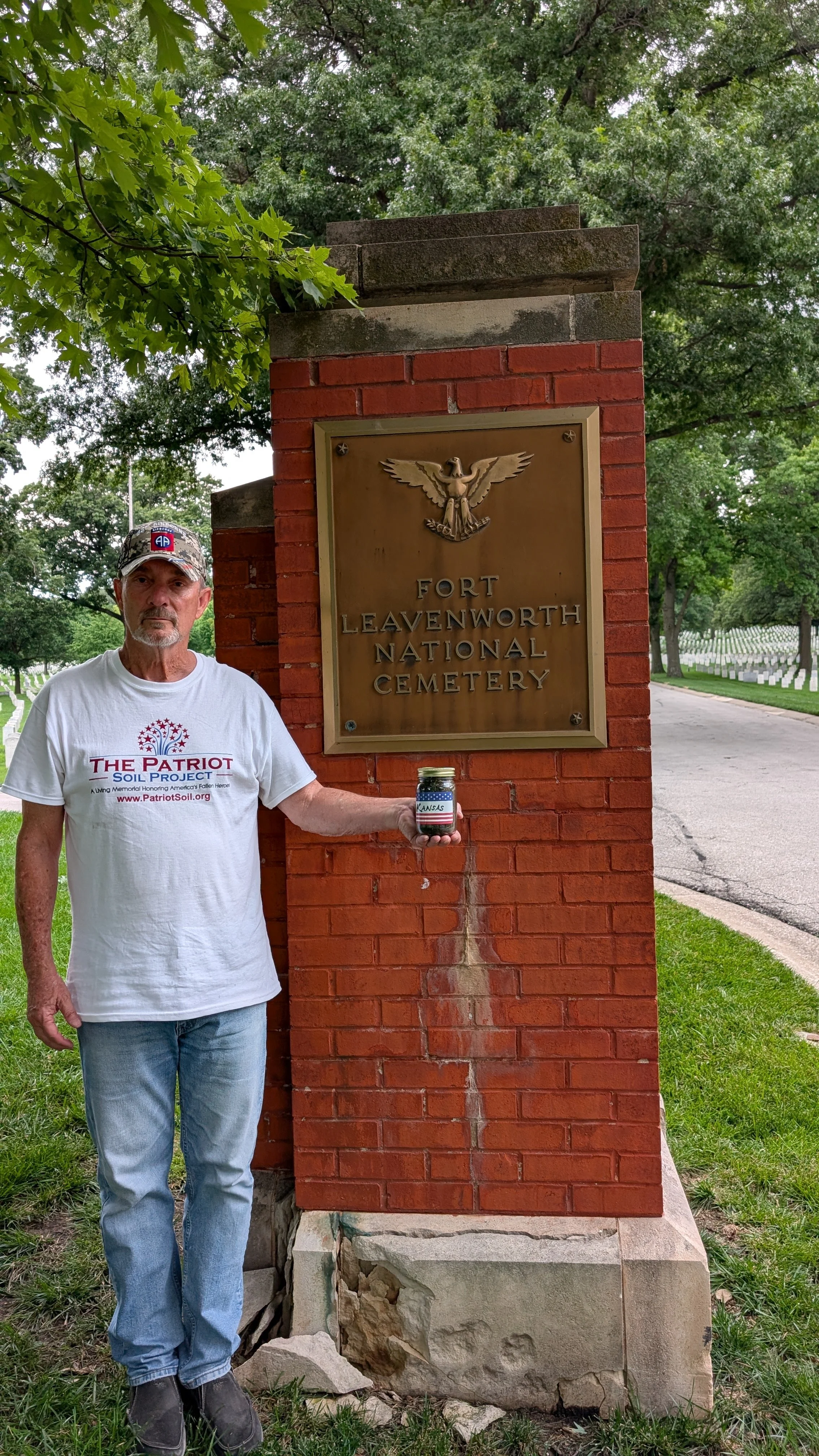
Leavenworth National Cemetery
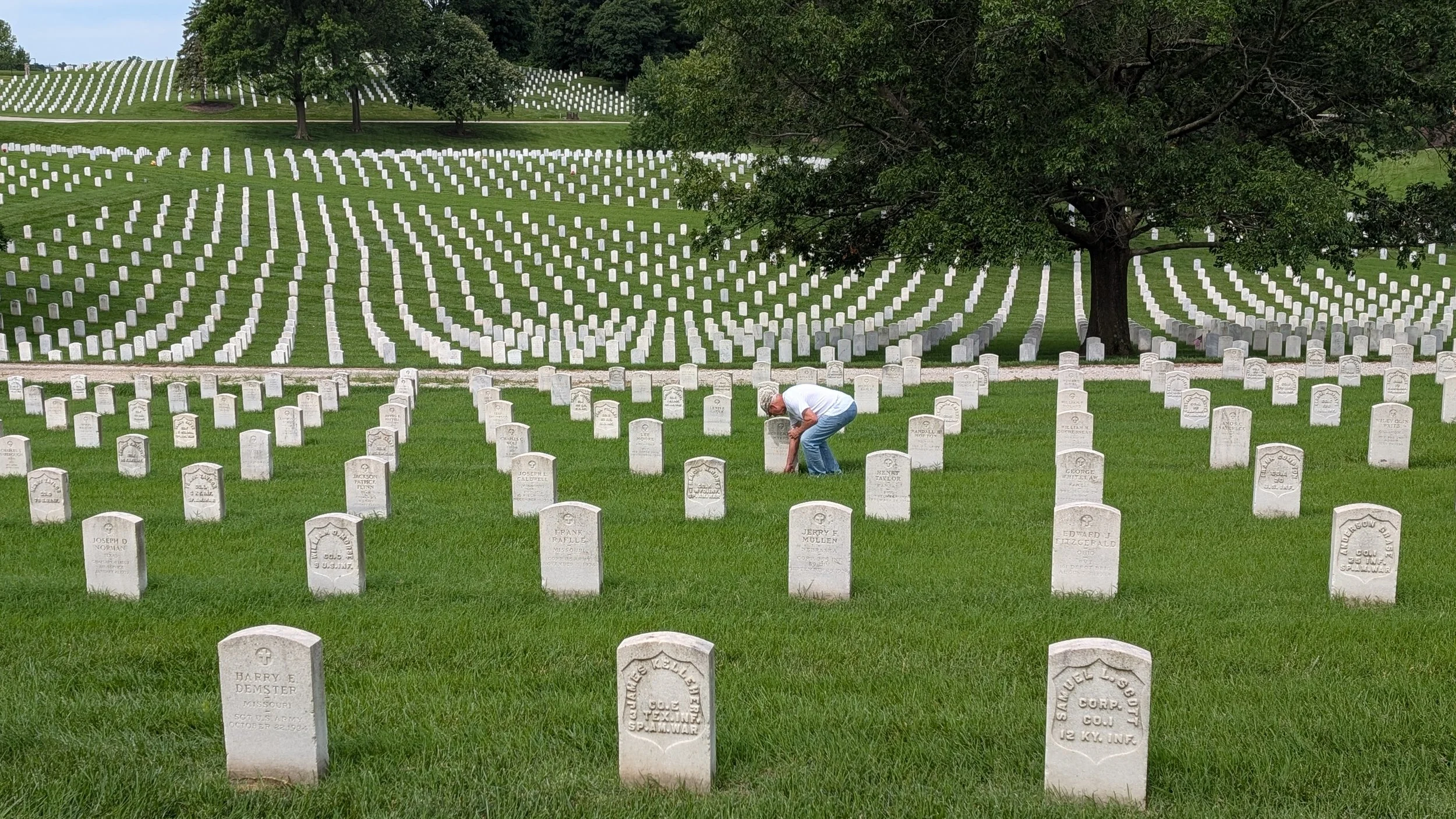
Leavenworth National Cemetery is a historic U.S. military cemetery located in Leavenworth, Kansas, overlooking the Missouri River valley. It is one of the older national cemeteries still in active use and serves as the final resting place for thousands of American veterans and eligible family members. The cemetery was established in 1886 as part of a federal effort to care for disabled and aging Civil War veterans. The land itself has a deeper history, originally associated with Native American territory and later used for military and institutional purposes before becoming a formal national cemetery. In 1930, it was incorporated into the national cemetery system, and it is now managed by the Department of Veterans Affairs.
The cemetery exists to honor U.S. military service and contains tens of thousands of interments, including veterans from the Civil War through modern conflicts, as well as eligible spouses and dependents. Its grounds reflect more than a century of American military history, with sections representing different eras of service. Covering about 129 acres, the cemetery is known for its peaceful, park-like design featuring rolling hills, tree-lined roads, traditional white military headstones, columbarium walls for cremated remains, and memorial areas honoring collective service. The layout is intended to create a quiet and reflective environment for remembrance.
Leavenworth National Cemetery also contains the graves of notable veterans, including Medal of Honor recipients. One example is Private William W. Burritt, who served in the 113th Illinois Infantry during the Civil War and received the Medal of Honor for bravery during the Siege of Vicksburg in 1863. He is recognized for his courageous actions under combat conditions and is buried among other distinguished service members in the cemetery’s historic sections. The cemetery is also the final resting place for additional decorated veterans from multiple wars spanning U.S. history.
Overall, Leavenworth National Cemetery is both a historic landmark and an active military burial ground. It reflects early federal efforts to care for veterans after the Civil War and remains connected to the broader military and medical history of the Leavenworth area. It is listed on the National Register of Historic Places and continues to serve as a place of honor, remembrance, and national significance for American military service members.
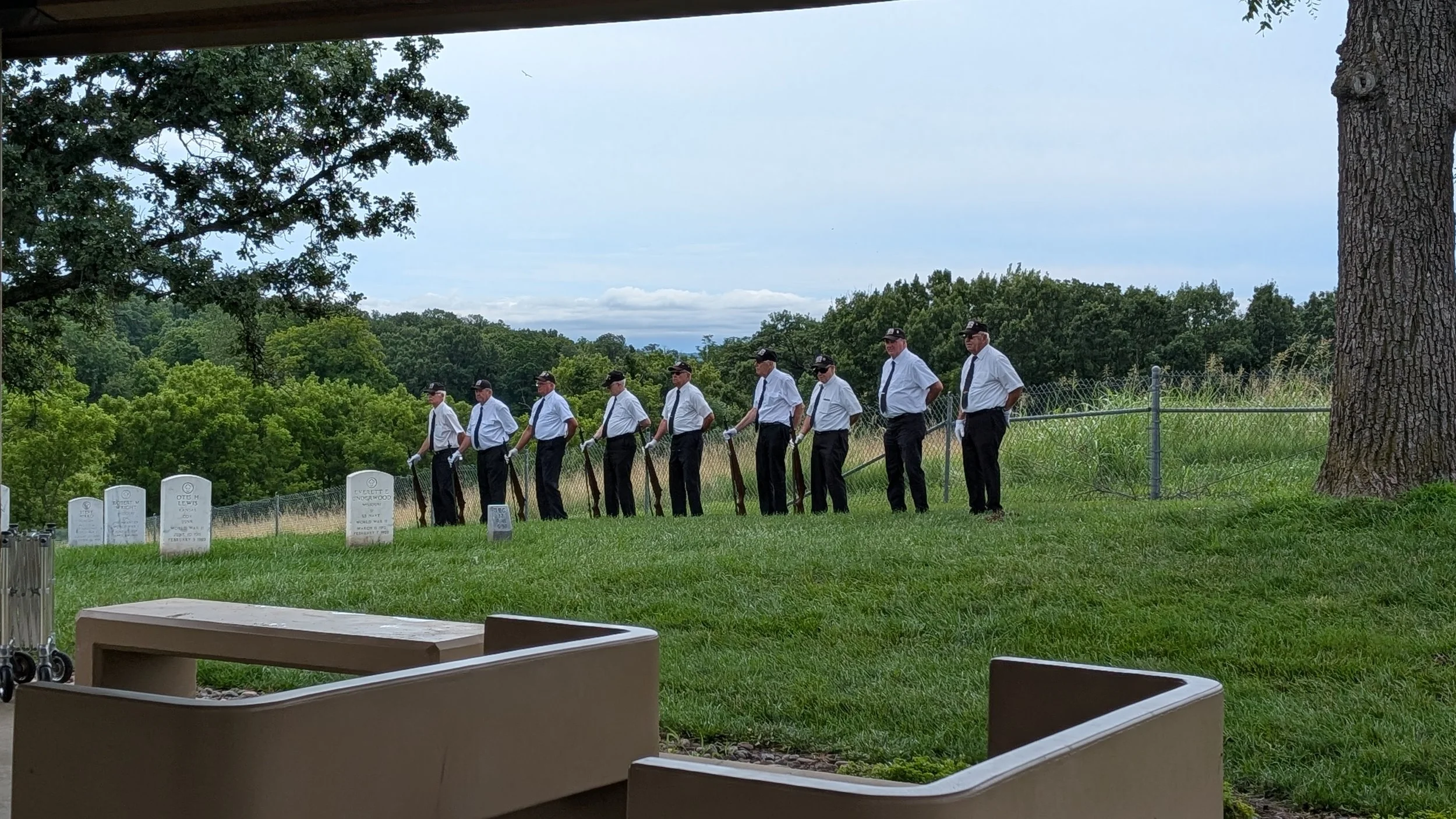
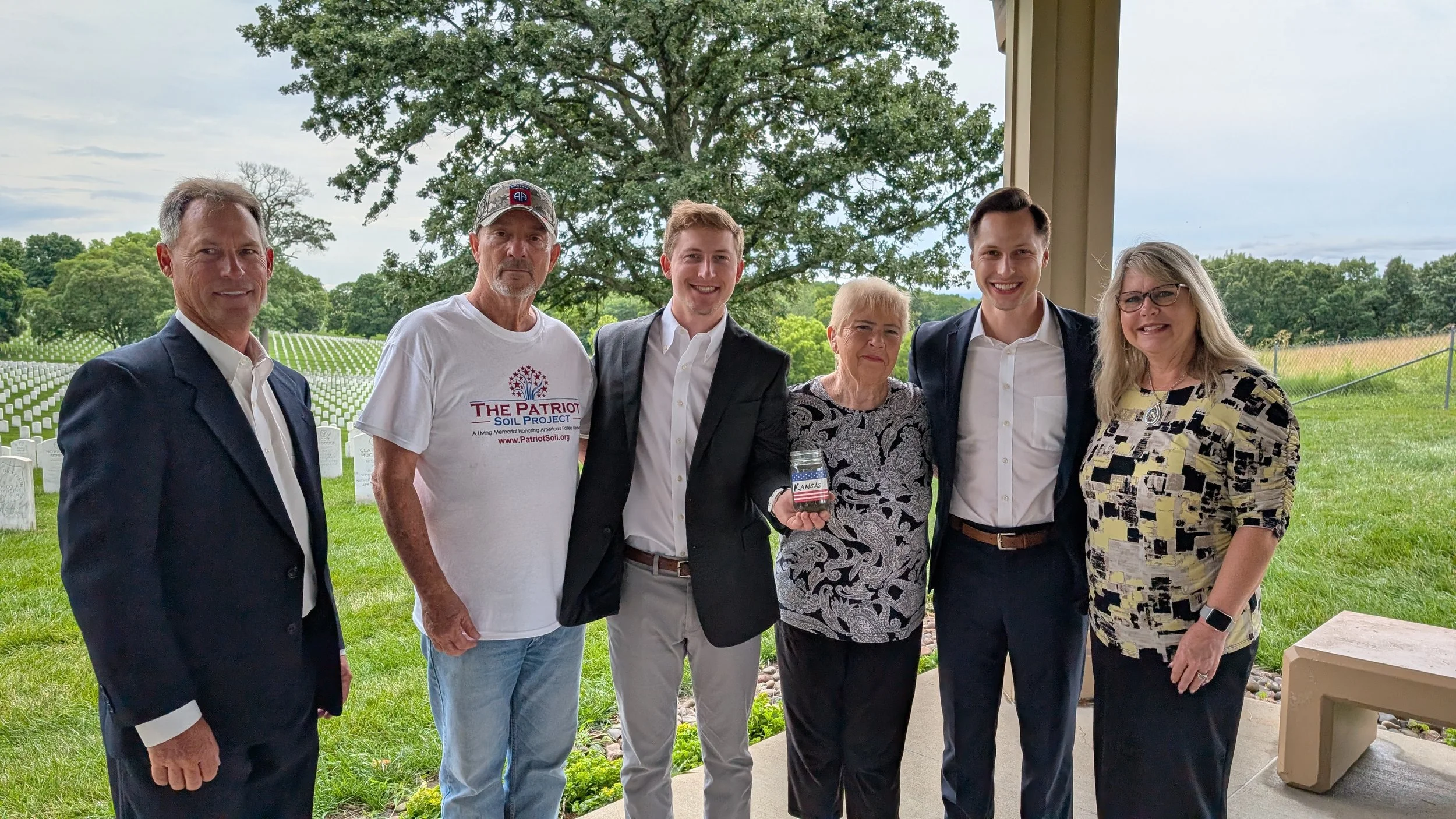
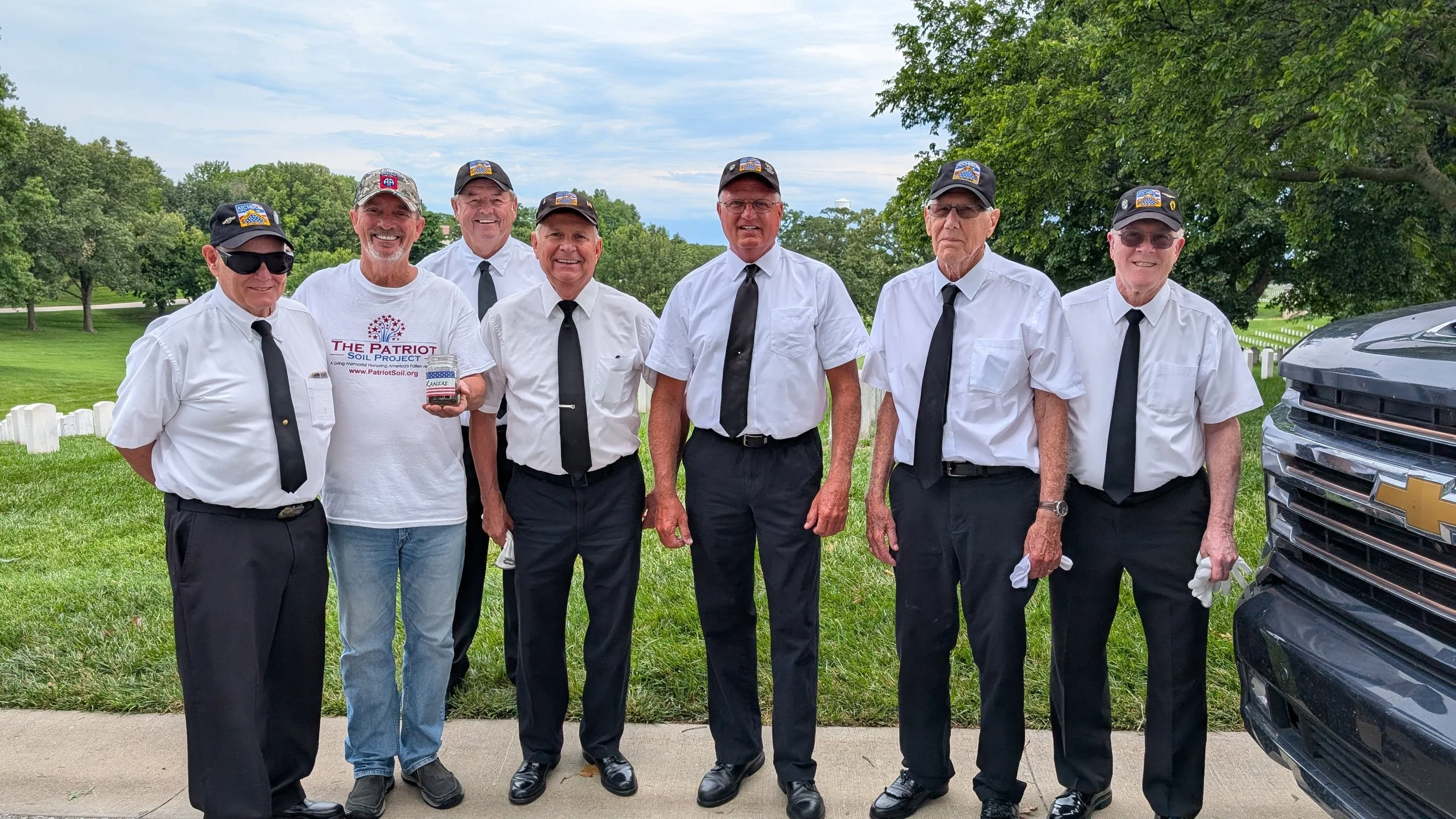
Fort Leavenworth National Cemetery
Fort Leavenworth National Cemetery is one of the oldest national cemeteries in the United States and is located within the active Fort Leavenworth Army installation in Kansas. Established formally in 1862 during the Civil War era, its use as a burial ground actually predates that designation, with internments beginning as early as the 1840s. The cemetery developed alongside Fort Leavenworth itself, which is one of the oldest continuously active U.S. Army posts west of the Mississippi River. Over time, it became a central burial site for soldiers who served on the American frontier and later in major national conflicts.
The cemetery reflects nearly two centuries of U.S. military history. It contains the graves of veterans from the Indian Wars, Civil War, Spanish-American War, both World Wars, the Korean and Vietnam Wars, and more recent conflicts in the Middle East. Because of its long history and connection to frontier military campaigns, many early burials were reinterred from remote western posts and battlefields.
Among the most notable individuals buried there is Brigadier General Henry Leavenworth, the Army officer for whom the fort and surrounding city are named. He was a prominent early 19th-century commander who led expeditions in the Great Plains and helped establish several military outposts during the period of westward expansion.
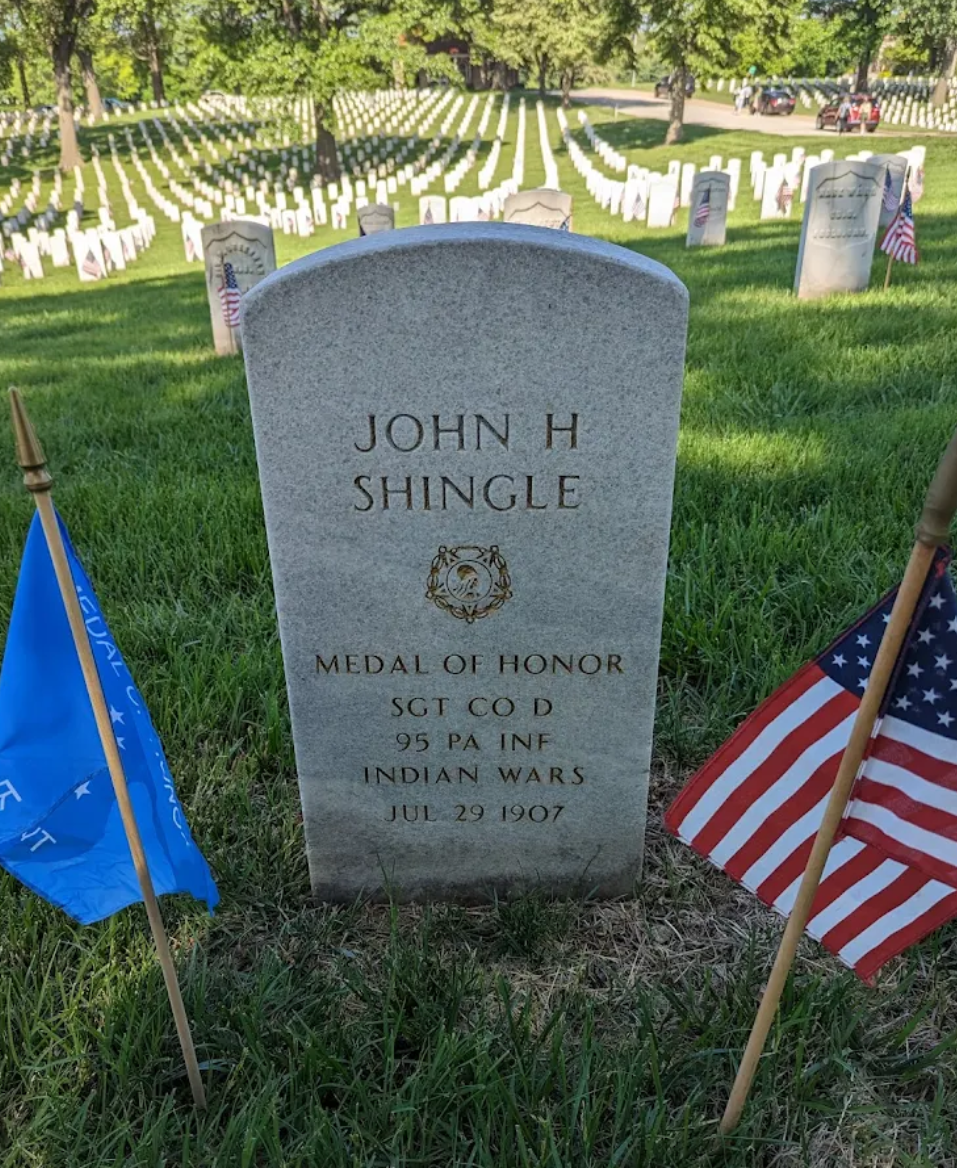
The cemetery is also the final resting place of multiple Medal of Honor recipients, especially from the Civil War and Indian Wars periods. These include soldiers recognized for extraordinary bravery in frontier combat and early U.S. military campaigns. While many of their names are less widely known today, they represent some of the earliest generations of decorated American servicemembers.
Today, Fort Leavenworth National Cemetery remains an active burial site managed by the U.S. Department of Veterans Affairs. Though space is limited, it continues to serve eligible veterans and their families. The grounds are maintained as a historic and solemn landscape, reflecting both the military heritage of Fort Leavenworth and the broader history of U.S. armed service.
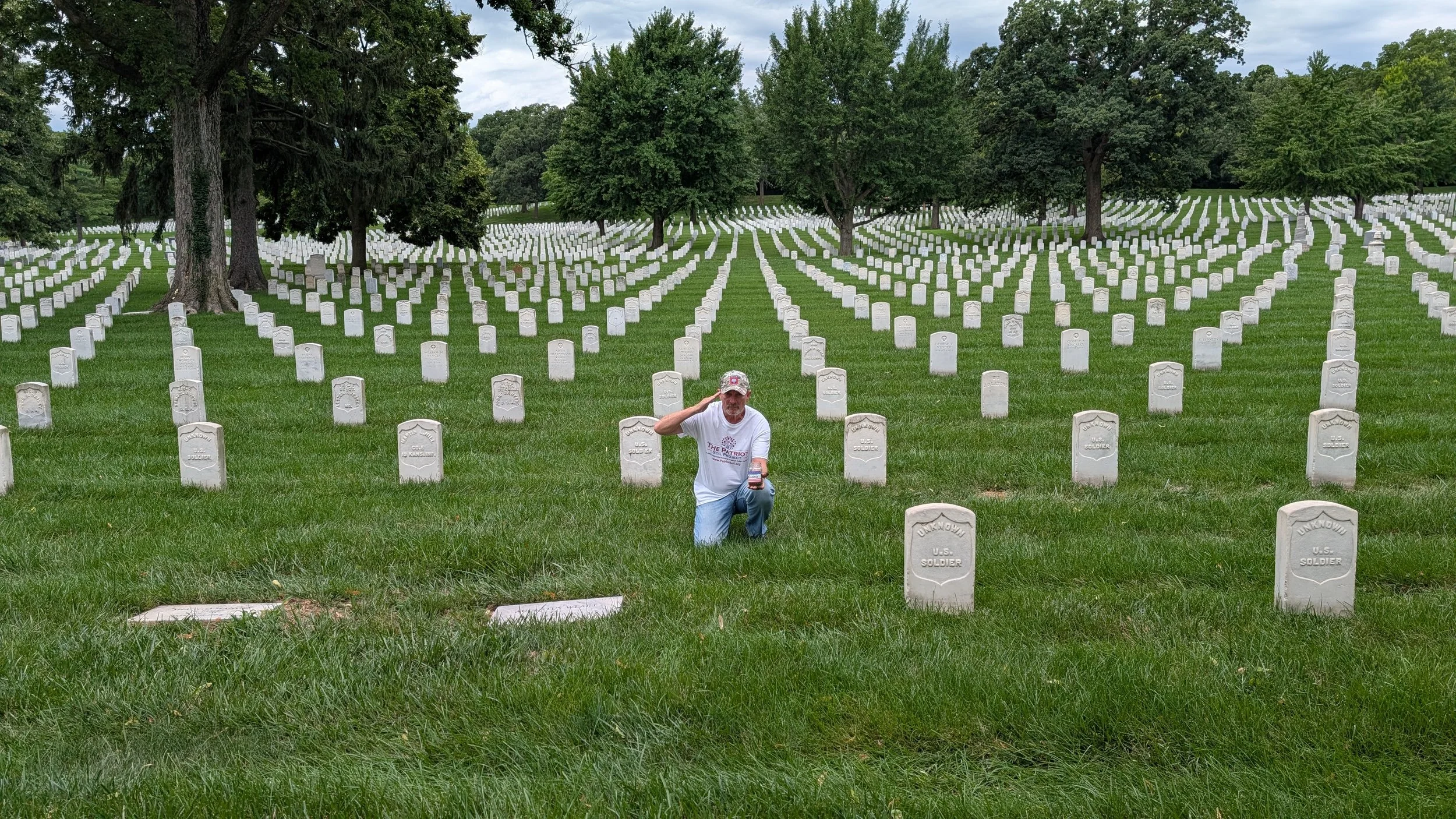
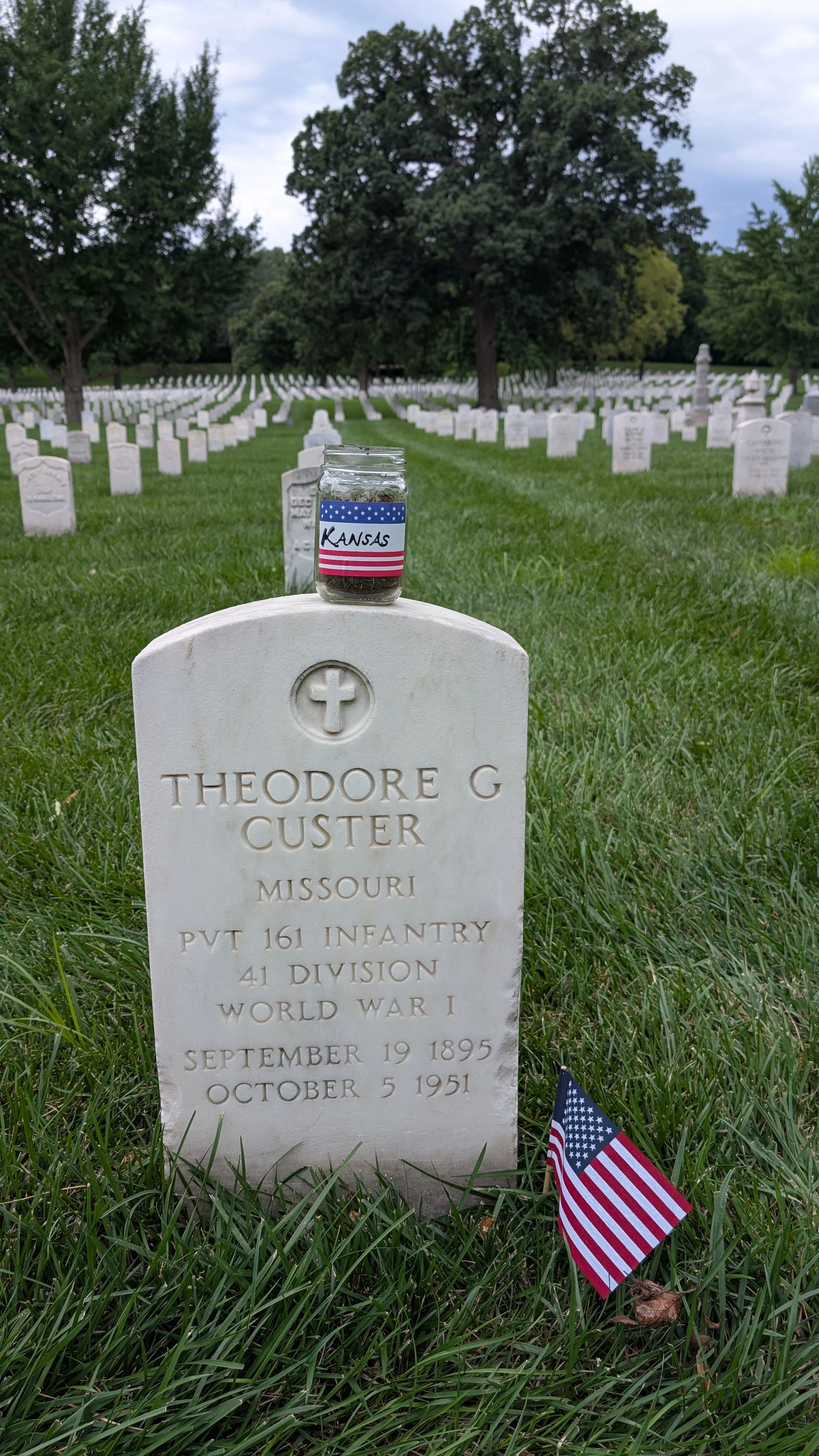
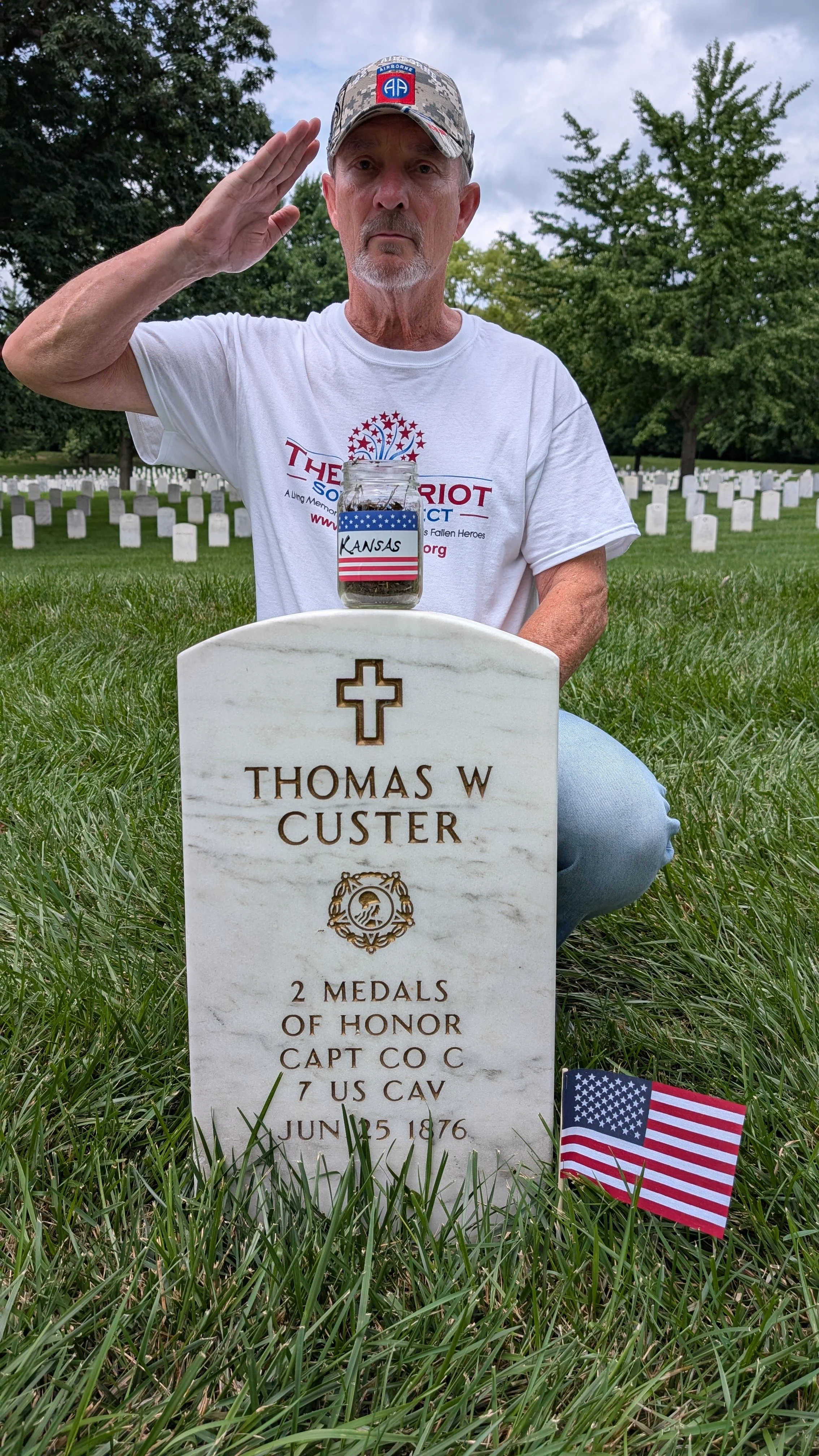
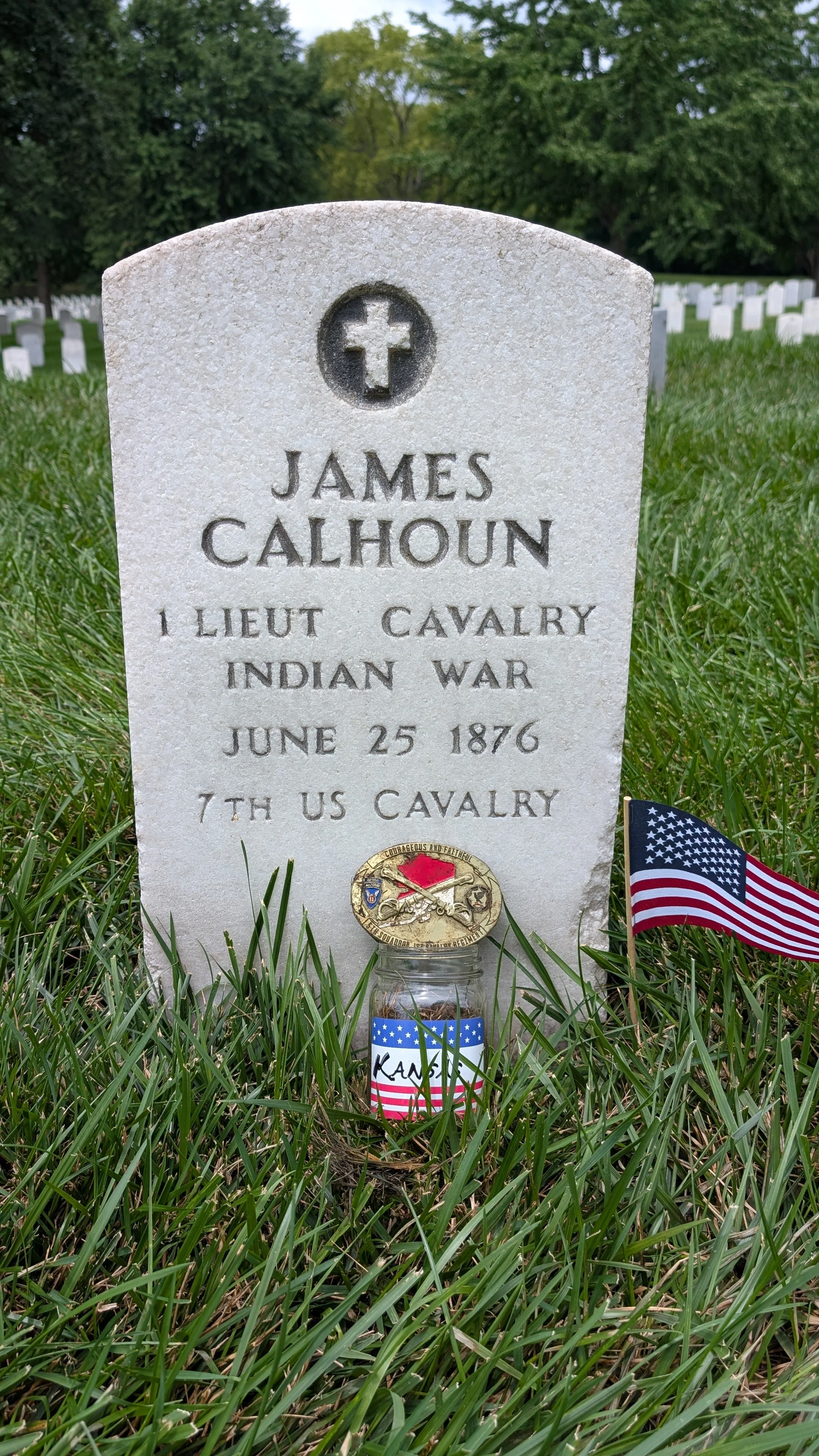
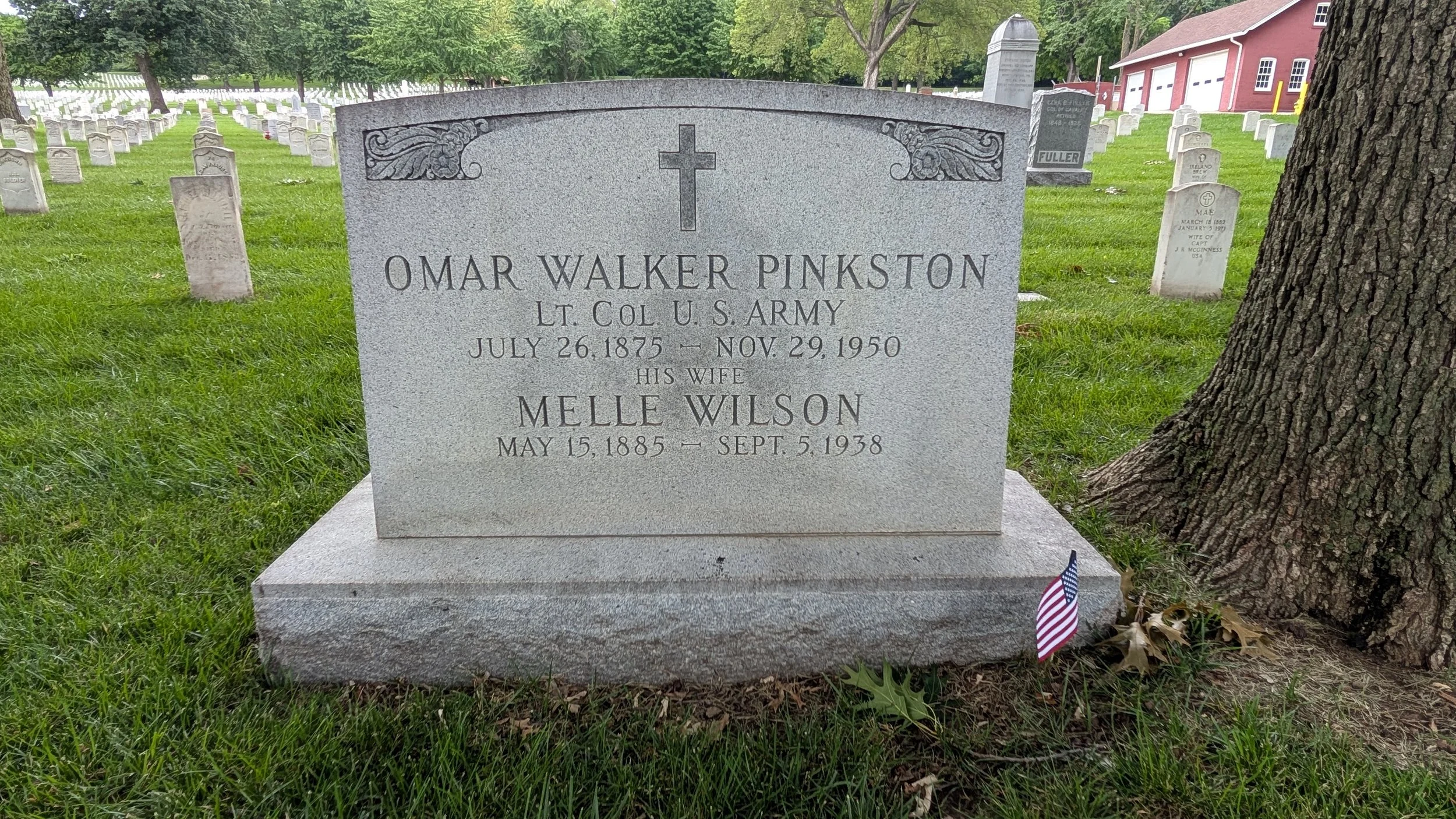
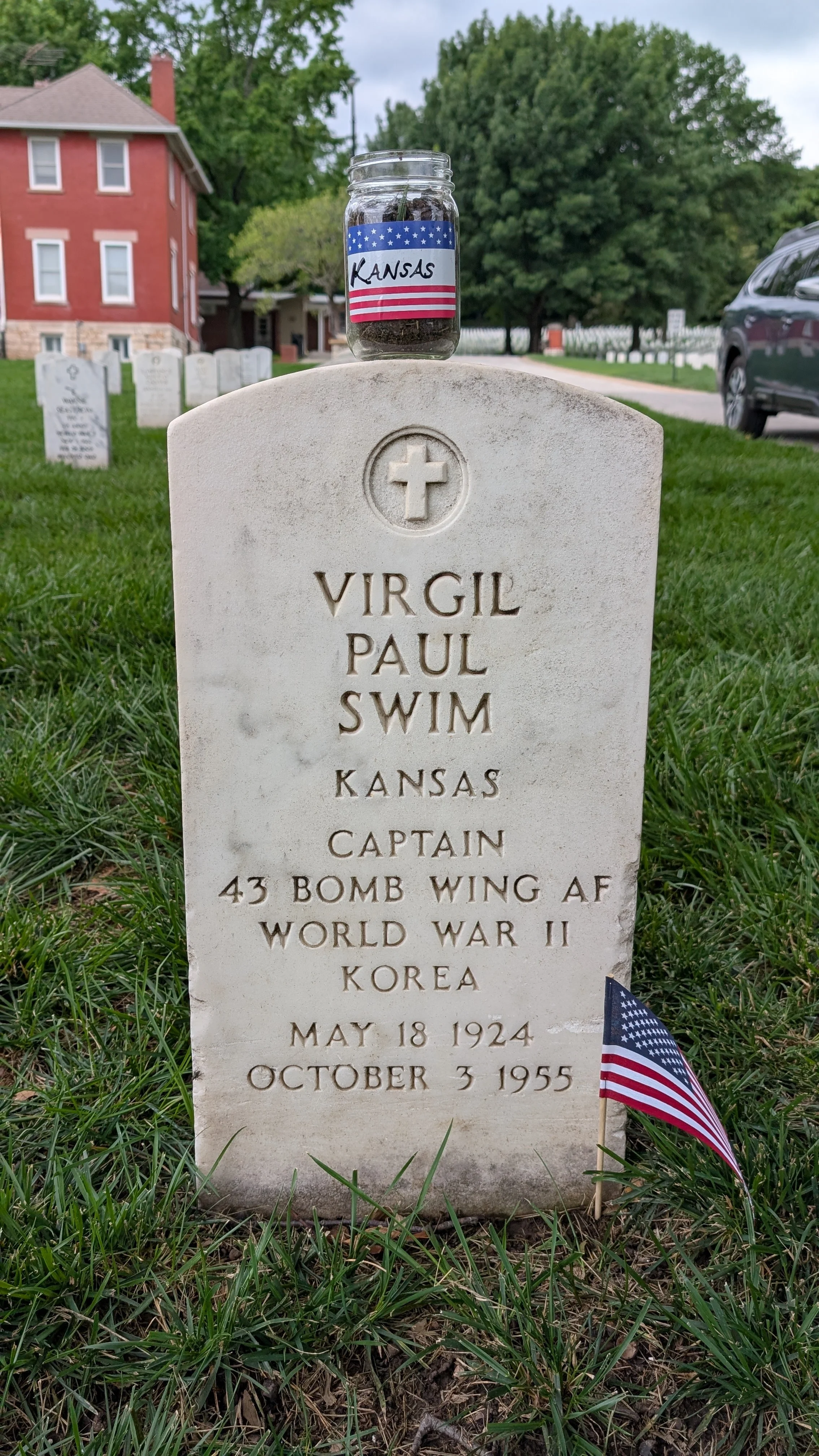
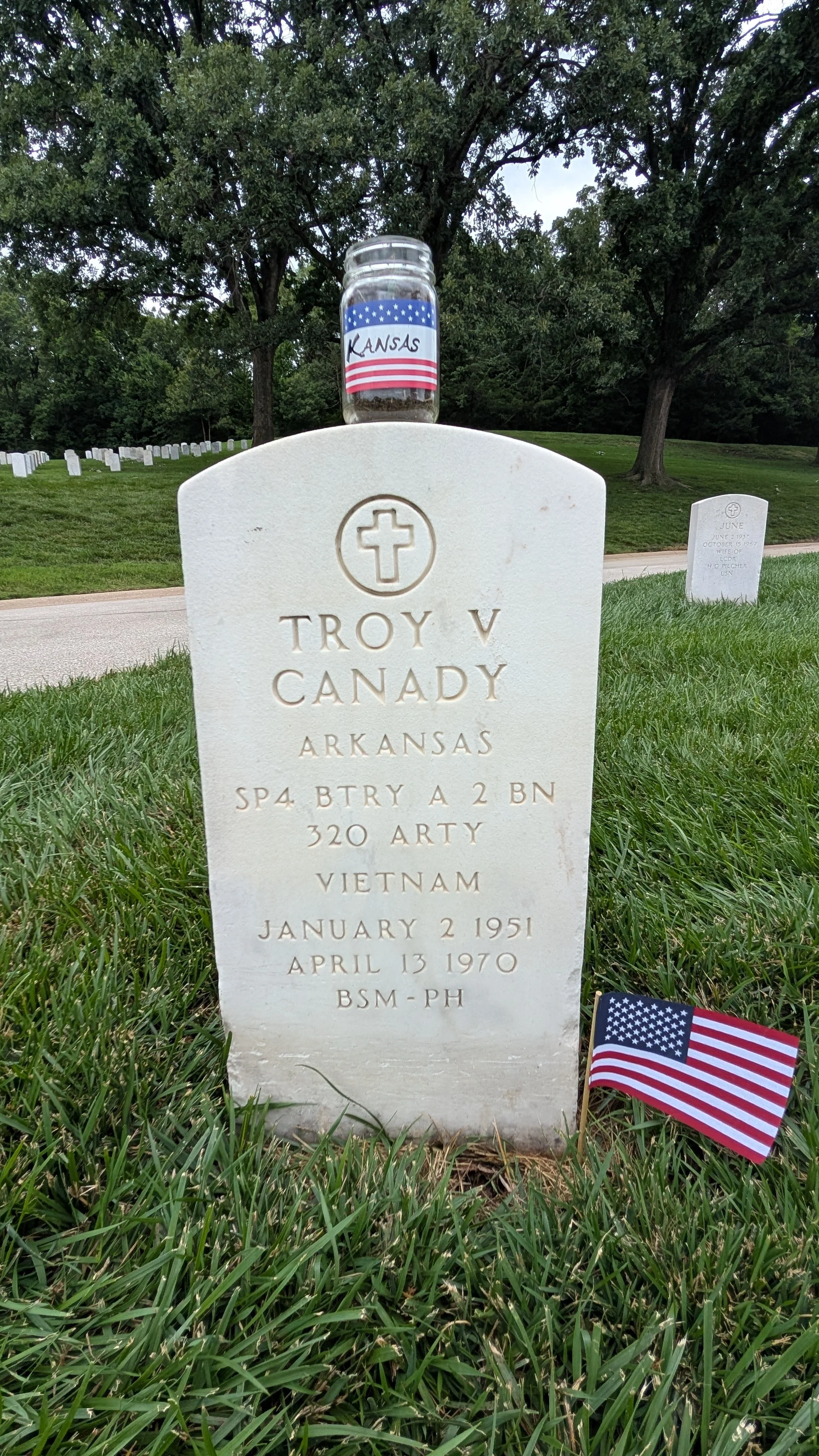
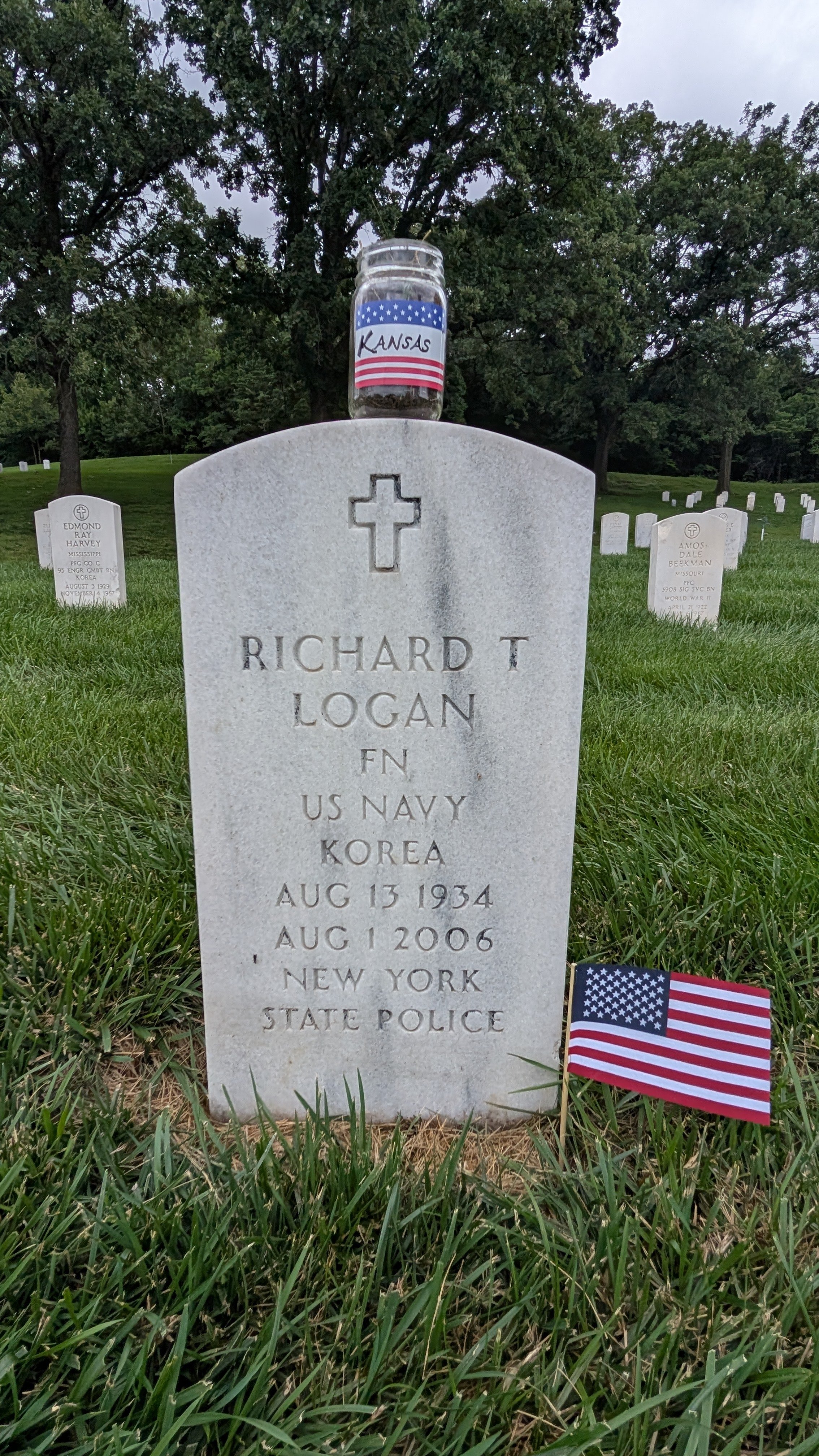
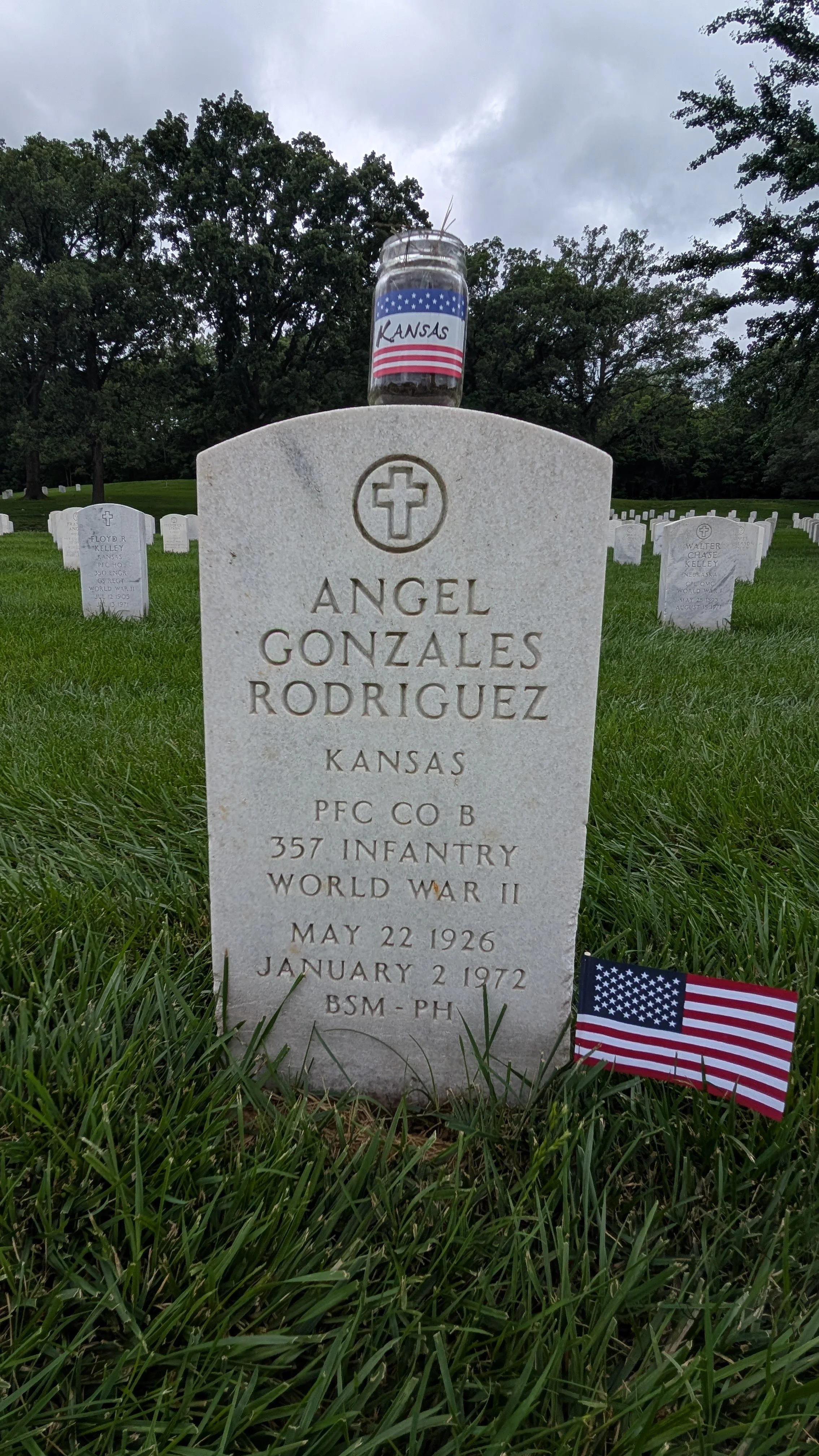
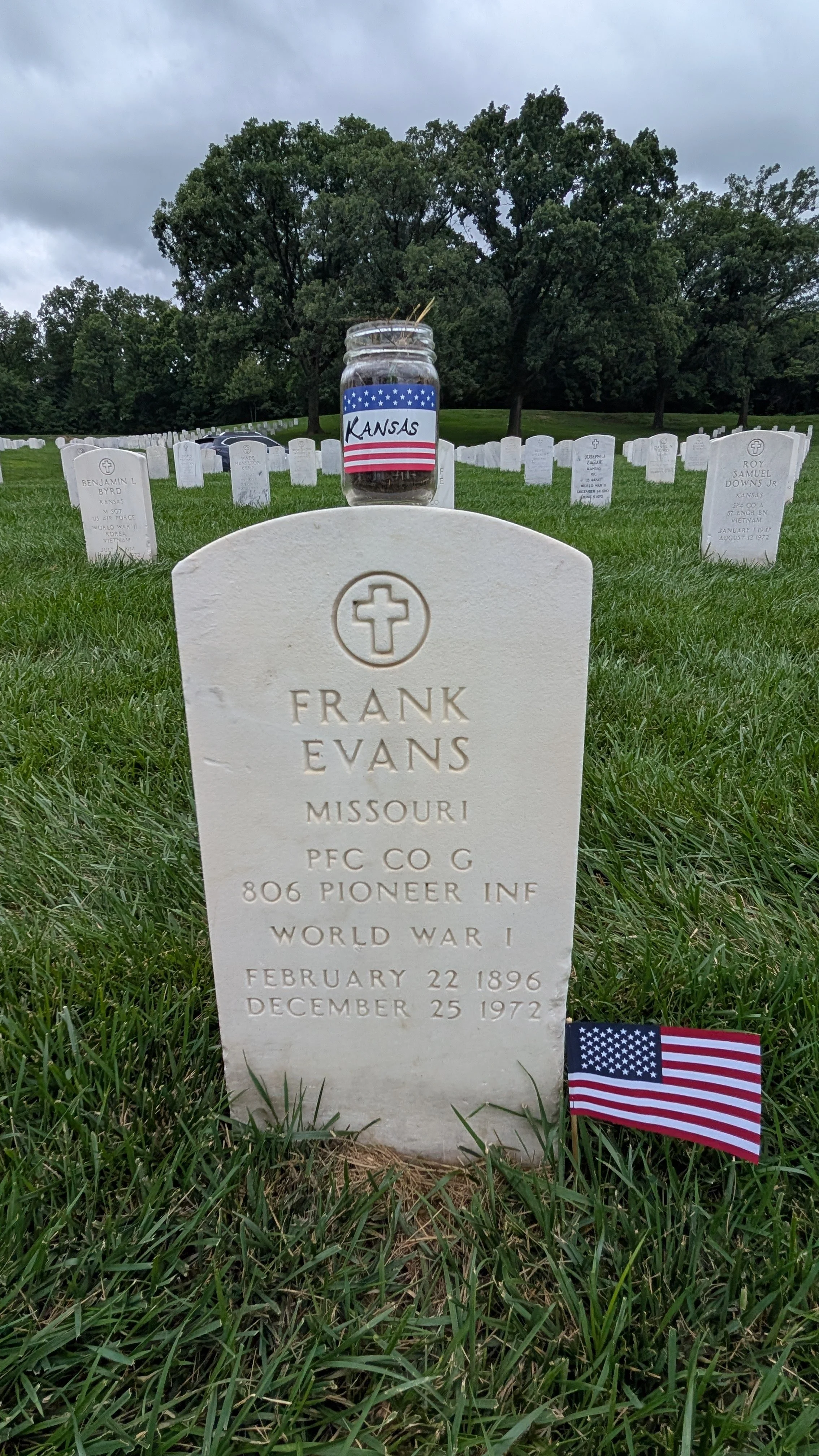
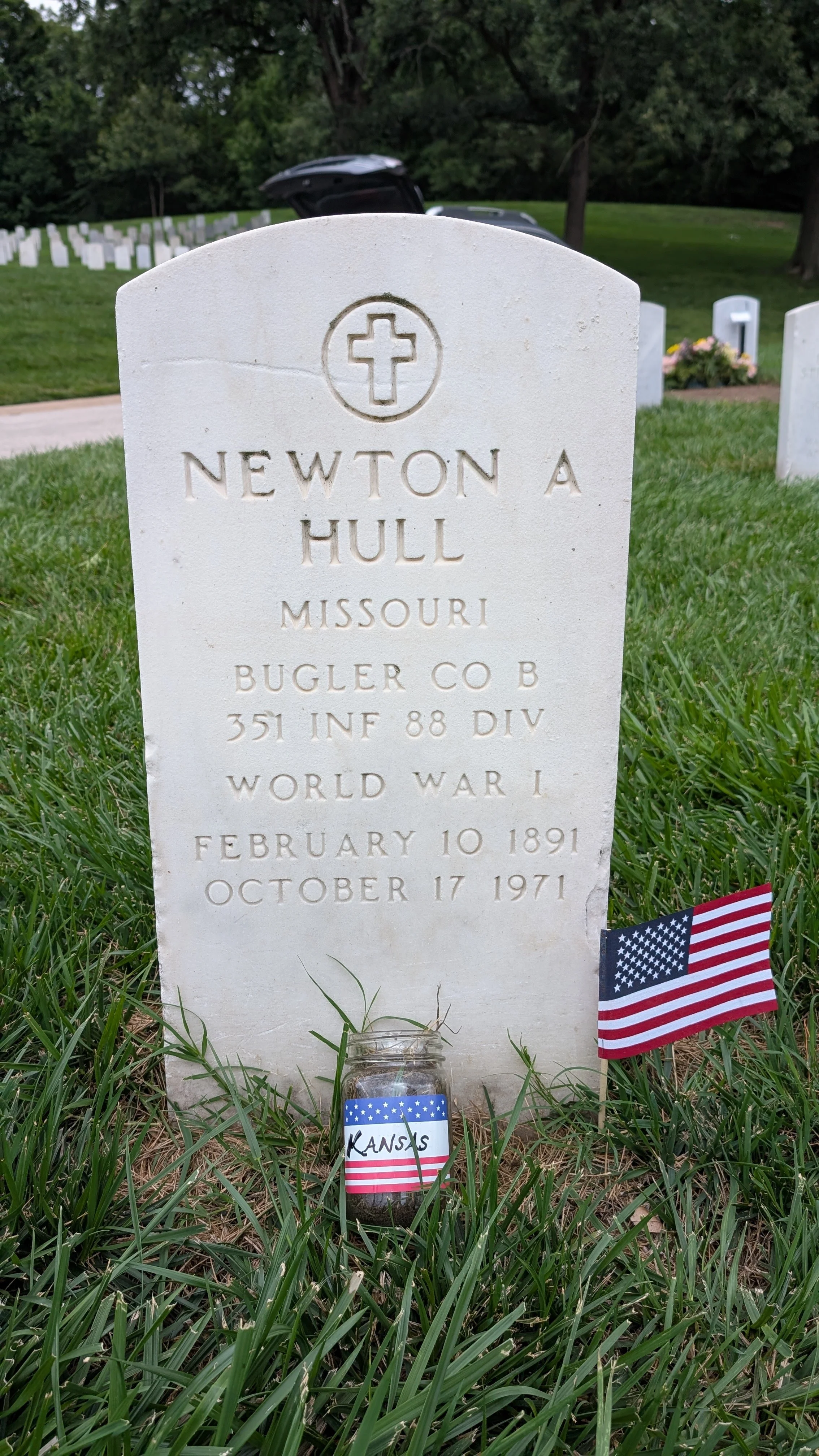
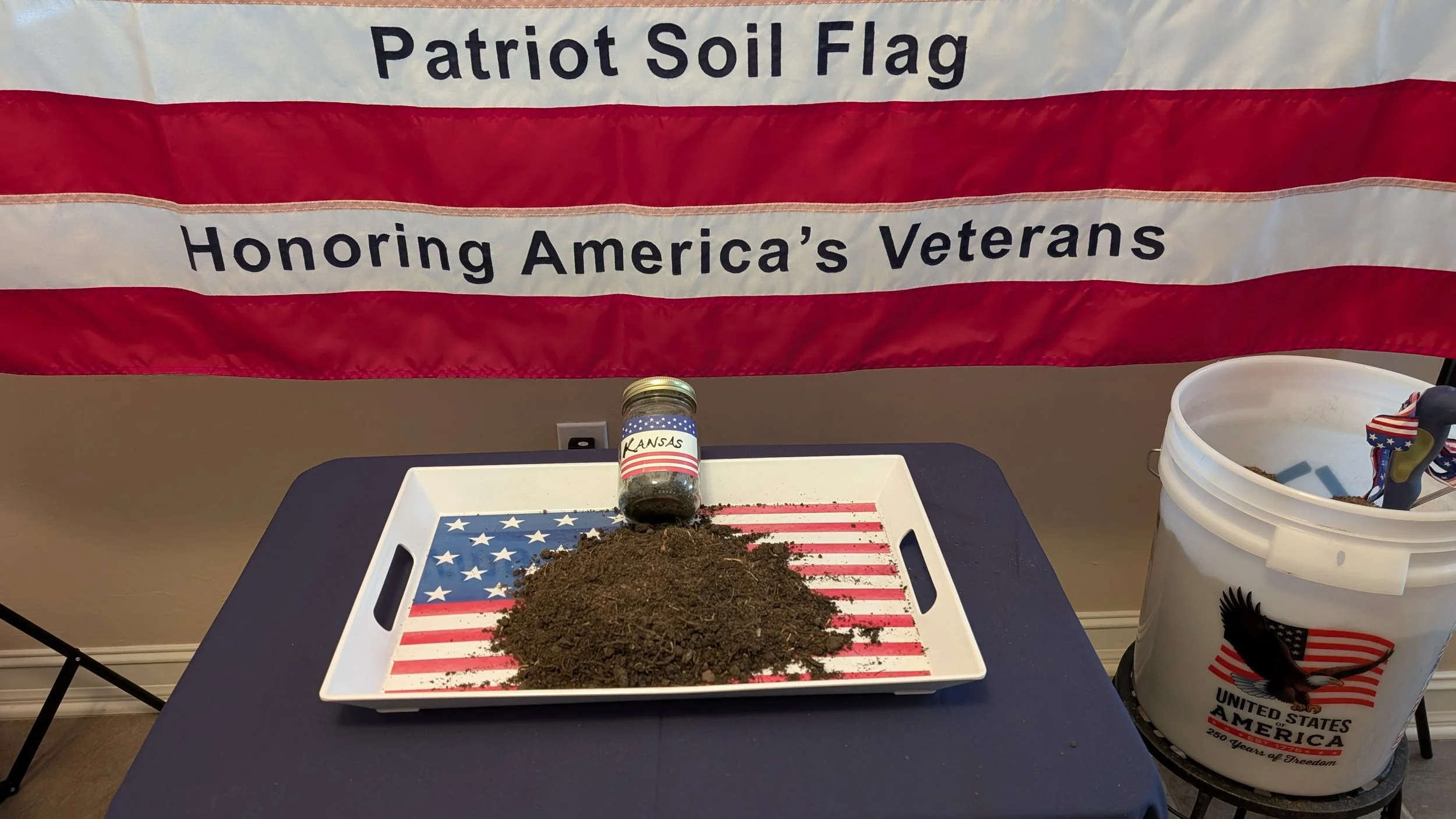
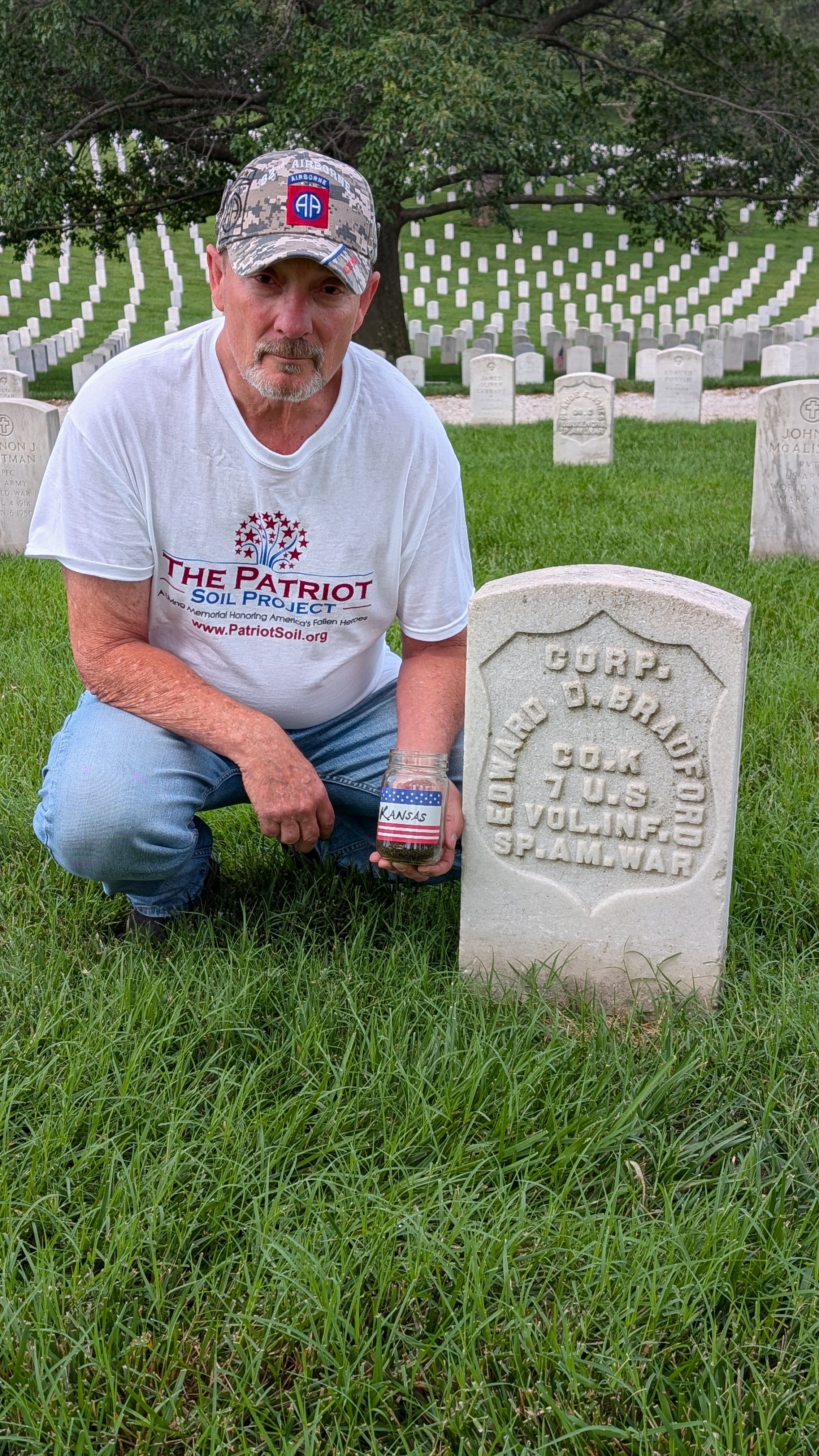
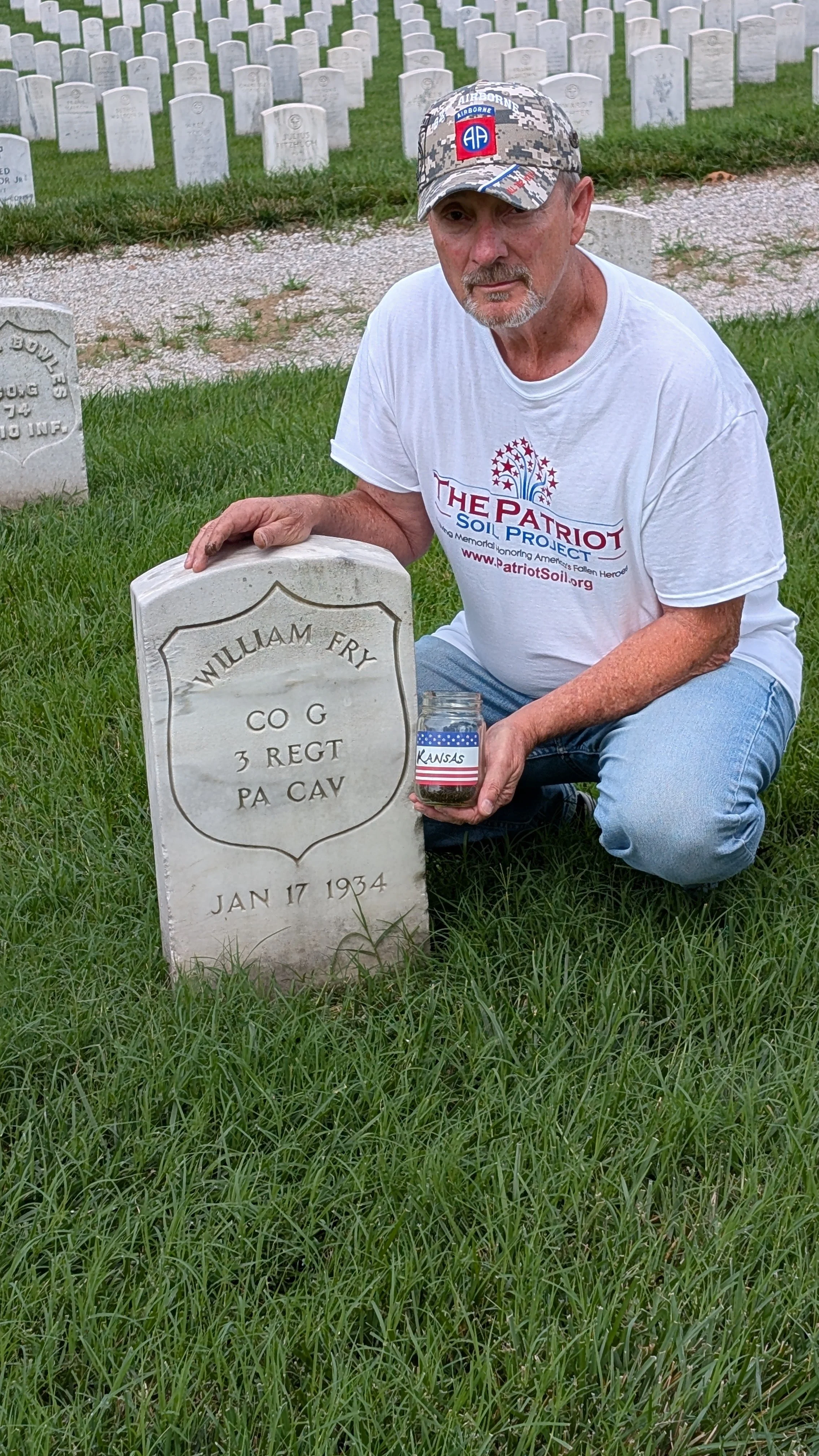
Soil MixingSoil collected from veteran resting places throughout the state is respectfully combined into a single blended collection, symbolizing the unity of all who served from that state.
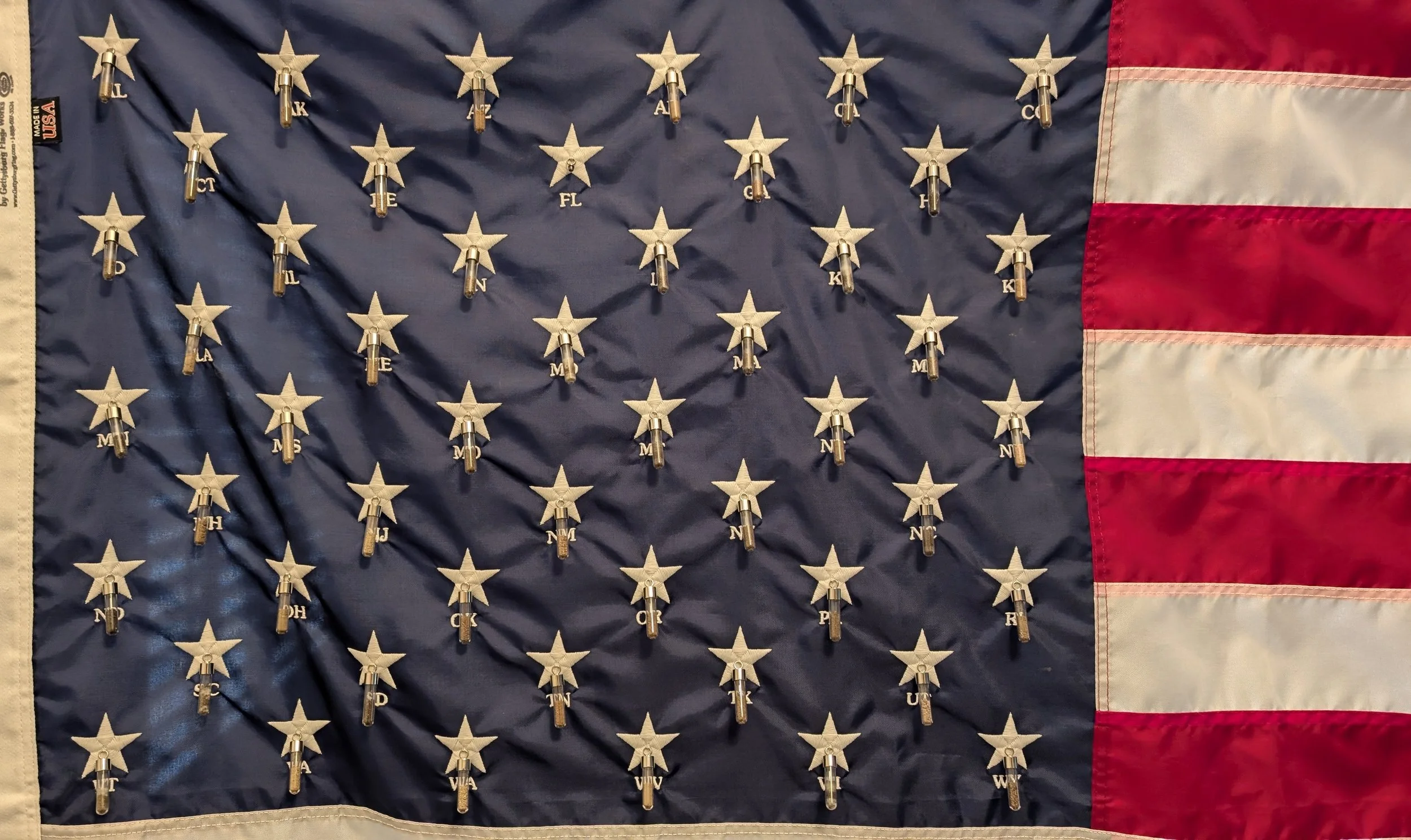
Vial & State StarSoil collected from veteran resting places throughout the state is respectfully combined into a single blended collection, symbolizing the unity of all who served from that state.