FLORIDA
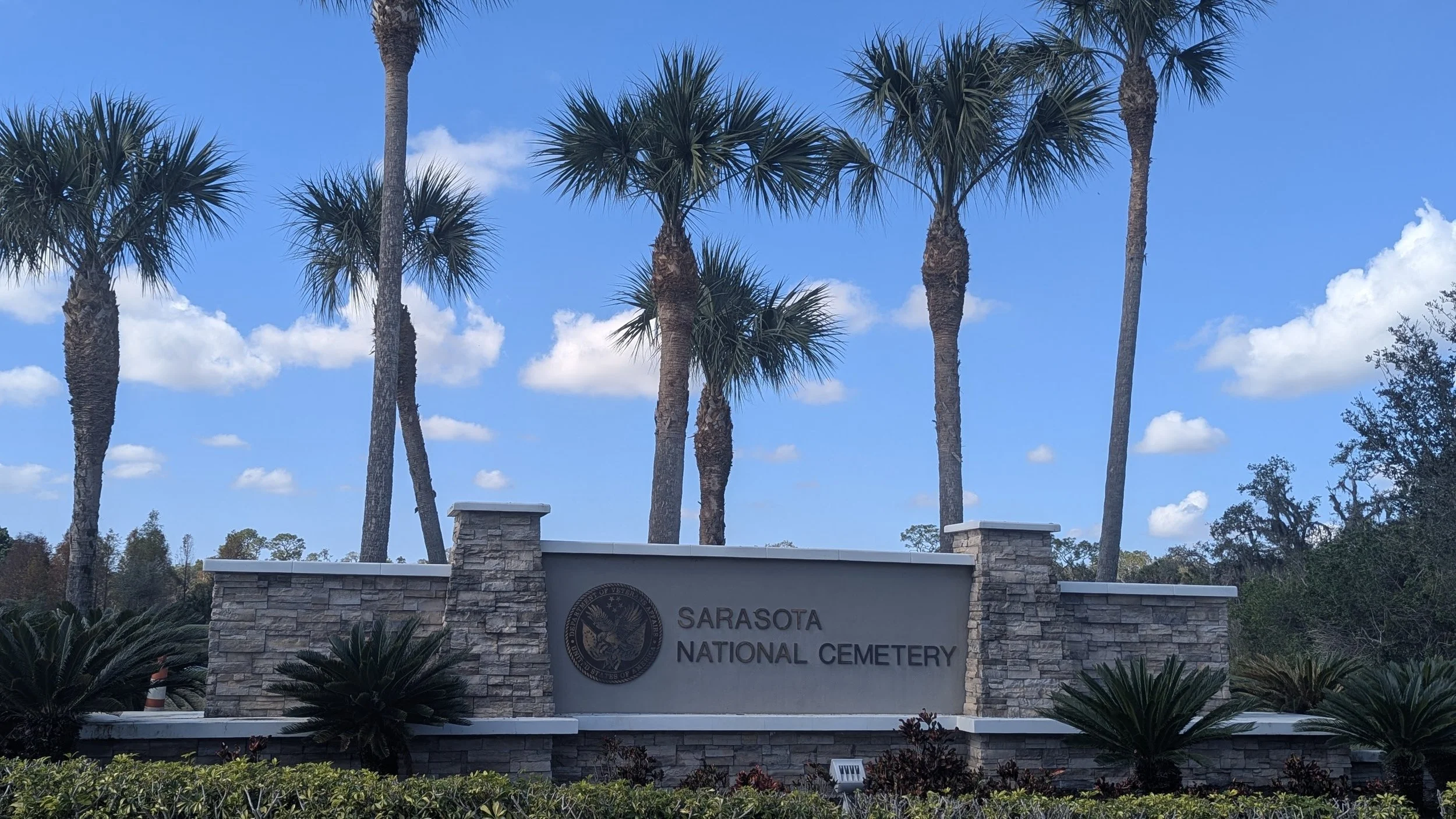
Sarasota National Cemetery
Sarasota National Cemetery is a federally operated national cemetery dedicated to honoring U.S. military veterans and their eligible family members. Managed by the United States Department of Veterans Affairs, it serves as one of southwest Florida’s primary veterans’ burial grounds, offering a carefully maintained and dignified landscape for remembrance and interment.
Established in 2009, the cemetery was created to serve Florida’s growing veteran population and now spans nearly 300 acres. Its design reflects the traditional character of America’s national cemeteries, with uniform rows of white marble headstones, expansive green lawns, peaceful lakes, and tree-lined roads that create a quiet and reflective atmosphere for visitors and families. The land itself was once part of a historic cattle ranch dating back to the 1870s, adding another layer of Florida history to the site.
One of the cemetery’s most notable features is Patriot Plaza, a large ceremonial amphitheater and public art space developed in partnership with The Patterson Foundation. Dedicated in 2014, Patriot Plaza combines memorial architecture, sculptures, mosaics, and patriotic artwork to honor veterans and their families, and it hosts major Memorial Day and Veterans Day ceremonies each year.
Several notable individuals are buried at Sarasota National Cemetery, including former NFL player and Army veteran Rick Casares, Major League Baseball umpire Marty Springstead, and decorated World War II flying ace Abner M. Aust. The cemetery has also been the site of moving community tributes, including funerals for veterans who had no surviving family, where local residents gathered to ensure they were honored and remembered.
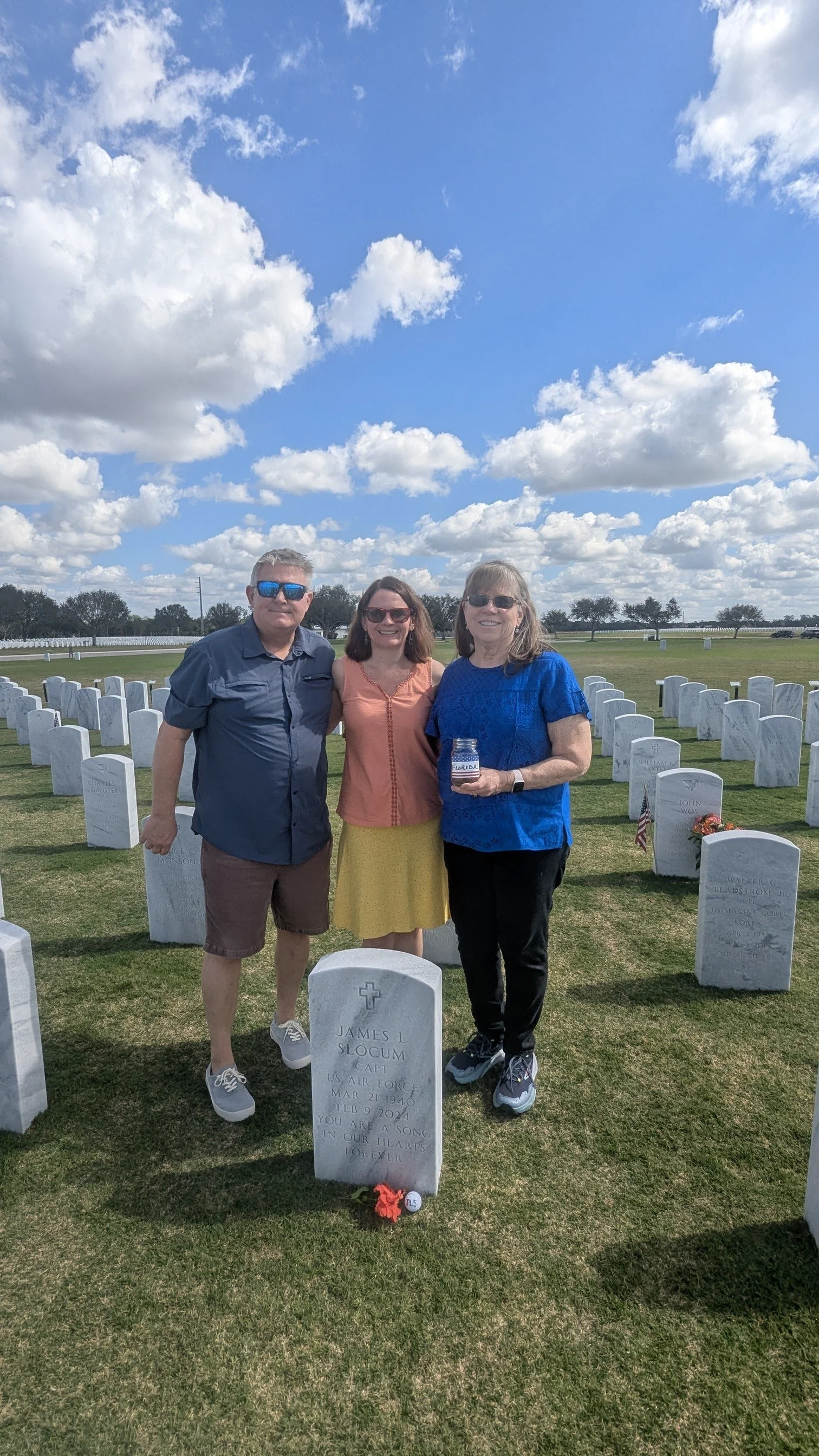
The Patriot Soil Project collected small samples of soil from more than 1,500 gravesites within Sarasota National Cemetery. That soil was blended with soil gathered from other veterans’ cemeteries across Florida, and a “Salute of Honor” was presented to the cemetery as a symbolic tribute reflecting unity, sacrifice, and national gratitude for all who served.
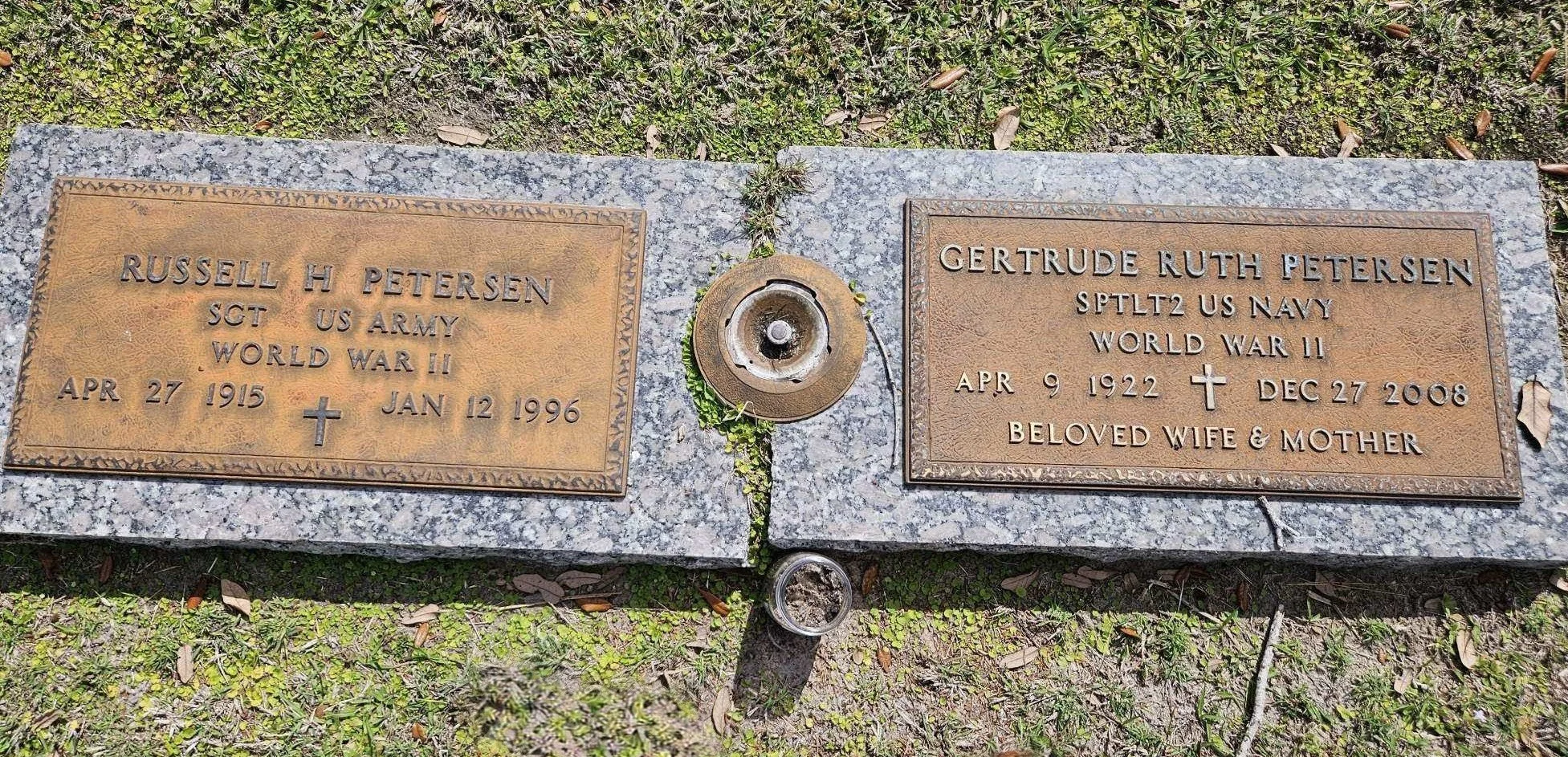
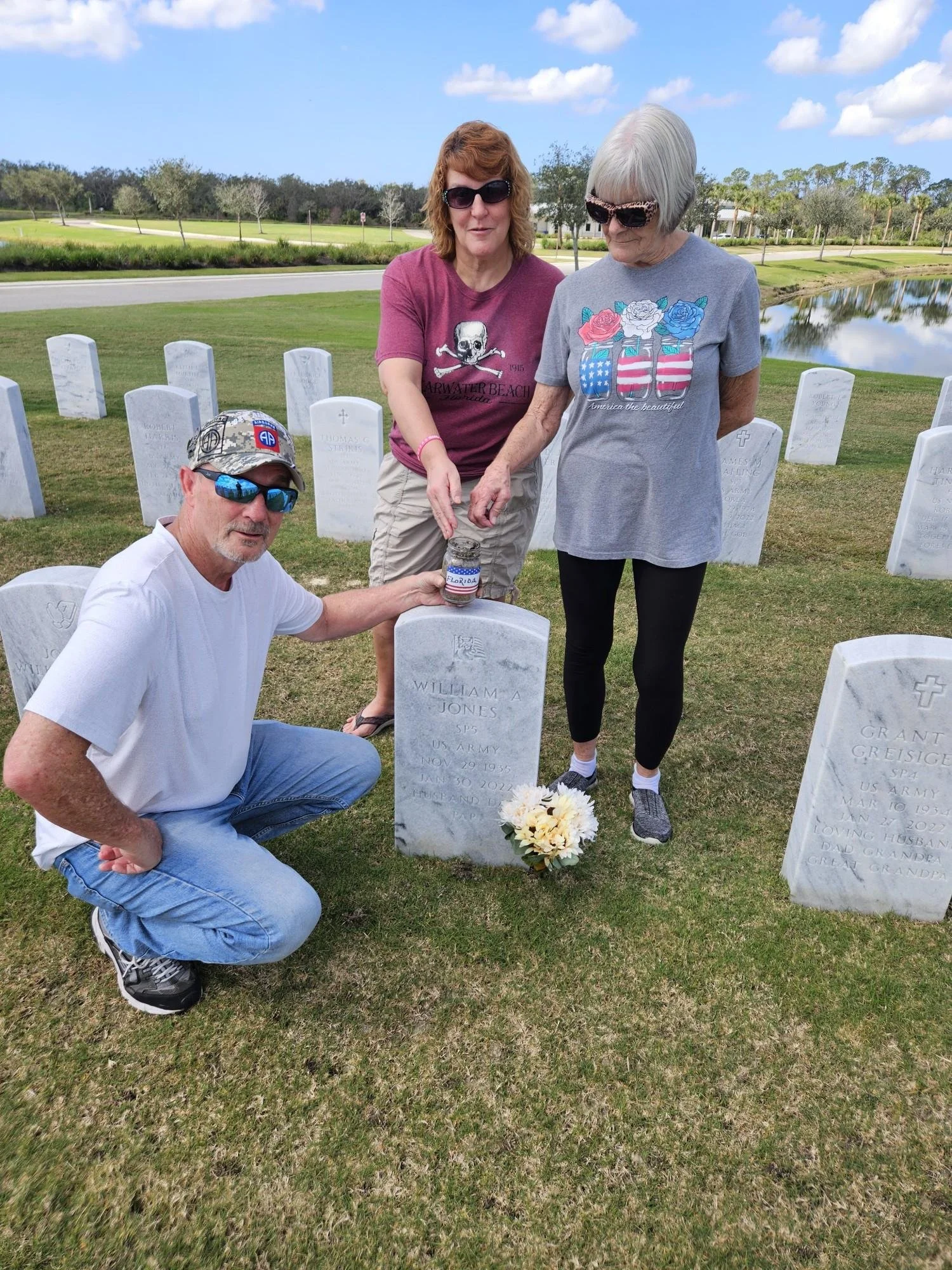
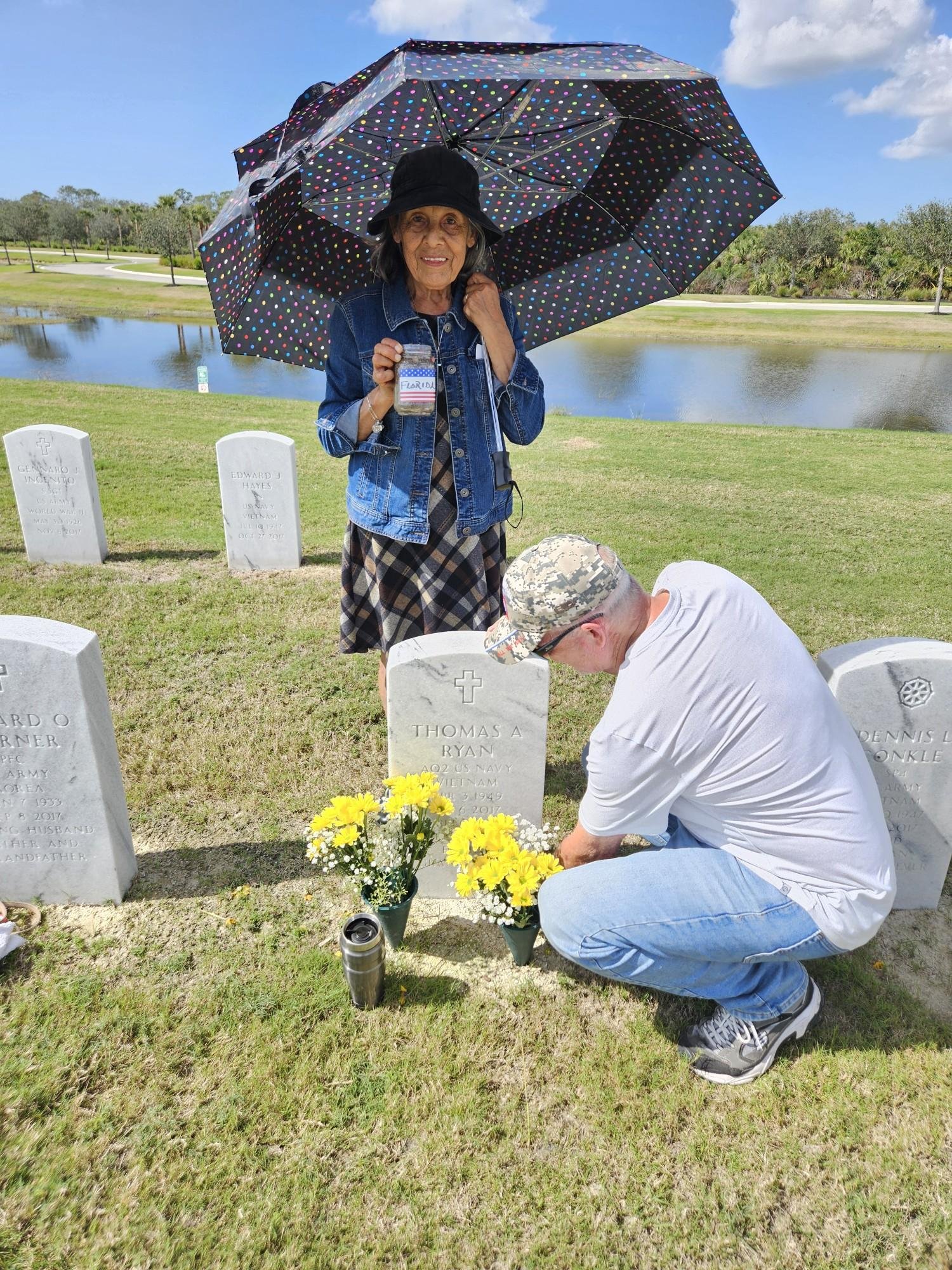
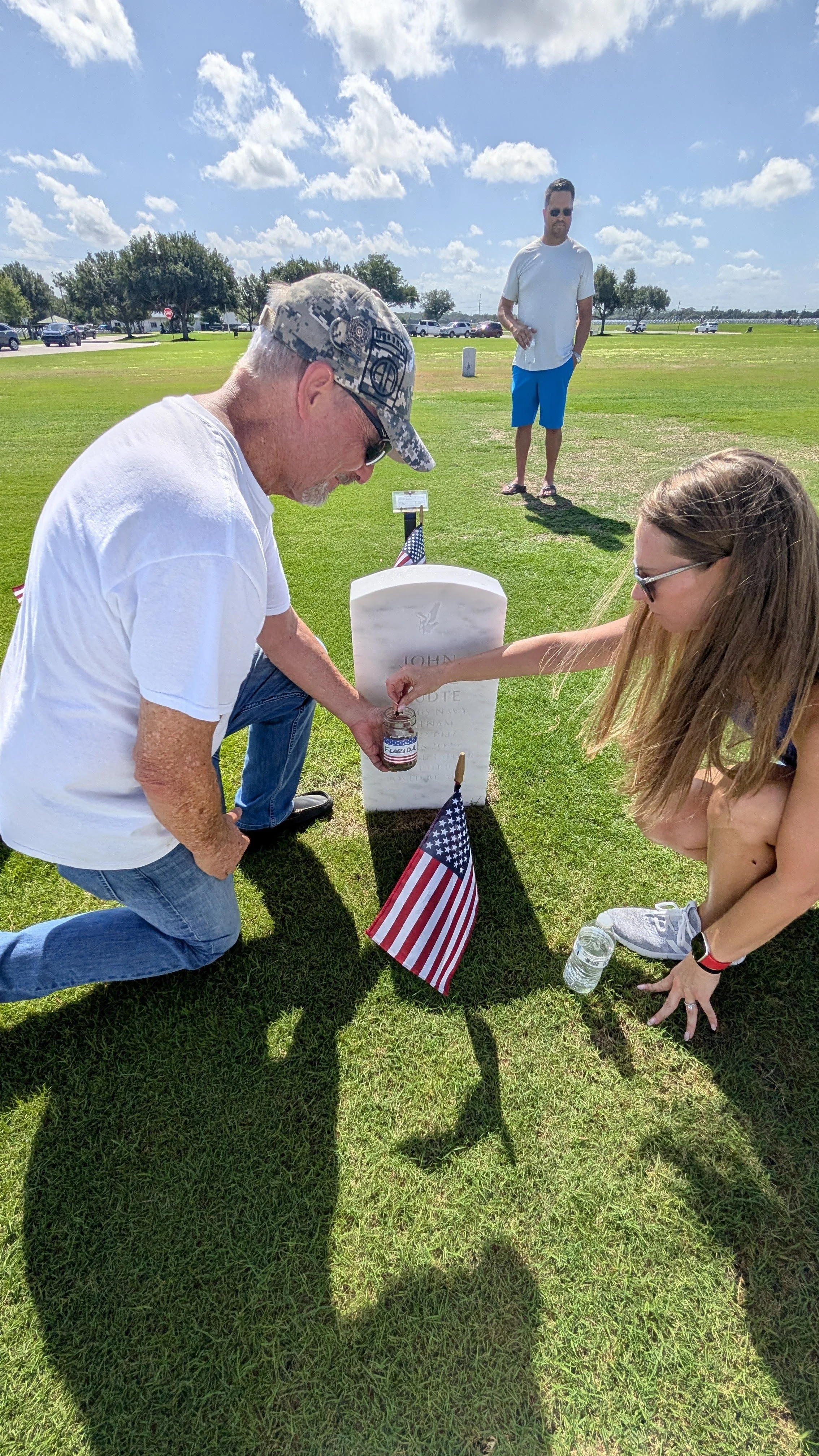
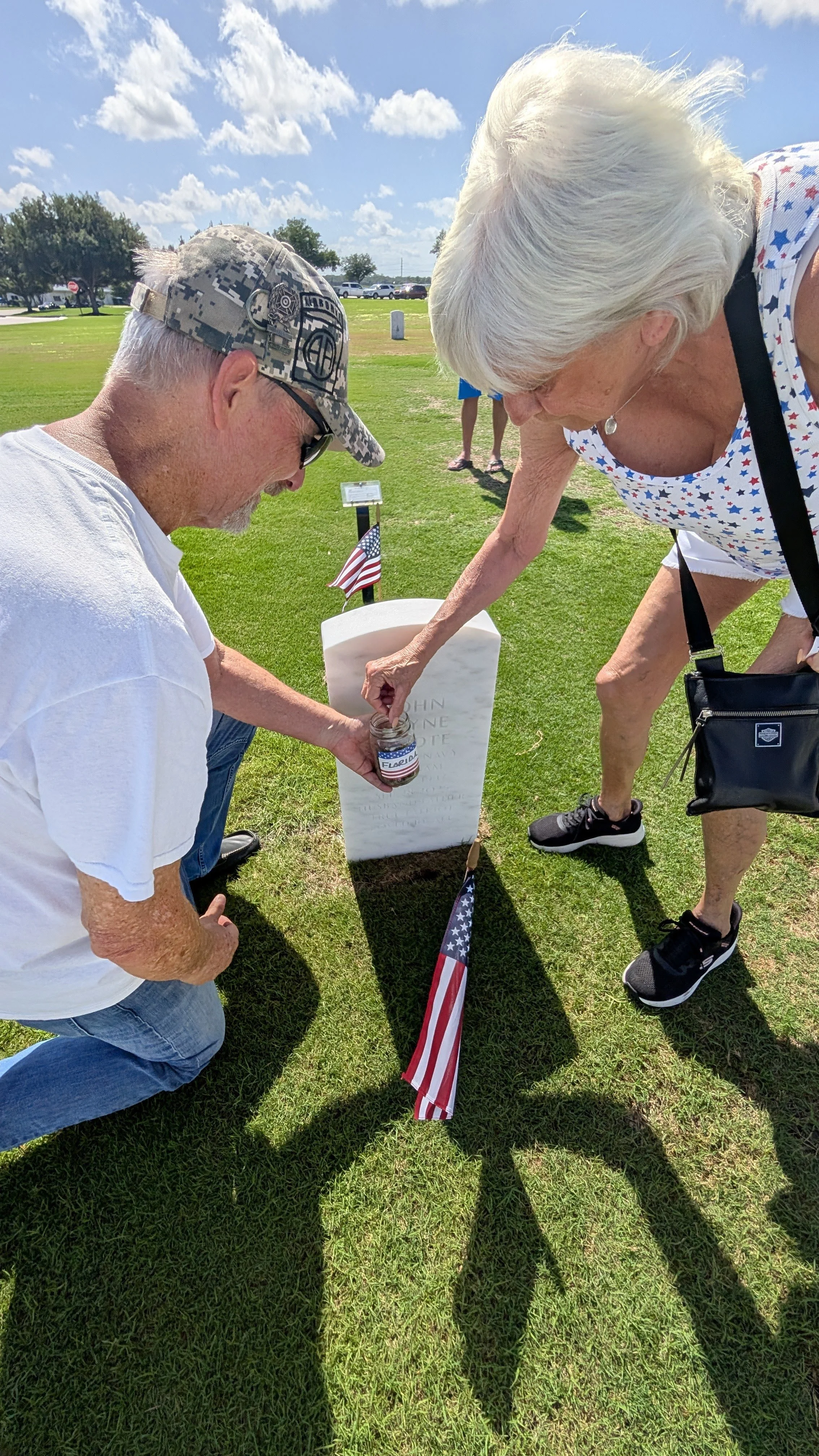
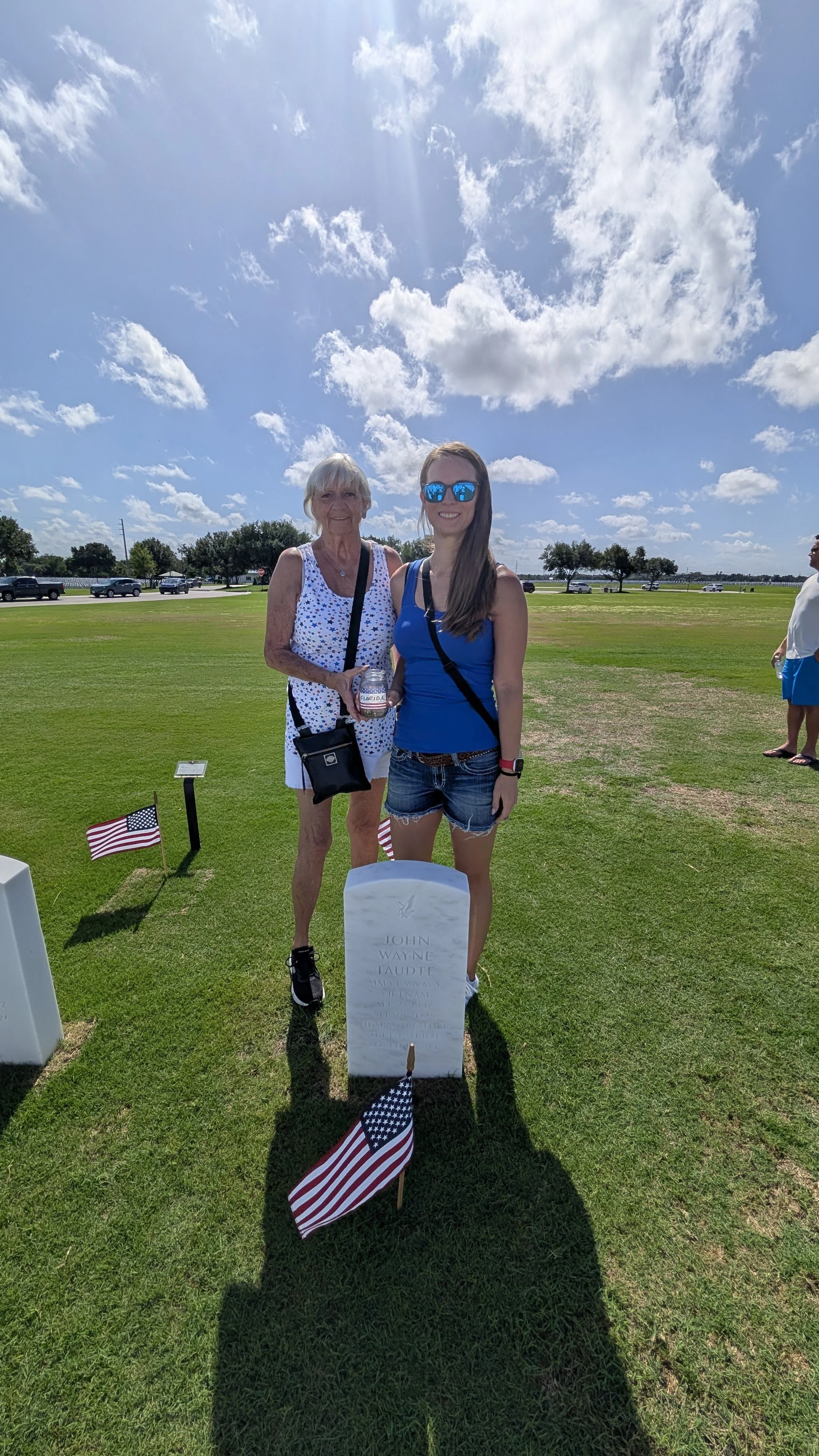
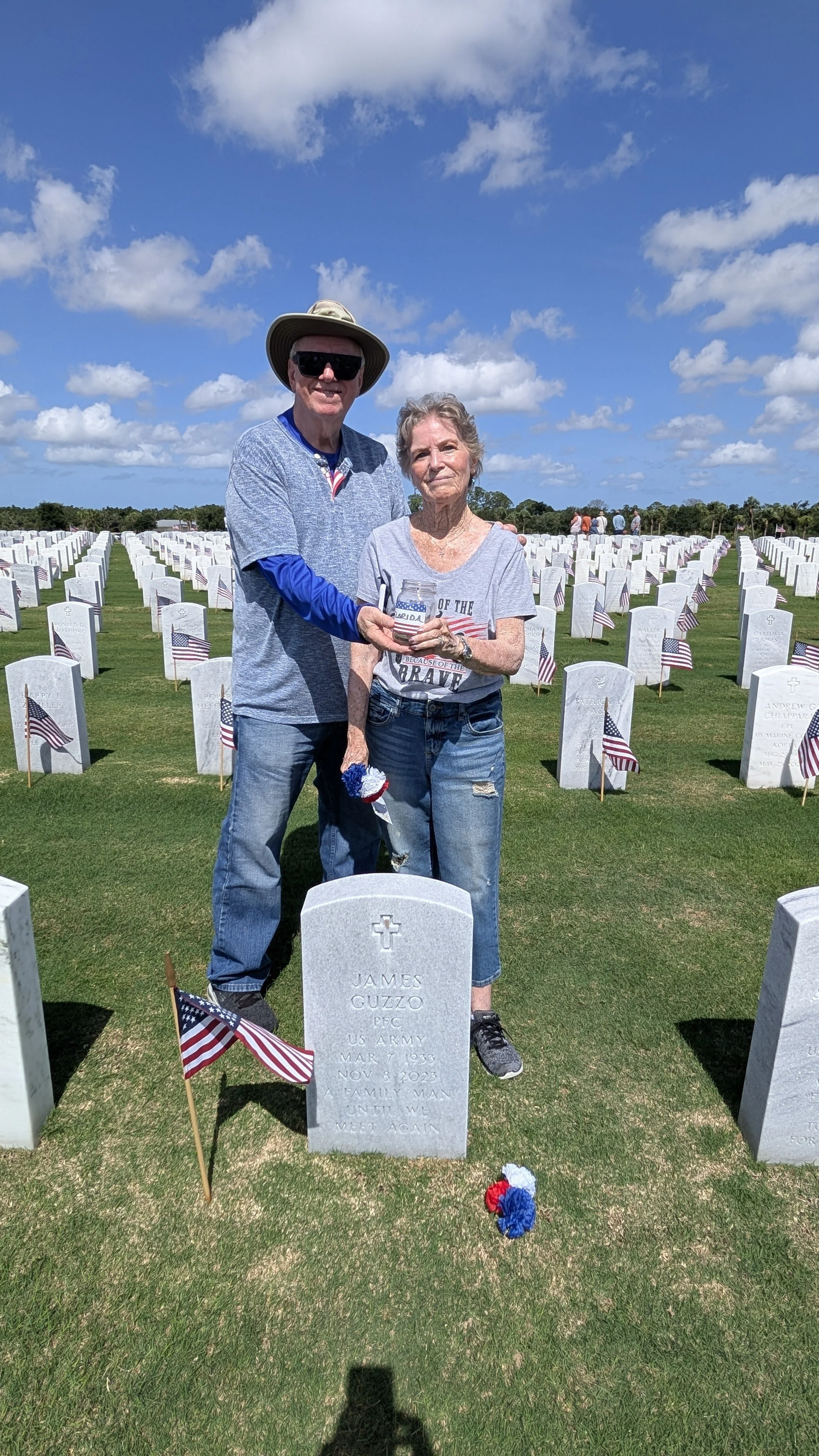
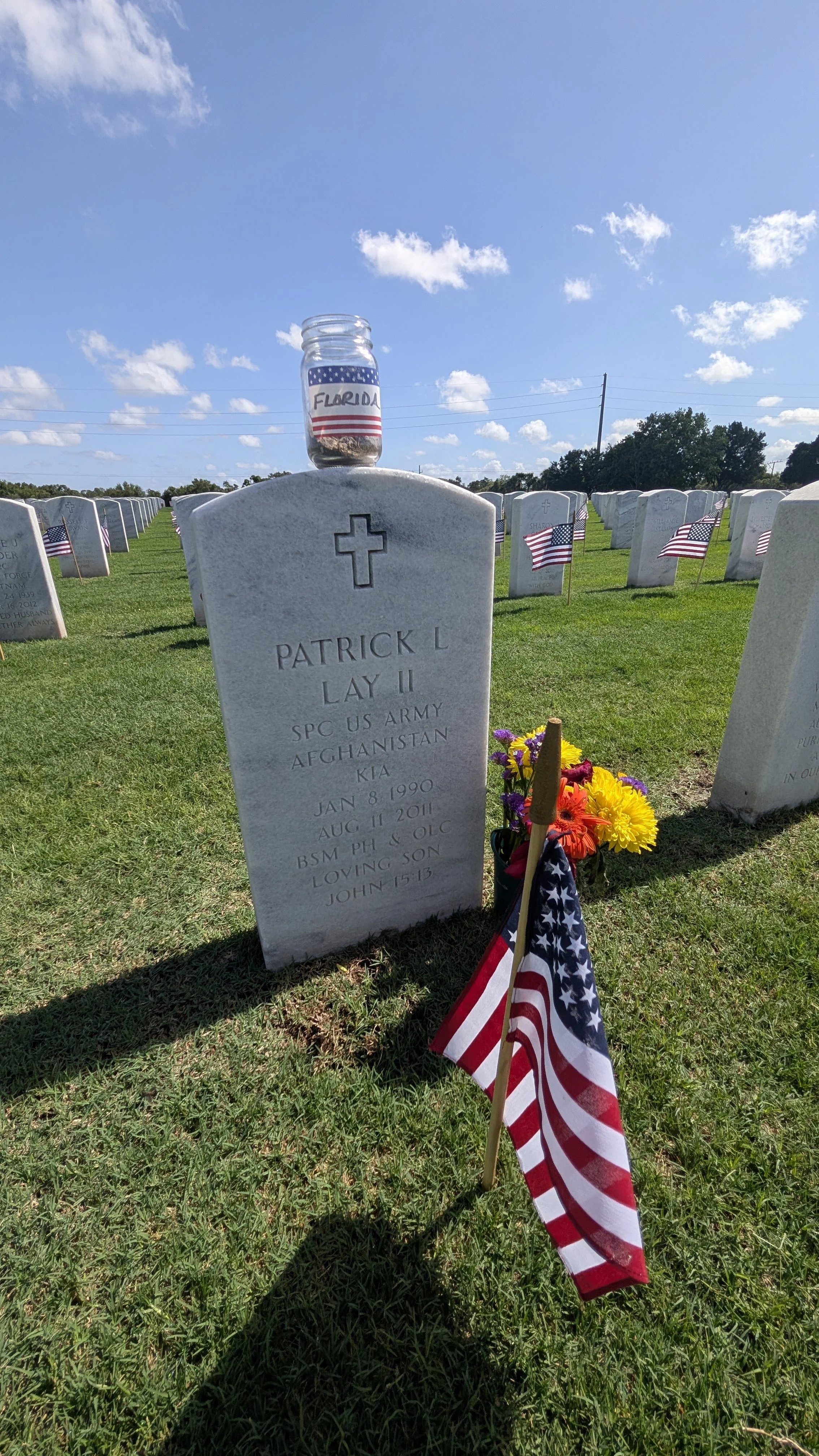
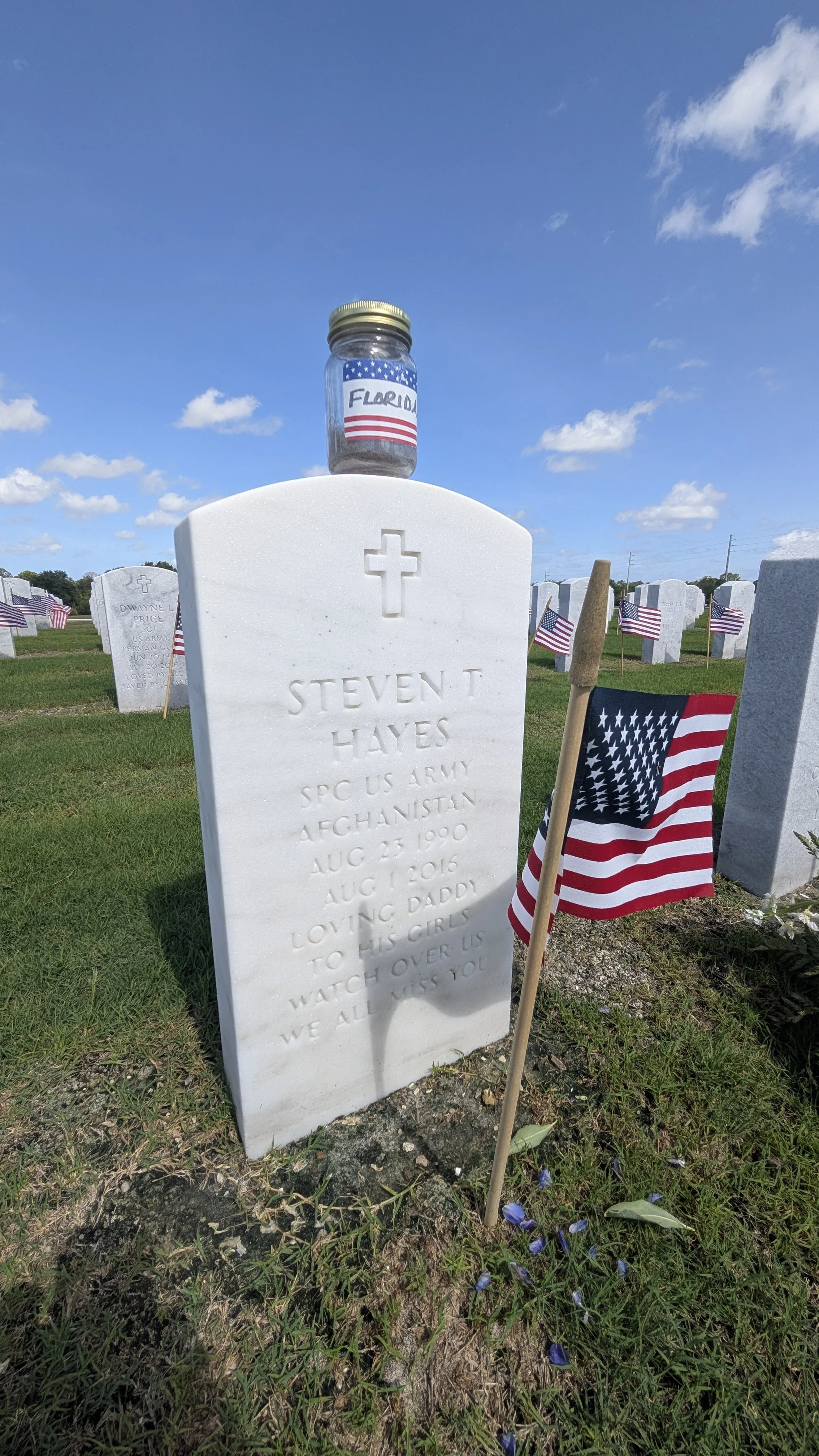
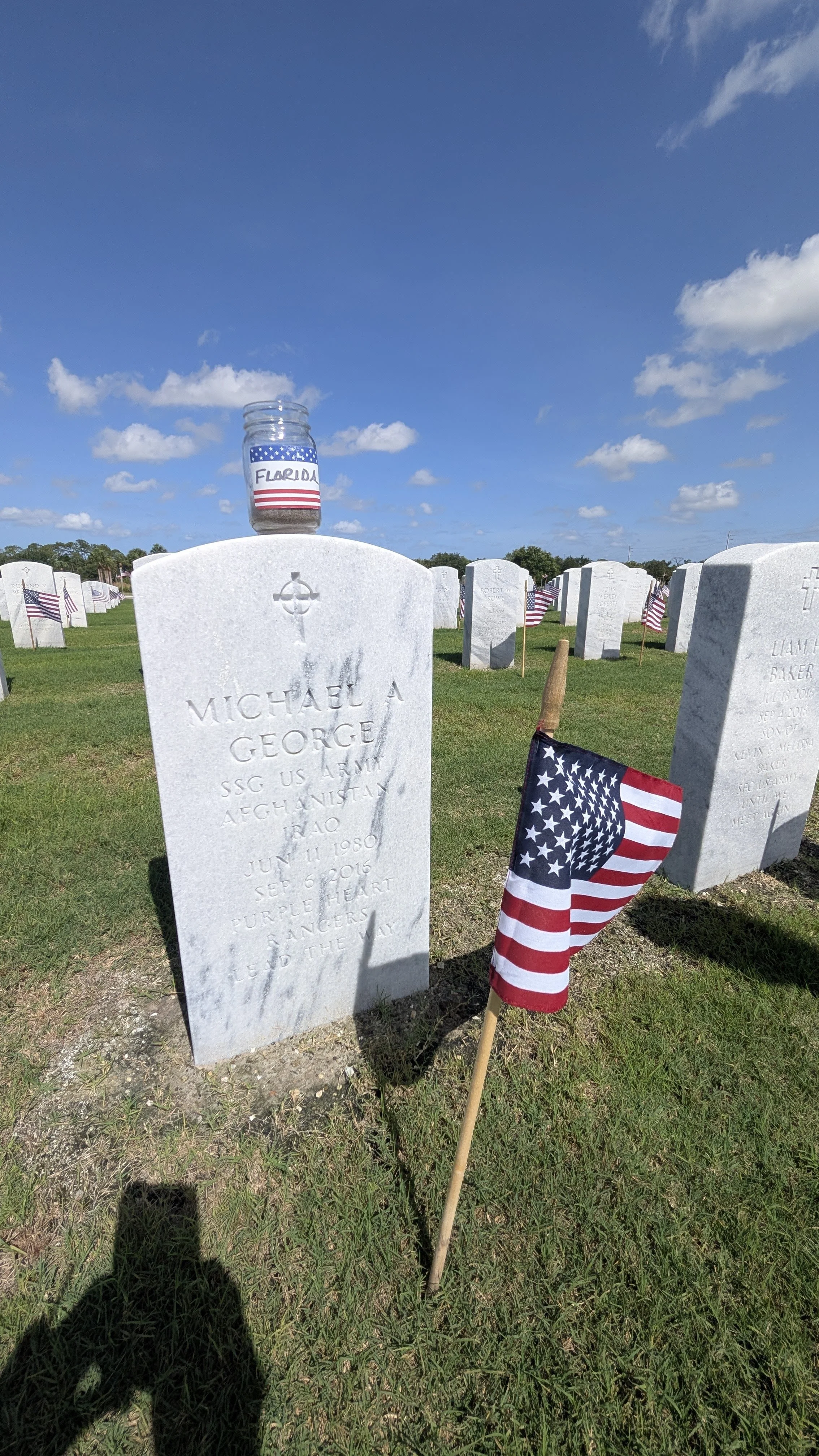
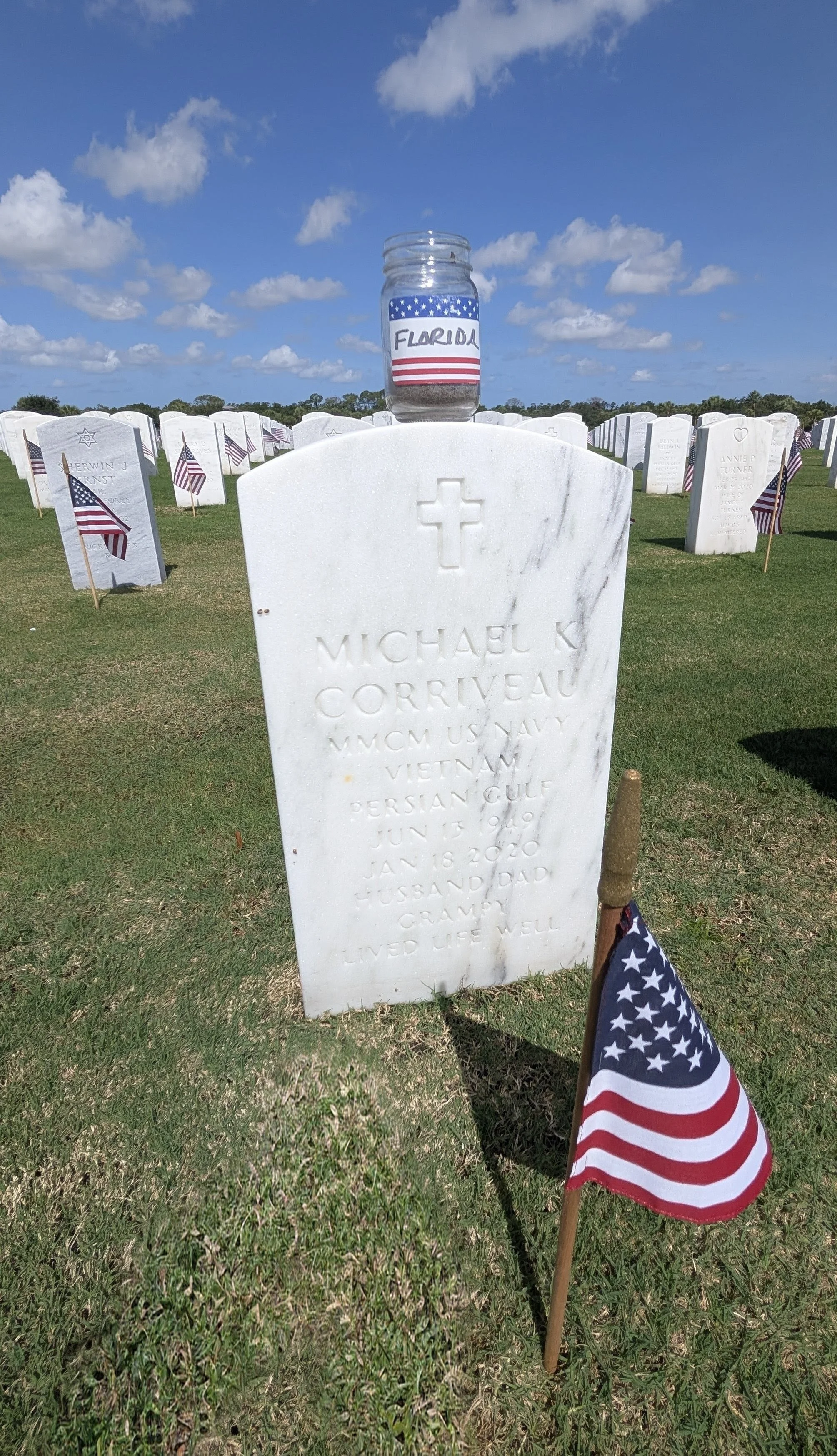
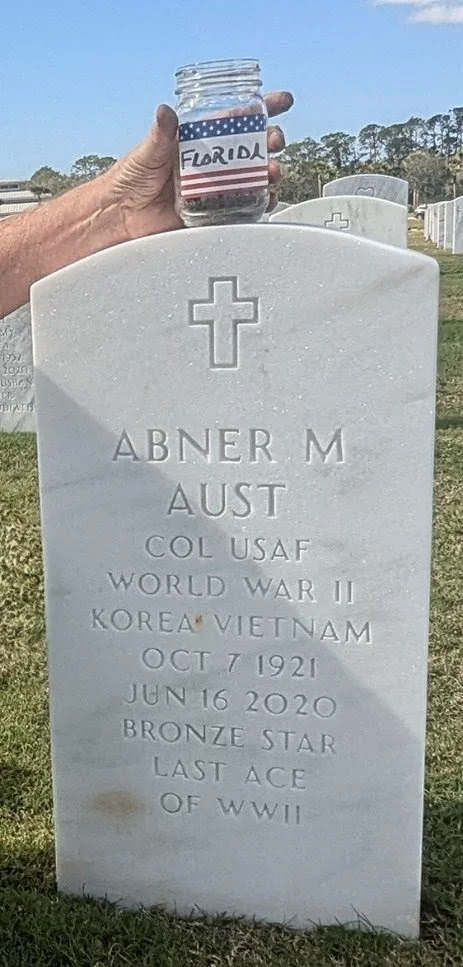
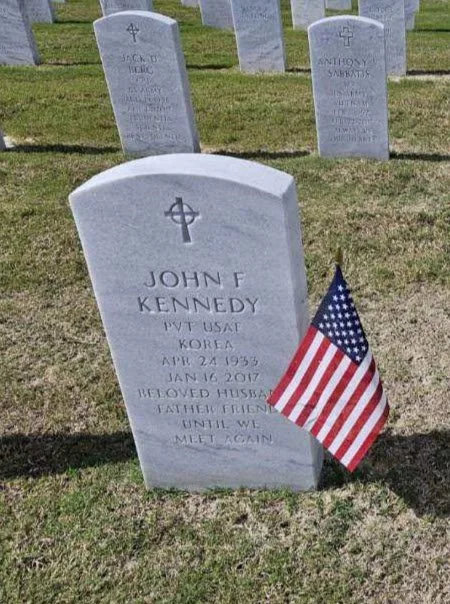
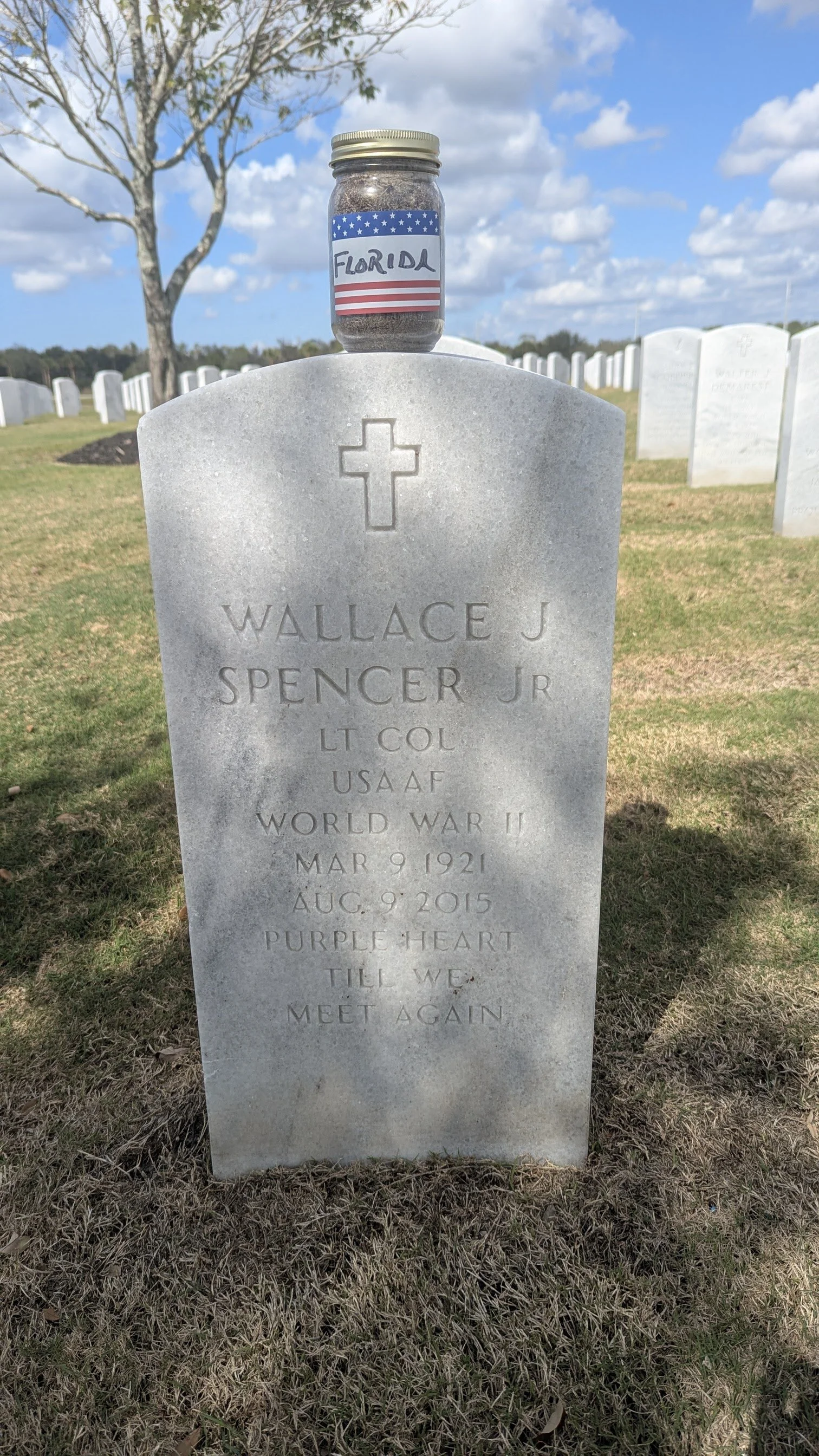
Salute of Honor
Florida National Cemetery
Florida National Cemetery in Bushnell, Florida, stands as one of the nation’s largest and most active burial grounds dedicated to honoring U.S. military veterans and their families. Established in 1988 and spanning hundreds of acres, it serves as the final resting place for service members from World War I through modern conflicts. Uniform rows of white headstones stretch across meticulously maintained grounds, reflecting the enduring principle of equality in service.
Set within a quiet, natural Florida landscape, the cemetery offers a solemn and reflective atmosphere while continuing to host daily interments with full military honors. It also serves as a gathering place for national observances like Memorial Day and Veterans Day, when thousands come to pay tribute.
Through the Patriot Soil Project, soil has been collected from over 2,000 veterans’ resting places, and the “Salute of Honor” has been presented in recognition of all those buried here—ensuring their service and sacrifice are remembered and honored.
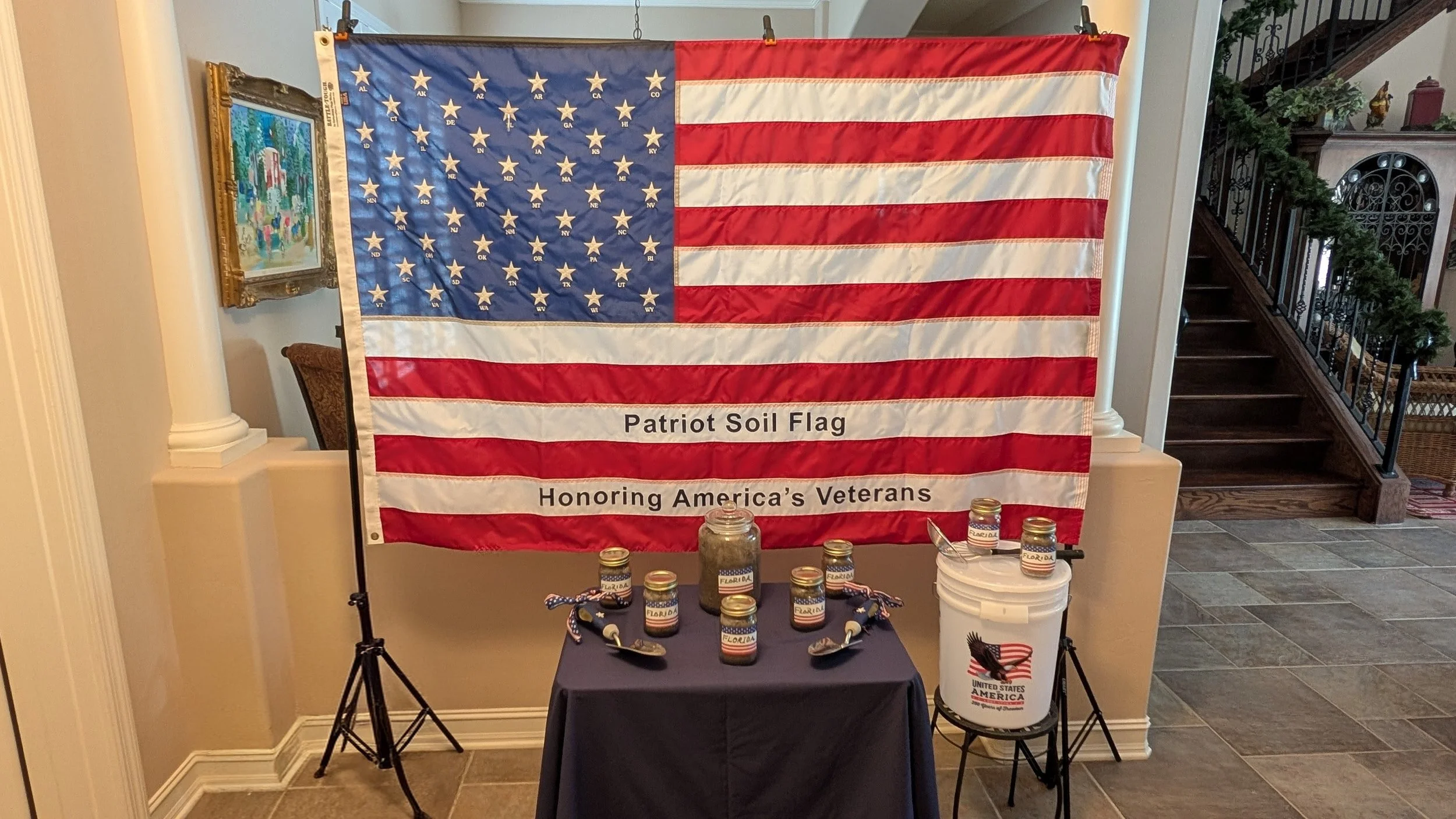
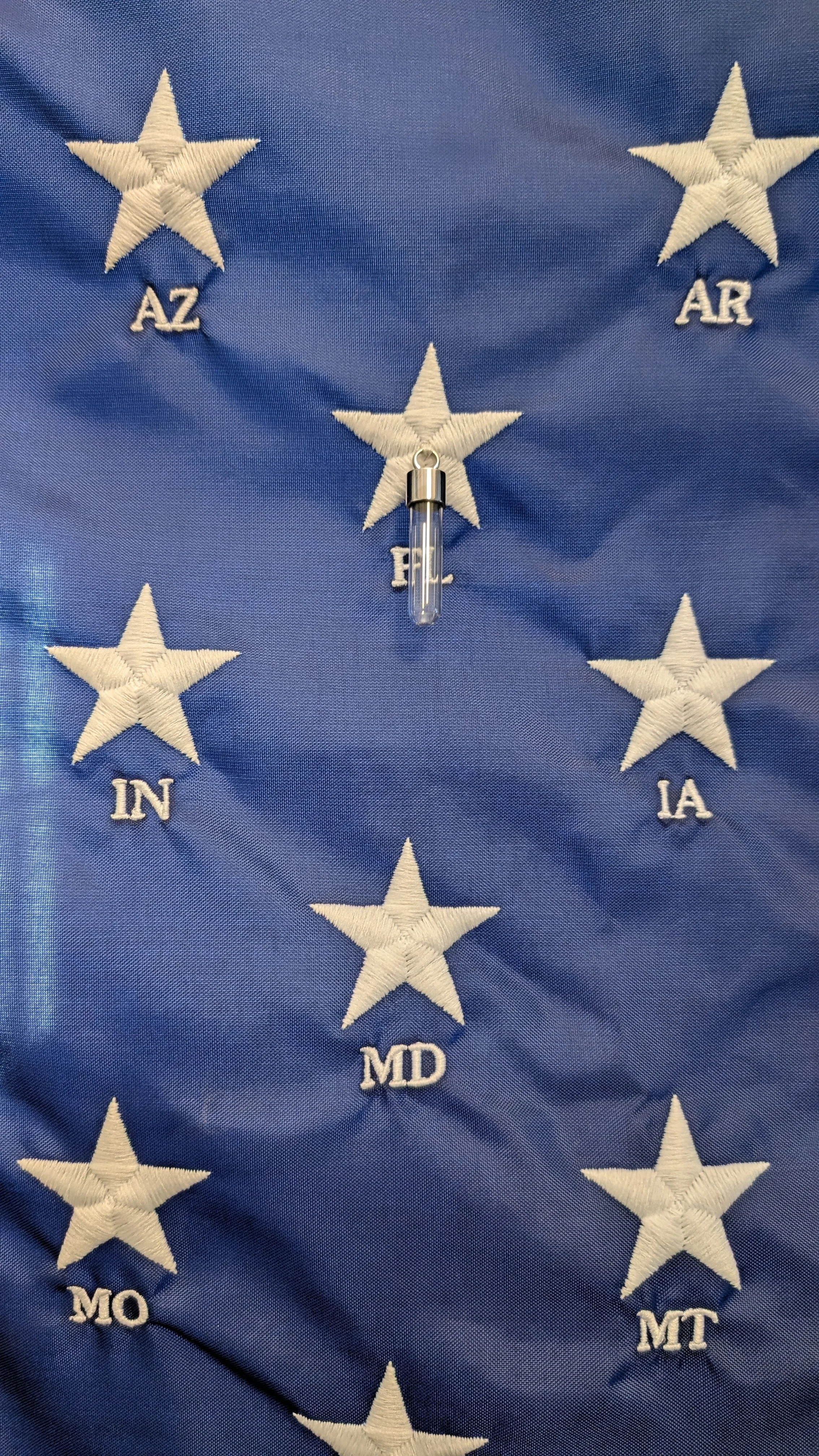
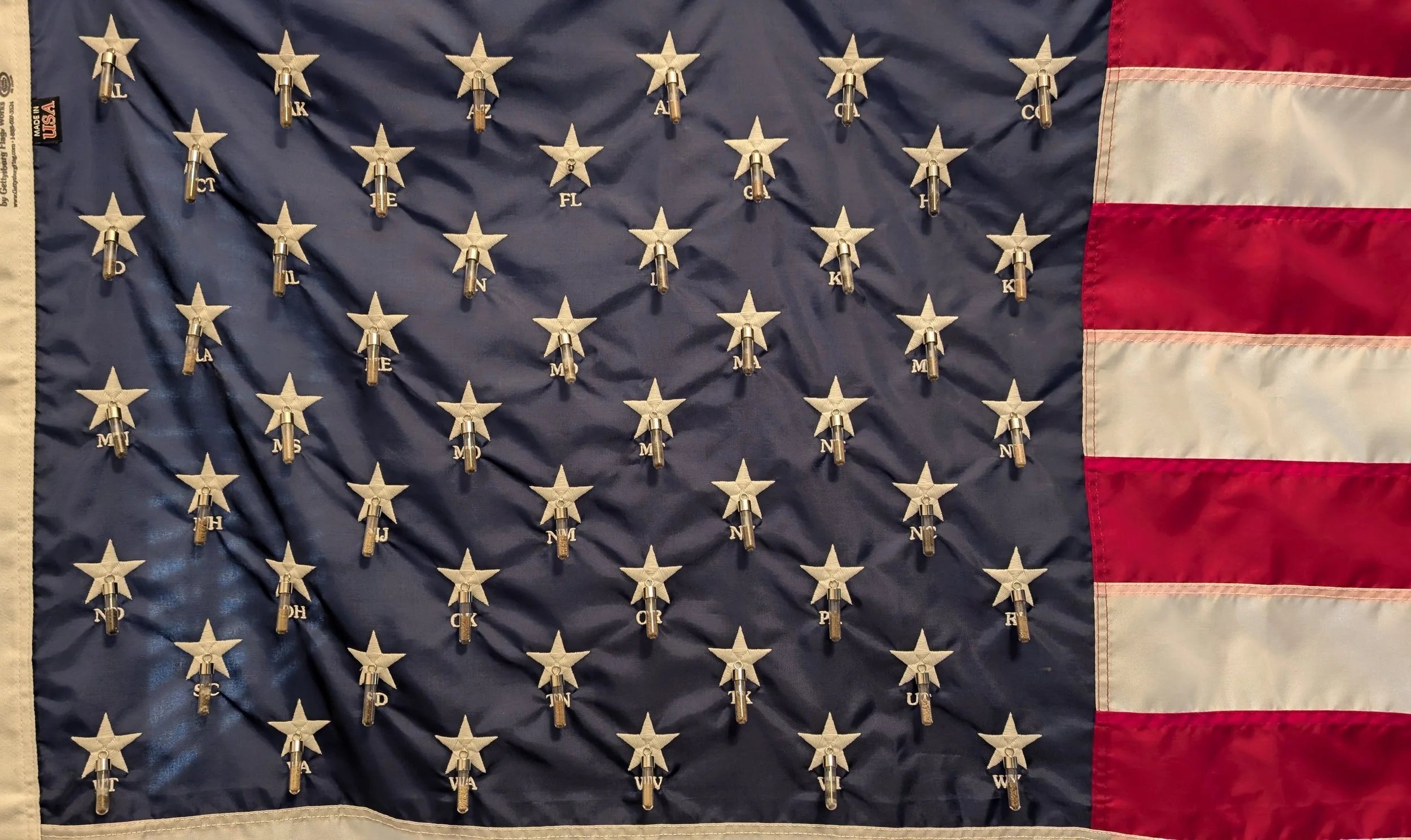
In a historic first, Florida will become the first state in the nation where, at Bushnell over Memorial Day, collected soil will be ceremonially attached to the Patriot Soil Flag—marking the beginning of the flag’s journey across America. Soil gathered from veterans’ cemeteries across Florida will be placed into a clear vial and carefully tethered to the star representing the state, creating a lasting tribute that unites the service and sacrifice of Florida’s veterans within a single, powerful symbol of national remembrance.
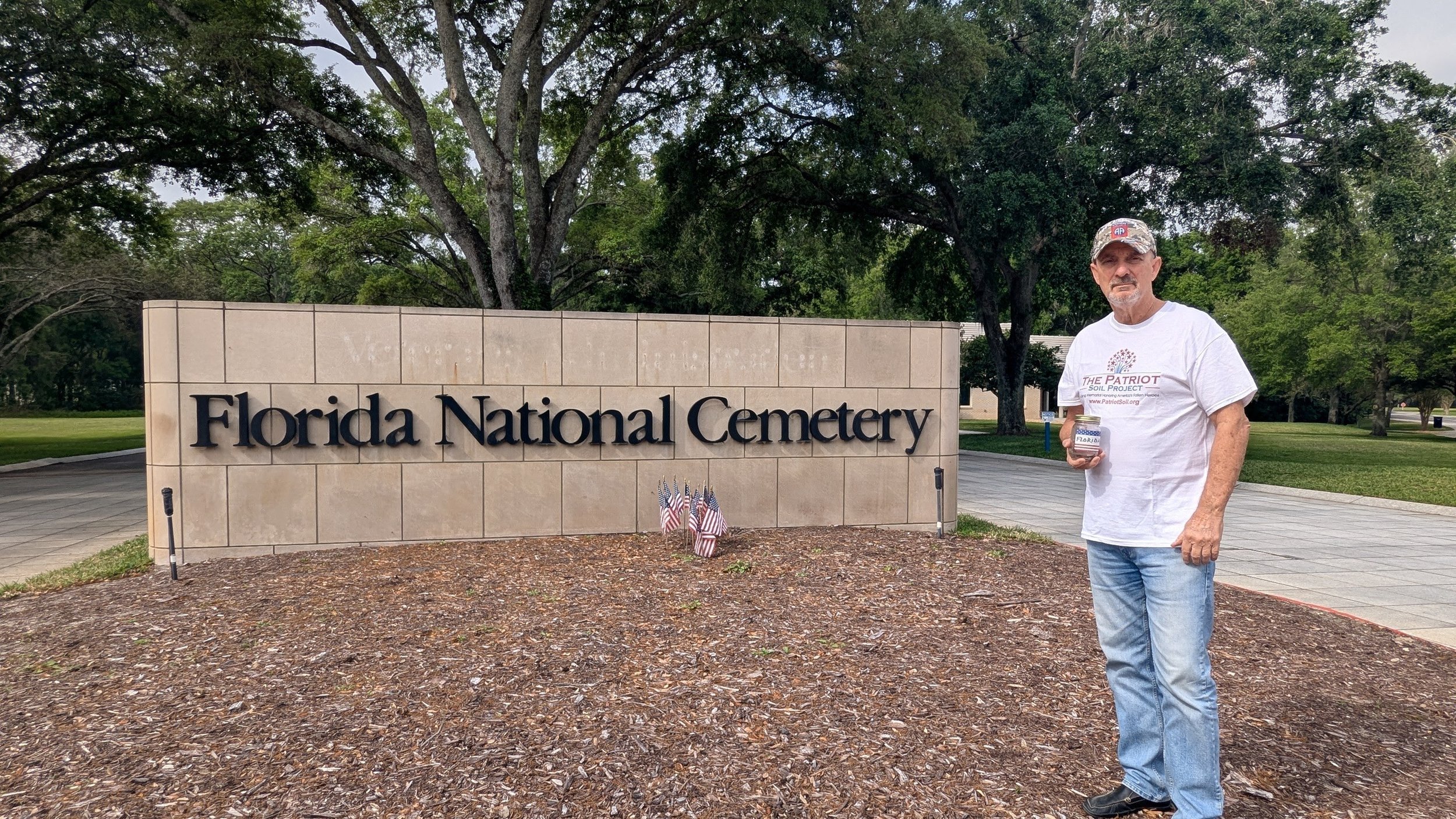
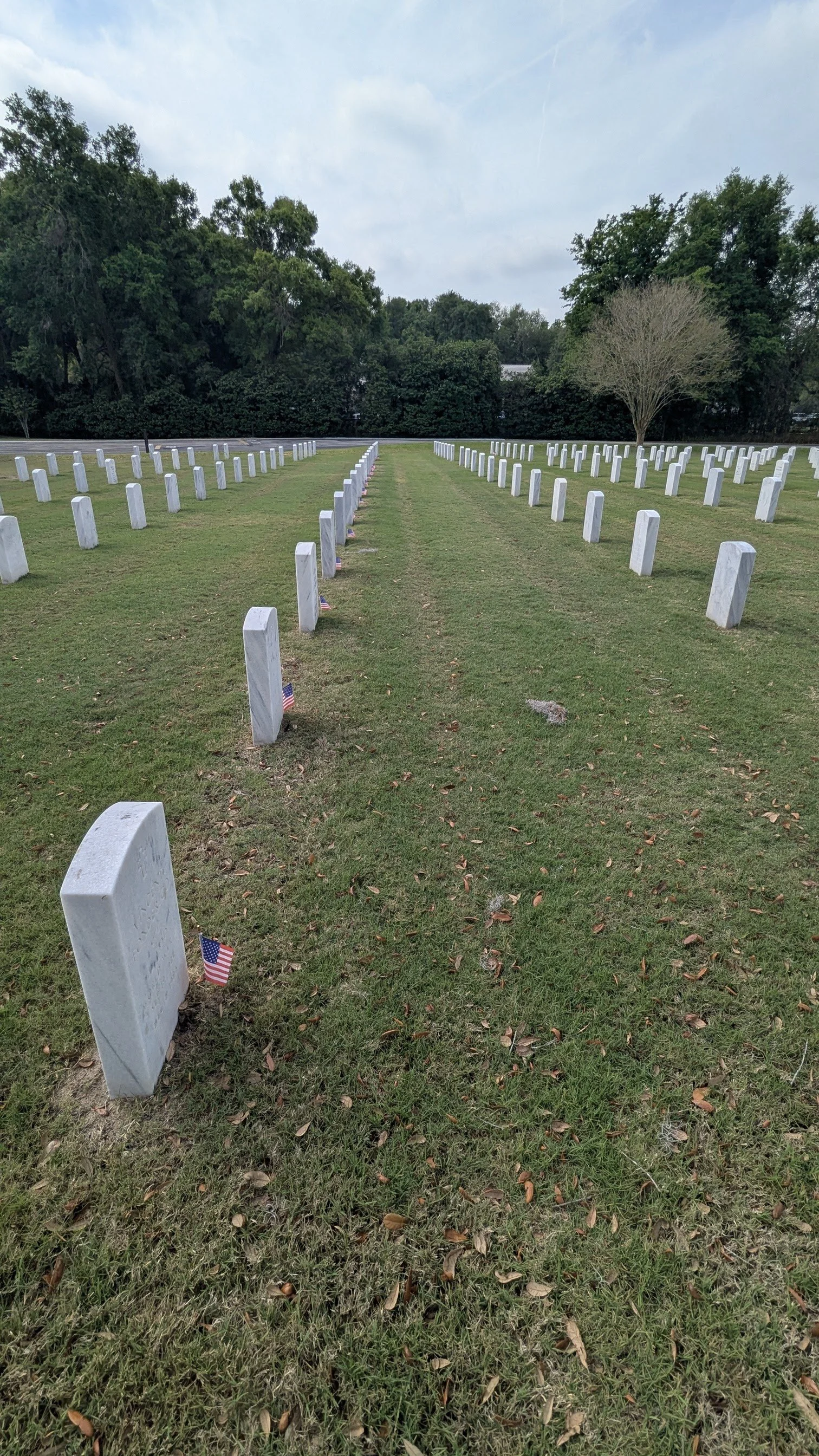
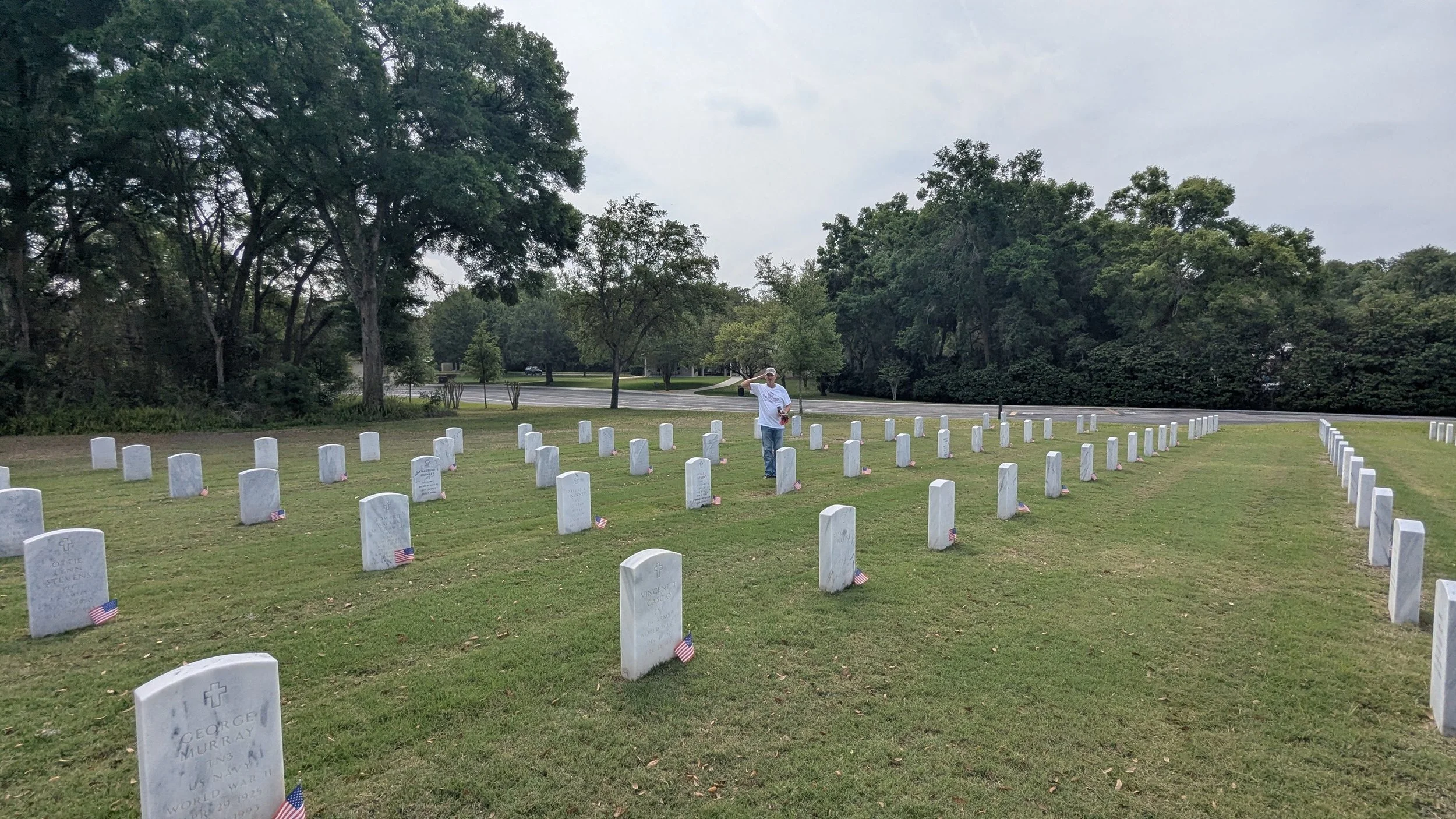
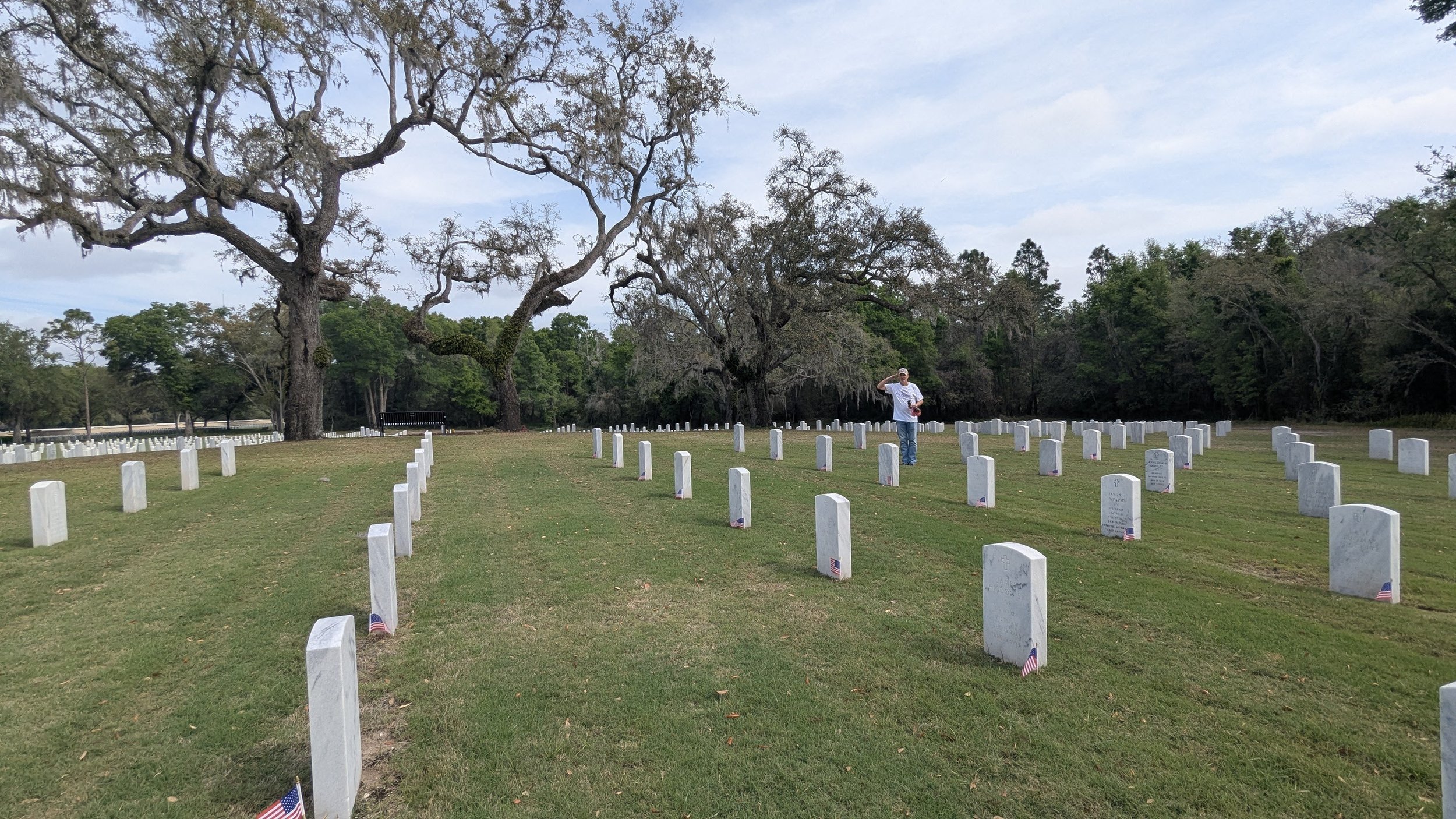
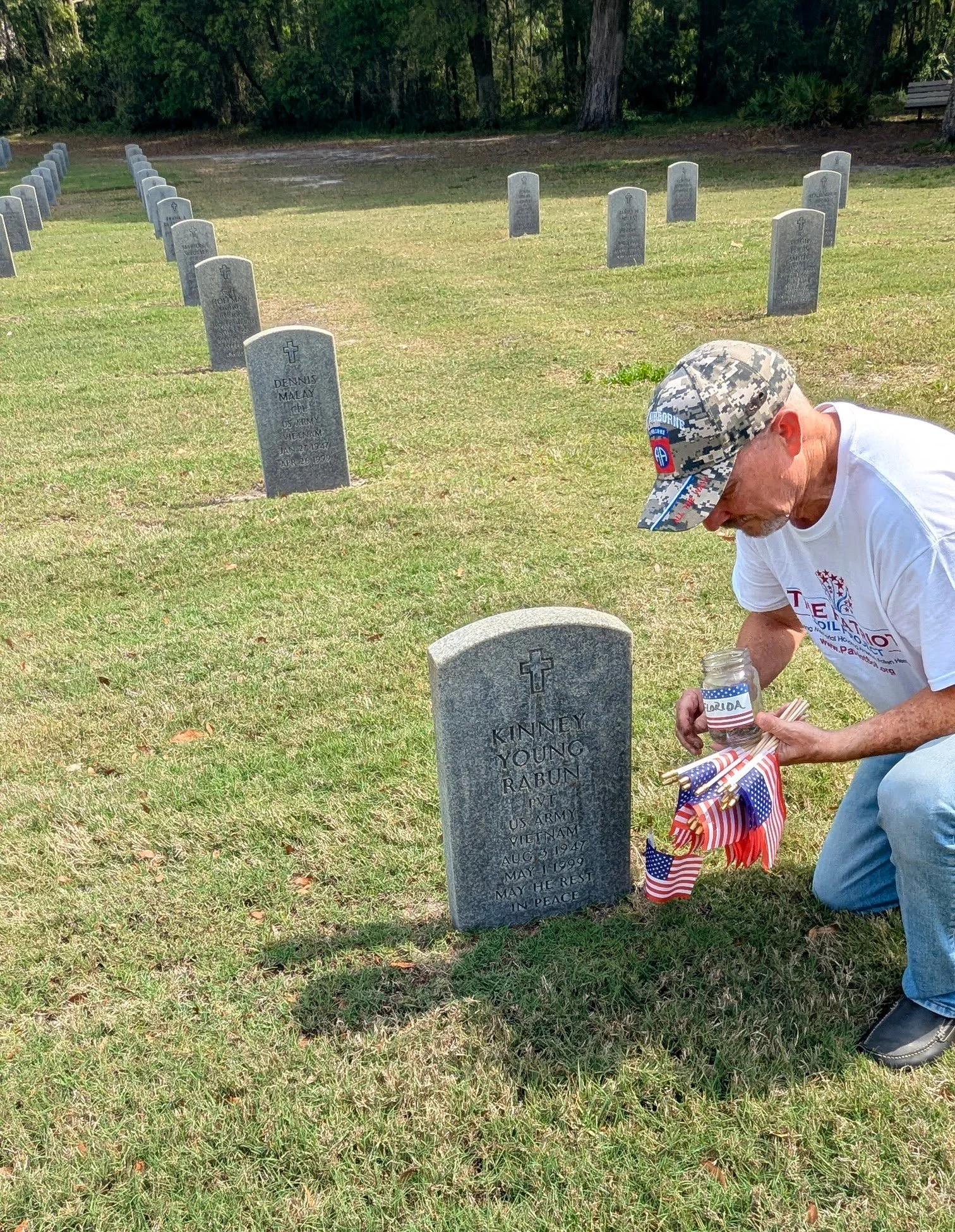
Salute of Honor
City of Fort Myers Cemetery
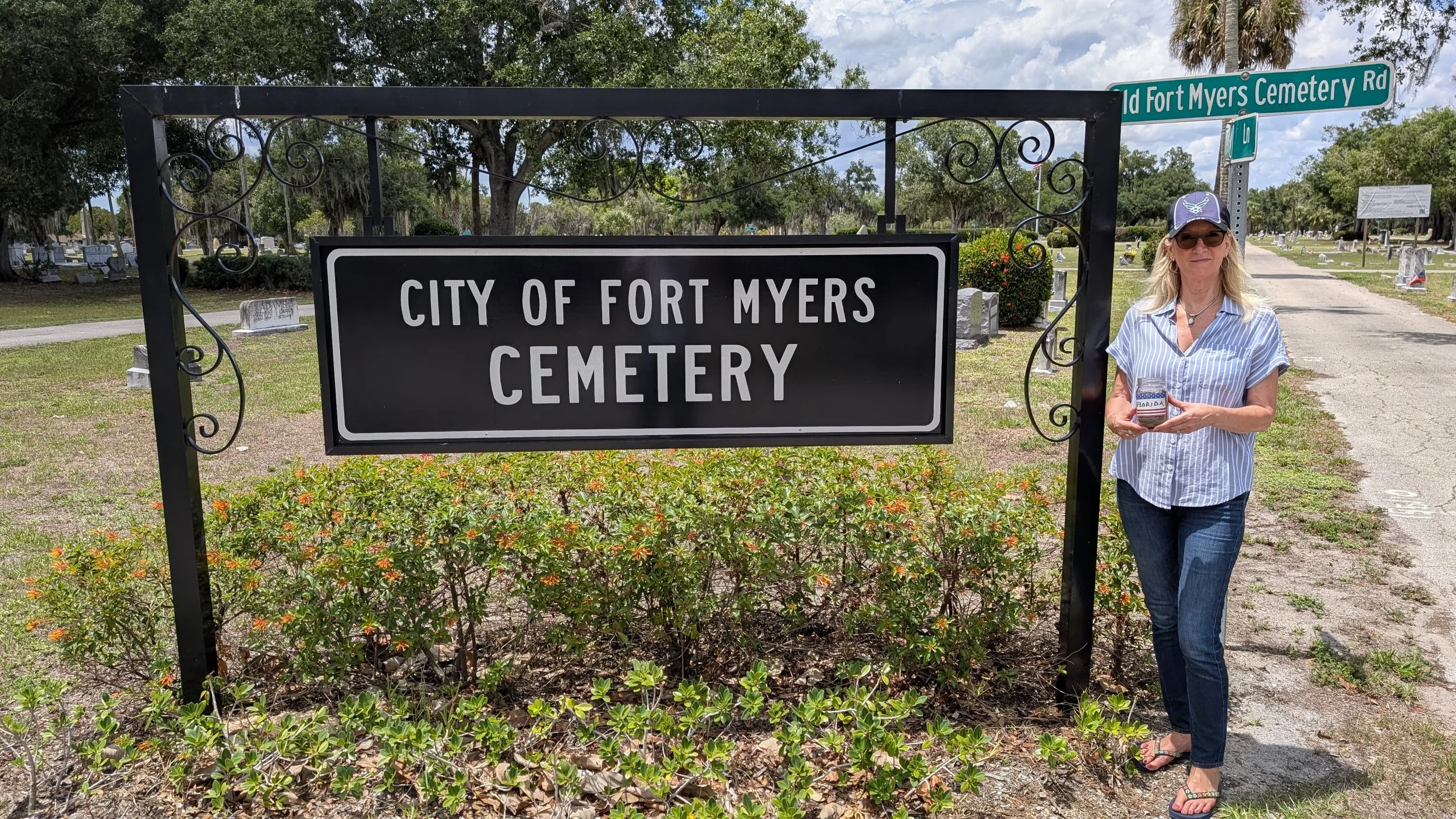
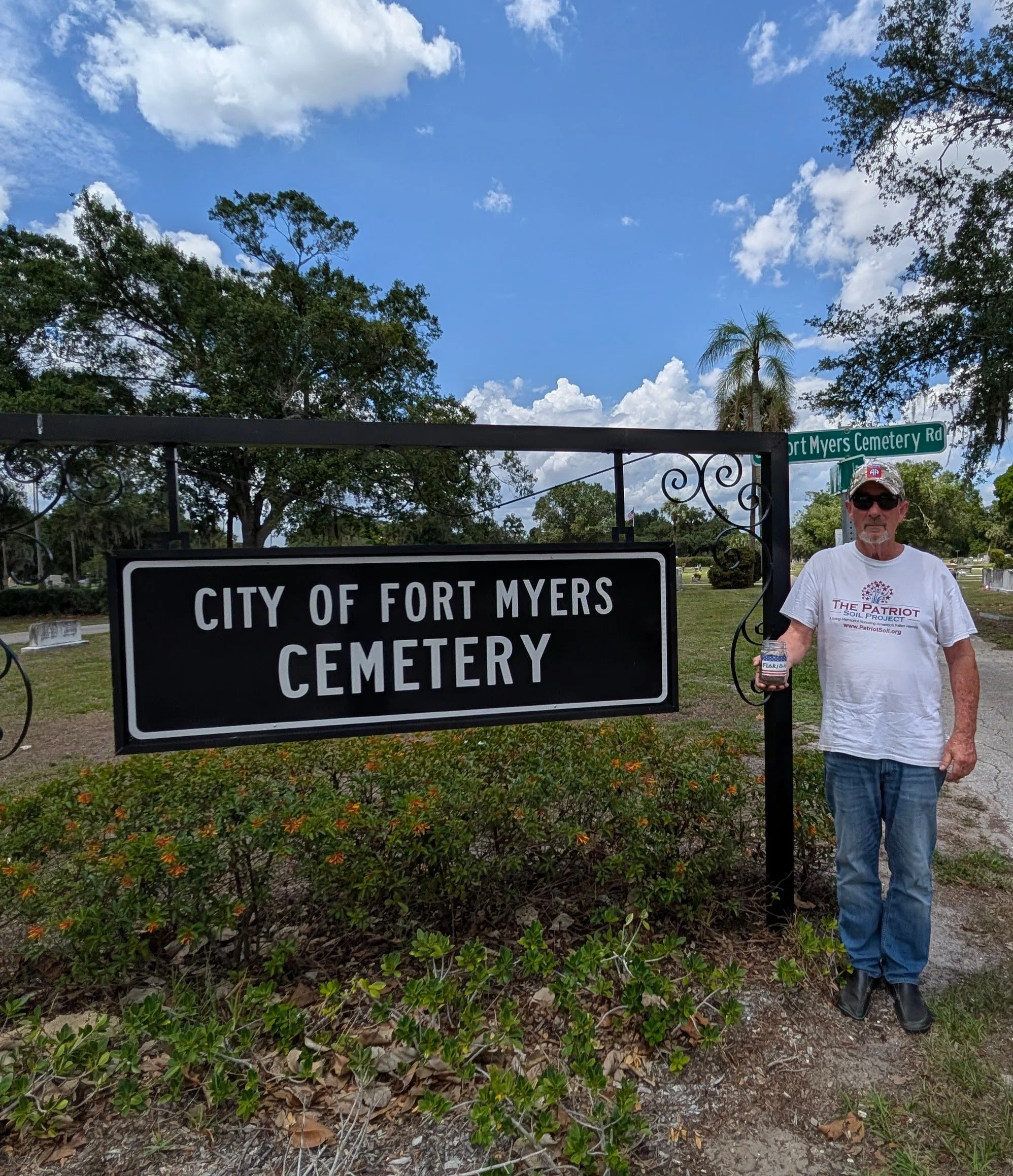
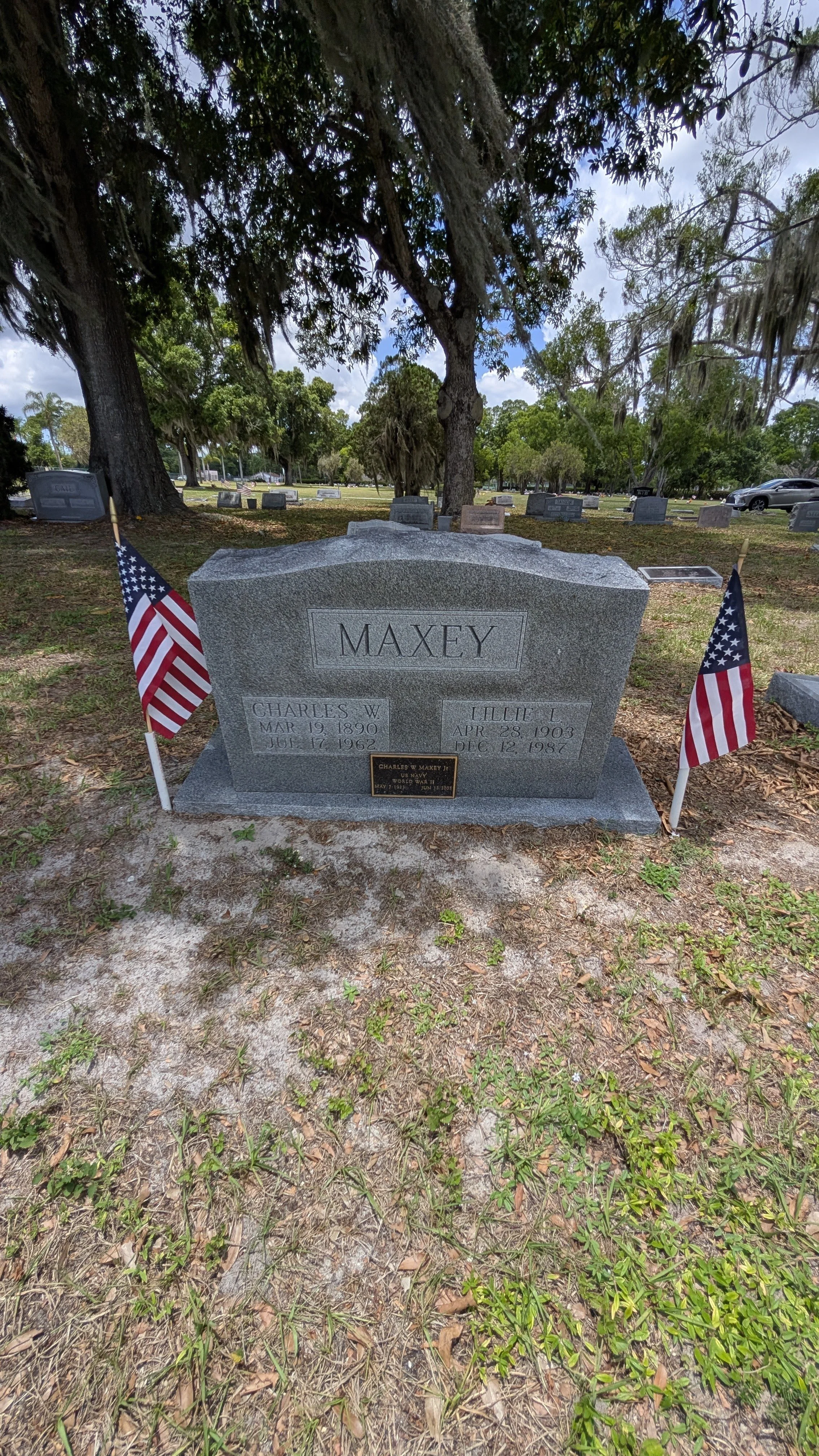
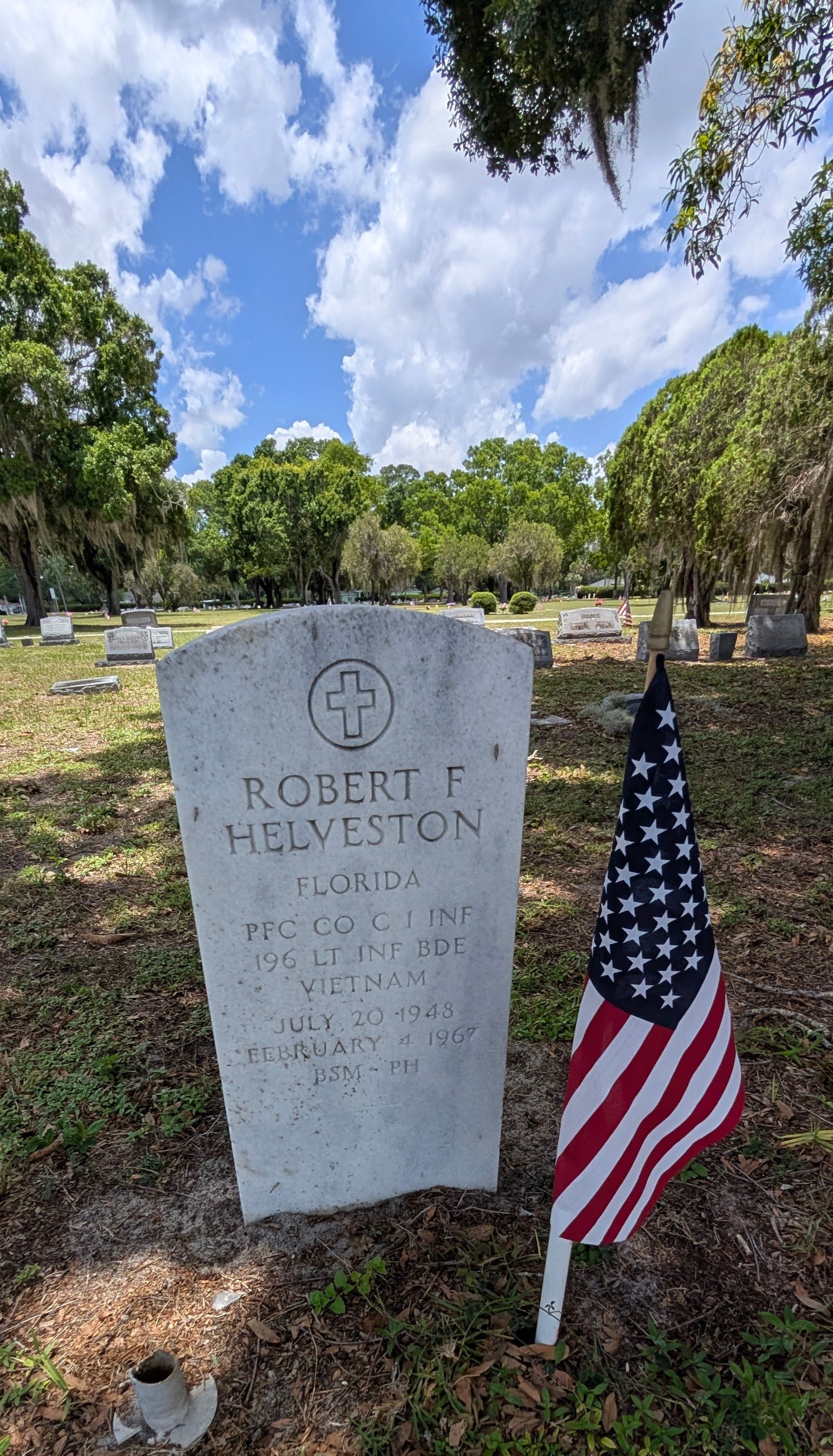
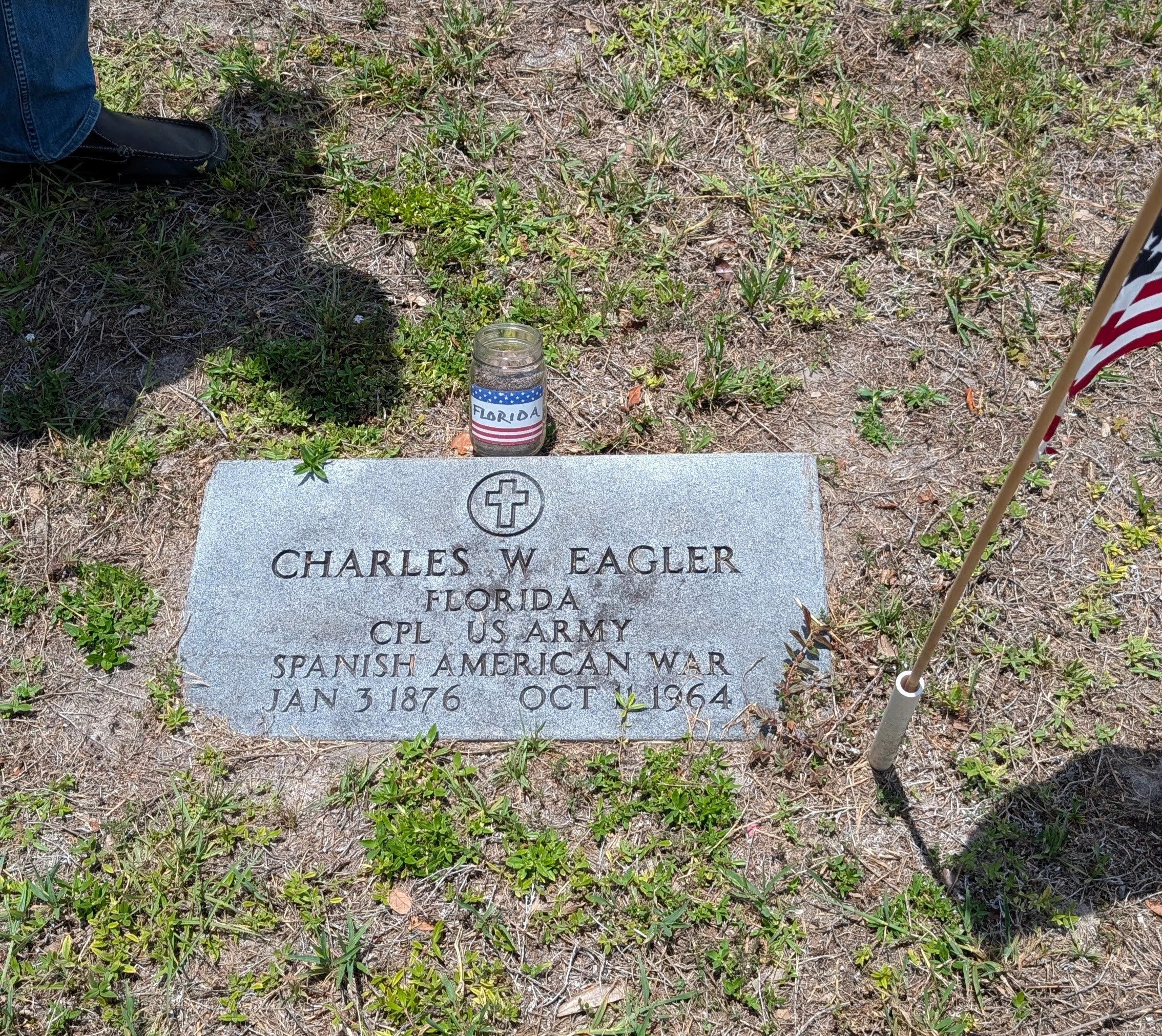
Fort Myers has a deep and unusually intimate relationship with memory, and nowhere is that more visible than in the old historic cemetery near Michigan Avenue. Dating back to the 1870s, the cemetery emerged when Fort Myers was still a remote frontier settlement beside the Caloosahatchee River. Long before modern development transformed Southwest Florida, this was wilderness country of palmetto scrub, cattle trails, military outposts, and scattered pioneer homes. Today, walking through the cemetery feels like stepping into a surviving fragment of Old Florida. Massive live oaks and banyan trees cast shadows over weathered marble stones, cracked pathways, and sunken graves softened by more than a century of heat, storms, and humidity. The atmosphere is quiet and imperfectly preserved, giving the cemetery a feeling less like a formal memorial park and more like a place where history still lingers close to the surface.
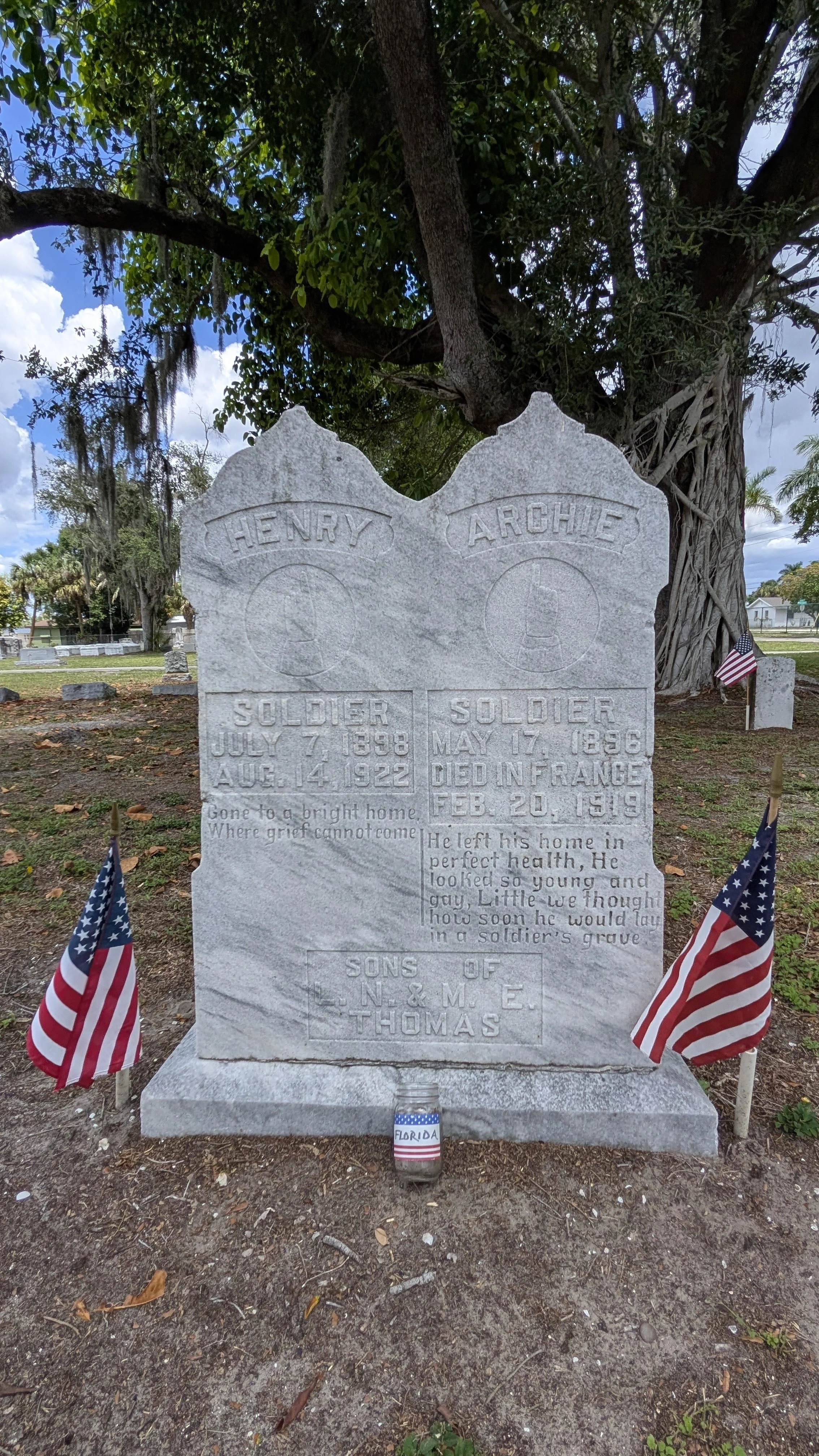
The people buried there helped build early Fort Myers itself. Pioneer families such as the Hendrys and Friersons shaped the region’s cattle industry, commerce, and civic life. Veterans rest throughout the cemetery as well, including both Union and Confederate soldiers whose lives later converged in frontier Florida. One of the cemetery’s most remarkable stories belongs to Christian Henry “Dad” Funck, a Union Civil War drummer boy who later settled in Fort Myers. At only thirteen years old, Funck enlisted during the Civil War, serving as one of the young drummers responsible for relaying battlefield commands under fire. After being wounded and discharged, he eventually arrived in Fort Myers in the 1870s when the settlement consisted of only a handful of residents clustered around the old fort. What makes his burial especially striking is that many of the area’s leading citizens and pioneer families had Confederate backgrounds, yet Funck became part of the community and spent the remainder of his life there, operating a bakery and raising a family. In the old cemetery today, Union and Confederate veterans rest within the same quiet ground, sometimes only a short distance apart, reflecting the complicated realities of postwar frontier Florida where survival and settlement often mattered more than lingering divisions.
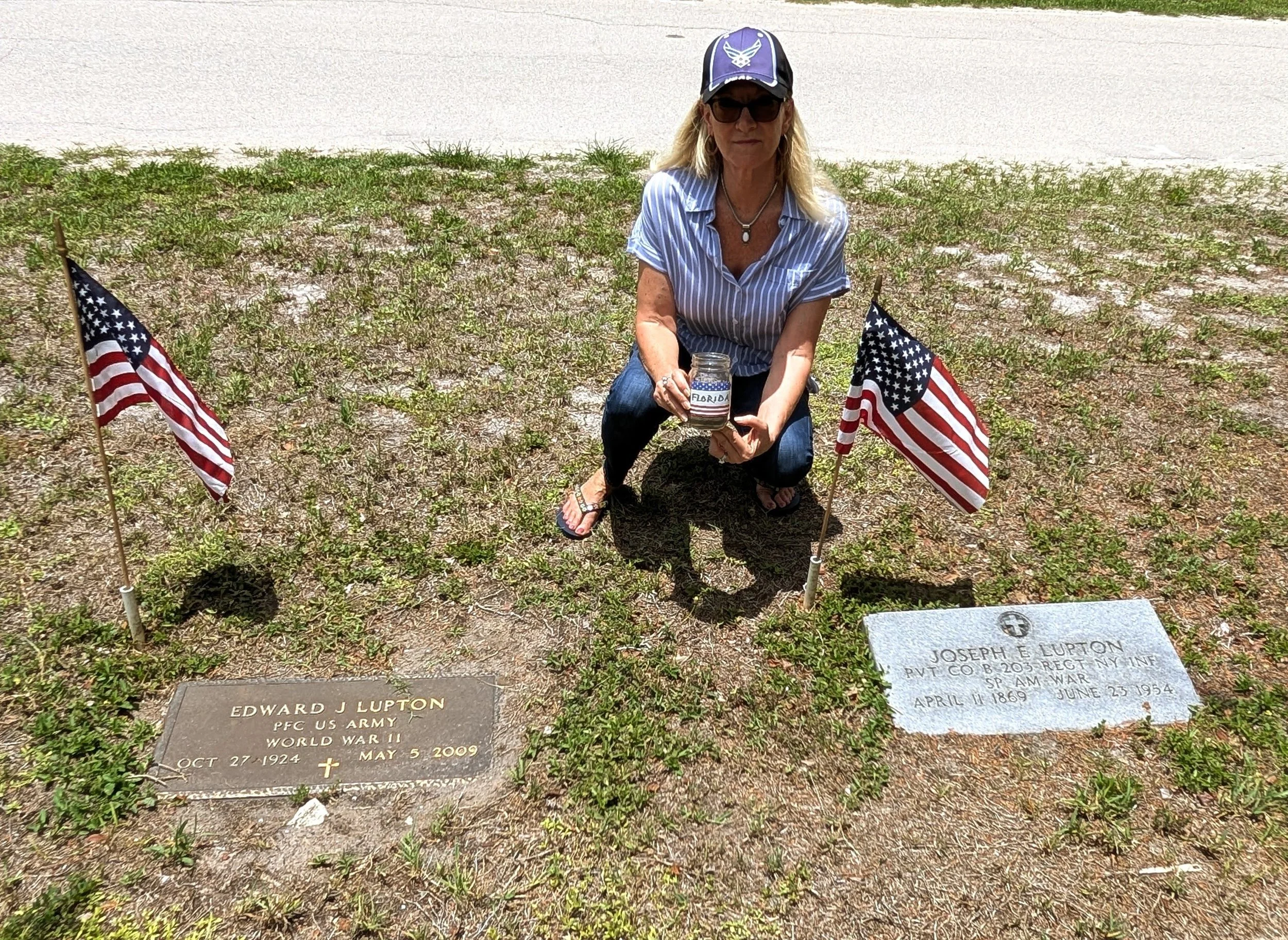
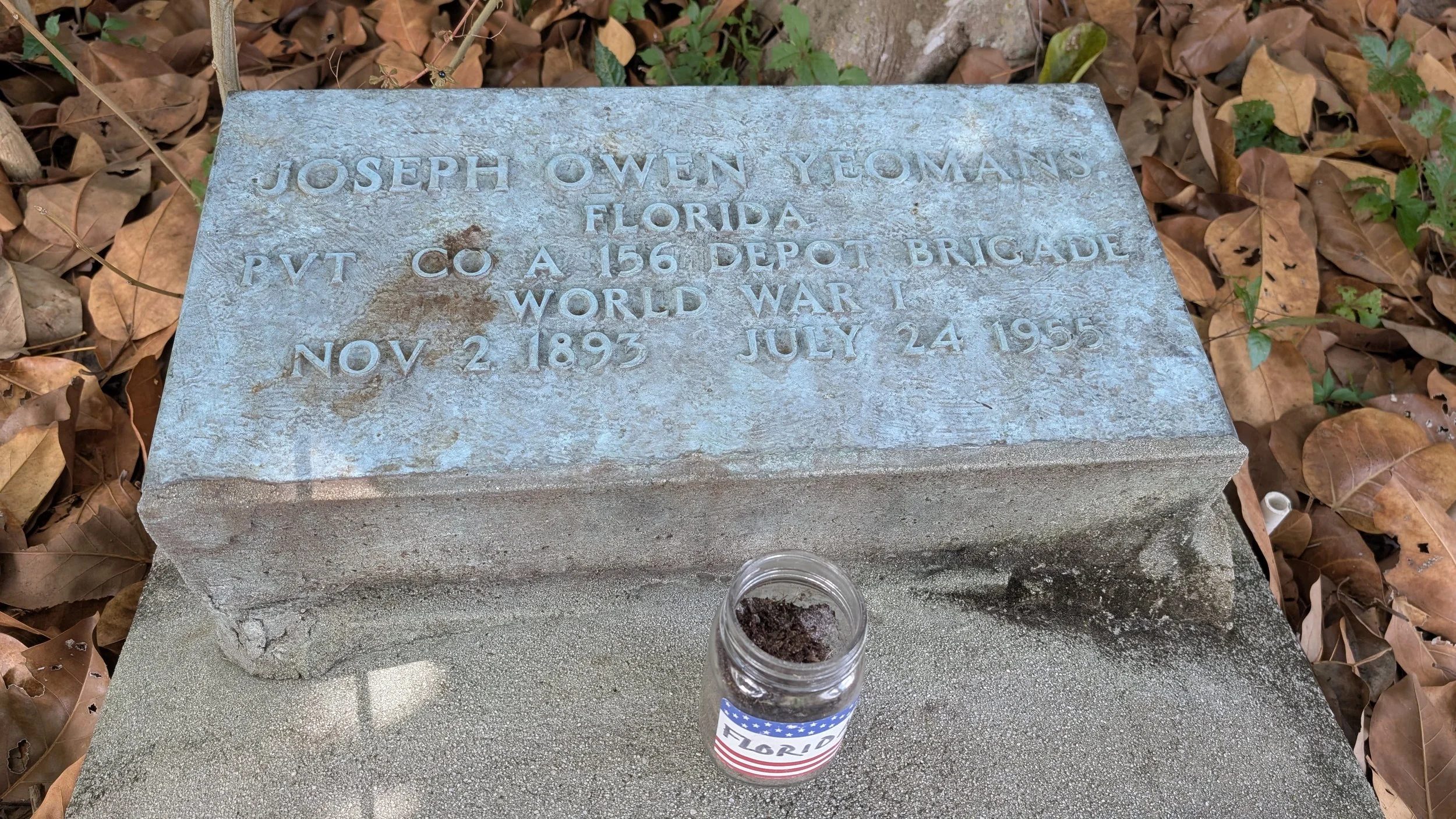
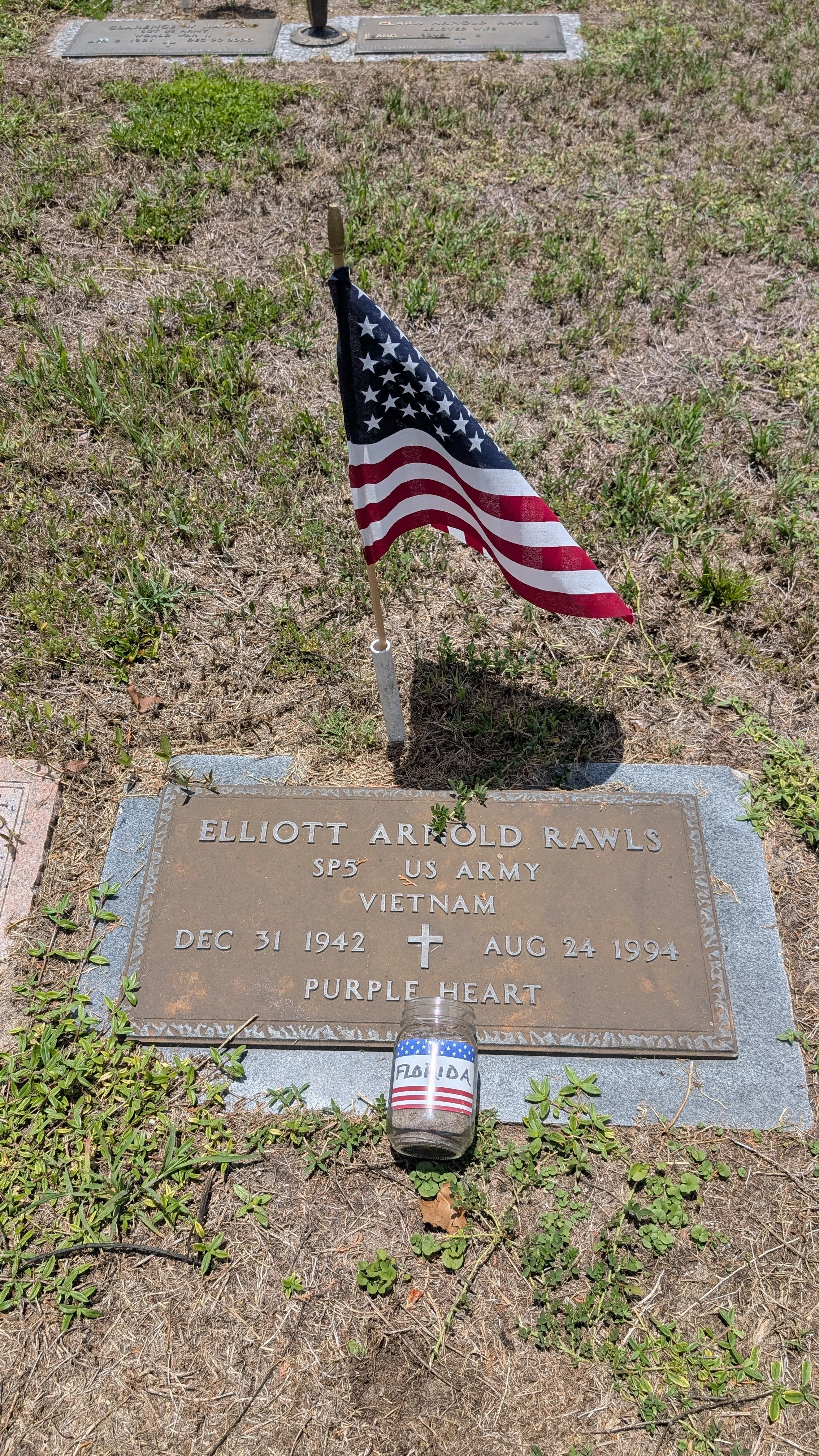
That connection between land, remembrance, and American history is part of why Fort Myers also ties naturally to The Patriot Soil Project, cofounded by Fort Myers native Mary Middleton Robinson. The project creates living memorials called Patriot Trees using soil respectfully gathered from the resting places of veterans across the country. Soil has been collected from more than 500 resting places and later expanded into thousands of veterans’ graves nationwide. In a place like the old Fort Myers cemetery, where veterans, pioneers, and forgotten families rest beneath ancient trees and weathered stones, the symbolism feels especially powerful. The project transforms remembrance into something living — roots, growth, and future generations nourished by the memory carried in the soil itself.
Modern Fort Myers now surrounds the cemetery with roads, neighborhoods, and city life, yet inside its boundaries the atmosphere still belongs to another era. Beneath the oak branches and drifting Spanish moss, the cemetery preserves the feeling of the original frontier town and the people who shaped it.
Coral Ridge Memorial Park and Cremation Gardens
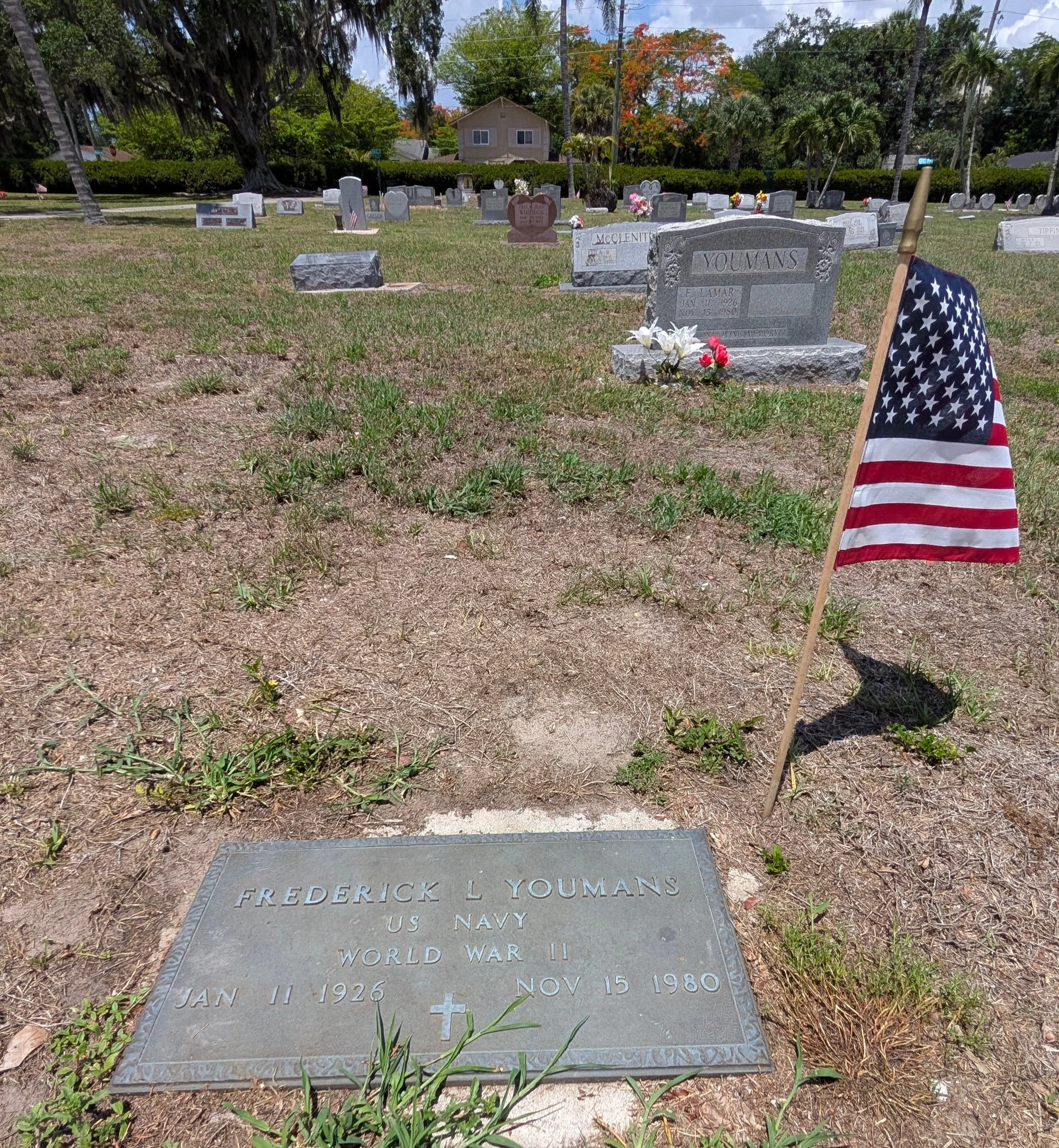
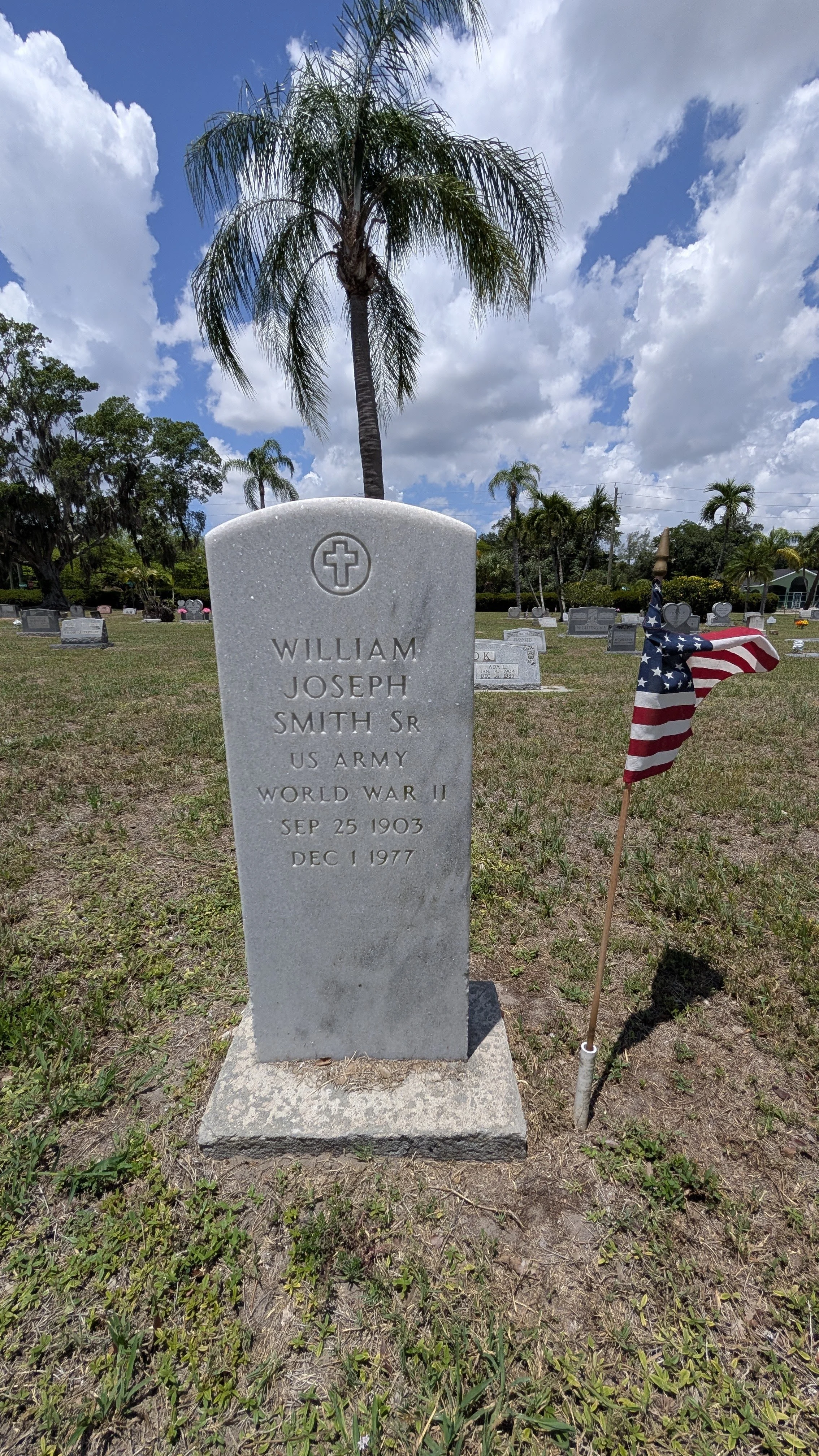
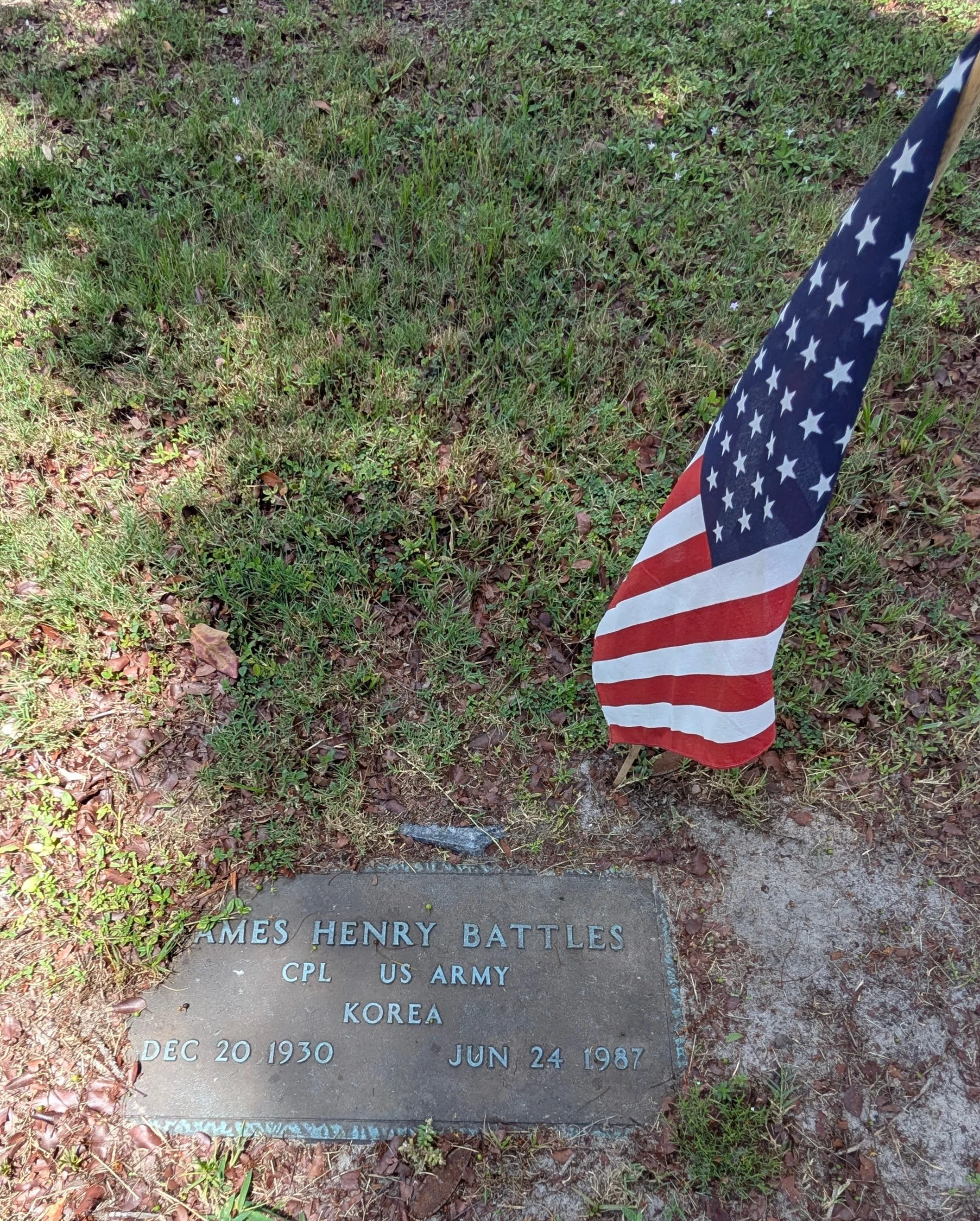
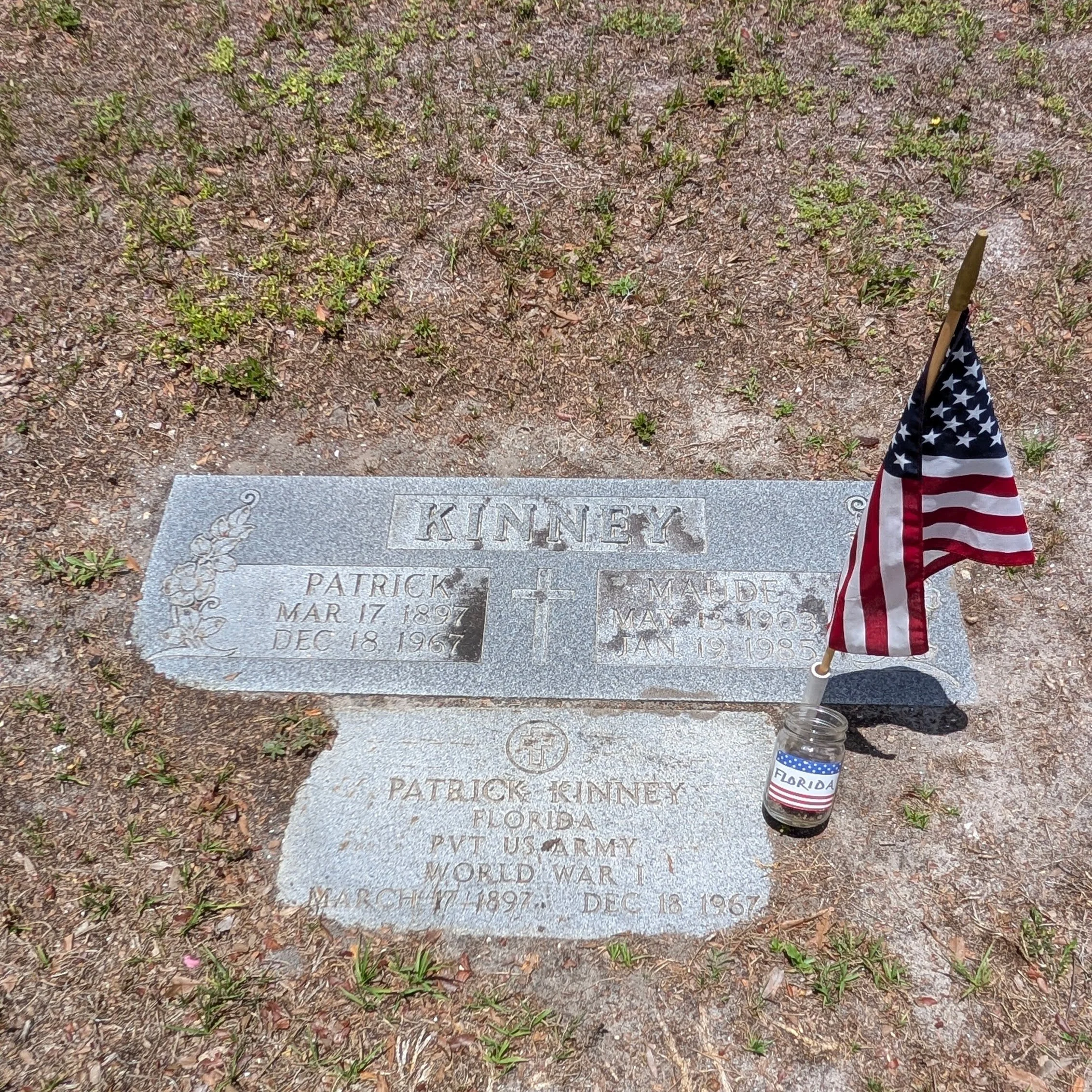
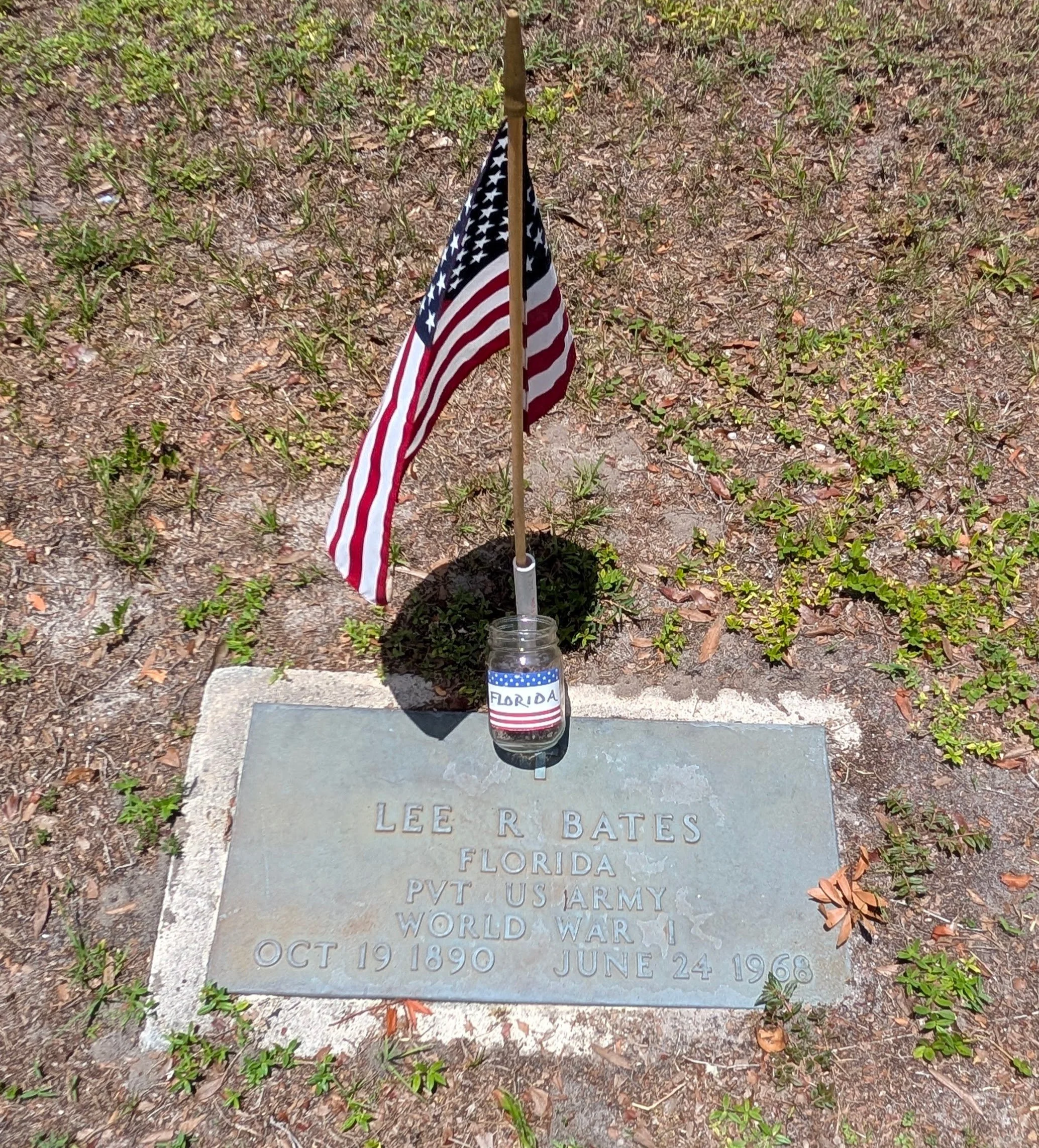
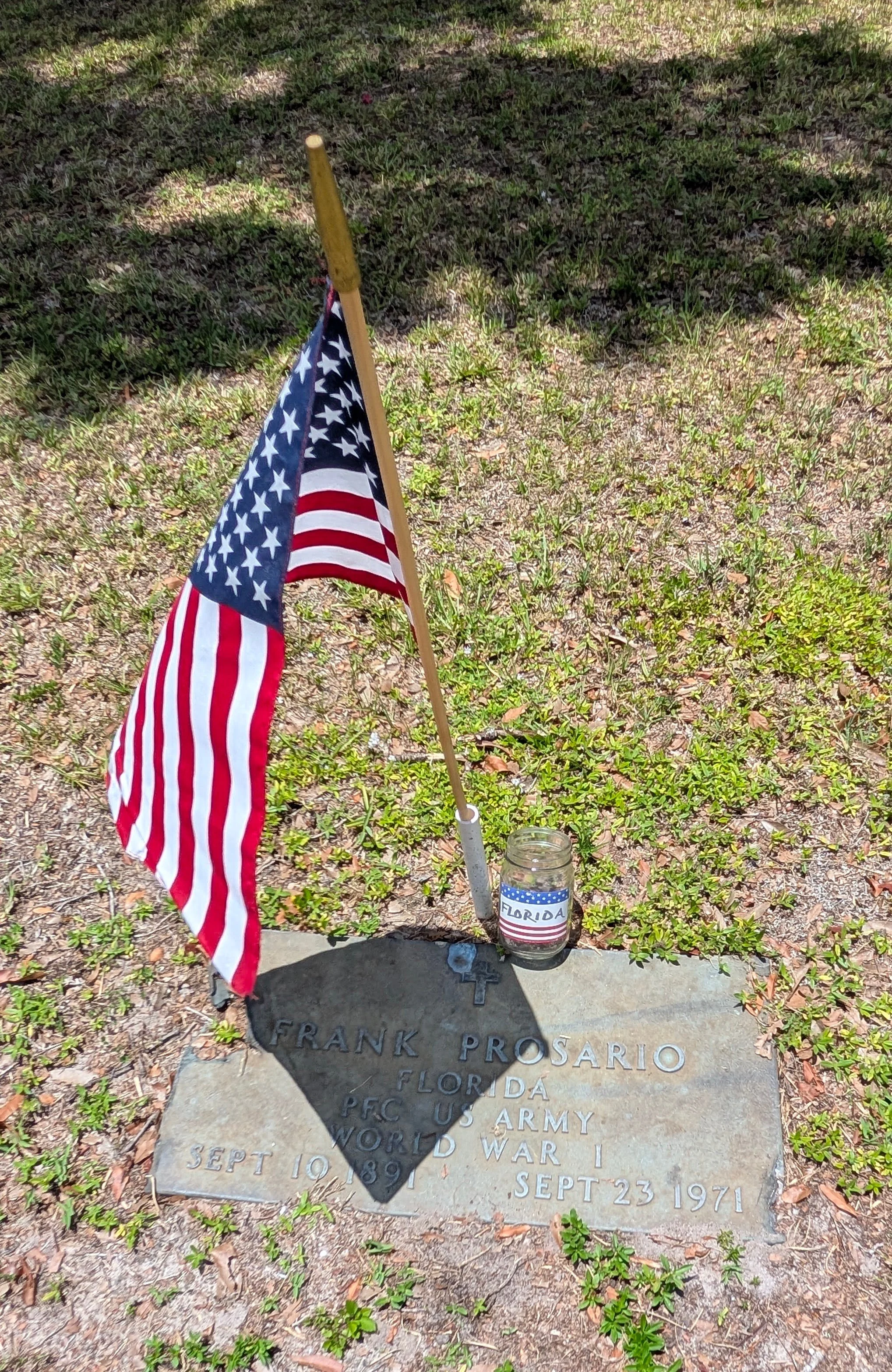
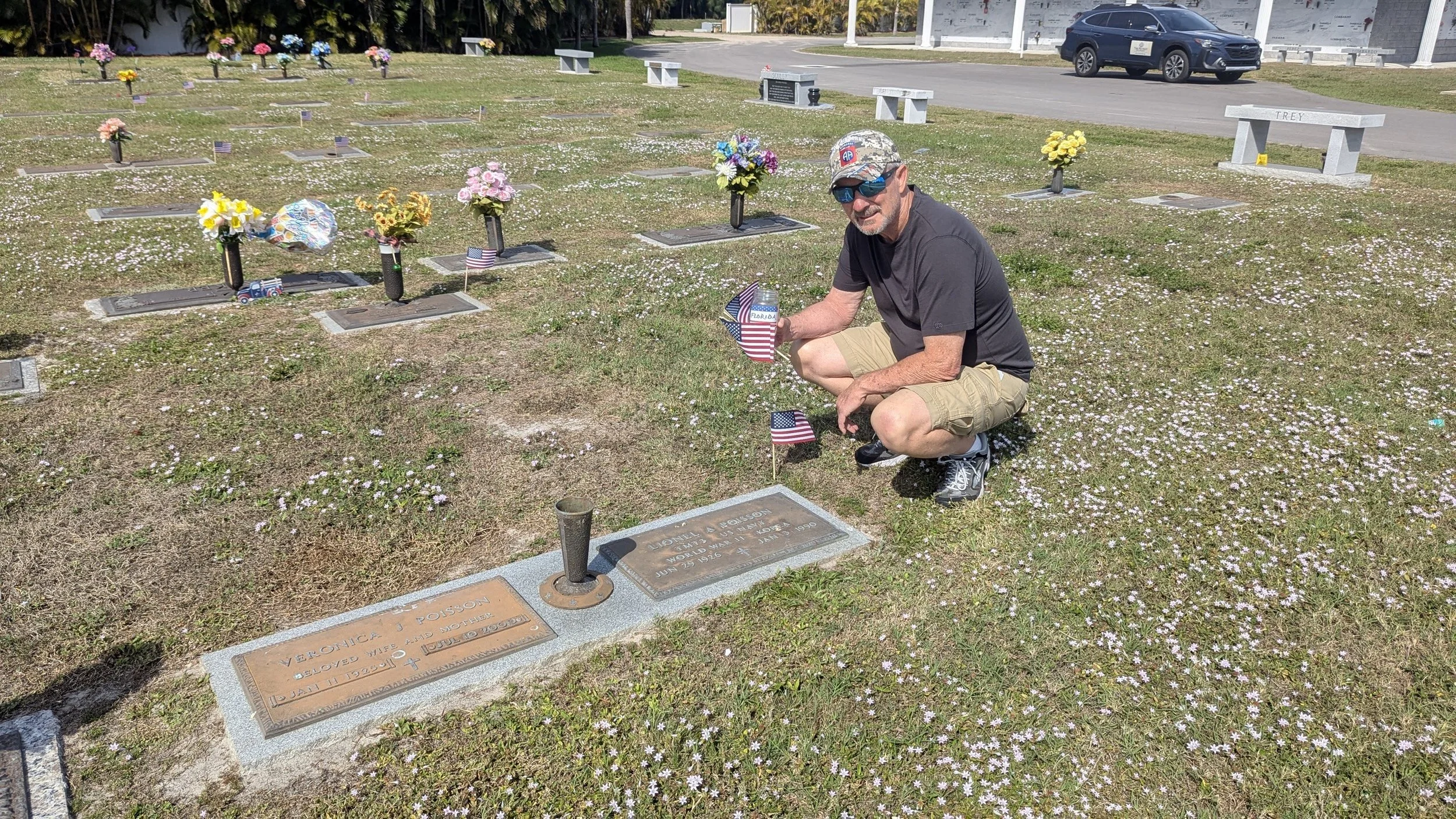
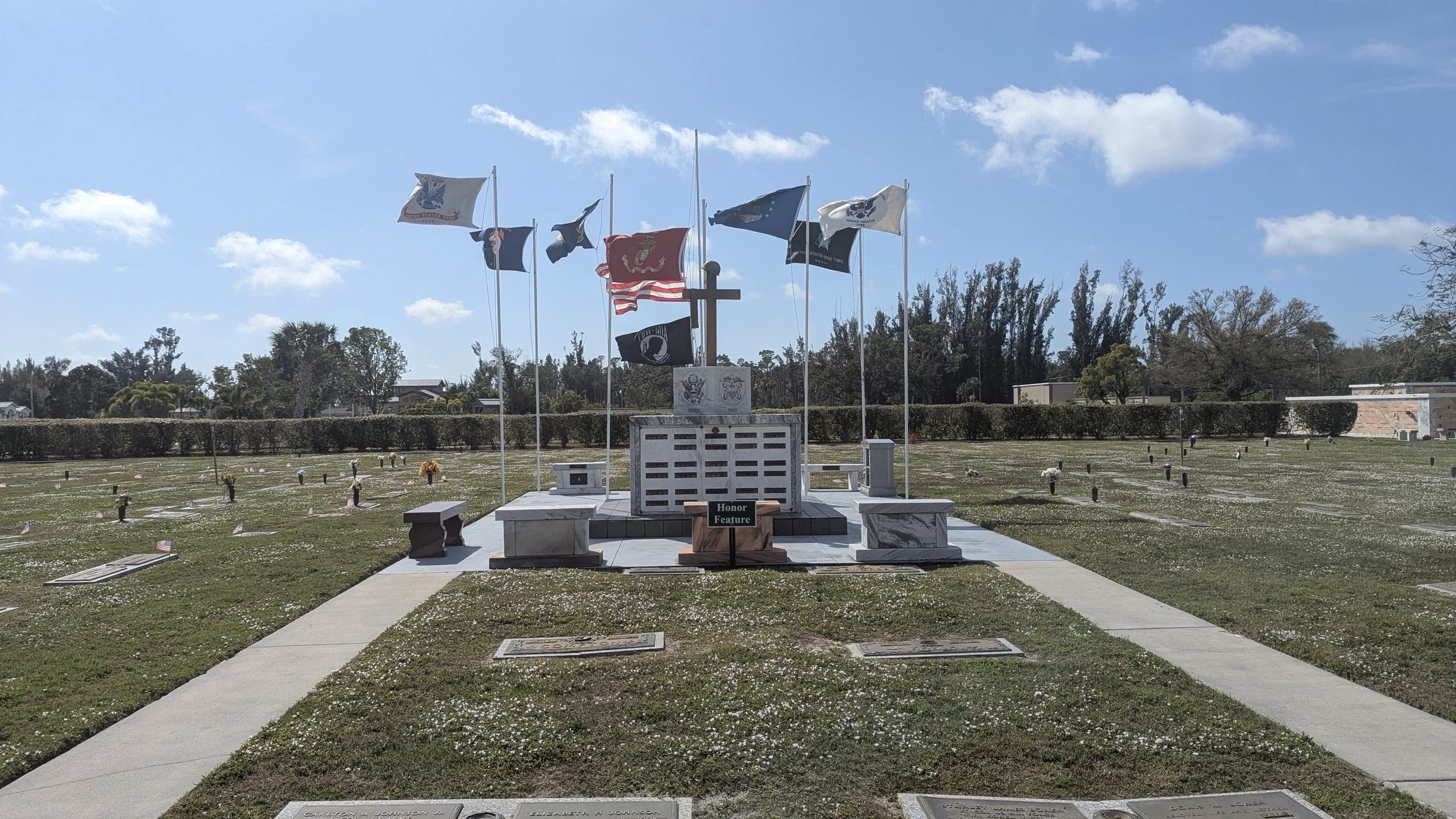
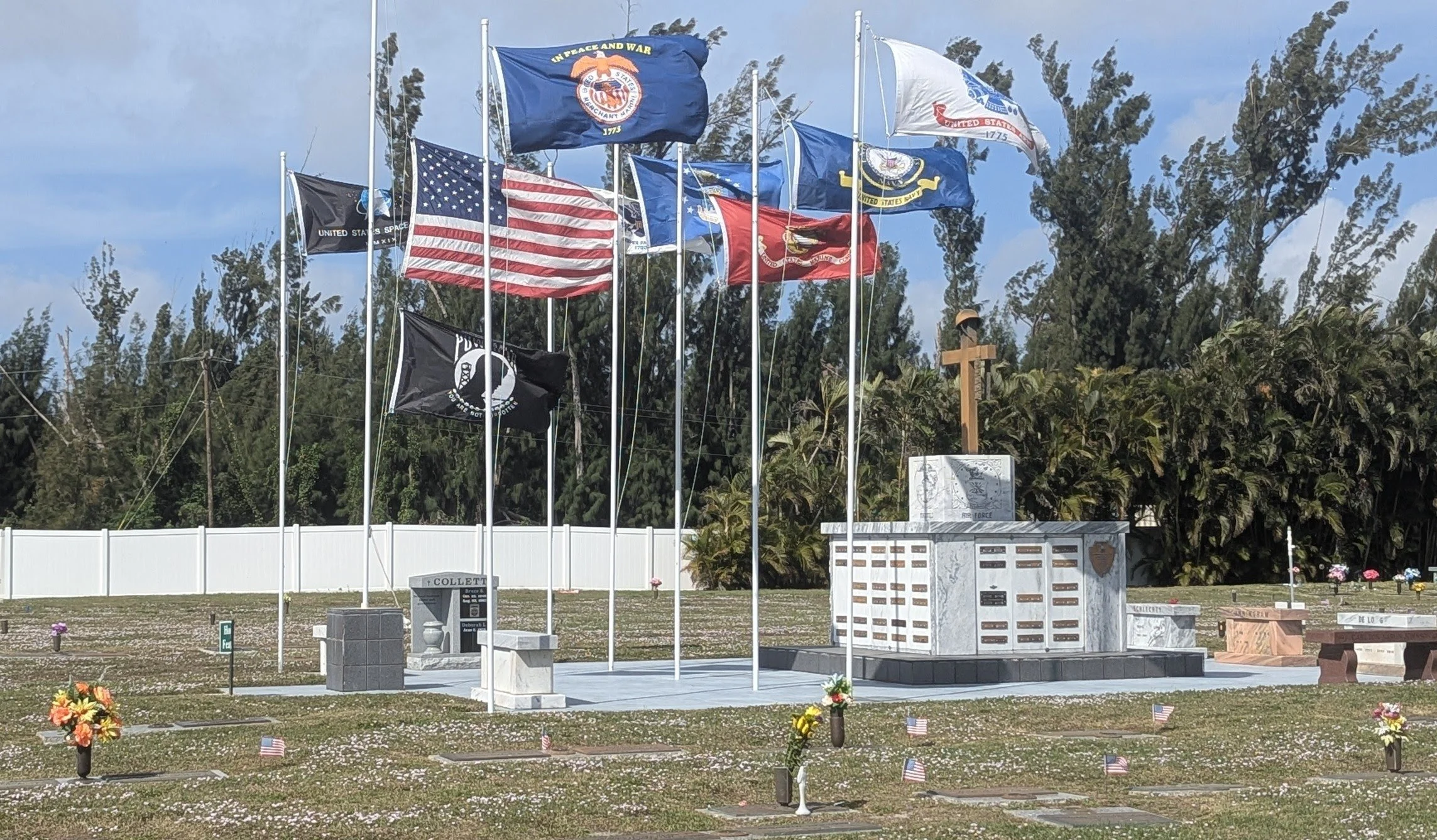
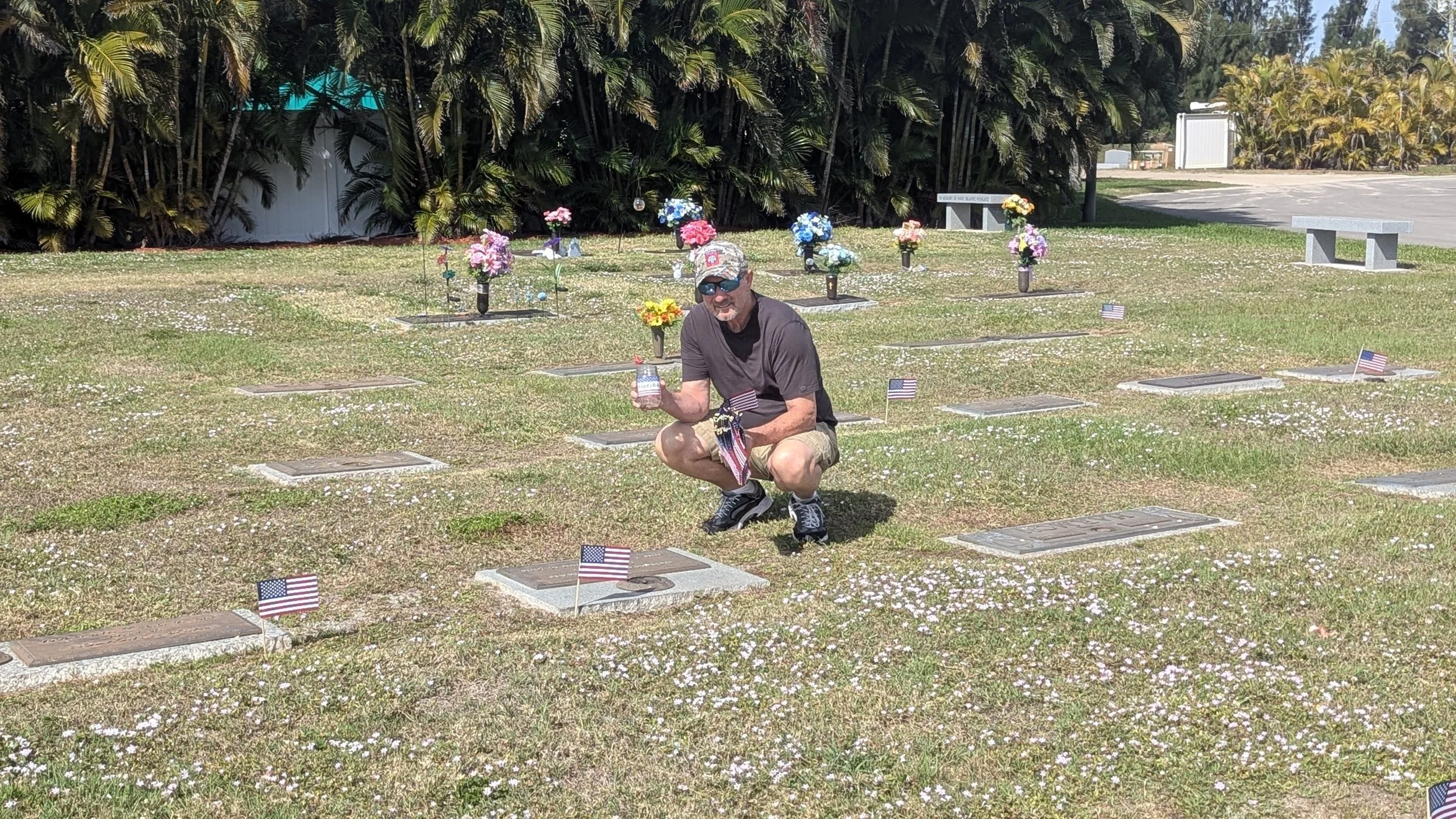
Coral Ridge Memorial Park and Cremation Gardens in Cape Coral, Florida, is a peaceful, park-like cemetery featuring many dedicated veterans’ resting areas. It has also served as a collection site for the Patriot Soil Project, which gathered small samples of soil from over 500 veteran resting places as part of a national tribute to those who have served. The “Salute of Honor” was also presented as part of this commemorative effort.
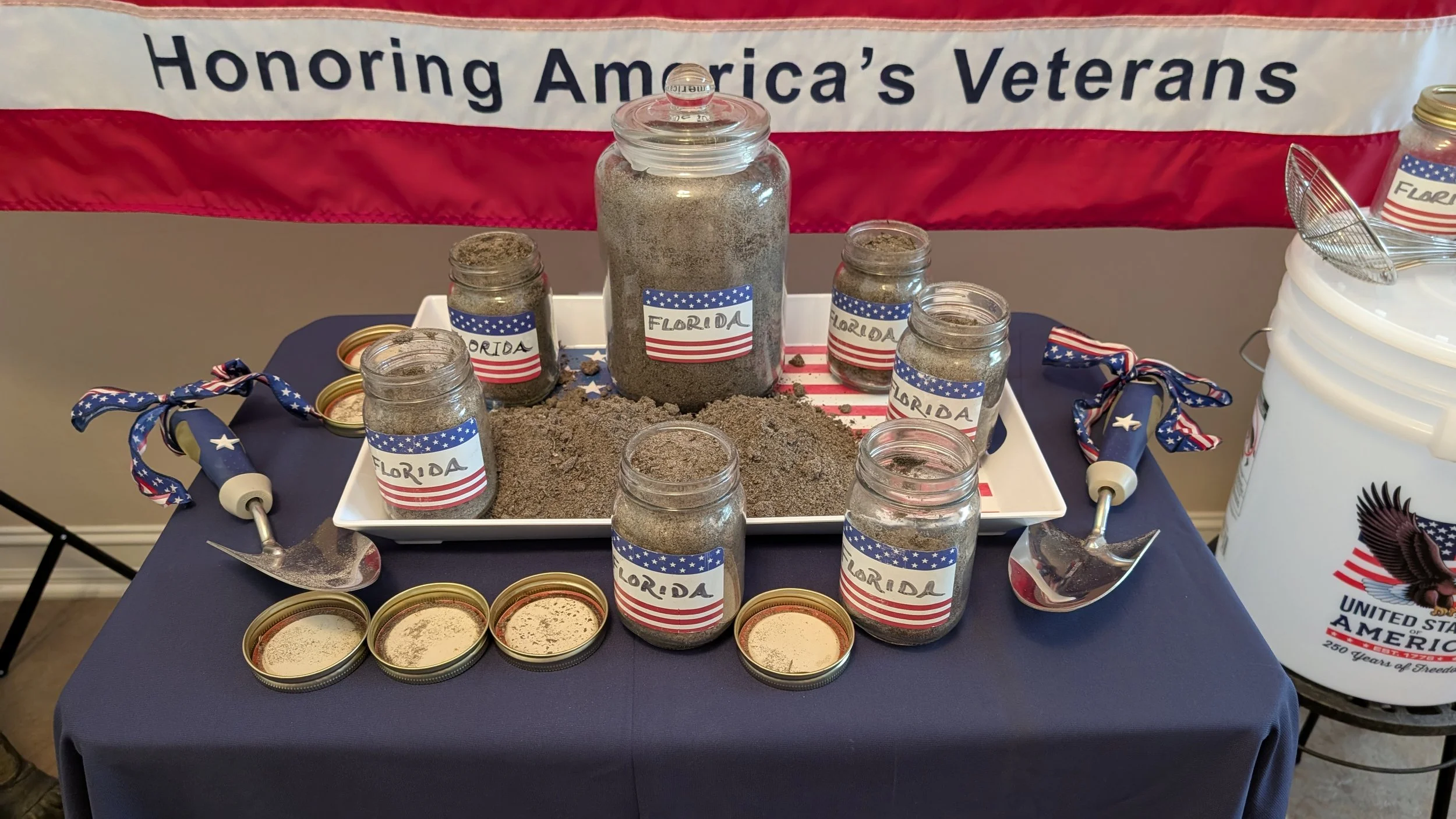
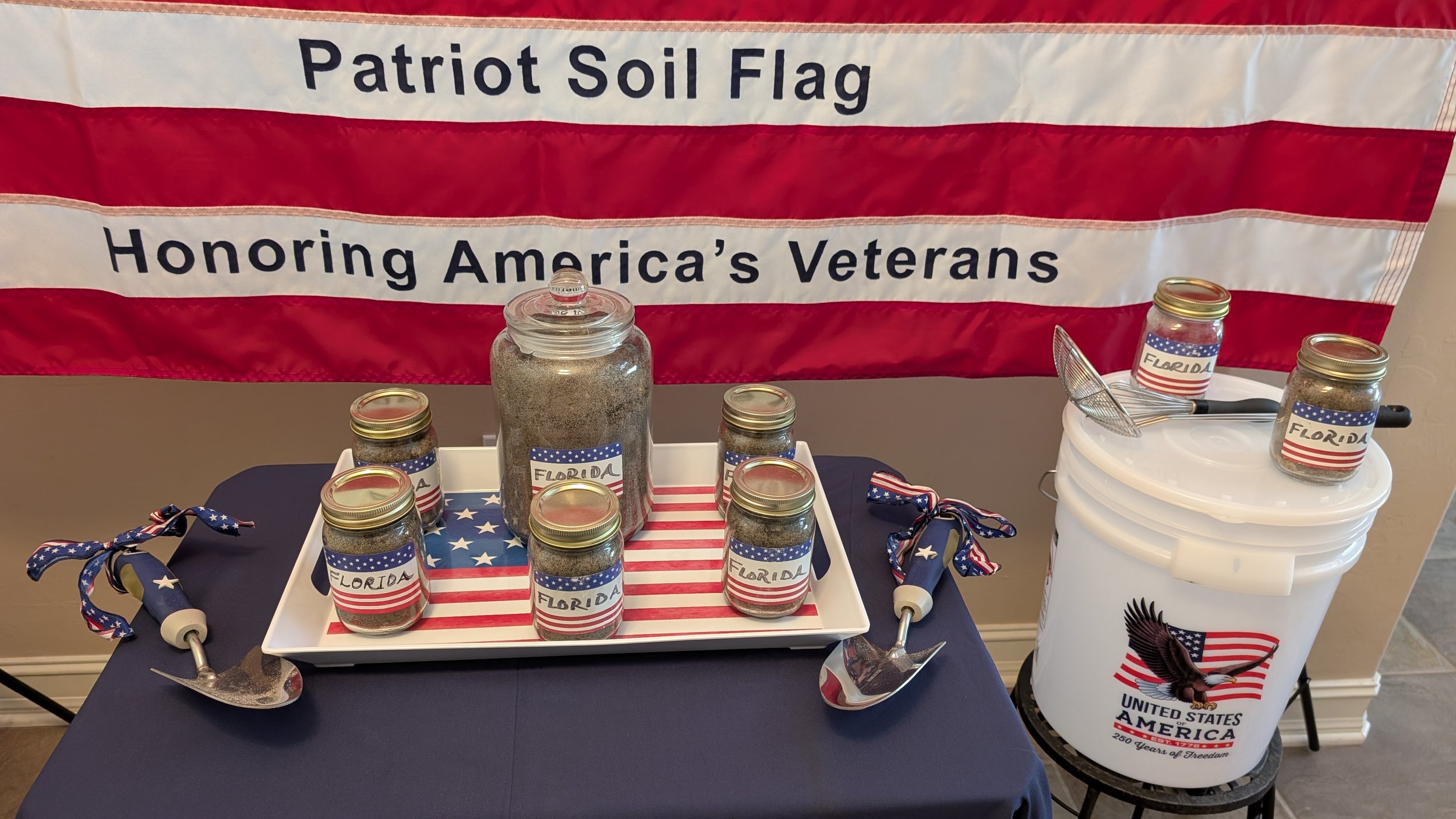
Soil MixingSoil collected from veteran resting places throughout the state is respectfully combined into a single blended collection, symbolizing the unity of all who served from that state.
Vial & State StarSoil collected from veteran resting places throughout the state is respectfully combined into a single blended collection, symbolizing the unity of all who served from that state.