CONNECTICUT
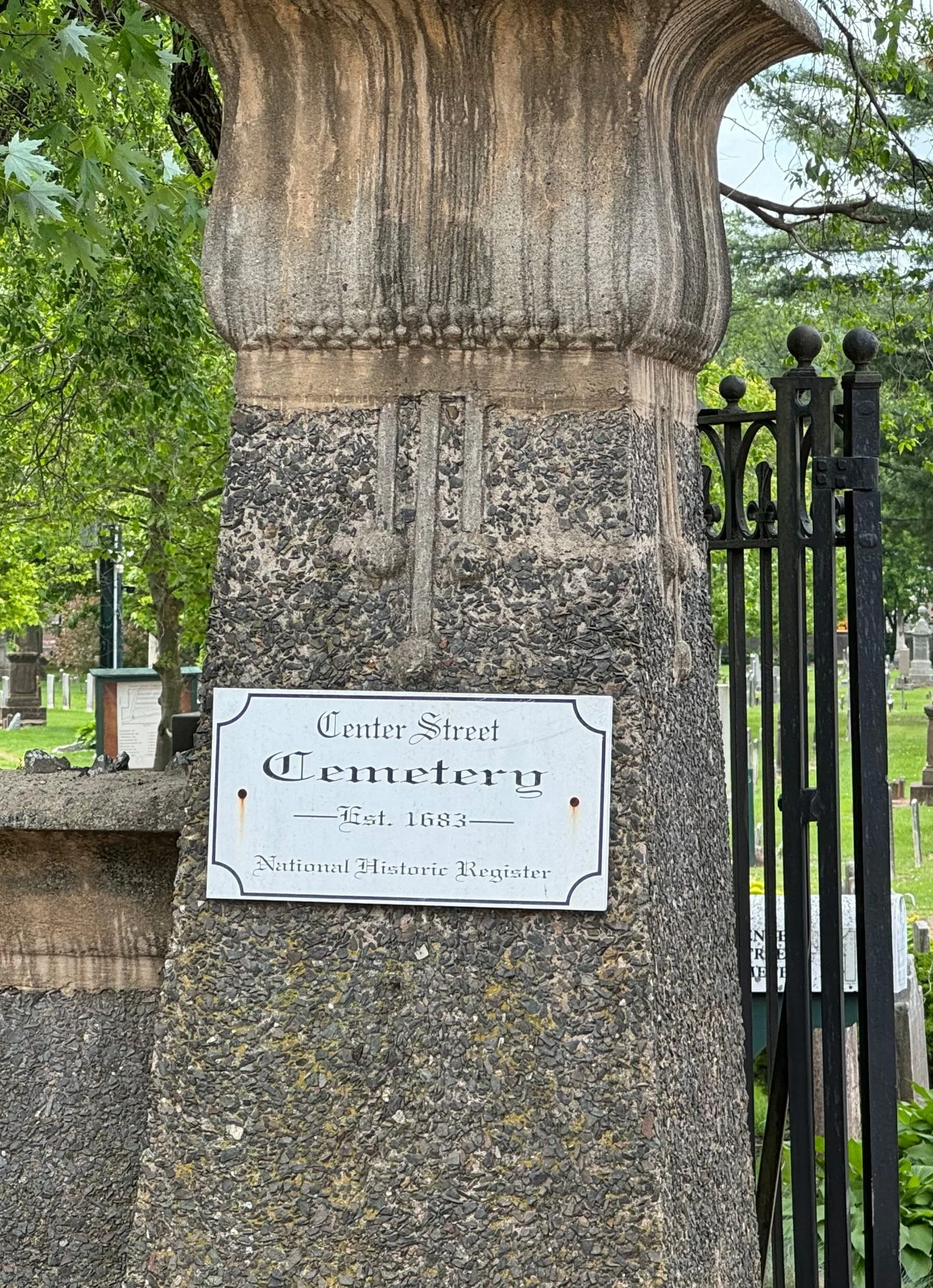
Wallingford Center Street Cemetery
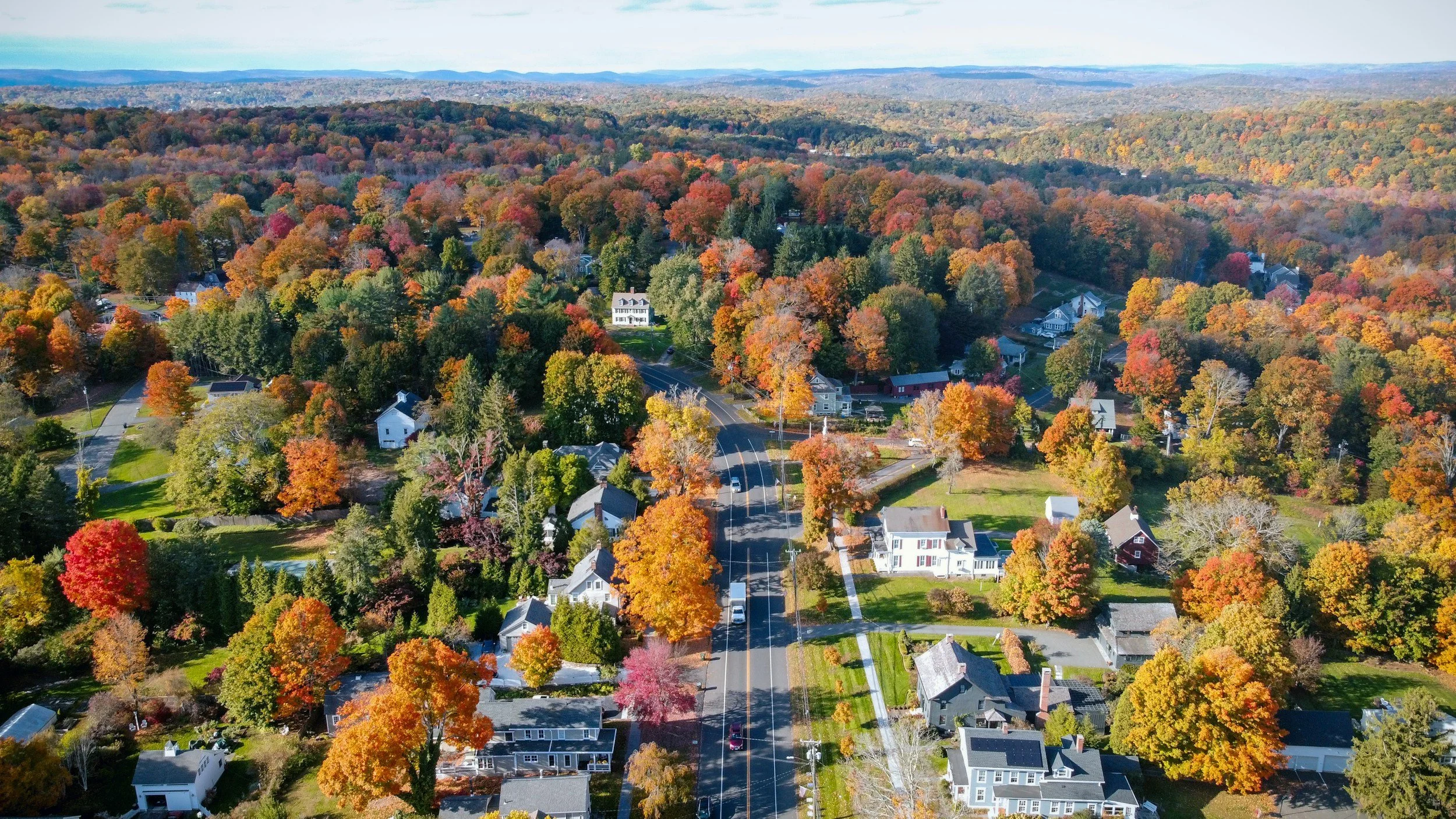
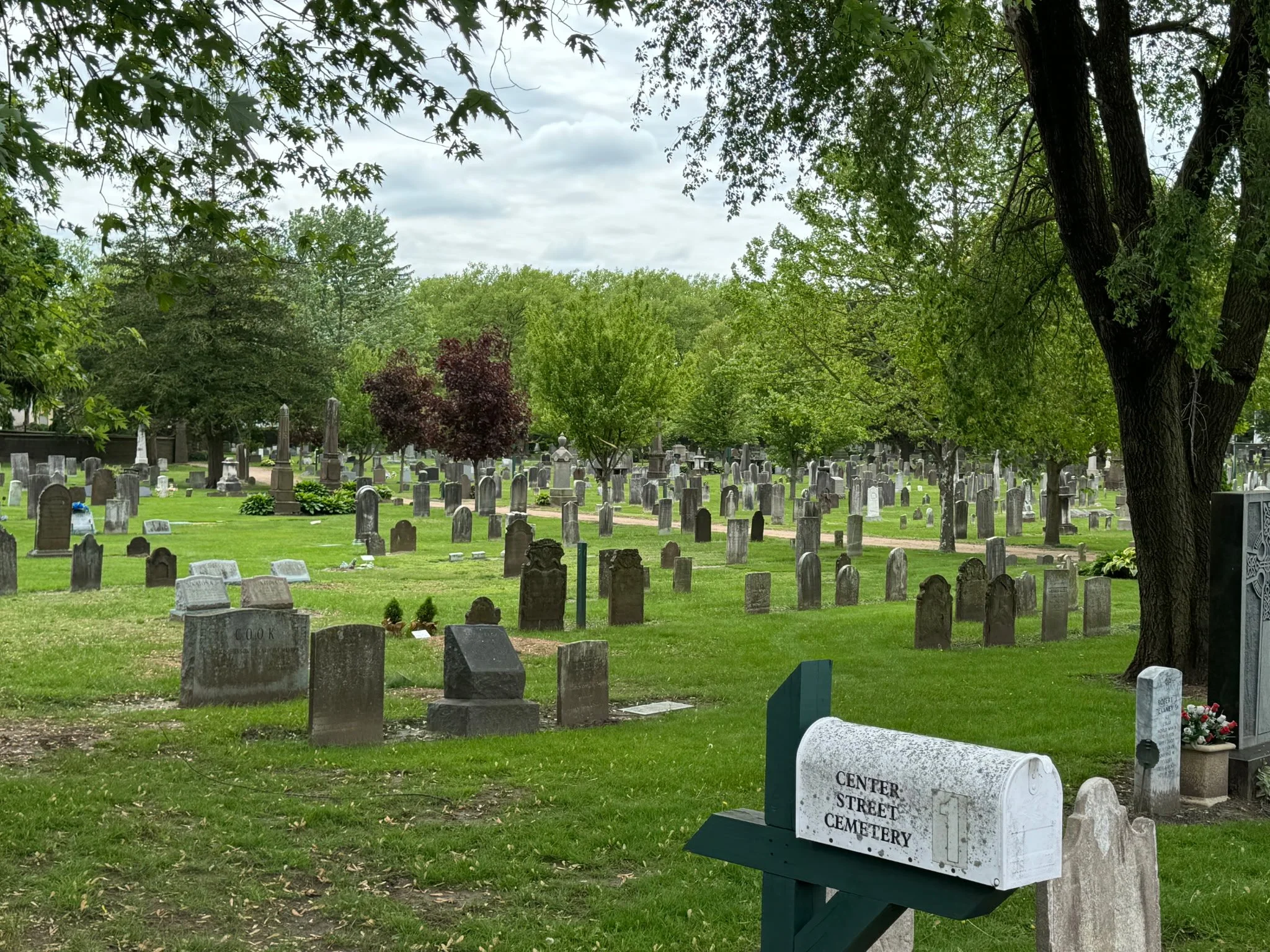
Center Street Cemetery is a historic burial ground located in the heart of Wallingford, Connecticut, and stands as one of the town’s most meaningful cultural landmarks. Established around 1670, the same year the town was founded, it reflects the early New England tradition of placing cemeteries at the center of community life.
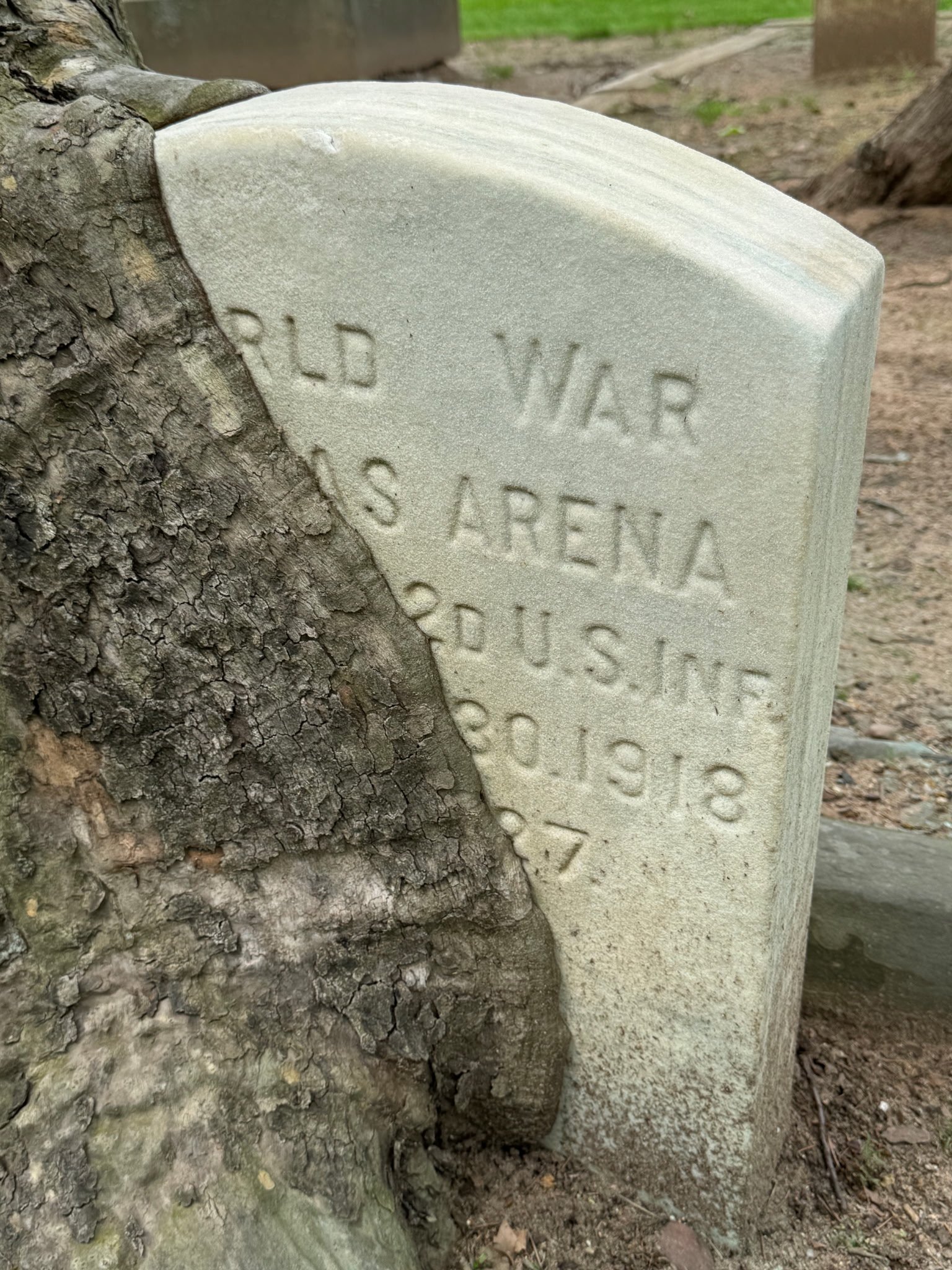
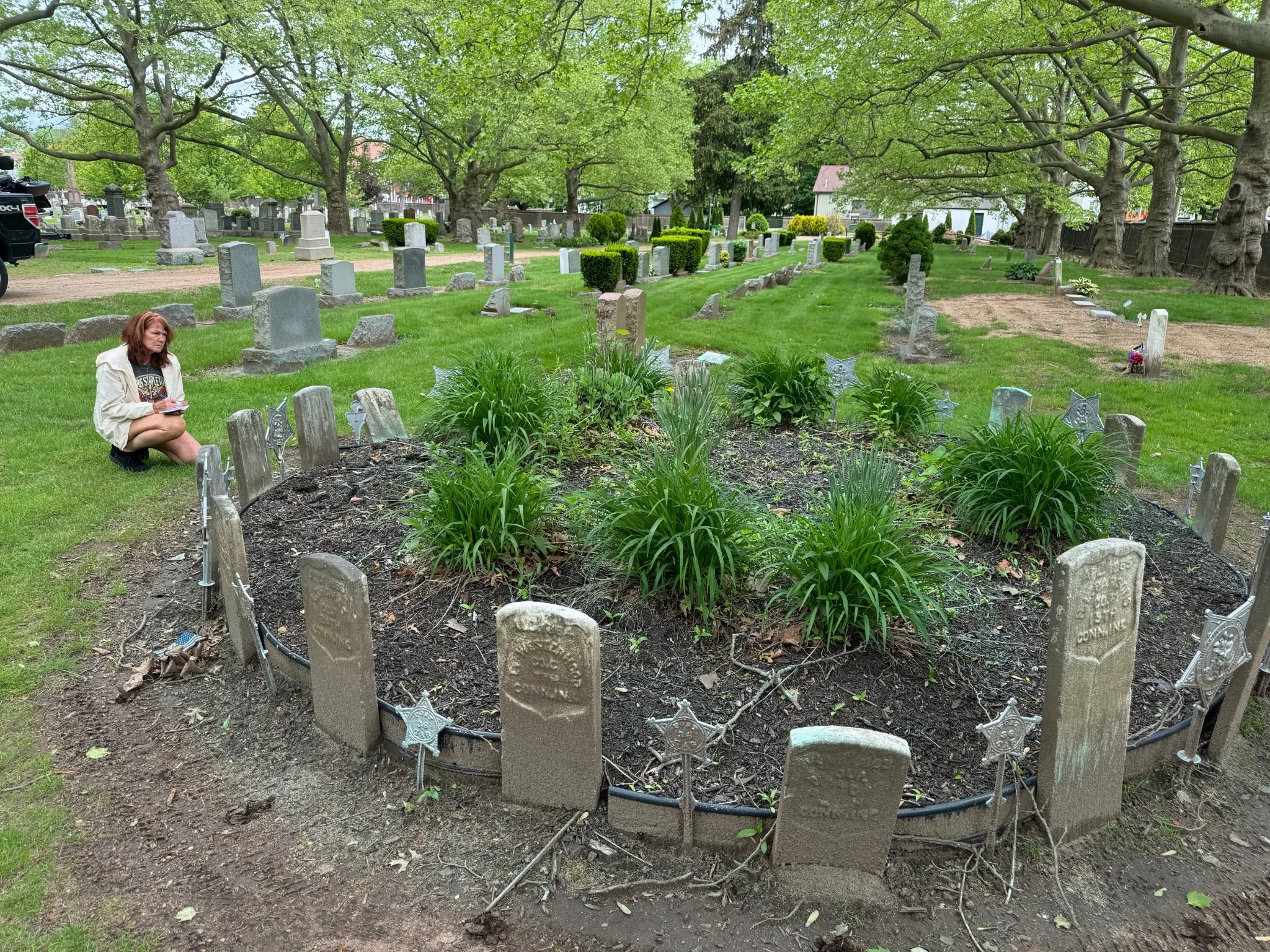
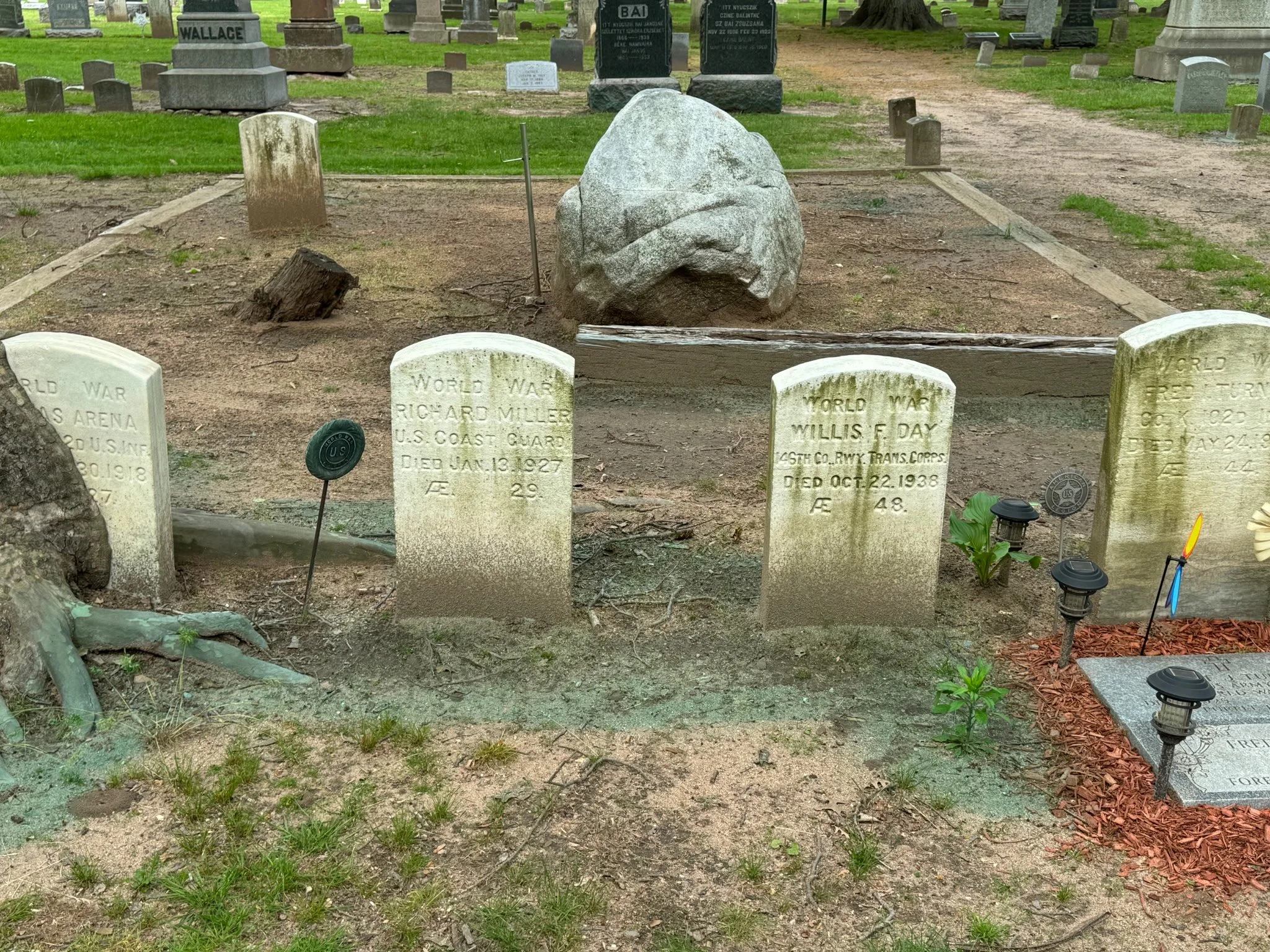
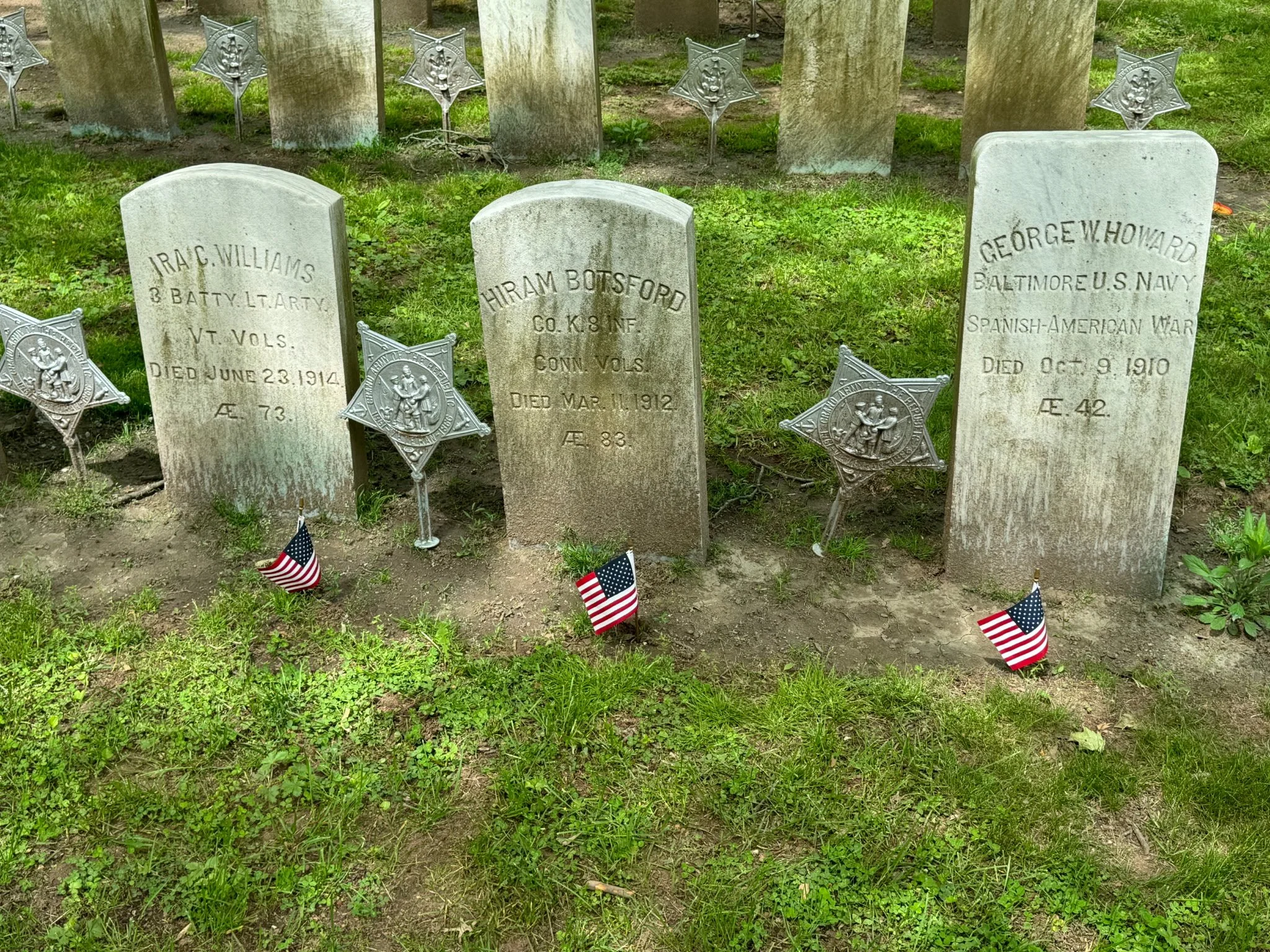
Spanning roughly nine acres, the cemetery has been in continuous use for more than three centuries. Its grounds hold generations of Americans—from early colonial settlers to veterans of the Revolutionary War, the Civil War, and modern conflicts—each contributing to the story of the nation. The evolution of its headstones, from simple carved slate to enduring granite monuments, mirrors the passage of time and memory.
Among those remembered here is Lyman Hall, a signer of the Declaration of Independence, as well as Moses Yale Beach, a founder of the Associated Press. Their legacy, alongside countless others, reflects the deep historical roots preserved within these grounds.
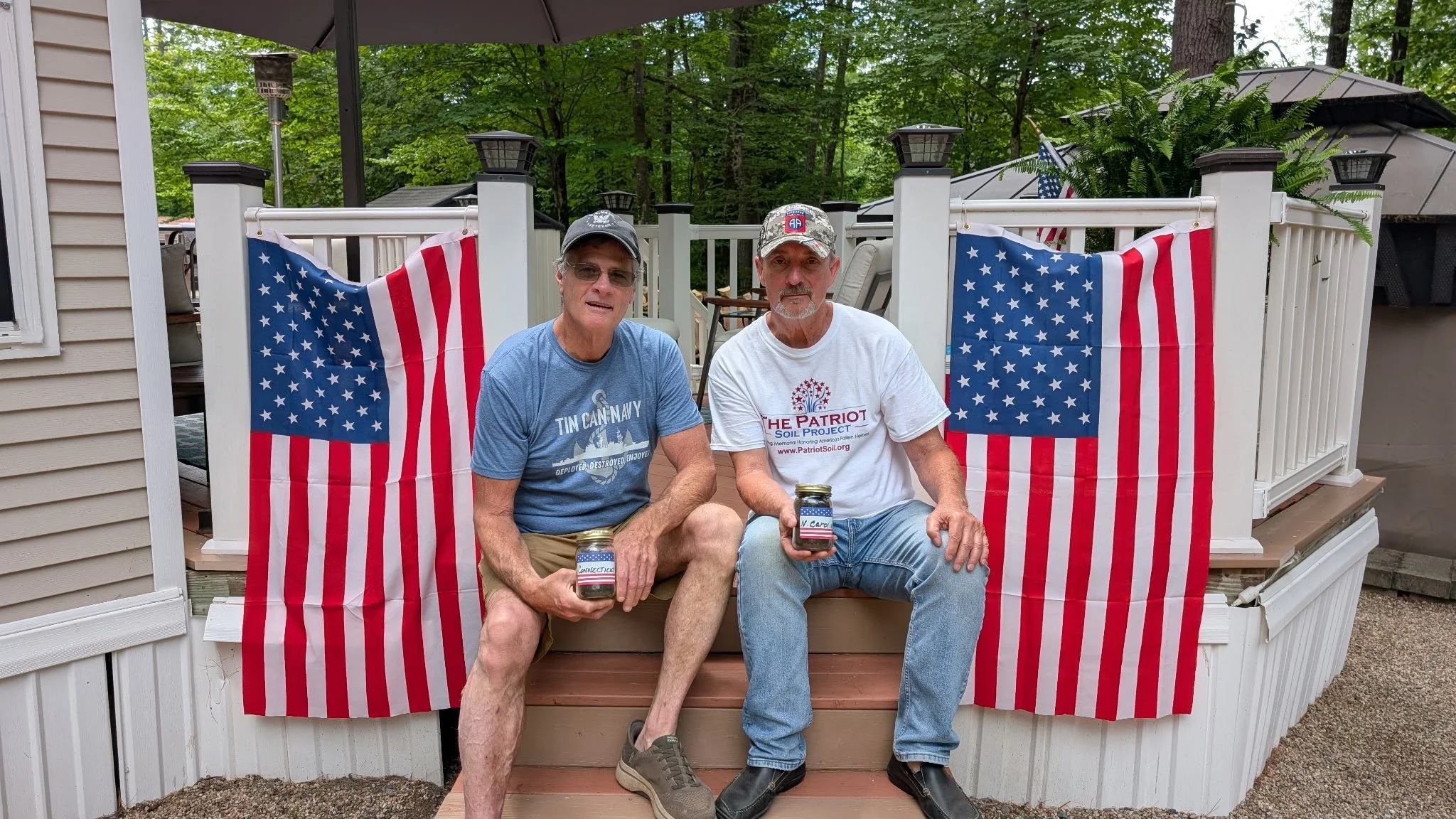
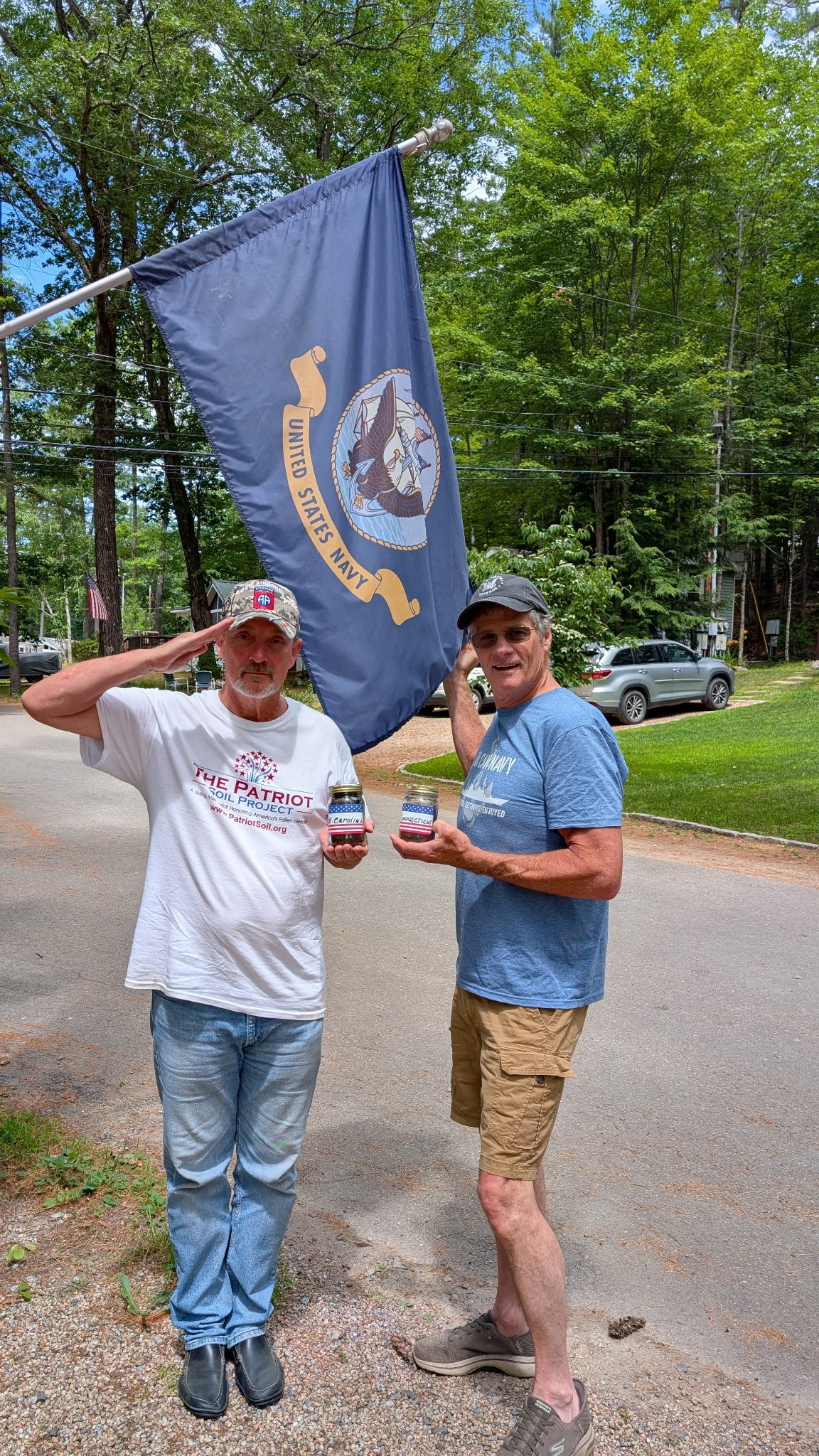
Wallingford is also the hometown of Gary Robinson, whose connection to this cemetery is deeply personal. It was his childhood friend, Kevin Corriveau—a U.S. Navy veteran—who collected soil from these sacred grounds, honoring both local history and national service. That act represents the enduring purpose of places like Center Street Cemetery: to remember, to honor, and to carry forward the stories of those who came before.
That cemetery isn’t just a burial ground—it’s essentially a physical record of Wallingford’s entire history, sitting right in the middle of town. Walking through it, you’re moving from the 1600s to today in just a few acres.
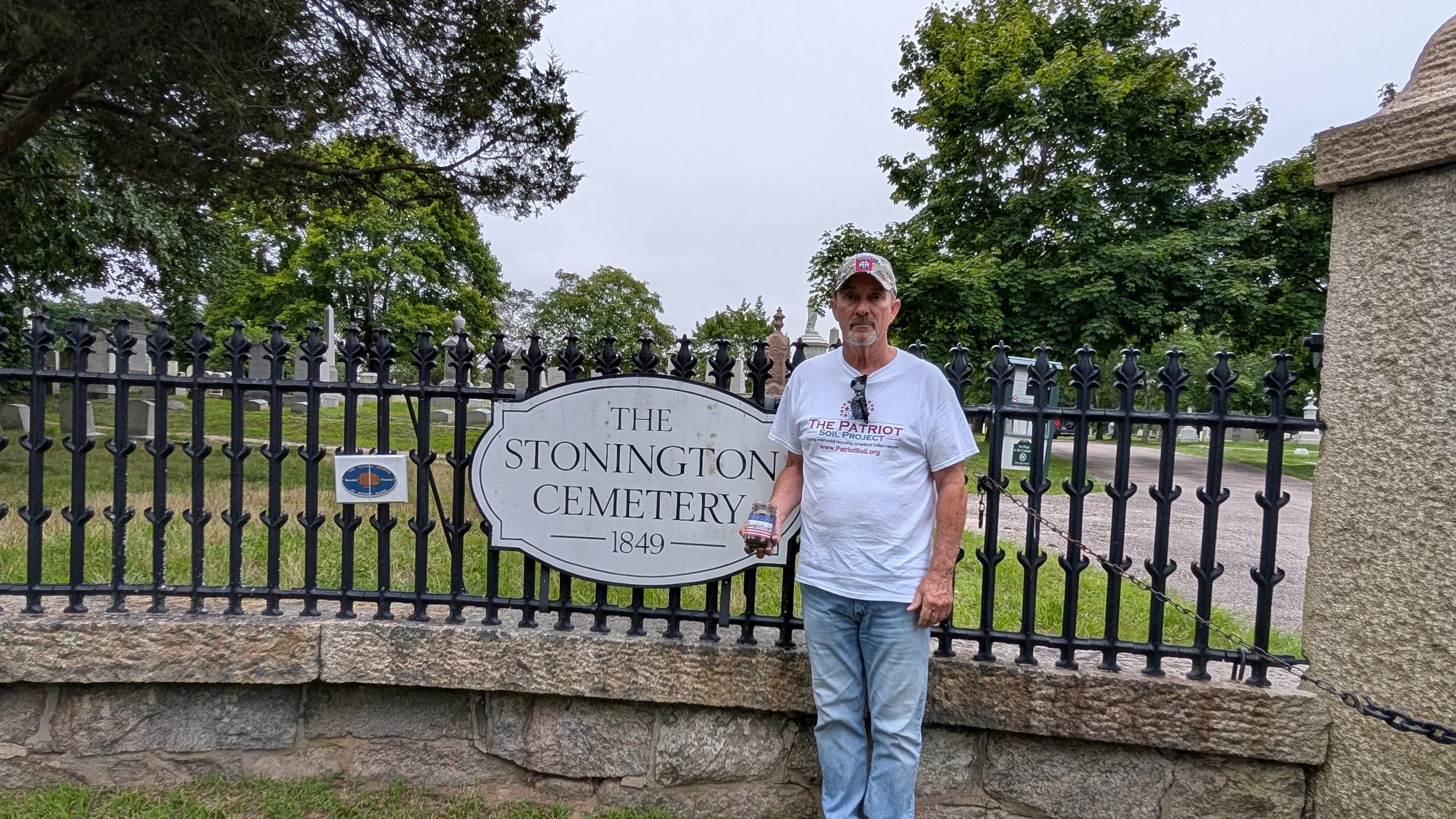
Stonington Cemetery
Stonington Cemetery is a historic burial ground located in the coastal borough of Stonington, Connecticut, overlooking the harbor and reflecting centuries of maritime and American history. Established in the 18th century, the cemetery sits at the center of one of New England’s oldest seaside communities, where narrow streets, colonial homes, and ocean views frame its quiet and reflective setting.
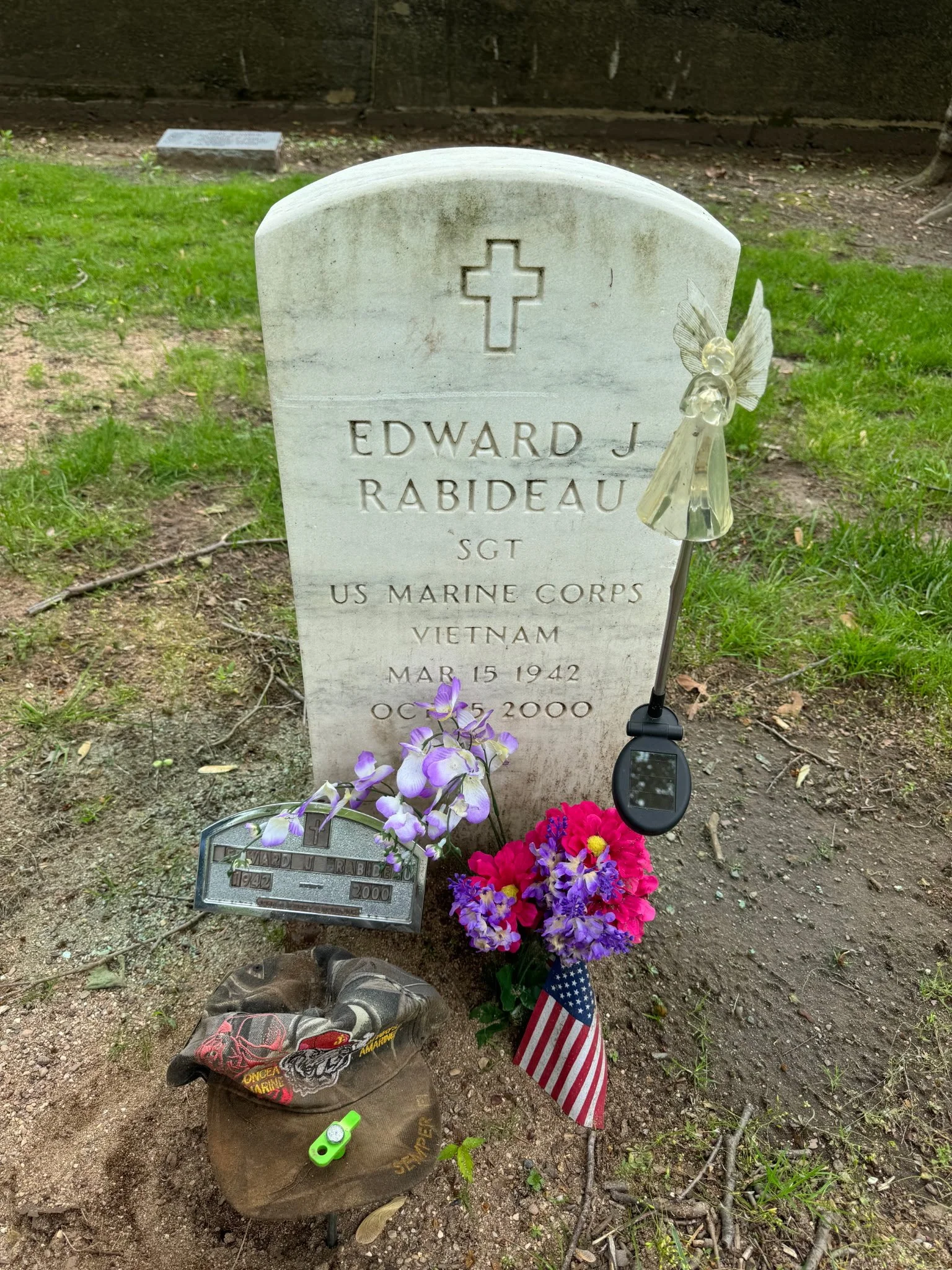
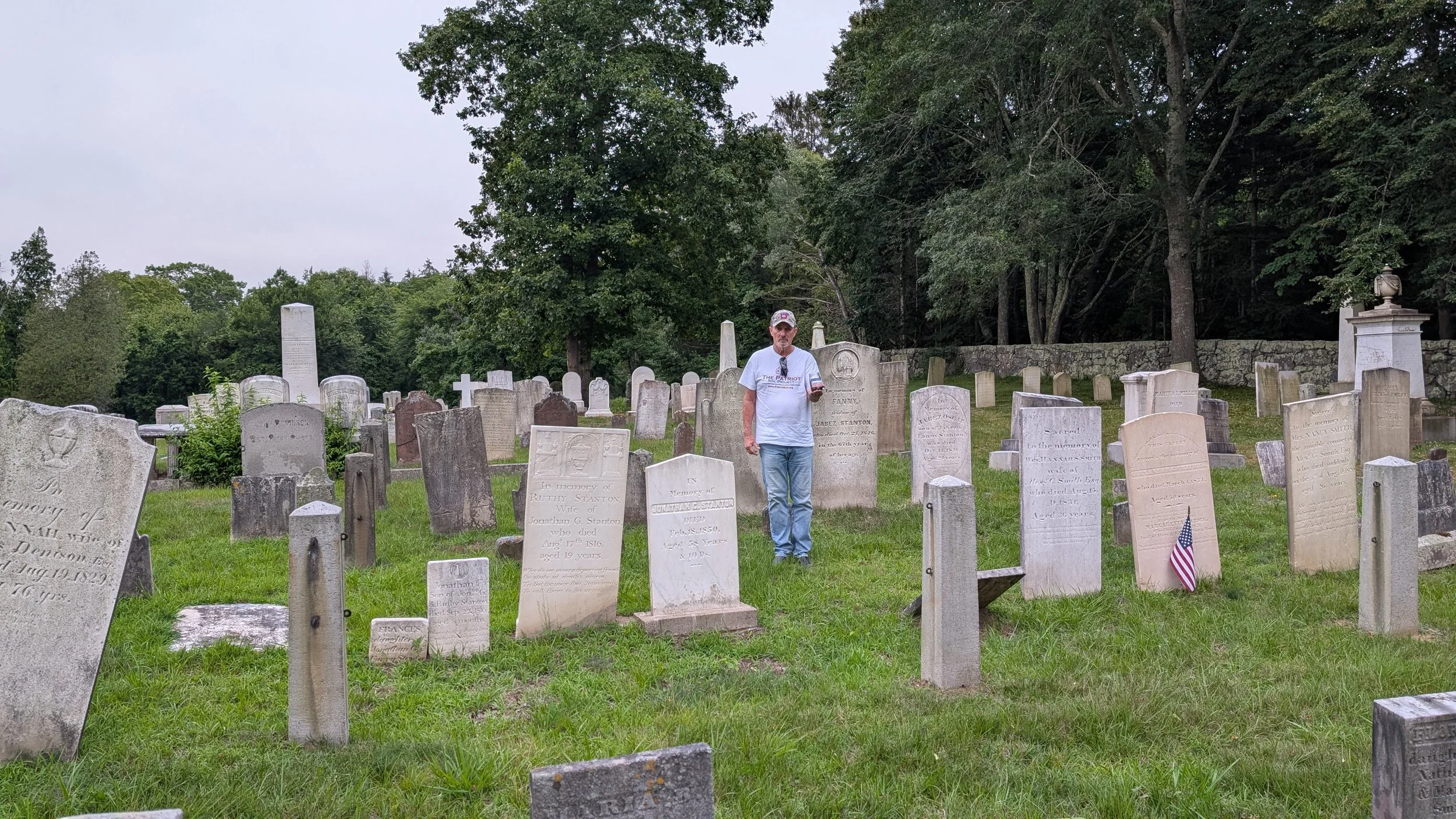
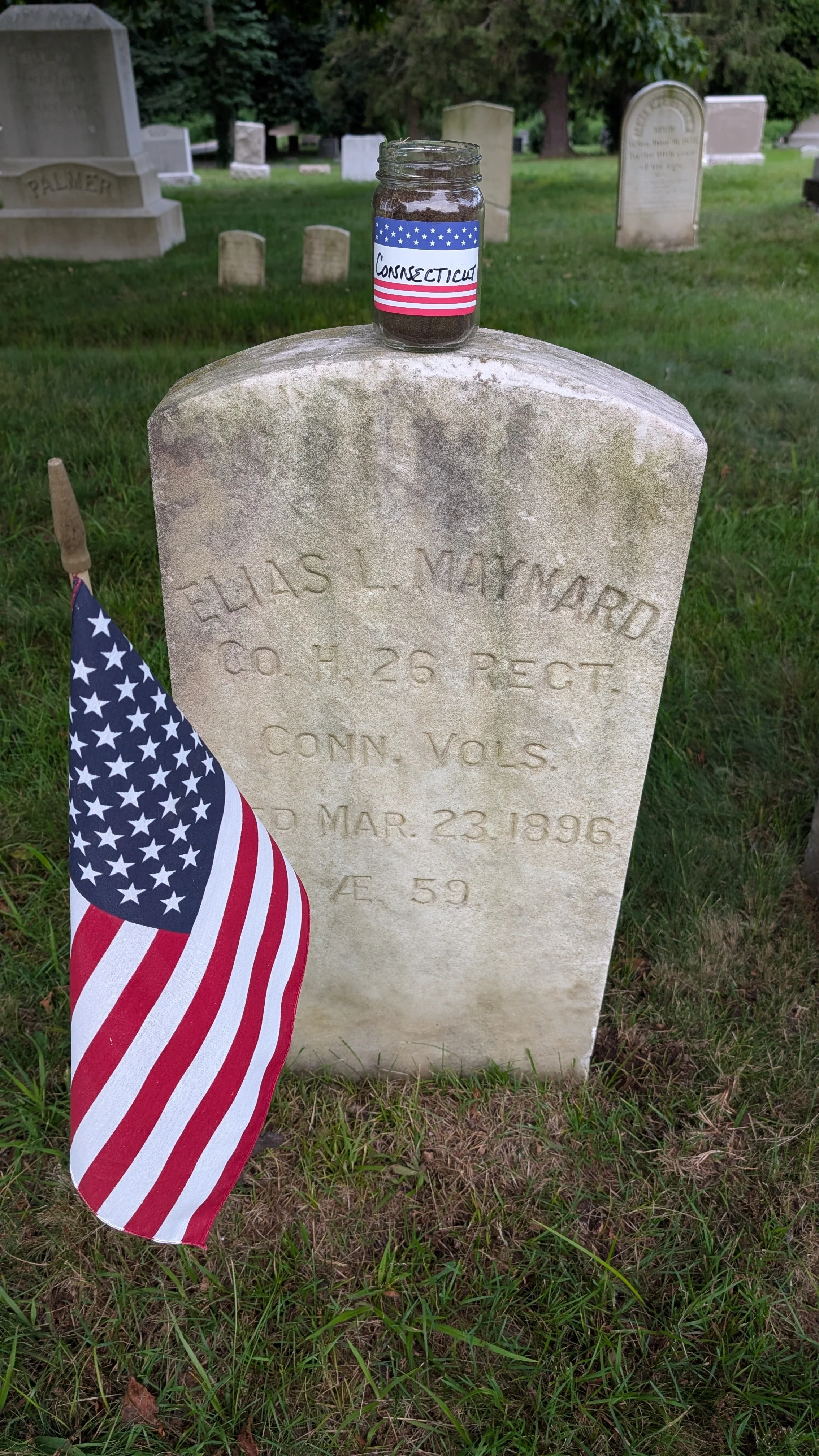
The cemetery contains the graves of generations of residents whose lives were closely tied to the sea—ship captains, fishermen, merchants, and families who shaped the region’s identity. It also honors veterans from multiple conflicts, including those who served in the Revolutionary War, the War of 1812, the Civil War, and beyond, reinforcing its role as a place of remembrance for both local and national sacrifice.
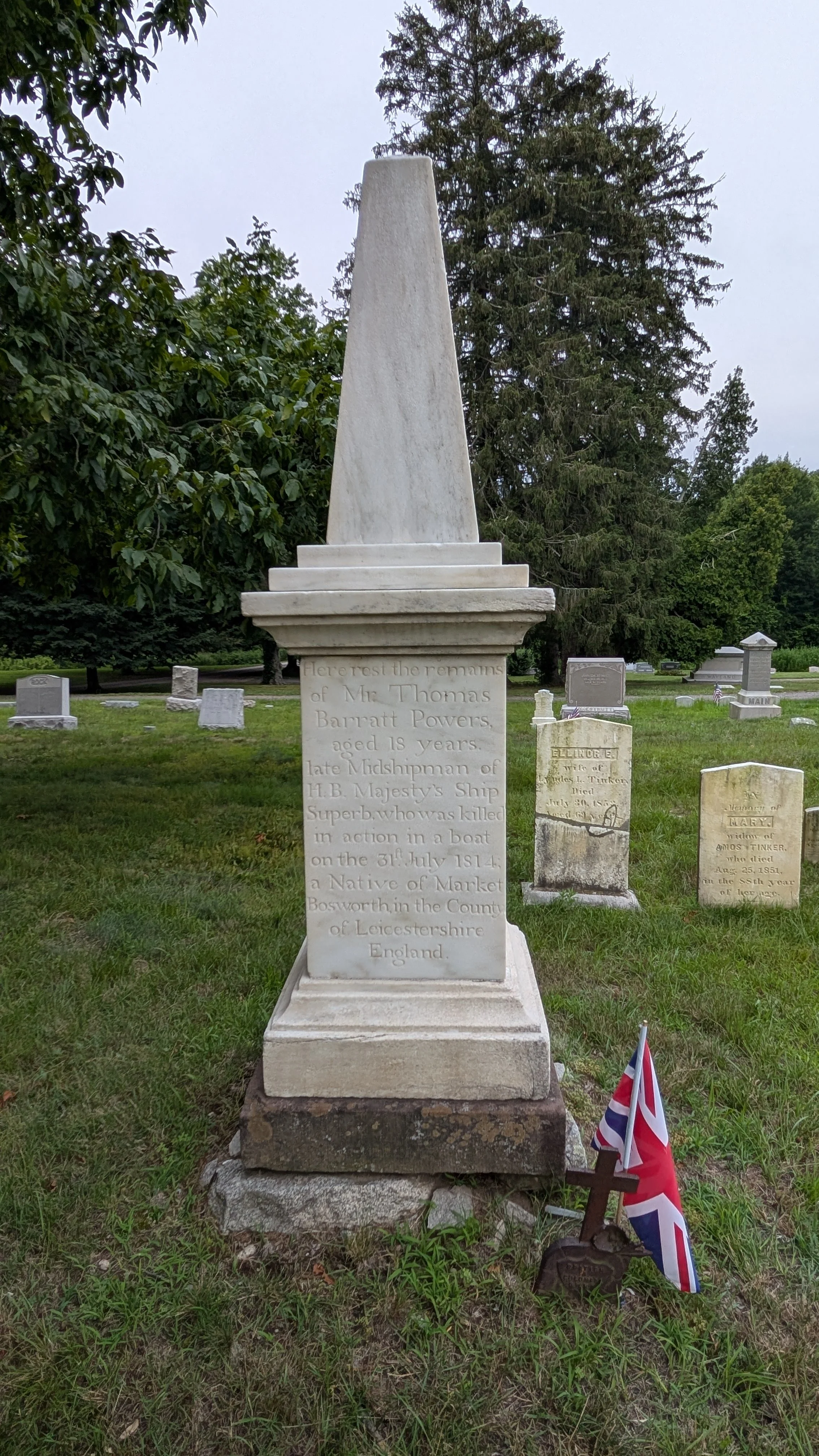
Among those buried here is Thomas Miner, one of the town’s earliest settlers, whose legacy is deeply woven into Stonington’s founding. The cemetery also holds the graves of individuals connected to the borough’s maritime prominence and its role in defending the coast during the Battle of Stonington in 1814.
Set against the backdrop of the Atlantic, the cemetery’s weathered stones and monuments reflect the passage of time, with inscriptions shaped by sea air and generations of remembrance. Its location and history give it a distinct character—one that ties together community, service, and the enduring connection between land and sea.
Like many historic burial grounds, Stonington Cemetery is more than a resting place. It stands as a living record of the people who built, defended, and sustained the community—where each name and marker contributes to the larger story of American history along the Connecticut shoreline.
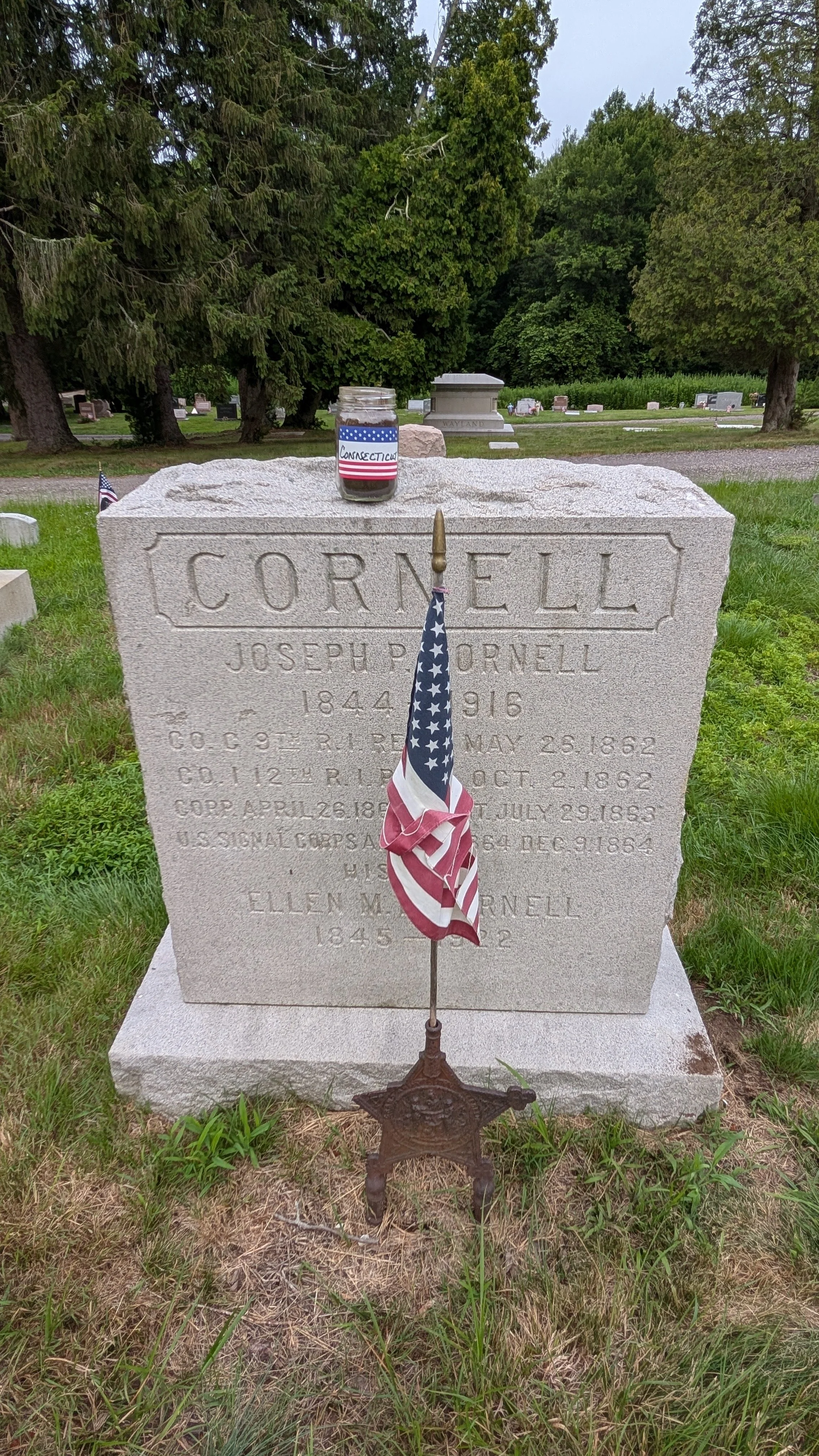
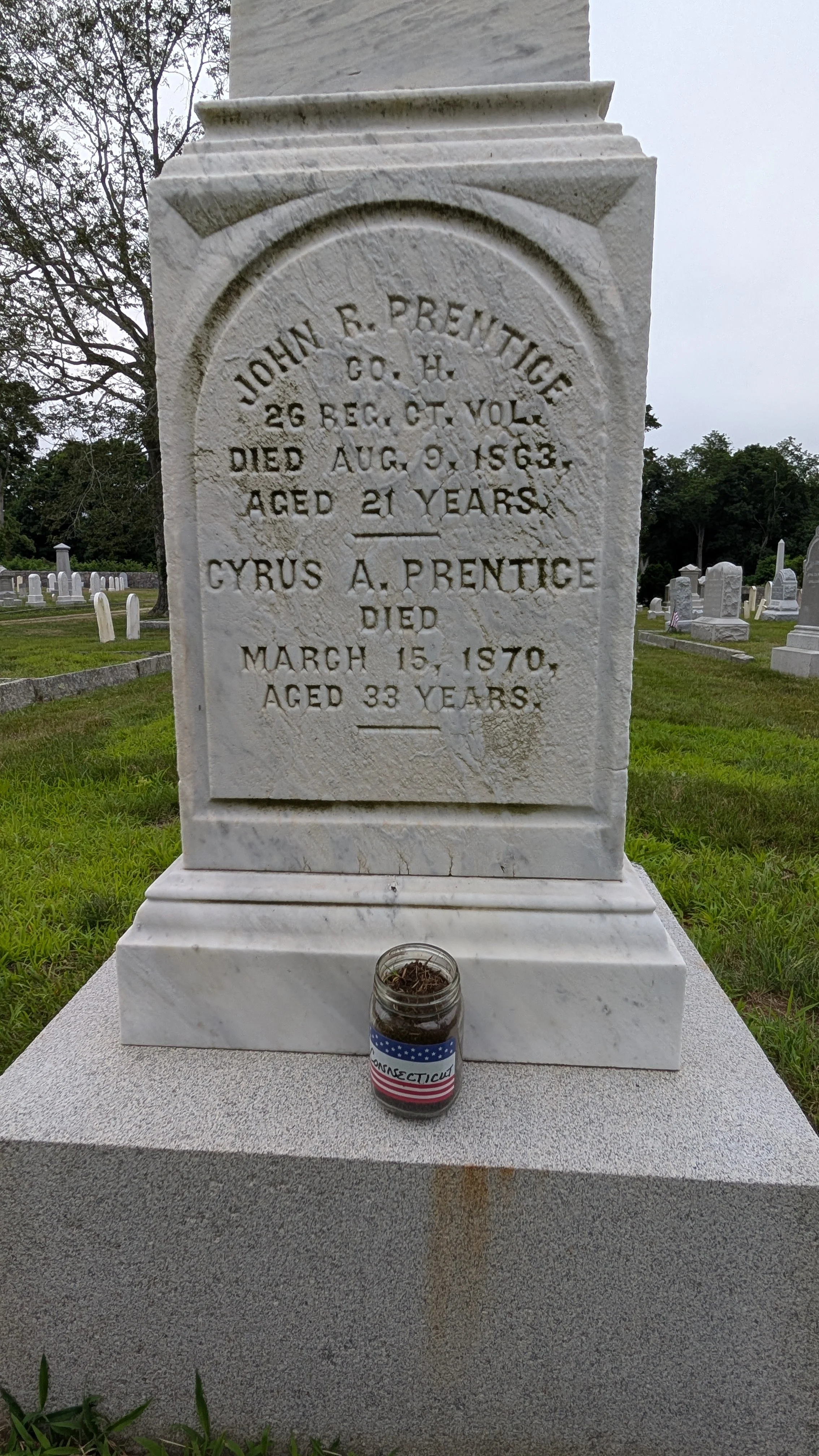
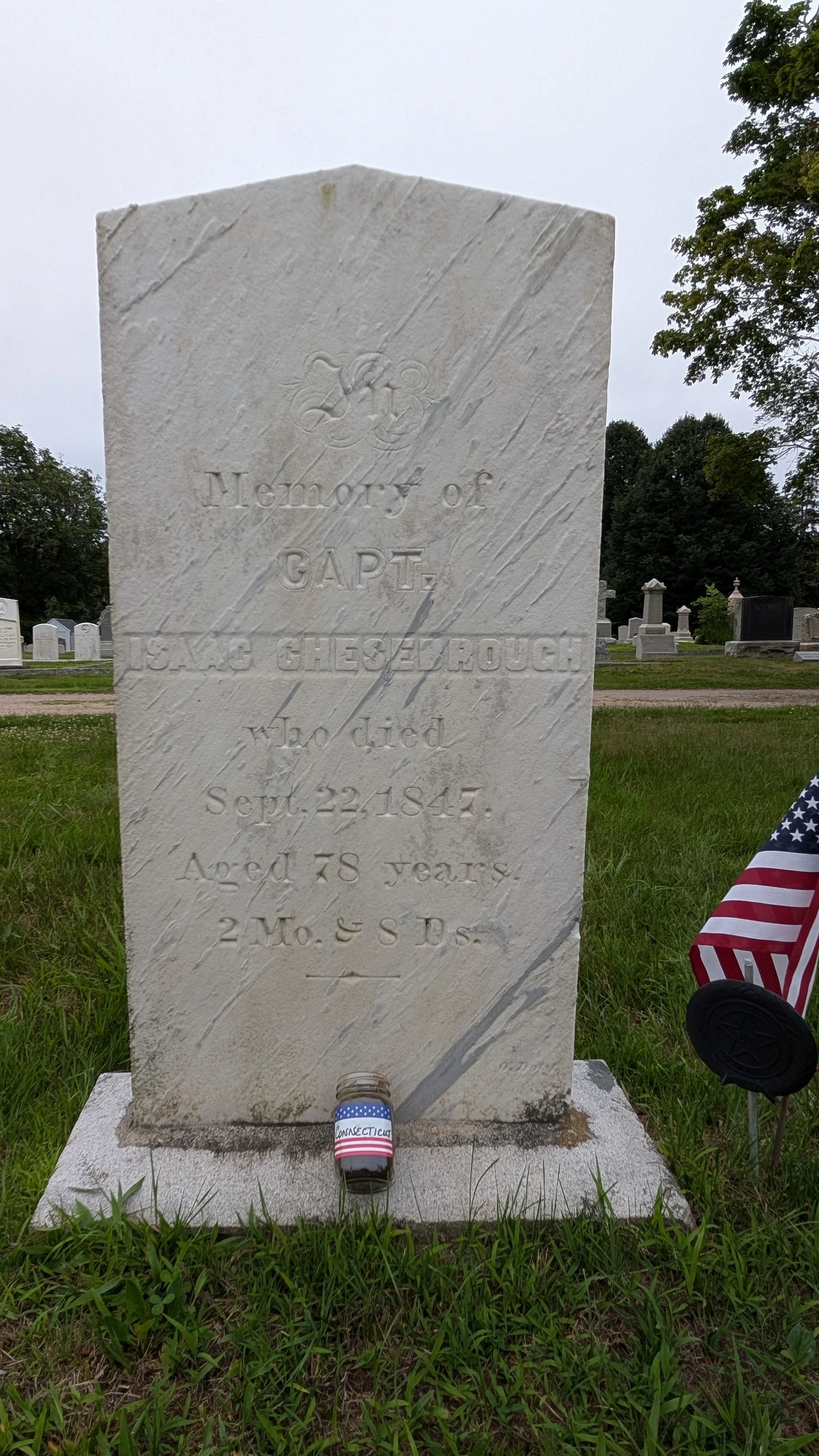
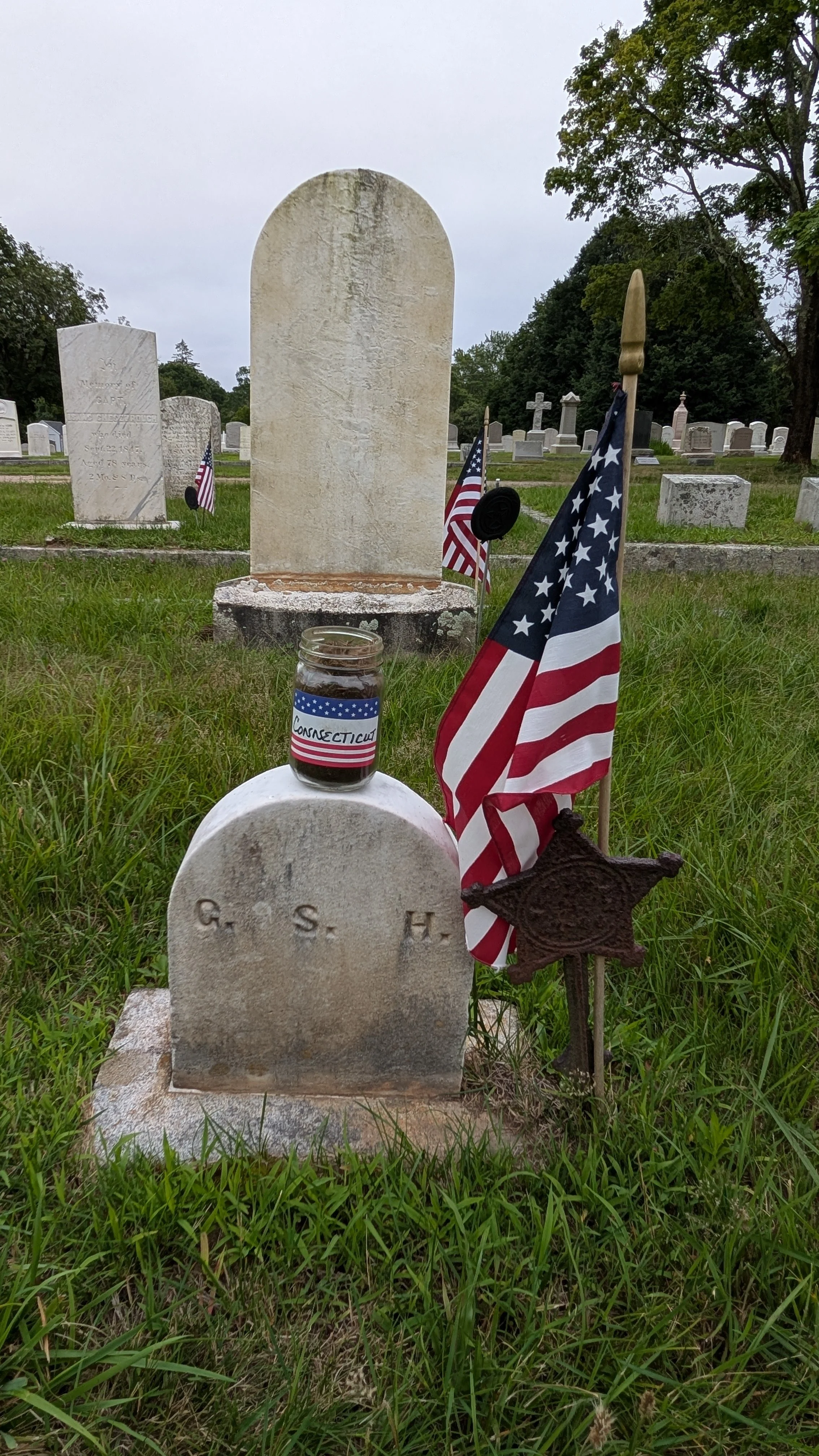
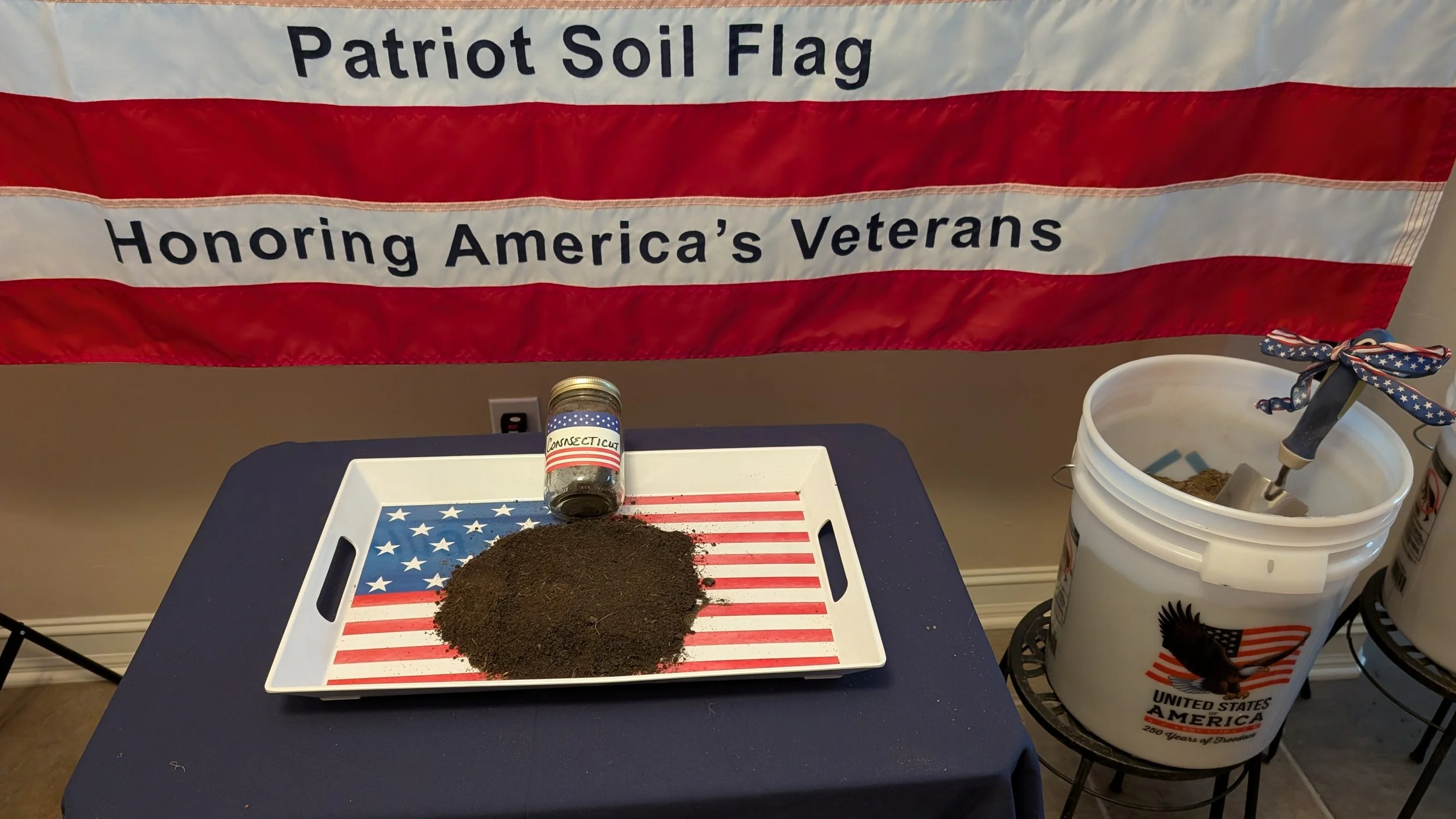
Soil MixingSoil collected from veteran resting places throughout the state is respectfully combined into a single blended collection, symbolizing the unity of all who served from that state.
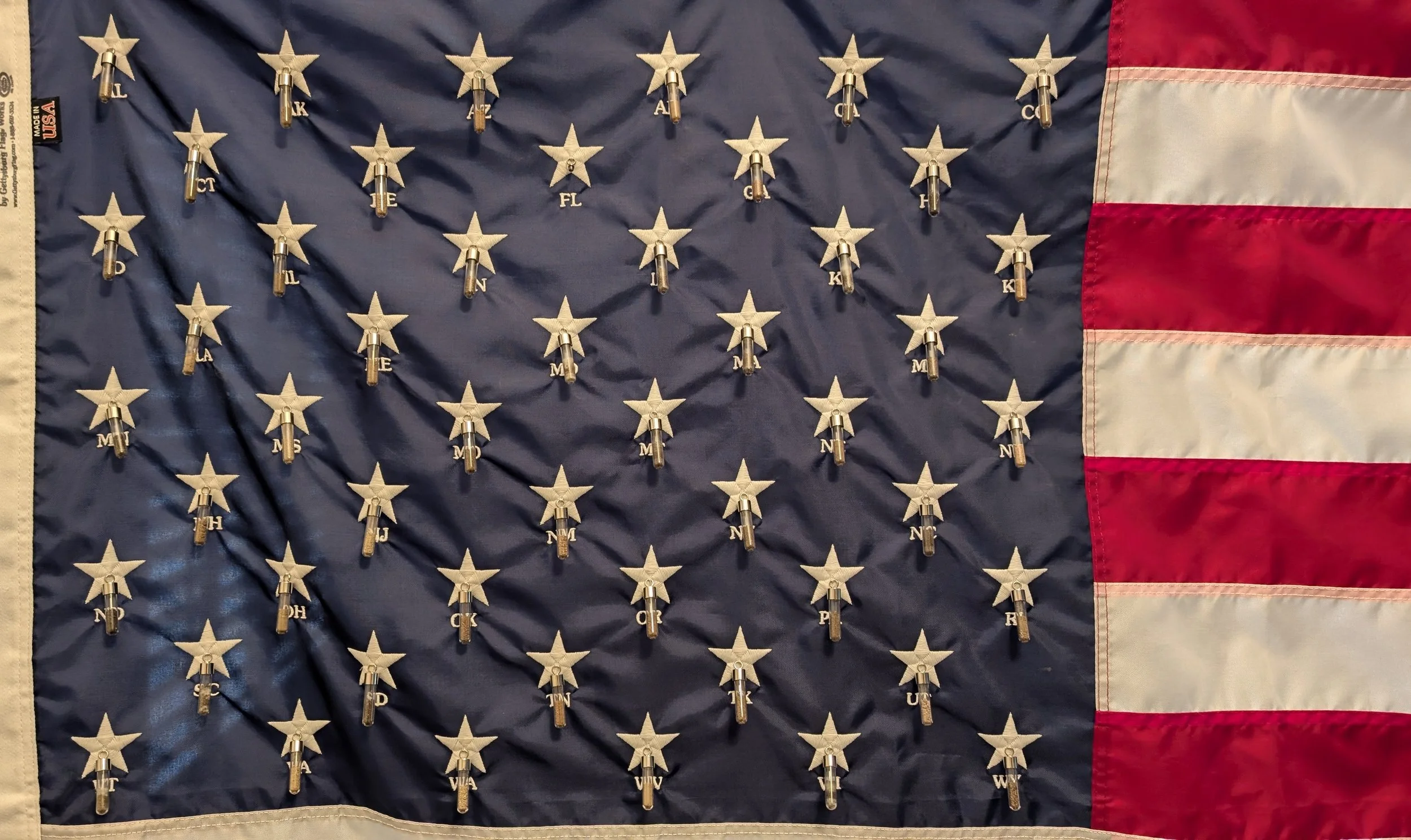
Vial & State StarSoil collected from veteran resting places throughout the state is respectfully combined into a single blended collection, symbolizing the unity of all who served from that state.