ARKANSAS
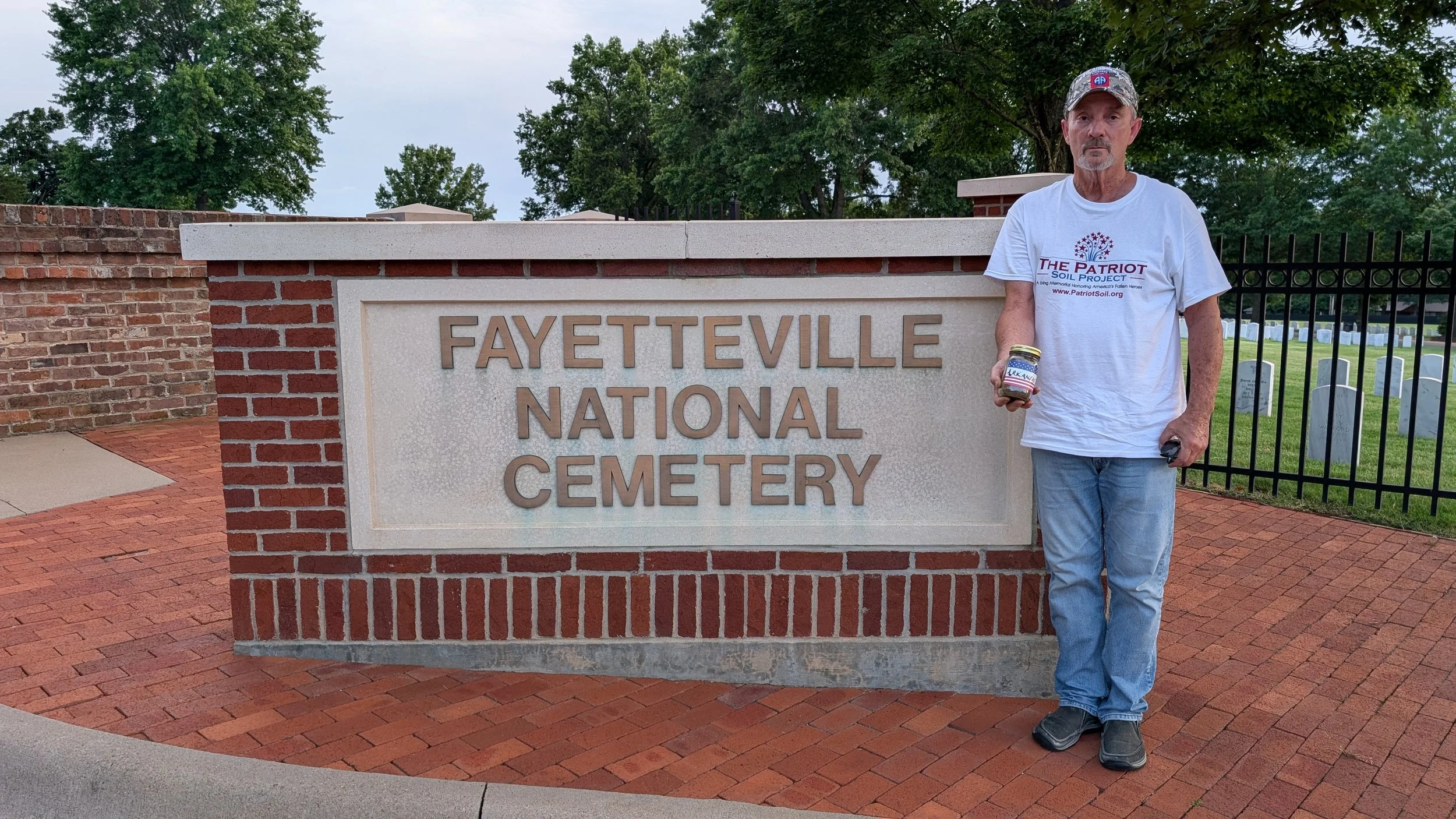
Fayetteville National Cemetery
Fayetteville National Cemetery in Fayetteville, Arkansas, is a small but historically significant U.S. military cemetery managed by the Department of Veterans Affairs. Established in 1867 shortly after the Civil War, it was originally created to reintern Union soldiers who died in nearby battles such as Pea Ridge and Prairie Grove. Many of those early burials were unknown soldiers, and the cemetery still reflects that Civil War legacy today.
The cemetery spans about 15 acres and remains active, providing burial space for eligible veterans and their family members from across multiple eras of U.S. military service, including World War I, World War II, Korea, Vietnam, and more recent conflicts. It is listed on the National Register of Historic Places, reflecting its long-standing historical importance in the region.
Among those buried there are a small number of individuals considered notable within military and cultural history. One of the most significant is Sergeant First Class Clarence B. Craft, a World War II Medal of Honor recipient recognized for his heroism during the Battle of Okinawa. Another notable burial is Vance Randolph, a World War I–era Army veteran who later became a well-known folklorist documenting Ozark regional culture and traditions.
Beyond these named individuals, the cemetery’s broader importance comes from its large number of Civil War Union soldiers, including both identified officers and many unknown reinterred remains from battlefield sites in Arkansas. It also contains generations of veterans from later American wars, making it a continuous record of U.S. military service over more than 150 years.
Overall, Fayetteville National Cemetery is less about famous public figures and more about historical depth—especially its Civil War origins and its role as a resting place for veterans spanning nearly every major American conflict since.
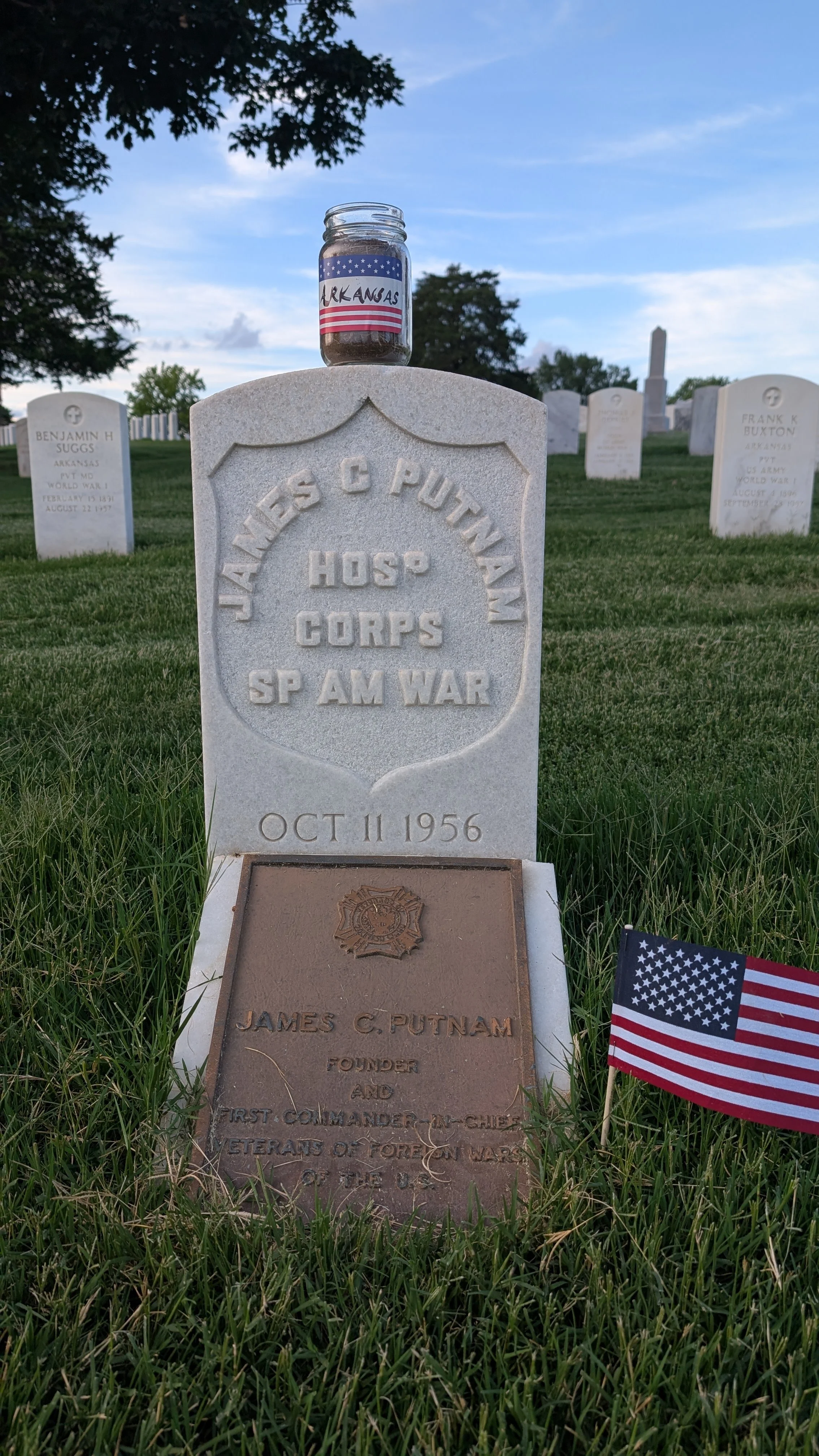
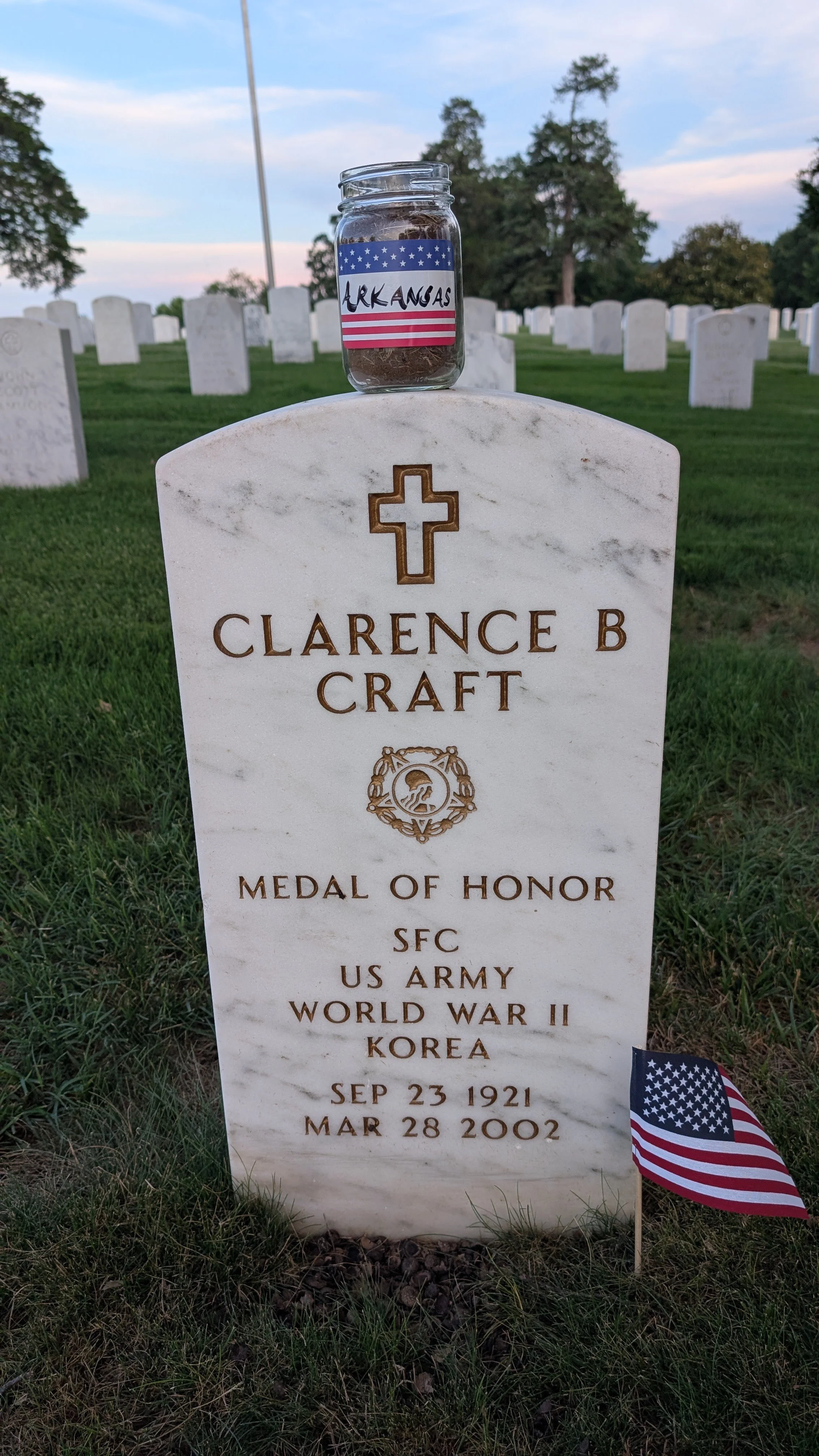
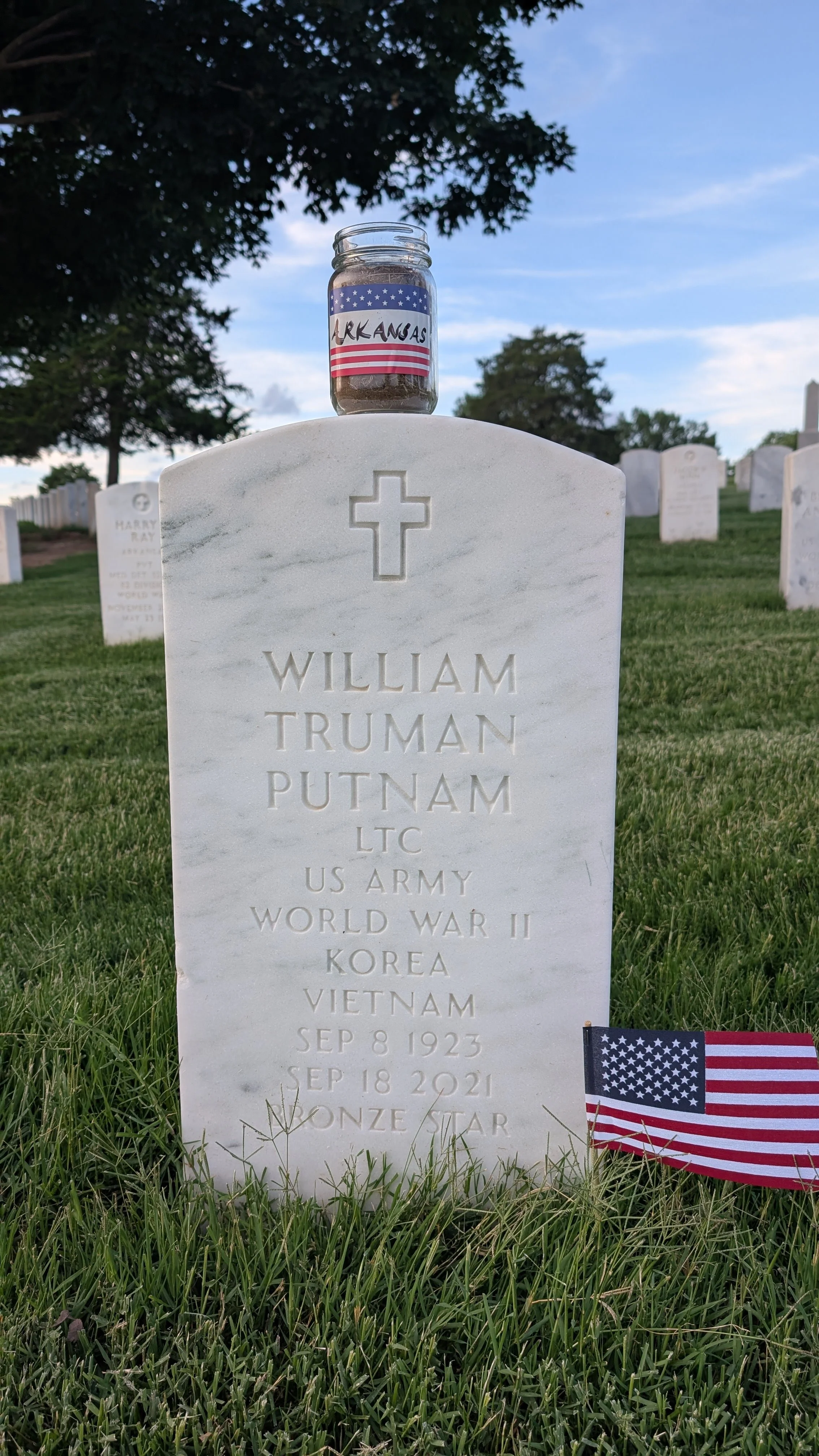
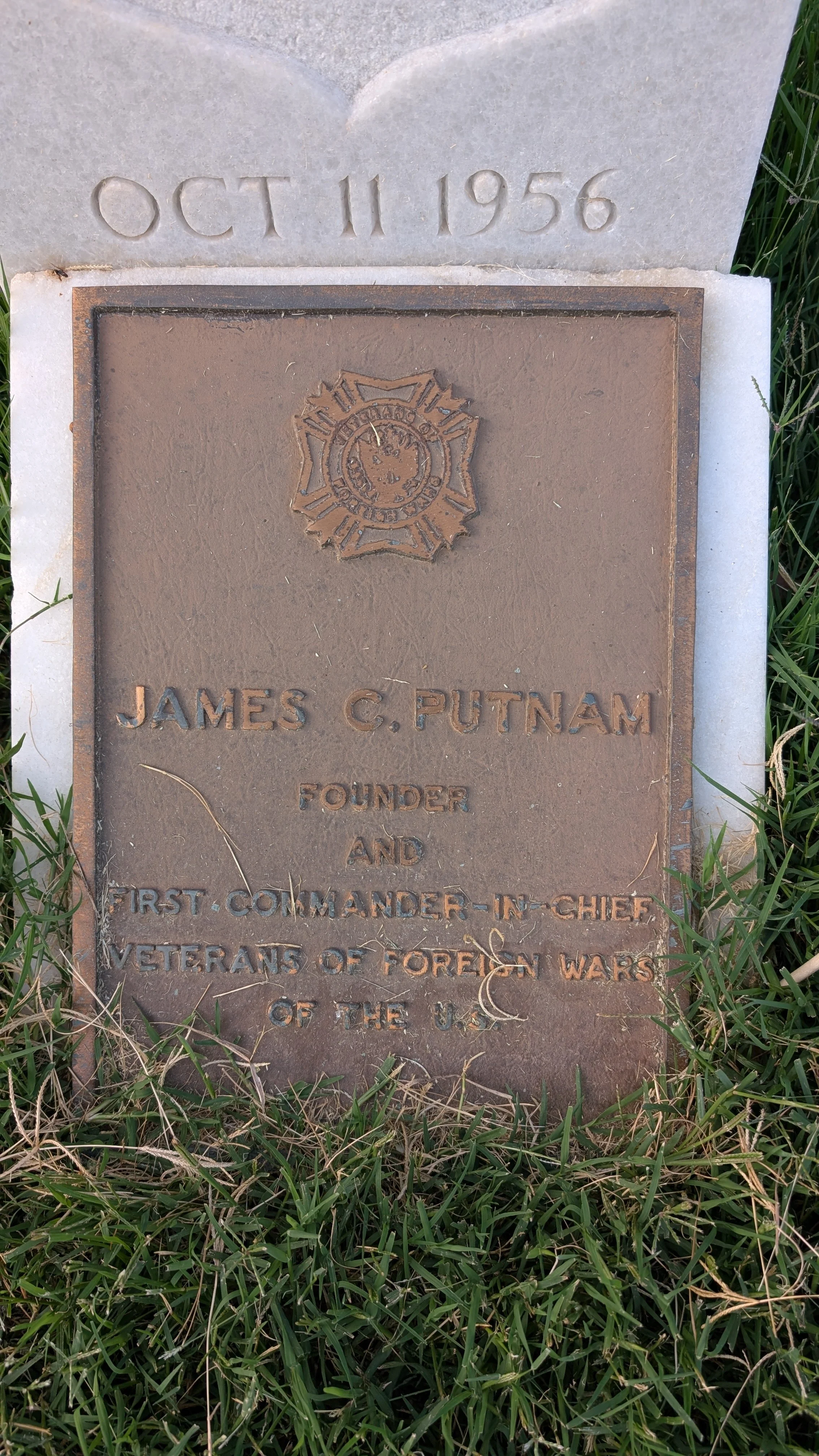
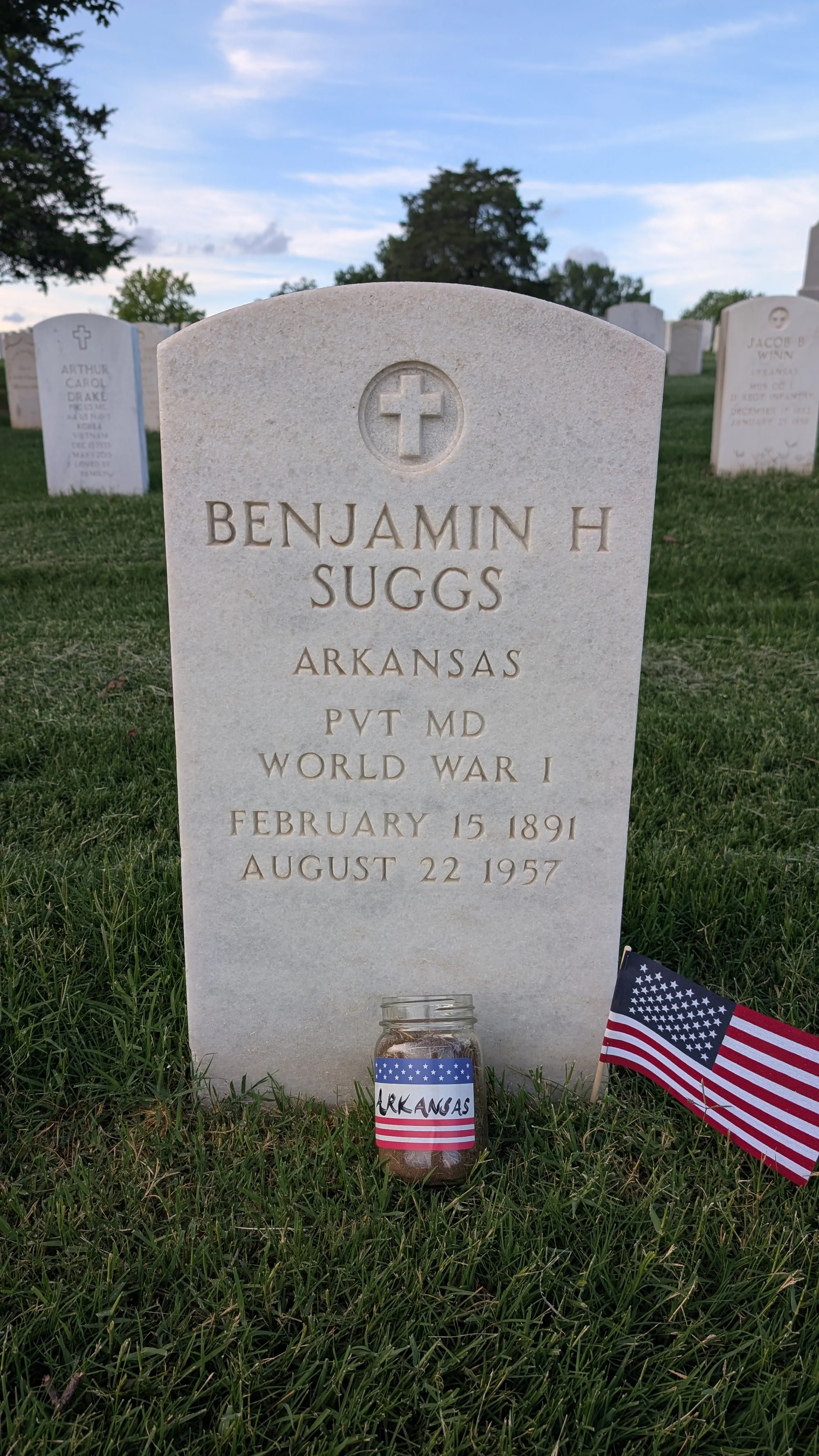
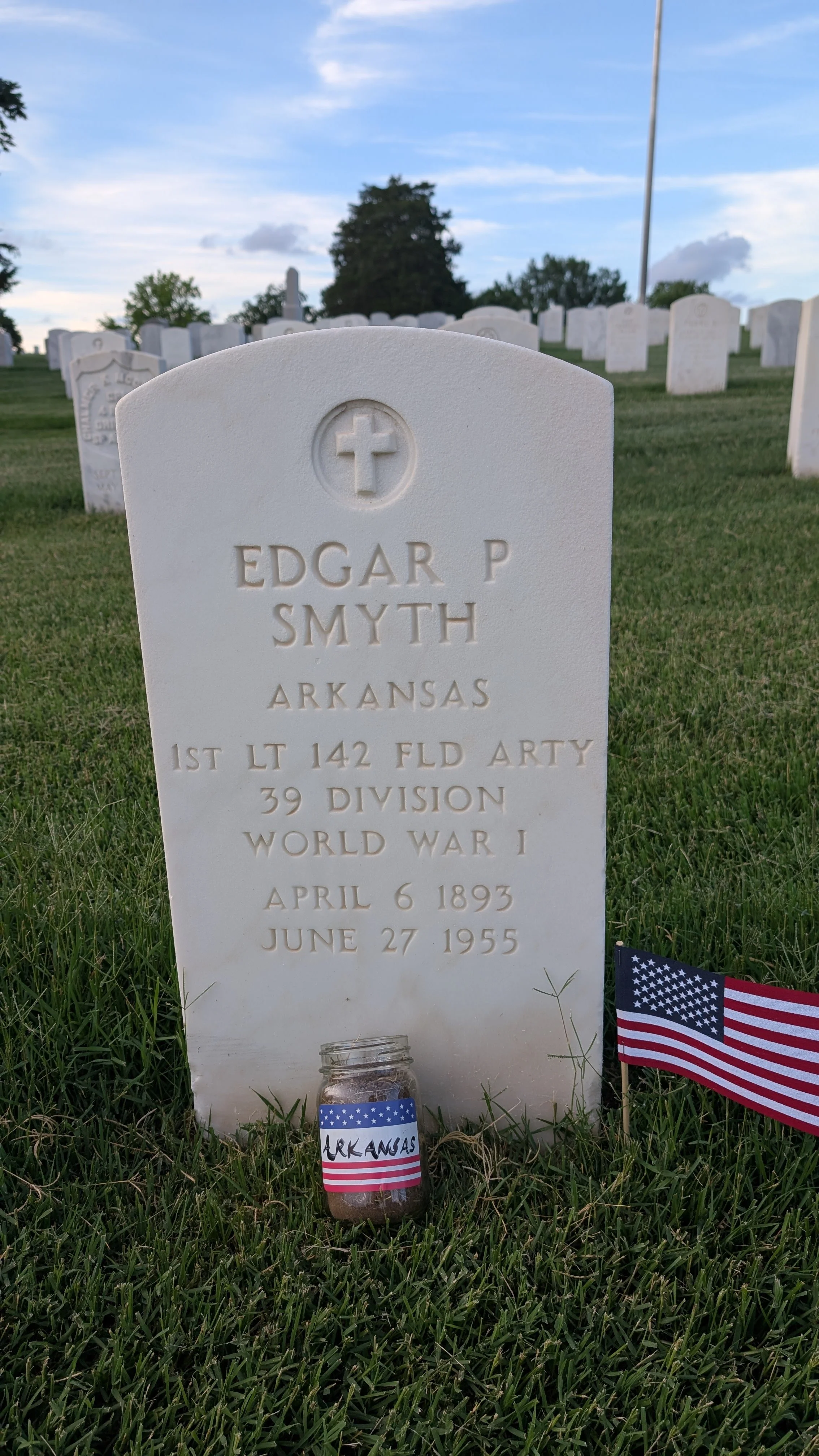
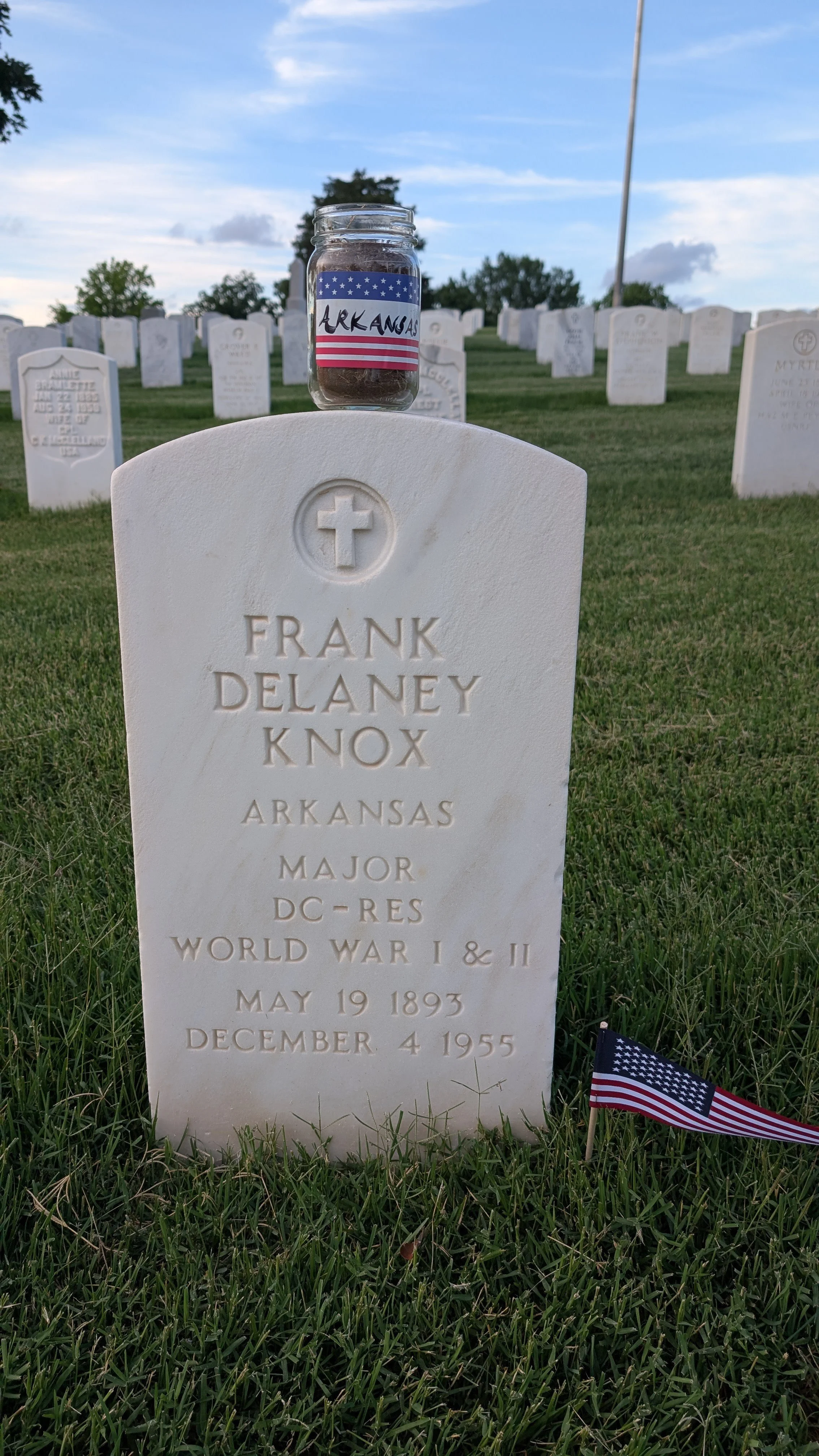
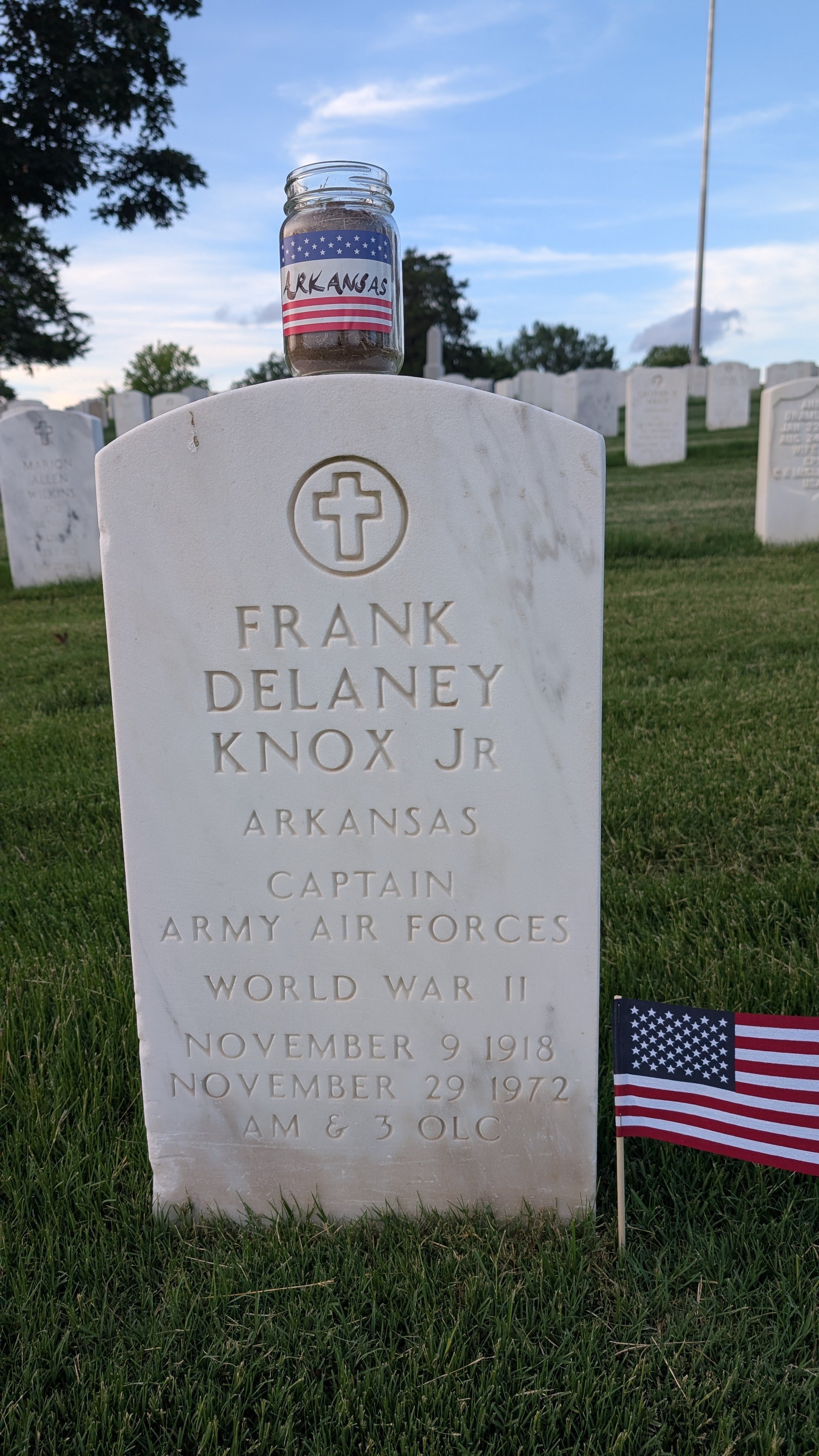
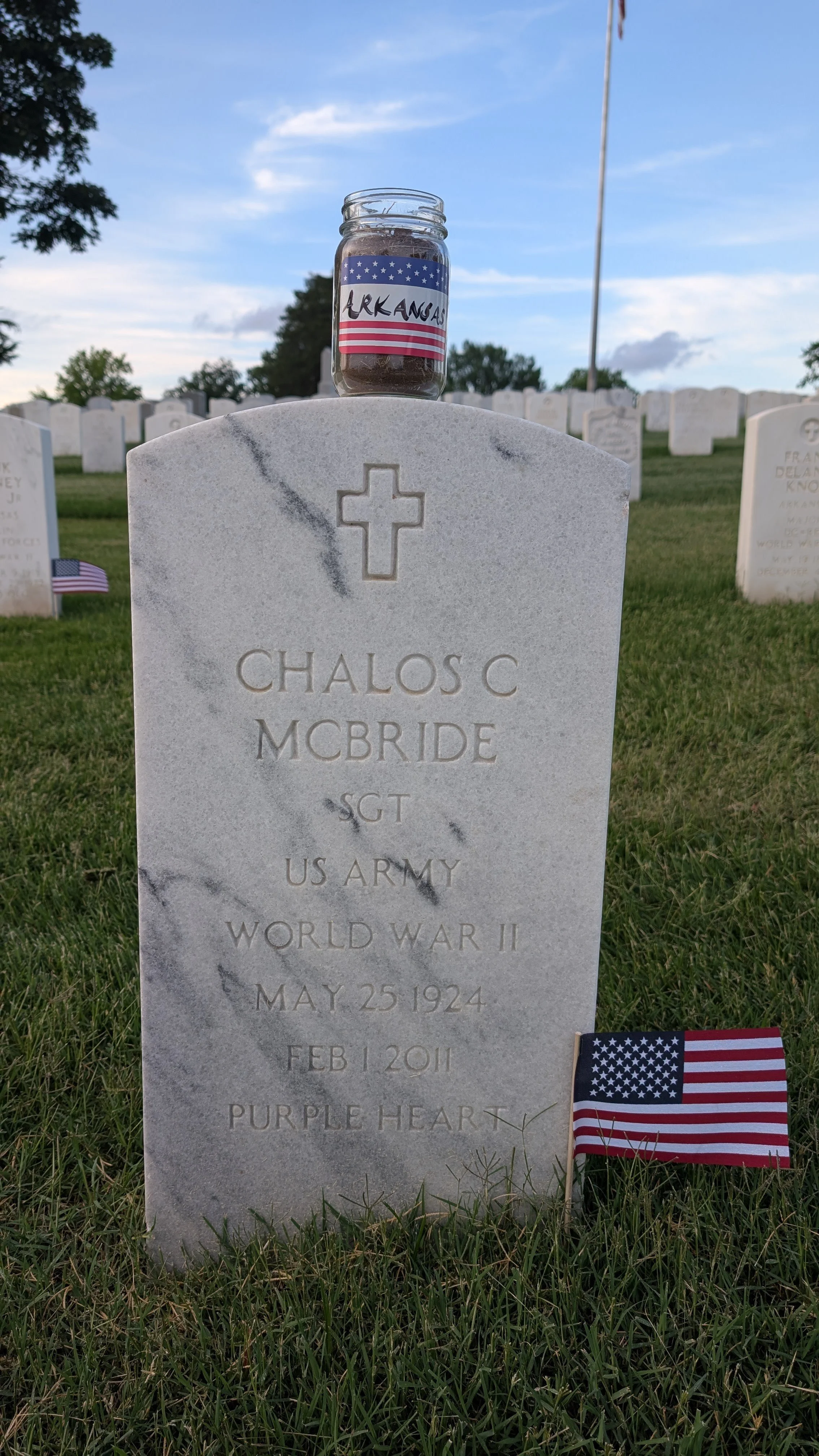
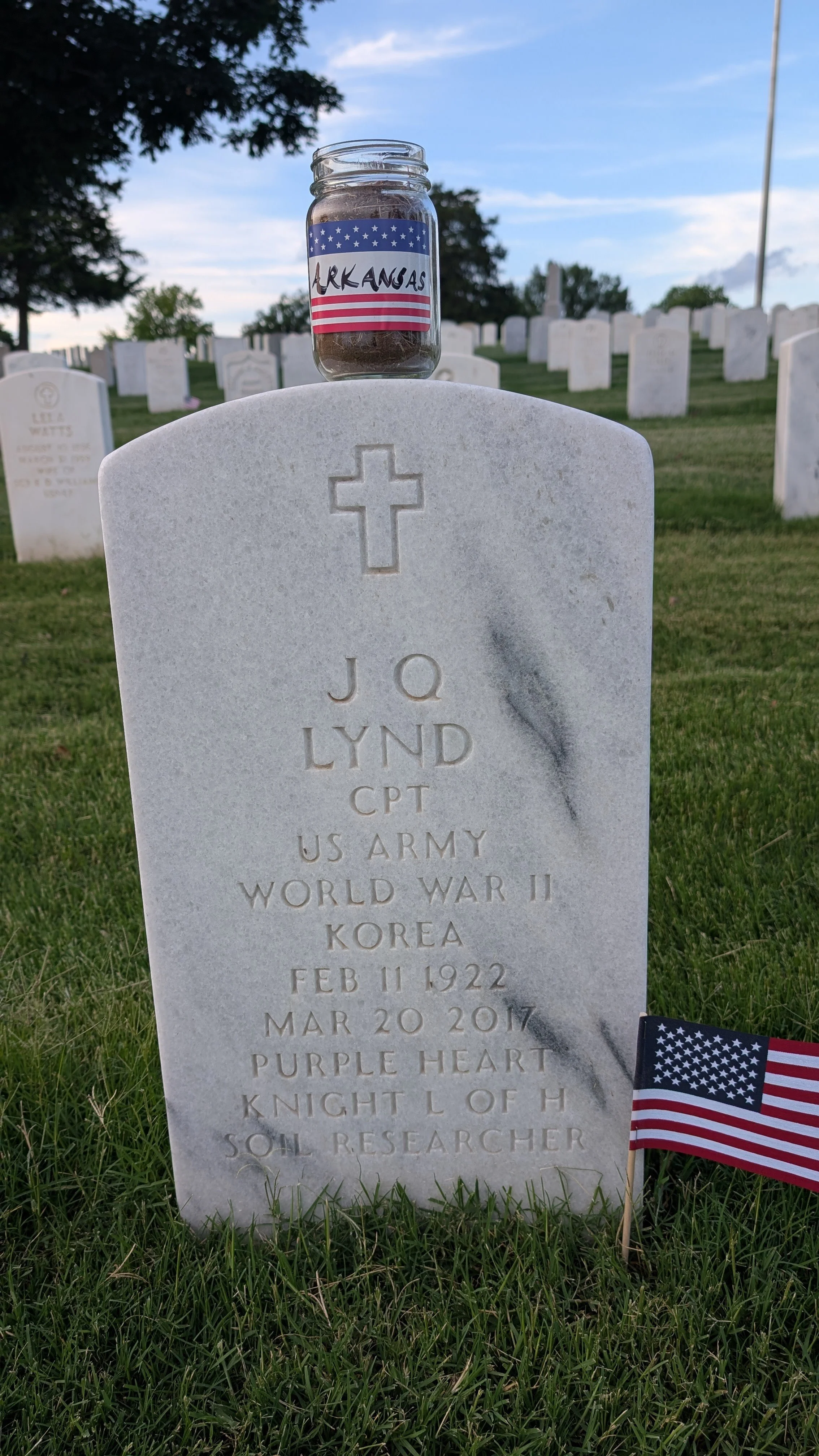
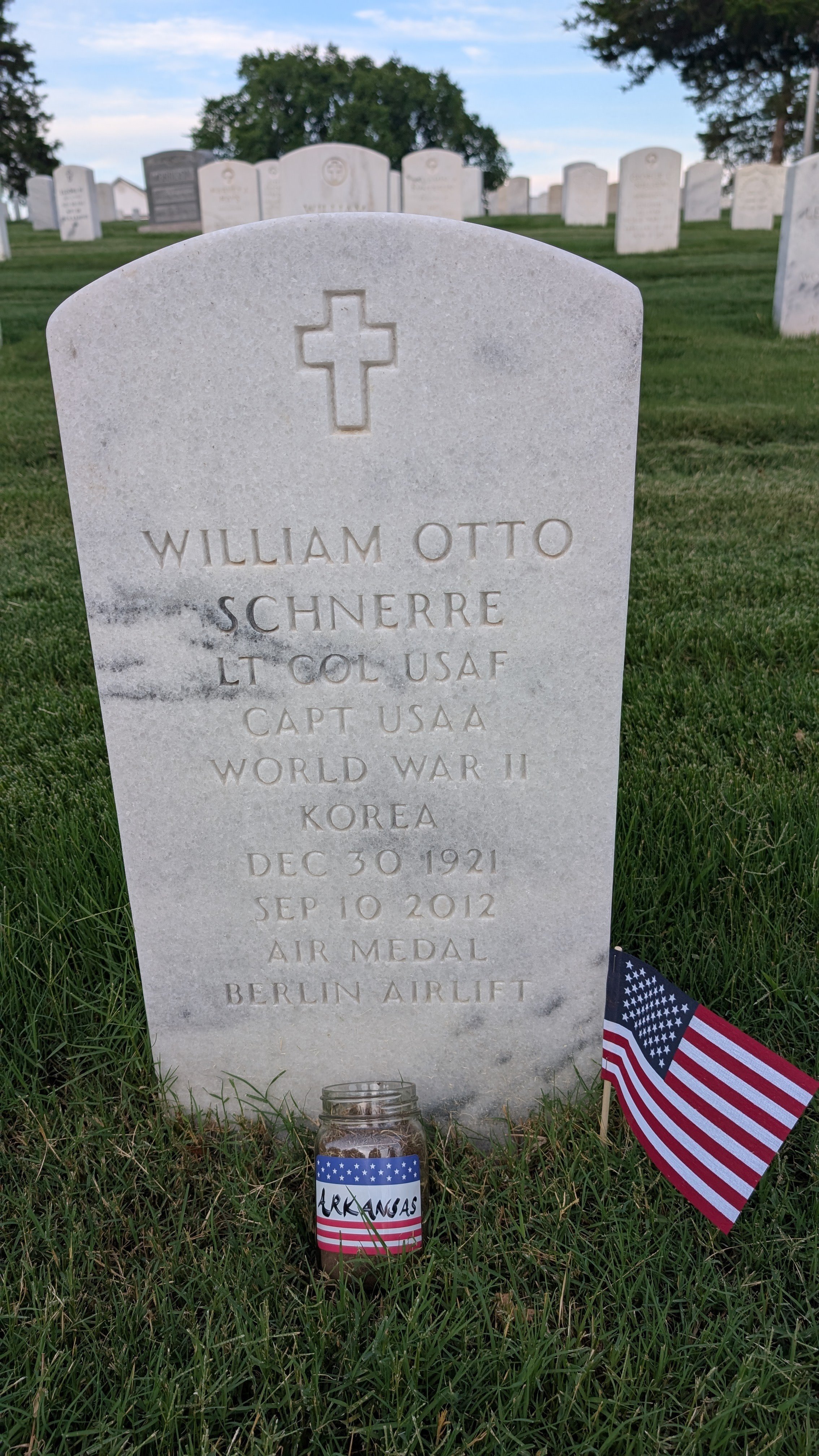
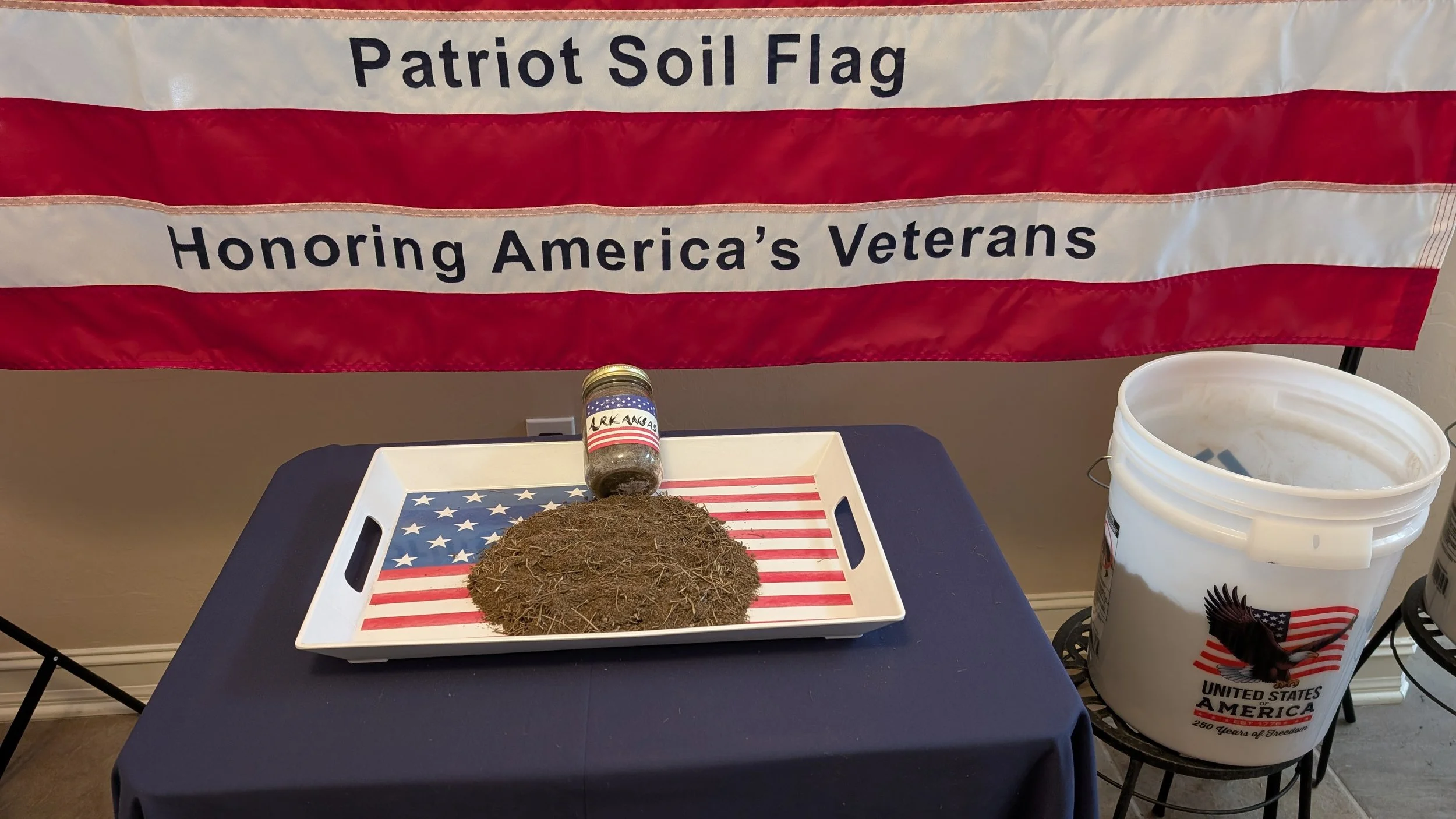
Soil MixingSoil collected from veteran resting places throughout the state is respectfully combined into a single blended collection, symbolizing the unity of all who served from that state.
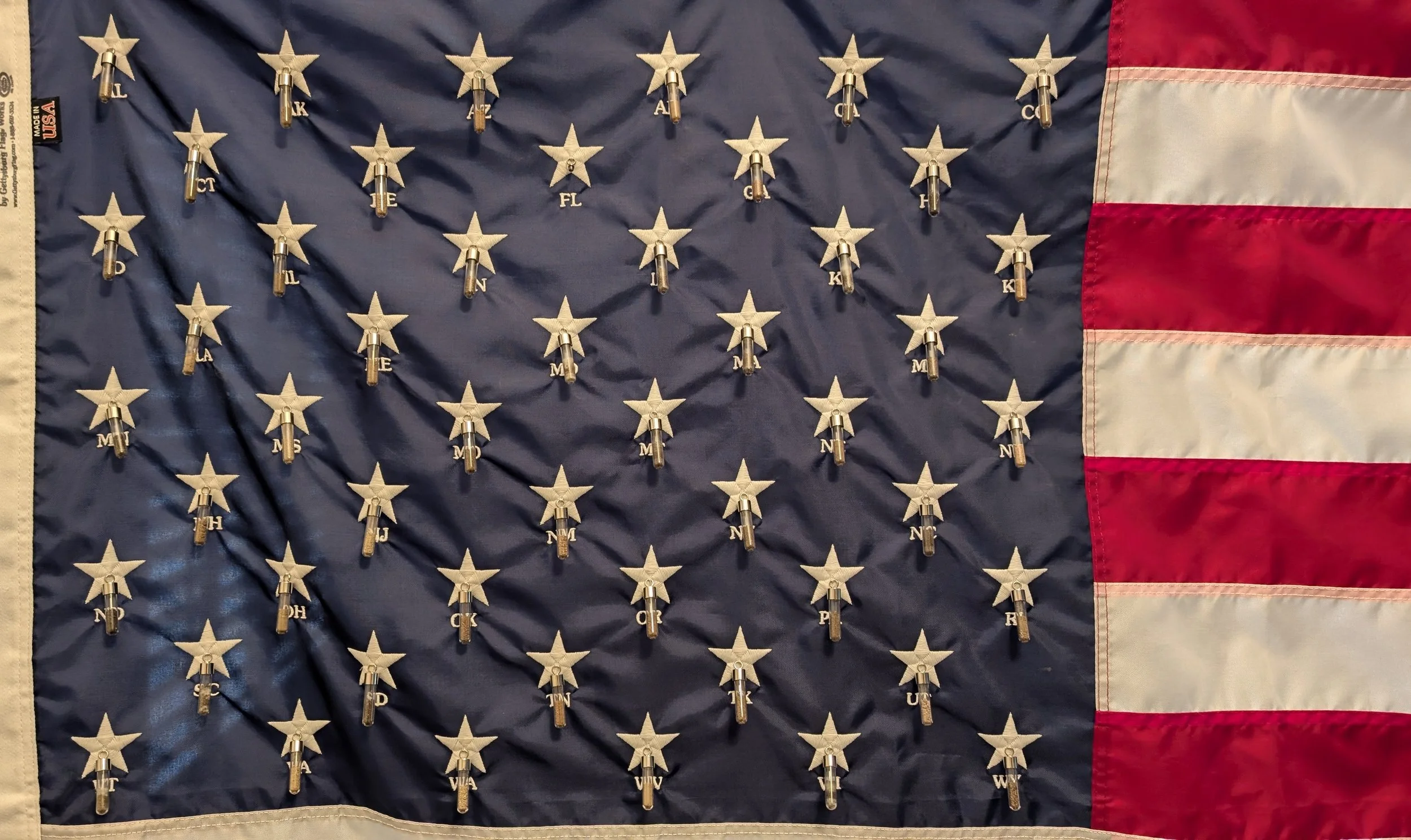
Vial & State StarSoil collected from veteran resting places throughout the state is respectfully combined into a single blended collection, symbolizing the unity of all who served from that state.