ALASKA
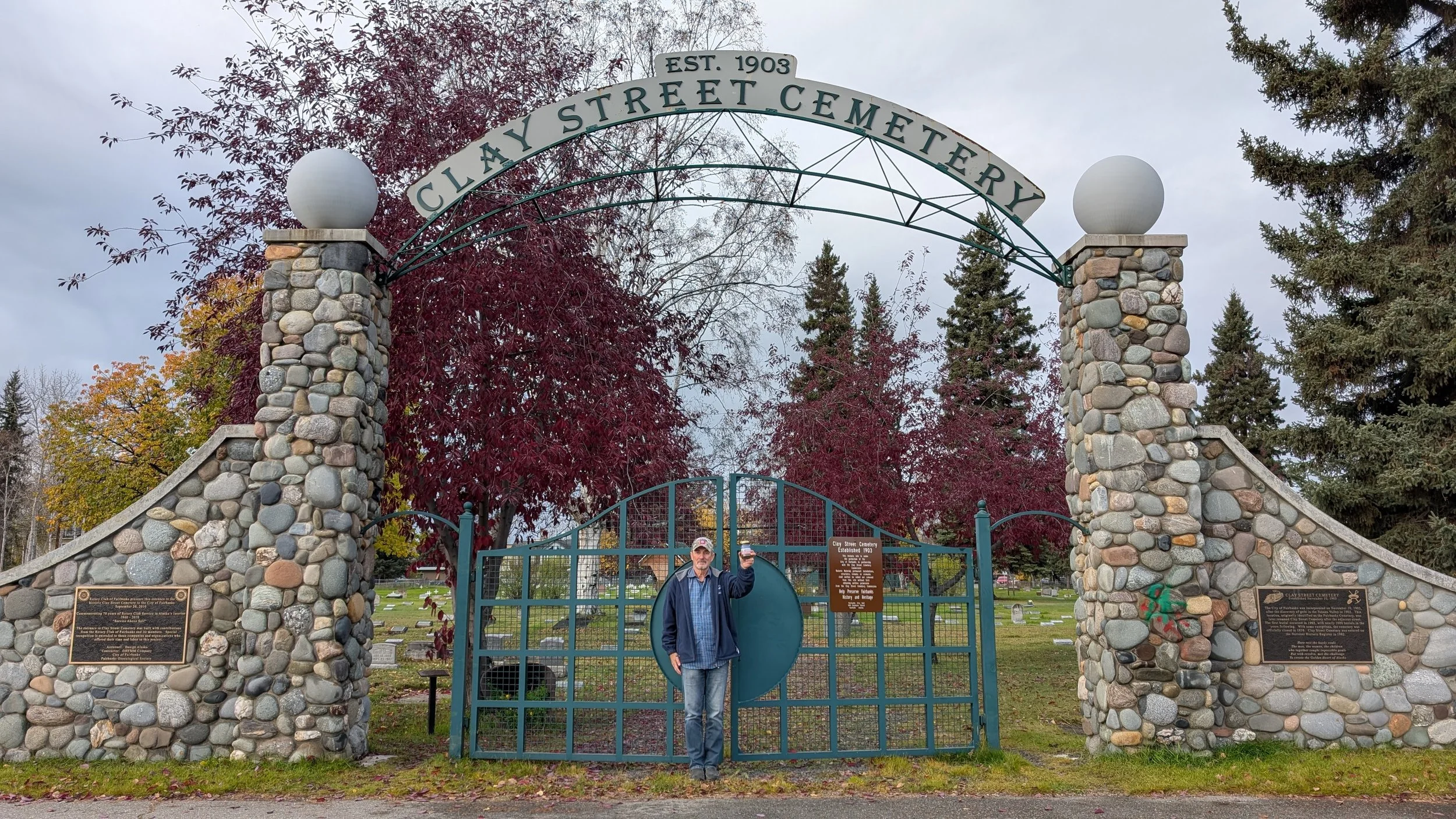
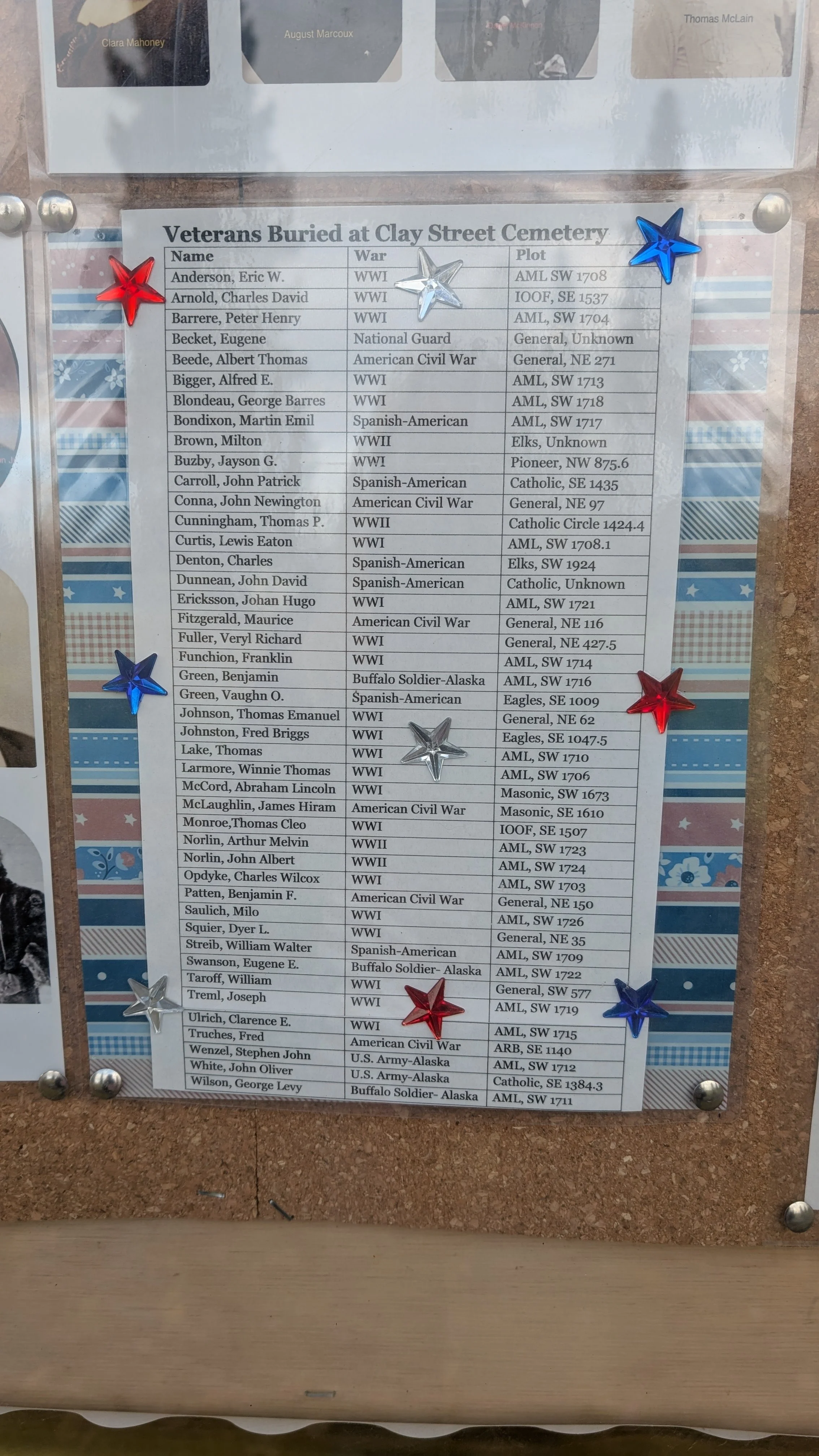
Clay Street Cemetery
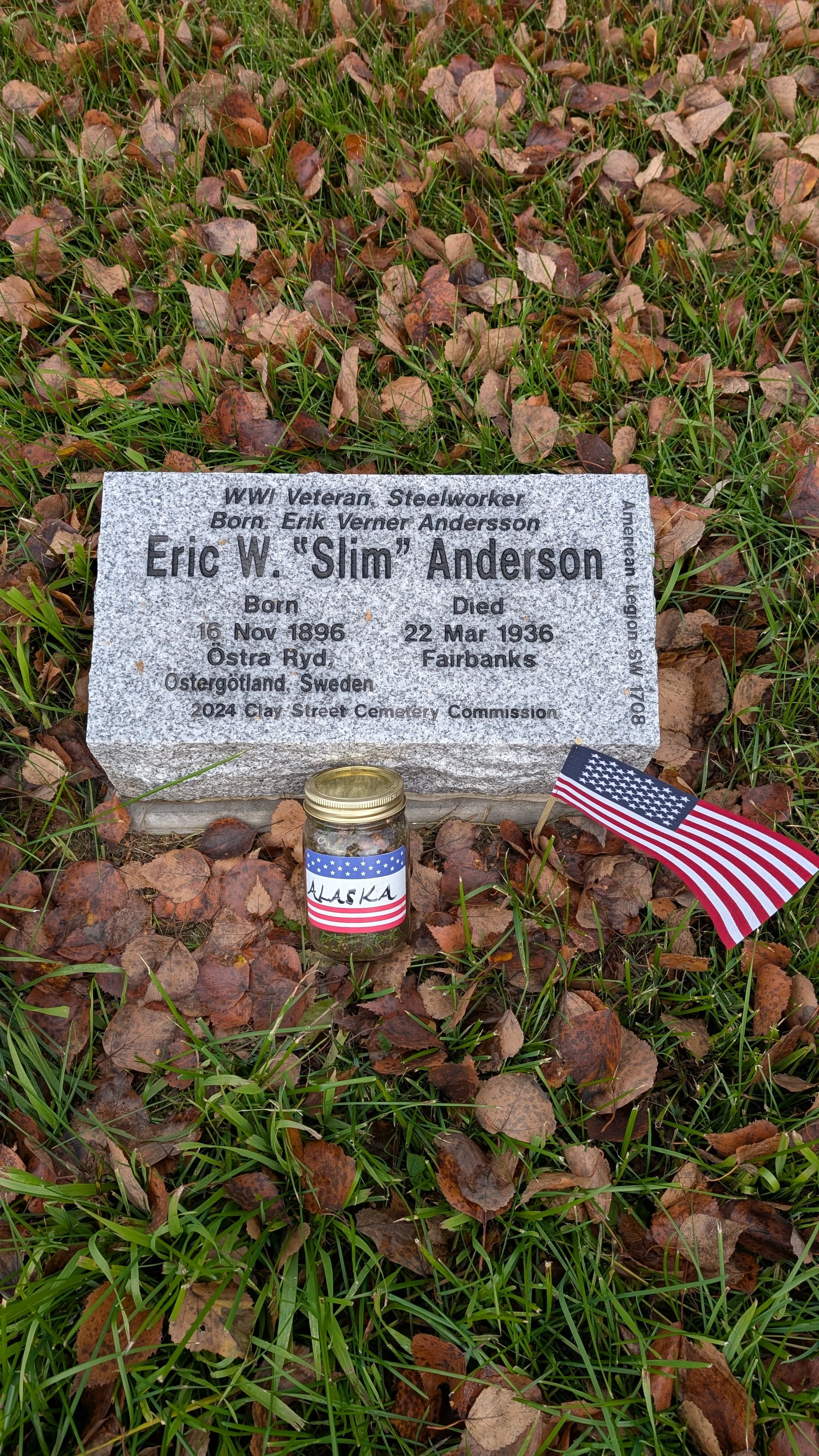
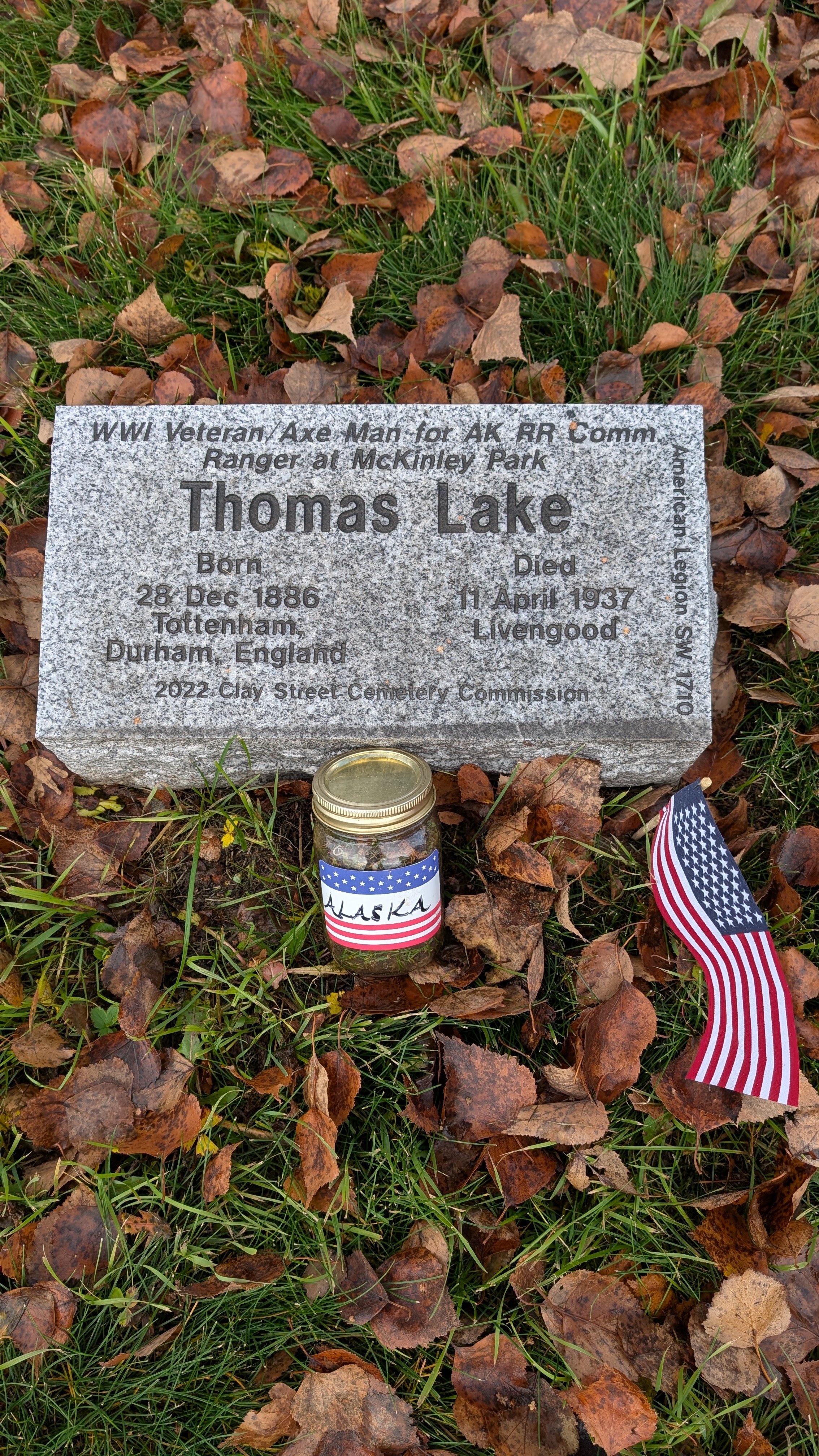
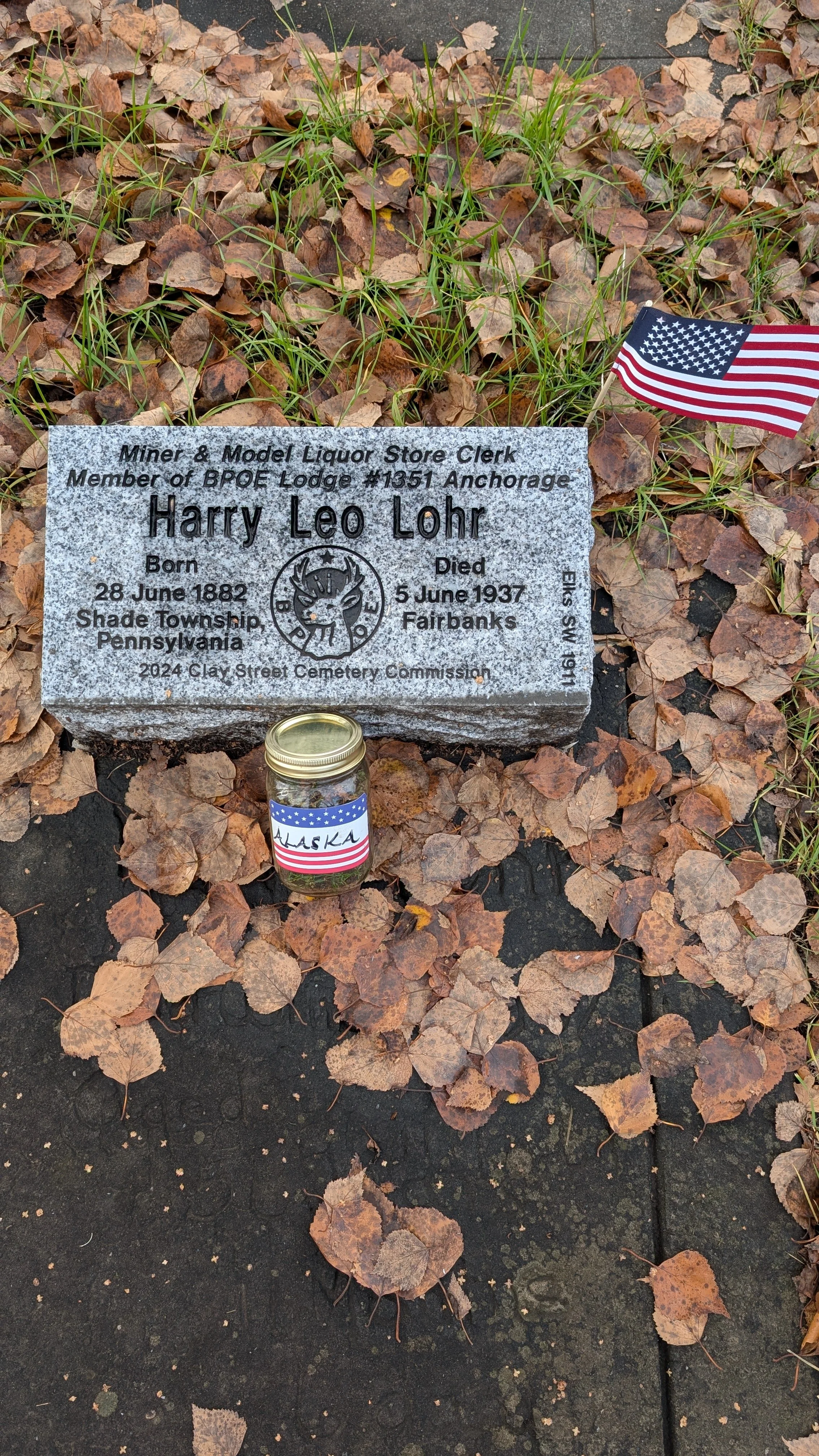
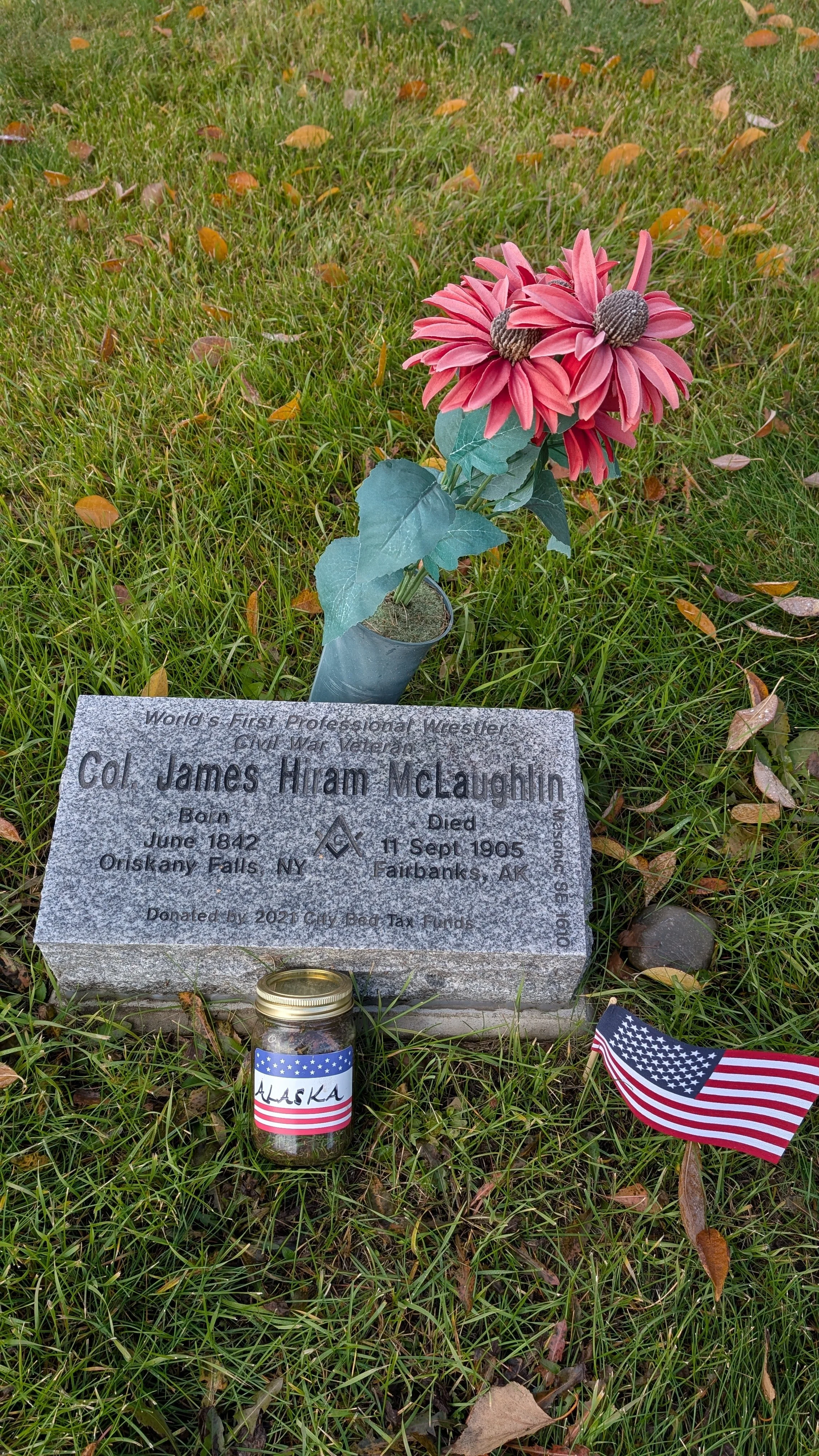
Clay Street Cemetery is the oldest cemetery in Fairbanks, established in 1903 during the early gold rush that sparked the city’s founding. It became the primary burial ground for pioneers, miners, and early settlers, reflecting the diverse mix of people who came to the region seeking opportunity. Over time, more than a thousand individuals were laid to rest there, though many early graves were marked with wood and have since been lost.
The cemetery officially closed in 1938 as Fairbanks expanded, and newer burial grounds were developed. Today, it is listed on the National Register of Historic Places and is preserved as a historical site. Ongoing restoration and research efforts continue to identify graves and maintain the cemetery, making it an important link to the city’s frontier past.
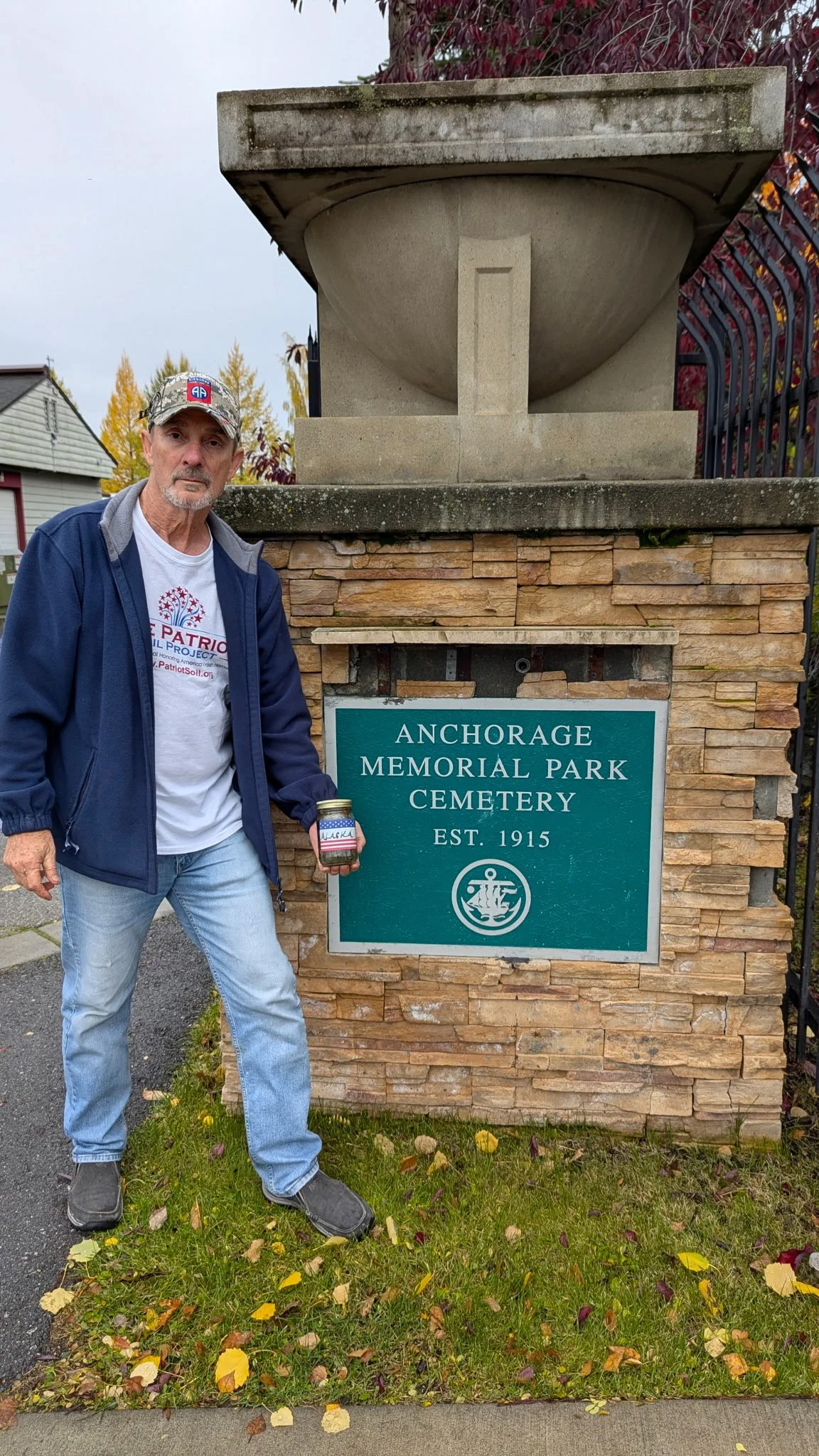
Anchorage Memorial Park Cemetery
Anchorage Memorial Park Cemetery is the oldest and most historically significant burial ground in Anchorage, Alaska. Established in 1915 during the city’s founding as a railroad construction hub, it reflects the early development and diverse communities that shaped Anchorage. Located just north of downtown, the cemetery spans several city blocks and contains thousands of graves, making it both an active burial site and a key cultural landmark.
The cemetery is notable for its unique layout, which originally included free public plots alongside sections reserved for religious and fraternal organizations. Over time, it has become a “living record” of Anchorage’s past, with grave markers and memorials that highlight the region’s frontier history and multicultural roots. Its historical importance was formally recognized when it was added to the National Register of Historic Places in 1993.
Today, Anchorage Memorial Park Cemetery serves not only as a place of remembrance but also as a window into Alaska’s heritage, preserving the stories of early settlers, civic leaders, and notable figures who contributed to the growth of the city.
"The Patriot Soil Project in Anchorage, Alaska" https://share.google/24KPOg0buHkiga5CK
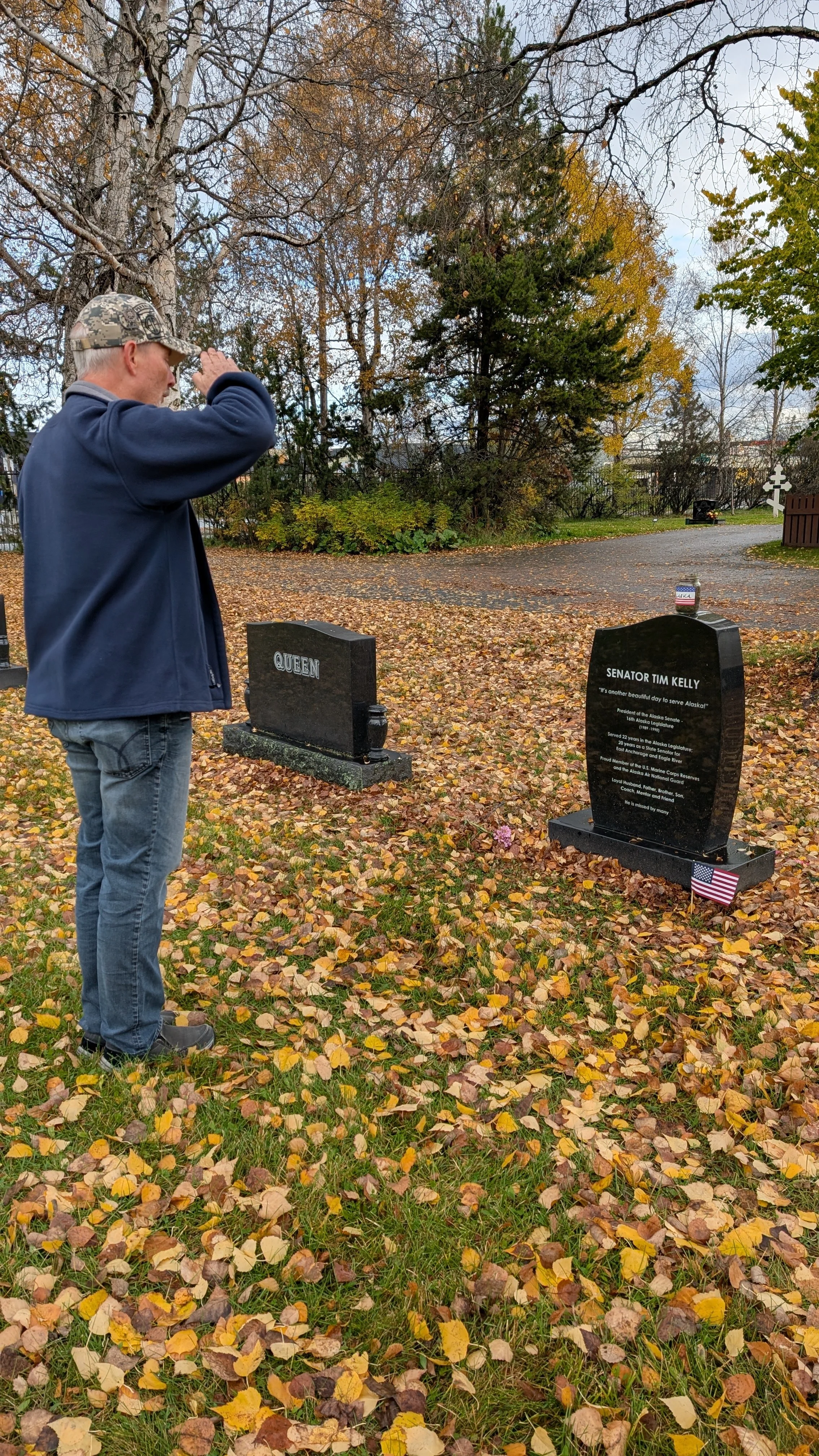
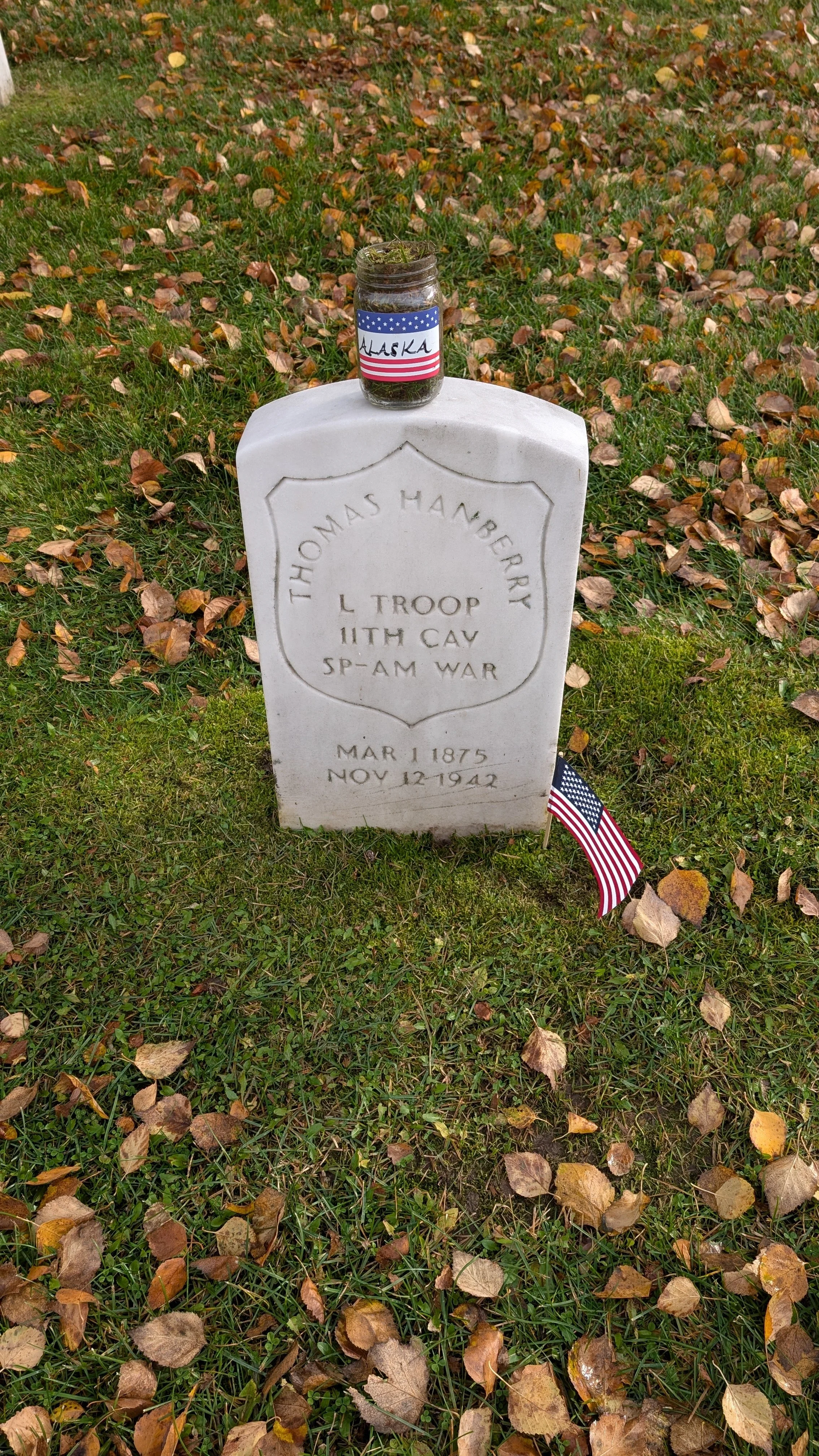
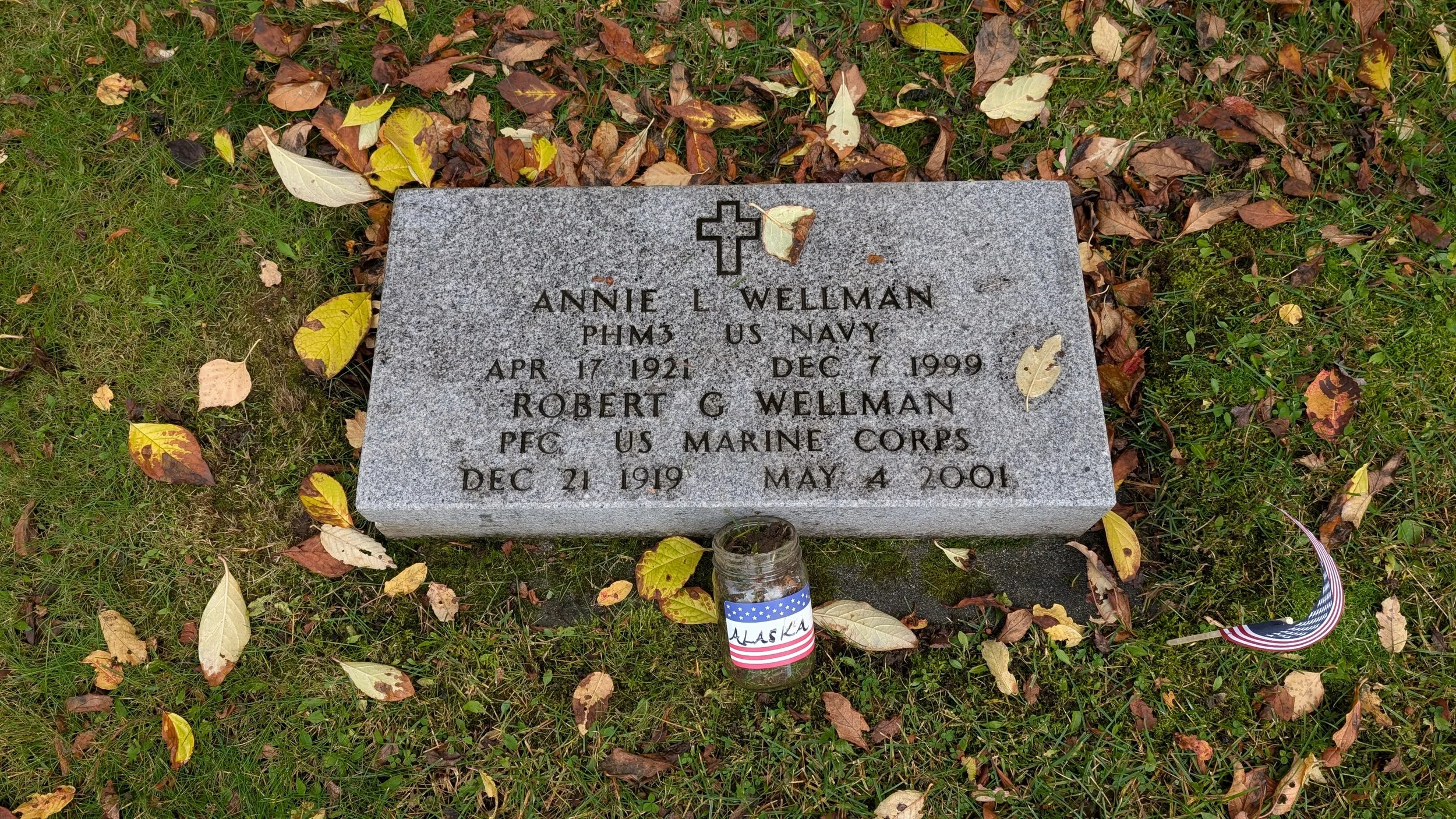
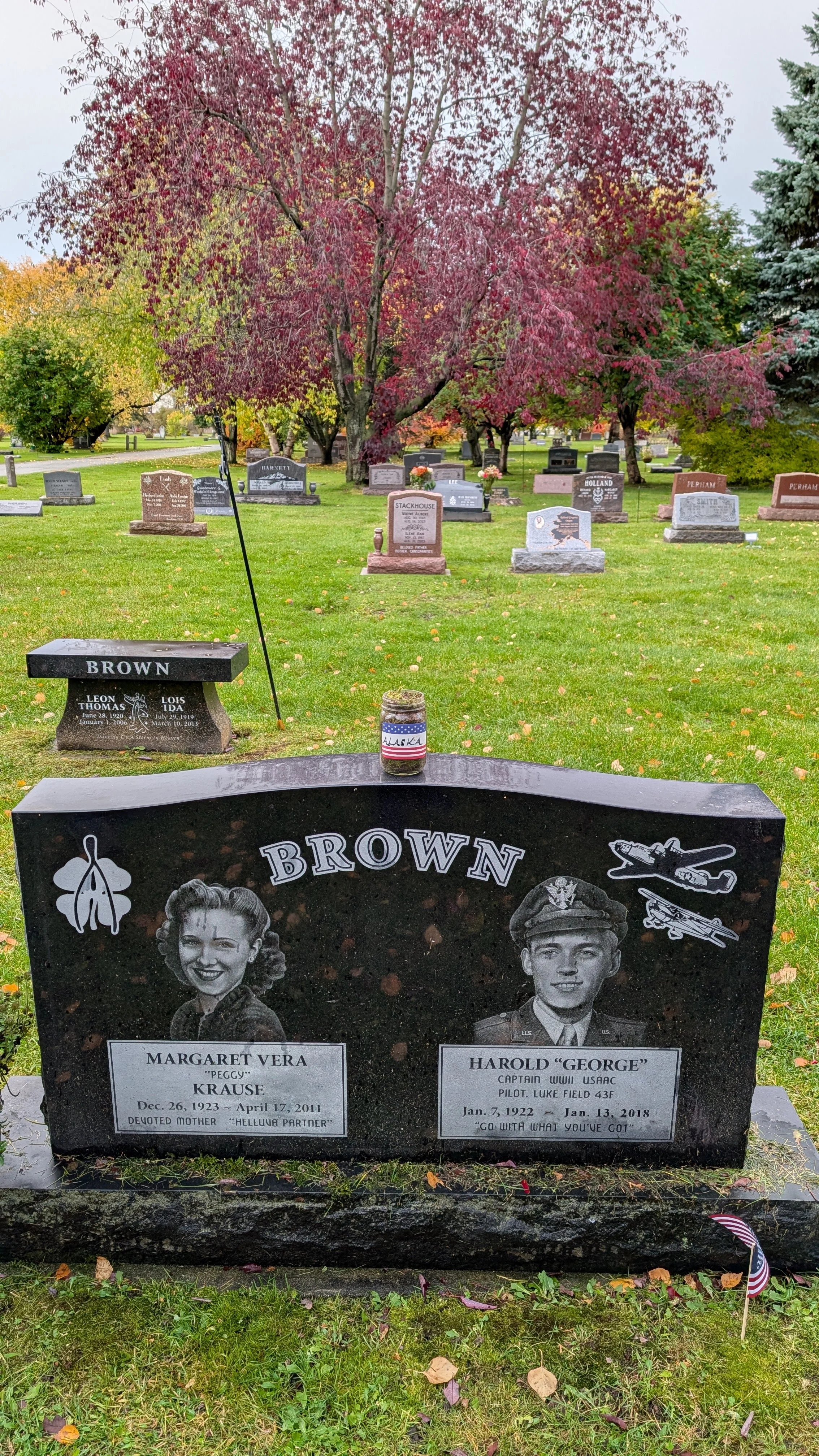
The Fort Richardson National Cemetery is a U.S. military cemetery located in Anchorage, Alaska, on the grounds of Joint Base Elmendorf–Richardson. Established during World War II, it was originally created as a burial site for service members who died in Alaska, especially those involved in the Aleutian Islands campaign. Its purpose was to provide a respectful, centralized resting place for soldiers who fell in one of the most remote and logistically challenging theaters of the war.
Today, the cemetery spans roughly 39 acres and contains more than 8,000 burials, including veterans from World War II, the Korean War, the Vietnam War, and more recent conflicts, as well as eligible family members. Over time, many remains were returned to families or moved elsewhere, but a significant number remain permanently interred in Alaska.
One of its most notable historical aspects is its connection to both Allied and Axis forces from WWII. Japanese soldiers who died in the Aleutian campaign were once buried there as well, though their remains were later repatriated in the 1950s. This reflects the cemetery’s unique role in the wartime history of Alaska, where geography and combat conditions often dictated immediate local burial.
Today, Fort Richardson National Cemetery is still active and maintained by the U.S. Department of Veterans Affairs. It serves as both a solemn memorial to military service in Alaska and an important historical site reflecting the state’s strategic role during World War II. Access is limited because it sits within an active military installation, but it remains one of the most significant veterans’ cemeteries in the state.
Fort Richardson National Cemetery
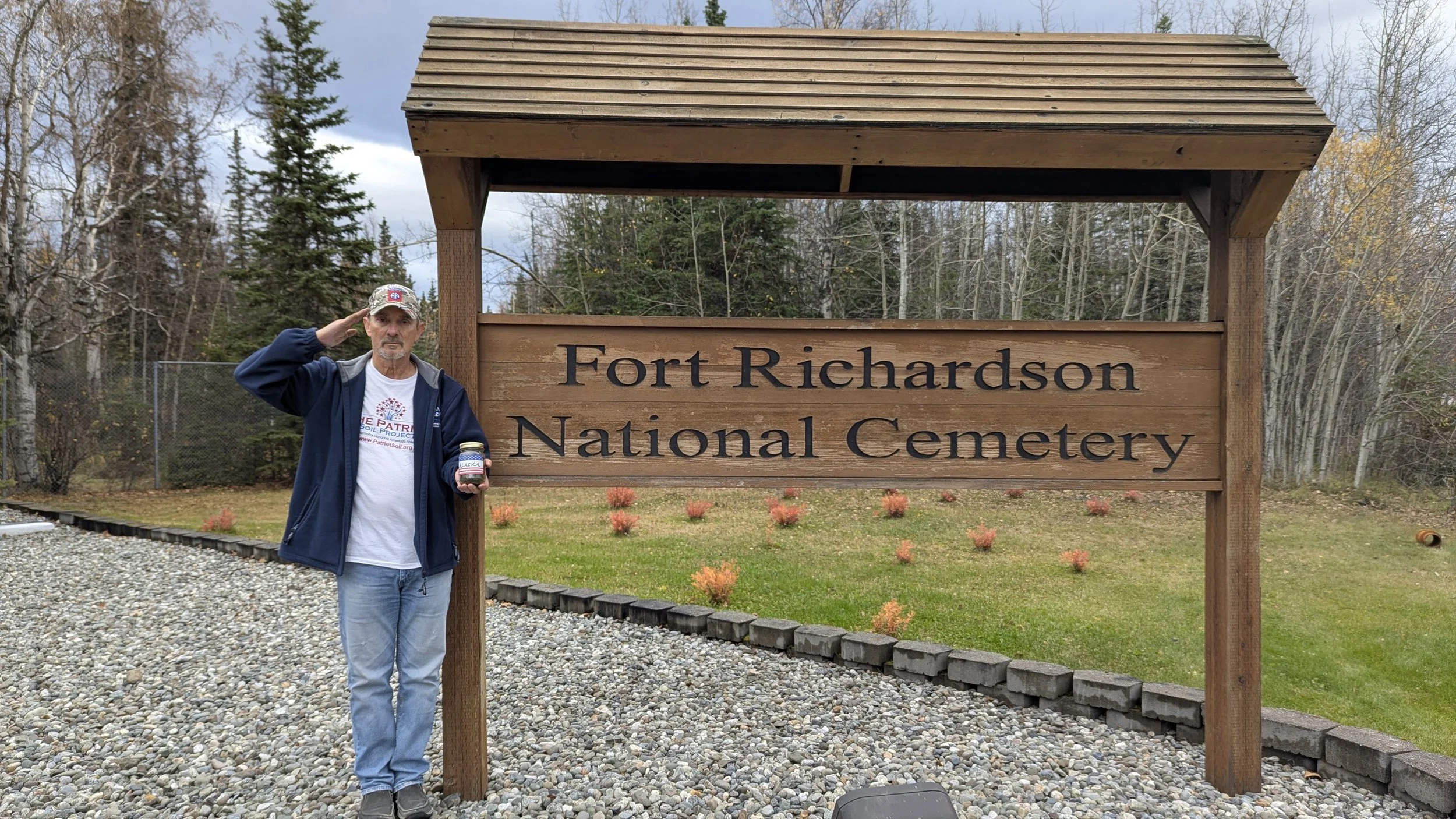
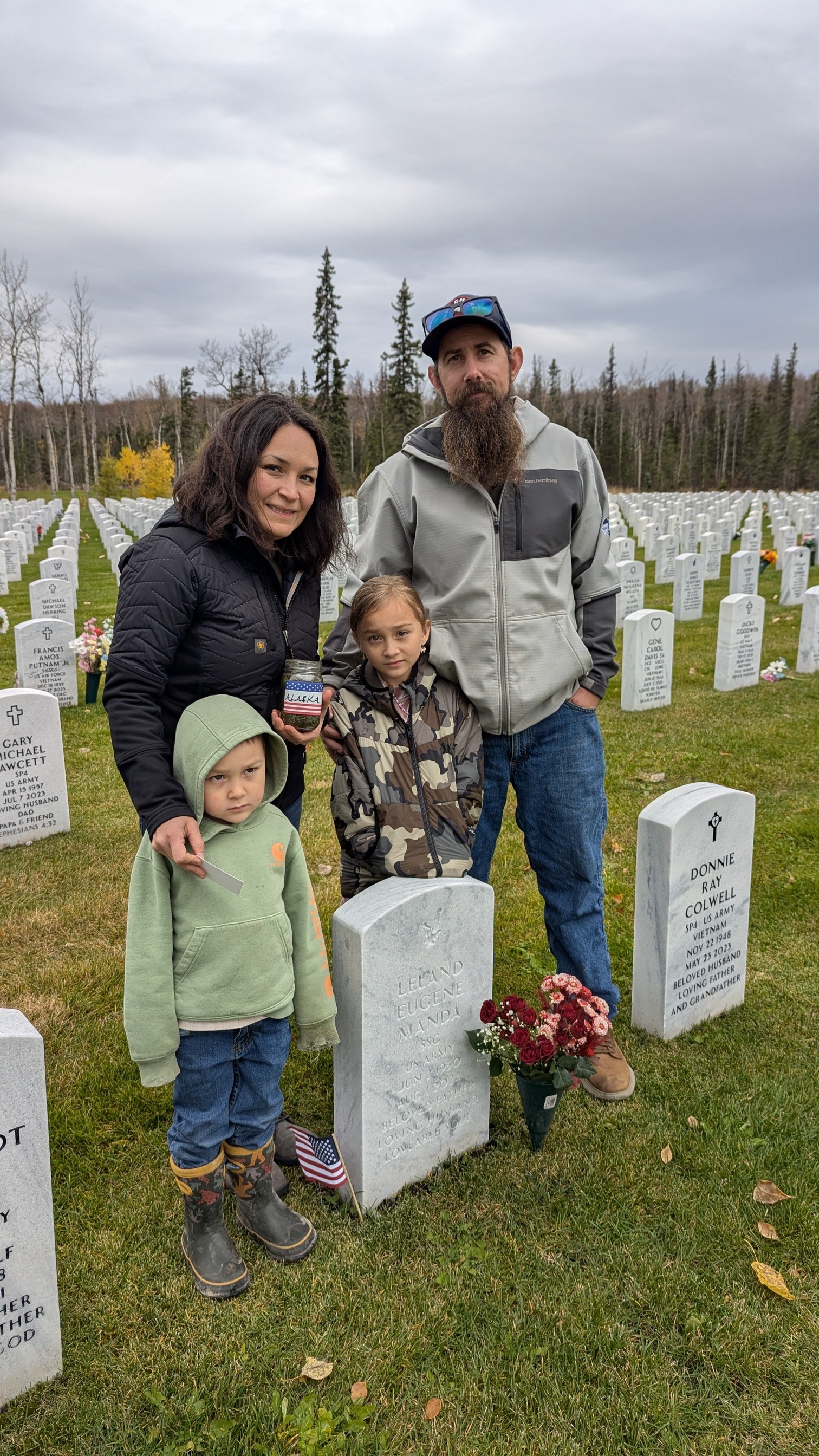
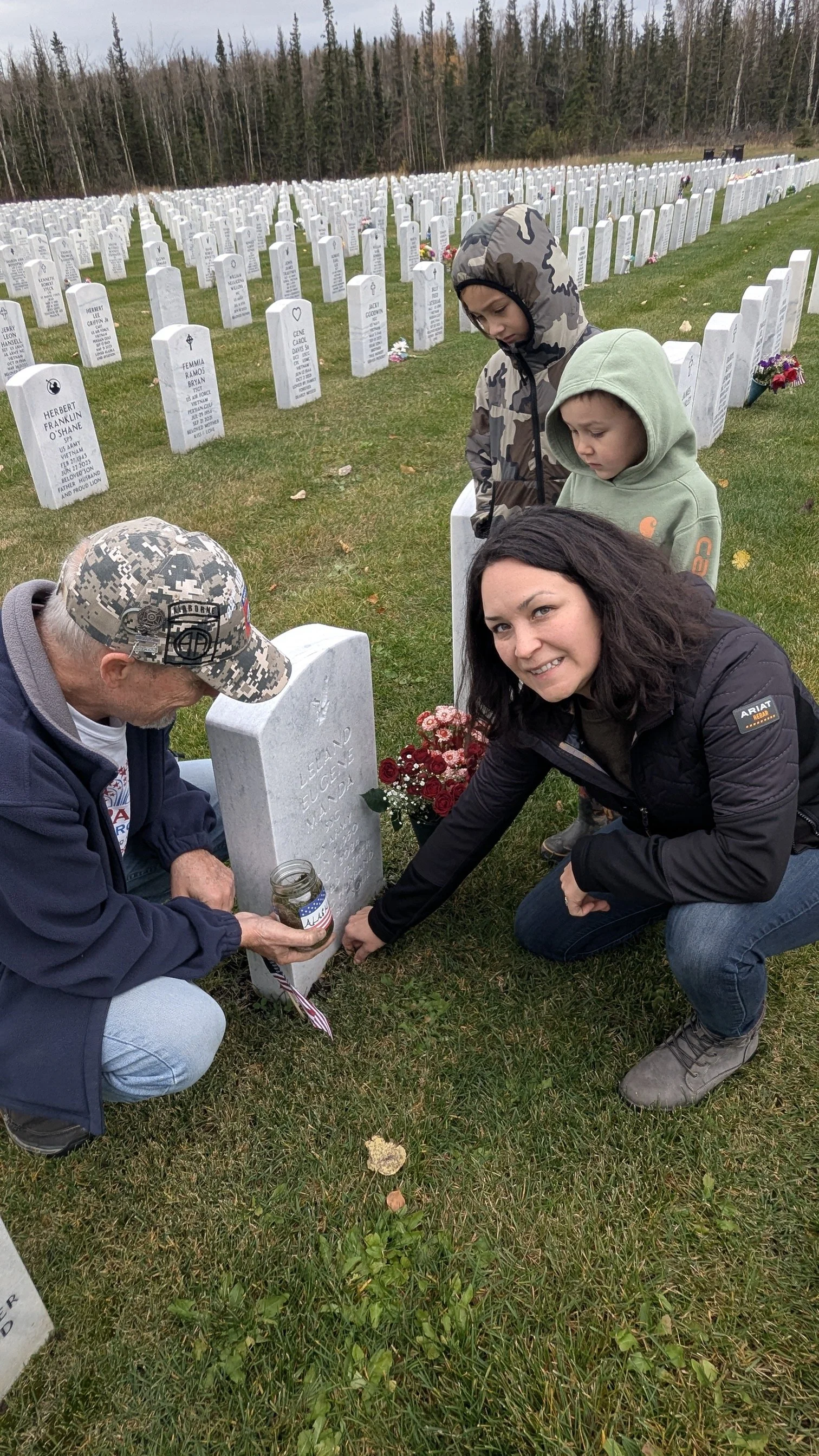
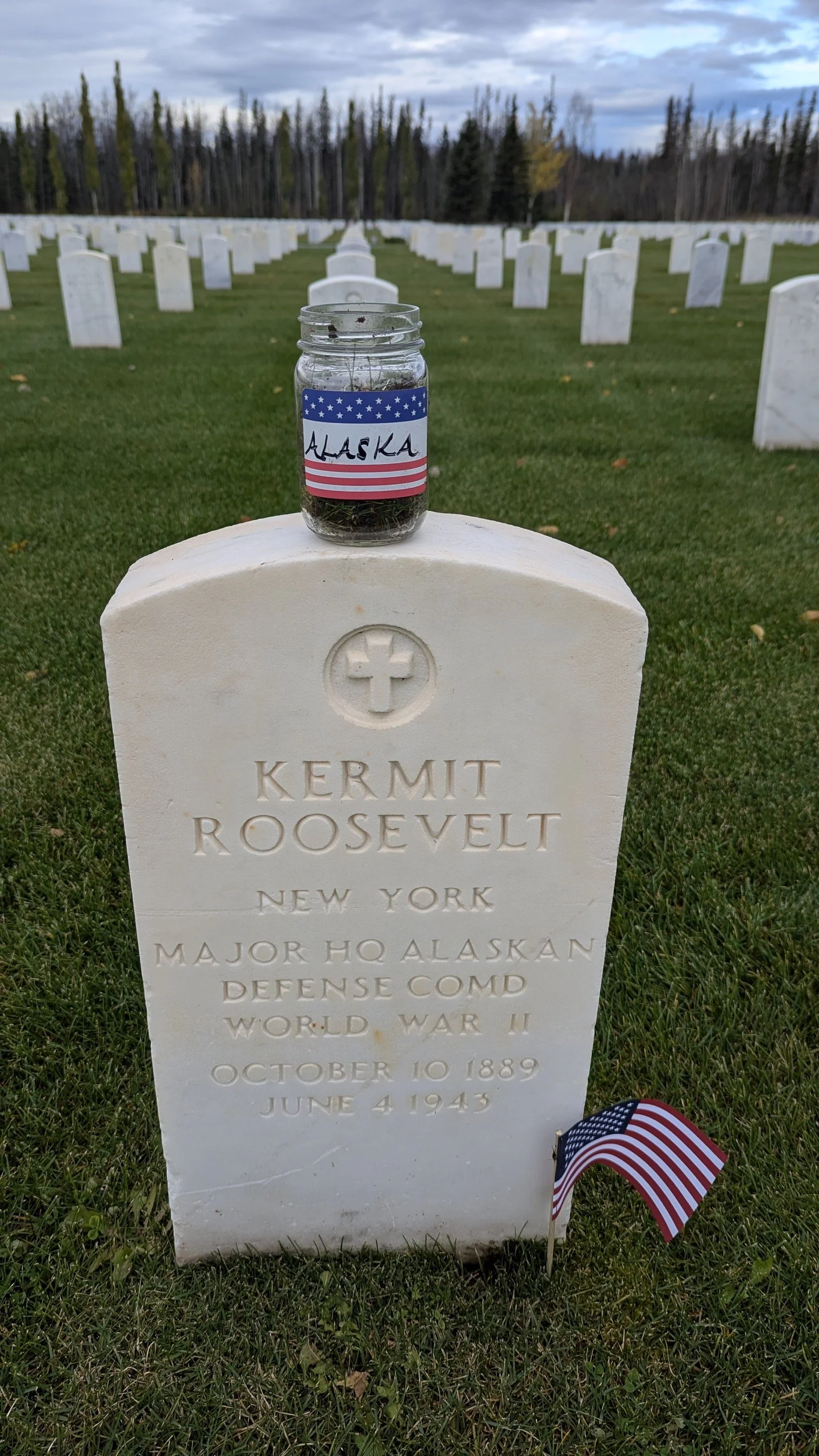
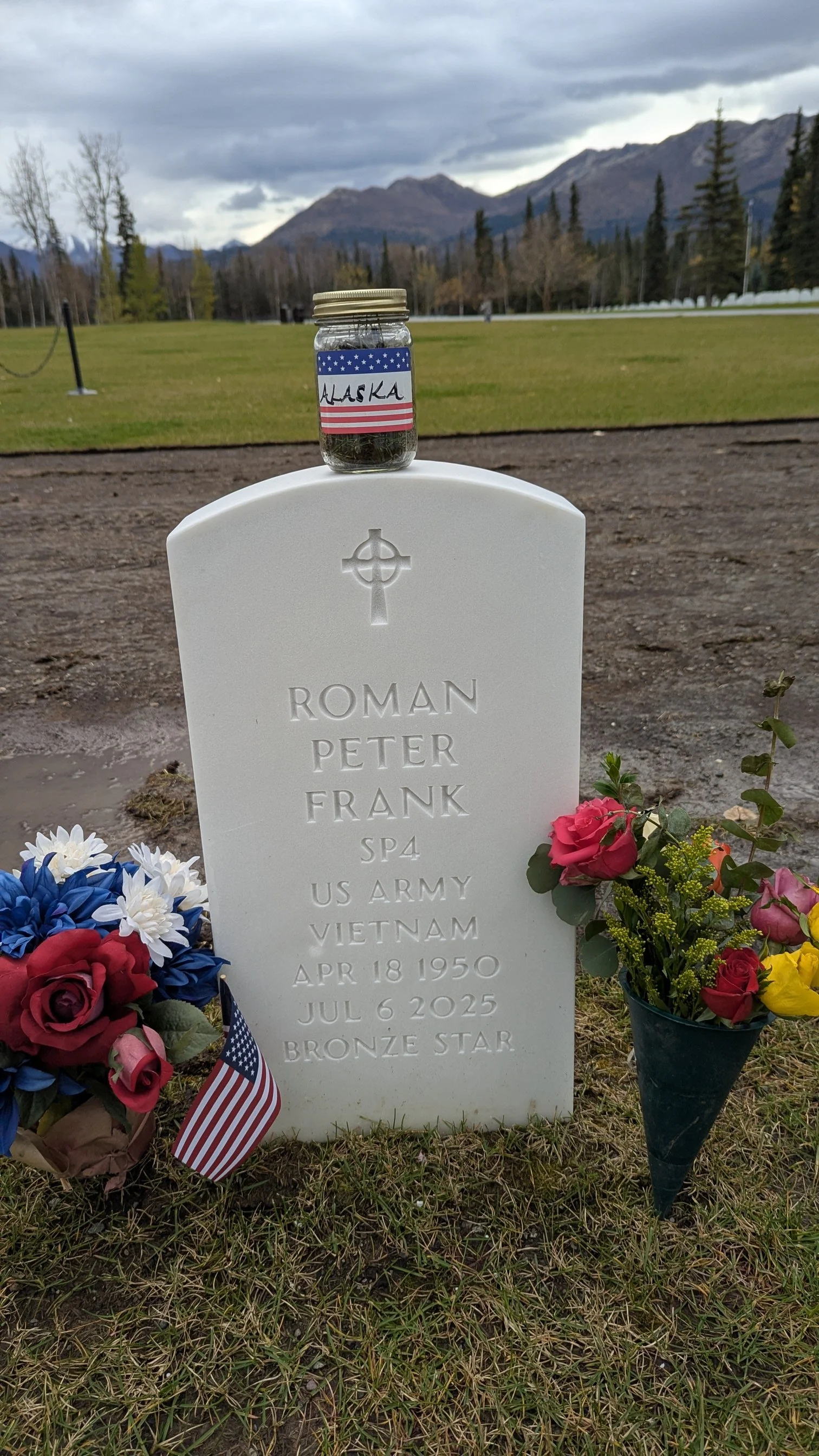
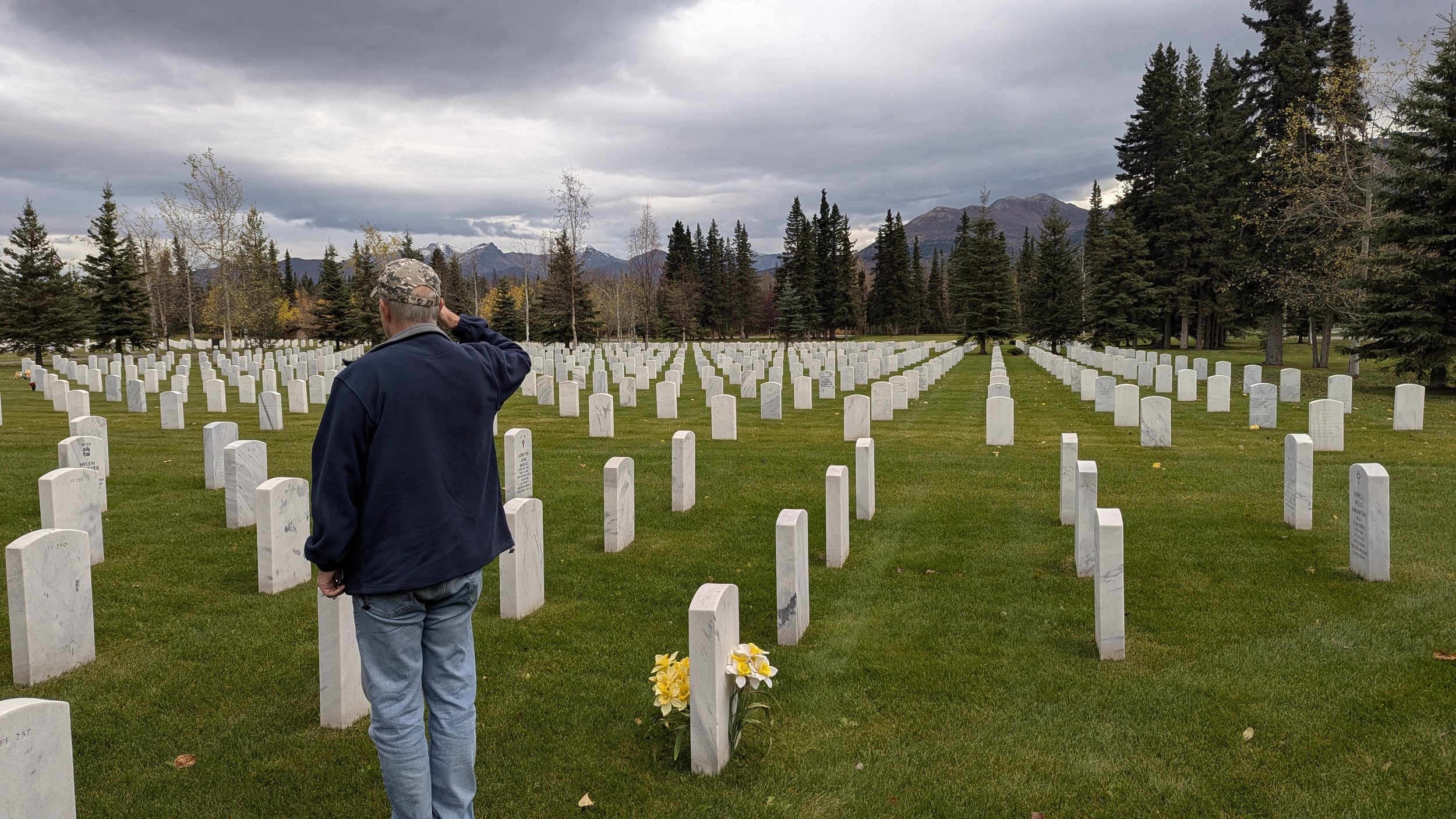
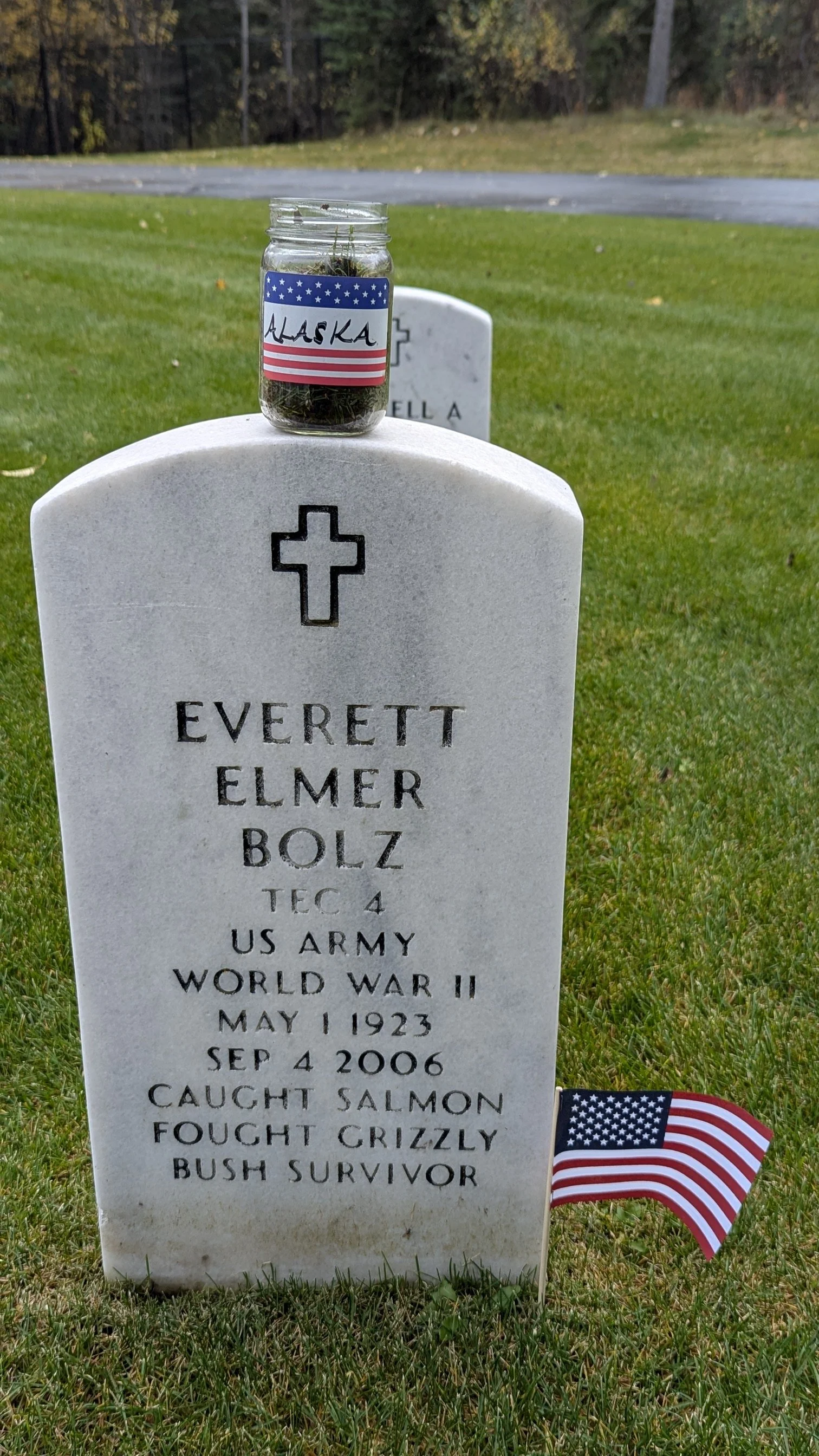
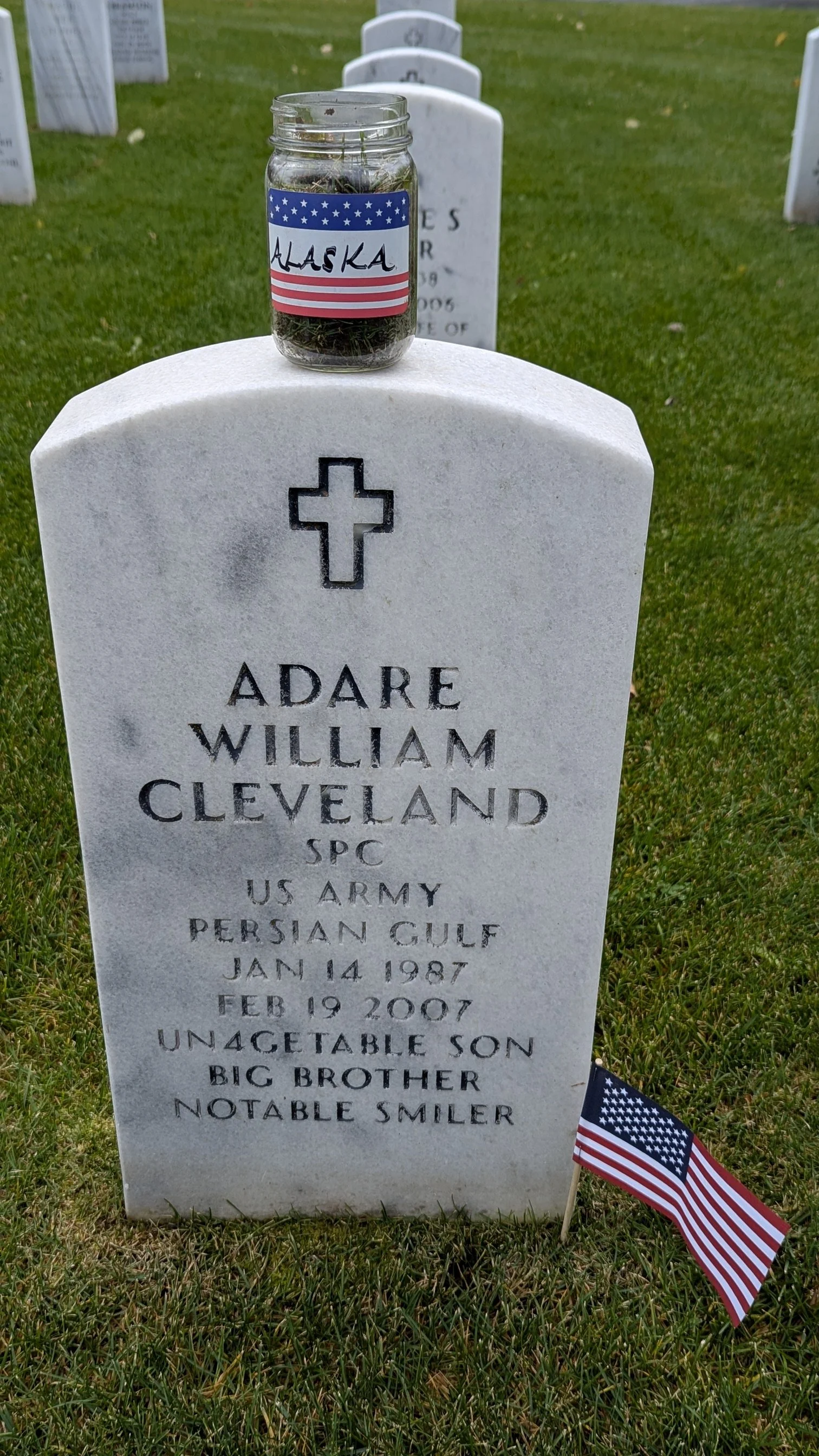
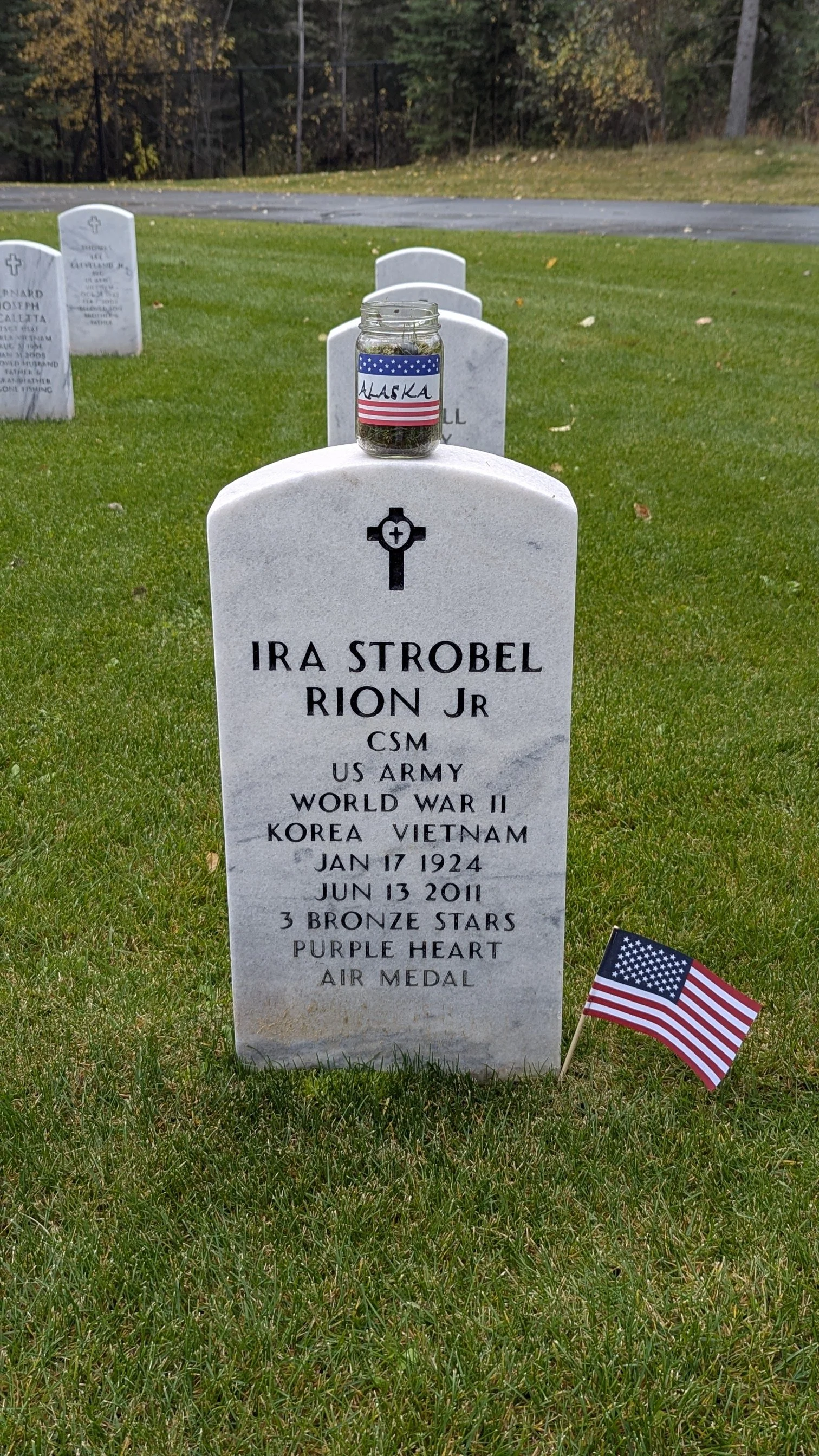
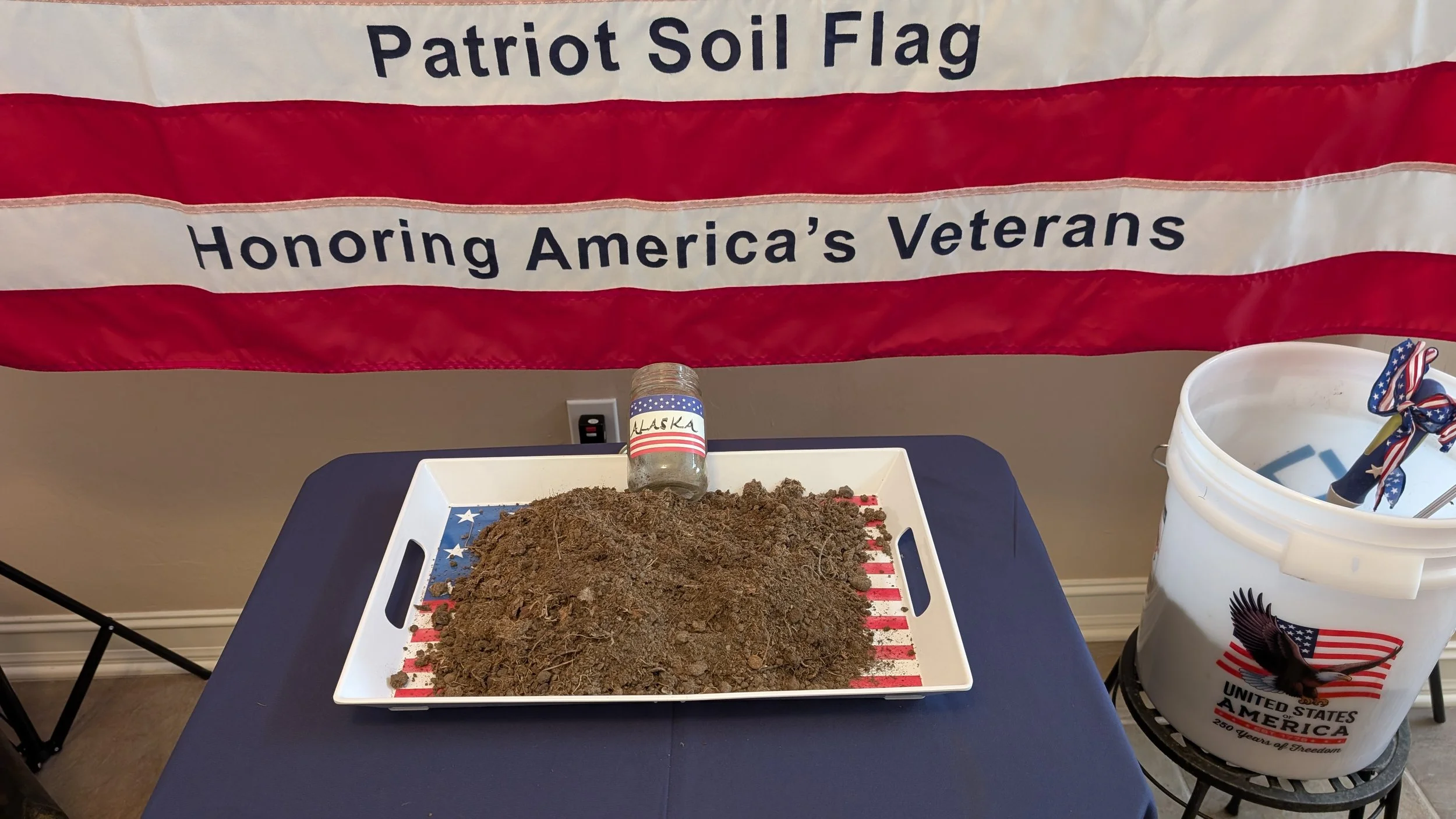
Soil MixingSoil collected from veteran resting places throughout the state is respectfully combined into a single blended collection, symbolizing the unity of all who served from that state.
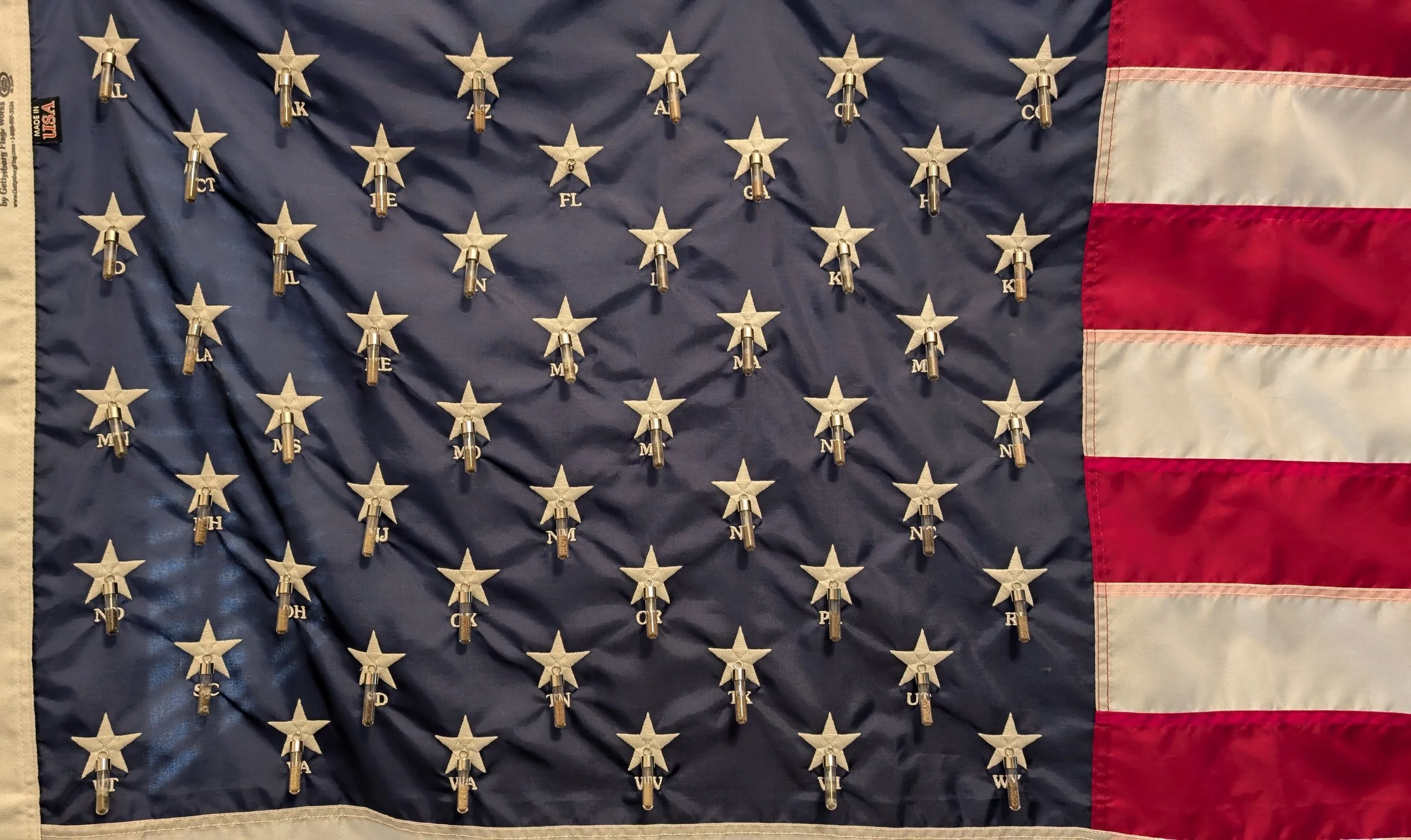
Vial & State StarSoil collected from veteran resting places throughout the state is respectfully combined into a single blended collection, symbolizing the unity of all who served from that state.