INDIANA
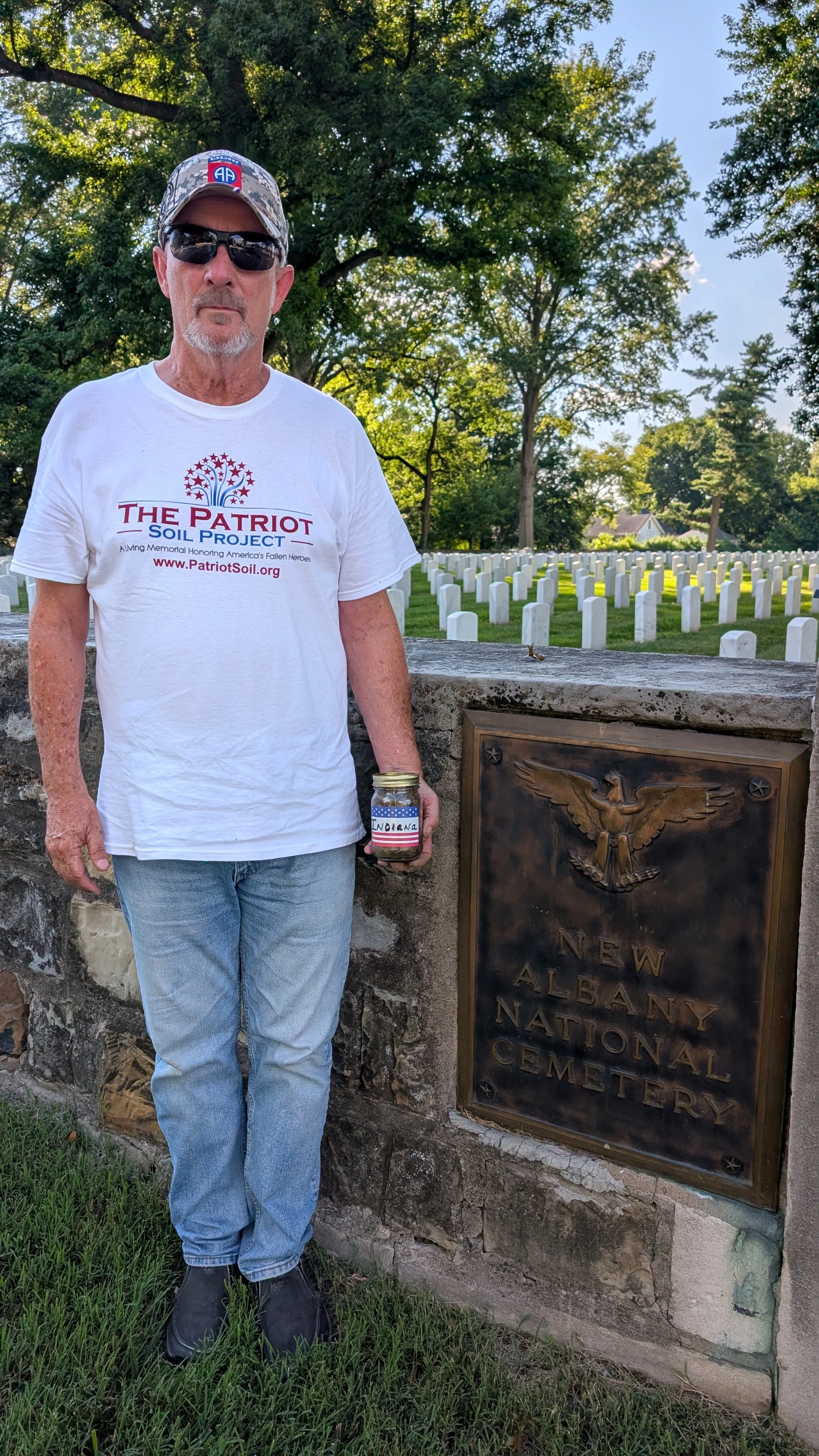
New Albany National Cemetery
The New Albany National Cemetery in New Albany, Indiana, is a small but historically important U.S. veterans burial ground that reflects the Civil War origins of the national cemetery system and the long military history that followed.
Established in 1862 during the Civil War, the cemetery was created to inter Union soldiers who died in nearby hospitals and military facilities along the Ohio River. The region, situated just across from modern-day Louisville, Kentucky and along the Ohio River, served as a major Union logistics and medical hub. Soldiers who died in care—rather than on distant battlefields—were among the first buried here, and over time many remains were reinterred from scattered or temporary graves in the region.
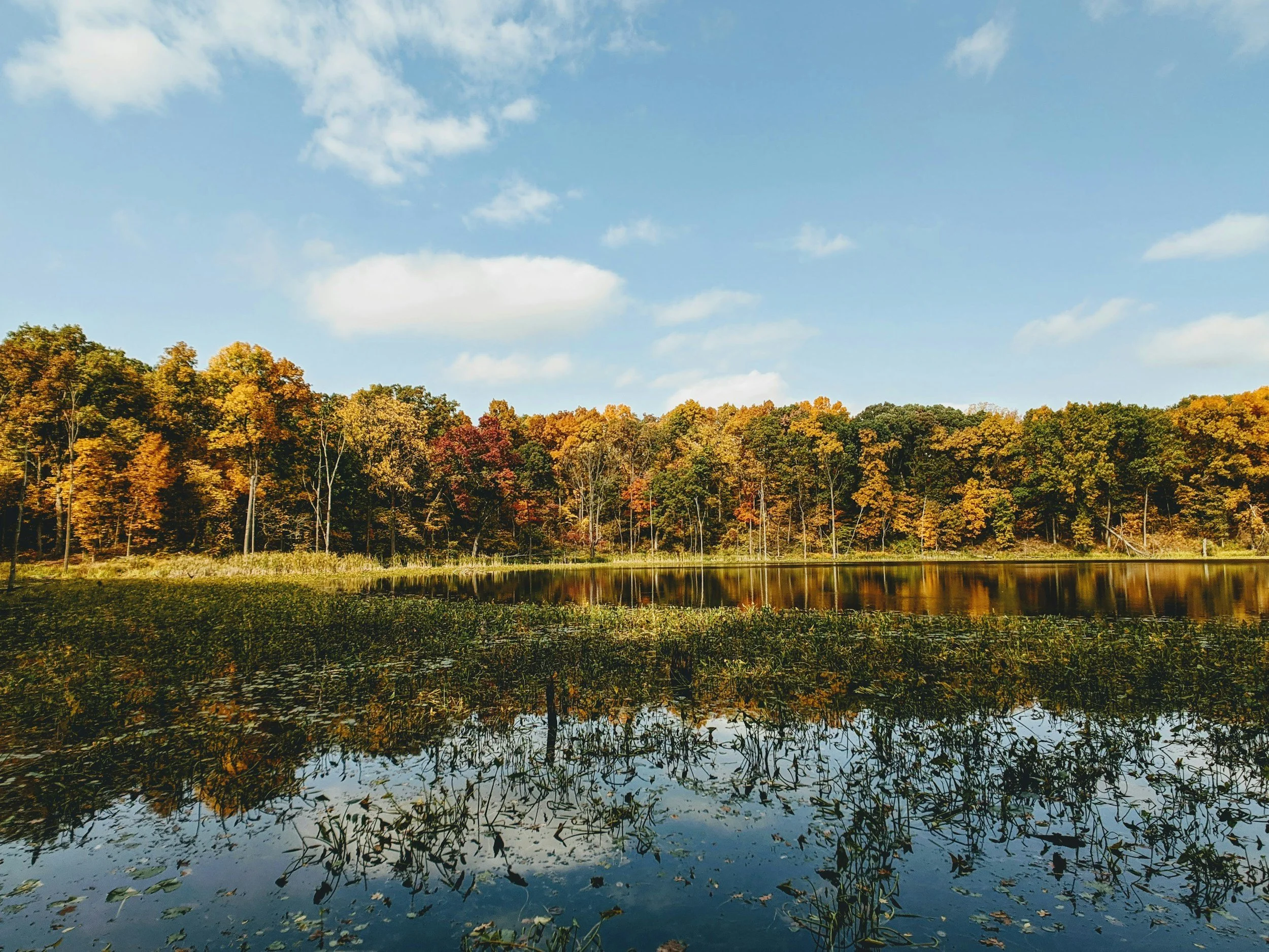
The cemetery itself is modest in scale, covering only about 5–6 acres, and today it sits quietly within a residential neighborhood of New Albany. Surrounded by historic homes and tree-lined streets, it is enclosed by a low stone wall and iron fencing, giving it a clearly defined but understated presence. Inside, orderly rows of white military headstones sit beneath mature trees, creating a calm, shaded, and reflective atmosphere. Unlike larger national cemeteries, it feels intimate—almost like a preserved historic space embedded within the everyday life of the city.
Over the course of its history, the cemetery has received thousands of burials, including Civil War Union soldiers, a small number of Confederate reinterments, and veterans from nearly every major American conflict since then, including the Spanish-American War, both World Wars, Korea, Vietnam, and more recent operations in Iraq and Afghanistan. While it does not contain nationally famous political or cultural figures, it does include several historically notable military burials. Among them are early Civil War interments such as Private Alonzo Ash, believed to be one of the first burials in the cemetery; Lieutenant Colonel William Baynard Onley Jr., a U.S. Marine Corps officer who served in major World War II Pacific campaigns; and Specialist 4 Carlos E. Wilcox IV, an Indiana National Guard soldier killed in Iraq in 2009.
Today, the cemetery remains active in a limited capacity, primarily for eligible veterans and cremated remains, and is maintained by the U.S. Department of Veterans Affairs. It is also listed on the National Register of Historic Places, recognizing its significance as one of the early national cemeteries established during the Civil War era.
Overall, the New Albany National Cemetery stands as a quiet historical landmark—small in size but deeply tied to the Civil War origins of national military burial traditions, and continuing to serve as a resting place for generations of American service members in a peaceful neighborhood setting.
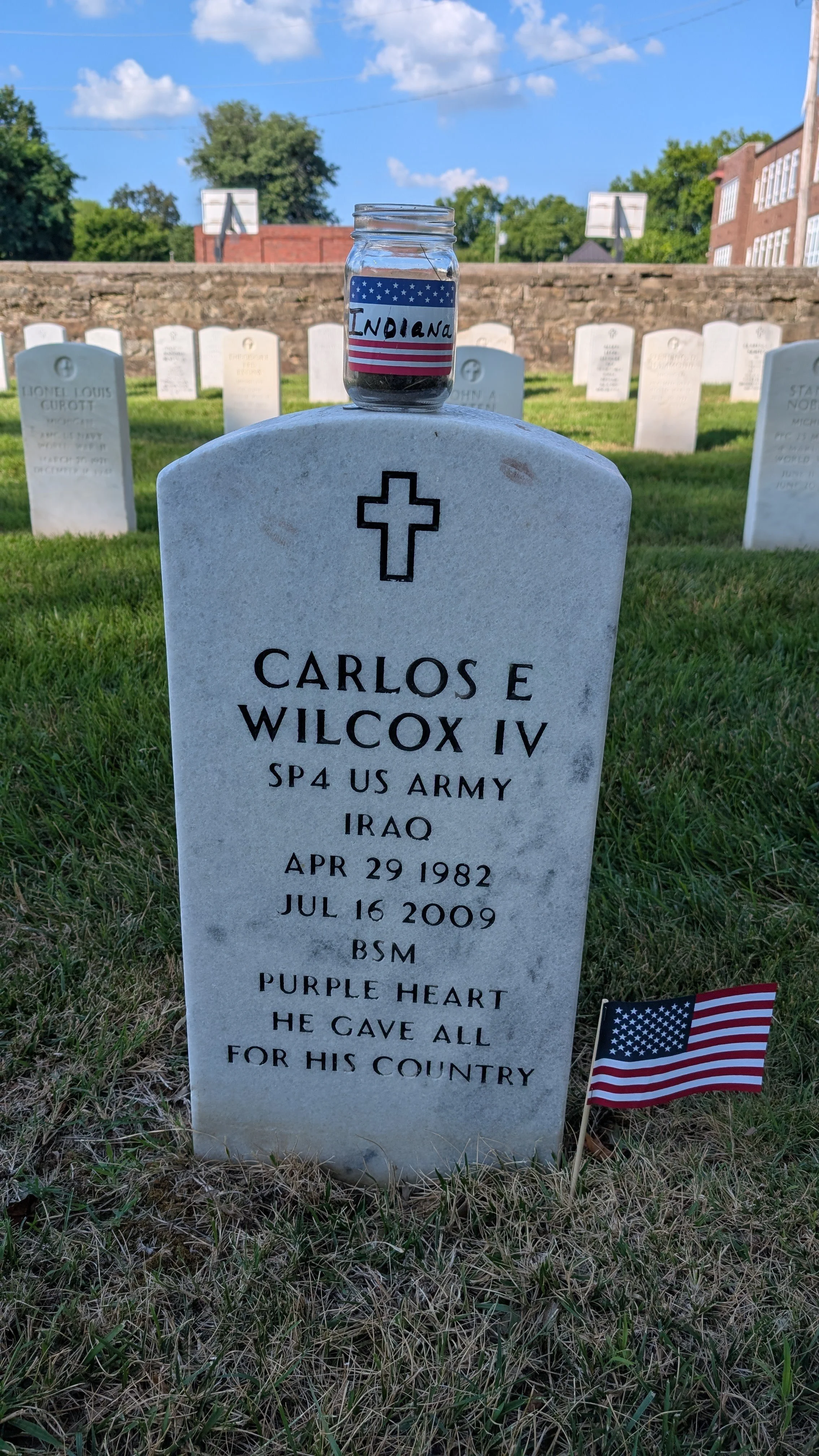
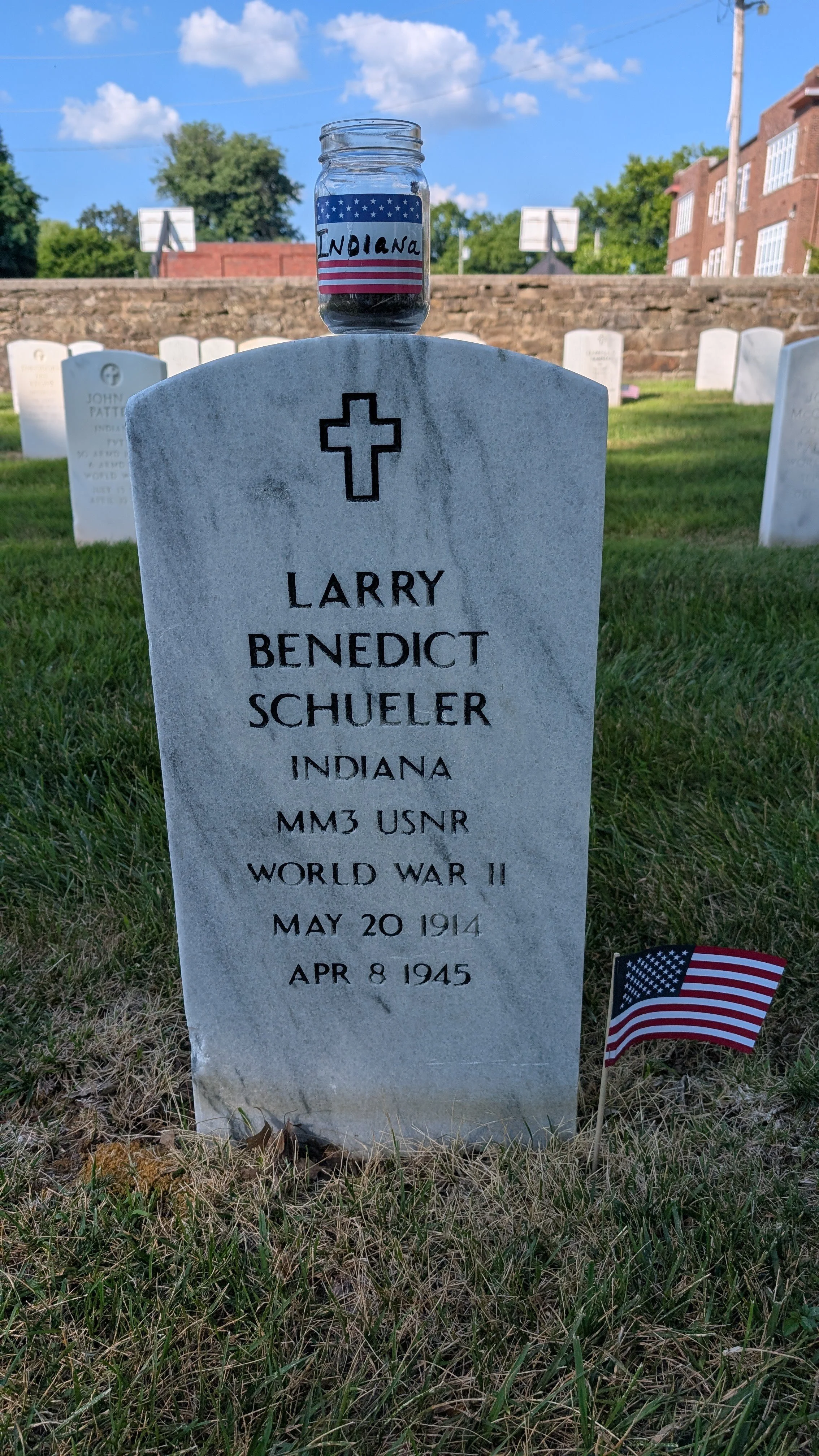
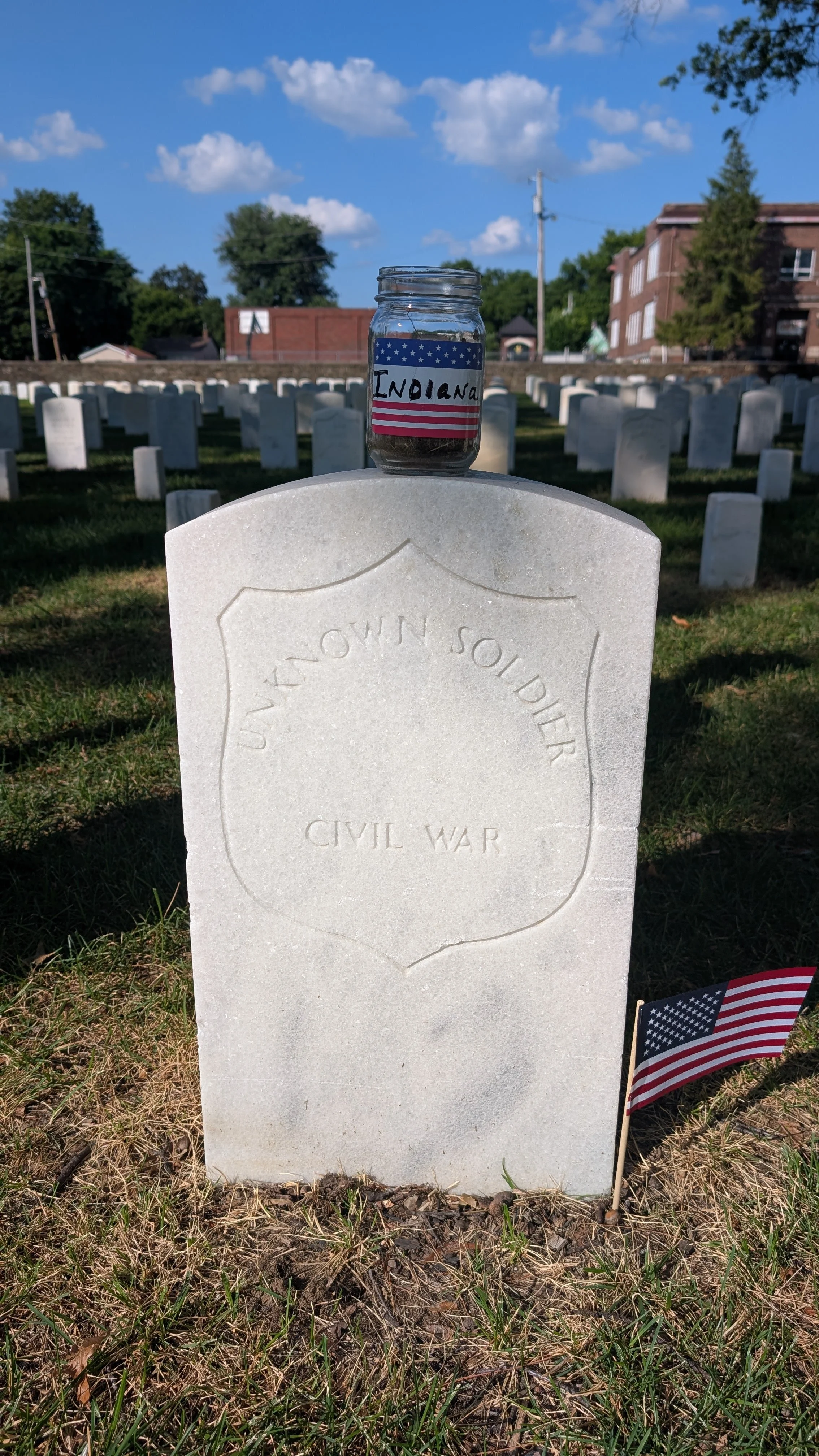
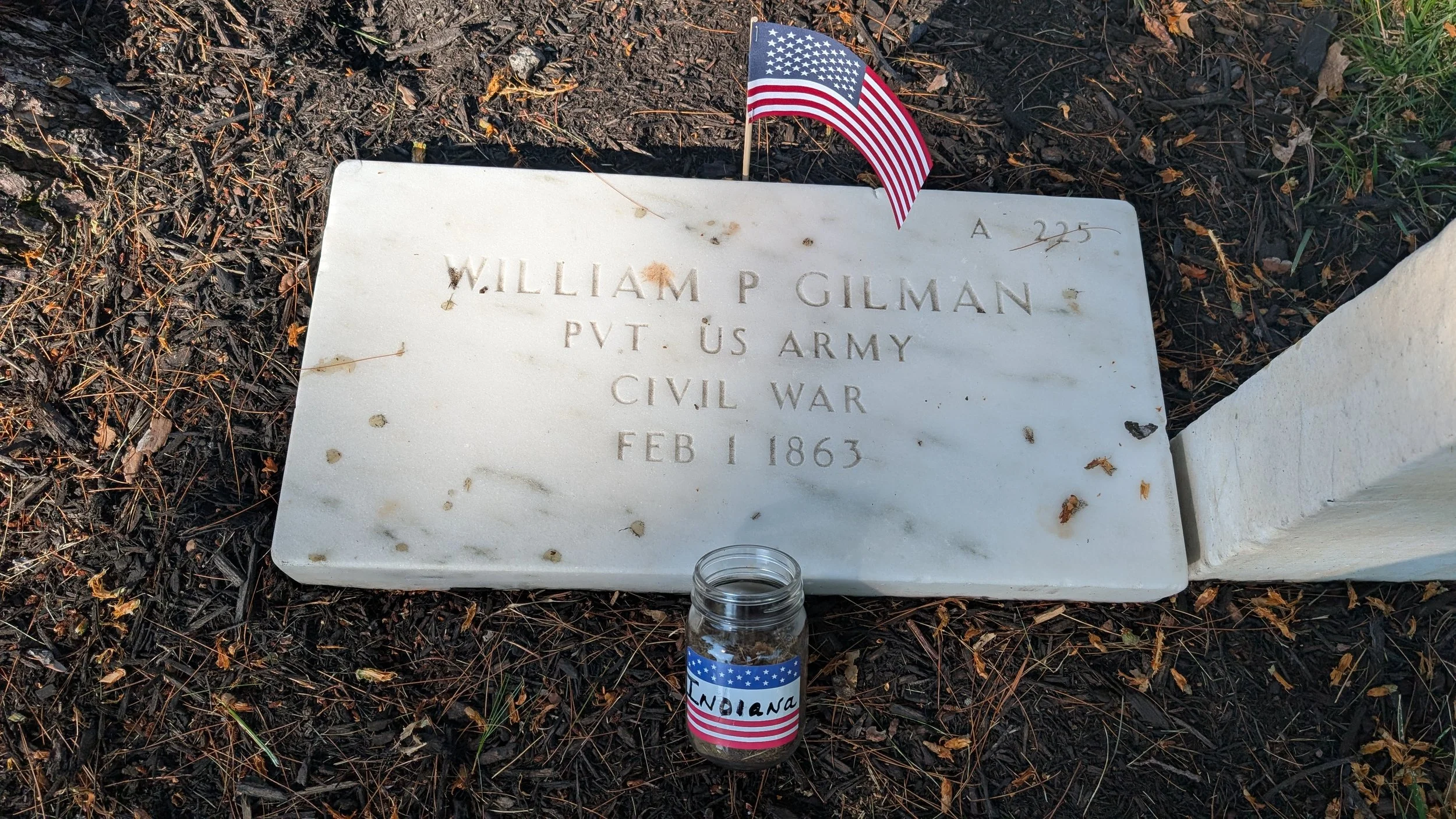
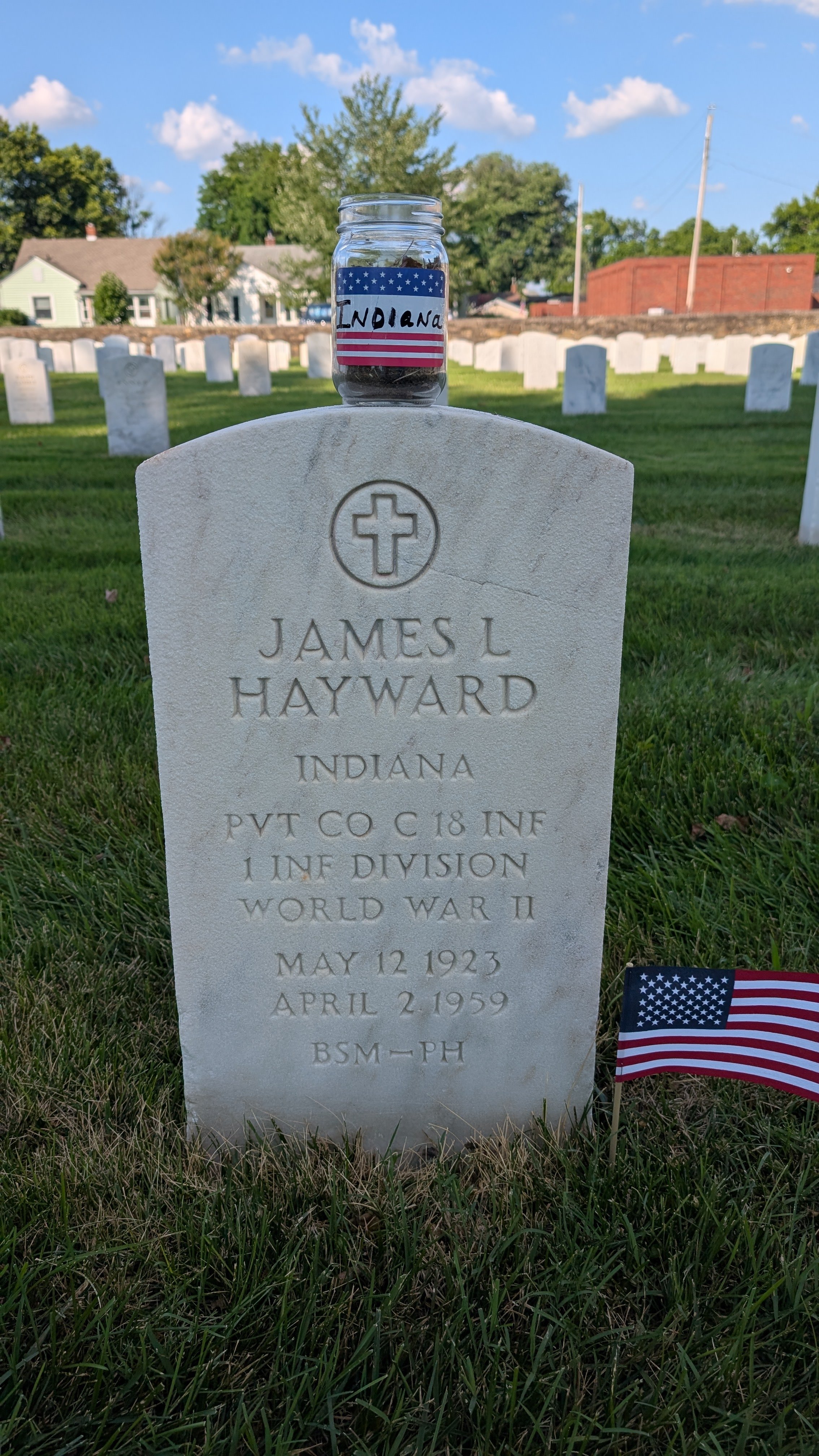
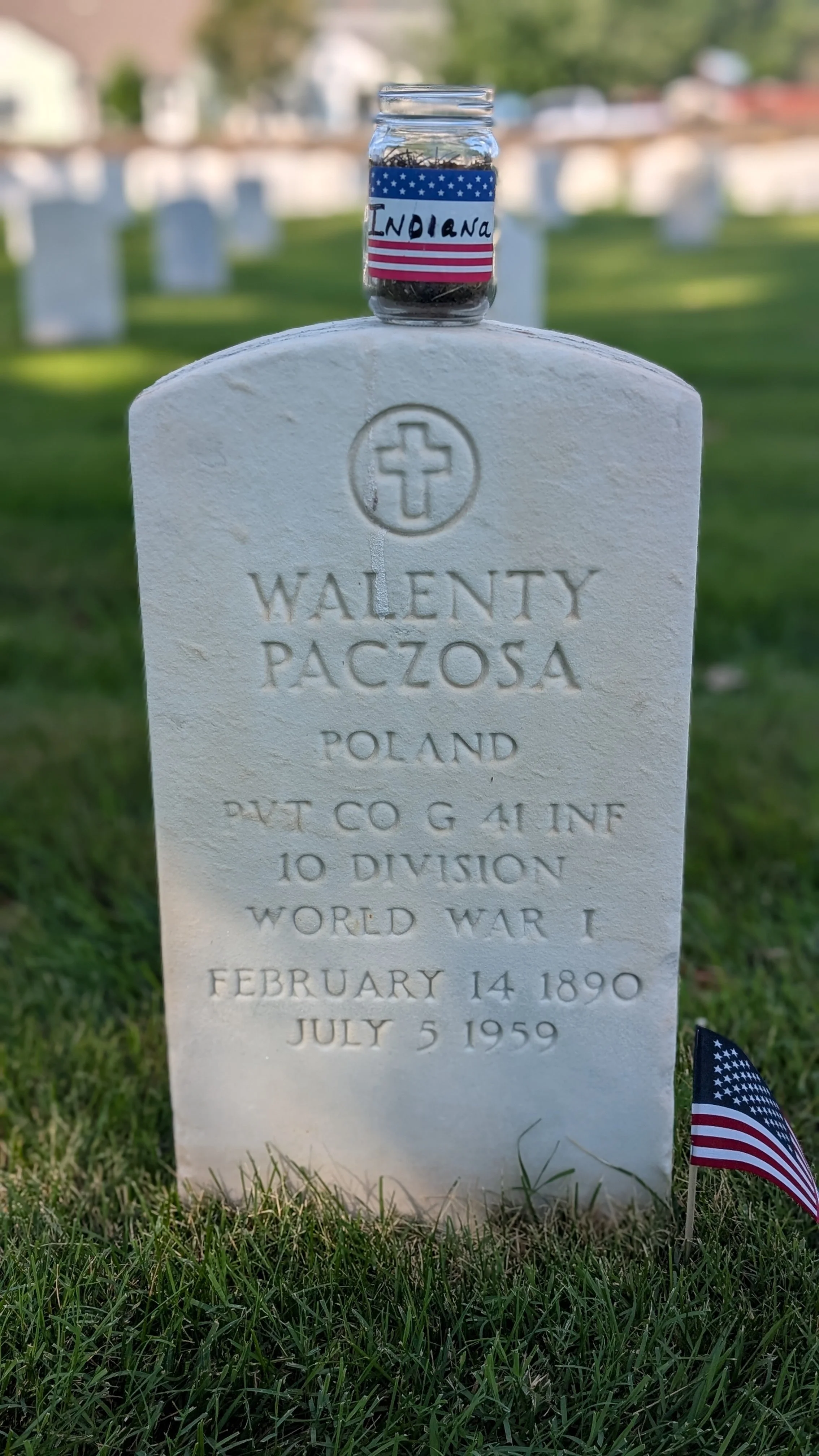
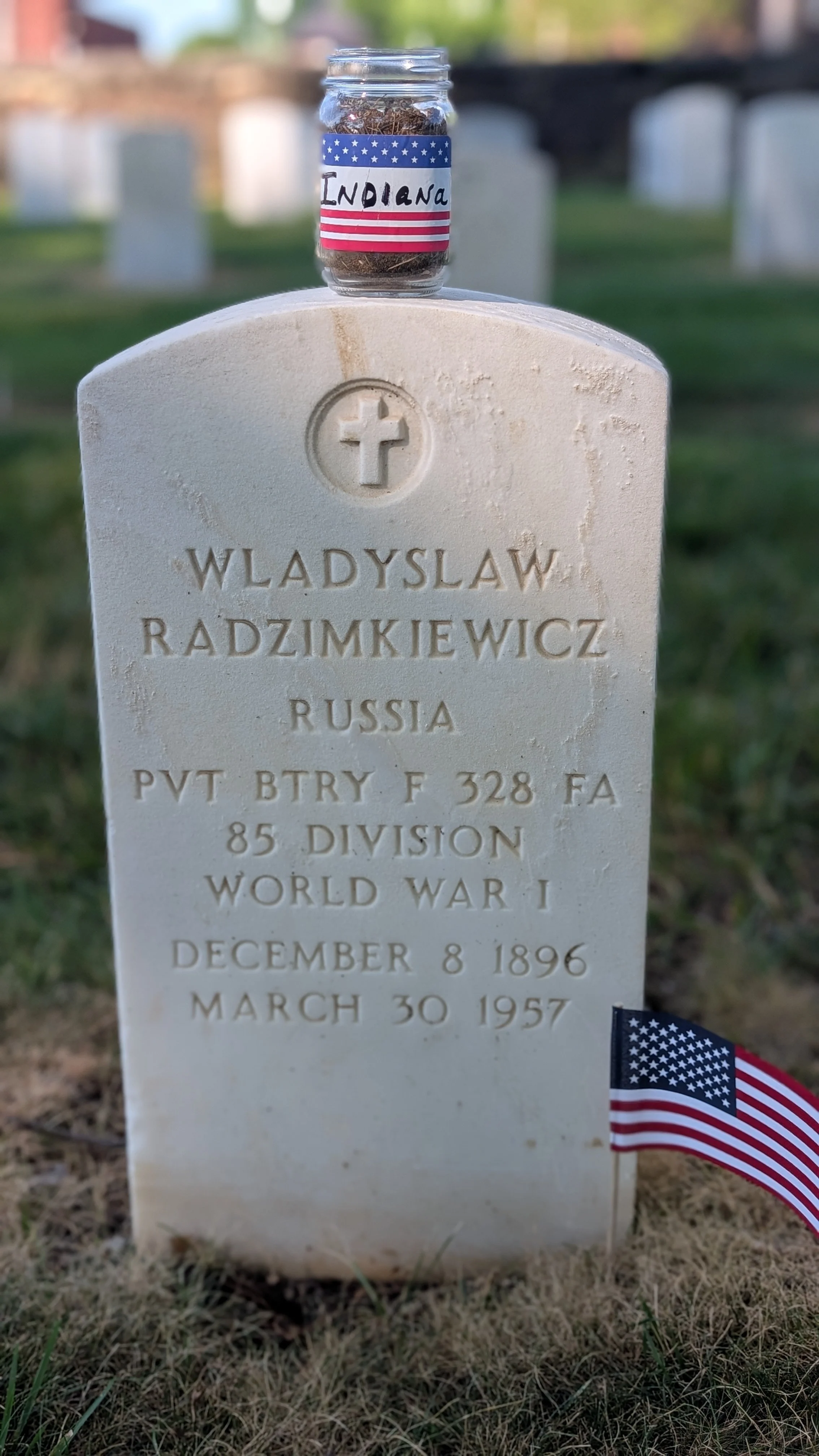
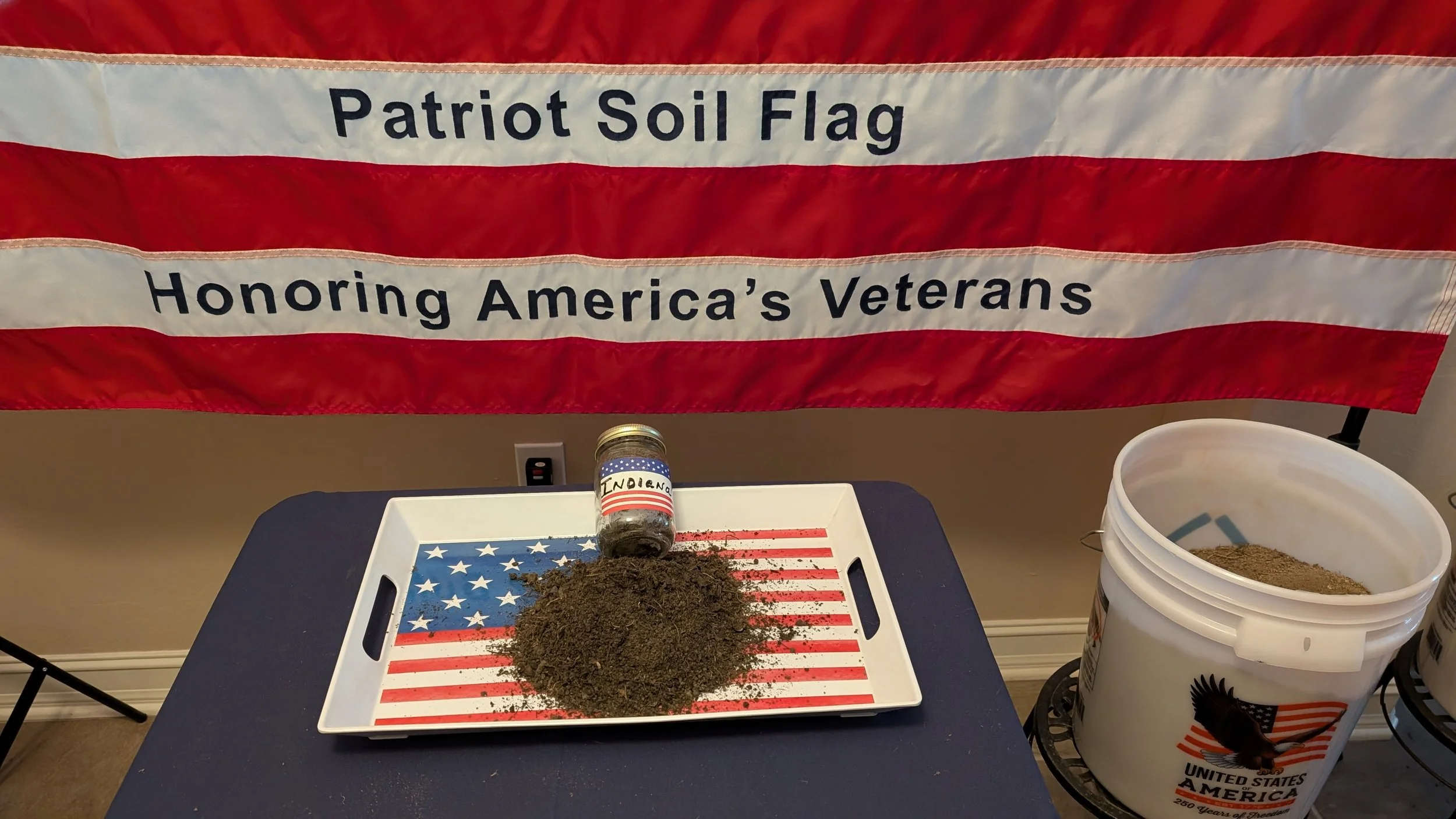
Soil MixingSoil collected from veteran resting places throughout the state is respectfully combined into a single blended collection, symbolizing the unity of all who served from that state.
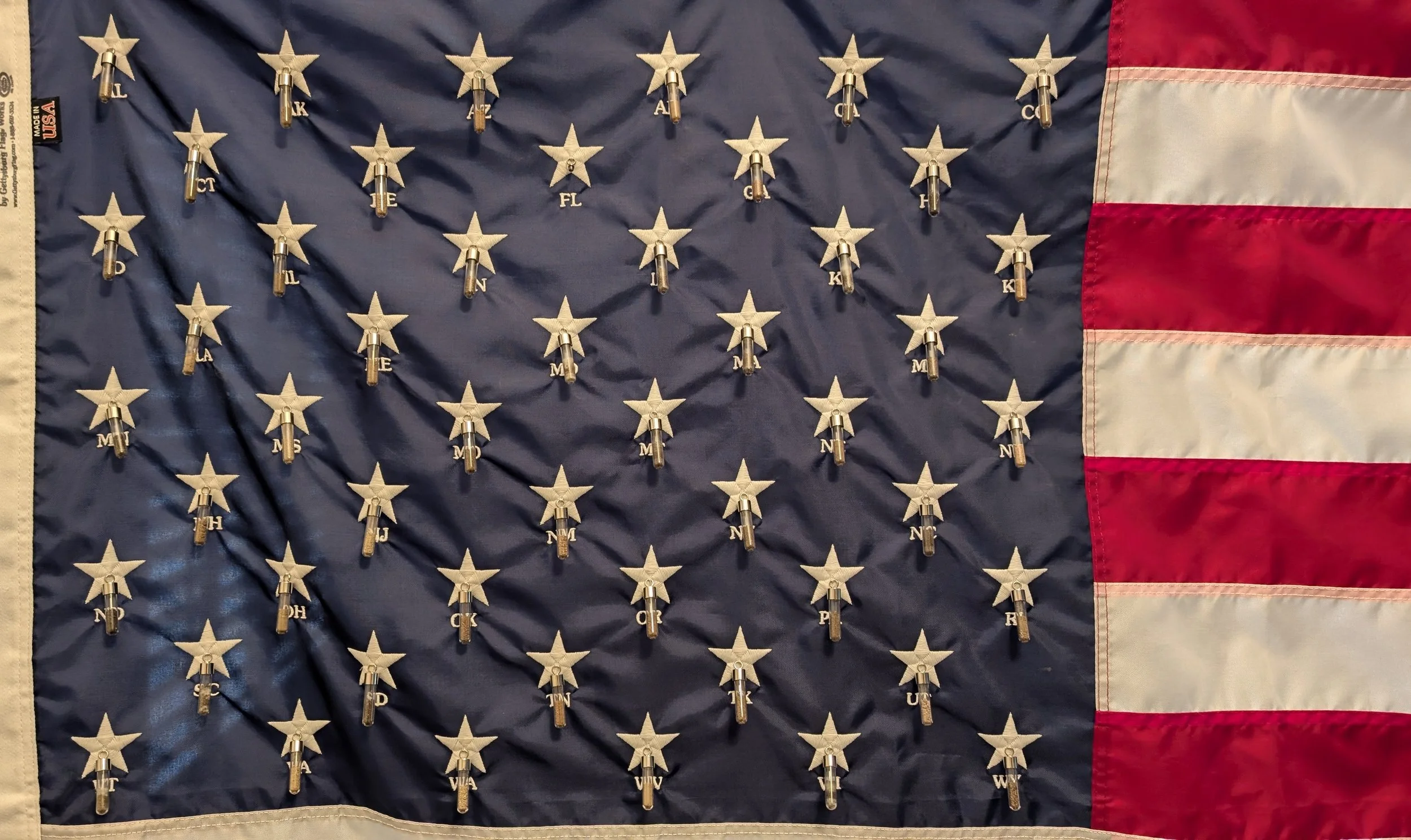
Vial & State StarSoil collected from veteran resting places throughout the state is respectfully combined into a single blended collection, symbolizing the unity of all who served from that state.